From Free Basic Verification To Top Homepage Placement, We Provide One-Stop Trust-Building Solutions For Businesses. Join Now To Enjoy Exclusive Limited-Time Benefits, Rapidly Enhance Your Brand Authority, And Access Valuable Procurement Leads.
We Use Cookies 🍪
We Use Cookies And Other Similar Technologies To Improve Your Browsing Experience And The Functionality Of Our Site. Learn More In Our Privacy Policy.
Suppliers Rankings in the Regional Specialty Foods Industry
Last Updated:November 29, 2025
Welcome to Verity Rank's Suppliers Rankings in the Regional Specialty Foods Industry. This list delves into the upper echelons of the supply chain, serving as a professional tool for industry buyers and investors to identify top-tier global manufacturing power. Based on rigorous multi-dimensional data analysis, we focus on evaluating manufacturers' core competencies in production capacity, supply chain control, production techniques, technological patents, and quality consistency. Our goal is to reveal the true giants driving industry growth. Ranking data synthesizes authoritative third-party sources, including government industrial reports, academic research, and AI-consolidated production data, providing objective and neutral results for professional reference.
Nestlé S.A., headquartered in Vevey, Switzerland, is the world's largest food and beverage company. Operating in over 180 countries with more than 2,000 brands, it dominates key sectors including coffee (Nescafé, Nespresso), infant nutrition (Gerber), bottled water (Perrier), and pet care (Purina). With 2023 revenue of CHF 93 billion and 400+ factories worldwide, Nestlé's unparalleled brand portfolio and fully integrated supply chain secure its industry leadership.
Strengths: Boasts the world's largest food production scale and comprehensive supply chain network. Its powerful portfolio of 2,000+ brands covers all market segments with leading R&D investment and global dominance in core categories like coffee and infant nutrition.
Weaknesses: Faces public scrutiny regarding health and environmental concerns. The massive organizational scale limits innovation agility, while product diversification and global operations present significant management complexities.
PepsiCo, Inc. is a globally leading food and beverage company headquartered in Harrison, New York. Operating in over 200 countries and territories, it boasts 22 billion-dollar brands including Pepsi, Lay's, Quaker, and Doritos, spanning carbonated drinks, snacks, and nutritional grains. With 2023 revenue of $91.5 billion, its beverage and convenient foods dual-engine strategy and global distribution network maintain its industry leadership.
Strengths: Possesses a powerful portfolio of 22 billion-dollar brands covering both beverages and snacks. Maintains the world's most extensive distribution network reaching over 200 countries. Sustains market competitiveness through continuous product innovation and digital transformation initiatives.
Weaknesses: Faces challenges from global health trends impacting traditional carbonated drinks and snack businesses. Confronts dual pressures from rising raw material costs and intensifying market competition. Must address increasingly stringent health regulations and environmental sustainability requirements.
Ferrero International S.A. is a leading global chocolate and confectionery company headquartered in Alba, Italy. A family-owned private enterprise, it operates in over 170 countries, specializing in chocolates, candies, biscuits, and sweet snacks, with 30+ production plants worldwide. Reporting approximately €17 billion revenue in 2024, Ferrero has established solid leadership in the global premium chocolate and confectionery market through over 70 years of brand heritage, exceptional product quality, unique recipes, and continuous innovation.
Strengths: Ferrero's core strengths are its exceptional brand value and global recognition with iconic brands like Ferrero Rocher and Nutella; extremely stringent product quality control standards and industry-leading continuous innovation capability; and a deeply established, comprehensive global distribution network spanning 170+ countries.
Weaknesses: The company faces significant challenges from health-conscious trends targeting traditional high-sugar, high-calorie sweet products; its profitability is vulnerable to cost fluctuations of key raw materials like cocoa and hazelnuts; and it contends with intense global competition and rapidly evolving consumer preferences.
Unilever is a globally leading fast-moving consumer goods company with dual-headquarters in the UK and Netherlands, operating in 190+ countries. With 400+ brands spanning Food & Beverage (Knorr, Wall's, Lipton), Beauty & Wellbeing, Personal Care, and Home Care, it achieved €59.6 billion revenue in 2023. Its exceptional brand portfolio management and sustainability leadership maintain its dominant position in the global FMCG industry.
Strengths: Maintains powerful portfolio of 400+ brands with excellent brand management capabilities. Leads in sustainability practices and ESG ratings industry-wide. Established deeply penetrated global distribution network and digital supply chain system with continuous product innovation leadership.
Weaknesses: Faces persistent cost inflation pressures and rising raw material prices. Experiences intensifying market competition with emerging brand challenges. Geopolitical uncertainties impact global operations while rapidly changing consumer demands create product transformation pressures.
McCormick & Company, Incorporated is a leading global flavor company headquartered in Sparks, Maryland, USA. Operating across 160+ countries, it specializes in spices, seasonings, flavor solutions, and sauces, maintaining 25+ production facilities worldwide. Listed on the New York Stock Exchange, McCormick reported $6.6 billion revenue in 2024, sustaining its absolute leadership through 130+ years of brand heritage and a robust global supply chain.
Strengths: McCormick's core strengths are its absolute market leadership in global flavors with 130-year brand heritage, continuous innovation driving growth with 300+ new products annually, and a comprehensive global supply chain across 160 countries with deep market penetration.
Weaknesses: Profitability remains vulnerable to fluctuations in raw material prices, particularly spices. It faces pressures from rapidly changing consumer preferences and intensifying market competition. Its global network encounters geopolitical risks and trade policy uncertainties across different markets.
Mars, Incorporated is a globally leading food and pet care products manufacturer headquartered in McLean, Virginia, USA. As the world's largest privately-held food company operating in 80+ countries, it owns iconic brands including M&M's, Dove, Snickers, Pedigree, and Whiskas across confectionery and pet care segments. With estimated annual revenue of $40 billion, its vertically integrated model and stringent quality control maintain its significant industry leadership.

Strengths: Possesses multiple globally recognized billion-dollar brands with leading positions in confectionery and pet food markets. Maintains full vertical integration from raw materials to finished products with exceptional quality control standards. Leads in sustainability initiatives and eco-friendly packaging with strongly trusted brand value among consumers.
Weaknesses: Faces challenges from health-conscious trends impacting traditional confectionery business. Experiences pressure from raw material price volatility and rising costs. Limited financial transparency due to private company structure. Confronts intensified market competition and evolving regulatory environment challenges.
Goya Foods, Inc. is a leading American Latino food manufacturing company headquartered in Jersey City, New Jersey. Founded in 1936 by a Spanish immigrant family, it specializes in producing and selling traditional Latino foods, ingredients, condiments, and beverages, operating in over 30 countries with 80% of revenue from the U.S. market. With 10 production facilities, 15 distribution centers, and 3 R&D hubs, Goya has an annual capacity of 500,000 tons, reported approximately $1.5 billion revenue in 2024, employs around 4,000 people, and offers a portfolio of 2,500+ products. As a private family-owned firm, it dominates the U.S. Latino food sector with over 60% market share, leveraging 85+ years of brand heritage, cultural authenticity, and extensive product range.
Strengths: Goya's core strengths are its absolute leadership in the U.S. Latino food market with 60%+ share; high cultural affinity and trust built over 85 years of brand history; the broadest product line covering 2,500+ authentic Latino items across all categories; and unique channel depth with deep penetration in Latino communities and mainstream retail networks.
Weaknesses: Goya faces intensifying competition as major food companies enter the Latino segment, leading to price wars and market share defense; cost pressures from raw material fluctuations, rising production expenses, and margin squeeze; challenges in adapting to shifting consumer tastes and health trends; and limited international expansion beyond the Americas, constraining diversification.
Barilla Group is a globally leading pasta and sauce manufacturer headquartered in Parma, Italy. A private family-owned enterprise with over 140 years of history, it specializes in producing and selling pasta, sauces, and bakery products, operating in more than 100 countries worldwide. Barilla runs 30 production bases globally, including 10 dedicated pasta plants, with a total annual capacity of 2 million tons and a pasta-specific capacity of 1.5 million tons. In 2024, it reported approximately €4.5 billion (~$4.8 billion) in revenue, with pasta contributing 70%. Leveraging its unique slow-drying process, commitment to high-quality durum wheat, and profound brand heritage, Barilla dominates the global pasta market with a 25%+ share.
Strengths: Barilla's core strengths are its absolute leadership in the global pasta market, supported by unique slow-drying technology and 140 years of craftsmanship; unparalleled brand heritage as the world's most trusted pasta brand and a symbol of Italian culture; and industry-leading sustainability practices covering agriculture, production, and packaging.
Weaknesses: Barilla faces risks from product concentration, with pasta accounting for 70% of revenue; profitability is vulnerable to fluctuations in raw material costs like durum wheat; and it confronts intensifying global competition alongside innovation pressures from evolving consumer eating habits.
Lee Kum Kee Company Limited is a leading global Chinese seasoning enterprise headquartered in Hong Kong SAR, China. Founded in 1888 with 136 years of history, it operates in 100+ countries, specializing in soy sauce, oyster sauce, and Chinese sauces. As a family-owned business, Lee Kum Kee generated approximately $3 billion revenue in 2024, maintaining absolute leadership in global Chinese seasoning through its century-old heritage and comprehensive worldwide network.
Strengths: Lee Kum Kee's core strengths are its 136-year brand heritage and profound Chinese culinary legacy, absolute market leadership in global oyster sauce with stringent quality control systems, and well-established global network across 100+ countries with local production capabilities.
Weaknesses: As a family-owned enterprise, it maintains limited financial transparency. It faces dual pressures from intensifying market competition and raw material cost fluctuations. Its global operations encounter uncertainties from changing international trade environments.
Kikkoman Corporation is a globally leading fermented seasoning manufacturer headquartered in Tokyo, Japan. With over 350 years of brand heritage, it specializes in producing and selling soy sauce, sauces, and seasonings, operating in more than 100 countries worldwide. Kikkoman runs 20 production bases globally, including 10 dedicated soy sauce factories, with total annual capacity of 800,000 tons. In 2024, it reported approximately ¥500 billion (about $4.5 billion) in revenue, with soy sauce contributing 60%. Listed on the Tokyo Stock Exchange, Kikkoman dominates the global soy sauce market with a 25% share, leveraging its unique natural fermentation technology, superior quality control, and efficient worldwide operations network.

Strengths: Kikkoman's core strengths are its absolute leadership in the global fermented seasoning market, supported by unique natural fermentation technology and 350 years of craftsmanship; unparalleled brand heritage as the world's most trusted soy sauce brand and a symbol of Japanese culture; and an extensive global production and sales network across 100+ countries with strong local adaptation capabilities.
Weaknesses: Kikkoman faces risks from business concentration, with soy sauce accounting for 60% of revenue; profitability is vulnerable to raw material cost fluctuations; and it confronts intensifying global competition alongside innovation pressures from shifting consumer tastes and health trends.
At Verity Rank, we believe true authority comes from multi-dimensional data cross-verification. Our rankings are not based on a single factor but are generated by analyzing a diverse set of authoritative third-party data through sophisticated algorithmic models. This includes, but is not limited to: analysis of financial reports from public companies, government industry statistics, reports from leading market research firms, and validated academic research. We also consider market presence, consumer feedback, and expert opinions to conduct a comprehensive assessment—from corporate scale and market performance to public credibility—delivering a holistic and realistic picture of brand strength.
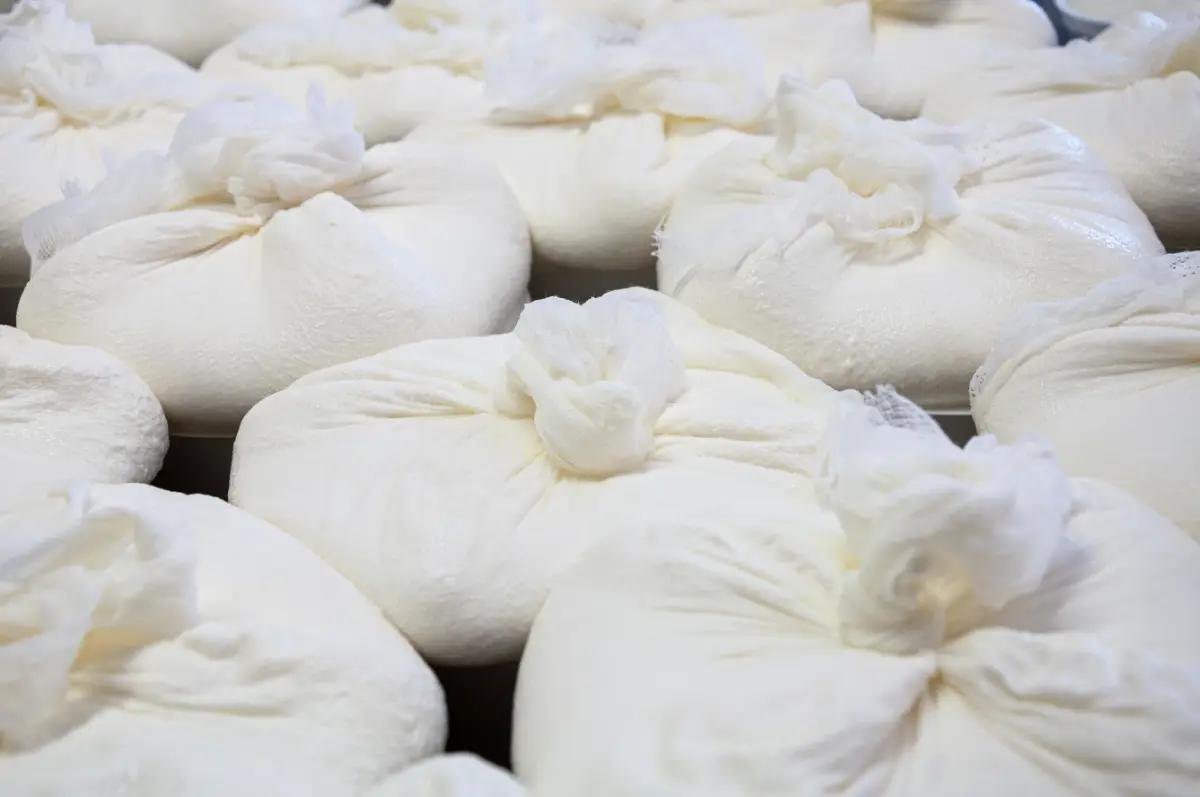
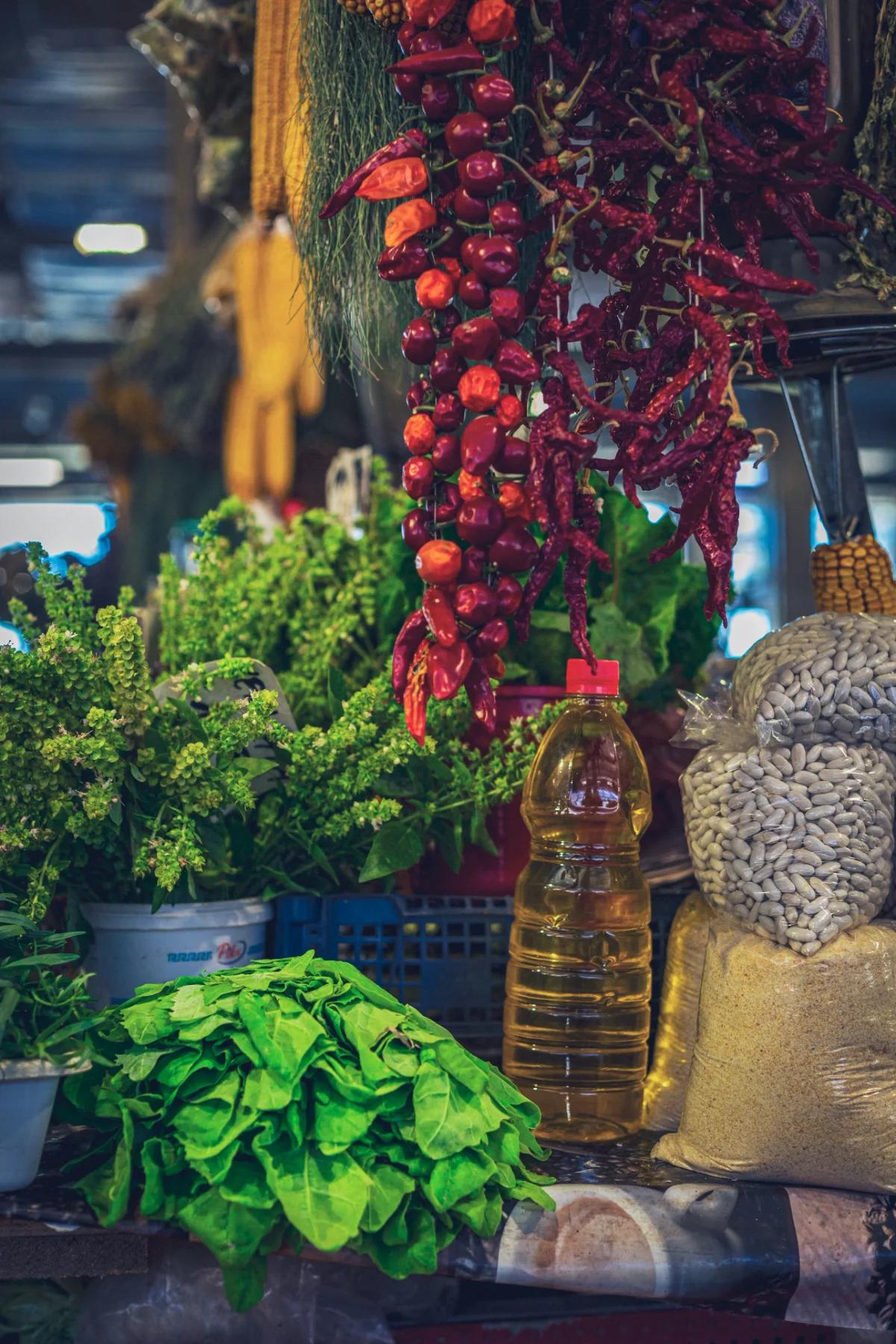
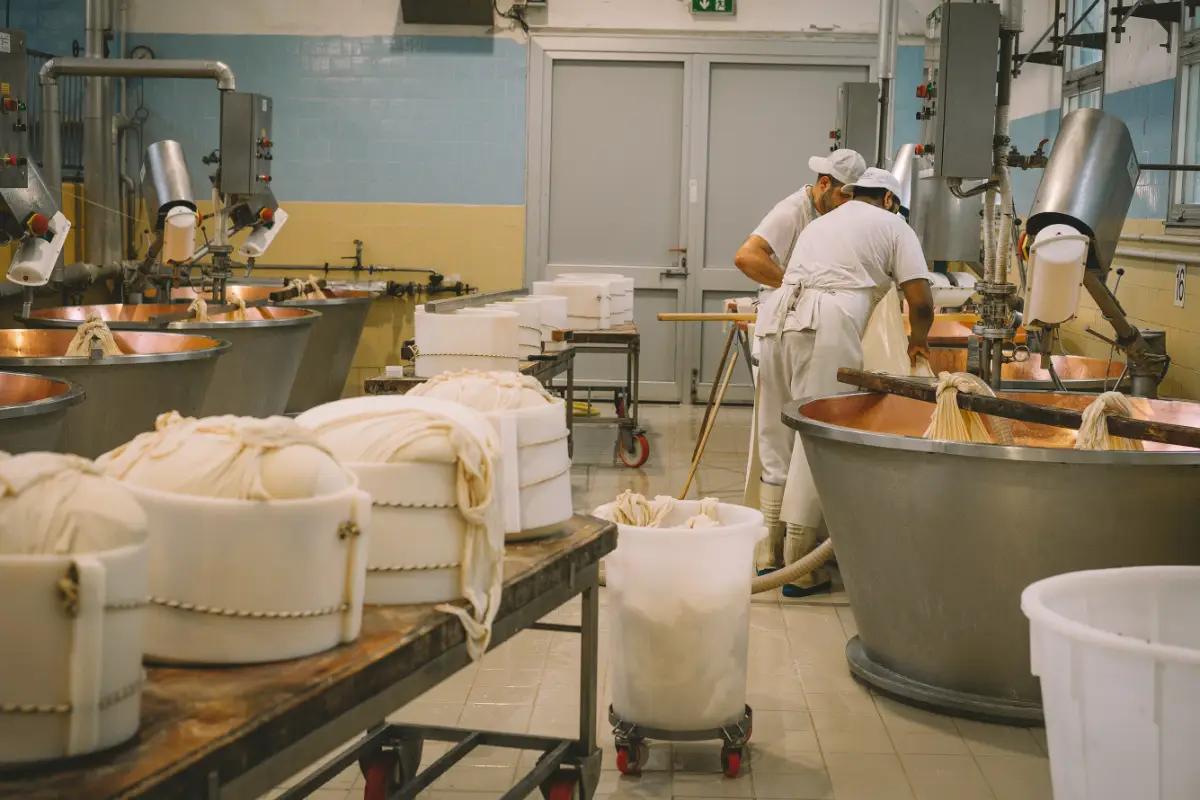
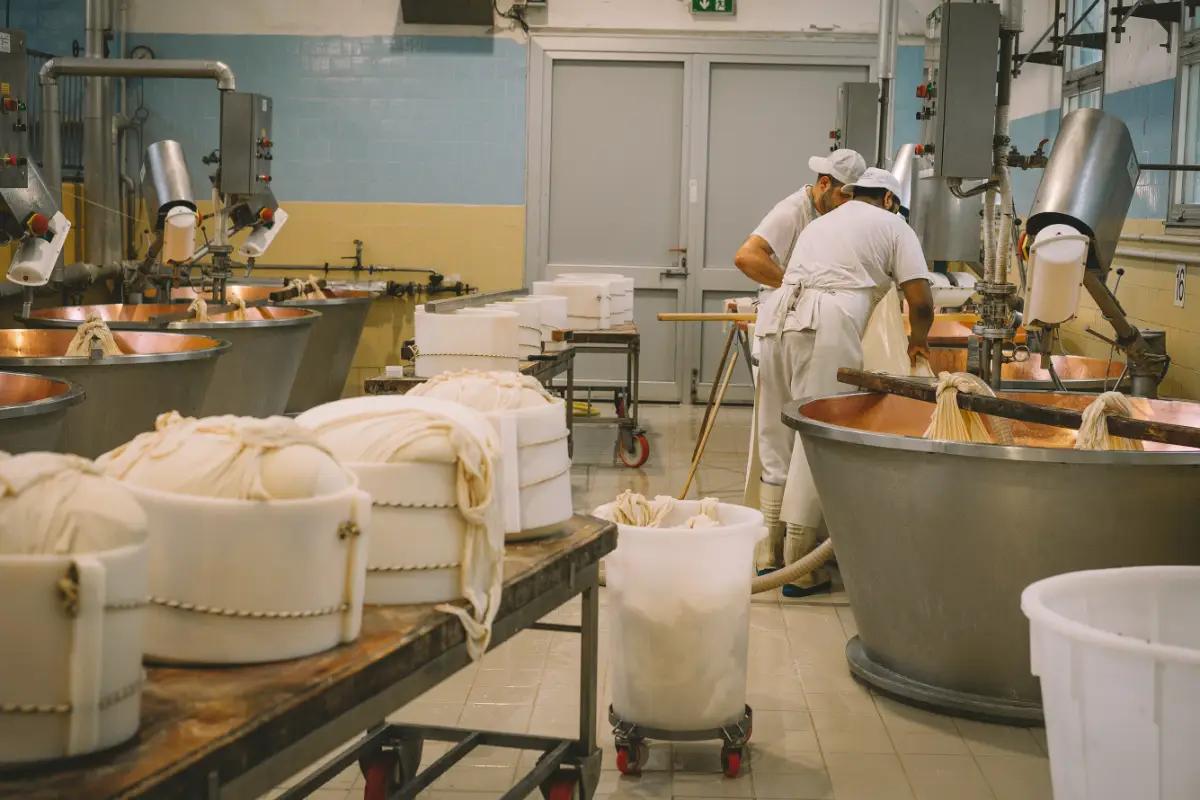
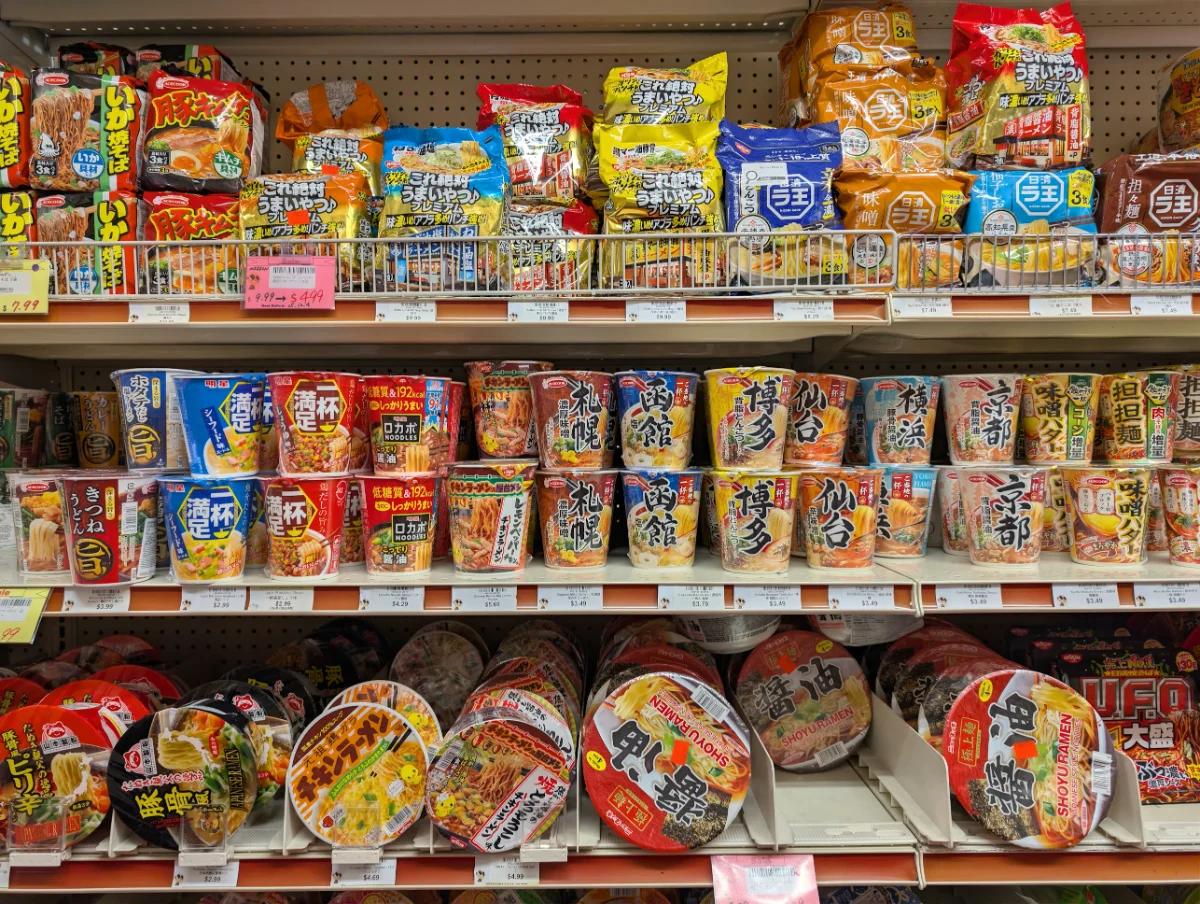
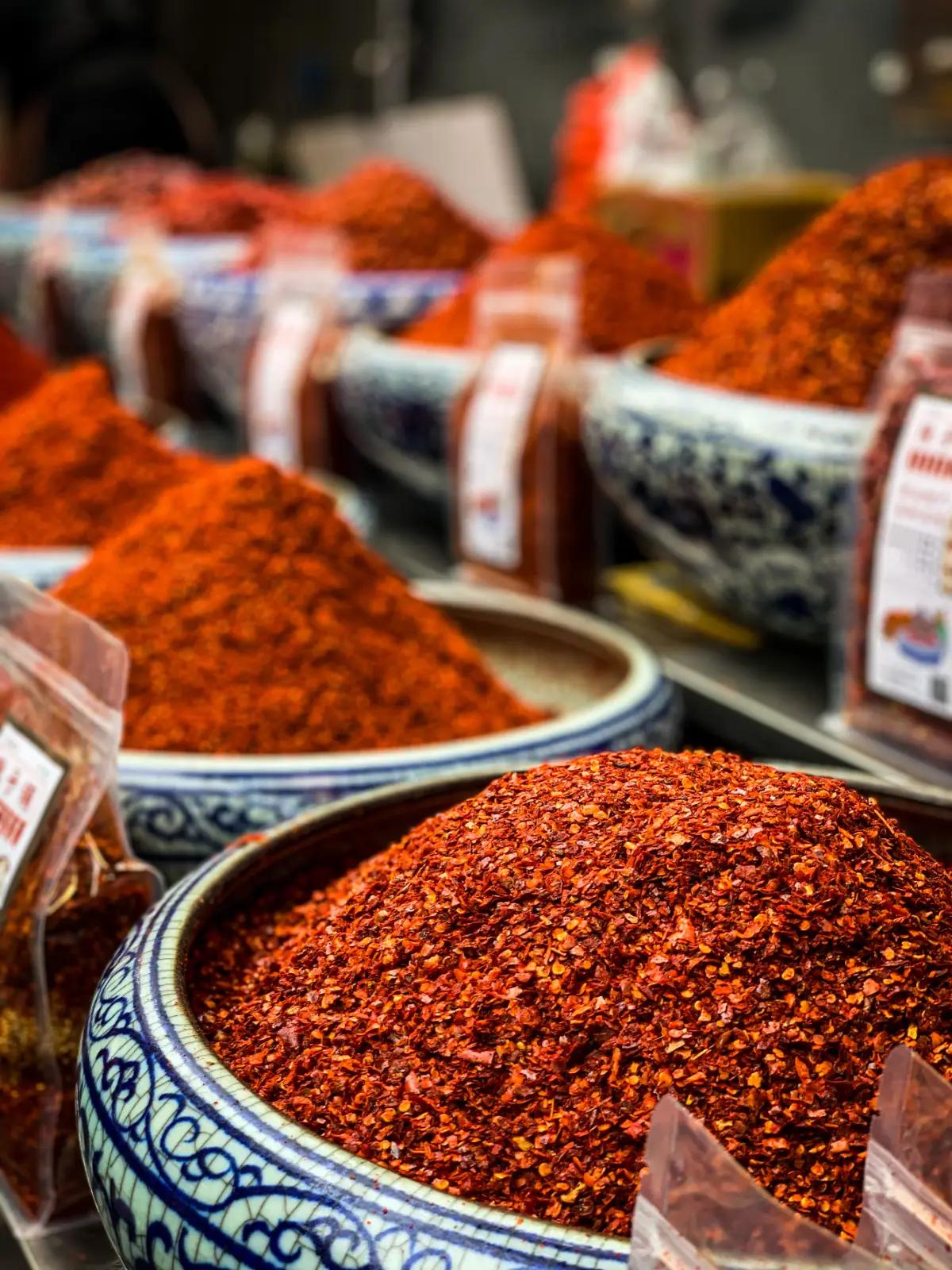
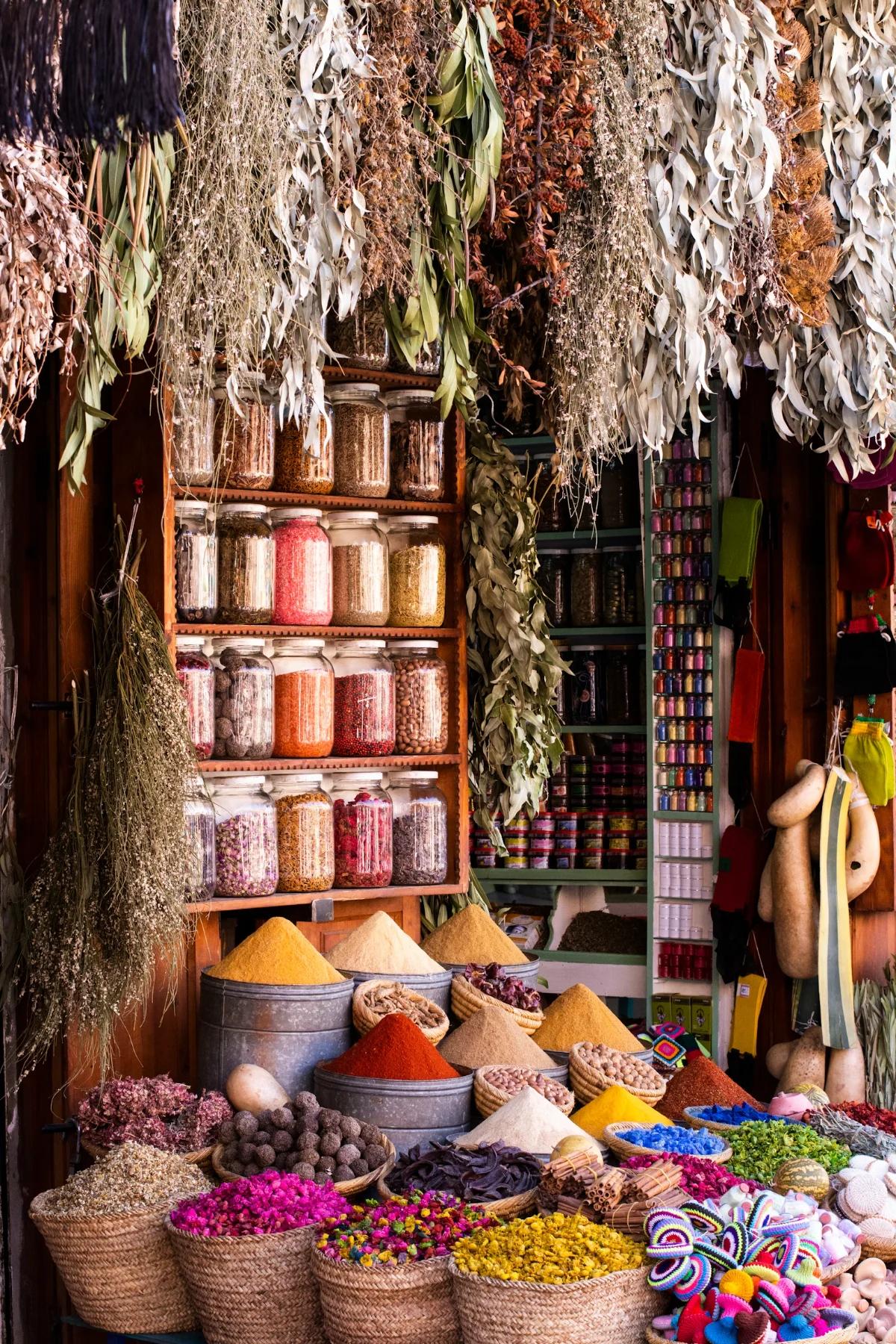
Regional Specialty Foods are unique food and beverage products deeply tied to a specific geographic area's culture, climate, and traditions. What sets them apart is their distinct flavor profile, often achieved through traditional production methods, local ingredients, and generational knowledge. Think of Parmigiano-Reggiano cheese from Italy or Pixian Chili Bean Paste from China. Unlike mass-produced foods, these specialties carry a "taste of place," offering an authentic culinary experience and preserving cultural heritage. They are often protected by designations like PDO (Protected Designation of Origin) to ensure authenticity.
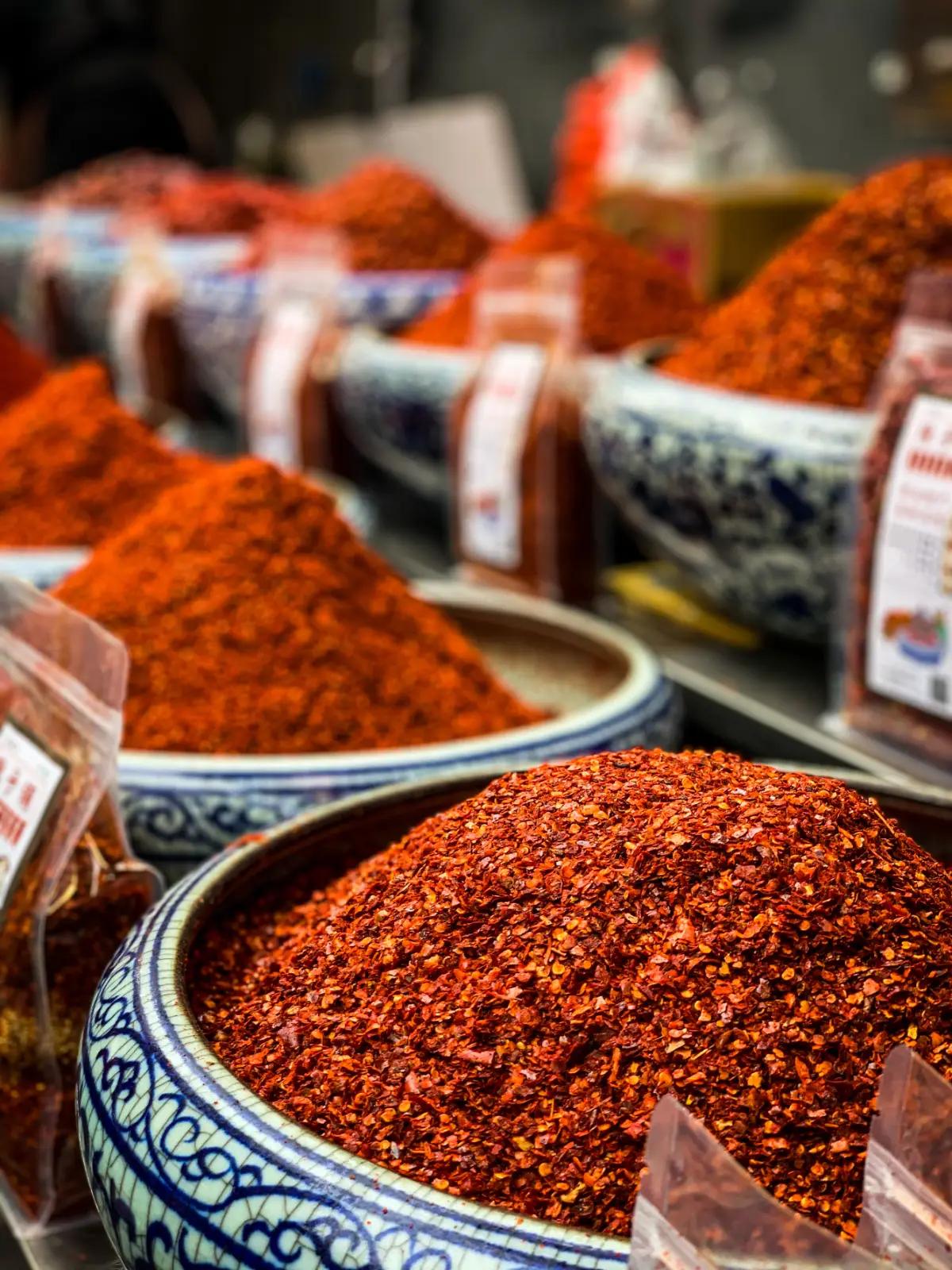
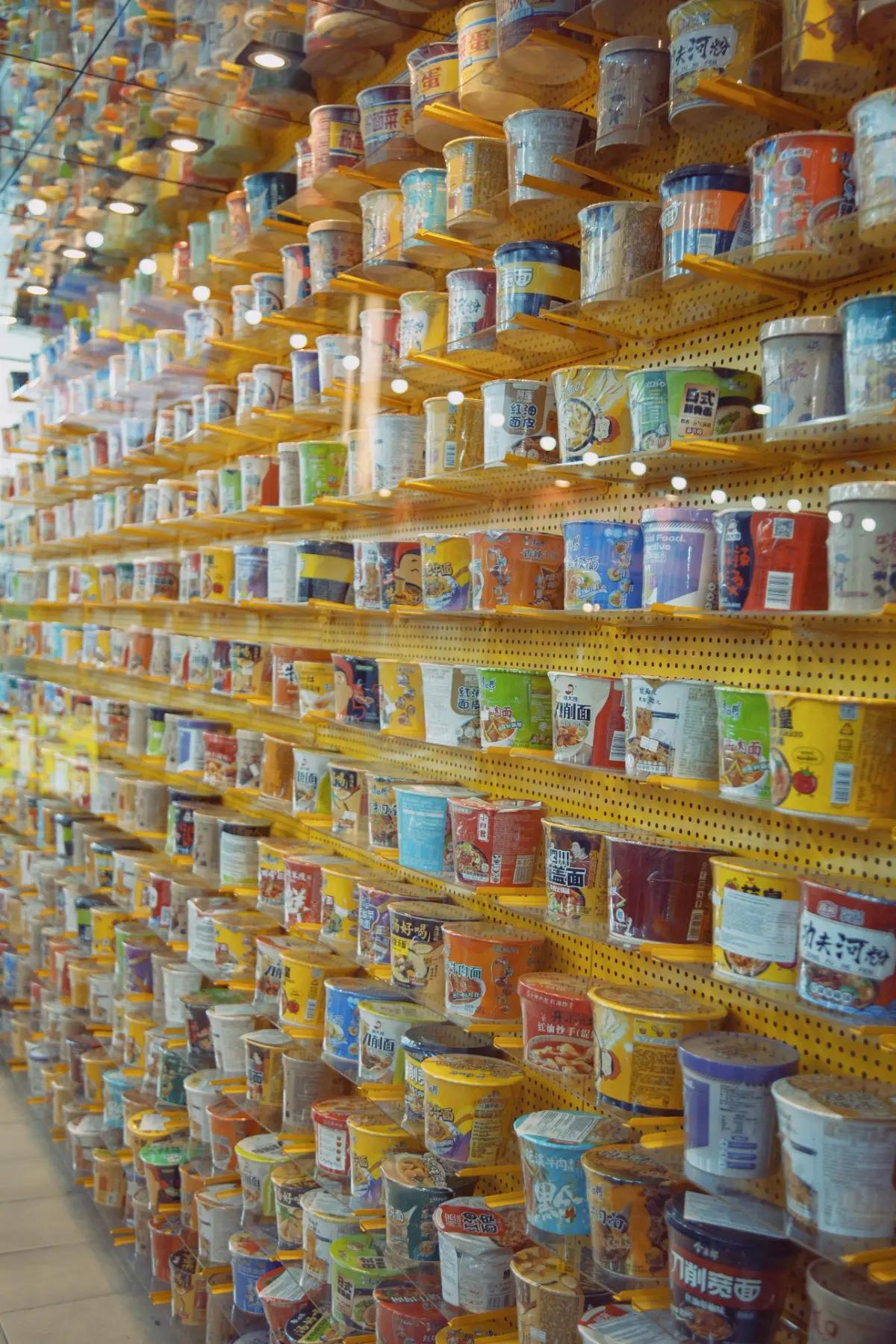
The industry categorizes products based on production methods and product forms to better understand its landscape. For instance, "Traditional Sauces & Pastes" (e.g., Gochujang, Pesto) involve grinding, blending, and fermenting. "Pickled & Fermented Foods" (e.g., Kimchi, Sauerkraut) rely on microbial activity for preservation and flavor. "Dried Goods" (e.g., dried mushrooms, Jamón) use dehydration. "Ready-to-Eat" kits (e.g., instant Luosifen) offer convenience. This classification helps consumers navigate the diverse world of regional tastes and informs industry analysis and sourcing.
Large corporations can successfully produce authentic-tasting regional foods by leveraging significant resources. They often acquire respected local brands, preserving their original recipes and techniques. Furthermore, they invest heavily in R&D to scientifically reverse-engineer traditional flavors and achieve industrial-scale standardization. This includes sourcing authentic raw materials and using advanced fermentation control to ensure batch-to-batch consistency. While purists may prefer artisanal versions, these corporate efforts make regional specialties more accessible globally without completely compromising their core taste.
Look for several key indicators. First, check the ingredient list—shorter lists with recognizable, traditional ingredients are often better. Second, seek out official origin certifications like PDO or PGI on packaging, which guarantee provenance. Third, research the producer's reputation; heritage brands with a long history often prioritize quality. Finally, for certain products like teas or sauces, color, aroma, and texture can be tell-tale signs. Reading reviews from knowledgeable consumers can also guide you toward authentic and high-quality choices.
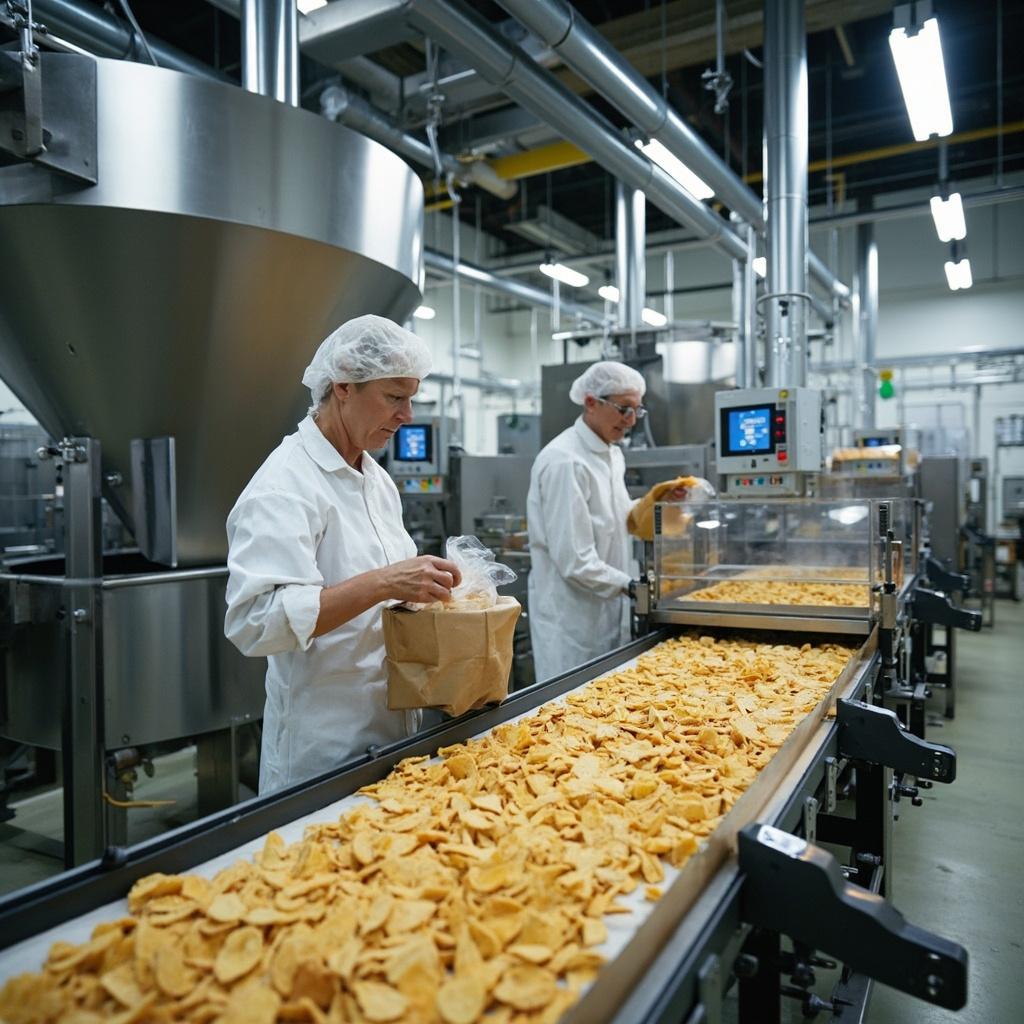
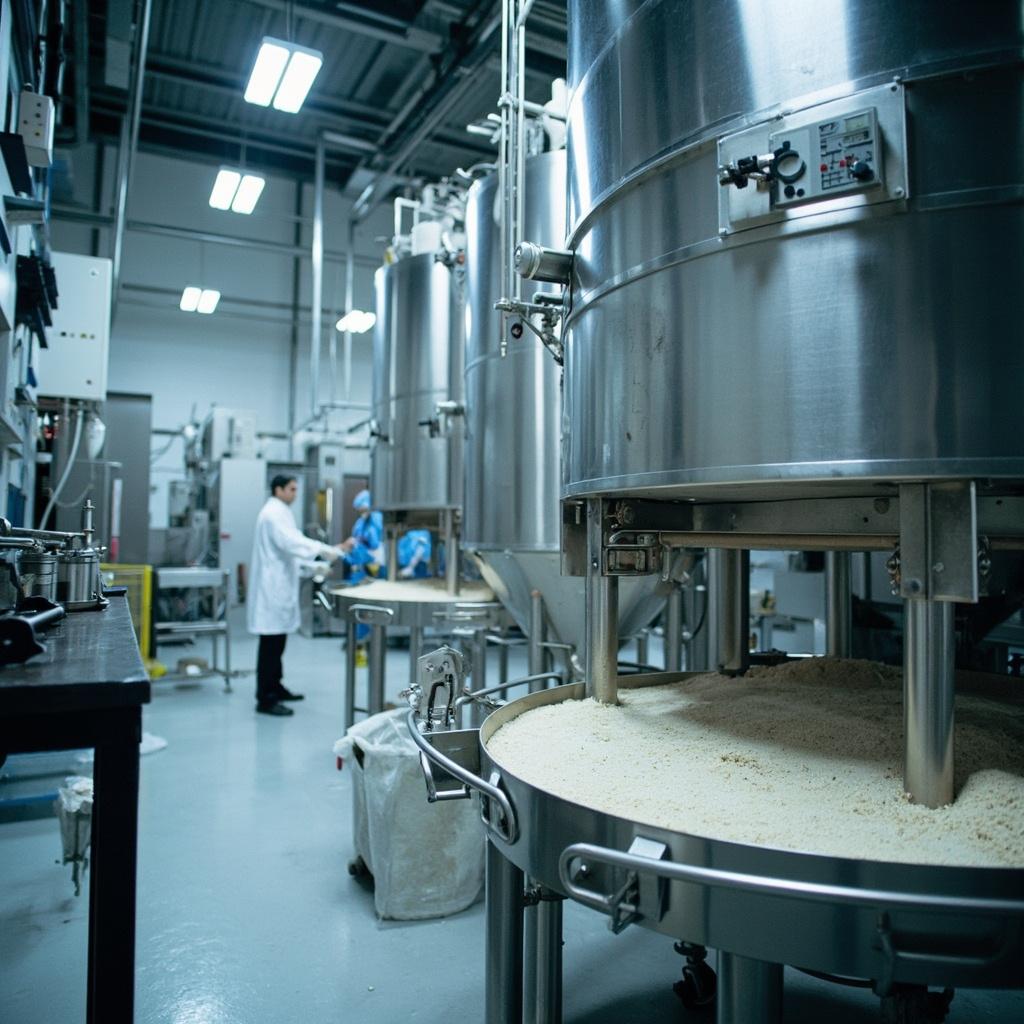
Absolutely. While respecting tradition, technology is revolutionizing this sector. Food science helps decode why traditional fermentation works, allowing for better control. Automation ensures hygiene and consistent quality in production lines. Innovation also creates new formats, like convenient ready-to-eat kits for dishes like Vietnamese Pho, making global cuisines accessible at home. Furthermore, tech aids in sustainability, from reducing food waste in production to optimizing supply chains. The goal is often not to replace tradition, but to scale and preserve it intelligently for the modern world.