At Verity Rank, our ranking methodology is built on data, not opinions. We aggregate and cross-validate information from multiple authoritative third-party sources to produce the most objective industry ranking possible.
1. Data Sources — Multi-Source Cross-Verification
Our primary data comes from four pillars:
• National Statistical Agencies: We collect macro-level industry data from government statistical bureaus across major economies, including the U.S. Bureau of Economic Analysis, Eurostat, China''s National Bureau of Statistics, and Japan''s Ministry of Economy, Trade and Industry. These provide verified data on production volumes, trade flows, and industry revenues.
• University-Affiliated Research Institutions: We incorporate peer-reviewed studies and industry reports from leading academic institutions such as MIT''s Supply Chain Management Program, ETH Zurich, Tsinghua University''s School of Economics and Management, and the London School of Economics. These give us deep insights into technology trends, material innovations, and market dynamics.
• AI-Driven Global Consumer Sentiment Analysis: We deploy natural language processing algorithms to analyze millions of consumer reviews, social media posts, forum discussions, and professional buyer feedback across platforms in over 40 languages. This captures real-time market perception that traditional surveys miss.
• Publicly Listed Company Financial Reports: For publicly traded companies, we analyze SEC filings, annual reports, earnings call transcripts, and ESG disclosures. This gives us verified revenue data, R&D spending, profit margins, and sustainability commitments.
2. The Four-Dimensional Scoring Model
Each company is evaluated across four equally weighted dimensions:
• Market Influence (25%): Global market share, revenue scale, distribution network breadth, number of countries served, and year-over-year growth rate.
• Brand Reputation (25%): Consumer satisfaction scores, professional buyer ratings, industry awards and certifications, media sentiment analysis, and brand recognition surveys.
• Innovation & R&D (25%): Number of active patents, R&D investment as percentage of revenue, new product launch frequency, technology partnerships, and contributions to industry standards.
• Sustainability & Ethics (25%): Environmental certifications (ISO 14001, LEED, etc.), carbon footprint reduction targets, labor practices and fair trade compliance, supply chain transparency, and corporate social responsibility initiatives.
3. Our Commitment to Independence
We do not accept payment for rankings. No company can pay to improve its position or to be included in our rankings. Our research team operates independently from our commercial operations. Rankings are updated quarterly to reflect the latest available data.
Disclaimer: The data in this ranking is compiled from third-party authoritative sources, including national statistical agencies, university-affiliated research institutions, AI-driven global consumer sentiment analysis, and publicly listed company financial reports. The ranking results are based on a multi-dimensional algorithm model and are intended for reference and market decision support only. They do not constitute direct investment advice or brand endorsement.
The food industry is one of the world''s largest and most essential economic sectors, encompassing the entire value chain from agricultural production to consumer-ready products. With a global market size exceeding $9 trillion and employing over 1 billion people worldwide, the food industry connects farmers, processors, manufacturers, distributors, and retailers in a complex global network.
Core Segments of the Food Industry
• Agricultural Production: The foundation layer, covering crop cultivation (grains, fruits, vegetables, oilseeds) and livestock farming (cattle, poultry, swine, aquaculture). This segment is heavily influenced by climate conditions, land availability, and government agricultural policies.
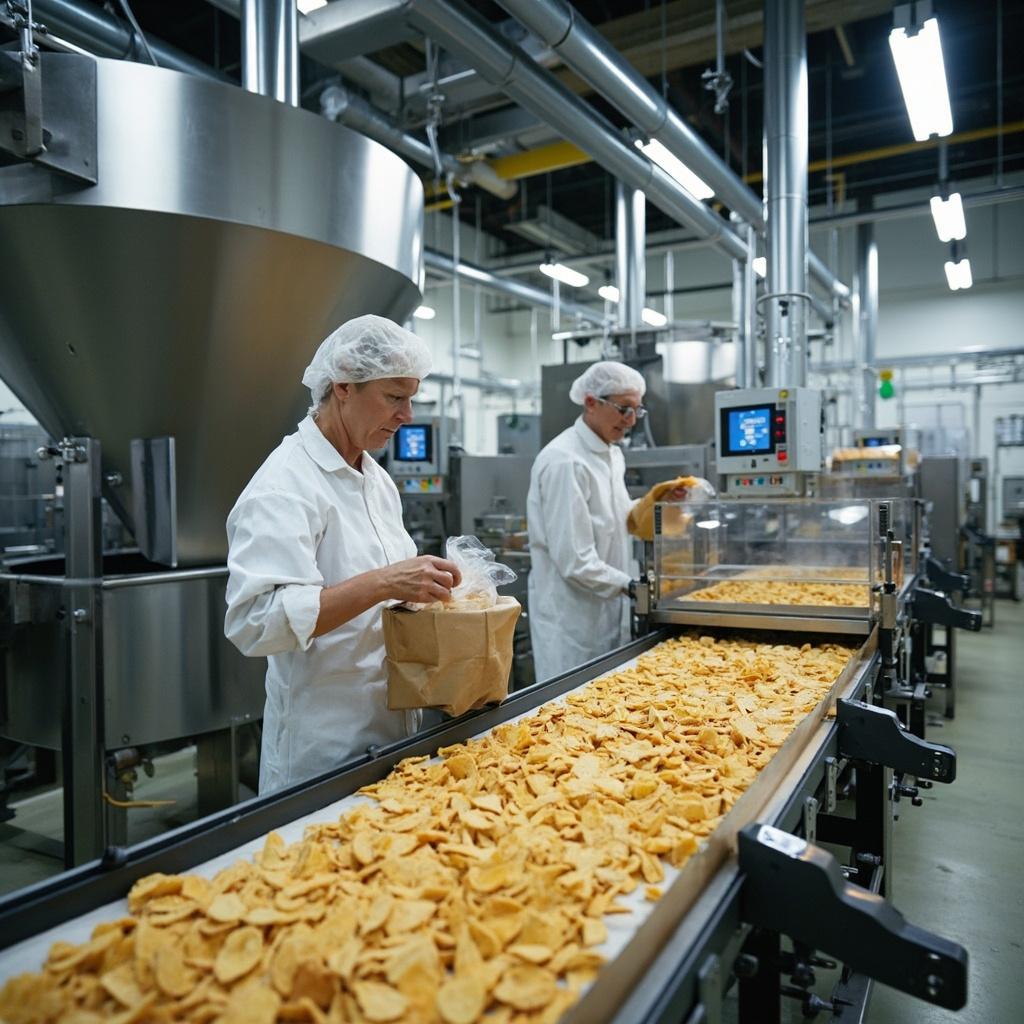
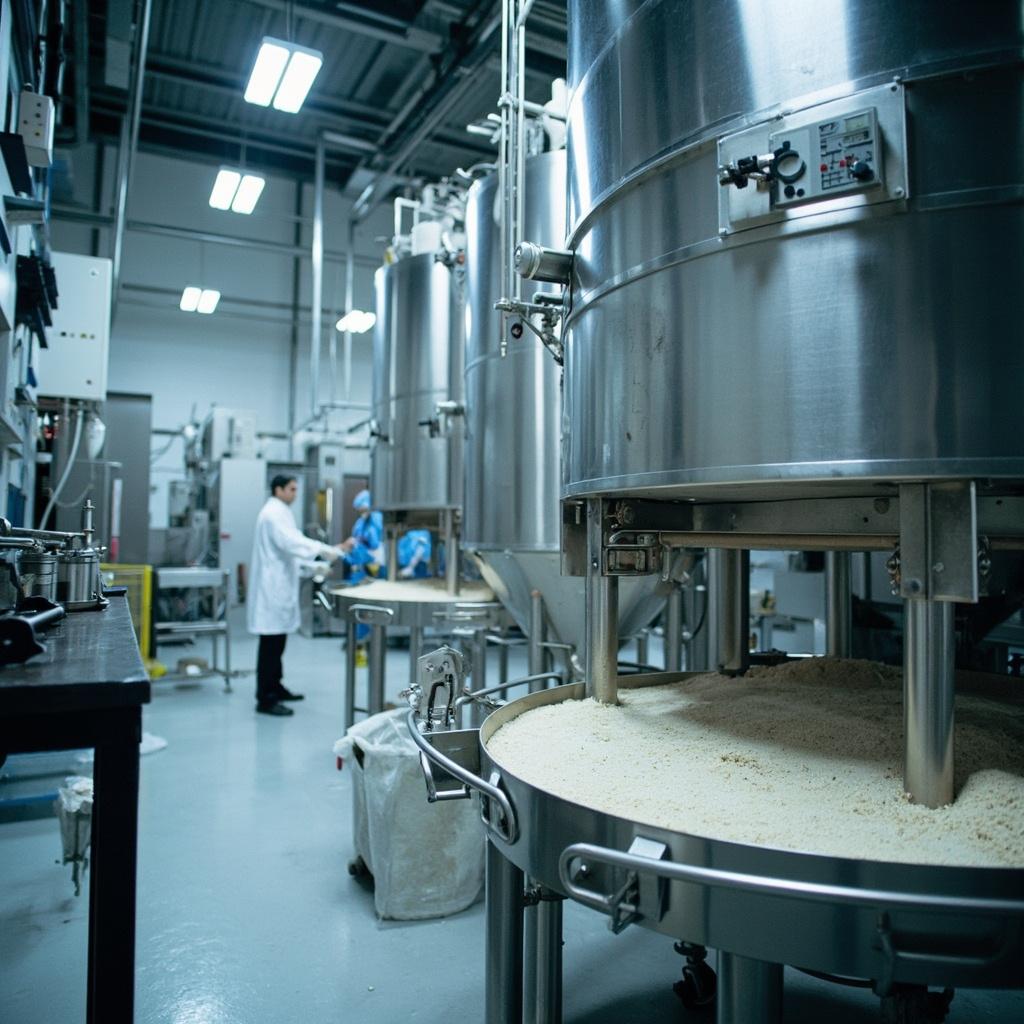
• Food Processing & Manufacturing: The transformation of raw agricultural materials into shelf-stable, convenient, and value-added food products. This includes milling, baking, canning, freezing, drying, fermentation, and extrusion. Major categories include baked goods, dairy products, meat processing, snack foods, frozen meals, and canned goods.
• Food Ingredients & Additives: A specialized B2B segment supplying functional ingredients like starches, sweeteners, emulsifiers, preservatives, flavors, colors, and nutritional fortifiers to food manufacturers worldwide.
• Beverages: Often treated as a separate but overlapping category, including bottled water, soft drinks, juices, coffee, tea, alcoholic beverages, and functional drinks.
• Specialty & Health Foods: The fastest-growing segment, encompassing organic foods, gluten-free products, plant-based alternatives, functional foods with added health benefits, sports nutrition, and foods for special dietary needs (diabetic, low-sodium, allergen-free).
• Food Distribution & Retail: The logistics and sales infrastructure that moves food from factories to consumers through wholesalers, supermarkets, convenience stores, e-commerce platforms, and food service operators.
Industry Characteristics
The food industry operates under some of the strictest regulatory frameworks of any sector. Food safety standards such as HACCP, ISO 22000, FSSC 22000, BRC, and FDA regulations govern every stage of production. Traceability has become a critical requirement, with blockchain and IoT technologies increasingly deployed to track products from farm to fork. The industry also faces intense pressure around sustainability — from reducing food waste (estimated at 30% of global production) to lowering carbon emissions and water usage throughout the supply chain.
Understanding the food industry requires recognizing its dual nature: it is simultaneously a highly localized industry (taste preferences, dietary habits, and food regulations vary dramatically by region) and a deeply globalized one (ingredients, commodities, and processed foods flow across borders in massive volumes). This tension between local adaptation and global scale defines the strategic challenges facing every major food company and manufacturer today.
The modern food industry operates at the intersection of food science, supply chain management, and consumer behavior — and several key factors determine success at every level of the value chain.
1. Food Safety & Quality Assurance Systems
This is the non-negotiable foundation. Leading manufacturers invest heavily in Hazard Analysis and Critical Control Points (HACCP) systems, which identify and control biological, chemical, and physical hazards throughout production. ISO 22000 and FSSC 22000 certifications are now baseline requirements for exporting to developed markets. Advanced facilities deploy X-ray inspection systems, metal detectors, and automated vision sorting to catch contaminants. Environmental monitoring programs test for pathogens like Listeria and Salmonella in production environments. The most sophisticated manufacturers are now implementing predictive food safety using AI and machine learning to anticipate risks before they occur.
2. Supply Chain Resilience & Traceability
The COVID-19 pandemic and subsequent geopolitical disruptions exposed the fragility of global food supply chains. Leading companies now prioritize supplier diversification (reducing dependence on single-source ingredients), regionalized production (locating facilities closer to end markets), and digital traceability. Technologies like blockchain enable farm-to-fork transparency — consumers can scan a QR code and see exactly where ingredients came from. Cold chain management is critical for perishable goods, with IoT sensors monitoring temperature and humidity in real-time during transport and storage.
3. R&D and Product Innovation
Innovation is no longer optional — it''s survival. Key innovation vectors include: Clean label reformulation (removing artificial ingredients while maintaining taste and shelf life), plant-based protein development (improving texture, taste, and nutritional profile of meat alternatives), functional food development (adding probiotics, prebiotics, vitamins, and adaptogens), sugar and sodium reduction (responding to global health guidelines), and sustainable packaging (biodegradable, compostable, or infinitely recyclable materials). R&D spending among top food companies now averages 1.5-3% of revenue.
4. Production Efficiency & Automation
Food manufacturing is becoming increasingly automated. Robotics handle repetitive tasks like picking, packing, and palletizing. Digital twins — virtual replicas of production lines — allow manufacturers to simulate and optimize processes before making physical changes. Continuous processing replaces batch processing for higher throughput. Energy efficiency is also critical: leading plants now recover waste heat, use renewable energy, and treat wastewater on-site.
5. Regulatory Compliance & Market Access
Different markets have vastly different requirements. FDA (US), EFSA (EU), CFDA (China), and FSSAI (India) each maintain distinct approval processes, labeling requirements, and ingredient restrictions. Halal and Kosher certifications open access to Muslim and Jewish consumer markets respectively. Non-GMO Project Verified and Organic certifications (USDA Organic, EU Organic, JAS) are increasingly demanded by consumers. Navigating this complex regulatory landscape is a core competency for any globally competitive food manufacturer.
Sourcing food products — whether you''re a supermarket chain, a restaurant group, or a food distributor — requires a systematic evaluation that goes far beyond price comparison. The consequences of poor sourcing decisions in the food industry can include regulatory fines, brand damage, supply disruptions, and even public health crises.
1. Certifications & Compliance Documentation
Before engaging any supplier, verify their certifications. Look for HACCP, ISO 22000, BRCGS, or FSSC 22000 — these are the global gold standards. For organic products, confirm USDA Organic, EU Organic Leaf, or JAS certification from an accredited certifying body. For religious dietary markets, ensure valid Halal (JAKIM, MUI, or IFANCA) or Kosher (OU, OK, Star-K) certification. Request third-party audit reports — not just certificates — and verify they are current. Certificate of Analysis (COA) documents should be provided with every shipment, detailing microbiological and chemical test results.
2. Production Capacity & Scalability
Can the manufacturer scale with your growth? Assess: number of production lines, annual throughput, peak season capacity, backup production capabilities, and lead times during both normal and peak periods. Factory audits should evaluate equipment age and maintenance records. Ask about their business continuity plan — what happens if a key production line fails? The best suppliers can demonstrate redundant capacity across multiple facilities.
3. Supply Chain Transparency & Traceability
Modern consumers and regulators demand to know where their food comes from. Evaluate the supplier''s traceability system: Can they trace a finished product back to the specific batch of raw ingredients within hours, not days? Do they use blockchain, QR codes, or digital lot tracking? How many tiers deep can they trace (Tier 1 = direct suppliers, Tier 2 = suppliers'' suppliers)? Country of Origin labeling compliance and forced labor prevention policies are also becoming mandatory in many jurisdictions.
4. Product Quality & Consistency
Request retained samples from previous production batches and have them independently tested. Evaluate sensory consistency — taste, texture, aroma, and appearance should be uniform across batches. Review their specification sheets in detail: ingredient declarations, nutritional panels, allergen statements, shelf life testing data, and packaging specifications. A manufacturer with ISO 17025-accredited in-house laboratories demonstrates serious commitment to quality.
5. Commercial Terms & Relationship Stability
Beyond unit price, evaluate: payment terms (LC, T/T, open account), Incoterms (FOB, CIF, EXW), minimum order quantities (MOQ), price validity periods, and currency fluctuation clauses. Assess relationship stability: How long have they worked with their top 5 clients? What''s their client retention rate? A manufacturer with long-standing relationships and low client turnover is typically more reliable than one constantly chasing new business.
6. Innovation & Market Responsiveness
The best suppliers don''t just fill orders — they bring ideas. Evaluate their R&D capabilities: Do they have in-house product development teams? Can they assist with custom formulation? How quickly can they bring a new product from concept to commercial production? Manufacturers who proactively share market trend insights and regulatory updates add significant value beyond the product itself.
The global food production landscape is shaped by a complex interplay of natural resources, agricultural policy, processing infrastructure, and trade relationships. While food is produced everywhere, certain regions have developed competitive advantages that make them dominant forces in specific categories.
1. North America — The Industrial-Scale Powerhouse
The United States and Canada together form one of the world''s most productive food manufacturing regions. The U.S. food processing industry alone generates over $1.1 trillion in annual shipments. Key strengths include: grain processing (the Midwest produces massive volumes of corn, soybeans, and wheat that feed into everything from sweeteners to animal feed), meat processing (companies like Tyson Foods, Cargill, and JBS USA dominate global protein markets), dairy processing (Wisconsin and California lead cheese and dairy ingredient production), and snack and convenience foods (home to global giants like PepsiCo, Kraft Heinz, General Mills, and Mondelez). North American manufacturers are characterized by high automation levels, strong R&D investment, and sophisticated supply chain management.
2. European Union — Quality, Safety, and Heritage
Europe''s food industry distinguishes itself through Protected Designation of Origin (PDO) and Protected Geographical Indication (PGI) systems that link product quality to specific regions. Key manufacturing strengths: dairy and cheese (France, Italy, Netherlands — home to Danone, Lactalis, FrieslandCampina, Arla Foods), baked goods and confectionery (Germany, Belgium, Switzerland — Nestlé, Barry Callebaut, Ferrero), processed meats (Italy, Spain, Germany), and organic and health foods (Germany leads Europe''s organic market). EU manufacturers operate under the world''s strictest food safety and labeling regulations, enforced by EFSA, which often sets global standards that other regions later adopt.
3. Asia-Pacific — The Growth Engine
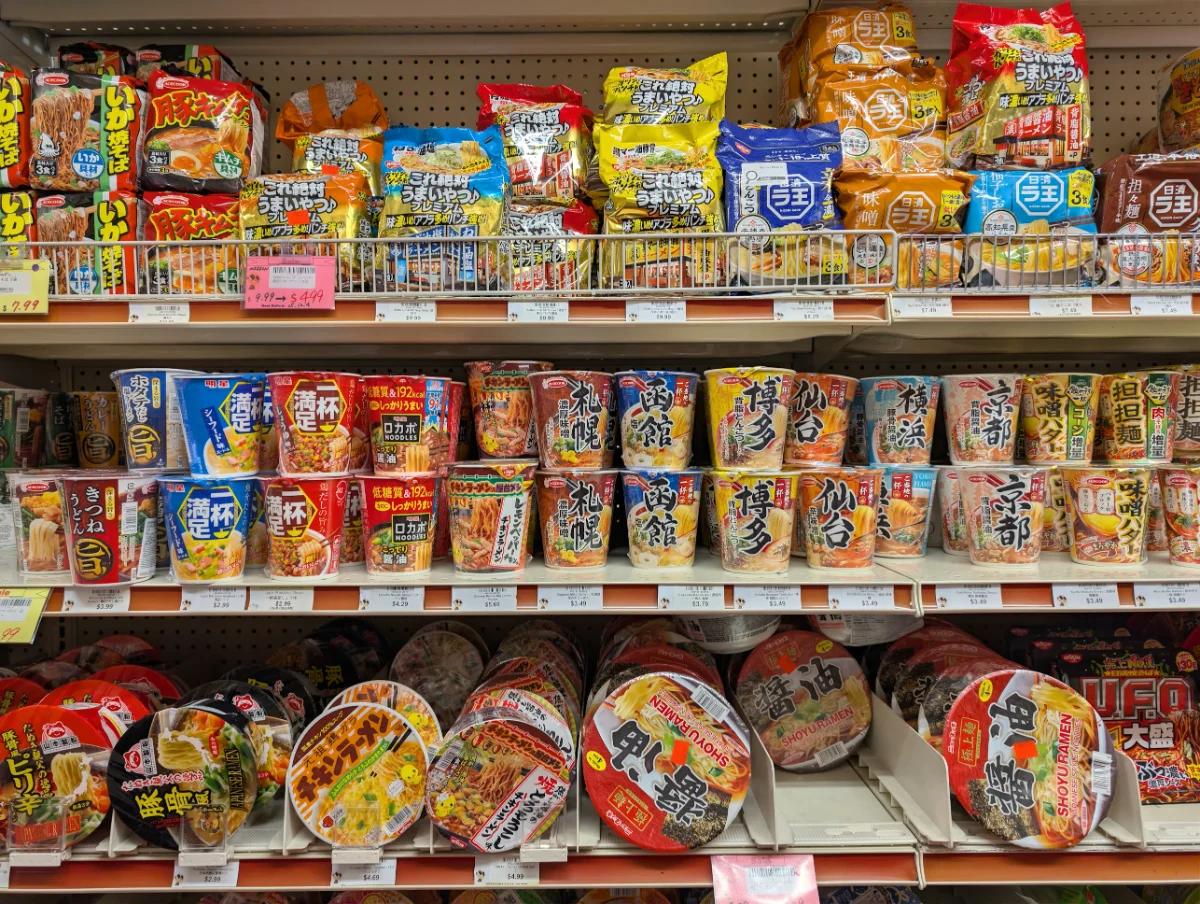
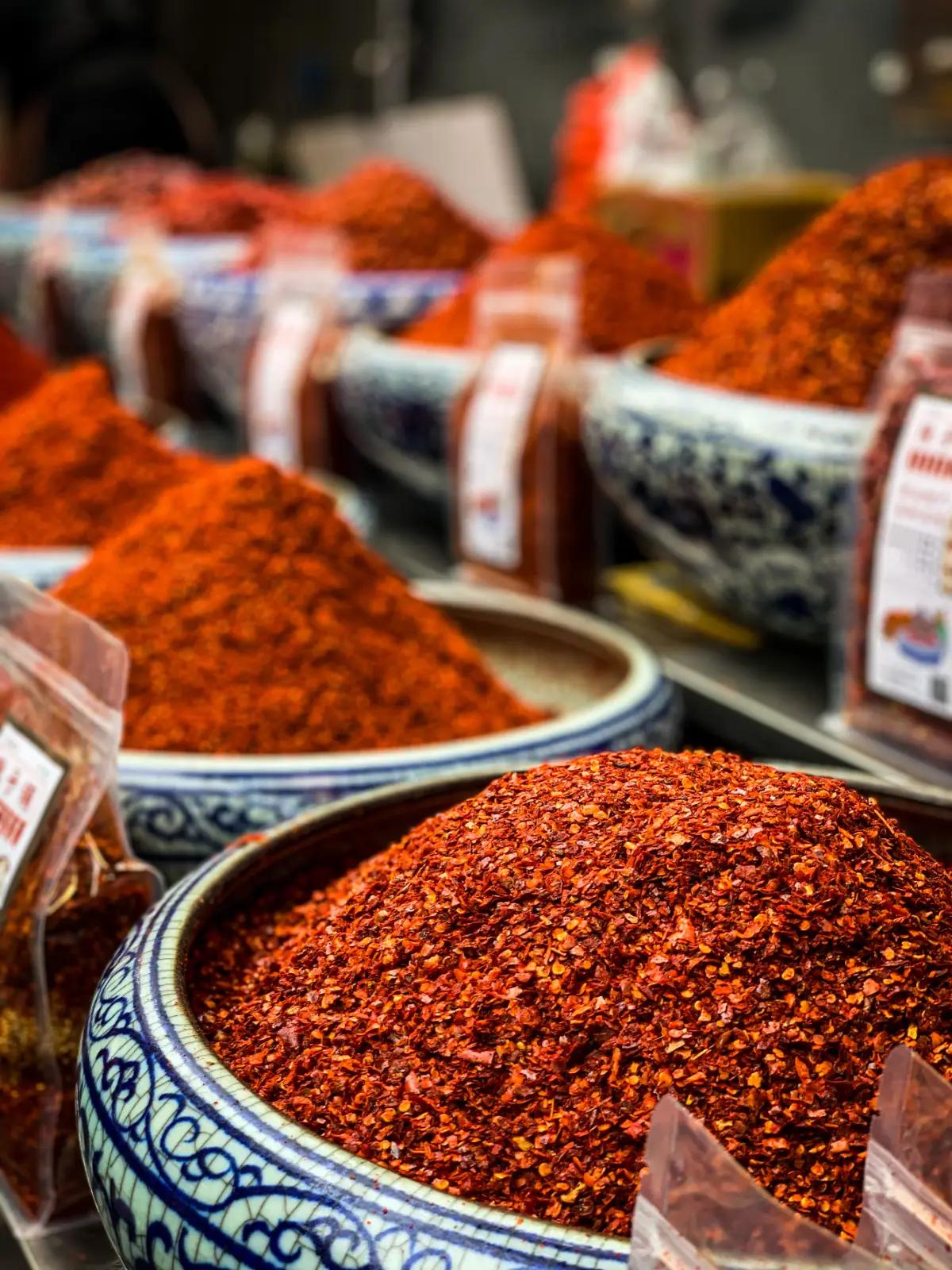
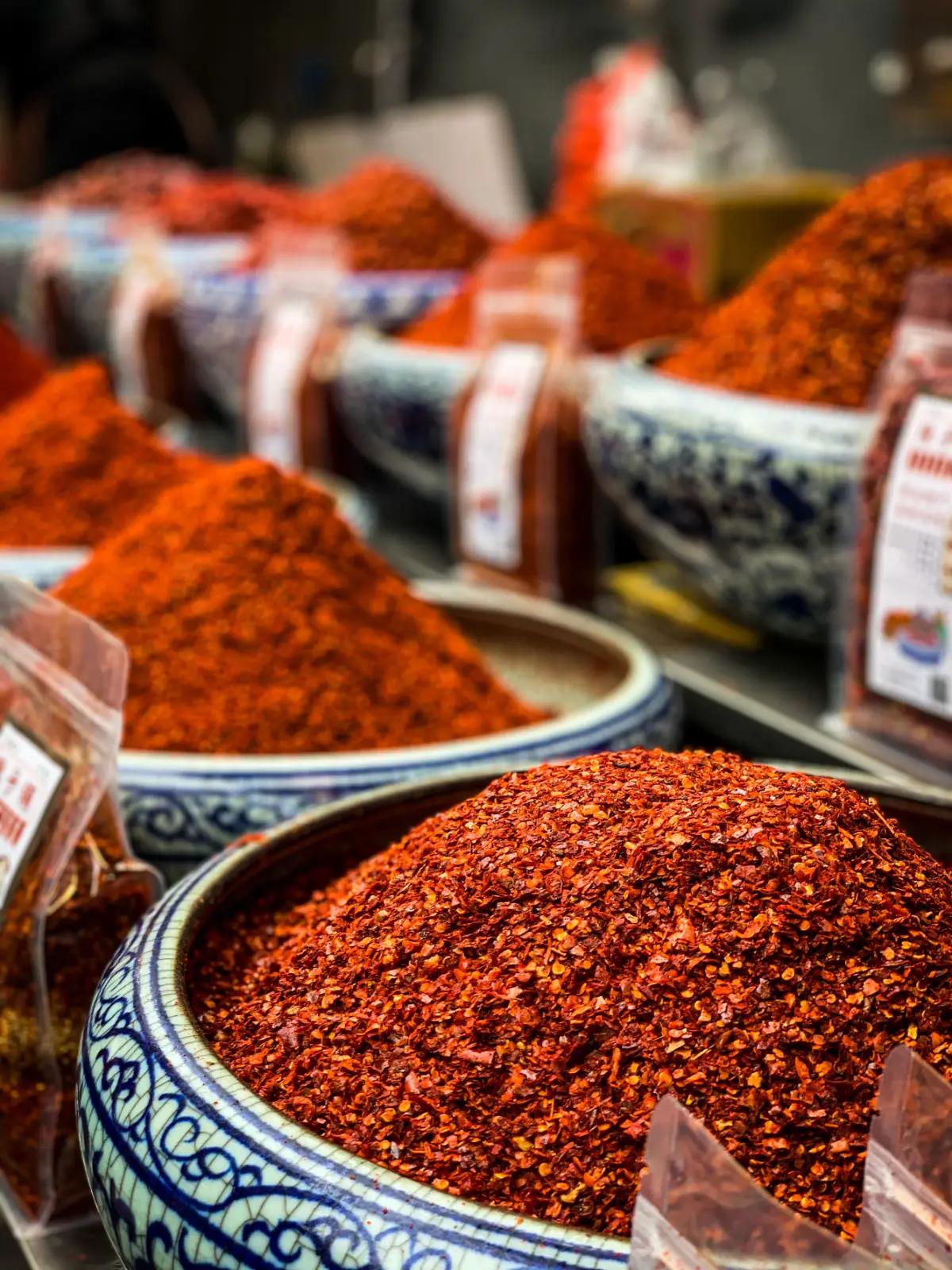
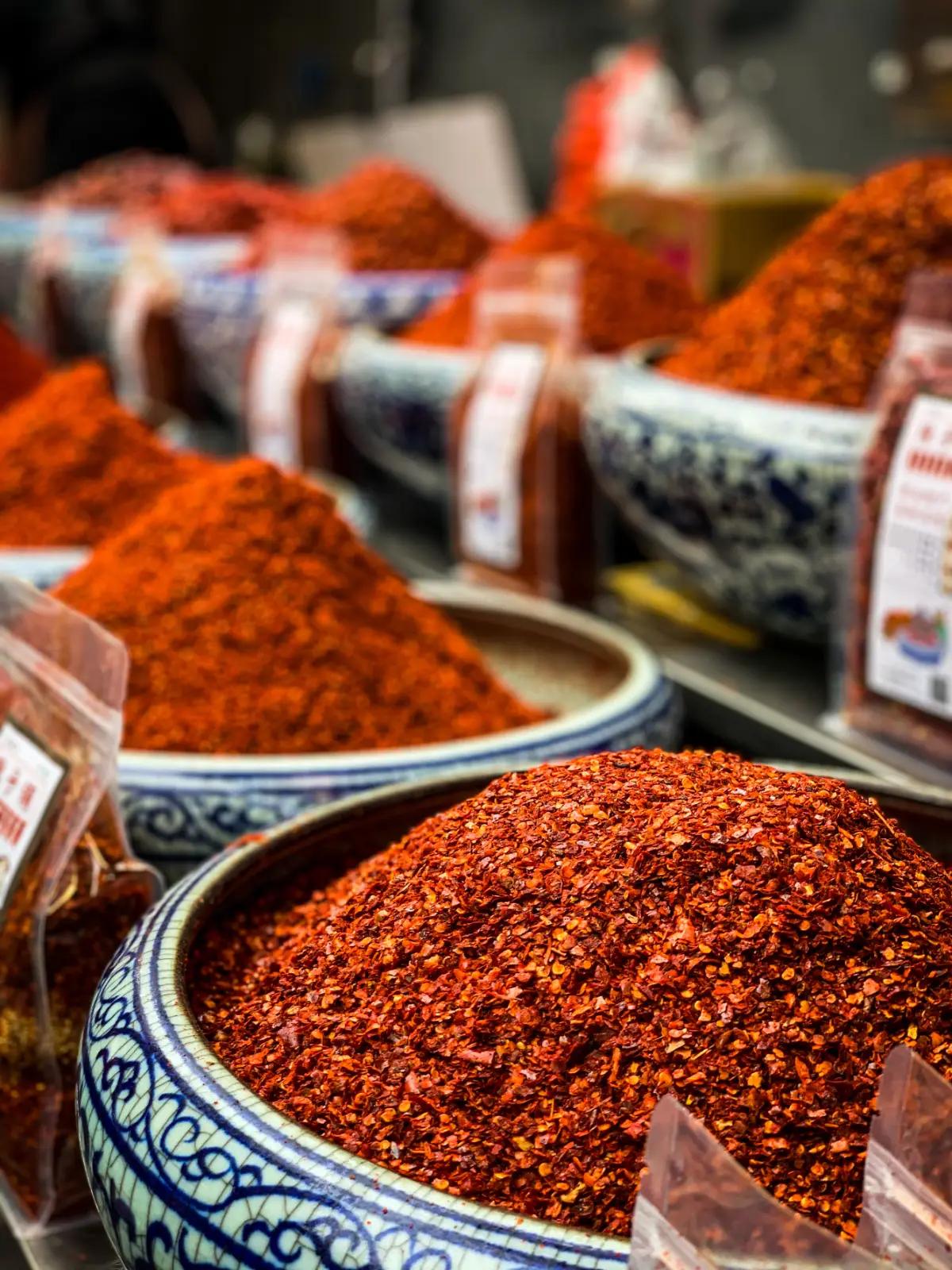
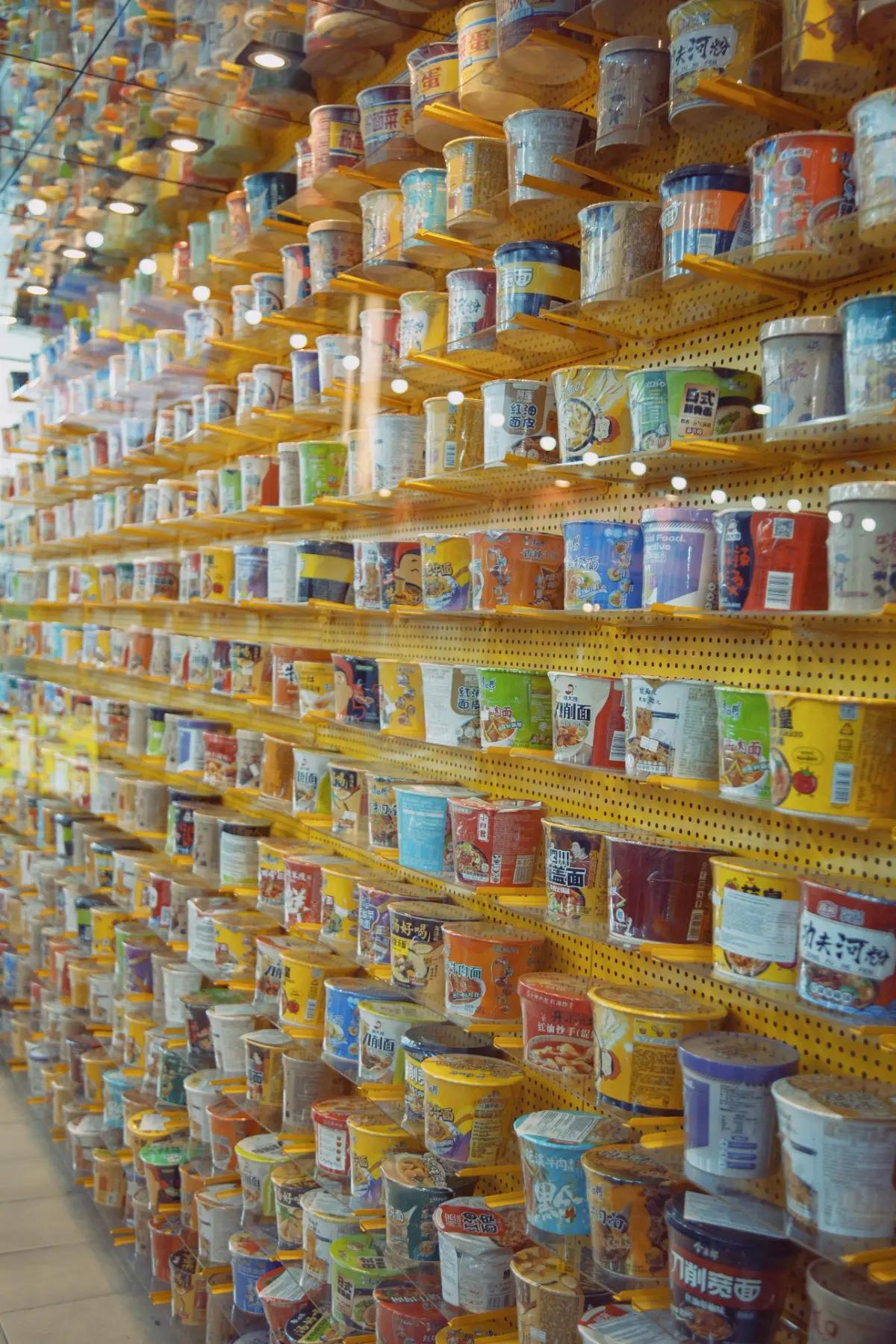
Asia is both the world''s largest food consumer and an increasingly dominant producer. China is the world''s largest food manufacturer by volume, with strengths in grain milling, edible oils, meat processing, instant noodles, and condiments (companies like COFCO, WH Group, Yili, Mengniu). India is a global leader in spices, rice, dairy (the world''s largest milk producer), and ready-to-eat ethnic foods. Southeast Asia (Thailand, Vietnam, Indonesia, Malaysia) dominates seafood processing, palm oil, rice, tropical fruits, and halal food manufacturing. Japan and South Korea lead in functional foods, premium condiments, and advanced food processing technology. The region''s growth is driven by urbanization, rising middle-class incomes, and rapid adoption of modern retail and e-commerce channels.
4. Latin America — The Agricultural Breadbasket
Brazil and Argentina are agricultural superpowers, particularly in soybean production, beef processing, poultry, sugar, coffee, and orange juice. Brazil is home to JBS, the world''s largest meat processor, and BRF, a global poultry giant. The region''s competitive advantages include vast arable land, favorable climate, and relatively low production costs. However, food manufacturing value-add remains lower than in developed markets, with much of the output exported as commodities rather than branded consumer products.
5. Middle East & Africa — Emerging Opportunities
The Middle East has become a major halal food manufacturing hub, with the UAE, Saudi Arabia, and Malaysia competing for leadership in the global halal market valued at over $2 trillion. Africa''s food manufacturing sector is growing rapidly, led by South Africa, Nigeria, and Kenya, though infrastructure gaps and supply chain inefficiencies remain significant challenges. The continent''s young population and urbanization create enormous long-term potential for both domestic manufacturing and foreign investment.
The Bottom Line
No single region dominates every food category. The most successful global food companies operate multi-regional production and sourcing strategies, combining North American and European technology and quality systems with Asian and Latin American cost advantages and market growth. Understanding these regional dynamics is essential for any buyer, investor, or industry professional navigating the global food landscape.