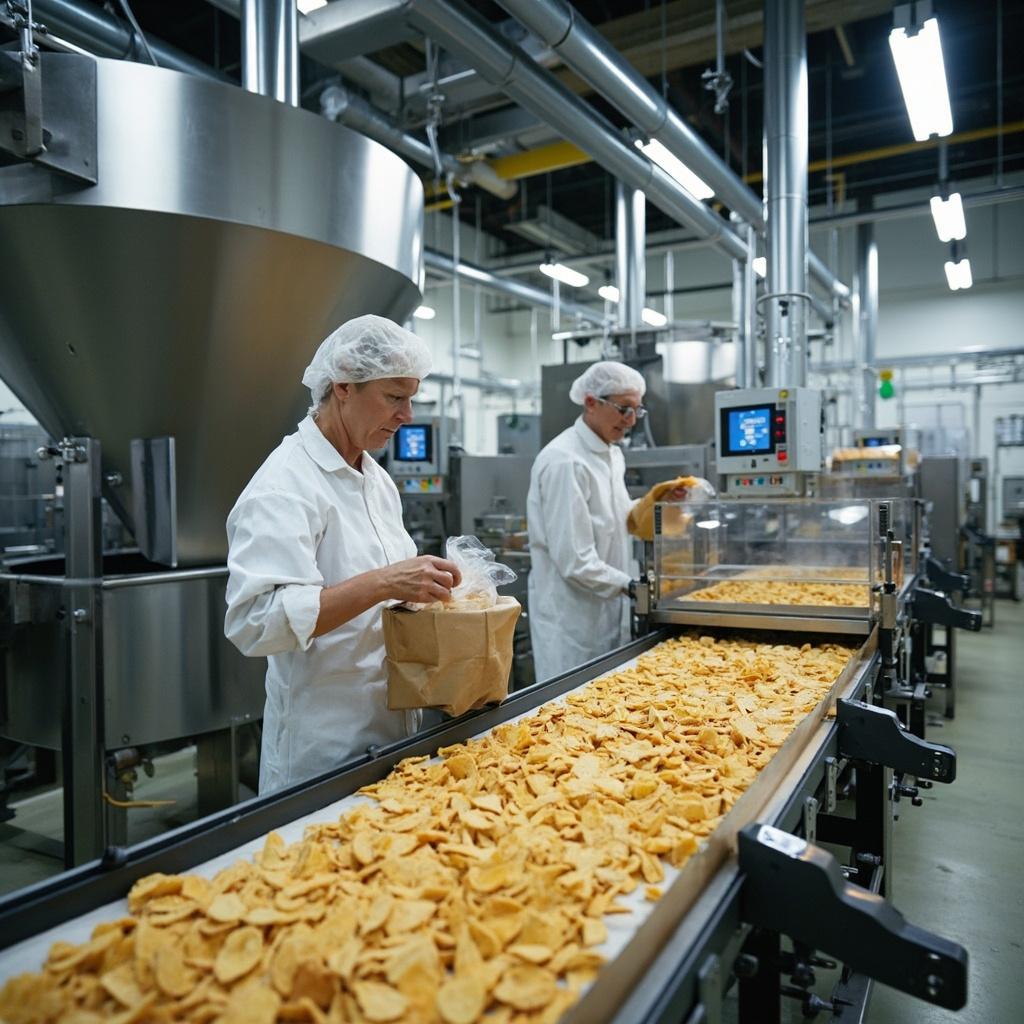
The expansion is fueled by several interconnected factors. Firstly, changing consumer lifestyles demand greater convenience, boosting demand for prepared meals and easy-to-cook staples. Secondly, the standardization needs of the global fast-food and catering industry create massive B2B demand. Thirdly, continuous advancements and modernization in cold chain logistics ensure product quality and availability. Finally, ongoing innovation in product development, such as the introduction of healthier options and plant-based alternatives, is attracting new consumer segments and driving market evolution.
The frozen foods industry is a vital segment of the global economy, encompassing the design, production, and distribution of essential products that serve diverse end markets worldwide.
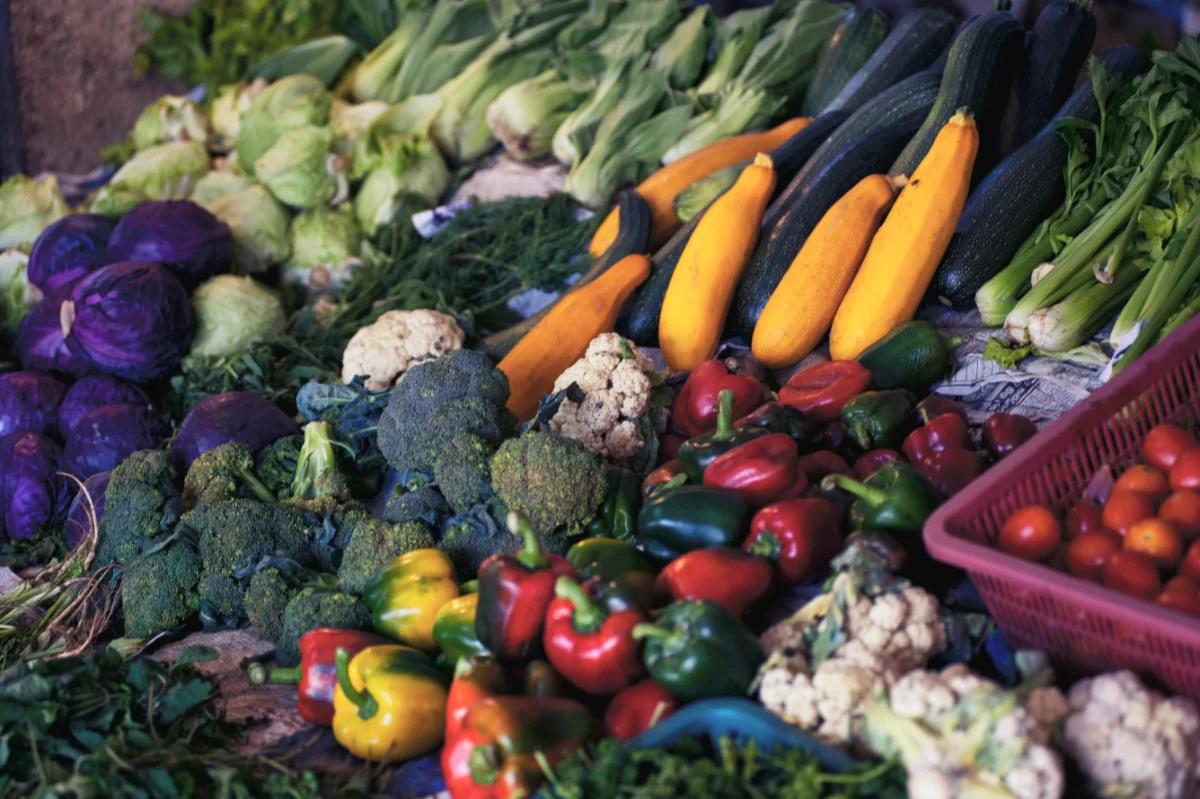
Major Categories: Frozen vegetables and fruits, frozen prepared meals, frozen meat/poultry/seafood, frozen baked goods, frozen desserts (ice cream), and frozen snacks/appetizers. The global frozen food market exceeds $250 billion.
Key Technology: IQF (Individually Quick Frozen) technology freezes products individually, preventing clumping and preserving texture. Blast freezing, cryogenic freezing (liquid nitrogen), and plate freezing serve different product requirements.
Industry Dynamics: The frozen foods sector is characterized by continuous innovation, evolving consumer demands, and increasing emphasis on sustainability. Companies that invest in technology, quality systems, and supply chain resilience are best positioned for long-term success in competitive global markets.
The frozen foods industry is shaped by several critical factors that determine competitive success — from raw material quality and manufacturing technology to regulatory compliance and market positioning.
1. Freezing Technology: Rapid freezing minimizes ice crystal size, preserving cell structure, texture, and nutritional quality. IQF is the gold standard for fruits, vegetables, and seafood.
2. Cold Chain Integrity: Temperature must be maintained at -18°C or below throughout storage and distribution. Temperature fluctuations cause freezer burn, texture degradation, and quality loss.
3. Packaging: Moisture and vapor-resistant packaging, proper sealing, and protection against freezer burn. Microwaveable and ovenable packaging adds consumer convenience.
4. Food Safety: Freezing halts microbial growth but does not kill all pathogens — proper cooking by consumers remains essential. HACCP systems and environmental monitoring are critical.
Quality Standards: Leading companies in the frozen foods sector typically hold ISO 9001 certification as a baseline, with many also maintaining industry-specific certifications. Product testing, material traceability, and third-party inspection are essential quality assurance practices. Sustainability certifications are increasingly required by major buyers and regulators worldwide.
Sourcing frozen foods products requires thorough evaluation of supplier capabilities, quality systems, cost structures, and compliance credentials.
1. Cold Chain Verification: Audit the supplier''s cold storage facilities, refrigerated transport, and temperature monitoring systems. Temperature abuse is the primary cause of frozen food quality issues.
2. Product Specifications: Define ingredient lists, nutritional profiles, cooking/heating instructions, and shelf life requirements. Request organoleptic evaluation of thawed/cooked samples.
3. Certifications: BRC, IFS, or FSSC 22000 certification for food safety. Organic, Non-GMO, Halal, or Kosher certifications as required by market.
4. Innovation Capability: Evaluate the supplier''s ability to develop new products, reformulate for health trends (reduced sodium, clean label, plant-based), and respond to seasonal demand.
5. Logistics: Frozen logistics require specialized equipment — verify the supplier''s access to reefer containers, cold storage at ports, and last-mile frozen delivery capabilities.
Key Recommendations: Visit supplier facilities when possible, request and verify third-party certifications, start with trial orders before committing to large volumes, and build relationships with multiple qualified suppliers to reduce concentration risk. Establish clear quality specifications and inspection protocols in purchase agreements.
The global frozen foods industry has a distinctive geographic footprint shaped by raw material access, manufacturing heritage, labor costs, and market proximity.
1. United States: Largest frozen food market — Conagra, Kraft Heinz, General Mills, McCain Foods, Schwan''s.
2. Europe: Nestlé, Nomad Foods (Birds Eye, Findus, Iglo), Dr. Oetker, Ardo — strong in frozen vegetables, prepared meals, and pizza.
3. China: Rapidly growing — Anjoy Foods, Synear, Sanquan, Haidilao (frozen hotpot products).
4. Japan: Nichirei, Ajinomoto Frozen Foods — high-quality frozen prepared meals and seafood.
5. Canada: McCain Foods — world''s largest frozen potato products manufacturer.
Strategic Implications: Successful procurement in the frozen foods industry requires understanding regional specialization and maintaining diversified sourcing strategies that balance cost, quality, lead time, and geopolitical risk. Sustainability certifications and supply chain transparency are increasingly becoming prerequisites for market access in premium segments.