When purchasing organic food, looking for recognized certification labels is the most reliable way to verify authenticity. These labels indicate that an independent third-party agency has verified the product against strict standards. 1. Key Regional and National Labels · USDA Organic (United States): The official seal from the U.S. Department of Agriculture. Look for the green and white circle. Products are categorized as “100% Organic,” “Organic” (95% or more organic ingredients), or “Made with Organic Ingredients” (at least 70%). · EU Organic Logo (European Union): The “Euro-leaf” – a green rectangle with stars forming a leaf. Mandatory for all pre-packaged organic food produced in the EU. · China Organic Product Certification: Mandatory for any product sold as “organic” in mainland China. It features a green circular logo with Chinese characters. Crucially, each product must have a unique 17-digit Organic Code that can be verified on the official government certification database. · JAS Organic (Japan): The Japanese Agricultural Standard for organic products, essential for the Japanese market. 2. The Role of International Certifiers Beyond government seals, several international certification bodies are highly respected globally, such as Ecocert, IFOAM, and Bio Suisse. These certifiers often work with producers worldwide, especially for products traded internationally, ensuring compliance with import regulations. 3. Practical Advice for Consumers Always check the label for the certification logo. For products sold in a particular country (like China), the local certification (e.g., China Organic) is legally required. For imports, the original certification (e.g., USDA, EU) may also be present. The most credible products provide transparent traceability, often with a code or website where you can learn more about the certification details. A claim of being “natural,” “green,” or “eco-friendly” is not a substitute for a certified organic label.
This is a central debate. The scientific consensus indicates clear advantages for organic food in specific areas, particularly safety, but the nutritional picture is nuanced. 1. Safety: Reduced Pesticide Exposure This is the most well-documented benefit. Multiple systematic reviews confirm that organically produced food has significantly lower levels of pesticide residues and is less likely to contain detectable residues compared to conventionally grown food. For consumers concerned about the potential long-term health implications of low-level synthetic pesticide exposure—especially for children and pregnant women—choosing organic is a effective way to reduce dietary intake. 2. Nutritional Content: Differences Exist, But Are Not Universal Research on nutritional superiority shows mixed but interesting results: · Antioxidants: Several studies, including large meta-analyses, suggest that organic crops may have moderately higher concentrations of certain antioxidant compounds, like polyphenols. This is theorized to be a stress response in plants grown without synthetic chemical protection. · Toxic Metals and Nitrates: Organic foods tend to have lower levels of cadmium, a toxic heavy metal, and nitrates. · Macronutrients & Vitamins: For staple nutrients like protein, carbohydrate, vitamin C, and most minerals, consistent and clinically significant differences between organic and conventional have not been conclusively proven. Claims of dramatically higher vitamin content are often overstated. 3. The Bigger Picture Therefore, the primary motivations for choosing organic should be based on: · A desire to minimize exposure to synthetic pesticide residues. · Support for agricultural methods that prioritize soil health, biodiversity, and animal welfare. · Confidence in a strictly regulated production process. Viewing organic as a preventive health and environmental choice, rather than solely a nutritional one, aligns more closely with the current evidence.
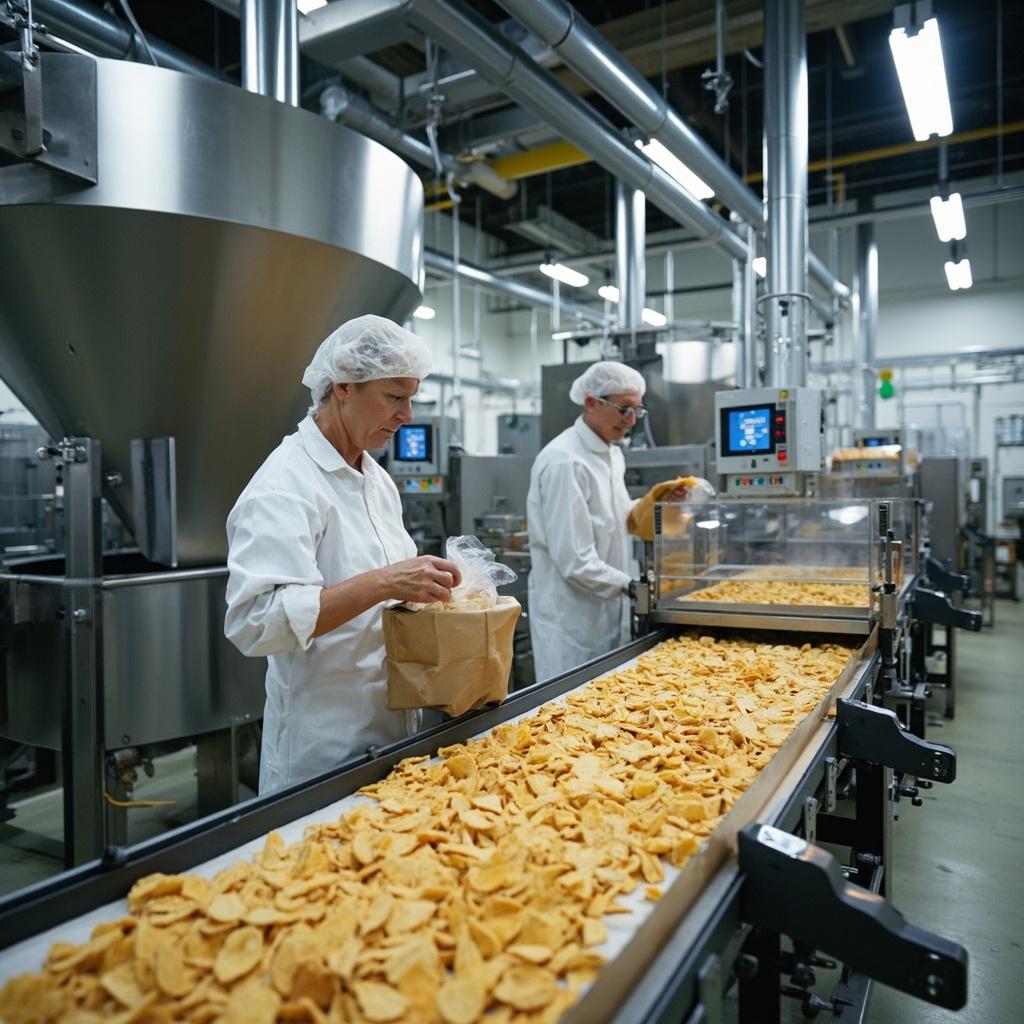
The higher price tag of organic food is a direct reflection of its more rigorous production standards, higher input costs, and current market dynamics, not merely a premium for the label. 1. Substantially Higher Production Costs · Labor Intensity: Without synthetic herbicides and pesticides, weed and pest control relies on manual labor, mechanical cultivation, or biological agents, all of which are more costly. · Fertilizer Expense: Farmers must use approved (and often more expensive) organic fertilizers like compost and manure to build soil fertility, instead of concentrated synthetic fertilizers. · Lower Yields: Organic systems generally have lower output per acre due to longer crop rotations (which include fallow periods to enrich soil) and the absence of growth-boosting synthetic inputs. · Animal Husbandry Standards: Organic livestock require organic feed, access to pasture, and more space, leading to higher feed costs and slower growth rates compared to confined animal feeding operations (CAFOs). 2. Post-Harvest Costs: Certification and Segregation · Certification Fees: Farmers and processors must pay annual fees to third-party certifiers for inspection, testing, and administrative oversight. · Cost of Segregation: To prevent contamination or commingling with non-organic products, the entire supply chain—from harvesting equipment to storage silos, processing lines, and transportation—must be meticulously cleaned or kept separate. This “identity preservation” adds significant logistical complexity and cost. · Processing Constraints: Organic standards severely restrict the use of synthetic preservatives and additives. This forces manufacturers to source costly natural alternatives and often results in shorter shelf life. 3. Market Economics and Scale The organic sector, while growing, is still smaller than the conventional industry. It lacks the same economies of scale in sourcing inputs, manufacturing, and distribution. The costs of research for organic seed varieties and specialized equipment are spread across a smaller market. Furthermore, strong consumer demand for verified quality and ethics allows the market to sustain these prices. As organic agriculture scales up and technology improves efficiency, some price gaps may narrow. However, the fundamental cost differences rooted in its labor-intensive and ecologically-minded practices are inherent and likely to persist.
The global Organic Food industry has a distinct geographic footprint, with production concentrated in regions that combine raw material access, manufacturing expertise, labor cost advantages, and proximity to end-use markets.
1. North America — The World''s Largest Organic Market: The US organic food market exceeds $60 billion annually, accounting for ~40% of global organic sales. Key players include Whole Foods Market (Amazon), General Mills (Annie''s, Cascadian Farm), Danone (Happy Family, Horizon Organic), Hain Celestial, and Sprouts Farmers Market. California alone accounts for ~40% of US organic sales.
2. European Union — Regulatory Leadership and Mature Markets: Germany is Europe''s largest organic market (~€16 billion), followed by France, Italy, and Switzerland. Key producers and brands: Hipp (Germany — world''s largest organic baby food), Danone, Arla Foods, and Alpro. The EU''s Farm to Fork Strategy targets 25% of agricultural land under organic farming by 2030, driving supply expansion.
3. Asia-Pacific — Fastest-Growing Region: China is the world''s fourth-largest organic market, with rapid growth driven by food safety concerns and rising middle-class incomes. India has the largest number of organic producers globally (over 1.5 million), though most are smallholders. Australia has the world''s largest area of certified organic agricultural land (35+ million hectares), primarily for beef, grains, and dairy for export.
4. Latin America — The Organic Breadbasket: Brazil, Argentina, and Mexico are major organic commodity exporters — coffee, sugar, cocoa, bananas, and quinoa. Much of Latin America''s organic output is exported to North America and Europe rather than consumed domestically.
Strategic Implications: The Organic Food industry continues to evolve as supply chains diversify. Buyers should maintain multi-country sourcing strategies that balance cost, quality, lead time, and geopolitical risk. Understanding regional specialization — which countries excel at which product segments — is essential for making informed procurement decisions. The trend toward sustainability certifications (OEKO-TEX, GOTS, bluesign, GRS) and transparent supply chains is reshaping competitive dynamics, with manufacturers who invest in compliance and traceability gaining preferential access to premium markets.
The global Organic Food industry has a distinct geographic footprint, with production concentrated in regions that combine raw material access, manufacturing expertise, labor cost advantages, and proximity to end-use markets.
1. North America — The World''s Largest Organic Market: The US organic food market exceeds $60 billion annually, accounting for ~40% of global organic sales. Key players include Whole Foods Market (Amazon), General Mills (Annie''s, Cascadian Farm), Danone (Happy Family, Horizon Organic), Hain Celestial, and Sprouts Farmers Market. California alone accounts for ~40% of US organic sales.
2. European Union — Regulatory Leadership and Mature Markets: Germany is Europe''s largest organic market (~€16 billion), followed by France, Italy, and Switzerland. Key producers and brands: Hipp (Germany — world''s largest organic baby food), Danone, Arla Foods, and Alpro. The EU''s Farm to Fork Strategy targets 25% of agricultural land under organic farming by 2030, driving supply expansion.
3. Asia-Pacific — Fastest-Growing Region: China is the world''s fourth-largest organic market, with rapid growth driven by food safety concerns and rising middle-class incomes. India has the largest number of organic producers globally (over 1.5 million), though most are smallholders. Australia has the world''s largest area of certified organic agricultural land (35+ million hectares), primarily for beef, grains, and dairy for export.
4. Latin America — The Organic Breadbasket: Brazil, Argentina, and Mexico are major organic commodity exporters — coffee, sugar, cocoa, bananas, and quinoa. Much of Latin America''s organic output is exported to North America and Europe rather than consumed domestically.
Strategic Implications: The Organic Food industry continues to evolve as supply chains diversify. Buyers should maintain multi-country sourcing strategies that balance cost, quality, lead time, and geopolitical risk. Understanding regional specialization — which countries excel at which product segments — is essential for making informed procurement decisions. The trend toward sustainability certifications (OEKO-TEX, GOTS, bluesign, GRS) and transparent supply chains is reshaping competitive dynamics, with manufacturers who invest in compliance and traceability gaining preferential access to premium markets.