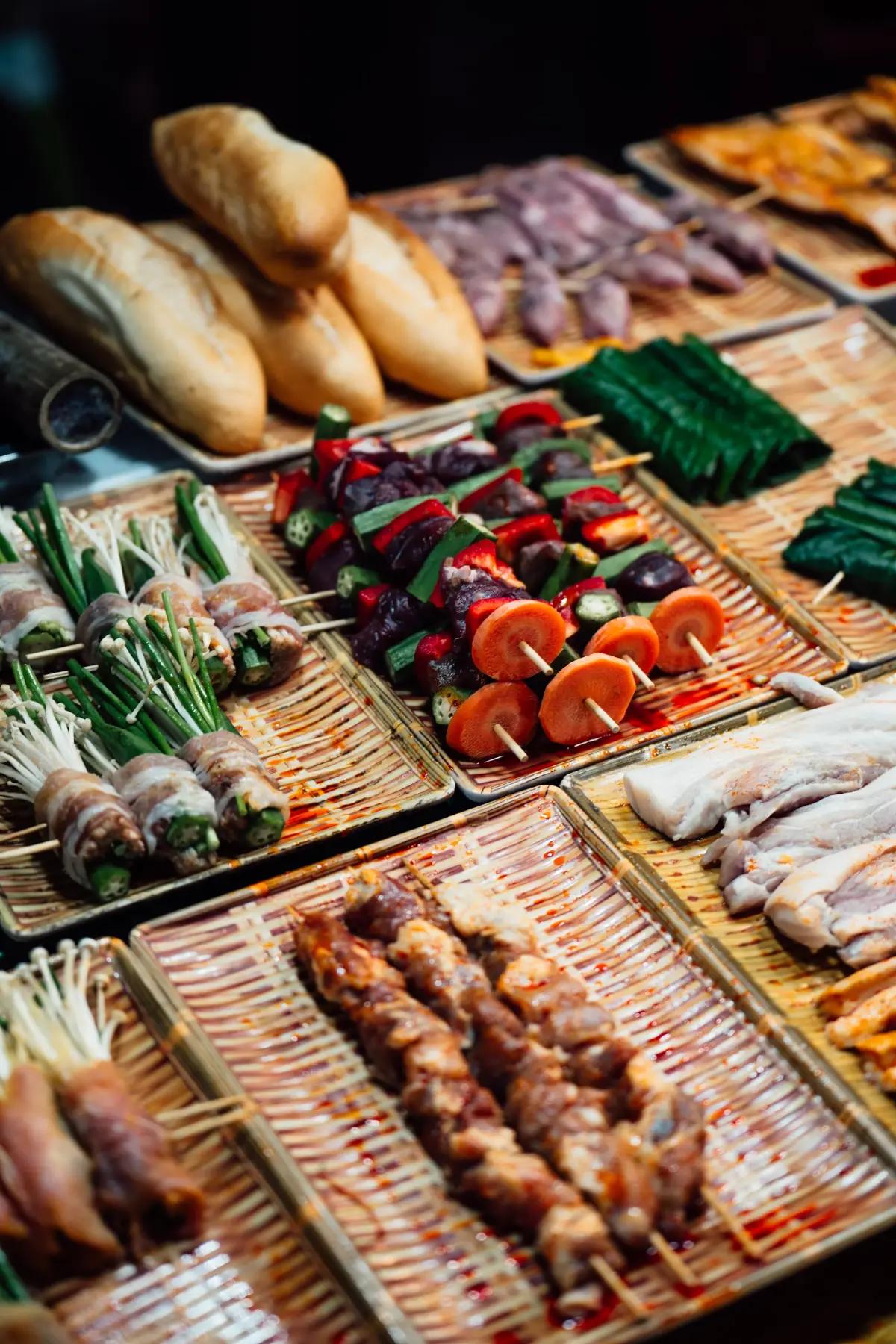
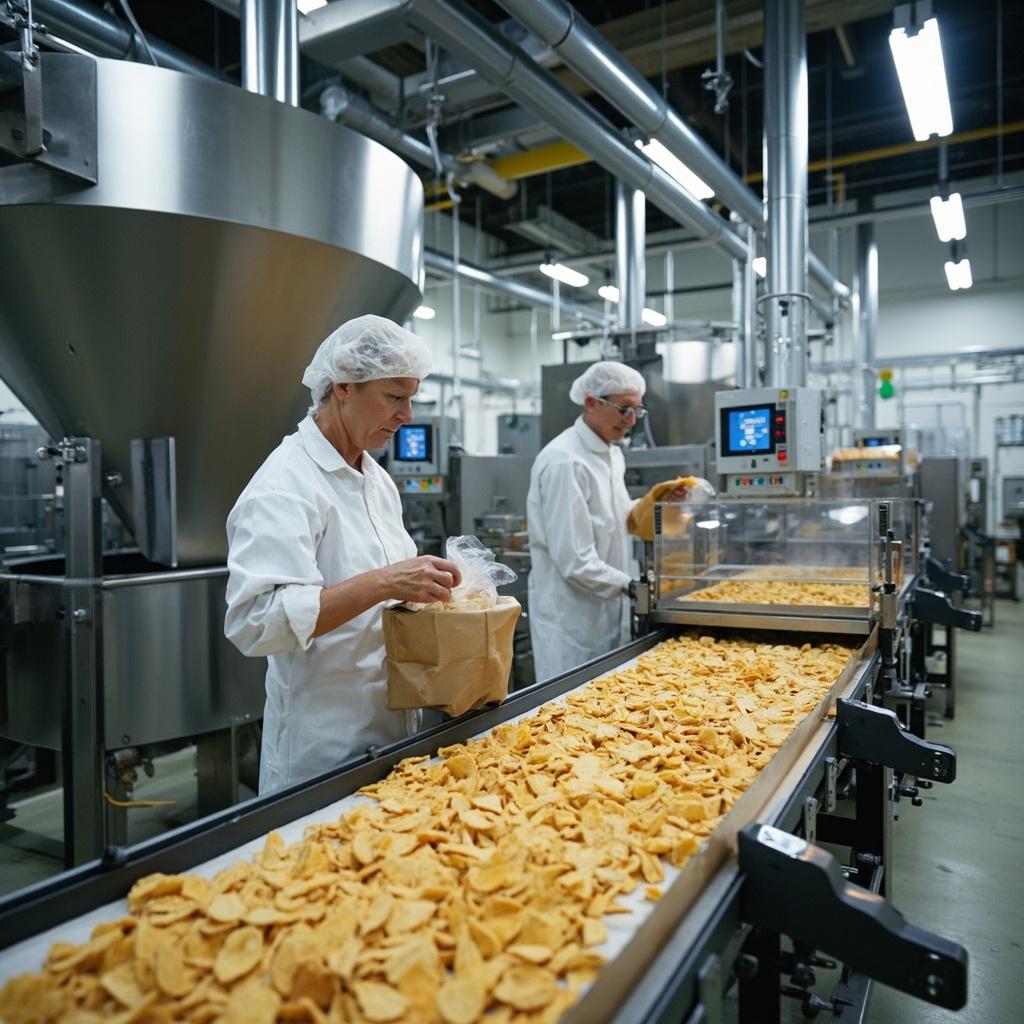
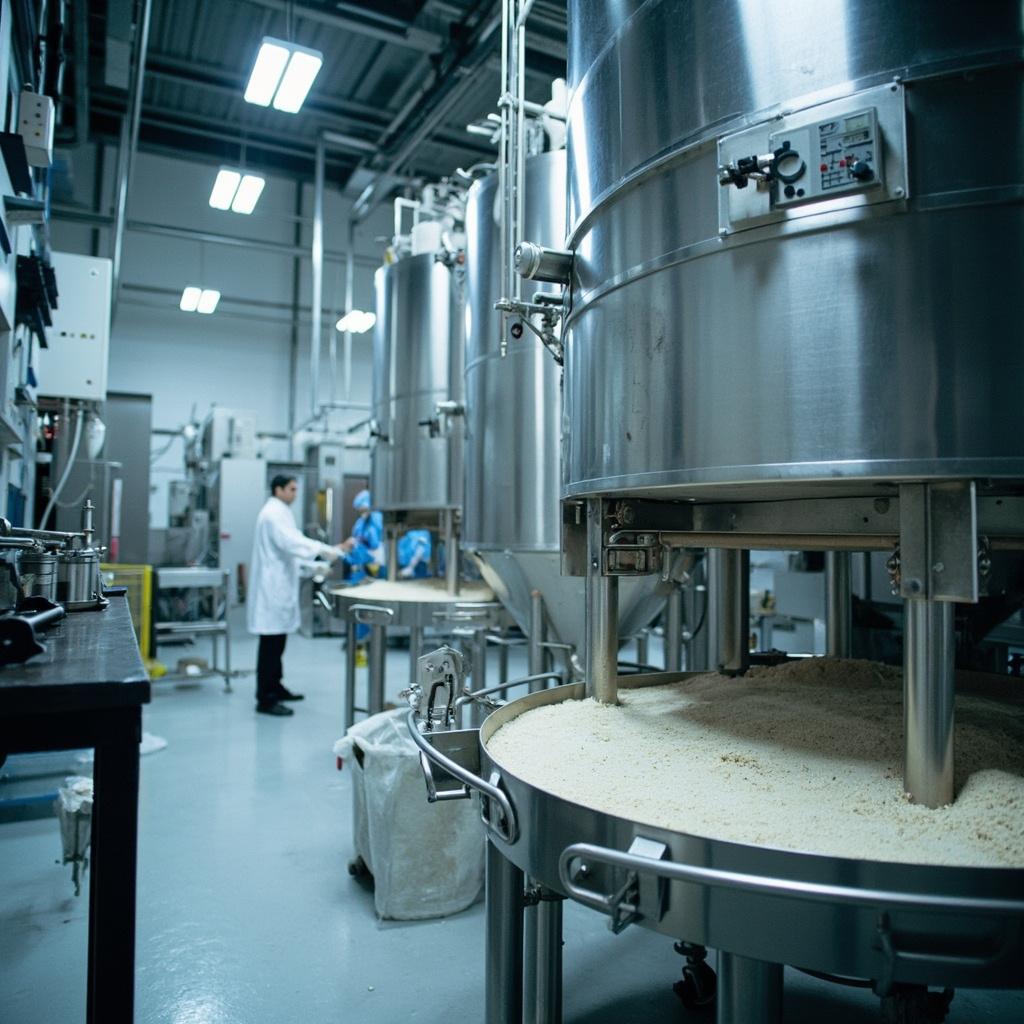
The poultry industry encompasses the entire supply chain involved in breeding, raising, processing, and distributing meat from domesticated birds such as chickens, ducks, geese, and turkeys. It is a massive, globally integrated sector within food production. Its product range is extensive, going beyond whole birds, and can be categorized as follows: 1. Primary Cuts: These include fresh\/chilled or frozen items like chicken breast, wings, duck necks, and feet. 2. Further-Processed & Prepared Foods: This is the fastest-growing segment, featuring marinated items (e.g., Orleans wings, teriyaki chicken), nuggets, and meatballs, offering great convenience. 3. By-Products: Items like duck blood curd for hot pot or edible offal ensure full resource utilization. 4. Specialty Items: This covers premium products like foie gras and certified options like Halal or organic free-range chicken. The industry’s primary mission is to deliver a stable, safe, diverse, and protein-rich meat supply to consumers worldwide.
The global dominance of White Feather broilers is no accident. It stems from their unmatched economic efficiency, which perfectly aligns with the core needs of industrial-scale food production: consistency, low cost, and high output. 1. Unbeatable Growth Rate & Turnover Reaching market weight in just over a month allows for more production cycles per year using the same facilities. This rapid turnover translates to superior capital efficiency, a key advantage over other livestock. 2. Superior Feed Conversion Ratio (FCR) They require less feed to produce a pound of meat than pigs or cattle. This results in the lowest cost per unit of protein among major meats, providing the most economical animal protein for consumers. 3. Standardized Product for Global Supply Chains Their uniform size and consistent yield are ideal for fully automated processing lines. This enables the reliable, high-volume production of standardized portions (breasts, thighs, wings), which is crucial for procurement, logistics, and production planning by global fast-food chains, manufacturers, and retailers. In essence, in a modern food system built on scale and predictability, the White Feather broiler is the most efficient and reliable protein production engine.
You can identify quality poultry by using a “Look, Smell, Touch, Check” method, applicable to both chilled and frozen products. 1. Look at the Appearance Fresh, chilled poultry should have a natural pinkish or yellowish hue with a slight sheen. The fat should be creamy white. Avoid packages with excessive ice crystals or liquid, which indicate freeze-thaw damage. 2. Smell the Product It should have a mild, fresh, meaty scent. Any sour, putrid, or unusual chemical odor is a definite red flag. For packaged items, check the smell immediately upon opening. 3. Touch the Texture The flesh should feel firm and elastic. When gently pressed, it should spring back quickly. The surface should be moist but not slimy or sticky to the touch. 4. Check the Label (The Most Critical Step) Always inspect: Production & Expiry Dates; Manufacturer Information (reputable brands offer better traceability); Product Type & Standards (look for relevant food safety standard codes); and any additional Quality Certifications. Finally, buy from reputable sources like well-managed supermarkets or trusted online retailers with reliable cold chains.
The poultry industry is undergoing a significant transformation focused on efficiency, safety, health, and sustainability, driven by four key trends: 1. Vertical Integration & Digitalization Leading companies are building closed-loop systems from feed to processed food (e.g., JBS, CP Foods). Concurrently, technologies like IoT and big data are enabling smart farming—monitoring animal health, optimizing feed, and enhancing biosecurity—which boosts efficiency and traceability. 2. Deep Processing for Ultimate Convenience To match fast-paced lifestyles, the focus is shifting to value-added products. Ready-to-cook, ready-to-heat, and ready-to-eat poultry items (marinated wings, nuggets, prepared meals) are the fastest-growing segment, offering unmatched convenience for both home cooks and foodservice. 3. Premiumization, Branding & the Chilled Shift The market is moving away from live birds towards branded, chilled, and packaged products. Consumers increasingly pay a premium for safety, traceability, and quality attributes (e.g., organic, free-range), which is reshaping retail channels and strengthening brand power. 4. Embracing Sustainability There is growing emphasis on animal welfare, antibiotic reduction, and improved farming practices. The industry is also actively working on reducing its environmental footprint through better feed efficiency and waste management, addressing global climate and ethical concerns.
The global poultry industry has a distinctive geographic footprint shaped by raw material access, manufacturing heritage, labor costs, and market proximity.
1. United States: World''s largest poultry producer — Tyson Foods, Pilgrim''s Pride, Perdue Farms.
2. Brazil: #1 poultry exporter — BRF, JBS (Seara).
3. China: #2 producer — rapid modernization of poultry farming.
4. EU: Major producer (France, Poland, Spain, Germany) with strict welfare and antibiotic regulations.
5. Thailand: Major exporter — CP Group is world''s largest integrated poultry company.
Strategic Implications: Successful procurement in the poultry industry requires understanding regional specialization and maintaining diversified sourcing strategies that balance cost, quality, lead time, and geopolitical risk. Sustainability certifications and supply chain transparency are increasingly becoming prerequisites for market access in premium segments.