The cooking oil (edible vegetable oil) industry is a critical sector bridging agriculture and food processing. It can be understood through three key aspects: 1. Broad Industrial Scope: It encompasses far more than bottled oils on shelves, forming a complete global chain that includes oilseed cultivation, international trade, crushing and refining, branding, and food manufacturing applications. 2. Two Main Product Categories: Retail Consumer Oils: Packaged oils for household use, such as soybean, peanut, olive, sunflower, and blended oils. Industrial & Foodservice Oils: This represents a larger market share, including bulk oils for food plants (used in pastries, instant noodles, chocolate), specialized frying fats, shortening, margarine, and oils for commercial kitchens. 3. Key Industry Characteristics: It is a resource-intensive and scale-driven industry, highly sensitive to raw material control, processing costs, and supply chain efficiency. It is also deeply intertwined with global commodity trading and energy policies (e.g., biodiesel mandates).
The core differences between common vegetable oils lie in their source, composition, and use: 1. Source & Processing: Oils like soybean and canola come from seeds of annual crops, typically requiring solvent extraction and heavy refining. Olive oil (extra virgin) comes from fruit and is mainly physically pressed with minimal refining. Palm oil comes from the fruit flesh of the oil palm, obtained through heat treatment and pressing. 2. Fatty Acid Profile & Health Profile: · High Polyunsaturated Fats: e.g., soybean, sunflower oil. Suitable for room temperature use, less stable at high heat. · High Monounsaturated Fats: e.g., olive, canola, peanut oil. Considered heart-friendly, with higher smoke points, good for frying. · High Saturated Fats: e.g., palm, coconut oil. Excellent heat stability, ideal for deep-frying and processed foods, but intake should be moderated. 3. Flavor & Culinary Use: Oils like olive, peanut, and sesame have distinct flavors, often used for seasoning and dressings. Refined soybean and sunflower oils are neutral. Solid fats like palm oil and shortening are preferred for baking and frying to create a crispy texture. 4. Economic & Industrial Role: Soybean and palm oils are the most produced and cost-effective globally, forming the backbone of the food industry. Oils like olive and walnut oil are higher-value specialty products.
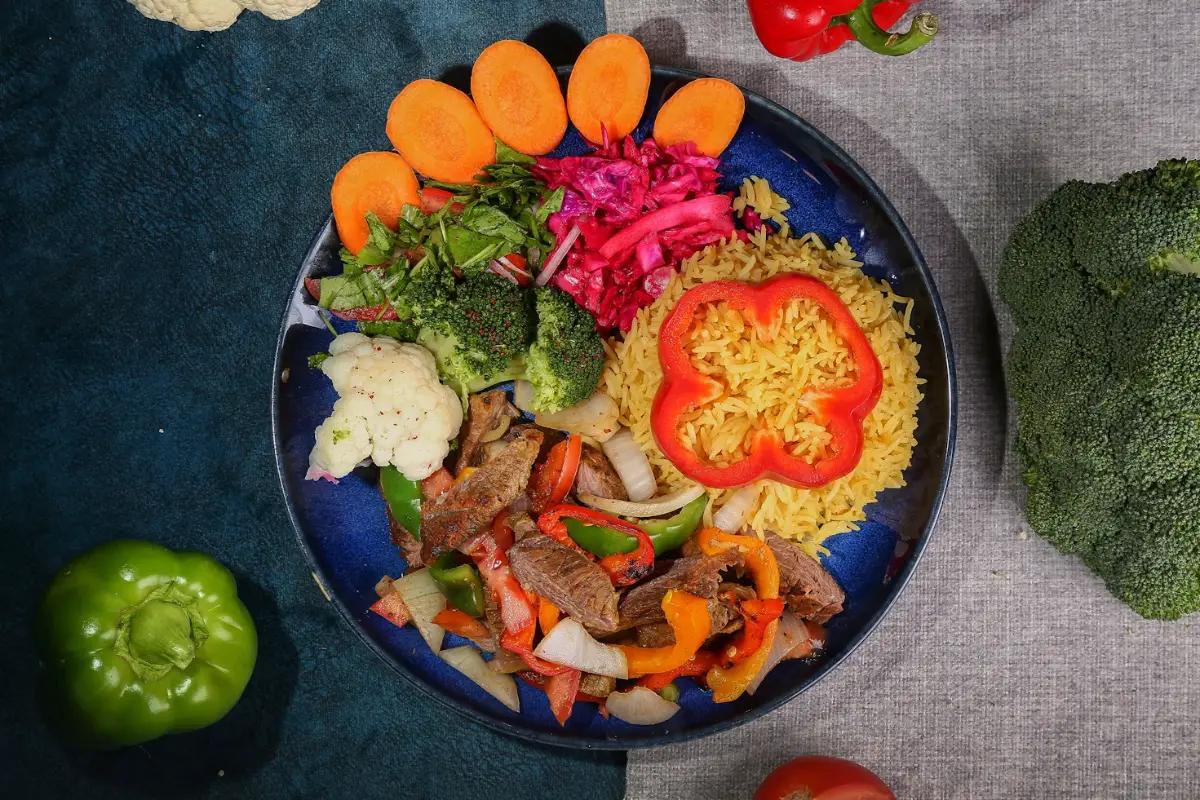
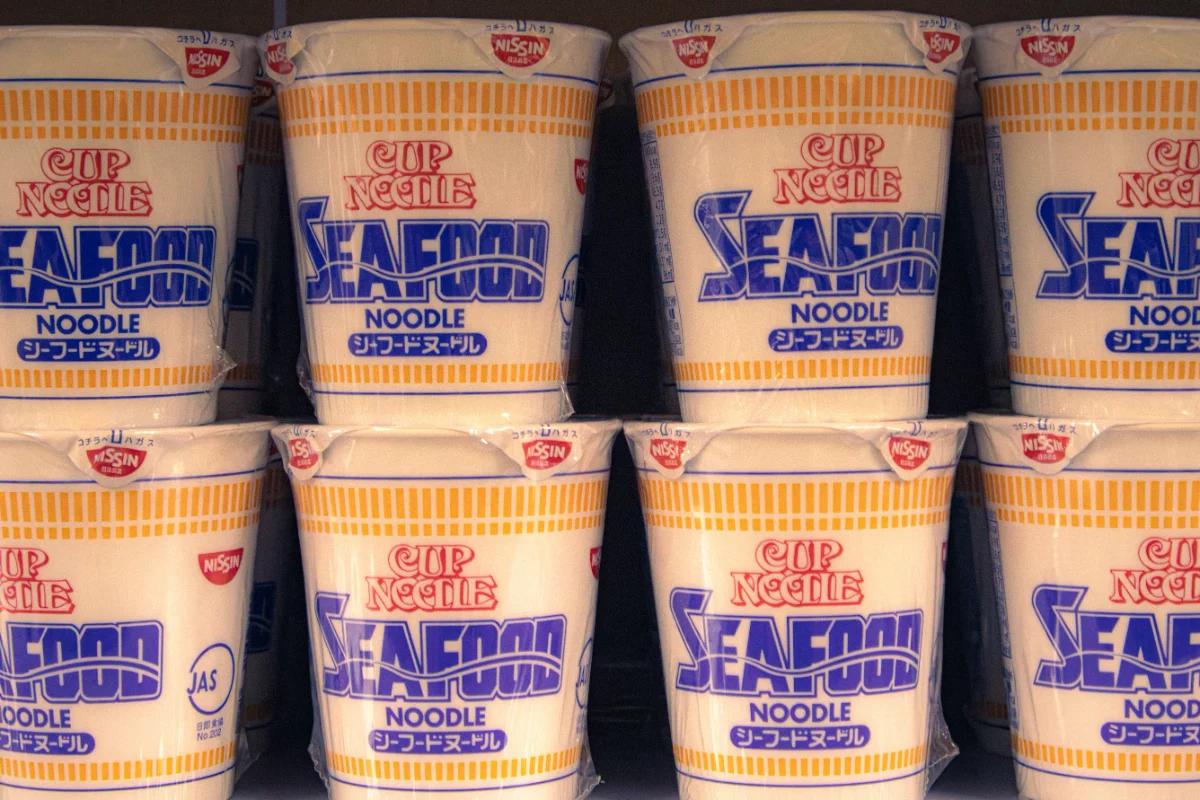
Cooking oil is the “invisible foundation” of modern processed foods, appearing primarily in these forms: 1. Core Ingredient in Processed Foods: · Fried Foods: Potato chips, instant noodle blocks, fried chicken, doughnuts, etc., use highly stable frying oils (often palm or specialty oils). · Baked Goods: Cookies, pastries, puff pastry, bread, etc., rely on shortening and margarine for crisp or soft textures. · Chocolate & Confectionery: Use specialty fats like cocoa butter equivalents (CBE) or replacers (CBR) to adjust melting points and control costs. · Sauces & Spreads: Vegetable oil is the main component in mayonnaise, salad dressings, and nut butters. 2. The “Lifeblood” of Foodservice: Restaurants, fast-food chains, and central kitchens consume vast quantities of bulk cooking and frying oils, far exceeding household use. 3. Functional Ingredient in Food Manufacturing: Used to carry flavors (e.g., stir-frying spices), transfer heat, improve texture and shelf-life, and act as a carrier for fat-soluble vitamins (A, D, E, K). 4. Applications Beyond Food: Refined by-products or specific oils are used to produce industrial goods like soap, cosmetics, lubricants, and biodiesel.
The global Cooking Oil industry has a distinct geographic footprint, with production concentrated in regions that combine raw material access, manufacturing expertise, labor cost advantages, and proximity to end-use markets.
1. Southeast Asia — The Palm Oil Powerhouse: Indonesia and Malaysia produce approximately 85% of the world''s palm oil, the most consumed cooking oil globally. Companies like Wilmar International, Golden Agri-Resources (Sinar Mas), Sime Darby, and IOI Corporation dominate. Indonesia''s palm oil export policies and B35 biodiesel mandates significantly influence global pricing and availability.
2. South America — Soybean Oil Champions: Brazil and Argentina are the world''s largest soybean processors and exporters, producing approximately 50% of global soybean oil. Key players include Cargill, Bunge, ADM, and Louis Dreyfus Company (ABCD traders) along with Brazilian giants like Amaggi and Coamo.
3. North America & Europe — Canola and Sunflower Oil Leaders: Canada dominates canola (rapeseed) oil production, while the EU (France, Germany, Poland) leads in rapeseed and sunflower oil. Ukraine and Russia together produce approximately 60% of the world''s sunflower oil, though the Russia-Ukraine conflict has severely disrupted supply chains since 2022.
4. China & India — The Demand Giants: Both are massive consumers and growing producers. COFCO (China) and Adani Wilmar (India) are major integrated players spanning crushing, refining, and branded consumer products. India is the world''s largest importer of edible oils.
Strategic Implications: The Cooking Oil industry continues to evolve as supply chains diversify. Buyers should maintain multi-country sourcing strategies that balance cost, quality, lead time, and geopolitical risk. Understanding regional specialization — which countries excel at which product segments — is essential for making informed procurement decisions. The trend toward sustainability certifications (OEKO-TEX, GOTS, bluesign, GRS) and transparent supply chains is reshaping competitive dynamics, with manufacturers who invest in compliance and traceability gaining preferential access to premium markets.
The global Cooking Oil industry has a distinct geographic footprint, with production concentrated in regions that combine raw material access, manufacturing expertise, labor cost advantages, and proximity to end-use markets.
1. Southeast Asia — The Palm Oil Powerhouse: Indonesia and Malaysia produce approximately 85% of the world''s palm oil, the most consumed cooking oil globally. Companies like Wilmar International, Golden Agri-Resources (Sinar Mas), Sime Darby, and IOI Corporation dominate. Indonesia''s palm oil export policies and B35 biodiesel mandates significantly influence global pricing and availability.
2. South America — Soybean Oil Champions: Brazil and Argentina are the world''s largest soybean processors and exporters, producing approximately 50% of global soybean oil. Key players include Cargill, Bunge, ADM, and Louis Dreyfus Company (ABCD traders) along with Brazilian giants like Amaggi and Coamo.
3. North America & Europe — Canola and Sunflower Oil Leaders: Canada dominates canola (rapeseed) oil production, while the EU (France, Germany, Poland) leads in rapeseed and sunflower oil. Ukraine and Russia together produce approximately 60% of the world''s sunflower oil, though the Russia-Ukraine conflict has severely disrupted supply chains since 2022.
4. China & India — The Demand Giants: Both are massive consumers and growing producers. COFCO (China) and Adani Wilmar (India) are major integrated players spanning crushing, refining, and branded consumer products. India is the world''s largest importer of edible oils.
Strategic Implications: The Cooking Oil industry continues to evolve as supply chains diversify. Buyers should maintain multi-country sourcing strategies that balance cost, quality, lead time, and geopolitical risk. Understanding regional specialization — which countries excel at which product segments — is essential for making informed procurement decisions. The trend toward sustainability certifications (OEKO-TEX, GOTS, bluesign, GRS) and transparent supply chains is reshaping competitive dynamics, with manufacturers who invest in compliance and traceability gaining preferential access to premium markets.