The health food industry encompasses a broad range of food and beverage products that are marketed and consumed for their perceived benefits to human health, wellness, and nutrition beyond basic sustenance. It’s not a single, rigidly defined category but a dynamic market driven by consumer demand for better-for-you options. 1. Core Product Categories: The industry typically includes several key segments. These are Organic Foods (produced without synthetic pesticides or fertilizers), Functional Foods & Beverages (enhanced with added vitamins, minerals, probiotics, or other bioactive compounds for specific health benefits), Dietary Supplements (such as vitamins, minerals, protein powders, and herbal extracts in pill, powder, or liquid form), Natural & Clean Label Products (made with minimal processing and recognizable ingredients), and Plant-Based & Free-From Alternatives (like dairy-free milk, meat substitutes, and gluten-free items). 2. Beyond Just “Food”: Importantly, the industry bridges traditional food and healthcare. It includes products for Medical Nutrition (specially formulated foods for managing diseases under medical supervision) and Sports Nutrition (products designed to enhance athletic performance and recovery). The driving idea is that food can be both nourishment and a proactive tool for supporting overall well-being, immunity, energy, and specific health goals.
The health food industry is evolving rapidly, driven by technological advances, sustainability concerns, and a deeper understanding of nutrition. Several key trends are currently defining its future direction. 1. Personalization and Precision Nutrition: One-size-fits-all is fading. Trends point towards customized nutrition plans based on individual DNA, gut microbiome, lifestyle, and health goals. This is enabled by home test kits, health apps, and AI-driven recommendations, leading to tailored supplement blends and food choices. 2. The Plant-Based Revolution Continues: Moving beyond just alternatives to meat and milk, the plant-based trend is expanding into seafood, eggs, cheese, and even ready meals. The focus is also shifting from simple substitution to improving the taste, texture, and nutritional profile (like complete protein sources) of these products to attract a wider, flexitarian audience. 3. Functional Benefits with Clear Claims: Consumers seek products with specific, evidence-backed health benefits. Popular functional areas include gut health (probiotics, prebiotics, postbiotics), immune support (vitamins C, D, zinc), mental well-being & stress relief (adaptogens like ashwagandha), energy enhancement, and beauty-from-within (collagen, antioxidants). 4. Transparency and “Clean” Labels: There is a strong demand for ingredient transparency. Consumers scrutinize labels, preferring products with short, simple, and recognizable ingredient lists, free from artificial additives, high-fructose corn syrup, or controversial preservatives. Sustainability and ethical sourcing are also significant parts of this “clean” demand.
With “organic” claims becoming common, it’s crucial to know how to verify them. True organic certification involves strict standards from seed to shelf. 1. Look for Official Certification Labels: This is the most reliable method. Don’t just rely on marketing words like “natural” or “green.” Look for a recognized organic seal on the packaging. In the U.S., the USDA Organic seal is authoritative. In the European Union, look for the EU Organic Logo (a green leaf). Different countries have their own certification bodies and logos. These seals guarantee the product meets specific government-regulated standards. 2. Understand What the Label Means: Certification standards typically prohibit the use of synthetic pesticides and fertilizers, genetically modified organisms (GMOs), antibiotics, and growth hormones in animal farming. They also promote soil health, biodiversity, and animal welfare. Reading the label beyond the seal is also wise. By law, products labeled “100% Organic” must contain only organic ingredients, “Organic” must contain at least 95% organic ingredients, and “Made with Organic Ingredients” must contain at least 70%. 3. Buy from Reputable Sources: Purchasing from established organic brands, certified farmers’ markets, or reputable retailers with clear sourcing policies increases trust. Many brands also provide a “certification ID” on their packaging or website, which you can often look up on the certifier’s website to verify its current status. Remember, for processed foods, even if organic, it’s still important to check the overall nutrition facts for sugar, salt, and fat content.
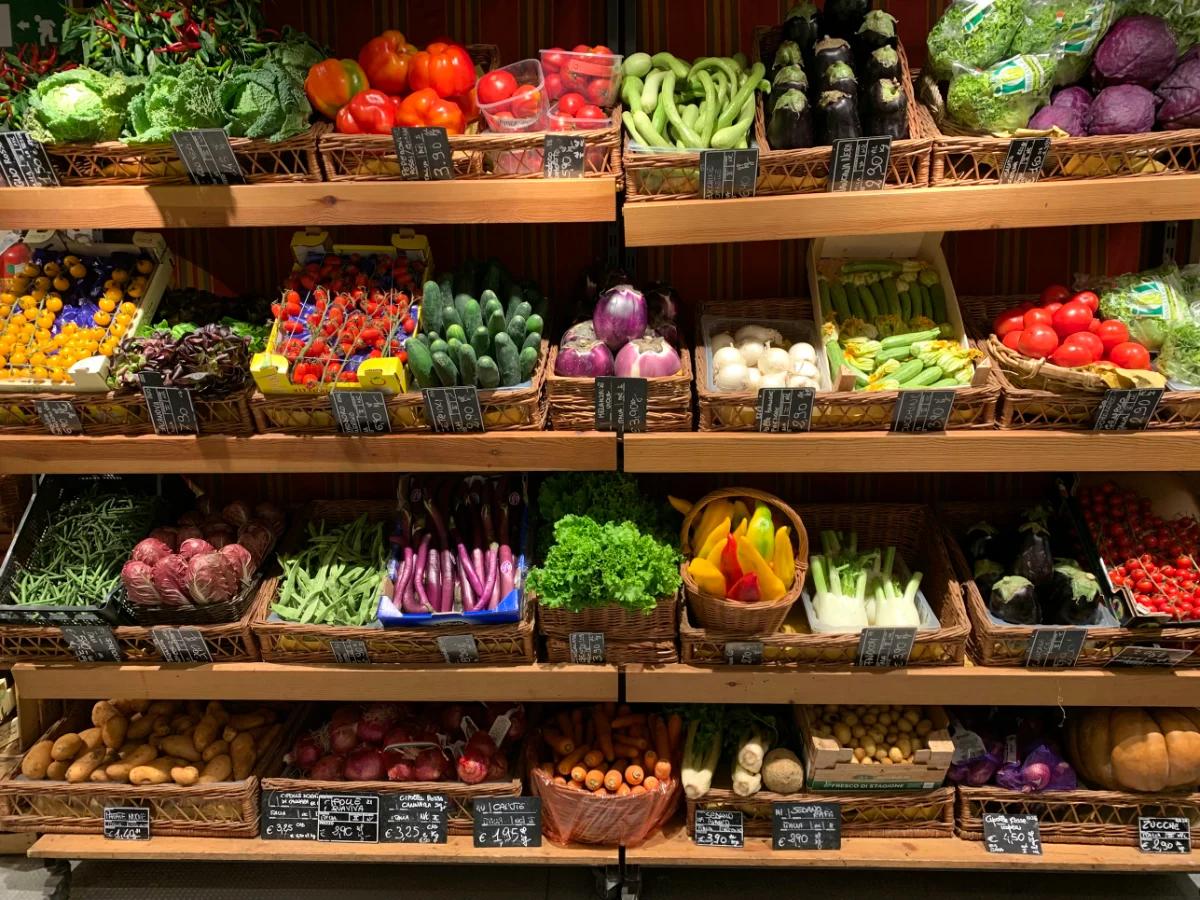
Venturing into the world of health foods can be overwhelming. The key is to start simple, focus on whole foods, and listen to your body, rather than chasing every trend. 1. Prioritize Whole, Minimally Processed Foods: The foundation of any healthy diet is whole foods. This means increasing your intake of fruits, vegetables, whole grains (like oats, quinoa), legumes, nuts, and seeds. These foods are naturally rich in fiber, vitamins, and antioxidants. When buying packaged items, choose ones with short, simple ingredient lists where you recognize everything as real food. 2. Identify Your Personal Goal: Your choice should align with your objective. Are you seeking general wellness, more energy, better digestion, immune support, muscle recovery after exercise, or weight management? For example, someone focusing on gut health might look for yogurt with live cultures or fermented foods, while someone needing quick post-workout nutrition might consider a protein shake. Avoid buying products with vague claims that don’t match a specific need. 3. Read Labels Critically: Don’t be swayed by front-of-package claims like “low-fat” or “high in fiber.” Turn the package over and read the Nutrition Facts panel and the Ingredients list. Check for added sugars (which can have many names like syrup, nectar, juice concentrate), sodium content, and the type of fats. An ingredient list ordered by weight can tell you a lot—if sugar is one of the first ingredients, be cautious. 4. Introduce Changes Gradually and Consult Professionals: Start by making one or two swaps, like choosing whole-grain bread instead of white, or snacking on nuts instead of chips. Listen to how your body responds. For significant dietary changes, introducing many new supplements, or if you have existing health conditions, consulting a registered dietitian or a doctor is always the safest and most effective approach.
The future of the health food industry points towards greater integration of science, technology, and sustainability, making personalized and proactive health management more accessible than ever. 1. Hyper-Personalization Through Biotech: The convergence of nutritional science, genomics, and gut microbiome research will make truly personalized nutrition mainstream. We’ll see more products tailored not just to general goals (like “energy”), but to an individual’s unique biological makeup, potentially recommended based on at-home blood or microbiome test results delivered via an app. 2. Sustainable and Regenerative Practices: “Health” will increasingly extend to planetary health. Consumer demand will push the industry towards regenerative agriculture (which improves soil health and captures carbon), upcycled ingredients (using food byproducts to reduce waste), and truly sustainable, biodegradable, or reusable packaging. Ethical sourcing and full supply chain transparency will become a baseline expectation, not a premium feature. 3. Blurring Lines Between Food, Supplements, and Medicine: The category of “medical foods” or “nutraceuticals” will grow significantly. We’ll see more food and beverage products developed with clinically studied ingredients at precise dosages to manage or prevent specific conditions (like cognitive decline, metabolic health). These products will exist in a space between conventional food and pharmaceuticals, often requiring clear science-backed communication. 4. Technology-Driven Innovation: Technology will revolutionize production and delivery. This includes cellular agriculture (lab-grown meat\/fat), precision fermentation (producing specific proteins or compounds via microbes), and 3D food printing to create customized nutrient-dense snacks or meals for elderly or patients with swallowing difficulties. AI will also play a huge role in predicting trends, optimizing formulations, and managing complex, personalized supply chains.