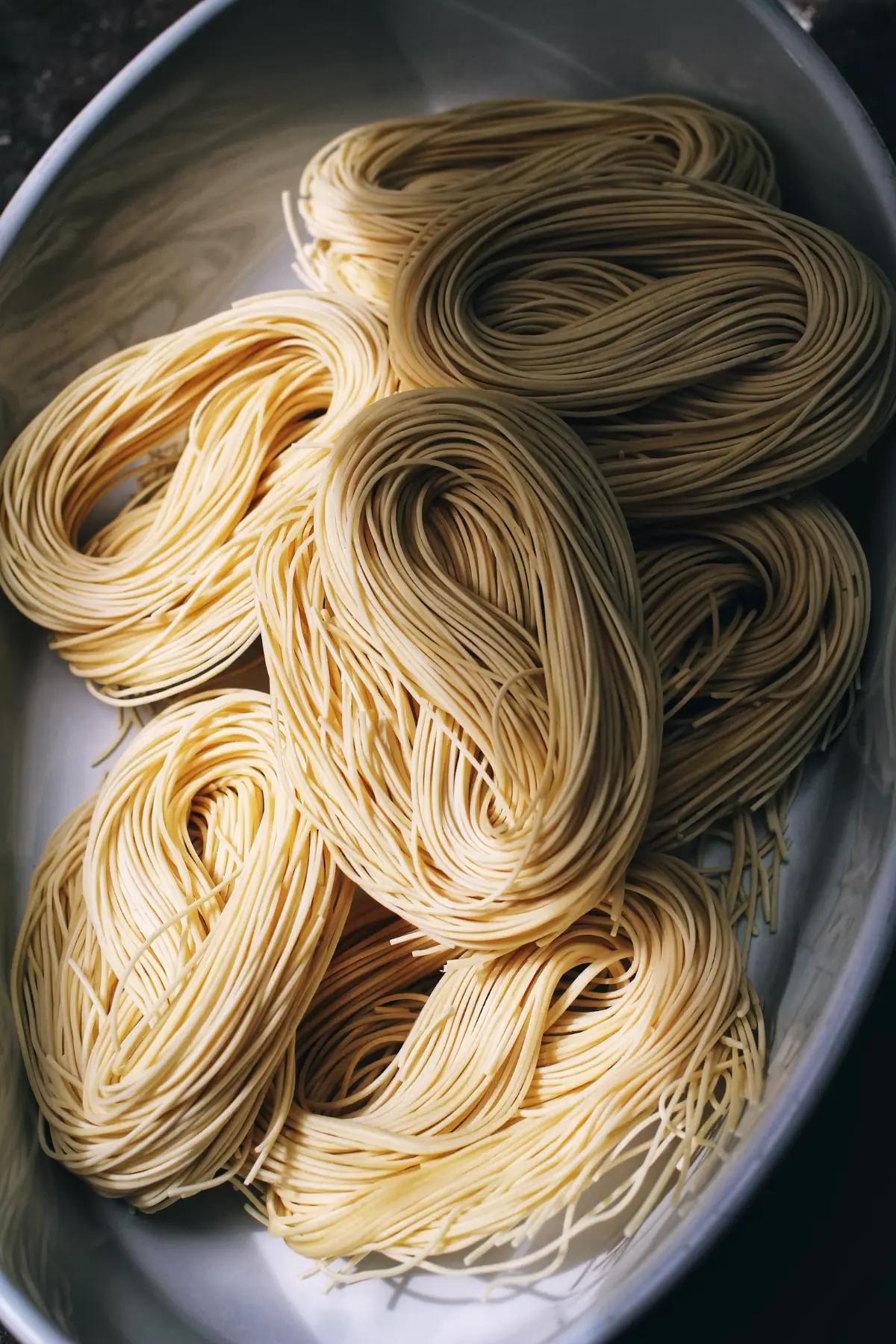
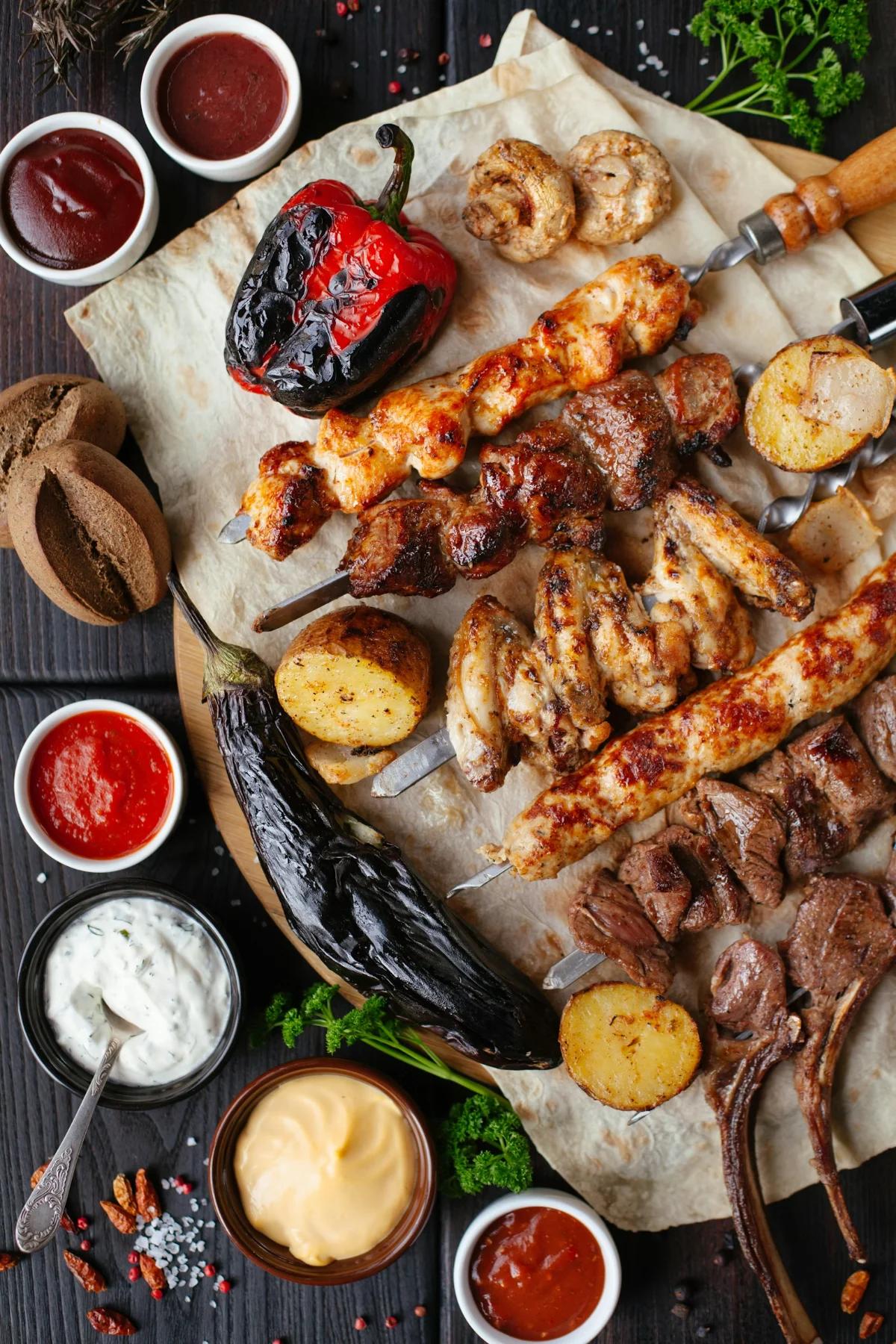
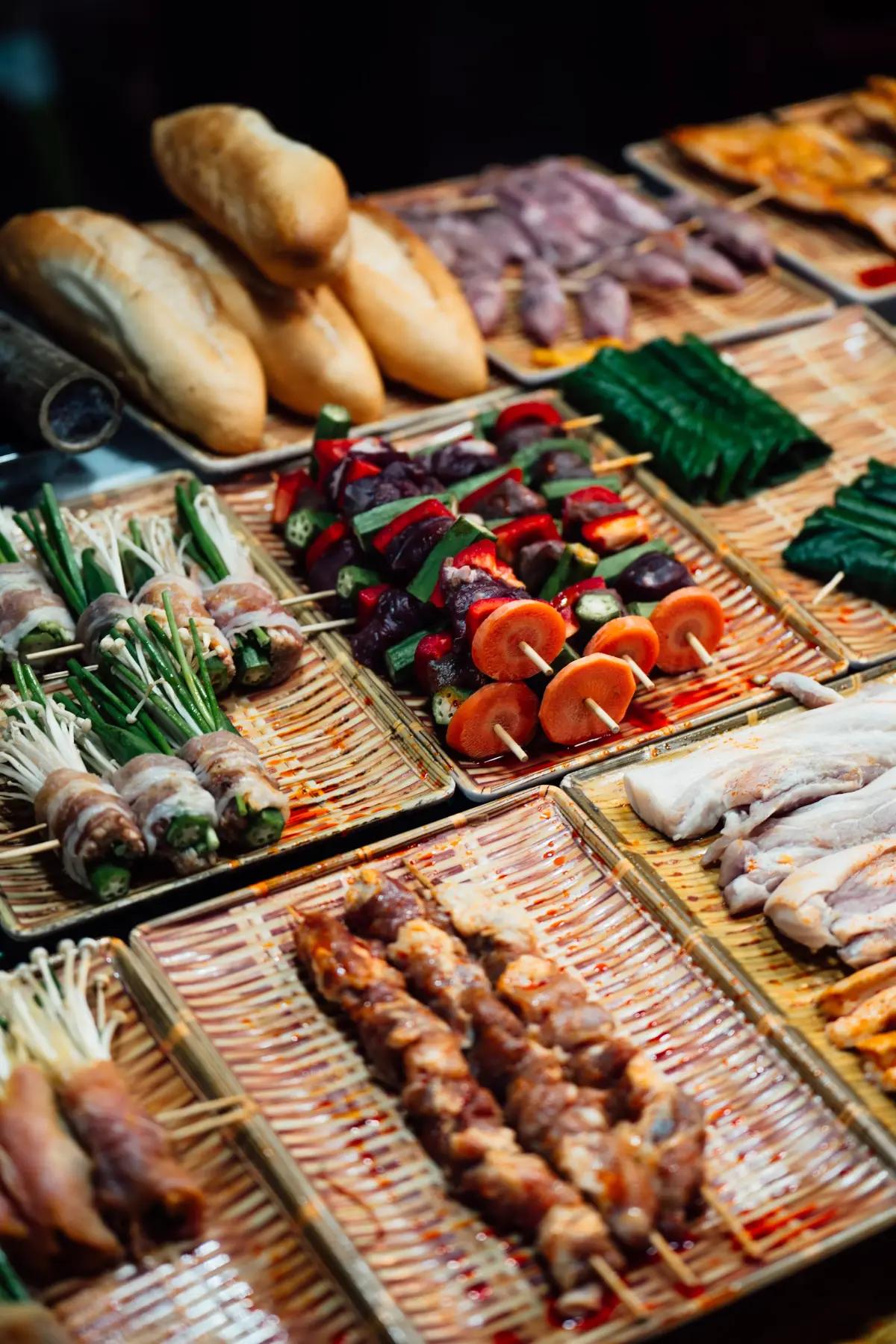
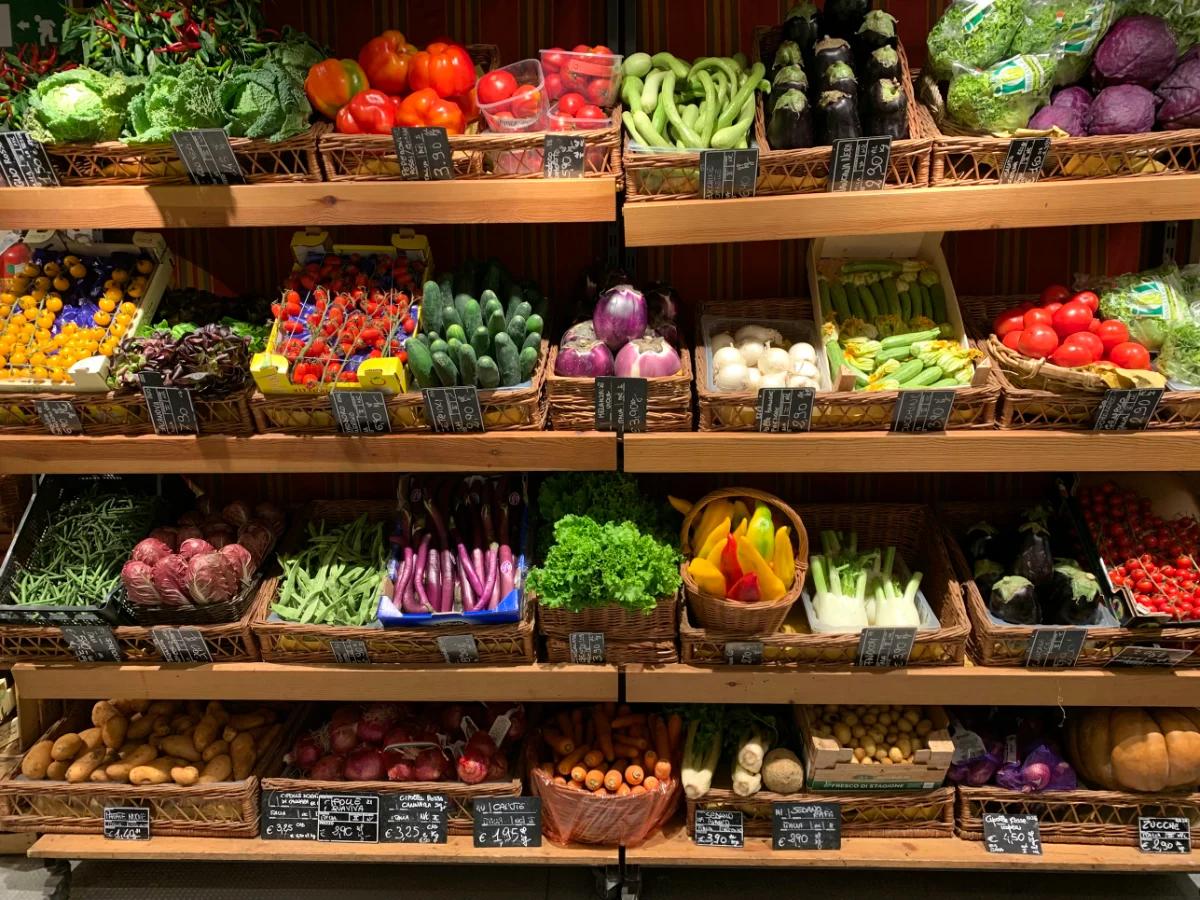
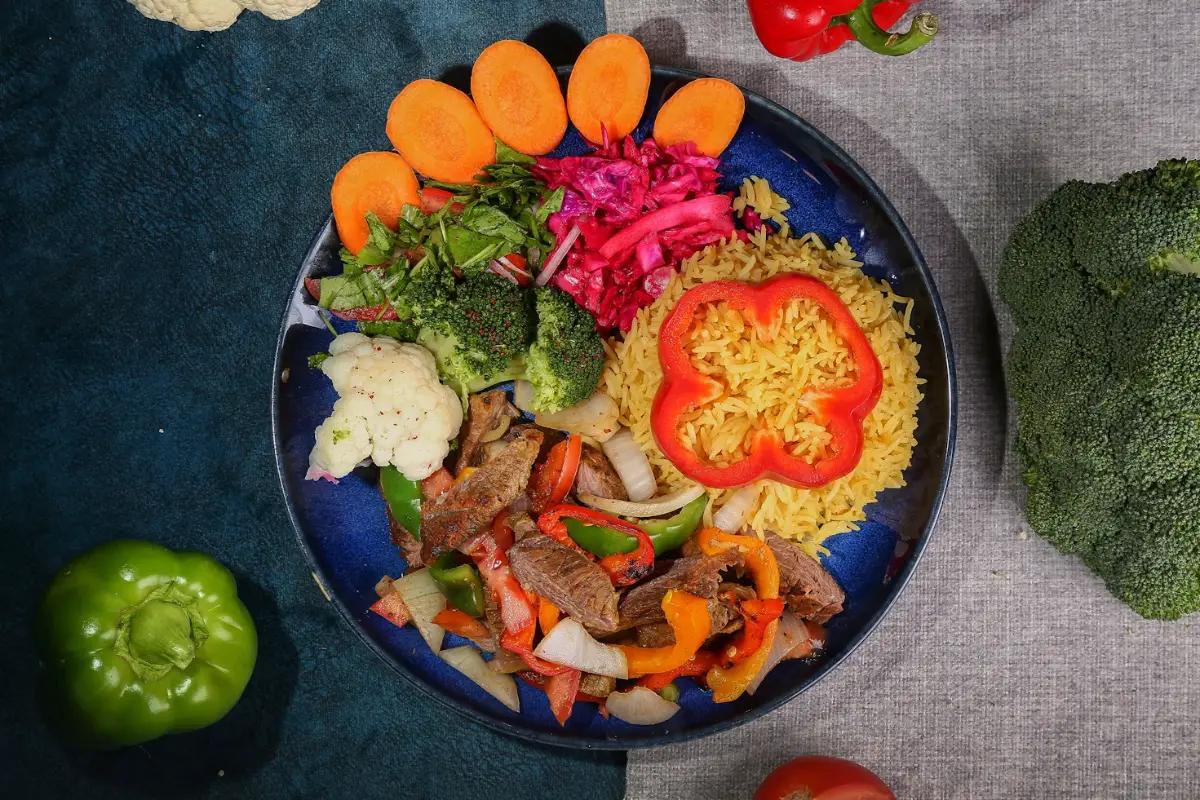
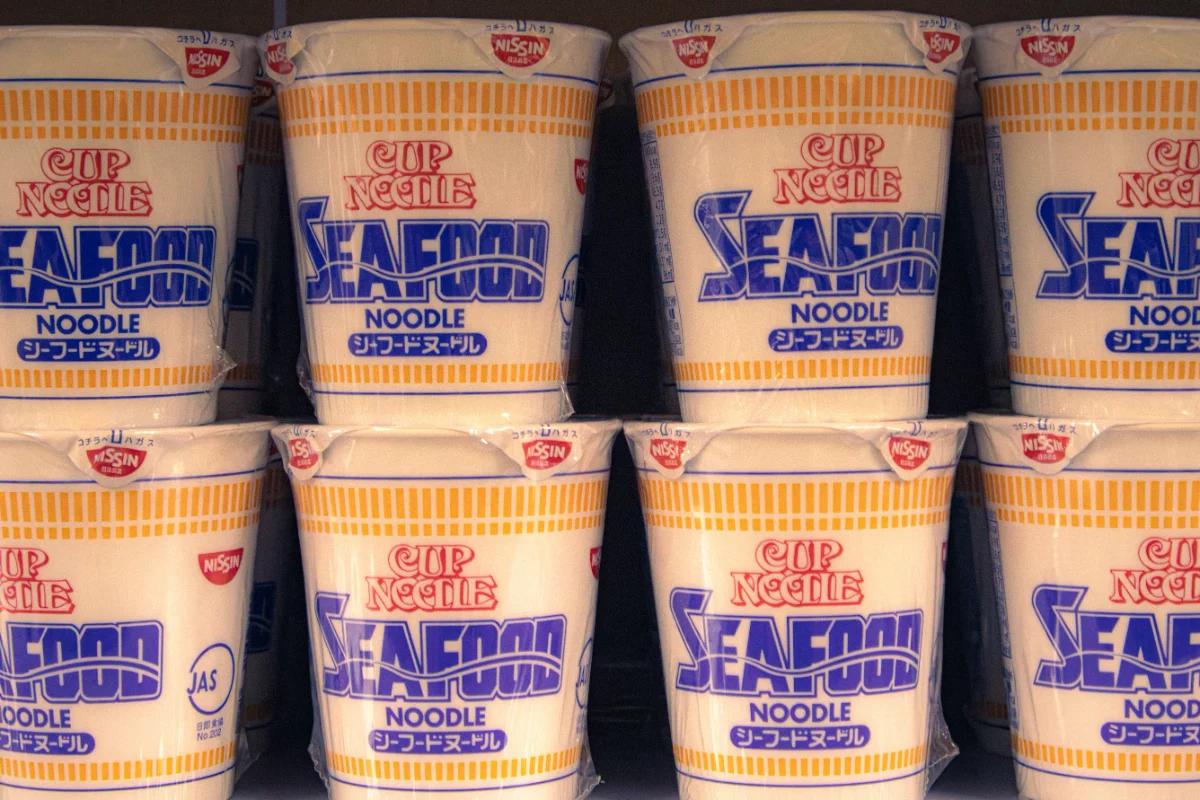
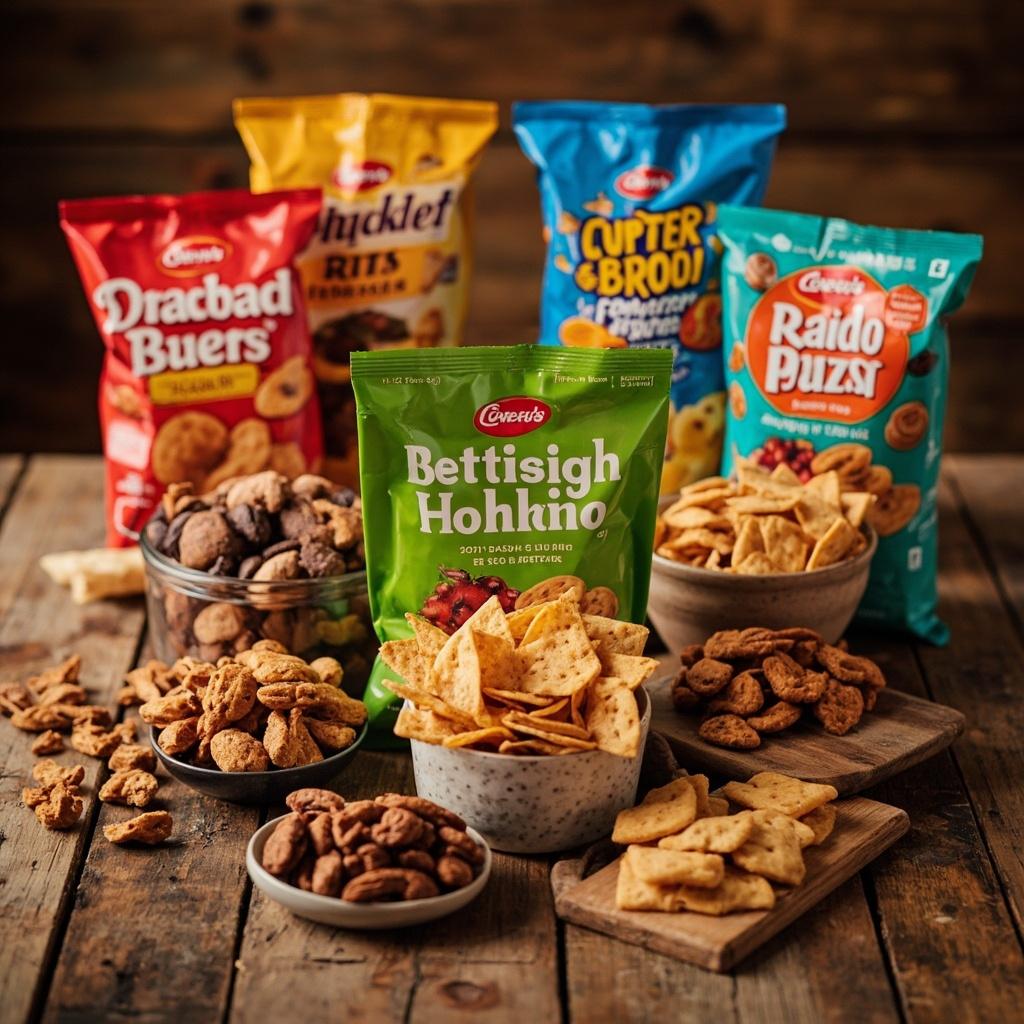
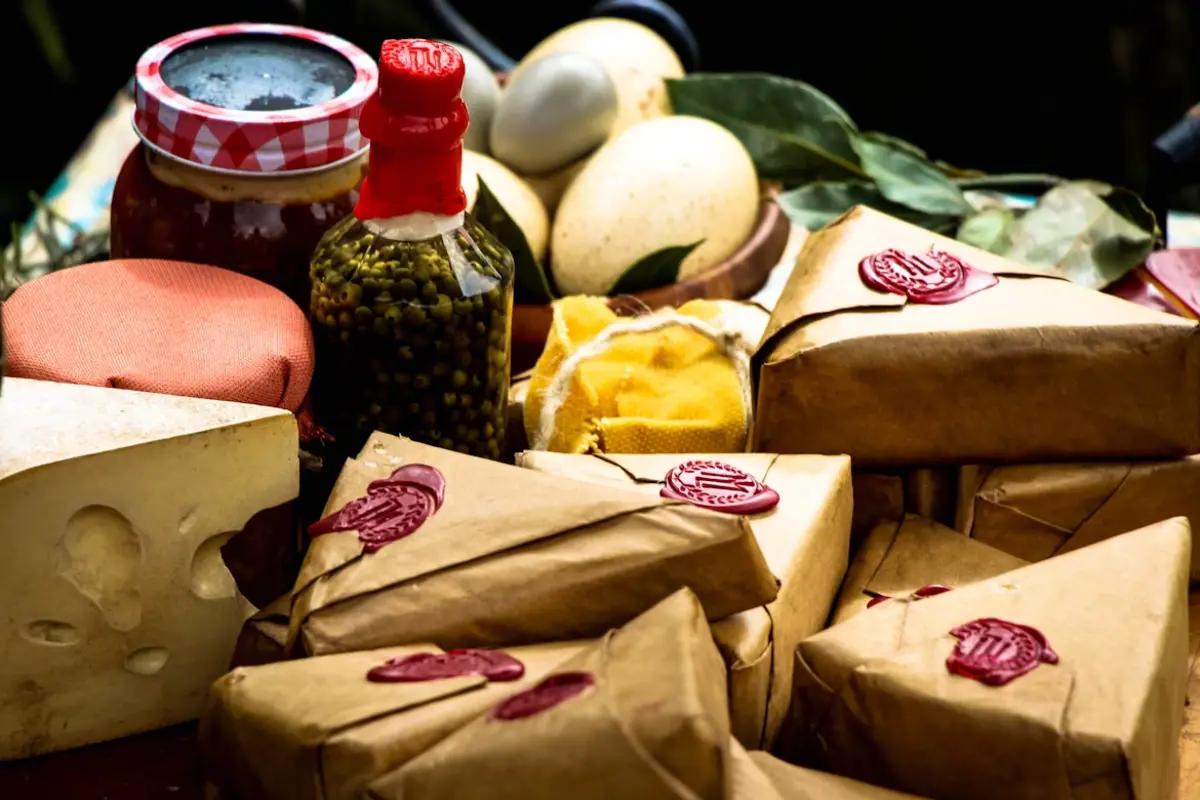
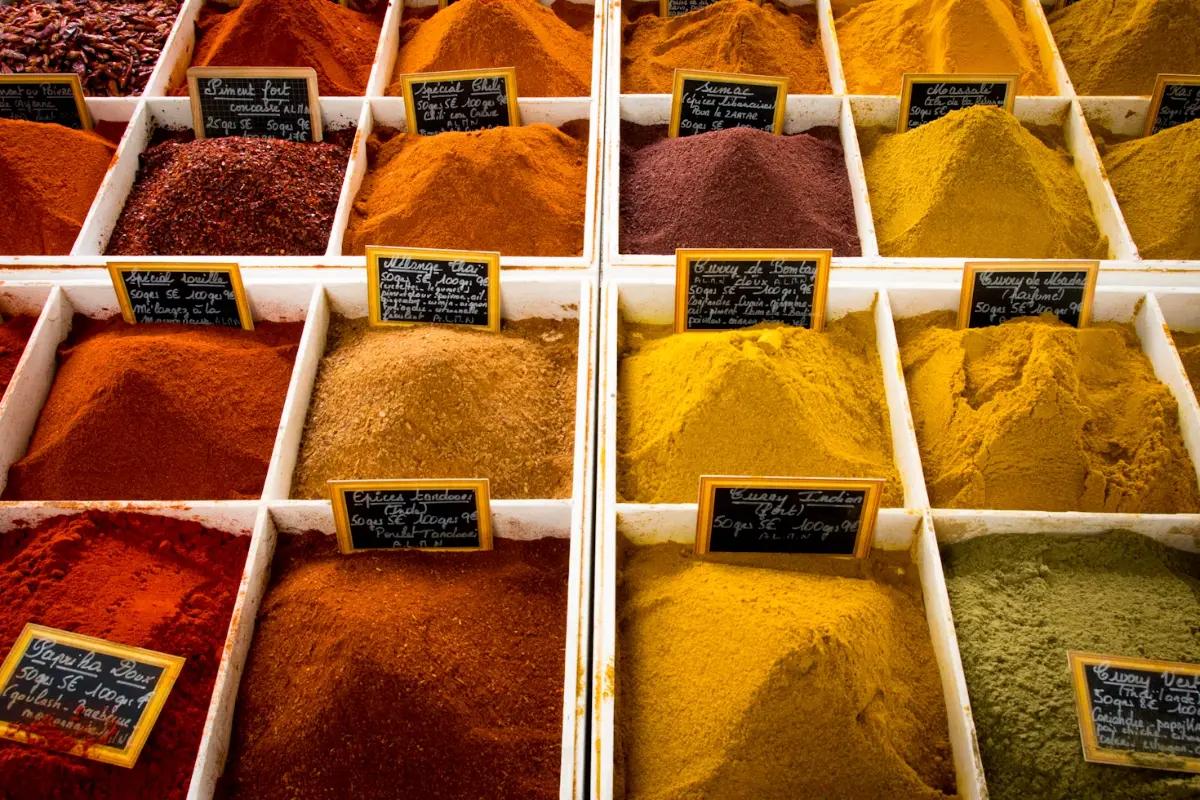
The ready-to-eat (RTE) food industry encompasses all food products that are processed, cooked, and packaged to be consumed immediately with minimal or no additional preparation. The core value proposition is ultimate convenience, saving consumers time and effort in meal preparation. 1. Core Product Categories: This industry is vast and goes far beyond instant noodles. Major categories include: Frozen Prepared Foods (like dumplings, pizzas, and burritos), Meal Kits & Sauce Bags (which simplify home cooking), Canned Goods (long-shelf-life staples like soups and meats), Instant Noodles & Pastas, and the rapidly growing Self-Heating Meals (like hot pots and rice bowls that cook with a water-activated heater). 2. The Technology Behind Convenience: The industry relies on advanced food technologies to ensure safety, taste, and shelf life. Key methods include freezing (IQF for individual pieces), retort sterilization (for canned and pouch foods), dehydration, and modified atmosphere packaging. The recent innovation of self-heating packages uses exothermic chemical reactions to provide a hot meal anywhere. 3. Market Drivers: The primary growth drivers are urbanization, faster-paced lifestyles, and the increasing number of single-person households. The COVID-19 pandemic further accelerated demand as consumers stocked up on shelf-stable options. Today, innovation is heavily focused on healthier profiles (reduced sodium, high protein, plant-based) and gourmet, global flavors to meet evolving consumer demands.
The extended shelf life of ready-to-eat foods, especially those stored at room temperature, is achieved through a combination of processing techniques, packaging technologies, and sometimes preservatives. The goal is to eliminate or inhibit the growth of spoilage microorganisms and pathogens. 1. Key Processing Technologies: · Thermal Processing (Retort): This is the most common method for canned goods and flexible pouches. Food is sealed in a package and then heated to very high temperatures under pressure (e.g., 121°C\/250°F). This commercially sterilizes the contents, destroying all harmful microbes and enzymes, allowing shelf-stable storage for years. · Dehydration: Removing water (e.g., in instant noodles, soup mixes) prevents microbial growth. Freeze-drying is a premium technique that preserves flavor, color, and nutrients better than air-drying. · Freezing: Rapid freezing (like IQF) locks in freshness by stopping microbial activity and slowing chemical degradation. It preserves taste and texture remarkably well but requires a constant cold chain. 2. The Role of Packaging: Packaging is a critical barrier. Aseptic packaging sterilizes both the food and the package separately before filling in a sterile environment. Modified Atmosphere Packaging (MAP) replaces the air inside a package with a gas mixture (like nitrogen or CO2) that slows down spoilage. Vacuum sealing also removes oxygen to delay rancidity and microbial growth. 3. Ingredients & pH Control: In some products, natural or chemical preservatives (e.g., salts, nitrites, citric acid) are used to further inhibit bacteria and fungi. Additionally, controlling the acidity (pH) of a product, as in pickled or tomato-based foods, creates an environment where dangerous bacteria like C. botulinum cannot grow.
The consumer base for ready-to-eat foods is broad and diverse, but it is particularly strong among specific demographic groups and lifestyle segments driven by common core needs. 1. Key Demographic Groups: · Urban Professionals & Busy Workers: Individuals with demanding careers and long commutes have limited time for cooking. RTE foods provide a quick solution for lunch at the office or dinner after a late night. · Students: University students living in dorms with limited cooking facilities rely heavily on instant noodles, canned soups, and microwaveable meals for affordability and convenience. · Singles & Small Households: Cooking for one can be inefficient. Single-serving RTE portions eliminate waste and the effort of preparing multiple ingredients. · Modern Families: Even in families, parents may use frozen pizzas, prepared pasta sauces, or meal kits on busy weeknights to save time while still providing a structured meal. 2. Core Drivers for Choosing RTE: · Time-Saving & Convenience: This is the undisputed number one factor. The reduction in meal prep, cooking, and cleanup time is invaluable. · Accessibility & Ease of Use: Most RTE foods require minimal culinary skill, making them accessible to everyone. · Affordability & Budget Control: Especially for staples like instant noodles and canned beans, RTE foods offer a very low-cost meal option with predictable pricing. · Portability & Storage: Their long shelf life and durability make them perfect for emergency kits, camping trips, travel, and stocking pantries. · Evolving Palates: With the rise of gourmet and international options (e.g., Thai green curry, Italian pasta), consumers are also choosing RTE foods for flavor exploration and variety without visiting a restaurant.
The global Ready-to-Eat Food industry has a distinct geographic footprint, with production concentrated in regions that combine raw material access, manufacturing expertise, labor cost advantages, and proximity to end-use markets.
1. Asia-Pacific — The Dominant Force: China leads global RTE production, with massive instant noodle output (over 40 billion servings/year). Key players: Tingyi/Master Kong, Uni-President, Nissin Foods, and Jinmailang. Japan pioneered RTE categories — Nissin, Toyo Suisan (Maruchan), and Ajinomoto lead in instant noodles, retort pouch meals, and frozen prepared foods. South Korea (Nongshim, Samyang, CJ CheilJedang) dominates spicy instant noodles and frozen dumplings (mandu). Thailand (CP Group, Thai Union) leads in ready-to-eat seafood, poultry, and rice-based meals. India is a rapidly growing market led by ITC, Nestlé India (Maggi), and MTR Foods with indigenous RTE curry and rice products.
2. North America — Innovation and Convenience: Conagra Brands, Kraft Heinz, General Mills, Nestlé (Lean Cuisine, Stouffer''s), and Campbell Soup dominate frozen meals. Tyson Foods and Hormel lead in RTE meat and protein products. The meal kit segment (HelloFresh, Blue Apron) blurs the line between RTE and home cooking.
3. Europe — Premium and Health-Focused: Nestlé, Unilever, Dr. Oetker, and Nomad Foods (Birds Eye, Findus) lead in frozen prepared meals. European consumers demand cleaner labels, organic certifications, and plant-based RTE options. Italy specializes in premium frozen pasta and risotto; France in high-end frozen entrées.
Strategic Implications: The Ready-to-Eat Food industry continues to evolve as supply chains diversify. Buyers should maintain multi-country sourcing strategies that balance cost, quality, lead time, and geopolitical risk. Understanding regional specialization — which countries excel at which product segments — is essential for making informed procurement decisions. The trend toward sustainability certifications (OEKO-TEX, GOTS, bluesign, GRS) and transparent supply chains is reshaping competitive dynamics, with manufacturers who invest in compliance and traceability gaining preferential access to premium markets.
The global Ready-to-Eat Food industry has a distinct geographic footprint, with production concentrated in regions that combine raw material access, manufacturing expertise, labor cost advantages, and proximity to end-use markets.
1. Asia-Pacific — The Dominant Force: China leads global RTE production, with massive instant noodle output (over 40 billion servings/year). Key players: Tingyi/Master Kong, Uni-President, Nissin Foods, and Jinmailang. Japan pioneered RTE categories — Nissin, Toyo Suisan (Maruchan), and Ajinomoto lead in instant noodles, retort pouch meals, and frozen prepared foods. South Korea (Nongshim, Samyang, CJ CheilJedang) dominates spicy instant noodles and frozen dumplings (mandu). Thailand (CP Group, Thai Union) leads in ready-to-eat seafood, poultry, and rice-based meals. India is a rapidly growing market led by ITC, Nestlé India (Maggi), and MTR Foods with indigenous RTE curry and rice products.
2. North America — Innovation and Convenience: Conagra Brands, Kraft Heinz, General Mills, Nestlé (Lean Cuisine, Stouffer''s), and Campbell Soup dominate frozen meals. Tyson Foods and Hormel lead in RTE meat and protein products. The meal kit segment (HelloFresh, Blue Apron) blurs the line between RTE and home cooking.
3. Europe — Premium and Health-Focused: Nestlé, Unilever, Dr. Oetker, and Nomad Foods (Birds Eye, Findus) lead in frozen prepared meals. European consumers demand cleaner labels, organic certifications, and plant-based RTE options. Italy specializes in premium frozen pasta and risotto; France in high-end frozen entrées.
Strategic Implications: The Ready-to-Eat Food industry continues to evolve as supply chains diversify. Buyers should maintain multi-country sourcing strategies that balance cost, quality, lead time, and geopolitical risk. Understanding regional specialization — which countries excel at which product segments — is essential for making informed procurement decisions. The trend toward sustainability certifications (OEKO-TEX, GOTS, bluesign, GRS) and transparent supply chains is reshaping competitive dynamics, with manufacturers who invest in compliance and traceability gaining preferential access to premium markets.