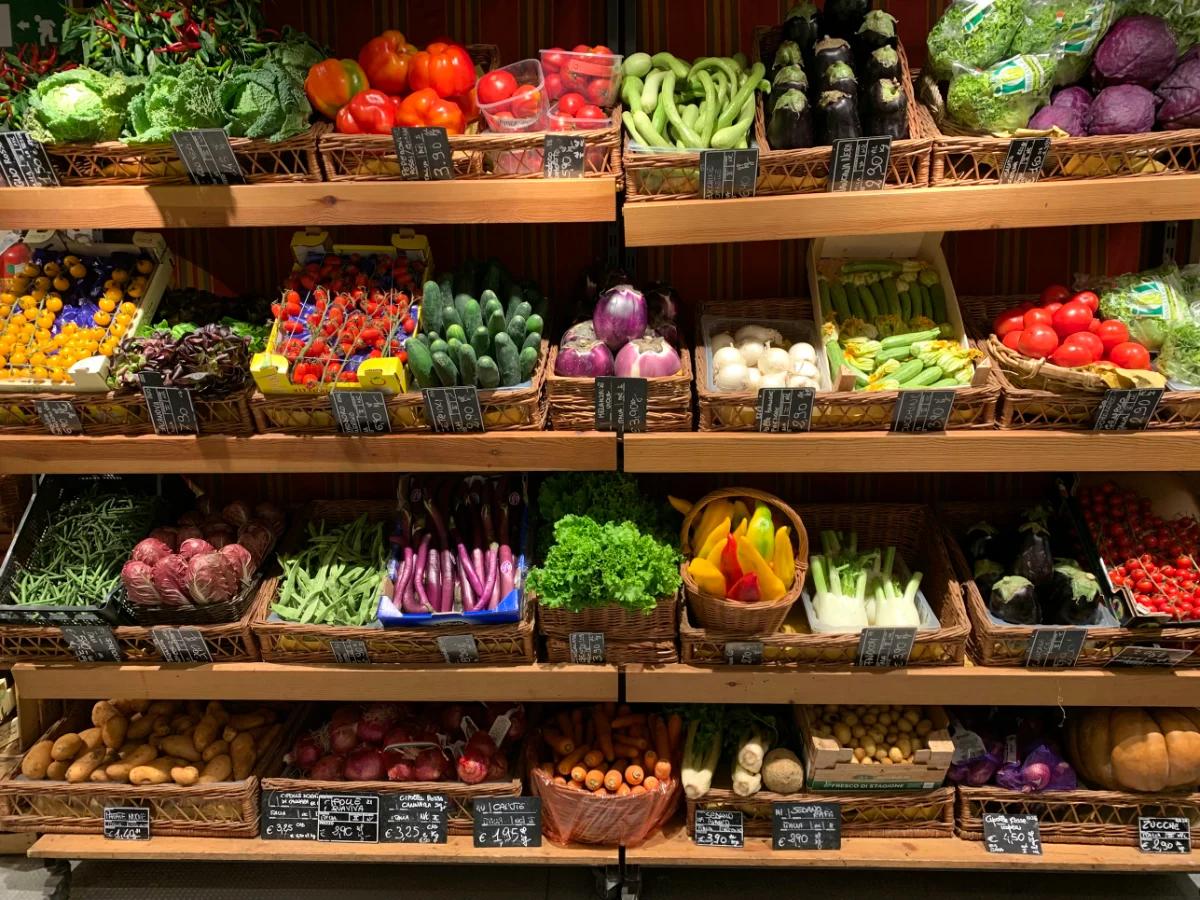
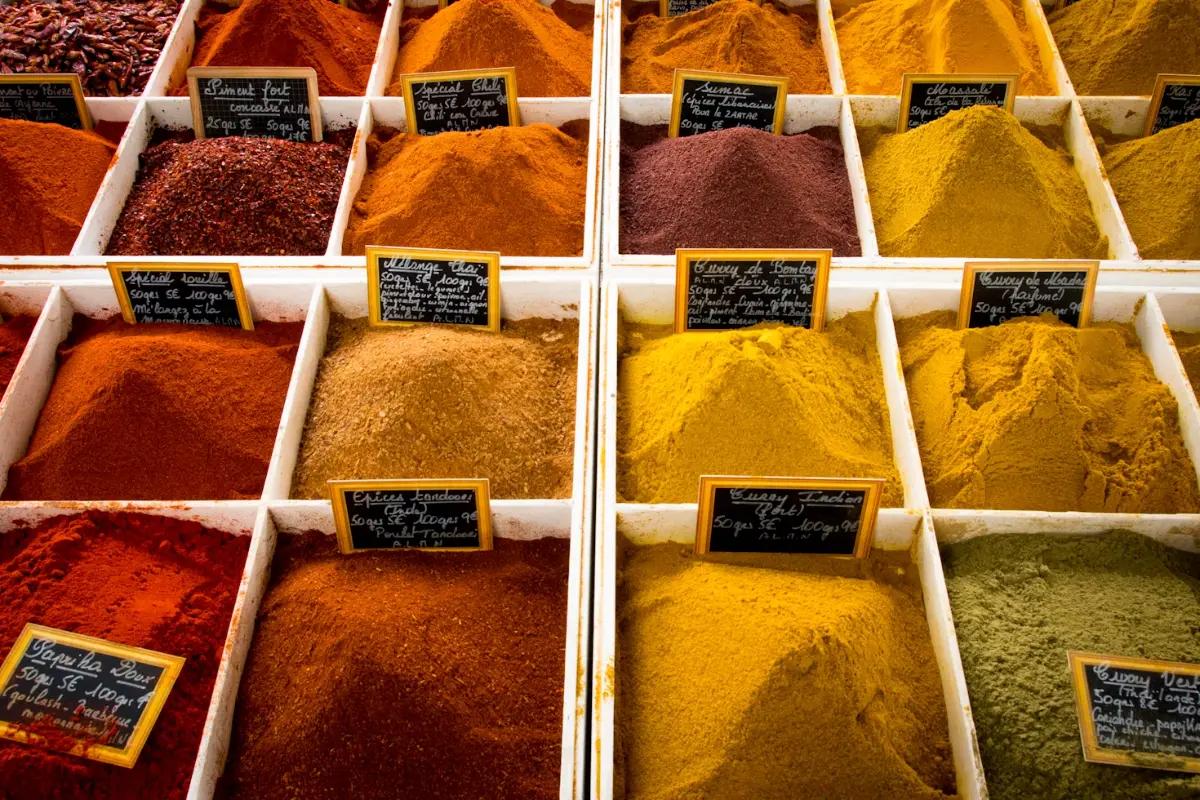
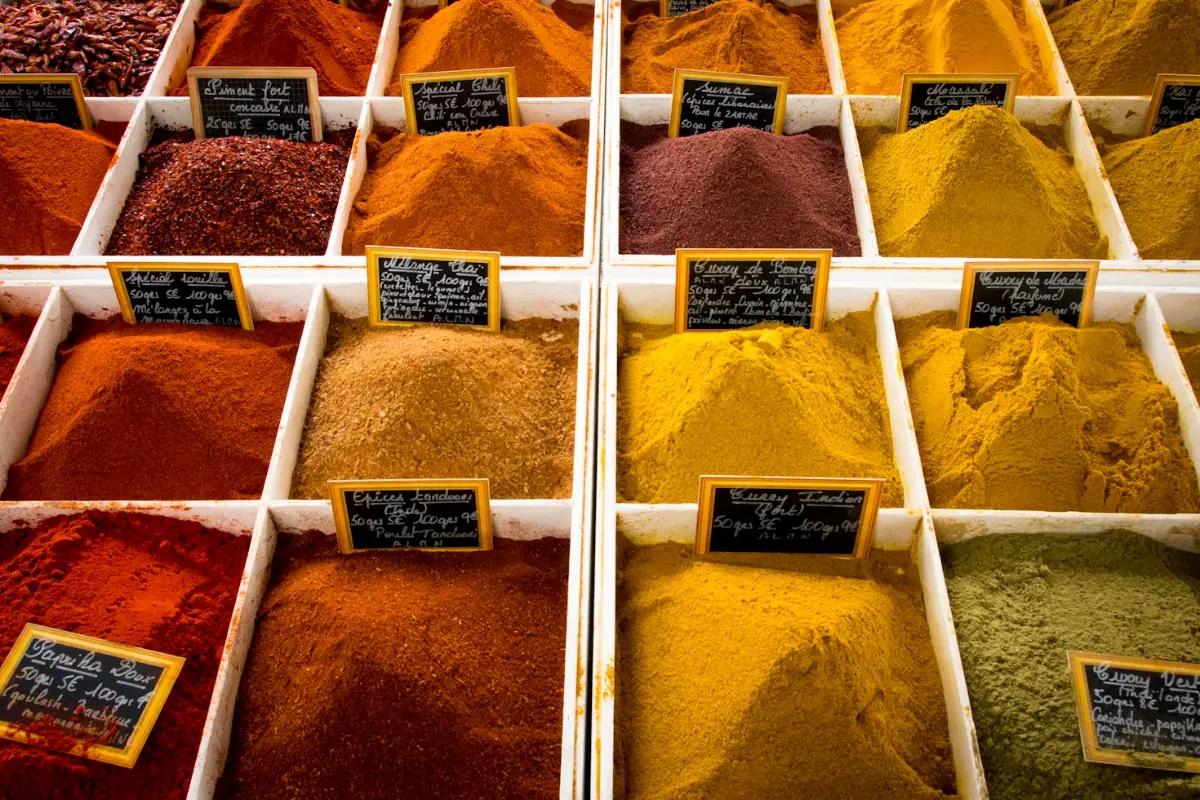
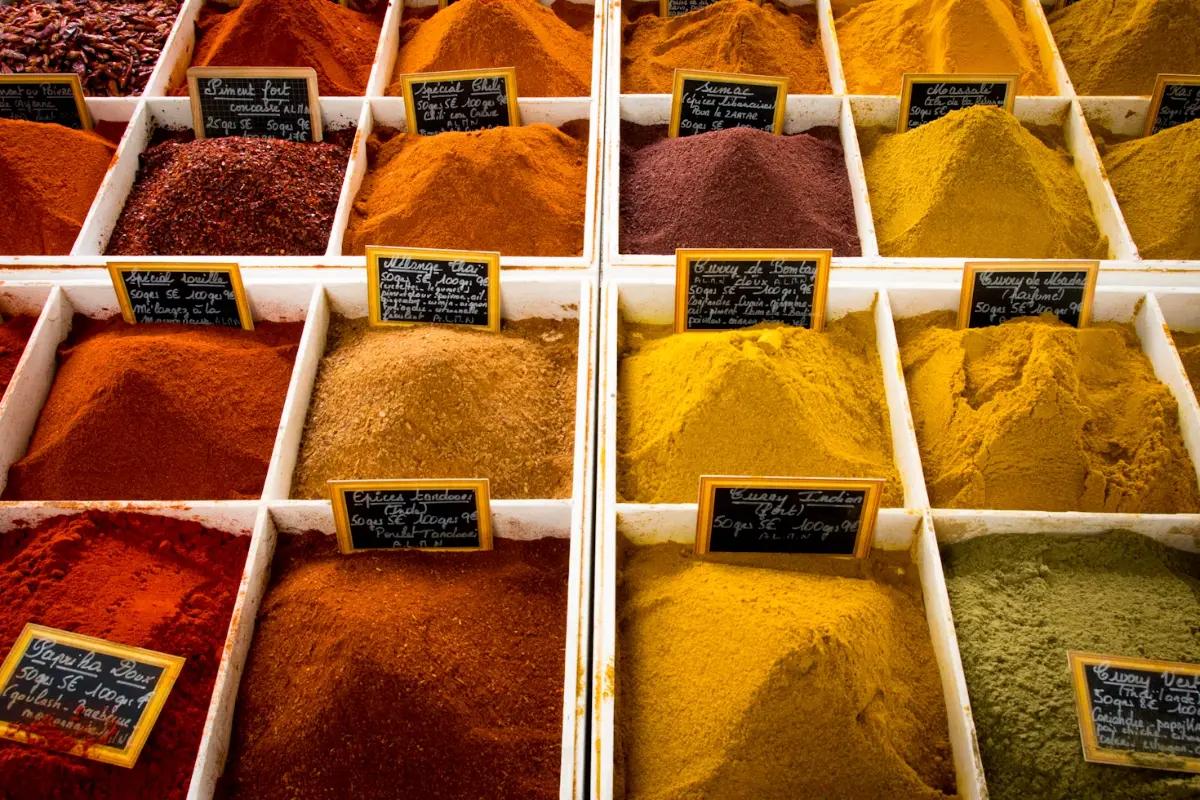
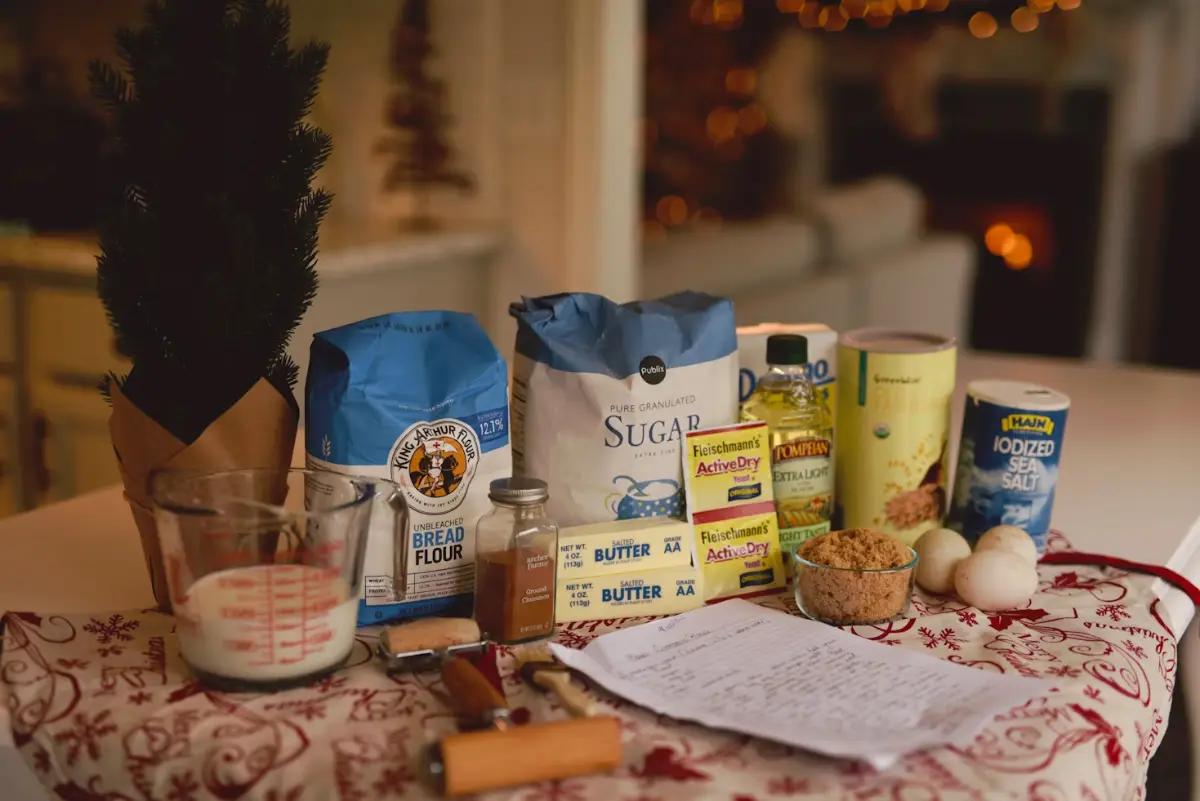
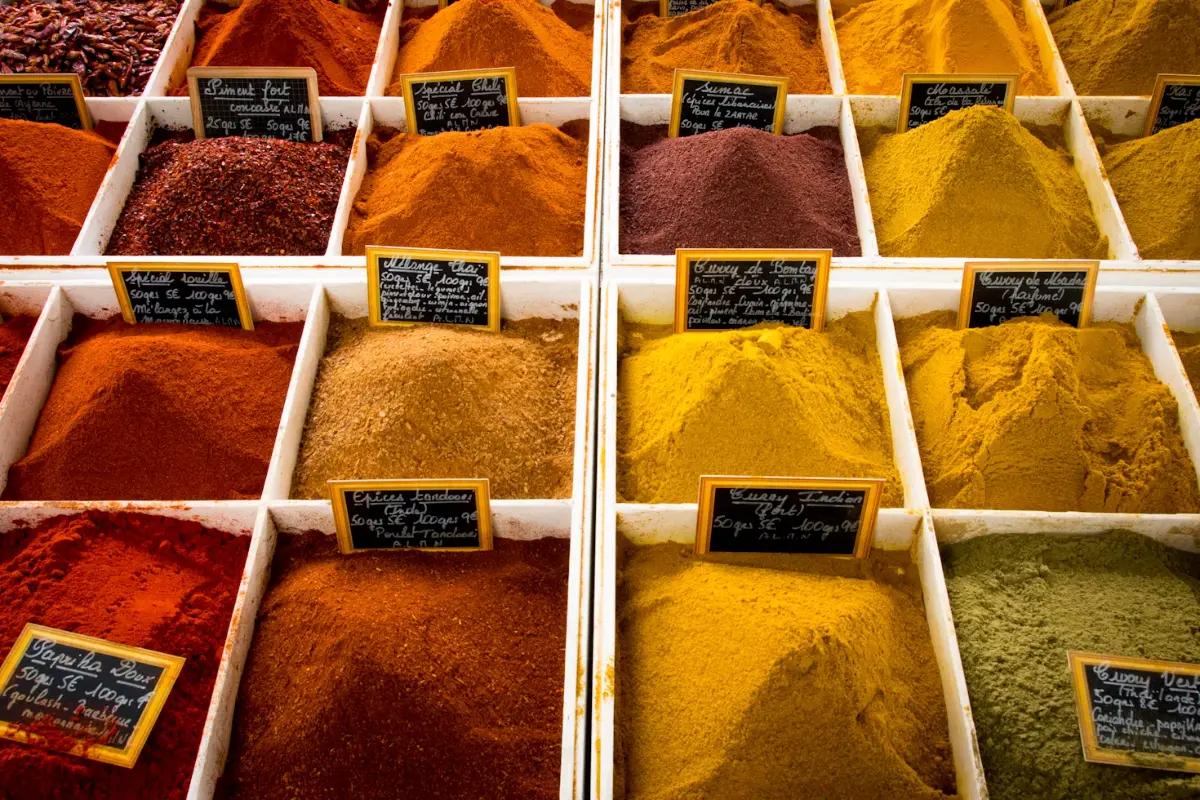
The spices industry encompasses the global business of cultivating, processing, trading, and selling aromatic or pungent plant substances primarily used to season, flavor, and preserve food. It’s a cornerstone of the global food supply chain, connecting agricultural producers with consumers and major food manufacturers worldwide. The industry’s products are diverse and can be categorized by their form and use: 1. Whole Spices: These are dried seeds, berries, roots, barks, or leaves in their natural, unprocessed state. Examples include cinnamon sticks, star anise, cloves, and cumin seeds. They offer the longest shelf life and most potent flavor when freshly ground. 2. Ground\/ Powdered Spices: These are whole spices that have been dried and milled into fine powders, such as chili powder, turmeric powder, and garlic powder. This form offers maximum convenience and is dominant in both household and industrial use for its ease of blending and dispersion. 3. Seasoning Mixes & Blends: These are pre-mixed combinations of various ground spices and herbs designed for specific cuisines or dishes, like Five-Spice Powder, Curry Powder, or barbecue seasoning. They simplify cooking and ensure flavor consistency. 4. Processed Spice Products: This category includes value-added items like marinades, paste, sauces, and garnishes (e.g., crispy fried garlic, toasted sesame seeds), which integrate spices into ready-to-use formats for consumers and the food service industry.
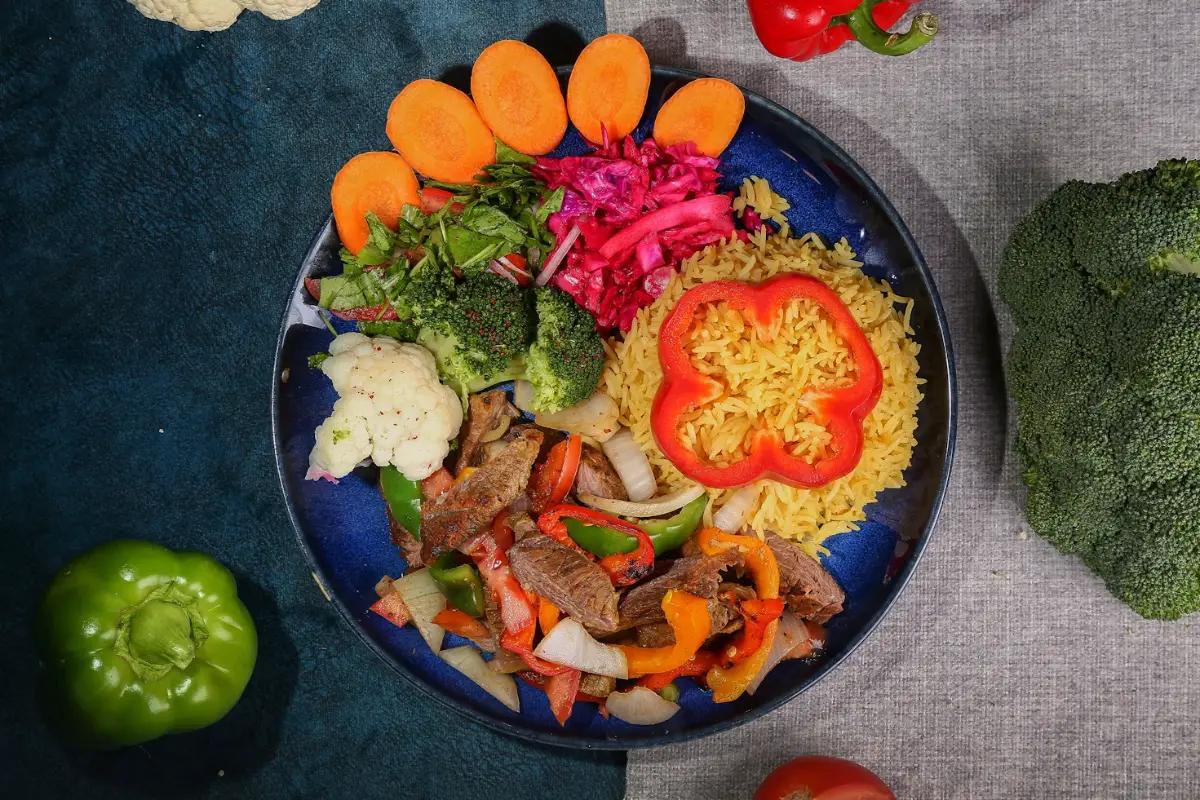
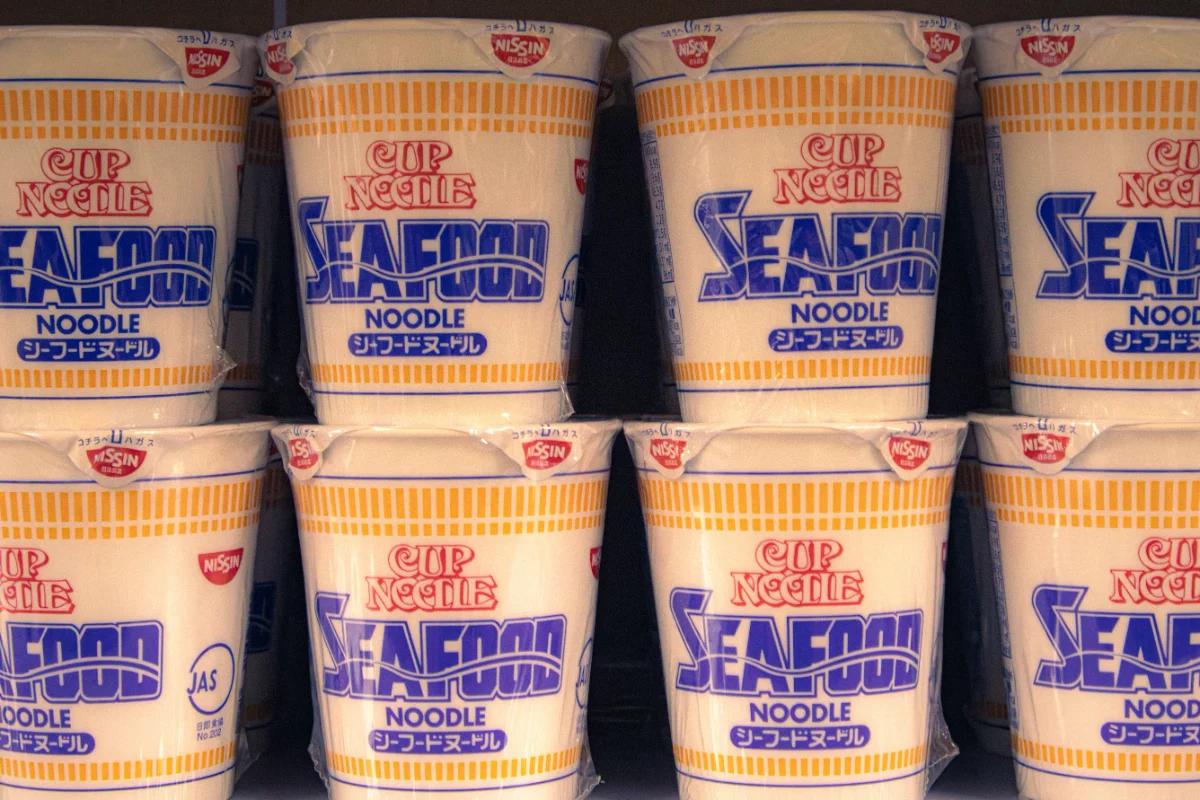
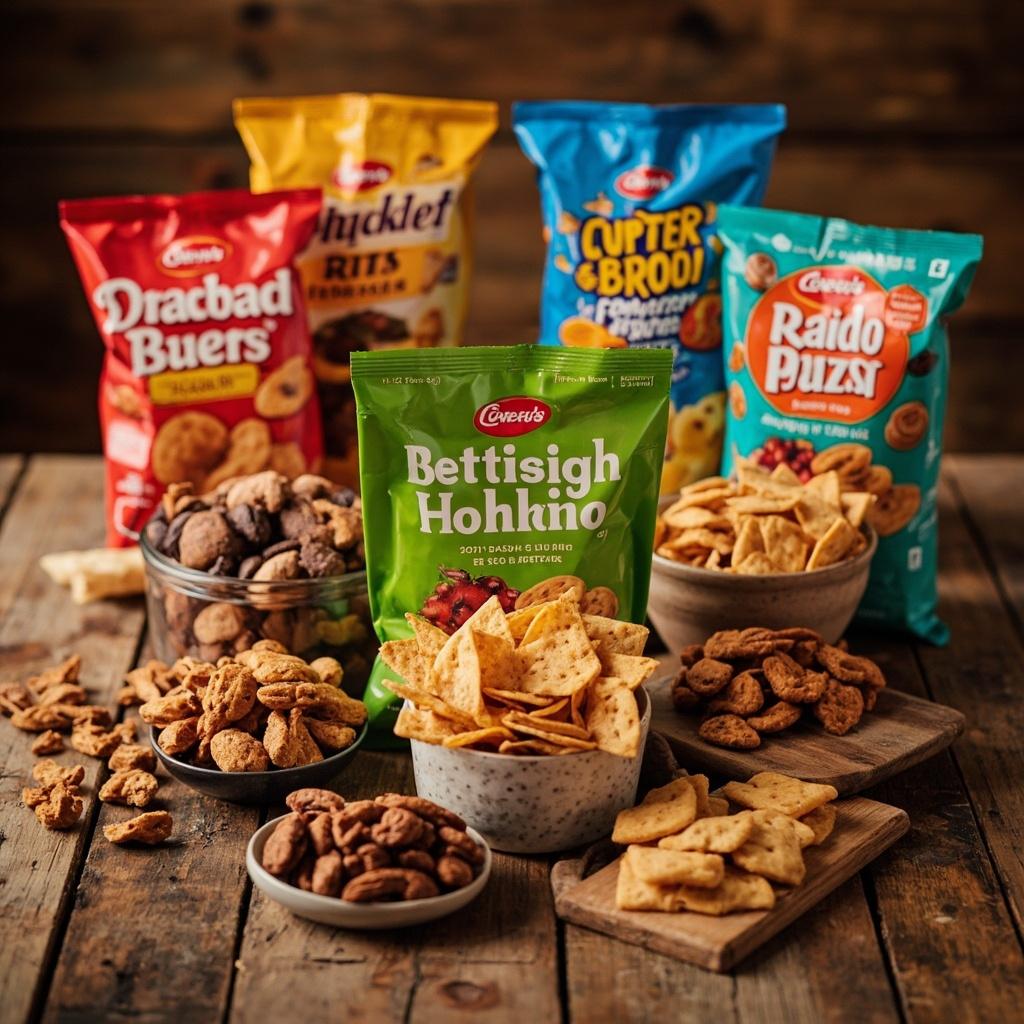
Spices are ubiquitous in the global food landscape, serving critical functions across multiple sectors: 1. Food Processing & Manufacturing: This is the largest application segment. Spices and their extracts are essential ingredients in a vast array of packaged foods, including savory snacks (chips, crackers), processed meats (sausages, deli meats), instant noodles, soups, sauces, ready-to-eat meals, and bakery products. They provide consistent flavor, color, and preservation qualities at an industrial scale. 2. Food Service & Restaurants: The hospitality industry relies heavily on spices for menu development. From fast-food chains (e.g., burger seasoning, fried chicken batter) to fine dining establishments, spices are fundamental in creating signature dishes and maintaining standard recipes across locations. 3. Household\/ Retail Consumption: This is the most visible segment for consumers. Retail shelves are stocked with packaged whole spices, ground spices, and seasoning blends for home cooking. The trend here is towards premium, organic, single-origin, and convenient blends. 4. Beyond Food – Other Industries: Spice extracts and essential oils are also used in the pharmaceutical, cosmetics (perfumery, skincare), and nutraceutical industries due to their bioactive compounds with potential antioxidant, anti-inflammatory, or aromatic properties.
The spice market is known for its volatility. Several key factors can cause significant price fluctuations and supply disruptions: 1. Climatic Conditions & Weather Events: Spices are agricultural commodities. Droughts, floods, unseasonal rains, or storms in major producing regions (e.g., India, Vietnam, Brazil) can severely damage crops, leading to reduced harvests and price spikes. 2. Geopolitical & Trade Dynamics: Export restrictions, tariffs, political instability, or logistical bottlenecks in producing or transit countries can disrupt global supply chains. Changes in trade policies between major economies directly impact spice trade flows and costs. 3. Seasonality & Harvest Cycles: Most spices have specific annual harvest periods. Prices are typically lowest just after harvest and may rise as stocks diminish throughout the year until the next harvest. 4. Quality Grading & Adulteration Risks: Prices vary drastically based on quality (e.g., color, pungency, essential oil content), origin, and purity. The risk of adulteration (mixing with inferior products or fillers) in complex supply chains also affects market trust and pricing for verified, high-quality products. 5. Global Demand Shifts: Rising consumer interest in ethnic cuisines, natural flavors, and functional foods can increase demand for specific spices, putting upward pressure on prices. Conversely, economic downturns may soften demand.
The industry is evolving rapidly, driven by changing consumer preferences and technological advancements: 1. Health & Wellness Focus: There is growing demand for spices known for their potential health benefits, such as turmeric (curcumin) for anti-inflammatory properties and ginger for digestion. This drives their use in nutraceuticals and functional foods. Organic and clean-label spices (free from synthetic additives) are experiencing strong growth. 2. Convenience & Product Innovation: Consumers and food manufacturers seek easier-to-use formats. Ground spices and ready-made blends continue to dominate, while new formats like spice pastes, marinade kits, and single-serve packets are gaining popularity for their convenience and portion control. 3. Sustainability & Traceability: Consumers and B2B buyers increasingly care about ethical sourcing, fair trade practices, and environmental impact. Technologies like blockchain are being piloted to enhance supply chain transparency, allowing tracking from farm to shelf to ensure authenticity and sustainable practices. 4. Flavor Exploration & Fusion: Globalization has expanded palates. There is rising interest in authentic regional spice blends (e.g., Shichimi Togarashi from Japan, Berbere from Ethiopia) and innovative fusion flavors that combine traditional spices with modern culinary trends.
The global spices industry has a distinctive geographic footprint shaped by raw material access, manufacturing heritage, labor costs, and market proximity.
1. India: World''s largest producer and exporter — known as the "Land of Spices." Major hub in Kerala (pepper, cardamom), Rajasthan (cumin, coriander).
2. Vietnam: #1 black pepper exporter globally, major cassia/cinnamon producer.
3. China: Major producer of ginger, garlic, chili, Sichuan pepper.
4. Indonesia: Leading nutmeg/mace, cloves, and white pepper producer.
5. Sri Lanka & Madagascar: Ceylon cinnamon and vanilla respectively — premium spice origins.
Strategic Implications: Successful procurement in the spices industry requires understanding regional specialization and maintaining diversified sourcing strategies that balance cost, quality, lead time, and geopolitical risk. Sustainability certifications and supply chain transparency are increasingly becoming prerequisites for market access in premium segments.