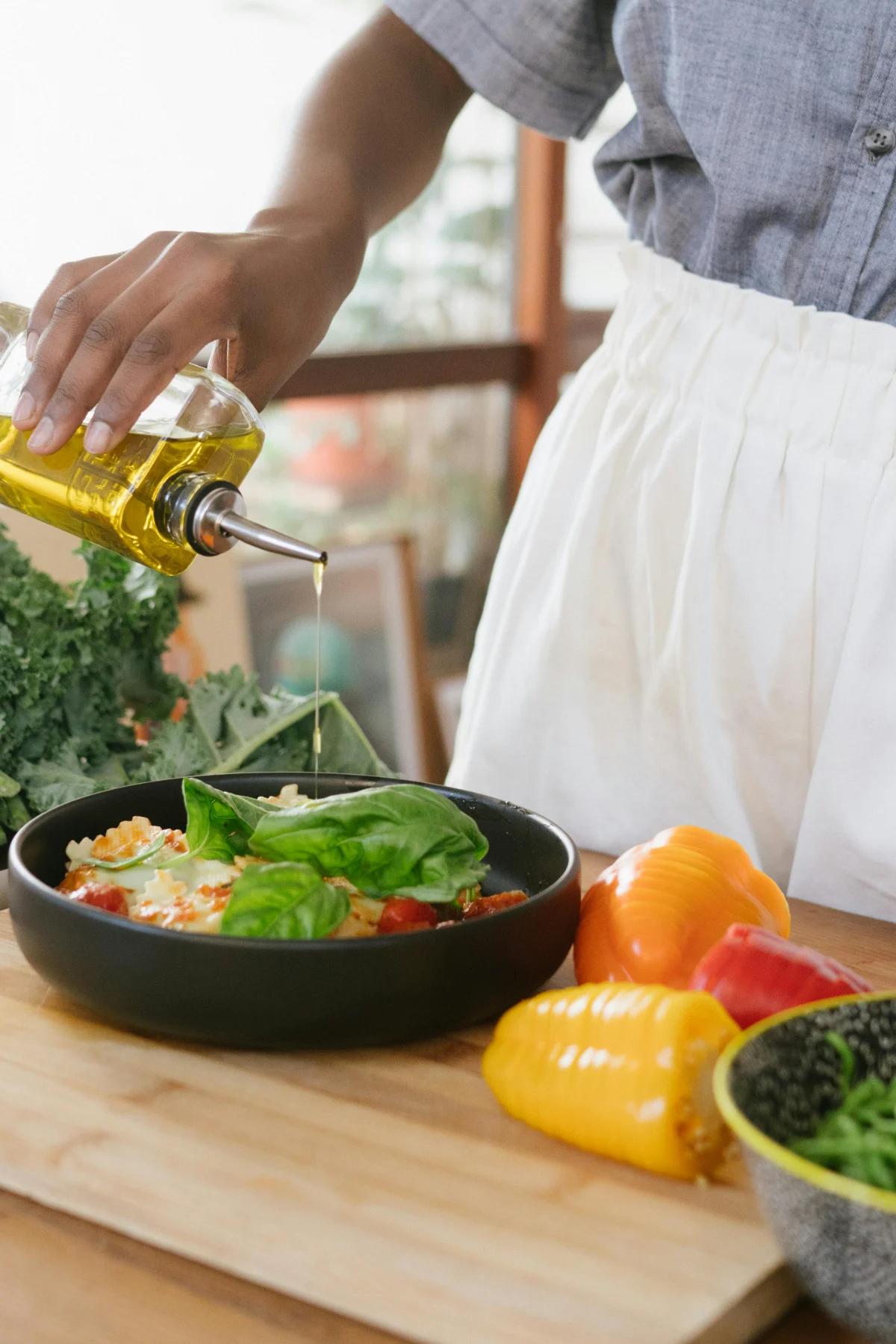
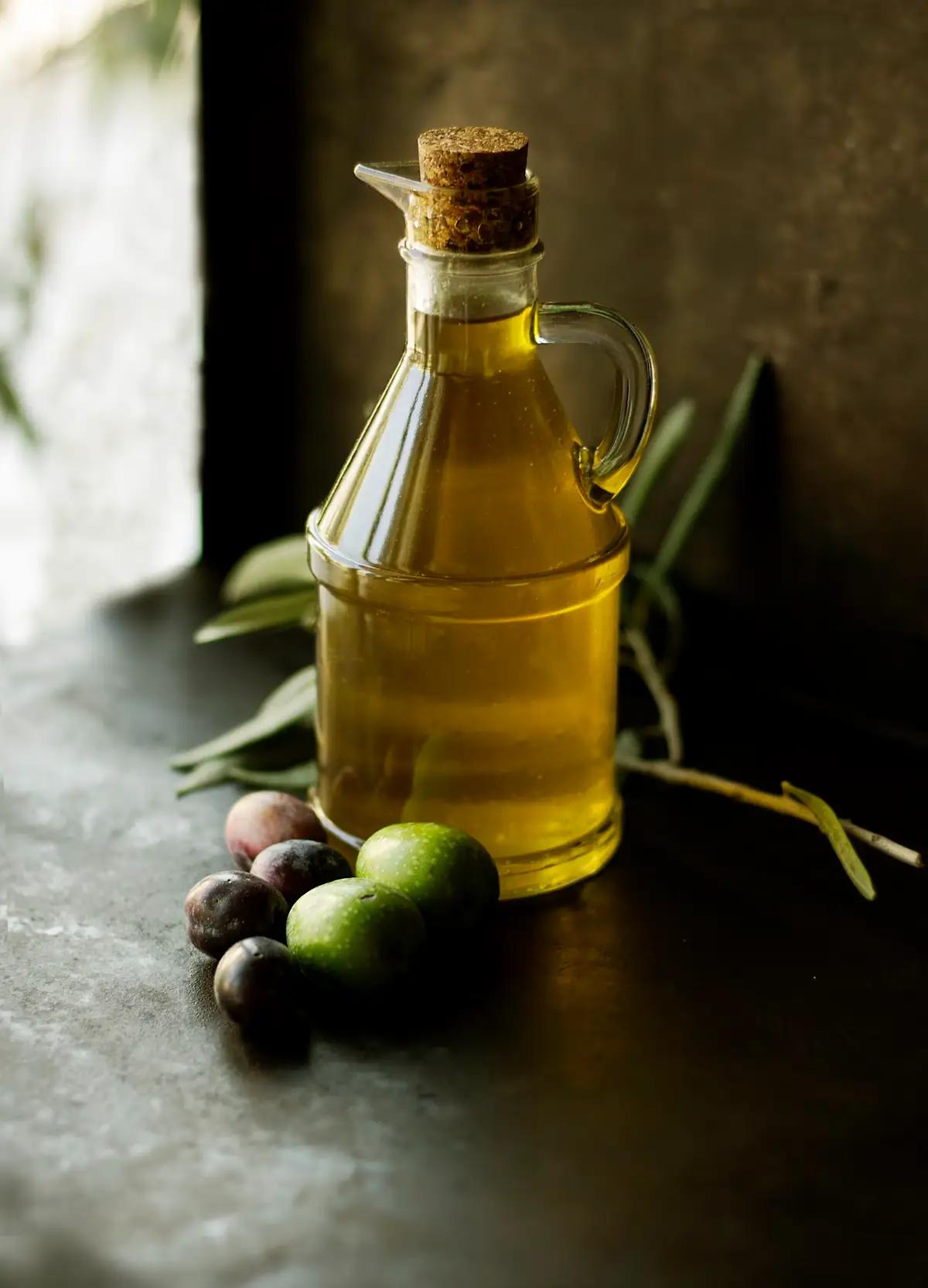
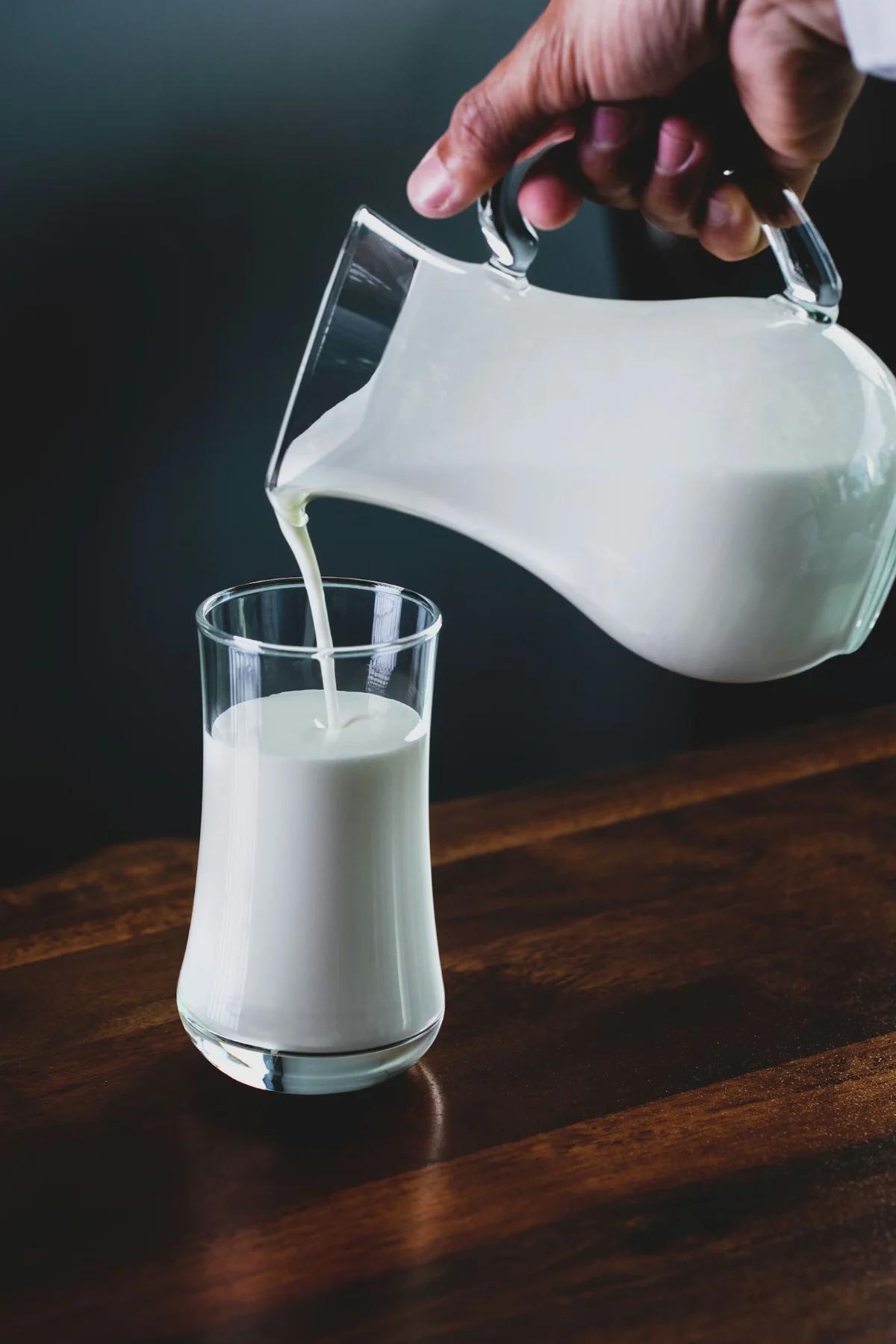
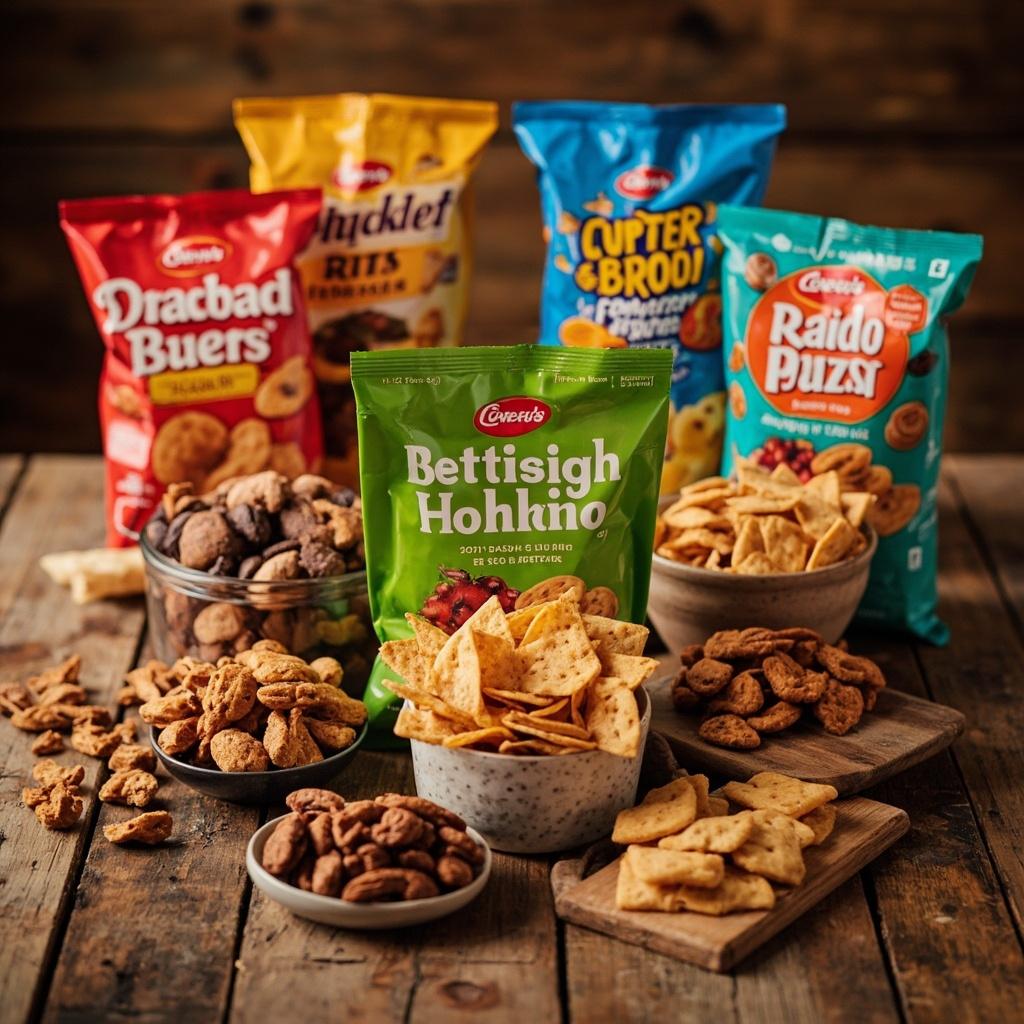
Think beyond just flour and candy bars. This industry is a massive ecosystem that produces the building blocks for baked goods (like specialty flours, fats, and yeasts) and the final snacks you enjoy directly (like chips, chocolates, and biscuits). It connects farm-sourced raw materials with high-tech manufacturing to deliver a vast range of products, from artisanal bread ingredients to convenient, packaged treats, serving both professional bakers and everyday consumers.
The bakery ingredients industry is a vital segment of the global economy, encompassing the design, production, and distribution of essential products that serve diverse end markets worldwide.
Major Categories: Flour and grain products, leavening agents (yeast, baking powder), fats and oils (butter, margarine, shortening), sweeteners (sugar, honey, syrups), eggs and egg replacers, dairy ingredients, enzymes, emulsifiers, and flavorings. The global bakery ingredients market exceeds $15 billion.
Industry Trends: Clean label reformulation, gluten-free alternatives, ancient grains, sourdough revival, extended shelf life solutions, and functional/fortified bakery products are key growth drivers.
Industry Dynamics: The bakery ingredients sector is characterized by continuous innovation, evolving consumer demands, and increasing emphasis on sustainability. Companies that invest in technology, quality systems, and supply chain resilience are best positioned for long-term success in competitive global markets.
The bakery ingredients industry is shaped by several critical factors that determine competitive success — from raw material quality and manufacturing technology to regulatory compliance and market positioning.
1. Ingredient Functionality: Each ingredient plays specific roles — gluten for structure, yeast for leavening, enzymes for dough conditioning, emulsifiers for texture and shelf life.
2. Clean Label Movement: Consumer demand for recognizable, natural ingredients is driving reformulation — enzyme-based solutions replacing chemical dough conditioners, natural colors replacing synthetic ones.
3. Gluten-Free Technology: Creating acceptable texture and taste without gluten requires sophisticated blends of alternative flours (rice, sorghum, tapioca, almond), starches, and hydrocolloids (xanthan gum, psyllium).
4. Shelf Life Extension: Enzymes (amylases, lipases), emulsifiers, and modified atmosphere packaging work together to maintain freshness, softness, and microbial stability.
Quality Standards: Leading companies in the bakery ingredients sector typically hold ISO 9001 certification as a baseline, with many also maintaining industry-specific certifications. Product testing, material traceability, and third-party inspection are essential quality assurance practices. Sustainability certifications are increasingly required by major buyers and regulators worldwide.
Sourcing bakery ingredients products requires thorough evaluation of supplier capabilities, quality systems, cost structures, and compliance credentials.
1. Technical Specifications: Define critical parameters — protein content (flour), falling number (enzyme activity), ash content, moisture, particle size, and microbiological limits.
2. Application Performance: Request application testing in your specific product matrix — ingredient performance varies with formulation and processing conditions.
3. Supply Consistency: Agricultural ingredients have natural variation — evaluate the supplier''s blending and standardization capabilities to ensure batch-to-batch consistency.
4. Certifications: Kosher, Halal, Organic, Non-GMO, and allergen-free certifications. Gluten-free certification (GFCO) requires dedicated facilities or validated cleaning procedures.
5. Technical Support: Leading ingredient suppliers provide formulation support, troubleshooting, and new product development assistance — a valuable partnership beyond the ingredient itself.
Key Recommendations: Visit supplier facilities when possible, request and verify third-party certifications, start with trial orders before committing to large volumes, and build relationships with multiple qualified suppliers to reduce concentration risk. Establish clear quality specifications and inspection protocols in purchase agreements.
The global bakery ingredients industry has a distinctive geographic footprint shaped by raw material access, manufacturing heritage, labor costs, and market proximity.
1. Europe: Lesaffre (world''s largest yeast producer), Puratos, CSM Ingredients, AAK, Kerry Group, Corbion.
2. United States: ADM, Cargill, Ingredion, Corbion, IFF — major ingredient suppliers with global reach.
3. China: Angel Yeast (world''s #2 yeast), major flour and starch producers.
4. India & Southeast Asia: Growing ingredient manufacturing — AB Mauri, growing enzyme and specialty ingredient production.
5. Australia & New Zealand: Strong in dairy-based bakery ingredients and premium flour milling.
Strategic Implications: Successful procurement in the bakery ingredients industry requires understanding regional specialization and maintaining diversified sourcing strategies that balance cost, quality, lead time, and geopolitical risk. Sustainability certifications and supply chain transparency are increasingly becoming prerequisites for market access in premium segments.