Explore Subcategories
Food & Beverage Industry Brand Rankings
Top 10 Rankings
2026.05 Edition1

Key Product Categories
Food & Beverage BrandsEdible Oils & Fats Products BrandsMeat, Poultry & Seafood CompaniesDairy & Egg Products BrandsFood & Beverage BrandsEdible Oils & Fats Products BrandsMeat, Poultry & Seafood CompaniesDairy & Egg Products Brands
2

PepsiCo, Inc.
Brand
Pepsi
Founded
1898
Workforce
310K+
Presence
1000+
Headquarters
United States
Market
Nasdaq:PEP
Key Product Categories
Food & Beverage BrandsMeat, Poultry & Seafood CompaniesDairy & Egg Products BrandsSeasonings & Spices BrandsFood & Beverage BrandsMeat, Poultry & Seafood CompaniesDairy & Egg Products BrandsSeasonings & Spices Brands
3

JBS S.A.
Brand
JBS
Founded
1953
Workforce
270K+
Presence
190+ Countries
Facilities
500+ Processing Plant
Headquarters
Brazil
Market
B3: JBSS3Key Product Categories
Agricultural Products BrandsBeef Products IndustryPork Products IndustryPoultry Products IndustryLamb & Mutton IndustryPre-marinated Meats IndustryAgricultural Products SuppliersBeef Products IndustryPork Products IndustryPoultry Products IndustryAgricultural Products BrandsBeef Products IndustryPork Products IndustryPoultry Products IndustryLamb & Mutton IndustryPre-marinated Meats IndustryAgricultural Products SuppliersBeef Products IndustryPork Products IndustryPoultry Products Industry
4

The Coca-Cola Company
Brand
Coca-Cola
Founded
1892
Workforce
69K+
Presence
200+ Countries
Headquarters
United States
Market
NYSE:KO
Key Product Categories
Food & Beverage BrandsNutritional Fortified Foods BrandsInstant Food CompaniesBeverages & Mixes CompaniesFood & Beverage BrandsNutritional Fortified Foods BrandsInstant Food CompaniesBeverages & Mixes Companies
5

Anheuser-Busch InBev SA/NV
Key Product Categories
Food & Beverage BrandsSeasonings & Spices BrandsNutritional Fortified Foods BrandsInstant Food CompaniesFood & Beverage BrandsSeasonings & Spices BrandsNutritional Fortified Foods BrandsInstant Food Companies
6

Mars, Incorporated
Brand
Mars
Founded
1911
Workforce
140K+
Presence
100+
Facilities
100+ Factories
Headquarters
United States
Market
Unlisted ( Privately Held Company )
Key Product Categories
Food & Beverage BrandsInstant Food CompaniesBeverages & Mixes CompaniesBakery Ingredients & Ready-to-Eat Snacks BrandsBakery Ingredients & Ready-to-Eat Snacks BrandsFood Industry RankingsBakery Ingredients & Snacks Industry RankingsChocolate IndustryConfectionery IndustryCookies & Pastries IndustryFood & Beverage BrandsInstant Food CompaniesBeverages & Mixes CompaniesBakery Ingredients & Ready-to-Eat Snacks BrandsBakery Ingredients & Ready-to-Eat Snacks BrandsFood Industry RankingsBakery Ingredients & Snacks Industry RankingsChocolate IndustryConfectionery IndustryCookies & Pastries Industry
7

The Kraft Heinz Company
Brand
Kraft Heinz
Founded
2015
Workforce
36K+
Presence
43+ Countries
Facilities
80+
Headquarters
United States
Market
Nasdaq : KHCKey Product Categories
Food & Beverage BrandsDairy & Egg Products BrandsSeasonings & Spices BrandsNutritional Fortified Foods BrandsInstant Food CompaniesDairy & Egg Products IndustryCheeses IndustryButter IndustrySeasonings & Spices IndustryFermented Seasonings IndustryFood & Beverage BrandsDairy & Egg Products BrandsSeasonings & Spices BrandsNutritional Fortified Foods BrandsInstant Food CompaniesDairy & Egg Products IndustryCheeses IndustryButter IndustrySeasonings & Spices IndustryFermented Seasonings Industry
8

WH Group Limited
Key Product Categories
Food & Beverage BrandsBakery Ingredients & Ready-to-Eat Snacks BrandsSpecial Dietary Food BrandsFood Additives CompaniesFood & Beverage ManufacturersBakery Ingredients & Ready-to-Eat Snacks SuppliersSpecial Dietary Food SuppliersFood Additives SuppliersFood & Beverage BrandsBakery Ingredients & Ready-to-Eat Snacks BrandsSpecial Dietary Food BrandsFood Additives CompaniesFood & Beverage ManufacturersBakery Ingredients & Ready-to-Eat Snacks SuppliersSpecial Dietary Food SuppliersFood Additives Suppliers
9

Danone S.A.
Brand
Danone
Founded
1966
Workforce
90K+
Presence
120+ Countries
Facilities
130+
Headquarters
France
Market
Euronext Paris:BN
Key Product Categories
Food & Beverage BrandsSpecial Dietary Food BrandsFood Additives CompaniesSnacks Foods BrandsFood & Beverage BrandsSpecial Dietary Food BrandsFood Additives CompaniesSnacks Foods Brands
10

Inner Mongolia Yili Industrial Group Company Limited
Key Product Categories
Beverages & Mixes ManufacturersDrink Industry RankingsDairy & Egg Products Industry RankingsLiquid Milk IndustryMilk Powders IndustryFermented Dairy IndustryDairy & Egg Products BrandsDrink Industry RankingsDairy & Egg Products Industry RankingsLiquid Milk IndustryBeverages & Mixes ManufacturersDrink Industry RankingsDairy & Egg Products Industry RankingsLiquid Milk IndustryMilk Powders IndustryFermented Dairy IndustryDairy & Egg Products BrandsDrink Industry RankingsDairy & Egg Products Industry RankingsLiquid Milk Industry
Frequently Asked Questions
How Do We Generate Our Rankings?
At Verity Rank, our ranking methodology is built on data, not opinions. We aggregate and cross-validate information from multiple authoritative third-party sources to produce the most objective industry ranking possible.
1. Data Sources — Multi-Source Cross-Verification
Our primary data comes from four pillars:
• National Statistical Agencies: We collect macro-level industry data from government statistical bureaus across major economies, including the U.S. Bureau of Economic Analysis, Eurostat, China''s National Bureau of Statistics, and Japan''s Ministry of Economy, Trade and Industry. These provide verified data on production volumes, trade flows, and industry revenues.
• University-Affiliated Research Institutions: We incorporate peer-reviewed studies and industry reports from leading academic institutions such as MIT''s Supply Chain Management Program, ETH Zurich, Tsinghua University''s School of Economics and Management, and the London School of Economics. These give us deep insights into technology trends, material innovations, and market dynamics.
• AI-Driven Global Consumer Sentiment Analysis: We deploy natural language processing algorithms to analyze millions of consumer reviews, social media posts, forum discussions, and professional buyer feedback across platforms in over 40 languages. This captures real-time market perception that traditional surveys miss.
• Publicly Listed Company Financial Reports: For publicly traded companies, we analyze SEC filings, annual reports, earnings call transcripts, and ESG disclosures. This gives us verified revenue data, R&D spending, profit margins, and sustainability commitments.
2. The Four-Dimensional Scoring Model
Each company is evaluated across four equally weighted dimensions:
• Market Influence (25%): Global market share, revenue scale, distribution network breadth, number of countries served, and year-over-year growth rate.
• Brand Reputation (25%): Consumer satisfaction scores, professional buyer ratings, industry awards and certifications, media sentiment analysis, and brand recognition surveys.
• Innovation & R&D (25%): Number of active patents, R&D investment as percentage of revenue, new product launch frequency, technology partnerships, and contributions to industry standards.
• Sustainability & Ethics (25%): Environmental certifications (ISO 14001, LEED, etc.), carbon footprint reduction targets, labor practices and fair trade compliance, supply chain transparency, and corporate social responsibility initiatives.
3. Our Commitment to Independence
We do not accept payment for rankings. No company can pay to improve its position or to be included in our rankings. Our research team operates independently from our commercial operations. Rankings are updated quarterly to reflect the latest available data.
Disclaimer: The data in this ranking is compiled from third-party authoritative sources, including national statistical agencies, university-affiliated research institutions, AI-driven global consumer sentiment analysis, and publicly listed company financial reports. The ranking results are based on a multi-dimensional algorithm model and are intended for reference and market decision support only. They do not constitute direct investment advice or brand endorsement.
1. Data Sources — Multi-Source Cross-Verification
Our primary data comes from four pillars:
• National Statistical Agencies: We collect macro-level industry data from government statistical bureaus across major economies, including the U.S. Bureau of Economic Analysis, Eurostat, China''s National Bureau of Statistics, and Japan''s Ministry of Economy, Trade and Industry. These provide verified data on production volumes, trade flows, and industry revenues.
• University-Affiliated Research Institutions: We incorporate peer-reviewed studies and industry reports from leading academic institutions such as MIT''s Supply Chain Management Program, ETH Zurich, Tsinghua University''s School of Economics and Management, and the London School of Economics. These give us deep insights into technology trends, material innovations, and market dynamics.
• AI-Driven Global Consumer Sentiment Analysis: We deploy natural language processing algorithms to analyze millions of consumer reviews, social media posts, forum discussions, and professional buyer feedback across platforms in over 40 languages. This captures real-time market perception that traditional surveys miss.
• Publicly Listed Company Financial Reports: For publicly traded companies, we analyze SEC filings, annual reports, earnings call transcripts, and ESG disclosures. This gives us verified revenue data, R&D spending, profit margins, and sustainability commitments.
2. The Four-Dimensional Scoring Model
Each company is evaluated across four equally weighted dimensions:
• Market Influence (25%): Global market share, revenue scale, distribution network breadth, number of countries served, and year-over-year growth rate.
• Brand Reputation (25%): Consumer satisfaction scores, professional buyer ratings, industry awards and certifications, media sentiment analysis, and brand recognition surveys.
• Innovation & R&D (25%): Number of active patents, R&D investment as percentage of revenue, new product launch frequency, technology partnerships, and contributions to industry standards.
• Sustainability & Ethics (25%): Environmental certifications (ISO 14001, LEED, etc.), carbon footprint reduction targets, labor practices and fair trade compliance, supply chain transparency, and corporate social responsibility initiatives.
3. Our Commitment to Independence
We do not accept payment for rankings. No company can pay to improve its position or to be included in our rankings. Our research team operates independently from our commercial operations. Rankings are updated quarterly to reflect the latest available data.
Disclaimer: The data in this ranking is compiled from third-party authoritative sources, including national statistical agencies, university-affiliated research institutions, AI-driven global consumer sentiment analysis, and publicly listed company financial reports. The ranking results are based on a multi-dimensional algorithm model and are intended for reference and market decision support only. They do not constitute direct investment advice or brand endorsement.
What Does the Food & Beverage Industry Encompass?
The food and beverage (F&B) industry is a vast, interconnected global ecosystem that transforms raw agricultural commodities into the products that feed and refresh billions of people daily. With global revenues exceeding $8 trillion, it is one of the largest and most resilient sectors in the world economy.
Major Segments of the F&B Industry
• Non-Alcoholic Beverages: Bottled water, carbonated soft drinks, fruit juices, ready-to-drink (RTD) tea and coffee, sports drinks, energy drinks, functional beverages (probiotic drinks, vitamin waters), and plant-based milks. This segment alone is valued at over $1.2 trillion.
• Alcoholic Beverages: Beer, wine, spirits (whisky, vodka, rum, gin, baijiu), cider, sake, and ready-to-drink cocktails. Beer remains the most consumed alcoholic beverage globally by volume; spirits lead by value.
• Dairy & Dairy Alternatives: Milk, yogurt, cheese, butter, cream, ice cream, and plant-based alternatives (oat milk, almond milk, soy milk, coconut yogurt). The dairy alternatives segment is growing at double-digit rates annually.
• Bakery & Confectionery: Bread, pastries, cakes, cookies, crackers, chocolate, candy, and gum. Artisanal and premium segments are growing faster than mass-market categories.
• Processed & Packaged Foods: Canned goods, frozen meals, instant noodles, sauces, condiments, cooking oils, snacks (chips, nuts, popcorn), and breakfast cereals. This segment is dominated by multinational CPG (consumer packaged goods) companies.
• Fresh & Perishable Foods: Meat, poultry, seafood, eggs, fresh produce, and deli items. Shorter shelf lives require sophisticated cold chain logistics.
• Food Service & Hospitality: Restaurants, cafes, catering, institutional food service (schools, hospitals, corporate cafeterias), and cloud kitchens. This segment is the primary customer for many food manufacturers.
Industry Characteristics
The F&B industry is defined by several unique dynamics: intense regulatory oversight (food safety is paramount — governed by agencies like the FDA, EFSA, and CFDA), thin margins and high volumes (most F&B companies operate on single-digit net margins, making operational efficiency critical), powerful retail consolidation (a handful of supermarket chains and e-commerce platforms control significant shelf space and pricing power), rapidly shifting consumer preferences (health & wellness, clean label, plant-based, functional benefits, sustainability, and convenience are reshaping product development), and complex global supply chains that must manage seasonality, perishability, price volatility, and geopolitical risks.
The line between "food" and "beverage" companies is increasingly blurred, as traditional food companies acquire beverage brands and vice versa. Understanding the full scope of this interconnected industry is essential for making informed business decisions — whether you''re evaluating a brand, selecting a manufacturer, or analyzing market opportunities.
Major Segments of the F&B Industry
• Non-Alcoholic Beverages: Bottled water, carbonated soft drinks, fruit juices, ready-to-drink (RTD) tea and coffee, sports drinks, energy drinks, functional beverages (probiotic drinks, vitamin waters), and plant-based milks. This segment alone is valued at over $1.2 trillion.
• Alcoholic Beverages: Beer, wine, spirits (whisky, vodka, rum, gin, baijiu), cider, sake, and ready-to-drink cocktails. Beer remains the most consumed alcoholic beverage globally by volume; spirits lead by value.
• Dairy & Dairy Alternatives: Milk, yogurt, cheese, butter, cream, ice cream, and plant-based alternatives (oat milk, almond milk, soy milk, coconut yogurt). The dairy alternatives segment is growing at double-digit rates annually.
• Bakery & Confectionery: Bread, pastries, cakes, cookies, crackers, chocolate, candy, and gum. Artisanal and premium segments are growing faster than mass-market categories.
• Processed & Packaged Foods: Canned goods, frozen meals, instant noodles, sauces, condiments, cooking oils, snacks (chips, nuts, popcorn), and breakfast cereals. This segment is dominated by multinational CPG (consumer packaged goods) companies.
• Fresh & Perishable Foods: Meat, poultry, seafood, eggs, fresh produce, and deli items. Shorter shelf lives require sophisticated cold chain logistics.
• Food Service & Hospitality: Restaurants, cafes, catering, institutional food service (schools, hospitals, corporate cafeterias), and cloud kitchens. This segment is the primary customer for many food manufacturers.
Industry Characteristics
The F&B industry is defined by several unique dynamics: intense regulatory oversight (food safety is paramount — governed by agencies like the FDA, EFSA, and CFDA), thin margins and high volumes (most F&B companies operate on single-digit net margins, making operational efficiency critical), powerful retail consolidation (a handful of supermarket chains and e-commerce platforms control significant shelf space and pricing power), rapidly shifting consumer preferences (health & wellness, clean label, plant-based, functional benefits, sustainability, and convenience are reshaping product development), and complex global supply chains that must manage seasonality, perishability, price volatility, and geopolitical risks.
The line between "food" and "beverage" companies is increasingly blurred, as traditional food companies acquire beverage brands and vice versa. Understanding the full scope of this interconnected industry is essential for making informed business decisions — whether you''re evaluating a brand, selecting a manufacturer, or analyzing market opportunities.
What Are the Key Quality, Safety, and Innovation Factors in the Food & Beverage Industry?
The food and beverage industry operates at the intersection of science, regulation, and consumer trust — and several critical factors distinguish industry leaders from followers.
1. Food Safety Management Systems
This is existential for any F&B company. A single food safety failure can destroy decades of brand equity overnight. Leading companies implement multi-layered safety systems: HACCP (Hazard Analysis and Critical Control Points) — the foundational methodology for identifying and controlling hazards; ISO 22000 and FSSC 22000 — internationally recognized food safety management certifications; BRCGS (British Retail Consortium Global Standards) — the most widely used GFSI-benchmarked standard, particularly important for supplying UK and European retailers; SQF (Safe Quality Food) — dominant in North American retail supply chains. Beyond certification, leading companies invest in environmental pathogen monitoring, allergen management programs, foreign material detection (X-ray, metal detection, optical sorting), and supplier verification programs. Blockchain traceability is emerging as a powerful tool — Walmart, Nestlé, and Carrefour have implemented blockchain systems that can trace a product from store shelf back to the farm in seconds rather than days.
2. Product Innovation & R&D
The F&B innovation landscape is more dynamic than ever. Key innovation vectors include: Clean label reformulation — removing artificial colors, flavors, preservatives, and replacing them with natural alternatives without compromising taste, texture, or shelf life. Plant-based protein innovation — improving the sensory experience of meat and dairy alternatives through precision fermentation, mycelium-based proteins, and advanced extrusion technologies. Functional and fortified products — adding probiotics, prebiotics, adaptogens (ashwagandha, reishi), nootropics (L-theanine, lion''s mane), and targeted nutrients (vitamin D, omega-3s, collagen). Sugar reduction — using natural sweeteners (stevia, monk fruit, allulose), fiber-based bulking agents, and flavor modulation technologies to reduce sugar content while maintaining sweetness perception. Sustainable packaging innovation — transitioning from multi-layer laminates (non-recyclable) to mono-material structures, compostable packaging, and refill/reuse systems.
3. Supply Chain Management
F&B supply chains must manage unique challenges: perishability (cold chain integrity from production to consumption), seasonality (crop harvests, holiday demand spikes), commodity price volatility (wheat, corn, sugar, cocoa, coffee, dairy — prices can swing 50%+ in a year), and geopolitical risk (trade disputes, sanctions, shipping route disruptions). Best-in-class companies employ hedging strategies for key commodities, maintain multi-sourced ingredient portfolios to reduce concentration risk, invest in predictive demand planning using AI and machine learning, and build regional production networks that can flex capacity across markets.
4. Regulatory Navigation
Different markets have fundamentally different regulatory frameworks. FDA (US) focuses on food safety, labeling accuracy, and health claims substantiation. EFSA (EU) applies the precautionary principle and has stricter standards for novel foods, GMOs, and health claims. CFDA (China) has rapidly modernized its food safety framework with the 2015 Food Safety Law and ongoing regulatory updates. FSSAI (India) is building comprehensive standards for a massive and diverse domestic market. Companies operating globally must navigate different approved ingredient lists, labeling requirements, nutrition fact panel formats, and health claim regulations for each market — a significant operational complexity that creates barriers to entry and competitive advantages for companies with established regulatory expertise.
5. Sustainability & ESG
Sustainability has moved from "nice-to-have" to "license-to-operate" in the F&B industry: Carbon reduction — Scope 1, 2, and 3 emissions targets aligned with Science Based Targets initiative (SBTi); Water stewardship — particularly critical for beverage companies and agricultural supply chains; Regenerative agriculture — investing in farming practices that restore soil health, sequester carbon, and enhance biodiversity; Sustainable sourcing — certifications like Rainforest Alliance, Fair Trade, RSPO (palm oil), MSC/ASC (seafood); Food waste reduction — target of halving food waste by 2030 (UN SDG 12.3), with companies implementing redistribution programs, upcycling, and waste-to-energy solutions.
1. Food Safety Management Systems
This is existential for any F&B company. A single food safety failure can destroy decades of brand equity overnight. Leading companies implement multi-layered safety systems: HACCP (Hazard Analysis and Critical Control Points) — the foundational methodology for identifying and controlling hazards; ISO 22000 and FSSC 22000 — internationally recognized food safety management certifications; BRCGS (British Retail Consortium Global Standards) — the most widely used GFSI-benchmarked standard, particularly important for supplying UK and European retailers; SQF (Safe Quality Food) — dominant in North American retail supply chains. Beyond certification, leading companies invest in environmental pathogen monitoring, allergen management programs, foreign material detection (X-ray, metal detection, optical sorting), and supplier verification programs. Blockchain traceability is emerging as a powerful tool — Walmart, Nestlé, and Carrefour have implemented blockchain systems that can trace a product from store shelf back to the farm in seconds rather than days.
2. Product Innovation & R&D
The F&B innovation landscape is more dynamic than ever. Key innovation vectors include: Clean label reformulation — removing artificial colors, flavors, preservatives, and replacing them with natural alternatives without compromising taste, texture, or shelf life. Plant-based protein innovation — improving the sensory experience of meat and dairy alternatives through precision fermentation, mycelium-based proteins, and advanced extrusion technologies. Functional and fortified products — adding probiotics, prebiotics, adaptogens (ashwagandha, reishi), nootropics (L-theanine, lion''s mane), and targeted nutrients (vitamin D, omega-3s, collagen). Sugar reduction — using natural sweeteners (stevia, monk fruit, allulose), fiber-based bulking agents, and flavor modulation technologies to reduce sugar content while maintaining sweetness perception. Sustainable packaging innovation — transitioning from multi-layer laminates (non-recyclable) to mono-material structures, compostable packaging, and refill/reuse systems.
3. Supply Chain Management
F&B supply chains must manage unique challenges: perishability (cold chain integrity from production to consumption), seasonality (crop harvests, holiday demand spikes), commodity price volatility (wheat, corn, sugar, cocoa, coffee, dairy — prices can swing 50%+ in a year), and geopolitical risk (trade disputes, sanctions, shipping route disruptions). Best-in-class companies employ hedging strategies for key commodities, maintain multi-sourced ingredient portfolios to reduce concentration risk, invest in predictive demand planning using AI and machine learning, and build regional production networks that can flex capacity across markets.
4. Regulatory Navigation
Different markets have fundamentally different regulatory frameworks. FDA (US) focuses on food safety, labeling accuracy, and health claims substantiation. EFSA (EU) applies the precautionary principle and has stricter standards for novel foods, GMOs, and health claims. CFDA (China) has rapidly modernized its food safety framework with the 2015 Food Safety Law and ongoing regulatory updates. FSSAI (India) is building comprehensive standards for a massive and diverse domestic market. Companies operating globally must navigate different approved ingredient lists, labeling requirements, nutrition fact panel formats, and health claim regulations for each market — a significant operational complexity that creates barriers to entry and competitive advantages for companies with established regulatory expertise.
5. Sustainability & ESG
Sustainability has moved from "nice-to-have" to "license-to-operate" in the F&B industry: Carbon reduction — Scope 1, 2, and 3 emissions targets aligned with Science Based Targets initiative (SBTi); Water stewardship — particularly critical for beverage companies and agricultural supply chains; Regenerative agriculture — investing in farming practices that restore soil health, sequester carbon, and enhance biodiversity; Sustainable sourcing — certifications like Rainforest Alliance, Fair Trade, RSPO (palm oil), MSC/ASC (seafood); Food waste reduction — target of halving food waste by 2030 (UN SDG 12.3), with companies implementing redistribution programs, upcycling, and waste-to-energy solutions.
What Should Buyers Consider When Sourcing Food & Beverage Products?
Sourcing food and beverage products requires navigating a uniquely complex landscape of safety regulations, quality standards, supply chain logistics, and shifting consumer demands. Whether you''re a supermarket buyer, a restaurant chain procurement manager, a hotel F&B director, or an importer/distributor, the following framework will help you evaluate suppliers systematically.
1. Food Safety & Quality Certifications
This is the absolute baseline — no certification, no business:
• Verify HACCP, ISO 22000, FSSC 22000, or BRCGS certification from accredited certification bodies. Check certificate validity dates and scope (does it cover the specific product categories you''re buying?).
• For high-risk categories (dairy, meat, seafood, ready-to-eat), demand environmental monitoring data showing pathogen control effectiveness.
• Review their recall history — has the company had product recalls in the past 3-5 years? If so, what corrective actions were implemented?
• Assess their traceability system: Can they perform a mock recall and trace a product batch from finished good back to raw material supplier within 4 hours? The industry benchmark is 2-4 hours for full forward and backward traceability.
2. Product Quality & Consistency
• Sensory evaluation: Organize blind taste tests comparing supplier samples against competitors and gold standards. Taste is subjective but market success is not — use trained sensory panels or consumer testing.
• Shelf life validation: Request accelerated shelf life testing data and real-time aging studies. Understand the product''s failure mode — is it microbial spoilage, texture degradation, flavor loss, or color change?
• Specification adherence: Review Certificates of Analysis (COA) against agreed specifications for the last 10 production batches. Look for trends (gradual drift indicates process instability) as well as out-of-spec incidents.
• Nutritional accuracy: Verify nutritional panel claims through independent lab testing. Discrepancies in sugar, fat, or protein content can trigger regulatory actions and consumer lawsuits.
3. Production Capacity & Reliability
• Capacity assessment: What''s the factory''s current utilization rate? A factory running at 95%+ capacity has no room for your growth. Ideal utilization is 70-85% — efficient but with expansion headroom.
• Redundancy: Does the supplier have multiple production lines? Multiple facilities? What''s their business continuity plan for equipment failure, natural disasters, or raw material shortages?
• Lead time reliability: Request on-time delivery performance data for the past 12 months. A 95%+ OTIF (On Time, In Full) rate is the benchmark for reliable suppliers.
• Minimum Order Quantities (MOQ): Can the supplier accommodate your initial order volumes and scale as you grow? Some large manufacturers won''t entertain orders below a certain threshold.
4. Regulatory & Market Access
• Label compliance: Can the supplier produce labels that meet your target market''s requirements — ingredient declarations, allergen statements, nutrition facts panels, country of origin labeling, and any mandatory warnings?
• Import eligibility: Verify that the product category is eligible for import into your target market. Some products face quotas, tariffs, or outright bans (e.g., certain cheese varieties, meat products from specific countries).
• Certifications for specific markets: Halal certification (varying country requirements — JAKIM for Malaysia, MUI for Indonesia, IFANCA for US), Kosher certification (OU, OK, Star-K), Organic certification (USDA Organic, EU Organic, JAS), and Non-GMO Project Verified — each requires separate certification processes.
• Emerging regulations: Stay ahead of regulations like EU Deforestation Regulation (EUDR) impacting cocoa, coffee, palm oil, and soy; front-of-pack nutrition labeling (Nutri-Score in EU, Health Star Rating in Australia, mandatory high-in-sugar/fat/salt warnings in Latin America).
5. Commercial Terms & Partnership Quality
• Total cost of ownership: FOB price is just the starting point. Factor in freight, insurance, duties, warehousing, quality inspection, product development costs, and potential write-offs for short-dated stock.
• Innovation partnership: Does the supplier bring new product ideas, market insights, and formulation expertise? The best suppliers act as innovation partners, not just order-takers.
• Relationship stability: How long has the supplier worked with their key customers? High customer churn is a red flag. Long-tenured relationships suggest reliability and mutual investment.
• Exclusivity and IP protection: If you''re developing custom formulations or private label products, ensure clear agreements on recipe ownership, exclusivity periods, and non-compete clauses.
1. Food Safety & Quality Certifications
This is the absolute baseline — no certification, no business:
• Verify HACCP, ISO 22000, FSSC 22000, or BRCGS certification from accredited certification bodies. Check certificate validity dates and scope (does it cover the specific product categories you''re buying?).
• For high-risk categories (dairy, meat, seafood, ready-to-eat), demand environmental monitoring data showing pathogen control effectiveness.
• Review their recall history — has the company had product recalls in the past 3-5 years? If so, what corrective actions were implemented?
• Assess their traceability system: Can they perform a mock recall and trace a product batch from finished good back to raw material supplier within 4 hours? The industry benchmark is 2-4 hours for full forward and backward traceability.
2. Product Quality & Consistency
• Sensory evaluation: Organize blind taste tests comparing supplier samples against competitors and gold standards. Taste is subjective but market success is not — use trained sensory panels or consumer testing.
• Shelf life validation: Request accelerated shelf life testing data and real-time aging studies. Understand the product''s failure mode — is it microbial spoilage, texture degradation, flavor loss, or color change?
• Specification adherence: Review Certificates of Analysis (COA) against agreed specifications for the last 10 production batches. Look for trends (gradual drift indicates process instability) as well as out-of-spec incidents.
• Nutritional accuracy: Verify nutritional panel claims through independent lab testing. Discrepancies in sugar, fat, or protein content can trigger regulatory actions and consumer lawsuits.
3. Production Capacity & Reliability
• Capacity assessment: What''s the factory''s current utilization rate? A factory running at 95%+ capacity has no room for your growth. Ideal utilization is 70-85% — efficient but with expansion headroom.
• Redundancy: Does the supplier have multiple production lines? Multiple facilities? What''s their business continuity plan for equipment failure, natural disasters, or raw material shortages?
• Lead time reliability: Request on-time delivery performance data for the past 12 months. A 95%+ OTIF (On Time, In Full) rate is the benchmark for reliable suppliers.
• Minimum Order Quantities (MOQ): Can the supplier accommodate your initial order volumes and scale as you grow? Some large manufacturers won''t entertain orders below a certain threshold.
4. Regulatory & Market Access
• Label compliance: Can the supplier produce labels that meet your target market''s requirements — ingredient declarations, allergen statements, nutrition facts panels, country of origin labeling, and any mandatory warnings?
• Import eligibility: Verify that the product category is eligible for import into your target market. Some products face quotas, tariffs, or outright bans (e.g., certain cheese varieties, meat products from specific countries).
• Certifications for specific markets: Halal certification (varying country requirements — JAKIM for Malaysia, MUI for Indonesia, IFANCA for US), Kosher certification (OU, OK, Star-K), Organic certification (USDA Organic, EU Organic, JAS), and Non-GMO Project Verified — each requires separate certification processes.
• Emerging regulations: Stay ahead of regulations like EU Deforestation Regulation (EUDR) impacting cocoa, coffee, palm oil, and soy; front-of-pack nutrition labeling (Nutri-Score in EU, Health Star Rating in Australia, mandatory high-in-sugar/fat/salt warnings in Latin America).
5. Commercial Terms & Partnership Quality
• Total cost of ownership: FOB price is just the starting point. Factor in freight, insurance, duties, warehousing, quality inspection, product development costs, and potential write-offs for short-dated stock.
• Innovation partnership: Does the supplier bring new product ideas, market insights, and formulation expertise? The best suppliers act as innovation partners, not just order-takers.
• Relationship stability: How long has the supplier worked with their key customers? High customer churn is a red flag. Long-tenured relationships suggest reliability and mutual investment.
• Exclusivity and IP protection: If you''re developing custom formulations or private label products, ensure clear agreements on recipe ownership, exclusivity periods, and non-compete clauses.
Which Regions and Companies Lead the Global Food & Beverage Industry?
The global food and beverage industry is dominated by a mix of multinational conglomerates with century-old brands, agile innovators disrupting traditional categories, and regional champions serving distinct cultural preferences. Understanding this competitive landscape is essential for market analysis, investment decisions, and strategic planning.
1. North America — The Consumer Packaged Goods Powerhouse
The United States is home to the world''s largest F&B companies and the most sophisticated consumer market. Key players include PepsiCo ($86B revenue — snacks and beverages including Lay''s, Gatorade, Pepsi, Quaker), Coca-Cola ($45B — the world''s most valuable non-alcoholic beverage brand with a presence in 200+ countries), Mondelez International ($36B — Oreo, Cadbury, Toblerone), Kraft Heinz ($26B — condiments, sauces, and meal solutions), General Mills ($20B — cereals, yogurt, snacks), Tyson Foods ($53B — world''s second-largest meat processor), and Cargill ($177B — the largest privately held company in the US, dominating grain trading and food ingredients). North American companies lead in brand building, marketing sophistication, and distribution scale.
2. European Union — Heritage, Quality, and Global Brands
Europe is the birthplace of many of the world''s most iconic F&B brands: Nestlé (Switzerland — $100B revenue, world''s largest F&B company with 2,000+ brands including Nescafé, KitKat, Purina), Unilever (UK/Netherlands — €60B, Hellmann''s, Knorr, Ben & Jerry''s, Lipton), Danone (France — €28B, global leader in dairy, early life nutrition, and water), AB InBev (Belgium — $59B, world''s largest brewer with Budweiser, Stella Artois, Corona), Heineken (Netherlands — €35B), Diageo (UK — $20B, world''s largest spirits company with Johnnie Walker, Smirnoff, Guinness), Pernod Ricard (France — €12B), Lactalis (France — world''s largest dairy company), Ferrero (Italy — Nutella, Kinder, Ferrero Rocher), and Barry Callebaut (Switzerland — world''s largest chocolate manufacturer). European F&B companies are characterized by strong heritage brands, premium positioning, and leadership in sustainability and traceability.
3. Asia-Pacific — Growth, Scale, and Regional Giants
Asia''s F&B market is defined by massive scale and distinct regional preferences:
• China: Home to Kweichow Moutai (the world''s most valuable beverage company by market cap — baijiu), Wuliangye (baijiu), Yili and Mengniu (dairy giants), COFCO (state-owned agribusiness and food conglomerate), WH Group (world''s largest pork processor, owner of Smithfield Foods), Tsingtao and China Resources Beer (brewing). Chinese F&B companies are increasingly acquiring international brands and expanding globally.
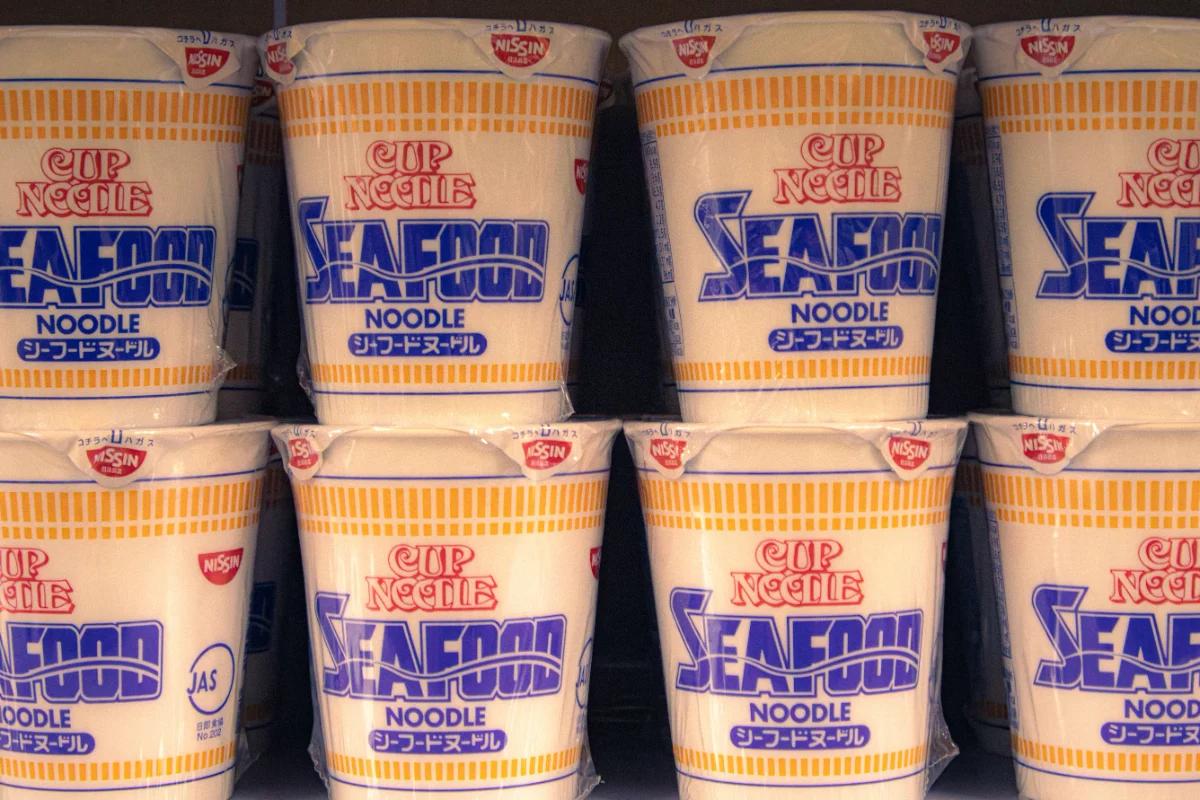
• Japan: Renowned for premium quality and innovation — Suntory (whisky, beverages), Kirin, Asahi (brewing, beverages), Ajinomoto (seasonings, amino acids), Nissin Foods (instant noodles pioneer), Meiji and Morinaga (confectionery, dairy). Japanese companies excel in functional foods, premium positioning, and R&D intensity.
• India: Led by ITC (diversified F&B, hotels), Britannia (baked goods), Amul (GCMMF) — one of the world''s largest dairy cooperatives, Parle (biscuits), and Tata Consumer Products (tea, coffee, salt).
• Southeast Asia: ThaiBev (Thailand — beverages), Charoen Pokphand (CP Group) (Thailand — world''s largest animal feed and integrated livestock company), Indofood (Indonesia — instant noodles), San Miguel (Philippines — diversified F&B).
4. Latin America — Commodity Power and Regional Brands
JBS (Brazil — world''s largest meat processor, $71B revenue), BRF (Brazil — poultry and processed foods), Ambev (Brazil — AB InBev''s Latin American subsidiary), Grupo Bimbo (Mexico — world''s largest bakery company), FEMSA/Coca-Cola FEMSA (Mexico — largest Coca-Cola bottler by volume), Arcor (Argentina — confectionery). Latin American companies are expanding internationally, with several becoming truly global players.
5. Middle East & Africa — Emerging Champions
Almarai (Saudi Arabia — largest vertically integrated dairy company in the Middle East), Savola Group (Saudi Arabia — edible oils, sugar, retail), Tiger Brands (South Africa — diversified F&B), Dangote Group (Nigeria — sugar, salt, flour).
Key Trend: Consolidation and Portfolio Reshaping
The global F&B industry is undergoing unprecedented portfolio transformation. Large conglomerates are spinning off slower-growth categories (Kraft Heinz, Nestlé, Unilever have all shed brands) while acquiring high-growth segments in health & wellness, plant-based, functional beverages, and premium/specialty categories. Simultaneously, thousands of challenger brands — many venture-backed — are capturing market share from incumbents by being faster, more authentic, and more digitally native. The competitive dynamics of F&B have never been more fluid, and understanding the interplay between global giants, regional champions, and insurgent brands is critical for anyone operating in this space.
1. North America — The Consumer Packaged Goods Powerhouse
The United States is home to the world''s largest F&B companies and the most sophisticated consumer market. Key players include PepsiCo ($86B revenue — snacks and beverages including Lay''s, Gatorade, Pepsi, Quaker), Coca-Cola ($45B — the world''s most valuable non-alcoholic beverage brand with a presence in 200+ countries), Mondelez International ($36B — Oreo, Cadbury, Toblerone), Kraft Heinz ($26B — condiments, sauces, and meal solutions), General Mills ($20B — cereals, yogurt, snacks), Tyson Foods ($53B — world''s second-largest meat processor), and Cargill ($177B — the largest privately held company in the US, dominating grain trading and food ingredients). North American companies lead in brand building, marketing sophistication, and distribution scale.
2. European Union — Heritage, Quality, and Global Brands
Europe is the birthplace of many of the world''s most iconic F&B brands: Nestlé (Switzerland — $100B revenue, world''s largest F&B company with 2,000+ brands including Nescafé, KitKat, Purina), Unilever (UK/Netherlands — €60B, Hellmann''s, Knorr, Ben & Jerry''s, Lipton), Danone (France — €28B, global leader in dairy, early life nutrition, and water), AB InBev (Belgium — $59B, world''s largest brewer with Budweiser, Stella Artois, Corona), Heineken (Netherlands — €35B), Diageo (UK — $20B, world''s largest spirits company with Johnnie Walker, Smirnoff, Guinness), Pernod Ricard (France — €12B), Lactalis (France — world''s largest dairy company), Ferrero (Italy — Nutella, Kinder, Ferrero Rocher), and Barry Callebaut (Switzerland — world''s largest chocolate manufacturer). European F&B companies are characterized by strong heritage brands, premium positioning, and leadership in sustainability and traceability.
3. Asia-Pacific — Growth, Scale, and Regional Giants
Asia''s F&B market is defined by massive scale and distinct regional preferences:
• China: Home to Kweichow Moutai (the world''s most valuable beverage company by market cap — baijiu), Wuliangye (baijiu), Yili and Mengniu (dairy giants), COFCO (state-owned agribusiness and food conglomerate), WH Group (world''s largest pork processor, owner of Smithfield Foods), Tsingtao and China Resources Beer (brewing). Chinese F&B companies are increasingly acquiring international brands and expanding globally.
• Japan: Renowned for premium quality and innovation — Suntory (whisky, beverages), Kirin, Asahi (brewing, beverages), Ajinomoto (seasonings, amino acids), Nissin Foods (instant noodles pioneer), Meiji and Morinaga (confectionery, dairy). Japanese companies excel in functional foods, premium positioning, and R&D intensity.
• India: Led by ITC (diversified F&B, hotels), Britannia (baked goods), Amul (GCMMF) — one of the world''s largest dairy cooperatives, Parle (biscuits), and Tata Consumer Products (tea, coffee, salt).
• Southeast Asia: ThaiBev (Thailand — beverages), Charoen Pokphand (CP Group) (Thailand — world''s largest animal feed and integrated livestock company), Indofood (Indonesia — instant noodles), San Miguel (Philippines — diversified F&B).
4. Latin America — Commodity Power and Regional Brands
JBS (Brazil — world''s largest meat processor, $71B revenue), BRF (Brazil — poultry and processed foods), Ambev (Brazil — AB InBev''s Latin American subsidiary), Grupo Bimbo (Mexico — world''s largest bakery company), FEMSA/Coca-Cola FEMSA (Mexico — largest Coca-Cola bottler by volume), Arcor (Argentina — confectionery). Latin American companies are expanding internationally, with several becoming truly global players.
5. Middle East & Africa — Emerging Champions
Almarai (Saudi Arabia — largest vertically integrated dairy company in the Middle East), Savola Group (Saudi Arabia — edible oils, sugar, retail), Tiger Brands (South Africa — diversified F&B), Dangote Group (Nigeria — sugar, salt, flour).
Key Trend: Consolidation and Portfolio Reshaping
The global F&B industry is undergoing unprecedented portfolio transformation. Large conglomerates are spinning off slower-growth categories (Kraft Heinz, Nestlé, Unilever have all shed brands) while acquiring high-growth segments in health & wellness, plant-based, functional beverages, and premium/specialty categories. Simultaneously, thousands of challenger brands — many venture-backed — are capturing market share from incumbents by being faster, more authentic, and more digitally native. The competitive dynamics of F&B have never been more fluid, and understanding the interplay between global giants, regional champions, and insurgent brands is critical for anyone operating in this space.