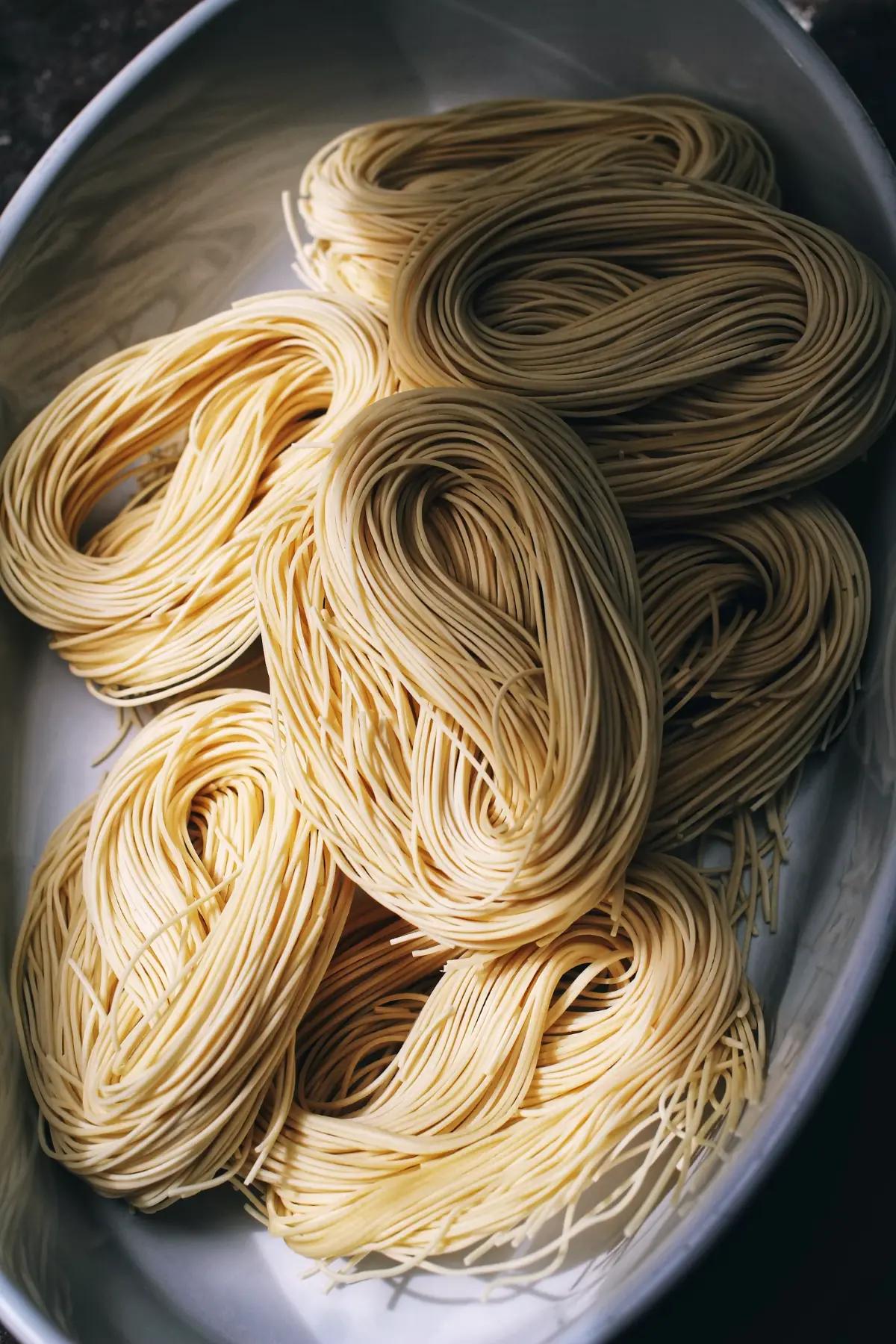
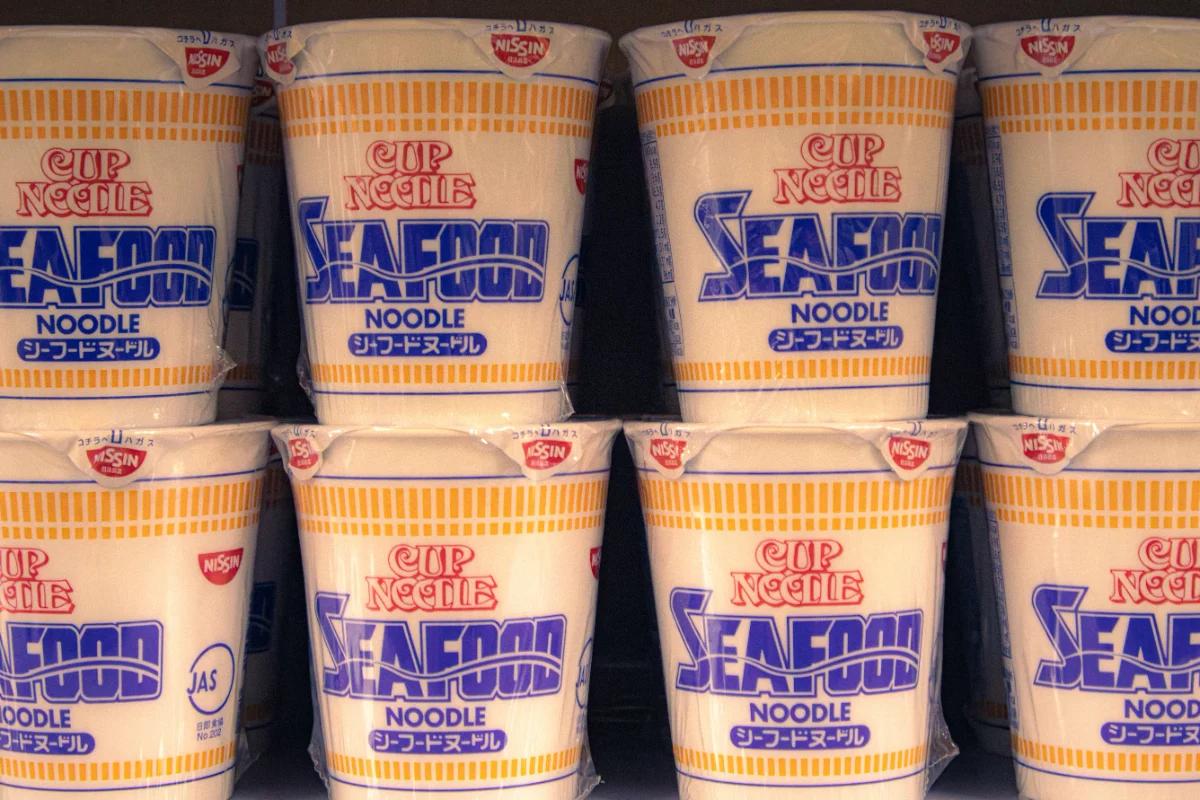
The instant food industry is a vast ecosystem far beyond simple cup noodles. It encompasses a wide range of products designed for minimal preparation time. Key categories include ready-to-eat meals like self-heating hot pots and frozen dumplings; meal bases such as sauce and curry kits; canned goods from luncheon meat to soups; instant noodles and pasta in various forms; and even specialized segments like breakfast solutions, sweet instant desserts, and meal replacement shakes. This diversity caters to nearly every dietary need and culinary preference, offering unparalleled convenience.
Technology is a key driver in elevating instant food quality. Innovations span production and packaging. In production, Non-fried noodle technology and Individual Quick Freezing (IQF) better preserve nutrients and texture. Advanced seasoning techniques, like turning by-products into nutritious ingredients, add value. Packaging breakthroughs include self-heating packages that require no external tools, and user-friendly designs like easy-tear seasoning sachets. These technological advancements collectively enhance the nutritional value, taste, freshness, and overall convenience of the final product, closing the gap with freshly prepared meals.
The instant food industry is shaped by several critical factors that determine competitive success — from raw material quality and manufacturing technology to regulatory compliance and market positioning.
1. Product Innovation: Healthier formulations with reduced sodium, cleaner labels, and functional ingredients (probiotics, protein enrichment) are driving category growth.
2. Manufacturing Technology: Advanced dehydration (freeze-drying, vacuum frying), retort pouch technology, and nitrogen-flushed packaging extend shelf life while preserving quality.
3. Supply Chain Efficiency: Rapid production cycles, efficient distribution networks, and e-commerce integration are critical for the convenience-driven market.
4. Food Safety: HACCP, ISO 22000 certification, and strict microbiological controls are non-negotiable for ready-to-eat and instant products.
Quality Standards: Leading companies in the instant food sector typically hold ISO 9001 certification as a baseline, with many also maintaining industry-specific certifications. Product testing, material traceability, and third-party inspection are essential quality assurance practices. Sustainability certifications are increasingly required by major buyers and regulators worldwide.
Sourcing instant food products requires thorough evaluation of supplier capabilities, quality systems, cost structures, and compliance credentials.
1. Product Range & Innovation: Evaluate the supplier''s R&D capability — can they develop customized formulations? Do they follow food trends (plant-based, functional, clean label)?
2. Manufacturing Standards: Verify HACCP, ISO 22000, BRC certification. Inspect production facilities for hygiene, automation level, and quality control processes.
3. Packaging & Shelf Life: Assess packaging quality (seal integrity, barrier properties), shelf life claims, and storage requirements. Request accelerated shelf life testing data.
4. Supply Reliability: Evaluate production capacity, lead times, minimum order quantities, and backup production capabilities.
5. Regulatory Compliance: Verify the supplier can meet labeling, nutritional, and food safety requirements for your target markets.
Key Recommendations: Visit supplier facilities when possible, request and verify third-party certifications, start with trial orders before committing to large volumes, and build relationships with multiple qualified suppliers to reduce concentration risk. Establish clear quality specifications and inspection protocols in purchase agreements.
The global instant food industry has a distinctive geographic footprint shaped by raw material access, manufacturing heritage, labor costs, and market proximity.
1. China: World''s largest instant food market — Tingyi/Master Kong, Uni-President, Jinmailang, Baixiang.
2. Japan & South Korea: Pioneers and innovators — Nissin, Toyo Suisan (Maruchan), Nongshim, Samyang, Ottogi.
3. Southeast Asia: Indofood (Indonesia), Mama (Thailand), Acecook (Vietnam) — strong regional brands.
4. India: Nestlé India (Maggi), ITC (Yippee!), CG Foods (Wai Wai) — rapidly growing market.
5. United States: Campbell Soup, Kraft Heinz, Conagra — frozen meals and instant soup segments.
Strategic Implications: Successful procurement in the instant food industry requires understanding regional specialization and maintaining diversified sourcing strategies that balance cost, quality, lead time, and geopolitical risk. Sustainability certifications and supply chain transparency are increasingly becoming prerequisites for market access in premium segments.