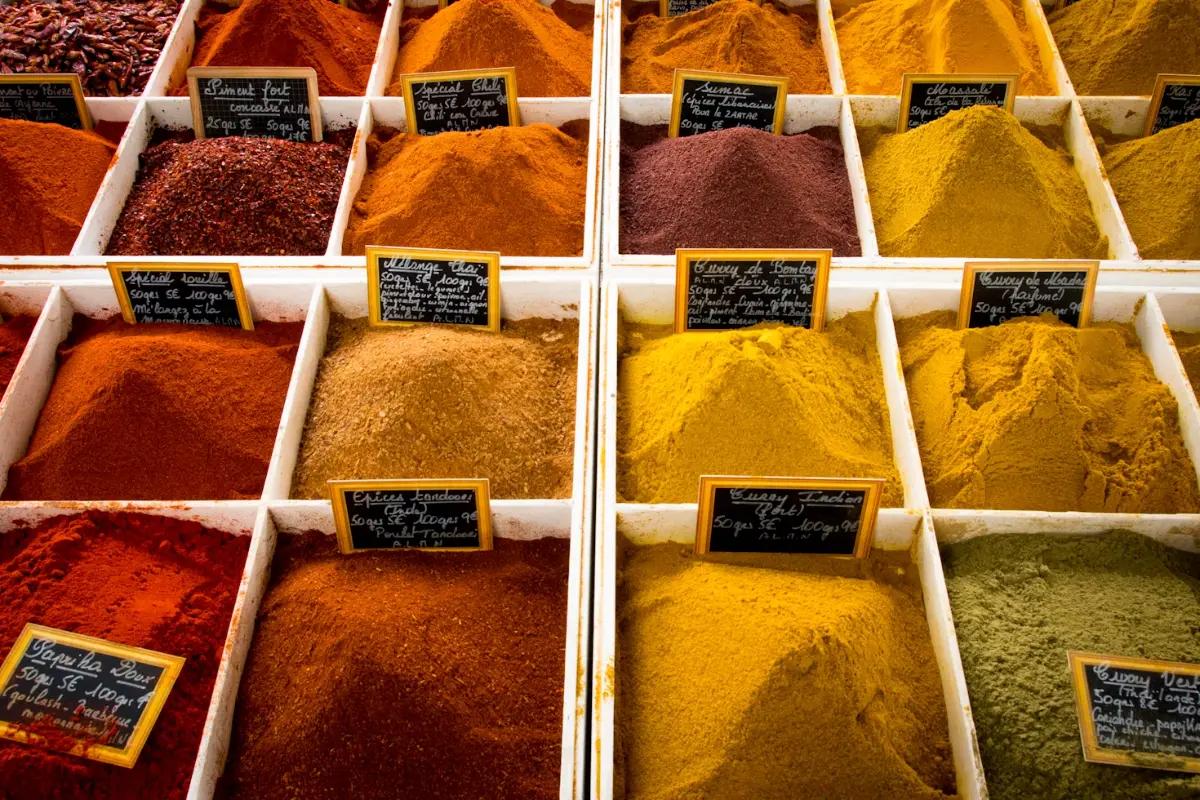
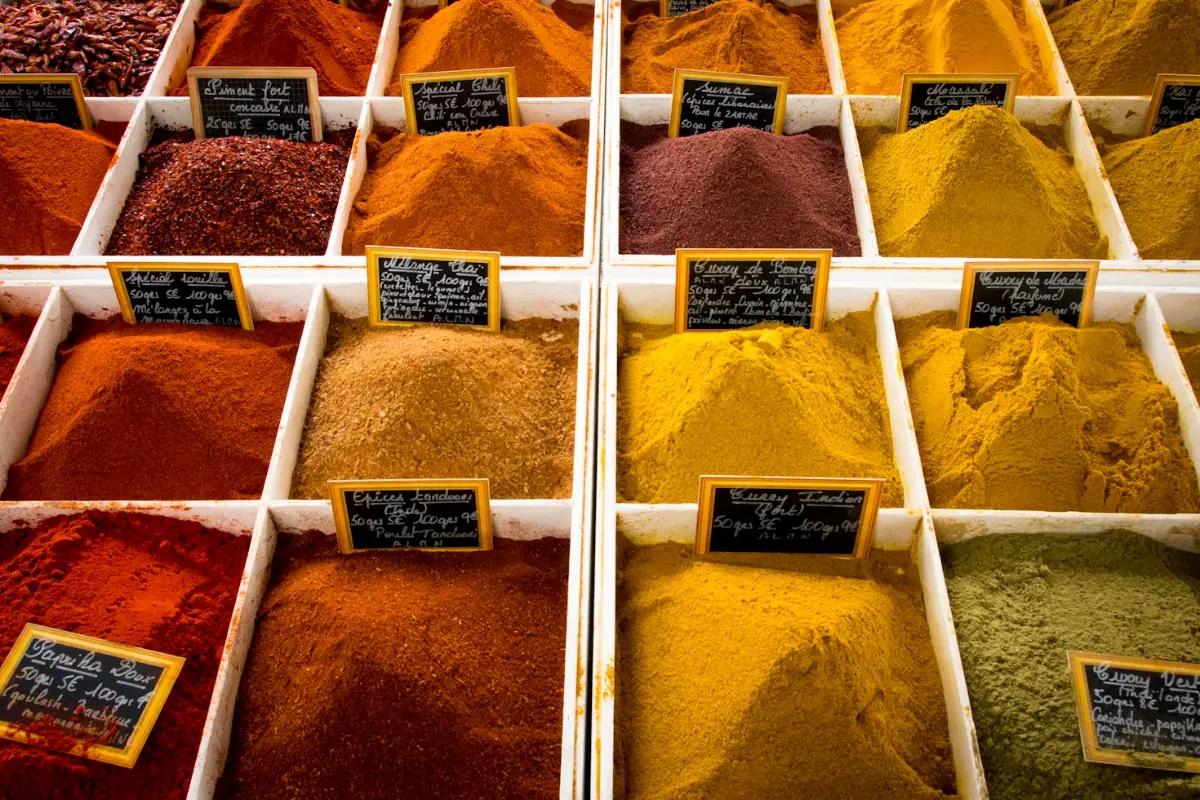
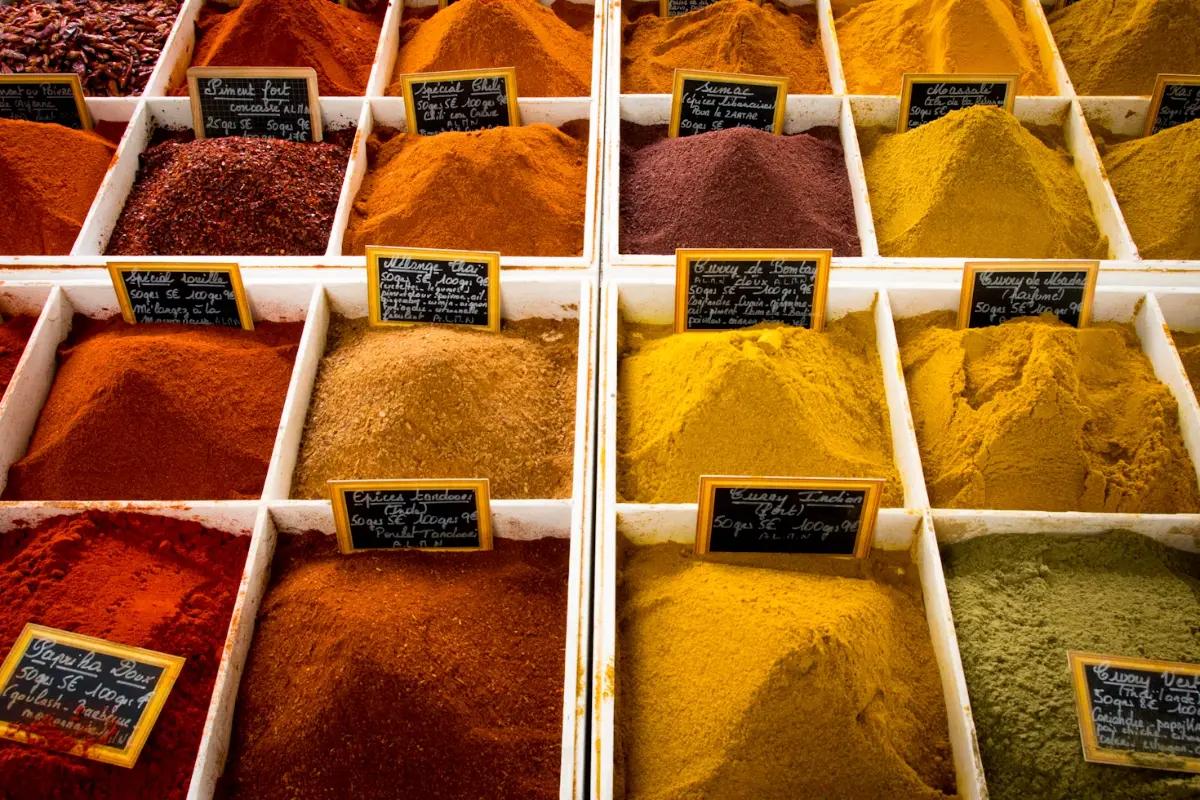
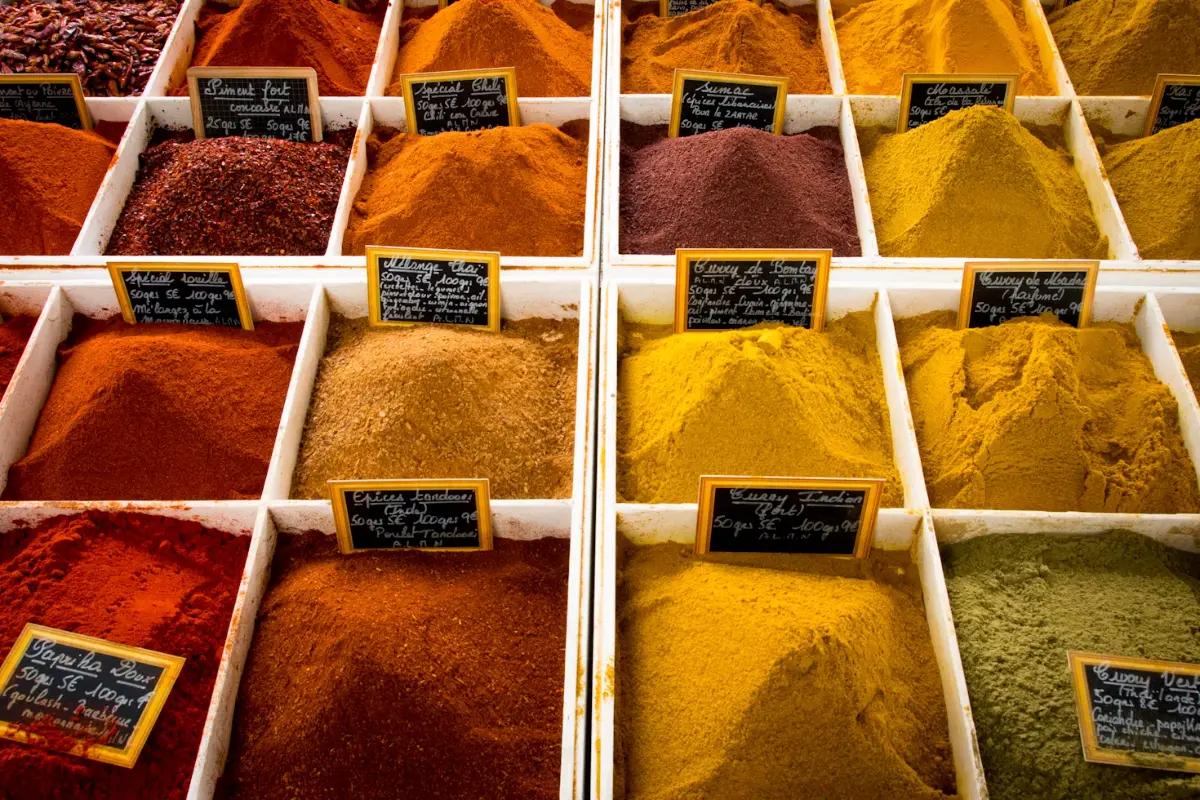
The seasonings industry encompasses all products used to enhance, alter, or add flavor to food and beverages. It’s a vast and essential sector that serves home cooks, professional chefs, and large-scale food manufacturers alike. 1. Core Traditional Categories The industry is built on several foundational categories. Fermented Seasonings, such as soy sauce, vinegar, fish sauce, and oyster sauce, are produced through microbial fermentation, resulting in complex, savory flavors. Compound Seasonings, like bouillon powder, ketchup, curry paste, and salad dressing, are pre-mixed blends designed for convenience and specific culinary applications. Spices & Herbs (whole or ground) form another crucial category, providing aromatic and pungent notes. 2. Modern Growth Drivers A significant modern trend is the rapid expansion of the Compound Seasonings segment, fueled by demand for cooking convenience and global flavors. Concurrently, the entire industry is undergoing a health-oriented transformation, with a strong consumer push towards products featuring clean labels, reduced sodium, zero additives, and organic certifications.
The global seasonings industry is evolving rapidly, driven by changing consumer preferences and technological advancements. Three major trends are currently defining its future. 1. Health & Wellness as the Foremost Priority This is the dominant force. Consumers globally are scrutinizing labels, actively seeking products with “clean labels” (simple, recognizable ingredients), reduced sodium, no added MSG, and organic certifications. This demand compels manufacturers to reformulate products and innovate in natural preservation and fermentation techniques. 2. The Rise of Convenience & Global Flavors The demand for easy, flavorful cooking solutions continues to surge. The compound seasoning segment thrives by offering meal-specific sauces, marinades, and authentic pastes for global cuisines (e.g., Korean gochujang, Italian pesto). This caters to home cooks who desire both convenience and culinary exploration without extensive preparation. 3. Sustainability & Transparency Become Imperative Ethical and environmental considerations are now critical. Consumers and business clients increasingly value ethical sourcing of raw materials, environmentally friendly packaging, and transparent supply chain information. Brands that demonstrate genuine commitment in these areas are building stronger trust and loyalty.
Making smarter choices at the grocery store involves learning to decode product labels and understanding key quality indicators. 1. Master the Label: Ingredients & Nutrition Always check the Ingredients List first. Prioritize products with shorter lists containing recognizable, whole-food ingredients. Be wary of long lists filled with artificial additives, colors (e.g., caramel color), or preservatives. Next, examine the Nutrition Facts Panel, focusing on sodium content per serving. Compare products to find lower-sodium options, even within the same category. 2. Understand Key Terms and Processes Look for specific claims, but know what they mean. “Brewed” or “Naturally Fermented” on soy sauce indicates a traditional, often slower process that typically yields better flavor than chemical hydrolysis. “Organic” certification involves regulated farming and processing standards. “Low-Sodium” has legal definitions; use it as a guide for comparison. 3. Align Choice with Purpose Consider the product’s role in your cooking. A light, all-purpose soy sauce is ideal for everyday stir-fries and dipping, while a darker, thicker soy sauce is better for braising and coloring. Investing in a small bottle of a high-quality, versatile sauce (like a flavor-enhanced soy sauce) can elevate everyday meals.
The variety of soy sauce can be navigated by understanding their distinct roles in cooking, defined by color, flavor, and consistency. 1. Light Soy Sauce: The All-Purpose Seasoning This is the most common type. It is thin, salty, and light brown in color. Its primary function is to season and add umami without significantly darkening the food. It’s ideal for stir-fries, soups, marinades, and as a table condiment for dipping. 2. Dark Soy Sauce: For Color & Richness Dark soy sauce is thicker, darker (due to added caramel or molasses), and slightly sweeter with a less aggressive saltiness. Its main purpose is to impart a rich, appetizing brown color and a deep, mellow flavor to dishes like red-braised pork, stews, and stir-fried noodles. 3. Flavor-Enhanced Soy Sauce: The Umami Powerhouse Varieties like “Wei Ji Xian” are a sub-category of light soy sauce. They are specially brewed or formulated to have an exceptionally high level of umami (amino nitrogen). This makes them incredibly versatile and potent, excellent for both cooking and as a finishing dip where a strong flavor boost is desired.
Modern food technology is a powerful engine driving efficiency, quality, and innovation across the seasonings industry. 1. Smart Manufacturing & Precision Control The implementation of “smart factory” technologies is transformative. Automation, Internet of Things (IoT) sensors, and Artificial Intelligence (AI) in production lines enable unprecedented consistency, efficiency, and traceability. This ensures every batch meets exact quality and safety standards, from giant fermentation tanks to final packaging. 2. Biotechnology Elevates Core Processes In fermentation, biotechnology plays a starring role. Using specially selected or engineered microbial strains allows producers to optimize flavor profiles, accelerate traditionally slow fermentation cycles (e.g., for soy sauce), and enhance the natural formation of desirable umami compounds. This leads to both better and more sustainable production. 3. Food Science Enables Health-Conscious Innovation Food science directly addresses contemporary consumer demands. It provides solutions like using natural flavor enhancers (e.g., yeast extracts) to significantly reduce sodium content without sacrificing taste. It also develops clean-label preservation methods to replace artificial preservatives and creates concentrated, stable natural extracts for more vibrant flavors in products like spice blends and sauces.