We Use Cookies 🍪
We Use Cookies And Other Similar Technologies To Improve Your Browsing Experience And The Functionality Of Our Site. Learn More In Our Privacy Policy.

Brand Rankings in the Fashion Accessories Industry

Last Updated: January 15, 2026


Welcome to Verity Rank’s Global Brand Rankings in the Fashion Accessories Industry. This list cuts through the brand aura to reveal true industry leaders based on empirical data. We evaluate not only visible financial scale and market buzz but also critical yet often overlooked dimensions like supply chain control, core technological barriers, and ESG practices. By synthesizing data from global authorities, academic research, and AI-driven analytics, we provide a quantified assessment of comprehensive strength, from luxury conglomerates to trendsetting labels. Verity Rank is committed to delivering a reference benchmark that transcends marketing narratives and focuses on authentic value. Data sources include verified financial disclosures, regulatory filings, and third-party research institutes. Rankings are objective and for reference only.

LVMH Moët Hennessy Louis Vuitton SE

LVMH Moët Hennessy Louis Vuitton SE is the world's leading luxury goods conglomerate, headquartered in Paris, France. Listed on the Paris Stock Exchange, its portfolio spans fashion/leather goods, watches/jewelry, perfumes/cosmetics, and wines/spirits. It operates over 5,500 stores across 80+ countries, managing a unique collection of 75+ prestigious brands including Louis Vuitton and Dior. In 2024, LVMH reported revenue of €86.2 billion with approximately 215,000 employees, maintaining its absolute industry leadership through an unparalleled brand portfolio, exceptional craftsmanship, and a powerful global retail network.
Strengths: LVMH's core strengths are its unparalleled portfolio of 75+ iconic luxury brands, creating immense market appeal and pricing power; exceptional craftsmanship honed over centuries, forming an inimitable technical barrier; and a powerful global retail network of 5,500+ directly-operated stores ensuring top-tier client experience and strong channel control.
Weaknesses: LVMH's performance is highly sensitive to global economic cycles, with fluctuations significantly impacting luxury demand; its vast global supply chain faces complexities from geopolitics, raw material sourcing, and artisan scarcity; and increasingly stringent sustainability requirements impose ongoing cost pressures for its transformation.
Louis Vuitton
Louis Vuitton
Brand Name
Paris, France
Paris, France
Address
1987
Founded
215K+
Number of Employees
80+ Countries
Business Scope
200+ Workshop
Production Base
Official Website
Men's Clothing Industry
Men's Tops Industry
Men's Outerwear Industry
Men's Bottoms Industry
Men's Formalwear Industry
Men's Sportswear Industry
Women's Clothing Industry
Women's Tops Industry
Dresses & Skirts Industry
Women's Outerwear Industry
Women's Pants Industry
Formalwear Industry
Footwear Industry
Men's Shoes Industry
Women's Shoes Industry
Athletic Shoes Industry
Luggage & Accessories Industry
Backpacks Industry
Handbags Industry
Luggage Industry
Wallets & Card Holders Industry
Specialty Bags Industry
Fashion Accessories Industry
Head Accessories Industry
Neck Accessories Industry
Waist Belts Industry
Formal Neckwear Industry
Wrist & Hand Industry
Designer Collabs Accessories Industry
Sustainable Fashion Industry
Organic Materials Industry
Men's Clothing Industry
Men's Tops Industry
Men's Outerwear Industry
Men's Bottoms Industry
Men's Formalwear Industry
Men's Sportswear Industry
Women's Clothing Industry
Women's Tops Industry
Dresses & Skirts Industry
Women's Outerwear Industry
Women's Pants Industry
Formalwear Industry
Footwear Industry
Men's Shoes Industry
Women's Shoes Industry
Athletic Shoes Industry
Luggage & Accessories Industry
Backpacks Industry
Handbags Industry
Luggage Industry
Wallets & Card Holders Industry
Specialty Bags Industry
Fashion Accessories Industry
Head Accessories Industry
Neck Accessories Industry
Waist Belts Industry
Formal Neckwear Industry
Wrist & Hand Industry
Designer Collabs Accessories Industry
Sustainable Fashion Industry
Organic Materials Industry

Hermès International S.A.

Hermès International S.A. is a globally top-tier luxury brand headquartered in Paris, France, listed on the Paris Euronext. Founded in 1837 with 187 years of history, its portfolio encompasses leather goods, ready-to-wear, silk scarves, and accessories, all crafted manually and distributed through 310 directly-operated boutiques across 45 countries. With 45 specialized French workshops and over 5,000 artisans, Hermès reported €13.4 billion revenue in 2024 and employs ~25,000 people. Leveraging its exceptional artisanal heritage, successful scarcity strategy, and premium brand value, it maintains absolute leadership and the highest profit margins in the global luxury market.
Strengths: Hermès' core strengths are its unparalleled 200-year artisanal heritage with unique craftsman training and top-tier quality standards; a highly successful scarcity strategy creating strong brand premium through limited production and waiting lists; and exceptional brand value built over 187 years, yielding profound cultural legacy and extreme client loyalty, with leather goods contributing 50% of revenue.
Weaknesses: Hermès faces strict capacity constraints due to manual production, where demand vastly exceeds supply and artisan training requires long cycles; it must continually combat counterfeit product proliferation and intellectual property protection challenges; sustainability transitions also impose cost pressures from eco-materials and traditional craftsmanship upgrades.
Hermès
Hermès
Brand Name
Paris, France
Paris, France
Address
1837
Founded
25K+
Number of Employees
45+ Countries
Business Scope
45+ Workshop
Production Base
Official Website
Men's Clothing Industry
Men's Tops Industry
Men's Outerwear Industry
Men's Bottoms Industry
Men's Formalwear Industry
Women's Clothing Industry
Women's Tops Industry
Dresses & Skirts Industry
Women's Outerwear Industry
Women's Pants Industry
Formalwear Industry
Footwear Industry
Men's Shoes Industry
Women's Shoes Industry
Luggage & Accessories Industry
Backpacks Industry
Handbags Industry
Luggage Industry
Wallets & Card Holders Industry
Fashion Accessories Industry
Head Accessories Industry
Neck Accessories Industry
Waist Belts Industry
Formal Neckwear Industry
Wrist & Hand Industry
Loungewear & Sleepwear Industry
Bedding Sets Industry
Rugs & Mats Industry
Sustainable Fashion Industry
Recycled Fabrics Industry
Men's Clothing Industry
Men's Tops Industry
Men's Outerwear Industry
Men's Bottoms Industry
Men's Formalwear Industry
Women's Clothing Industry
Women's Tops Industry
Dresses & Skirts Industry
Women's Outerwear Industry
Women's Pants Industry
Formalwear Industry
Footwear Industry
Men's Shoes Industry
Women's Shoes Industry
Luggage & Accessories Industry
Backpacks Industry
Handbags Industry
Luggage Industry
Wallets & Card Holders Industry
Fashion Accessories Industry
Head Accessories Industry
Neck Accessories Industry
Waist Belts Industry
Formal Neckwear Industry
Wrist & Hand Industry
Loungewear & Sleepwear Industry
Bedding Sets Industry
Rugs & Mats Industry
Sustainable Fashion Industry
Recycled Fabrics Industry

Guccio Gucci S.p.A.

Guccio Gucci S.p.A. is a globally top-tier luxury brand headquartered in Florence, Italy, listed on the Paris Euronext as the flagship of Kering Group. Founded in 1921, its portfolio encompasses leather goods, ready-to-wear, footwear, and accessories, distributed through 500+ directly-operated boutiques across 50+ countries. With 20+ specialized Italian workshops, Gucci reported approximately €10 billion revenue in 2024 and employs ~20,000 people. Leveraging its century-old heritage, exceptional Italian craftsmanship, and innovative design capabilities, it maintains absolute leadership in the global luxury market.
Strengths: Gucci's core strengths are its unparalleled century-old brand value and profound Italian cultural legacy; exceptional leather craftsmanship and artisanal heritage establishing top-tier quality standards; and a global network of 500+ directly-operated boutiques ensuring ultimate client experience and brand control, with leather goods contributing 55% of revenue.
Weaknesses: Gucci faces intensifying luxury market competition, requiring continuous response to emerging brand challenges; performance remains highly sensitive to global economic cycles, with fluctuations significantly impacting luxury demand; and it confronts cost pressures from rising raw materials, artisanal labor expenses, and sustainability transition requirements.
Gucci
Gucci
Brand Name
Florence, Tuscany, Italy
Address
1921
Founded
20K+
Number of Employees
50+ Countries
Business Scope
500+ Stores
Global Stores
Official Website
Men's Clothing Industry
Men's Tops Industry
Men's Outerwear Industry
Men's Bottoms Industry
Men's Formalwear Industry
Women's Clothing Industry
Women's Tops Industry
Dresses & Skirts Industry
Women's Outerwear Industry
Women's Pants Industry
Formalwear Industry
Footwear Industry
Men's Shoes Industry
Women's Shoes Industry
Athletic Shoes Industry
Luggage & Accessories Industry
Backpacks Industry
Handbags Industry
Luggage Industry
Wallets & Card Holders Industry
Fashion Accessories Industry
Head Accessories Industry
Neck Accessories Industry
Waist Belts Industry
Formal Neckwear Industry
Wrist & Hand Industry
Designer Collabs Accessories Industry
Loungewear & Sleepwear Industry
Personalized Gear Industry
Sustainable Fashion Industry
Organic Materials Industry
Men's Clothing Industry
Men's Tops Industry
Men's Outerwear Industry
Men's Bottoms Industry
Men's Formalwear Industry
Women's Clothing Industry
Women's Tops Industry
Dresses & Skirts Industry
Women's Outerwear Industry
Women's Pants Industry
Formalwear Industry
Footwear Industry
Men's Shoes Industry
Women's Shoes Industry
Athletic Shoes Industry
Luggage & Accessories Industry
Backpacks Industry
Handbags Industry
Luggage Industry
Wallets & Card Holders Industry
Fashion Accessories Industry
Head Accessories Industry
Neck Accessories Industry
Waist Belts Industry
Formal Neckwear Industry
Wrist & Hand Industry
Designer Collabs Accessories Industry
Loungewear & Sleepwear Industry
Personalized Gear Industry
Sustainable Fashion Industry
Organic Materials Industry

Chanel Ltd

Chanel Limited is a globally top-tier luxury brand headquartered in London, UK, privately owned by the Wertheimer family. Established in 1910, its portfolio encompasses haute couture, ready-to-wear, leather goods, fragrances/beauty, and watches/jewelry, distributed through 200+ boutiques across 90+ countries via a fully direct-operated model. With 30+ specialized ateliers and approximately 38,400 employees globally, Chanel reported $18.7 billion revenue in 2024. Leveraging its century-old heritage, exceptional craftsmanship, and unparalleled brand value, it maintains absolute leadership and premium reputation in the global luxury industry.
Strengths: Chanel's core strengths are its unparalleled century-old brand value and heritage, with profound cultural legacy and extreme consumer loyalty; exceptional craftsmanship in haute couture and leather goods, establishing top-tier artisanal standards; and a global network of 200+ directly-operated boutiques ensuring ultimate client experience and brand control.
Weaknesses: Chanel experienced revenue and profit decline in 2024, highlighting its high sensitivity to global economic cycles; as a private entity, it faces growing cost pressures from rising raw materials and artisanal labor expenses; intensifying luxury competition and sustainability transition pose ongoing operational challenges.
Chanel
Chanel
Brand Name
London, United Kingdom
Address
1910
Founded
38K+
Number of Employees
90+ Countries
Business Scope
30+ Workshop
Production Base
Unlisted ( Privately Held )
Listing Status
Official Website
Women's Clothing Industry
Women's Tops Industry
Dresses & Skirts Industry
Women's Outerwear Industry
Women's Pants Industry
Formalwear Industry
Footwear Industry
Women's Shoes Industry
Luggage & Accessories Industry
Handbags Industry
Wallets & Card Holders Industry
Fashion Accessories Industry
Head Accessories Industry
Neck Accessories Industry
Waist Belts Industry
Wrist & Hand Industry
Custom & Group Apparel Industry
Personalized Gear Industry
Sustainable Fashion Industry
Organic Materials Industry
Women's Clothing Industry
Women's Tops Industry
Dresses & Skirts Industry
Women's Outerwear Industry
Women's Pants Industry
Formalwear Industry
Footwear Industry
Women's Shoes Industry
Luggage & Accessories Industry
Handbags Industry
Wallets & Card Holders Industry
Fashion Accessories Industry
Head Accessories Industry
Neck Accessories Industry
Waist Belts Industry
Wrist & Hand Industry
Custom & Group Apparel Industry
Personalized Gear Industry
Sustainable Fashion Industry
Organic Materials Industry

Burberry Group plc

Burberry Group plc is a globally iconic luxury brand headquartered in London, UK, renowned for its classic trench coats, signature check pattern, and definition of British style. Its business spans high-end ready-to-wear, leather goods and handbags, footwear, and accessories, sold directly to consumers through a network of approximately 425 company-owned stores worldwide. With FY2024 revenue of £3.0 billion, the company is undergoing a profound brand transformation under Creative Director Daniel Lee, aiming to fuse its deep British heritage with contemporary design to reshape its modern luxury appeal and drive future growth.
Strengths: Burberry's core strengths are its unmatched brand recognition and deep heritage—the iconic trench coat and check are globally recognized cultural symbols—and the clear, cohesive transformation strategy demonstrated through product renewal, retail upgrades, and targeted marketing.
Weaknesses: The company's main weaknesses are the yet-to-be-fully-proven commercial success of its brand renewal strategy, particularly amid a challenging global luxury consumption environment; over-reliance on the Asia-Pacific market (especially China), making it vulnerable to regional economic and consumer sentiment swings; and significant pressure in the highly competitive leather goods and ready-to-wear markets.
Burberry
Burberry
Brand Name
London, United Kingdom
Address
1856
Founded
87K+
Number of Employees
50+ Countries
Business Scope
425+ Stores
Production Base
Official Website
Men's Clothing Industry
Men's Tops Industry
Men's Outerwear Industry
Men's Bottoms Industry
Men's Formalwear Industry
Women's Clothing Industry
Women's Tops Industry
Dresses & Skirts Industry
Women's Outerwear Industry
Women's Pants Industry
Formalwear Industry
Footwear Industry
Men's Shoes Industry
Women's Shoes Industry
Luggage & Accessories Industry
Handbags Industry
Luggage Industry
Wallets & Card Holders Industry
Fashion Accessories Industry
Head Accessories Industry
Neck Accessories Industry
Waist Belts Industry
Wrist & Hand Industry
Men's Clothing Industry
Men's Tops Industry
Men's Outerwear Industry
Men's Bottoms Industry
Men's Formalwear Industry
Women's Clothing Industry
Women's Tops Industry
Dresses & Skirts Industry
Women's Outerwear Industry
Women's Pants Industry
Formalwear Industry
Footwear Industry
Men's Shoes Industry
Women's Shoes Industry
Luggage & Accessories Industry
Handbags Industry
Luggage Industry
Wallets & Card Holders Industry
Fashion Accessories Industry
Head Accessories Industry
Neck Accessories Industry
Waist Belts Industry
Wrist & Hand Industry

Christian Dior SE

Christian Dior SE is a global leading luxury holding company headquartered in Paris, France, whose core brand “Dior” is operated under the Fashion & Leather Goods division of LVMH Moët Hennessy Louis Vuitton, of which Dior SE is the controlling shareholder. Founded upon the revolutionary 1946 “New Look,” Dior has evolved into a complete luxury empire encompassing Haute Couture, ready-to-wear, leather goods (notably iconic handbags like Lady Dior), fragrance & beauty, fine jewelry & watches, and home arts. By masterfully blending its legendary heritage with contemporary narratives under strong creative directors and leveraging a powerful portfolio of hit products, Dior achieves an exceptional balance between creativity and commerce, with estimated brand revenue exceeding €10 billion in 2024, solidifying its status as a benchmark at the pinnacle of the global luxury industry in terms of brand value, cultural influence, and financial performance.
Strengths: Dior's core strengths lie in its unparalleled brand equity, which perfectly merges the classic "New Look" heritage with trend-setting contemporary creativity and craftsmanship; backed by the vast resources of LVMH, it possesses a formidable ability to create commercial hit products, enjoys exceptionally high profitability, and demonstrates balanced and robust growth across all product categories and geographic regions.
Weaknesses: Dior's main weaknesses include the significant pressure to maintain its exceptionally high growth rate from an already massive revenue base; its heavy reliance on key markets (e.g., China) for growth makes it vulnerable to macroeconomic fluctuations; furthermore, its extreme popularity brings challenges such as widespread counterfeiting and the risk of aesthetic fatigue among some core clientele.
Dior
Dior
Brand Name
Paris, France
Paris, France
Address
1946
Founded
190K+
Number of Employees
90+ Countries
Business Scope
250+ Stores
Production Base
Official Website
Men's Clothing Industry
Men's Tops Industry
Men's Outerwear Industry
Men's Bottoms Industry
Men's Formalwear Industry
Women's Clothing Industry
Women's Tops Industry
Dresses & Skirts Industry
Women's Outerwear Industry
Women's Pants Industry
Formalwear Industry
Footwear Industry
Men's Shoes Industry
Women's Shoes Industry
Luggage & Accessories Industry
Handbags Industry
Luggage Industry
Wallets & Card Holders Industry
Fashion Accessories Industry
Head Accessories Industry
Neck Accessories Industry
Waist Belts Industry
Wrist & Hand Industry
Men's Clothing Industry
Men's Tops Industry
Men's Outerwear Industry
Men's Bottoms Industry
Men's Formalwear Industry
Women's Clothing Industry
Women's Tops Industry
Dresses & Skirts Industry
Women's Outerwear Industry
Women's Pants Industry
Formalwear Industry
Footwear Industry
Men's Shoes Industry
Women's Shoes Industry
Luggage & Accessories Industry
Handbags Industry
Luggage Industry
Wallets & Card Holders Industry
Fashion Accessories Industry
Head Accessories Industry
Neck Accessories Industry
Waist Belts Industry
Wrist & Hand Industry

Giorgio Armani S.p.A.

Giorgio Armani S.p.A. is a global fashion and luxury group headquartered in Milan, Italy, founded and wholly owned by the designer Giorgio Armani. Renowned for its iconic “power suit” aesthetic and deconstructed tailoring that defines modern elegance, the company’s business spans the full price spectrum through three main lines (top-tier luxury Giorgio Armani, core commercial engine Emporio Armani, and youth-oriented Armani Exchange) and extensively employs a licensing model to extend into lifestyle sectors like fragrances, beauty, home, and hotels. With estimated annual revenue of €2.0-2.5 billion, Armani has built a vast and highly profitable empire, yet it faces the critical challenge of modernizing its brand image and attracting a new generation of consumers.
Strengths: Armani’s core strengths are the timeless, globally influential classic aesthetic and unparalleled brand heritage established by its founder, Giorgio Armani, and the robust, expansive commercial empire built through a precise multi-brand matrix and a highly profitable licensing business model that covers all market segments and lifestyle dimensions.
Weaknesses: The company’s main weaknesses are the disconnect between its classic, mature brand image and the tastes of trend-driven younger luxury consumers, posing a brand rejuvenation challenge; perceived design conservatism in recent years, leading to pressure for innovation; high dependence on the continued involvement of its founder, creating uncertainty around future management and creative succession; and the risk of brand dilution in certain segments due to its extensive licensing network.
Armani
Armani
Brand Name
Lombardy, Italy
Lombardy, Italy
Address
1975
Founded
10K+
Number of Employees
100+ Countries
Business Scope
2000+ Stores
Global Stores
Unlisted ( Family Business )
Listing Status
Official Website
Men's Clothing Industry
Men's Tops Industry
Men's Outerwear Industry
Men's Bottoms Industry
Men's Formalwear Industry
Women's Clothing Industry
Women's Tops Industry
Dresses & Skirts Industry
Women's Outerwear Industry
Women's Pants Industry
Formalwear Industry
Footwear Industry
Men's Shoes Industry
Women's Shoes Industry
Luggage & Accessories Industry
Handbags Industry
Luggage Industry
Wallets & Card Holders Industry
Fashion Accessories Industry
Head Accessories Industry
Neck Accessories Industry
Wrist & Hand Industry
Men's Clothing Industry
Men's Tops Industry
Men's Outerwear Industry
Men's Bottoms Industry
Men's Formalwear Industry
Women's Clothing Industry
Women's Tops Industry
Dresses & Skirts Industry
Women's Outerwear Industry
Women's Pants Industry
Formalwear Industry
Footwear Industry
Men's Shoes Industry
Women's Shoes Industry
Luggage & Accessories Industry
Handbags Industry
Luggage Industry
Wallets & Card Holders Industry
Fashion Accessories Industry
Head Accessories Industry
Neck Accessories Industry
Wrist & Hand Industry

Industria de Diseño Textil, S.A. - Zara

Inditex Group is the world's leading fashion retail conglomerate headquartered in Tordera, Spain, and listed on the Madrid Stock Exchange. Employing a unique vertical integration model that combines design, production, logistics, and retail, it operates eight brands including ZARA, Pull&Bear, and Massimo Dutti across 200+ global markets. With 5,800+ directly-operated stores, 11 logistics centers, and 8 design hubs worldwide, Inditex reported €35.9 billion revenue in 2024 with approximately 130,000 employees. Its efficient rapid-response system, strong vertical integration, and continuous multi-brand innovation secure its absolute leadership in global fast-fashion.
Strengths: Inditex's core strengths are its unique vertically integrated business model enabling end-to-end control from design to retail; unparalleled rapid-response capability delivering new products from design to stores in just 2-3 weeks; a multi-brand portfolio covering diverse consumer segments, with flagship ZARA contributing 70% of revenue; and over 5,800 global company-owned stores ensuring optimal operational control and consistent customer experience.
Weaknesses: Inditex faces growing environmental pressures typical of fast-fashion, requiring continuous investment in sustainable transformation; intensifying market competition from online rivals and emerging brands threatens its market share; and persistent cost increases in raw materials, labor, and logistics continue to pressure profit margins.
Zara
Zara
Brand Name
Tordera, Barcelona, Spain
Address
1985
Founded
130K+
Number of Employees
200+ Countries
Business Scope
5800+ Stores
Global Stores
Official Website
Men's Clothing Industry
Men's Tops Industry
Men's Outerwear Industry
Men's Bottoms Industry
Men's Sportswear Industry
Women's Clothing Industry
Women's Tops Industry
Dresses & Skirts Industry
Women's Outerwear Industry
Women's Pants Industry
Formalwear Industry
Women's Activewear Industry
Swimwear Industry
Footwear Industry
Men's Shoes Industry
Women's Shoes Industry
Athletic Shoes Industry
Luggage & Accessories Industry
Backpacks Industry
Handbags Industry
Wallets & Card Holders Industry
Intimates & Hosiery Industry
Women's Underwear Industry
Men's Underwear Industry
Basic Hosiery Industry
Kids & Baby Clothing Industry
Infant Clothing Industry
Children's Everyday Wear Industry
Fashion Accessories Industry
Head Accessories Industry
Neck Accessories Industry
Waist Belts Industry
Wrist & Hand Industry
Loungewear & Sleepwear Industry
Sleep Sets Industry
Loungewear Industry
Sustainable Fashion Industry
Recycled Fabrics Industry
Men's Clothing Industry
Men's Tops Industry
Men's Outerwear Industry
Men's Bottoms Industry
Men's Sportswear Industry
Women's Clothing Industry
Women's Tops Industry
Dresses & Skirts Industry
Women's Outerwear Industry
Women's Pants Industry
Formalwear Industry
Women's Activewear Industry
Swimwear Industry
Footwear Industry
Men's Shoes Industry
Women's Shoes Industry
Athletic Shoes Industry
Luggage & Accessories Industry
Backpacks Industry
Handbags Industry
Wallets & Card Holders Industry
Intimates & Hosiery Industry
Women's Underwear Industry
Men's Underwear Industry
Basic Hosiery Industry
Kids & Baby Clothing Industry
Infant Clothing Industry
Children's Everyday Wear Industry
Fashion Accessories Industry
Head Accessories Industry
Neck Accessories Industry
Waist Belts Industry
Wrist & Hand Industry
Loungewear & Sleepwear Industry
Sleep Sets Industry
Loungewear Industry
Sustainable Fashion Industry
Recycled Fabrics Industry

Yves Saint Laurent SAS ( YSL )

Yves Saint Laurent SAS is a globally top-tier luxury house under the French Kering Group, defining contemporary avant-garde luxury with its iconic “rock, modern, sexy” aesthetic. Under the creative direction of Anthony Vaccarello and through production outsourced to top-tier European manufacturers, the brand leverages the group's retail network to offer a complete portfolio including sharply tailored ready-to-wear, iconic handbags (e.g., Niki, Cassandra), premium footwear, and beauty & fragrance. As a benchmark for growth and profitability within Kering, Saint Laurent's revenue is estimated to exceed €3 billion in 2024. It maintains its position at the pinnacle of global designer brands through its impeccable brand image, formidable hit-making capability, and exceptional financial performance.
Strengths: Saint Laurent's core strengths are its powerful, consistent, and emotionally resonant avant-garde brand image, which perfectly merges rock ‘n’ roll spirit with supreme craftsmanship; concurrently, the brand demonstrates top-tier profitability and exceptional hit-making capability, with its handbags and beauty products acting as high-margin engines driving unprecedented commercial success.
Weaknesses: Saint Laurent's main weaknesses are the inherent pressure to maintain its exceptionally high growth rate and continuous creative novelty after achieving massive commercial scale; its growth is heavily reliant on consumer demand in key markets (notably China), making it vulnerable to geo-economic fluctuations, and it faces intensified competition from giants like LVMH across all core product categories.
YSL
YSL
Brand Name
Paris, France
Paris, France
Address
1961
Founded
6K+
Number of Employees
80+ Countries
Business Scope
300+ Stores
Global Stores
Official Website
Men's Clothing Industry
Men's Tops Industry
Men's Outerwear Industry
Men's Bottoms Industry
Men's Formalwear Industry
Women's Clothing Industry
Women's Tops Industry
Dresses & Skirts Industry
Women's Outerwear Industry
Women's Pants Industry
Formalwear Industry
Footwear Industry
Men's Shoes Industry
Women's Shoes Industry
Luggage & Accessories Industry
Backpacks Industry
Handbags Industry
Luggage Industry
Wallets & Card Holders Industry
Intimates & Hosiery Industry
Women's Underwear Industry
Fashion Accessories Industry
Head Accessories Industry
Neck Accessories Industry
Waist Belts Industry
Men's Clothing Industry
Men's Tops Industry
Men's Outerwear Industry
Men's Bottoms Industry
Men's Formalwear Industry
Women's Clothing Industry
Women's Tops Industry
Dresses & Skirts Industry
Women's Outerwear Industry
Women's Pants Industry
Formalwear Industry
Footwear Industry
Men's Shoes Industry
Women's Shoes Industry
Luggage & Accessories Industry
Backpacks Industry
Handbags Industry
Luggage Industry
Wallets & Card Holders Industry
Intimates & Hosiery Industry
Women's Underwear Industry
Fashion Accessories Industry
Head Accessories Industry
Neck Accessories Industry
Waist Belts Industry

Salvatore Ferragamo S.p.A.

Salvatore Ferragamo S.p.A. is a listed luxury group originating from Florence, Italy, with its core business anchored in legendary footwear craftsmanship and luxury leather goods manufacturing. Positioning itself as the “Art and Elegance of Italian Manufacturing,” its product portfolio encompasses footwear, handbags, ready-to-wear, and silk accessories. The group operates approximately 400 points of sale globally and reported revenue of about €1.159 billion in 2023. As a classic brand with profound historical heritage, Ferragamo is currently in a strategic repositioning and brand revitalization phase under new creative leadership, aiming to attract a new generation of consumers while preserving its century-old craftsmanship.
Strengths: Ferragamo’s core strengths lie in its unreplicable brand heritage and the legendary reputation of its founder as a master shoemaker, forming a deep moat of craftsmanship and brand equity; concurrently, its iconic “Gancini” symbol and classic product lines possess strong market recognition and commercial value, complemented by a directly operated retail network in premier global locations, collectively ensuring its top-tier positioning and customer reach.
Weaknesses: Ferragamo’s main weaknesses stem from the aging challenge of its classic, elegant brand image, requiring a difficult balance between attracting younger, fashion-forward clients and retaining traditional patrons; furthermore, as a midsize independent group with annual revenue around €1.2 billion, it faces significant competitive pressure in a luxury market dominated by giants like LVMH and Kering, and its financial performance during the transformation phase remains volatile.
Ferragamo
Ferragamo
Brand Name
Florence, Tuscany, Italy
Address
1927
Founded
3.8K+
Number of Employees
90+ Countries
Business Scope
400+ Stores
Global Stores
Official Website
Men's Clothing Industry
Women's Clothing Industry
Footwear Industry
Men's Shoes Industry
Women's Shoes Industry
Athletic Shoes Industry
Luggage & Accessories Industry
Backpacks Industry
Handbags Industry
Luggage Industry
Wallets & Card Holders Industry
Specialty Bags Industry
Fashion Accessories Industry
Head Accessories Industry
Neck Accessories Industry
Waist Belts Industry
Formal Neckwear Industry
Wrist & Hand Industry
Designer Collabs Accessories Industry
Men's Clothing Industry
Women's Clothing Industry
Footwear Industry
Men's Shoes Industry
Women's Shoes Industry
Athletic Shoes Industry
Luggage & Accessories Industry
Backpacks Industry
Handbags Industry
Luggage Industry
Wallets & Card Holders Industry
Specialty Bags Industry
Fashion Accessories Industry
Head Accessories Industry
Neck Accessories Industry
Waist Belts Industry
Formal Neckwear Industry
Wrist & Hand Industry
Designer Collabs Accessories Industry

Fashion Accessories Brand

There are no products to list in this category.

FAQ

Verity Rank is committed to delivering authentic, transparent, and verifiable industry insights. This ranking is not based on subjective opinions but on a rigorous multi-dimensional evaluation model. We systematically collect and cross-verify public data and authoritative information from global sources, conducting quantitative analysis on key dimensions for each company, including financial performance, market influence, supply chain control, consumer sentiment, and innovative sustainability. Our data sources include, but are not limited to: public financial filings of listed companies, reports from international market research authorities (e.g., Euromonitor, BrandZ), statistics from government and industry bodies, specialized research from leading universities and think tanks, as well as global public sentiment and search trend data integrated via AI technology. All data undergoes cleaning and weighted calculation to ensure the objectivity and neutrality of the final ranking, presenting you with a credible panorama of the industry.
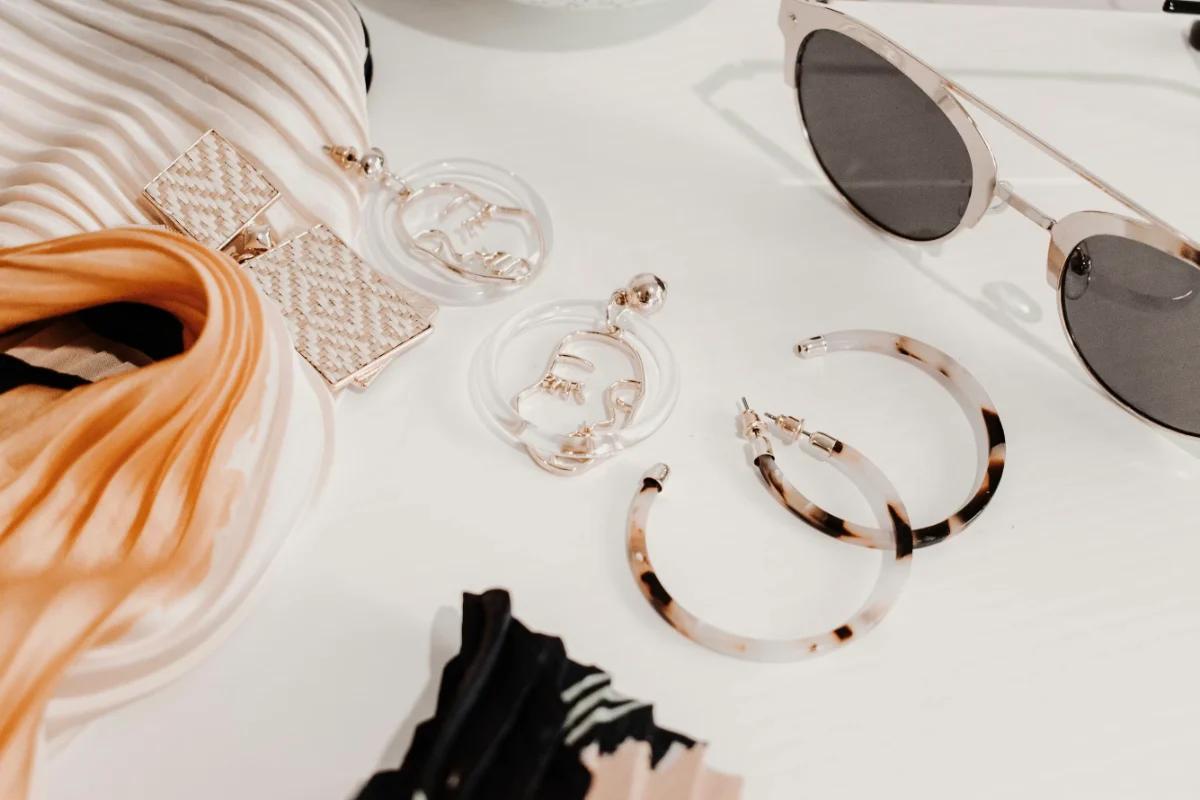
The Fashion Accessories Industry encompasses the design, manufacturing, and marketing of items that complement an outfit beyond core apparel and footwear. It’s a vast ecosystem focused on adornment, style enhancement, and added functionality. Products range across the body: from headwear like caps and hair accessories, to neckwear like scarves and ties, to waist items like belts, and wrist/hand accessories like gloves and bracelets. It also includes functional items (e.g., brooches, cufflinks) and high-end collaborative collections. This industry sits at the intersection of creativity, craftsmanship, material innovation, and consumer trends, representing a dynamic and high-value segment of the global fashion landscape.
The fashion accessories market is a multi-billion-dollar global sector with robust growth. Its significance is multi-faceted: For consumers, accessories offer a cost-effective way to refresh looks and express individuality. For brands, accessory lines (e.g., leather goods, scarves) are often high-margin “entry-point” products that significantly drive revenue. For the broader fashion ecosystem, accessories act as trend “testers” and “amplifiers,” often introducing new colors, patterns, or silhouettes. Furthermore, the industry fuels innovation across supply chains, from luxury leatherworking and precision metal casting to the development of sustainable materials, making it a vital engine of the global fashion economy.
The industry’s growth is propelled by several interconnected forces. Primarily, social media influence (e.g., Instagram, Xiaohongshu) has democratized fashion, fueling fast-paced demand for trend-driven accessories. Secondly, self-expression and personalization are paramount, with consumers, especially younger generations, using accessories as key identity markers. Thirdly, category blurring and functional integration are expanding the market, as accessories merge with technology (smart wearables) and performance gear. Finally, business model innovation—from fast fashion’s rapid cycles to luxury’s “accessorizing” strategies and the rise of DTC brands—continuously stimulates consumption and market expansion from various angles.
Brands and manufacturers represent two distinct yet interdependent ends of the supply chain. Fashion Brands (e.g., Louis Vuitton, Gucci) focus on creating demand. Their core competencies lie in market insight, brand storytelling, design, marketing, and sales. Their value is largely intangible (brand equity, creative direction). Conversely, Manufacturers (e.g., Shenzhou International, SAB) excel at fulfilling demand. They specialize in translating designs into physical products, mastering material sourcing, process engineering, precision manufacturing, quality control, and supply chain logistics. Their value is rooted in tangible assets (patents, facilities, scale) and operational excellence. Notably, products from many top brands are often produced by a select group of elite manufacturers behind the scenes.
Three major trends will define the industry’s future. First, deep technological integration: Accessories will evolve beyond ornamentation into smart wearables that monitor health, enable payments, and interact with environments. Second, sustainability as a baseline requirement: The use of traceable eco-materials (e.g., recycled nylon), cleaner production, and circular models (repair, rental) is transitioning from marketing to a core operational and consumer expectation. Third, hyper-personalization and micro-trends: Data analytics and flexible manufacturing will fuel customization for niche communities or individuals, while internet-born “micro-trends” will demand ultra-responsive supply chains. Succeeding in this future requires balancing creativity, technology, and responsibility in new ways.