At Verity Rank, our ranking methodology is built on data, not opinions. We aggregate and cross-validate information from multiple authoritative third-party sources to produce the most objective industry ranking possible.
1. Data Sources — Multi-Source Cross-Verification
Our primary data comes from four pillars:
• National Statistical Agencies: We collect macro-level industry data from government statistical bureaus across major economies.
• University-Affiliated Research Institutions: We incorporate peer-reviewed studies and industry reports from leading academic institutions worldwide.
• AI-Driven Global Consumer Sentiment Analysis: We deploy NLP algorithms to analyze millions of consumer reviews, social media posts, and professional buyer feedback across 40+ languages.
• Publicly Listed Company Financial Reports: We analyze SEC filings, annual reports, earnings transcripts, and ESG disclosures.
2. The Four-Dimensional Scoring Model
Each company is evaluated across four equally weighted dimensions:
• Market Influence (25%): Global market share, revenue scale, distribution network breadth, countries served, and growth rate.
• Brand Reputation (25%): Consumer satisfaction, buyer ratings, industry awards, media sentiment, and brand recognition.
• Innovation & R&D (25%): Active patents, R&D investment ratio, product launch frequency, technology partnerships.
• Sustainability & Ethics (25%): Environmental certifications, carbon reduction targets, labor practices, supply chain transparency.
3. Our Commitment to Independence
We do not accept payment for rankings. Our research team operates independently. Rankings are updated quarterly.
Disclaimer: The data in this ranking is compiled from third-party authoritative sources and is intended for reference and market decision support only. It does not constitute direct investment advice or brand endorsement.
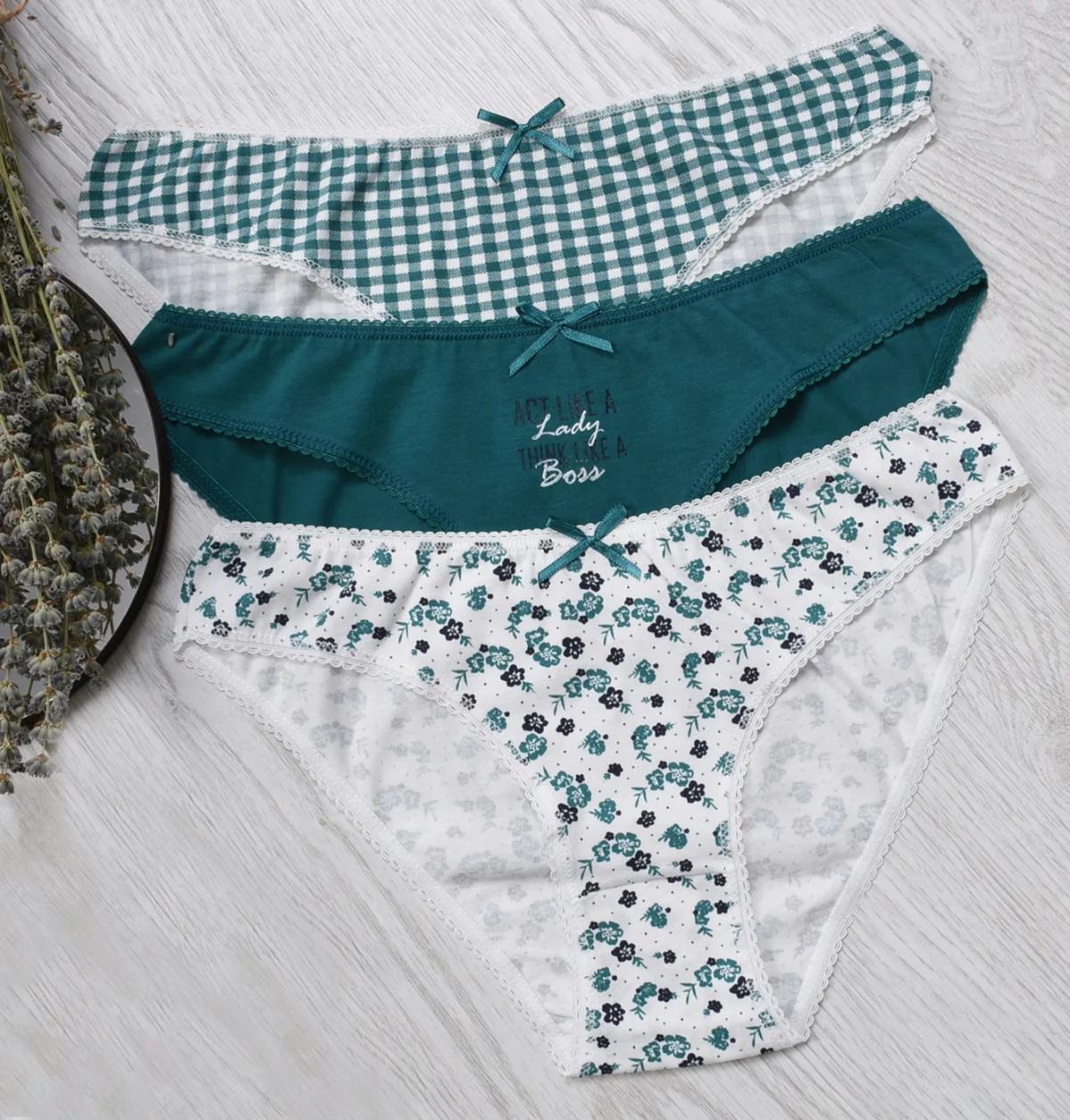
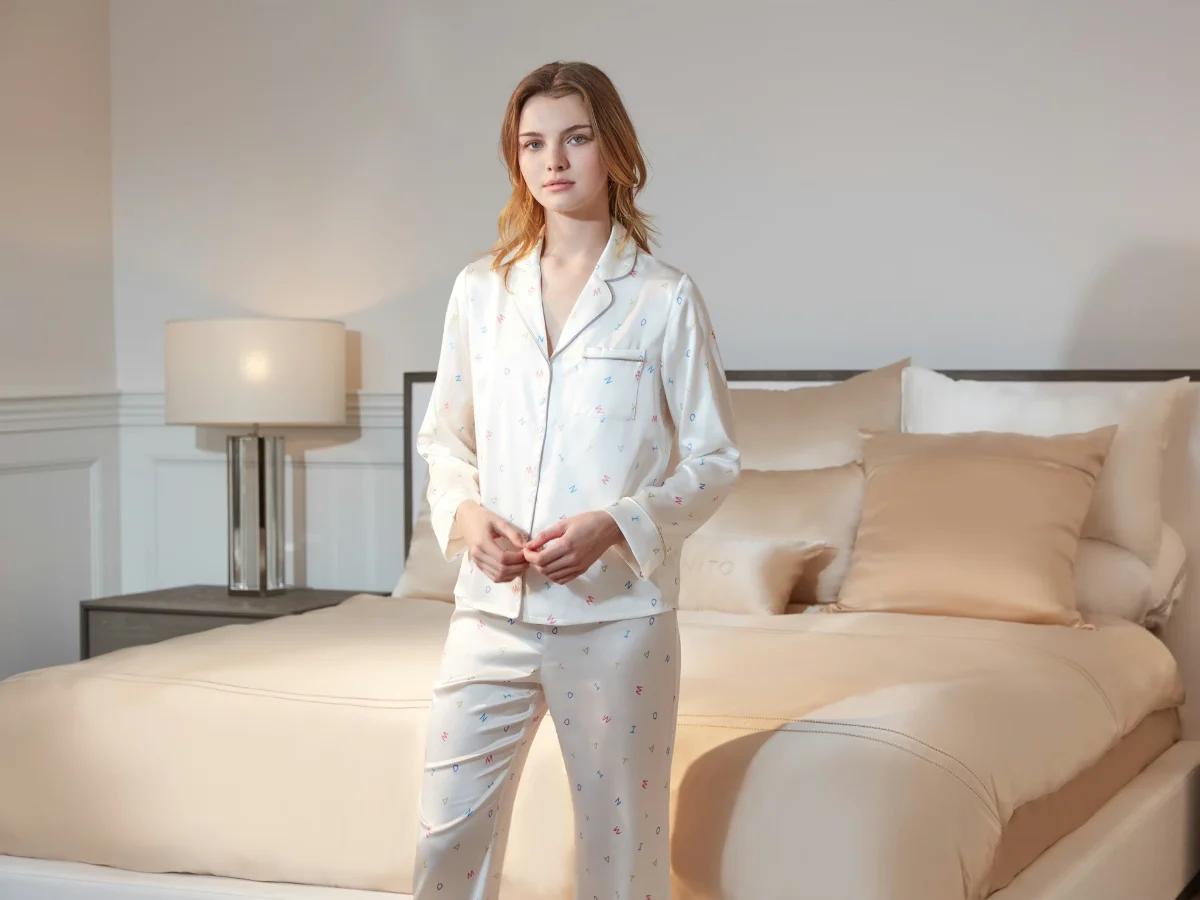
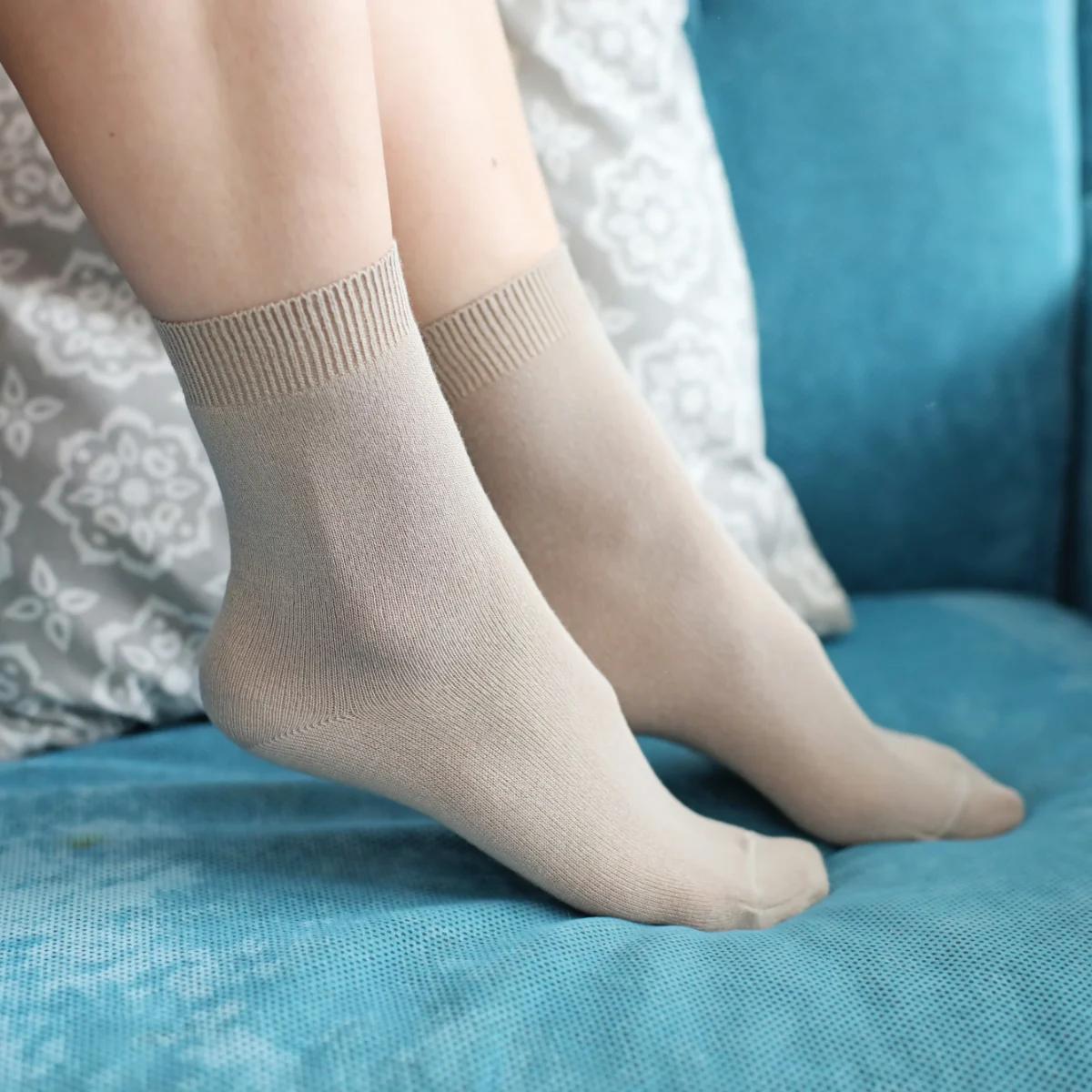
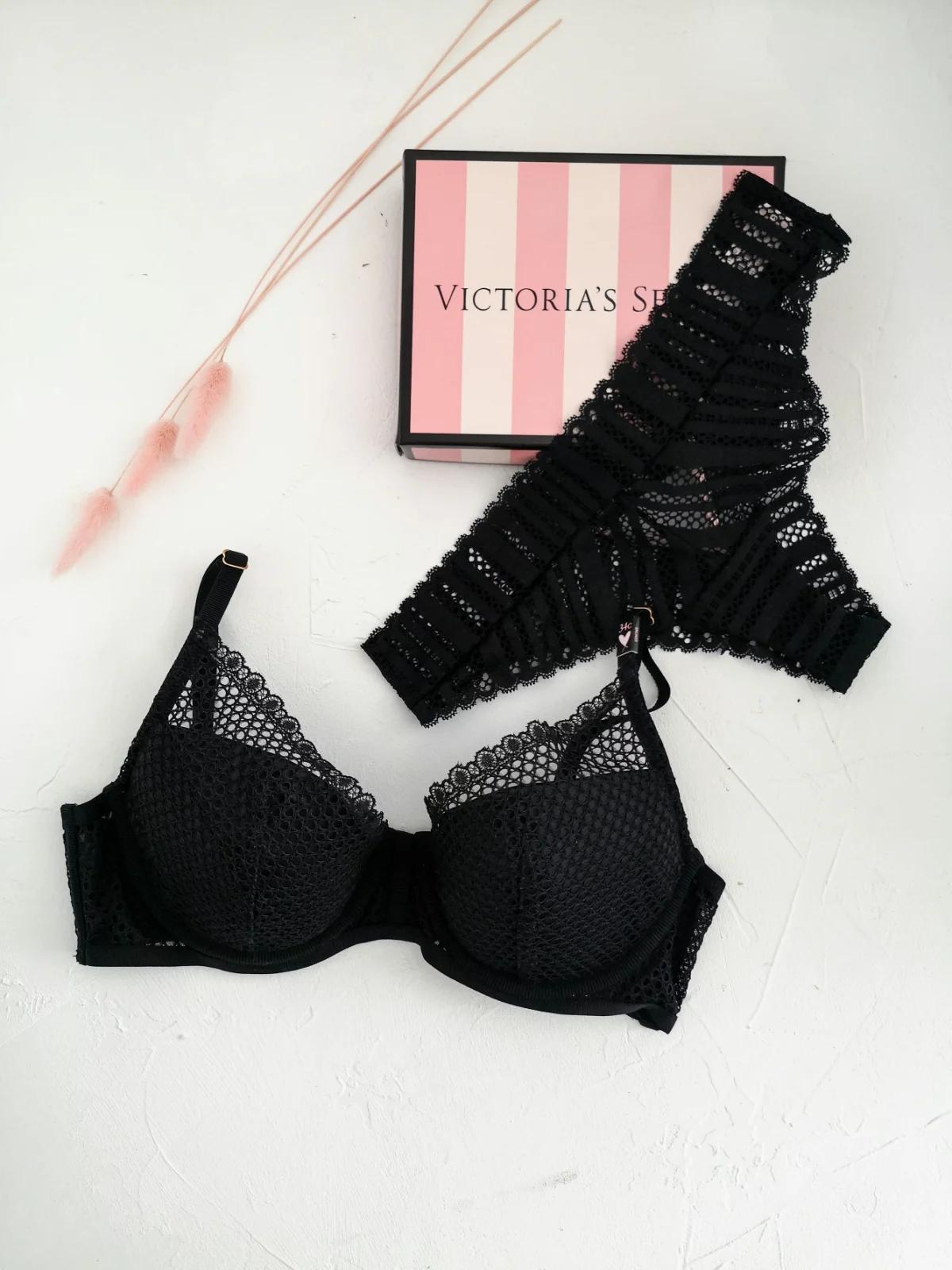
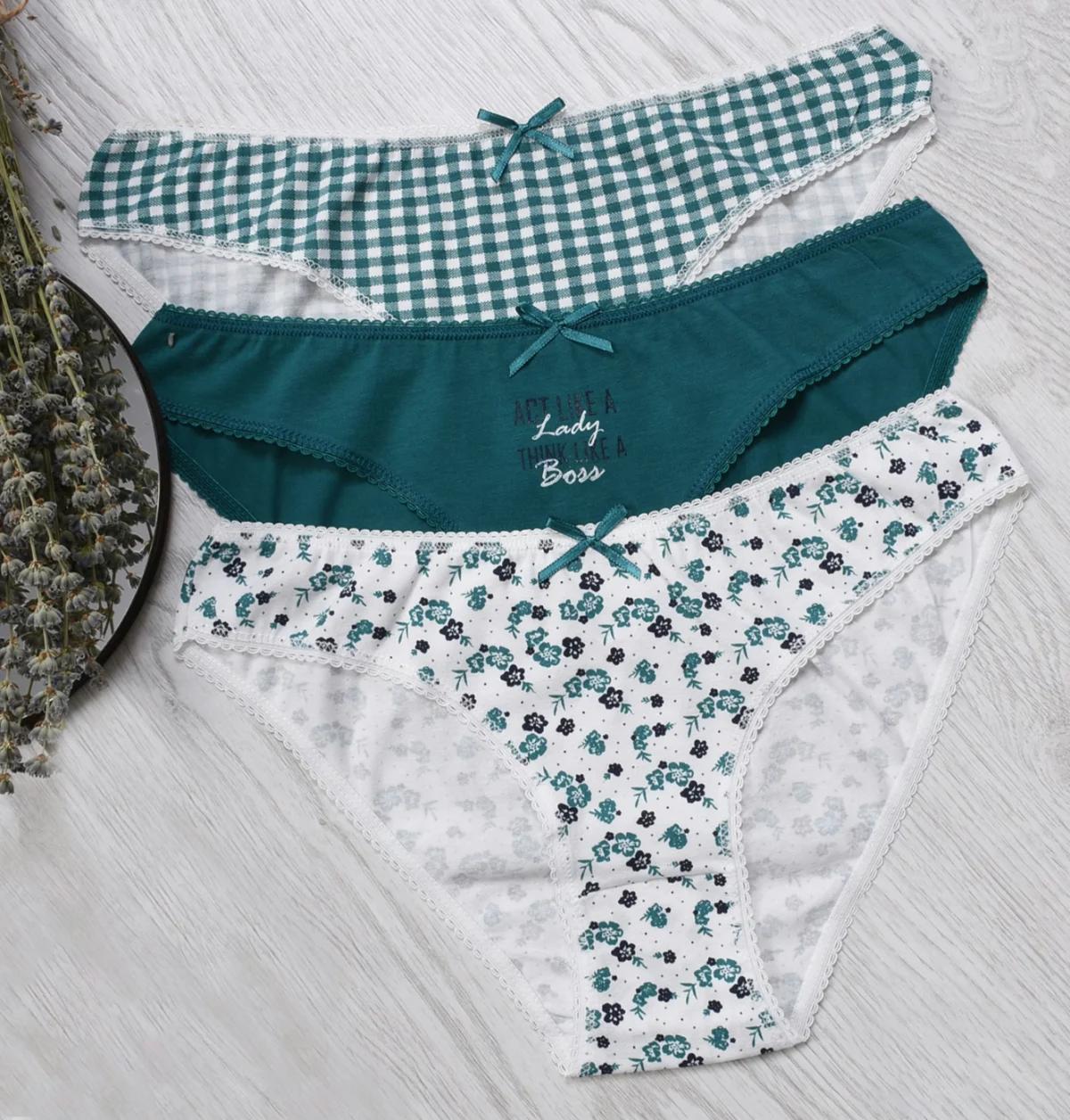
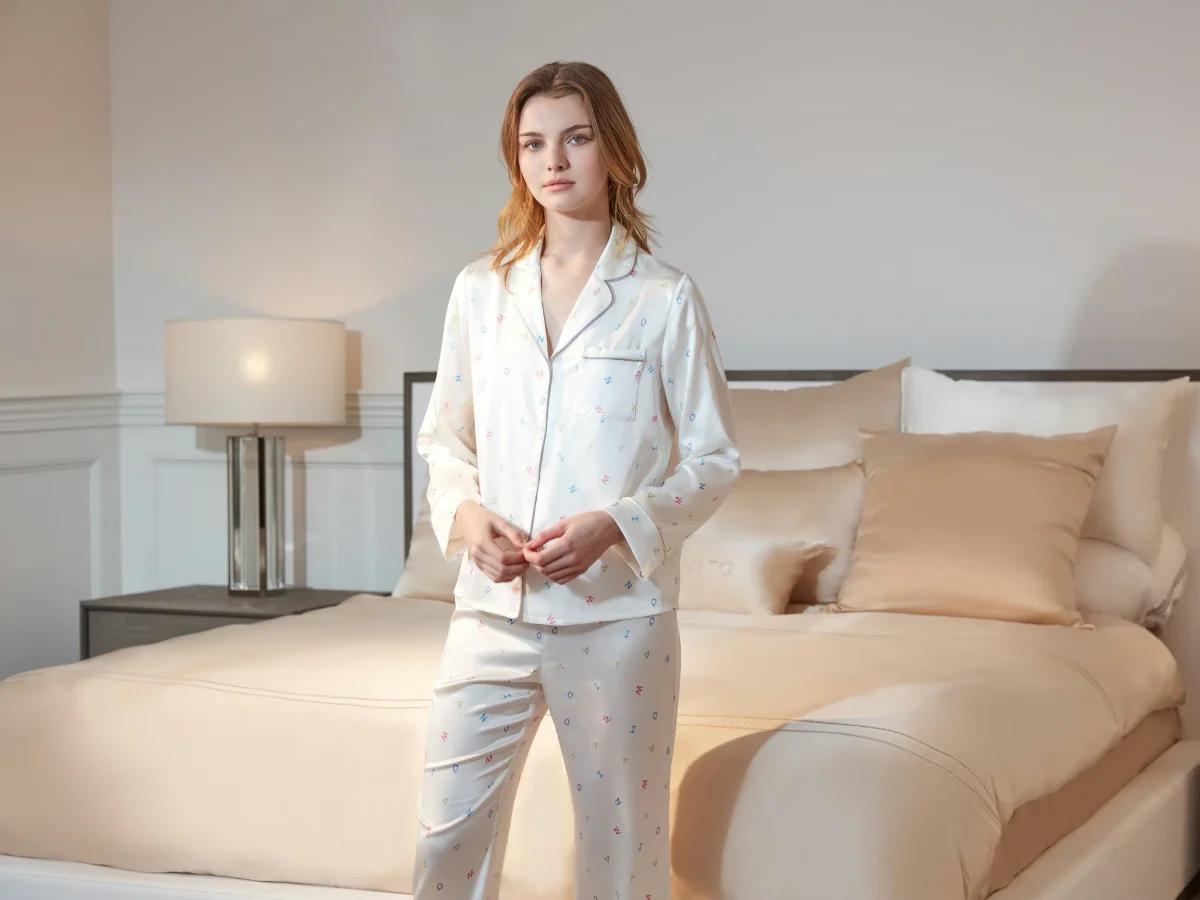
The homewear/loungewear industry encompasses the design, manufacturing, and distribution of casual, comfortable clothing designed primarily for wearing at home — pajamas, robes, loungewear sets, onesies, slippers, and casual athleisure pieces. The global sleepwear and loungewear market exceeds $45 billion, accelerated by remote work trends and the "comfort economy."
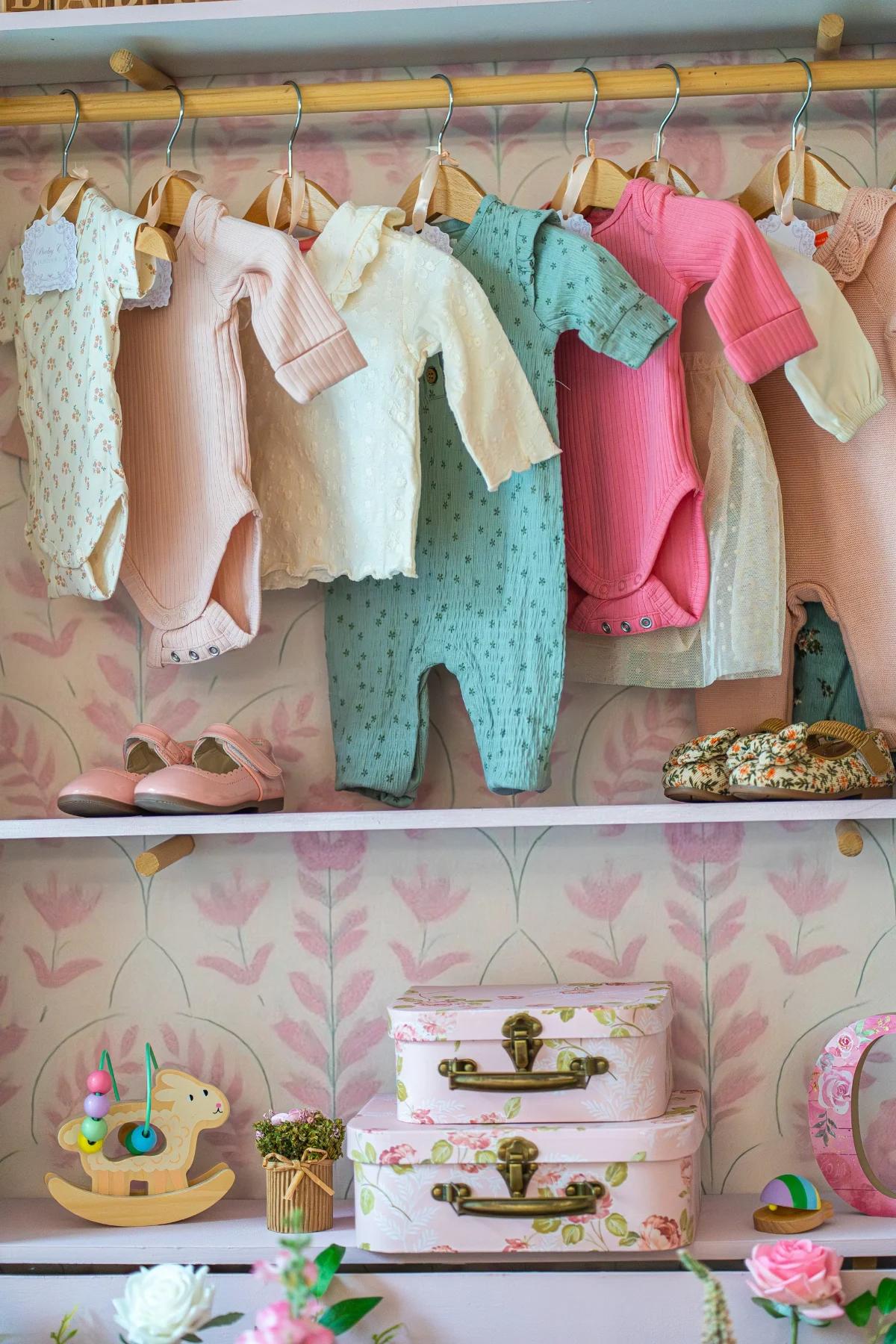
Major Product Categories: The homewear/loungewear category spans a range of price points from mass-market basics to luxury/premium offerings. Key segments include basic/essential products, fashion-forward designs, seasonal collections (summer weight vs. winter weight), functional/performance varieties, and specialty products for specific needs (medical, maternity, adaptive clothing). Materials, construction quality, and design differentiate market segments, with premium products emphasizing natural fibers, superior stitching, and design details.
Industry Characteristics: The homewear/loungewear industry is characterized by fashion seasonality, high SKU complexity (multiple sizes, colors, patterns), labor-intensive manufacturing, and strong private label presence through major retailers. E-commerce has transformed distribution, with direct-to-consumer brands (DTC) gaining significant market share through digital marketing and subscription models. Sustainability trends — organic cotton, recycled fibers, ethical manufacturing — are increasingly important differentiators.
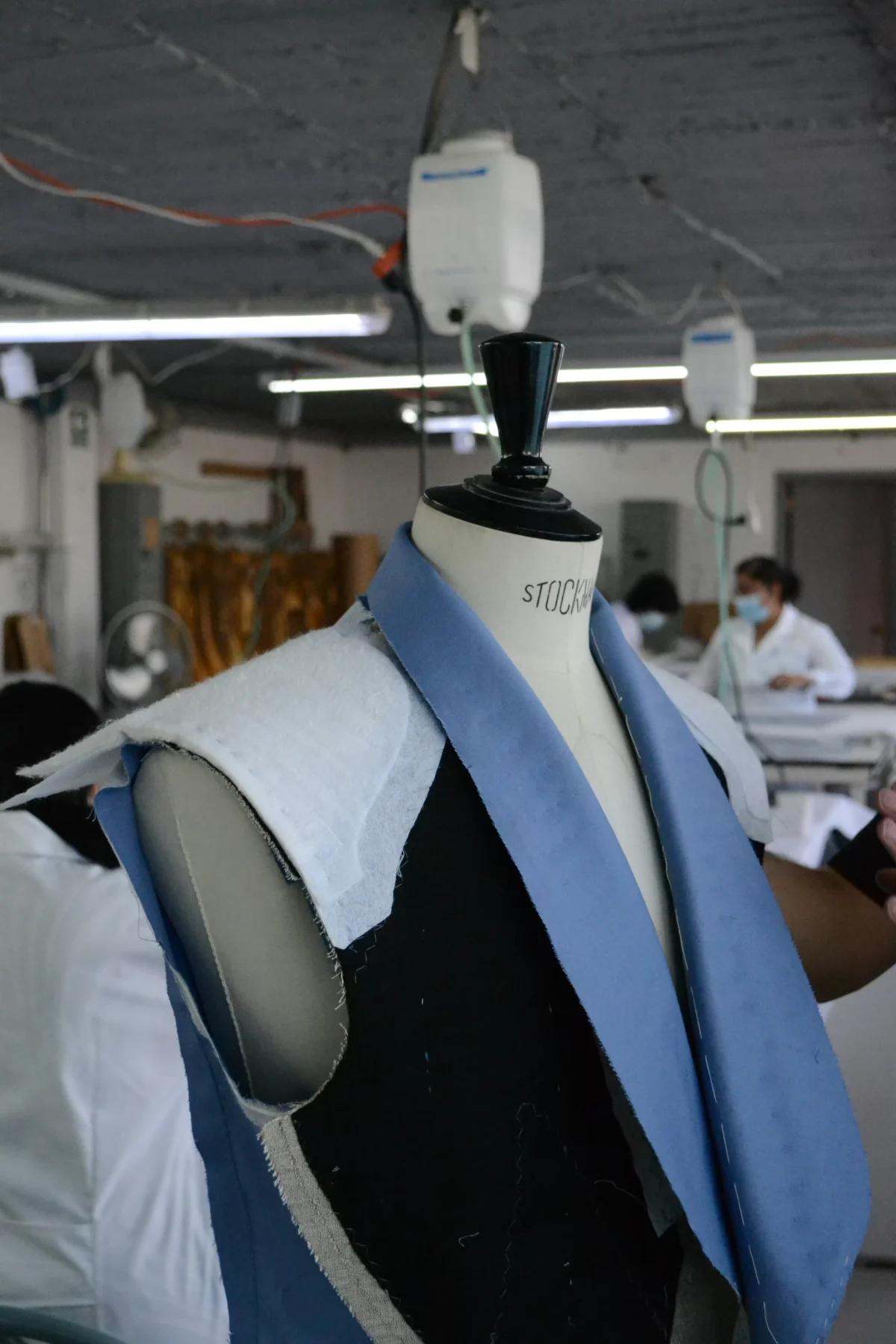
Homewear/Loungewear manufacturing combines textile engineering, garment construction expertise, and specialized machinery to produce products that balance comfort, durability, and aesthetics.
1. Primary Materials: soft, breathable, and comfortable — modal, bamboo viscose, Supima cotton, brushed microfiber, cashmere blends, and silk offer luxurious hand-feel. Antimicrobial treatments (silver ion, zinc-based) provide odor control for multi-day wear. Temperature-regulating fabrics (Outlast, 37.5 Technology) incorporate phase-change materials for thermal comfort.
2. Manufacturing Technologies: • Seamless knitting technology — producing garments with minimal seams for maximum comfort. • Digital printing — enables complex patterns and on-demand production without minimum order quantities. • Automated cutting systems — laser and computer-controlled blade cutting for precision and fabric optimization. • Bonded/seamless construction — ultrasonic welding and adhesive bonding for smooth, chafe-free garments. • 3D knitting — producing complete garments directly from yarn, eliminating cutting waste.
3. Quality Standards: • Colorfastness to washing, light, and perspiration (AATCC, ISO test methods). • Dimensional stability — shrinkage control through pre-shrinking and resin treatments. • Pilling resistance (Martindale or random tumble methods). • Seam strength and durability. • OEKO-TEX® Standard 100 certification for chemical safety. • Flammability standards — particularly critical for children''s sleepwear (16 CFR 1615/1616 in US, EN 14878 in EU).
Sourcing homewear/loungewear products — whether for a retail chain, e-commerce brand, hospitality group, or corporate uniform program — requires attention to material quality, sizing consistency, compliance, and total cost.
1. Material Quality & Hand Feel: Evaluate fabric samples for softness, drape, breathability, and pilling resistance. Natural fibers (cotton, modal, bamboo, silk, wool) command premium positioning but have different care requirements than synthetics. Blended fabrics offer balanced properties — e.g., cotton-modal blends for softness and durability.
2. Sizing & Fit Consistency: Inconsistent sizing is the #1 cause of returns in apparel. Verify size charts, fit models, and grade rules for each target market. Request size set samples (one garment in each size) before production. Specify acceptable measurement tolerances (±0.5 inch for key measurements).
3. Compliance & Labeling: • Fiber content labeling per FTC (US), EU Textile Regulation, or local requirements. • Care labeling — washing, drying, ironing, and dry cleaning instructions. • Country of origin marking. • Children''s product safety — CPSIA compliance (US), EN 71 (EU), including lead, phthalates, small parts, and drawstring requirements.
4. Production & Quality Control: • Pre-production samples — approve materials, construction, and labeling before cutting. • In-line inspection during production catches issues early. • Final random inspection (FRI) per AQL 2.5 or tighter for premium products. • Packaging requirements — retail-ready packaging, hang tags, barcode labels, and polybag specifications (with suffocation warning where required).
5. Sustainability & Ethical Manufacturing: Verify certifications — GOTS (organic textiles), OEKO-TEX®, BCI (Better Cotton Initiative), Fair Trade, WRAP, BSCI, or SMETA. Consumers and regulators increasingly demand supply chain transparency and proof of ethical labor practices.
The global Homewear/Loungewear industry has a distinct geographic footprint, with production concentrated in regions that combine raw material access, manufacturing expertise, labor cost advantages, and proximity to end-use markets.
1. China: Dominant manufacturing hub for all categories of homewear — cotton, modal, silk, and synthetic blends. Major production clusters in Guangdong, Zhejiang, and Jiangsu.
2. India & Bangladesh: Significant cotton-based homewear and sleepwear production.
3. Turkey: Growing hub for premium cotton homewear and loungewear — quick-turnaround, near-shoring advantage for European markets.
4. Vietnam & Cambodia: Increasingly important for mid-to-premium homewear production with improving quality and compliance standards.
Strategic Implications: The Homewear/Loungewear industry continues to evolve as supply chains diversify. Buyers should maintain multi-country sourcing strategies that balance cost, quality, lead time, and geopolitical risk. Understanding regional specialization — which countries excel at which product segments — is essential for making informed procurement decisions. The trend toward sustainability certifications (OEKO-TEX, GOTS, bluesign, GRS) and transparent supply chains is reshaping competitive dynamics, with manufacturers who invest in compliance and traceability gaining preferential access to premium markets.