



VerityRank

Company Rankings in the Kids & Baby Clothing Industry

HomeTextile & ApparelCompany Rankings in the Kids & Baby Clothing Industry

Welcome to Verity Rank's global “Company Rankings in the Kids & Baby Clothing Industry.” This list cuts through the marketing noise by quantifying key metrics—financial performance, market share, consumer sentiment, search popularity, and supply chain robustness—to deliver the most authoritative and transparent view of top brands’ real strength. Our neutral rankings are synthesized from third-party authoritative sources, including government statistics, academic research, and AI-powered market analysis. Results are for reference and insight purposes only.

Top 10 Rankings

2026.05 Edition
1
Carter's, Inc.

Carter's, Inc.

Carter's, Inc. is the leading vertically integrated children's apparel and infant products group in the U.S. and North American market, operating three core brands: Carter's, OshKosh B'gosh, and Skip Hop. The company is entirely focused on the 0-14 age demographic, offering a comprehensive range from baby clothing and everyday wear to kids' gear and accessories. Through an omnichannel network combining company-owned stores, wholesale partnerships, and e-commerce, its products achieve deep market penetration in North America, reaching an estimated two-thirds of U.S. families with newborns. For fiscal 2024, the company generated sales of $2.94 billion. Despite near-term market headwinds, it has maintained healthy profitability and market dominance through strong supply chain management, cost control, and deep-rooted brand equity, standing as a prime example of a “national brand” and cash-generative enterprise in the children's wear sector.

Strengths: Carter's core strengths are its unrivaled market dominance and exceptional household penetration in North American children's apparel, which has created a near-monopolistic distribution network and solidified its position as the default brand choice for consumers; concurrently, its outstanding value proposition, built through vertical integration and scaled global sourcing, combined with a multi-brand portfolio addressing all age groups and scenarios, ensures high customer lifetime value and a resilient business foundation.

Weaknesses: Carter's main weaknesses stem from the structural challenge of persistently declining birth rates in its core North American market, which directly constrains its long-term market size potential; simultaneously, its traditional, practical brand image faces challenges in appealing to fashion-conscious and individuality-seeking younger parents, and it finds it difficult to replicate its domestic channel and branding advantages in international markets, hindering growth breakthroughs abroad.

Brand

Carter's

Founded

1865

Workforce

18K+

Presence

20+ Countries

Headquarters

United States

Market

NYSE:CRI

Key Product Categories
Baby Clothing (0-24 Months) BrandsChildren's Shoes IndustryBackpacks IndustrySpecialty Bags IndustryBasic Hosiery IndustryKids & Baby Clothing IndustryChildren's Clothing (For Ages 2-12) BrandsChildren's Shoes IndustryBackpacks IndustrySpecialty Bags IndustryBaby Clothing (0-24 Months) BrandsChildren's Shoes IndustryBackpacks IndustrySpecialty Bags IndustryBasic Hosiery IndustryKids & Baby Clothing IndustryChildren's Clothing (For Ages 2-12) BrandsChildren's Shoes IndustryBackpacks IndustrySpecialty Bags Industry
2
H & M Hennes & Mauritz AB

H & M Hennes & Mauritz AB

H&M Hennes & Mauritz AB (Ticker: HM-B) is a Swedish-origin global pioneer and leader in the fast-fashion industry. Listed on Nasdaq Stockholm, this global apparel retail giant operates on a core business model of rapidly translating the latest fashion trends into affordable merchandise via a powerful global design, sourcing, and supply chain network (collaborating with ~800 suppliers). Through its flagship H&M brand, sold via company-owned stores (4,367 stores across 70+ markets) and online channels, it offers a "one-stop" full range of fashion products including menswear, womenswear, children's wear, underwear, loungewear, footwear, accessories, and home textiles for all ages. With net sales of SEK 236 billion (~USD 22B) in FY2024, its scale, speed, and concept of "democratic fashion" have profoundly shaped global consumption patterns.

Strengths: H&M's core strengths are its unparalleled scale of global retail network and exceptionally high brand recognition, which create formidable distribution barriers and market penetration; concurrently, its mature, efficient global supply chain and rapid-response business model enable it to commercialize trends and deliver products worldwide with remarkable speed.

Weaknesses: H&M's main weaknesses stem from intense competitive pressure from ultra-fast-fashion e-commerce players like Shein and Temu regarding price, speed-to-market, and digital marketing; simultaneously, as an industry benchmark, it continually faces stringent scrutiny and public skepticism over supply chain ethics and environmental sustainability, incurring high brand reputation management costs.

Brand

H&M Kids

Founded

1947

Workforce

140K+

Presence

70+ Countries

Headquarters

Sweden

Key Product Categories
Baby Clothing (0-24 Months) BrandsChildren's Shoes IndustryBackpacks IndustrySpecialty Bags IndustryBasic Hosiery IndustryKids & Baby Clothing IndustryChildren's Clothing (For Ages 2-12) BrandsChildren's Shoes IndustryBackpacks IndustrySpecialty Bags IndustryBaby Clothing (0-24 Months) BrandsChildren's Shoes IndustryBackpacks IndustrySpecialty Bags IndustryBasic Hosiery IndustryKids & Baby Clothing IndustryChildren's Clothing (For Ages 2-12) BrandsChildren's Shoes IndustryBackpacks IndustrySpecialty Bags Industry
3
Nike, Inc.

Nike, Inc.

Nike, Inc., headquartered in Oregon, USA, is a global leader in athletic apparel design and marketing, operating a capital-light model focused on branding, R&D, and channel management. Its core business covers the full spectrum of Sports & Outdoor Gear, with athletic footwear as its absolute cornerstone, deeply integrated with performance apparel and equipment & accessories to deliver complete solutions from basketball and running shoes to training gear. In 2025, the company generated approximately $46.31 billion in global revenue, employed over 78,000 people, and operated across 170 countries. Despite facing market competition and strategic transformation pressures, its technological expertise in sports like basketball and running, combined with its global brand influence, remains at the industry's pinnacle.

Strengths: Nike's core strength lies in its formidable brand moat, built upon top athlete endorsements, revolutionary cushioning technologies (Air/ZoomX), and cultural icons (Air Jordan). Leveraging a mature supply chain of over 540 partner factories and a brand strength index of 94.7, it consistently dictates technical standards and trends in athletic footwear and apparel.

Weaknesses: Nike's main weaknesses include underperformance in its direct-to-consumer (Nike Direct) channel and inventory pressures impacting profit margins. It faces significant market share erosion in the running segment from emerging brands like Hoka and On, alongside intense competition in Greater China from local players like Anta and Li-Ning, necessitating a renewed focus on product innovation and channel relationships to stabilize its market position.

Brand

Nike

Founded

1964

Workforce

80K+

Presence

190+ Countries

Headquarters

United States

Market

NYSE:NKE

Key Product Categories
Baby Clothing (0-24 Months) BrandsChildren's Shoes IndustryBackpacks IndustrySpecialty Bags IndustryBasic Hosiery IndustryKids & Baby Clothing IndustryChildren's Clothing (For Ages 2-12) BrandsChildren's Shoes IndustryBackpacks IndustrySpecialty Bags IndustryBaby Clothing (0-24 Months) BrandsChildren's Shoes IndustryBackpacks IndustrySpecialty Bags IndustryBasic Hosiery IndustryKids & Baby Clothing IndustryChildren's Clothing (For Ages 2-12) BrandsChildren's Shoes IndustryBackpacks IndustrySpecialty Bags Industry
4
Fast Retailing Co., Ltd. - Unique Clothing Warehouse

Fast Retailing Co., Ltd. - Unique Clothing Warehouse

Fast Retailing Co., Ltd. is a globally leading apparel retail group headquartered in Tokyo, Japan, listed on the Tokyo Stock Exchange. It employs a unique SPA model integrating merchandise planning to retail, managing brands like UNIQLO and GU focused on high-value basic apparel. Operating in 25+ countries with 3,600+ stores, it utilizes ~200 partner factories and 10 distribution centers. 2024 revenue reached ¥2.3 trillion (~$15 billion) with ~30,000 employees, with UNIQLO international contributing 50% of revenue. Leveraging its efficient SPA model, continuous fabric innovation, and disciplined global expansion, it maintains significant leadership in the global apparel retail market.

Strengths: Fast Retailing's core strengths are its unique SPA model enabling end-to-end control from design to retail, providing rapid response (13-day product turnaround) and excellent cost efficiency; sustained product innovation with exclusive fabric patents like HEATTECH and AIRism creating distinct differentiation; and stable global operations deeply penetrating markets through 3,600+ directly-operated stores.

Weaknesses: Fast Retailing faces intense market competition from fast-fashion rivals and e-commerce platforms squeezing its market share; rising cost pressures from raw materials, labor, and logistics expenses impacting profitability; sustainability transitions impose ongoing demands for investments in eco-materials and supply chain responsibility.

Brand

Uniqlo

Founded

1984

Workforce

30K+

Presence

25+ Countries

Headquarters

Japan

Key Product Categories
Baby Clothing (0-24 Months) BrandsChildren's Shoes IndustryBackpacks IndustryFunctional Wear IndustryFunctional Socks IndustryKids & Baby Clothing IndustryChildren's Clothing (For Ages 2-12) BrandsChildren's Shoes IndustryBackpacks IndustryFunctional Wear IndustryBaby Clothing (0-24 Months) BrandsChildren's Shoes IndustryBackpacks IndustryFunctional Wear IndustryFunctional Socks IndustryKids & Baby Clothing IndustryChildren's Clothing (For Ages 2-12) BrandsChildren's Shoes IndustryBackpacks IndustryFunctional Wear Industry
5
The Walt Disney Company

The Walt Disney Company

The Walt Disney Company is a globally leading diversified entertainment and media conglomerate headquartered in Burbank, California, USA, and listed on the New York Stock Exchange (DIS). As a Dow Jones Industrial Average component, its core business lies in creating and operating the world's top film and television IPs (spanning Disney, Marvel, Star Wars, Pixar, etc.), upon which it has built a vast ecosystem covering media networks, theme parks and resorts, streaming, and consumer products licensing. In the consumer products sector, it employs an asset-light IP licensing model, distributing derivative merchandise like apparel, toys, and home goods through a global network of licensees. With group revenue reaching $88.9 billion in fiscal 2024, of which the Parks, Experiences and Products segment contributed over $32.3 billion, it is the undisputed leader and a symbol of emotional connection in the global cultural entertainment industry.

Strengths: Disney's core strengths are its globally most powerful and diversified portfolio of intellectual property assets, constituting a near-monopolistic competitive moat; concurrently, the flywheel effect of its "content creation - park experience - merchandise sales" drives deep synergy across business segments, creating immense ecosystem value and customer lifetime value, coupled with exceptional operational prowess in transforming local stories into global cultural phenomena.

Weaknesses: Disney's main weaknesses are the significant profitability challenges still facing its streaming business (Disney+, etc.), which is entrenched in an intense content arms race, making balancing subscriber growth with high content investment a major challenge; furthermore, as a vast corporate empire, its decision-making chains and organizational complexity can lead to innovation inertia, and its status as a global cultural beacon makes it highly susceptible to socio-political controversies, presenting significant challenges to brand reputation management.

Brand

The Walt Disney

Founded

1923

Workforce

231K+

Presence

200+ Countries

Headquarters

United States

Market

NYSE:DIS

Key Product Categories
Baby Clothing (0-24 Months) BrandsBackpacks IndustrySpecialty Bags IndustryBasic Hosiery IndustryKids & Baby Clothing IndustryInfant Clothing IndustryChildren's Clothing (For Ages 2-12) BrandsBackpacks IndustrySpecialty Bags IndustryBasic Hosiery IndustryBaby Clothing (0-24 Months) BrandsBackpacks IndustrySpecialty Bags IndustryBasic Hosiery IndustryKids & Baby Clothing IndustryInfant Clothing IndustryChildren's Clothing (For Ages 2-12) BrandsBackpacks IndustrySpecialty Bags IndustryBasic Hosiery Industry
6
adidas AG

adidas AG

adidas AG is a world-leading sportswear brand headquartered in Herzogenaurach, Germany. Its core business comprehensively covers athletic footwear, apparel, and gear, deeply engaging in Textile & Apparel categories including men's performance wear, women's activewear, swimwear, and kids' clothing. In 2025, revenue reached €24.811 billion, with ~62,000 employees globally and products sold in over 160 countries. Listed on the Frankfurt Stock Exchange (ADS), adidas continues to lead in performance and culture through core technologies like Boost and Primeknit, iconic Originals series, and sustainability initiatives such as Primeblue/Primegreen.

Strengths: adidas' core strengths lie in its deep technological heritage and dual-drive strategy: Boost and Lightstrike cushioning technologies build a professional moat, while Originals retro series and YEEZY collaborations lead sneaker culture; long-term partnerships with top football clubs like Real Madrid and Bayern Munich form brand equity moats; in China, 95% of products are locally produced and 60% locally designed, demonstrating agile responsiveness; sustainability leadership with Primeblue/Primegreen materials widely adopted.

Weaknesses: adidas' main weaknesses include heavy reliance on Asian supply chains (92% of production), exposing it to geopolitical and labor cost volatility; potential U.S. tariffs could increase annual costs by ~$200 million; hyperinflation in emerging markets like Argentina caused over €1 billion in currency translation losses; post-Yeezy inventory digestion and reshaping of the lifestyle portfolio require time; intense competition in running from emerging brands like Hoka and On.

Brand

adidas

Founded

1949

Workforce

62K+

Presence

160+ Countries

Headquarters

Germany

Market

FWB : ADS

Key Product Categories
Baby Clothing (0-24 Months) BrandsAthletic Shoes IndustryChildren's Shoes IndustryBackpacks IndustrySpecialty Bags IndustryBasic Hosiery IndustryChildren's Clothing (For Ages 2-12) BrandsAthletic Shoes IndustryChildren's Shoes IndustryBackpacks IndustryBaby Clothing (0-24 Months) BrandsAthletic Shoes IndustryChildren's Shoes IndustryBackpacks IndustrySpecialty Bags IndustryBasic Hosiery IndustryChildren's Clothing (For Ages 2-12) BrandsAthletic Shoes IndustryChildren's Shoes IndustryBackpacks Industry
7
The Gap, Inc.

The Gap, Inc.

100% Outsourced Production with In-House Design:
- Partner Factories: 800+ contract manufacturers across 41 countries (Vietnam/India account for 65%)
- No Owned Factories: Quality control relies on third-party inspection (2022 children's apparel recall involved 32,000 units)

Brand

Gap Kids & Baby

Founded

1969

Workforce

82K+

Presence

40+ Countries

Headquarters

United States

Market

NYSE:GAP

Key Product Categories
Baby Clothing (0-24 Months) BrandsChildren's Shoes IndustryBackpacks IndustrySpecialty Bags IndustryBasic Hosiery IndustryKids & Baby Clothing IndustryChildren's Clothing (For Ages 2-12) BrandsChildren's Shoes IndustryBackpacks IndustrySpecialty Bags IndustryBaby Clothing (0-24 Months) BrandsChildren's Shoes IndustryBackpacks IndustrySpecialty Bags IndustryBasic Hosiery IndustryKids & Baby Clothing IndustryChildren's Clothing (For Ages 2-12) BrandsChildren's Shoes IndustryBackpacks IndustrySpecialty Bags Industry
8
Zhejiang Semir Garment Co., Ltd - Balabala

Zhejiang Semir Garment Co., Ltd - Balabala

“Balabala,” a brand under Zhejiang Semir Garment Co., Ltd., is China's largest and most comprehensive professional children's wear brand, positioned as a lifestyle brand covering "all categories, all age groups (0-14), and all consumption scenarios." Operating a business model integrating in-house design, hybrid sourcing/production, and omnichannel retail, its product portfolio fully spans apparel, footwear, accessories, and kids' gear. Leveraging an unparalleled distribution network of over 4,000 offline stores in China and leading e-commerce presence, Balabala's estimated annual retail sales reach RMB 15-18 billion, consistently ranking first in market share and defining mass-market children's wear consumption in China.

Strengths: Balabala's core strengths are its unrivalled depth and breadth of channel coverage in the Chinese market, which builds a formidable competitive barrier; concurrently, its complete full-category product matrix and efficient supply chain agility enable it to meet children's all-scenario dressing needs and have established profound brand trust as "professional, safe, and high-value-for-money" among mass-market families.

Weaknesses: Balabala's main weaknesses are the challenges it faces in brand premiumization and enhancing product value due to its long-standing mass-market positioning; simultaneously, competition with international and online brands has intensified post the peak of online traffic dividend, and its international operational capabilities still need to be verified to break through the growth ceiling.

Brand

Semir Garment Co.

Founded

1996

Workforce

4K+

Presence

20+ Countries

Headquarters

China

Key Product Categories
Baby Clothing (0-24 Months) BrandsChildren's Shoes IndustryBackpacks IndustrySpecialty Bags IndustryBasic Hosiery IndustryKids & Baby Clothing IndustryBaby Clothing (0-24 Months) ManufacturersChildren's Shoes IndustryBackpacks IndustrySpecialty Bags IndustryBaby Clothing (0-24 Months) BrandsChildren's Shoes IndustryBackpacks IndustrySpecialty Bags IndustryBasic Hosiery IndustryKids & Baby Clothing IndustryBaby Clothing (0-24 Months) ManufacturersChildren's Shoes IndustryBackpacks IndustrySpecialty Bags Industry
9
Goodbaby International Holdings Ltd.

Goodbaby International Holdings Ltd.

Goodbaby International Holdings Ltd. is a globally leading vertically integrated children's durable goods and parenting ecosystem group. It operates a dual-engine model of "Own Brand Manufacturing (OBM) + Original Design Manufacturing (ODM)," housing brands like Goodbaby (gb), Cybex, and Evenflo. Its business spans the full spectrum of children's lifestyle, including mobility (strollers, car seats), home & care products, and apparel. Listed in Hong Kong, its core barrier is its globally integrated R&D and Industry 4.0 manufacturing network. In 2024, the group's revenue reached approximately HK$9.42 billion, with the "Children's Apparel, Footwear, and Accessories" segment contributing HK$1.38 billion, serving as a crucial synergistic business and traffic entry point within its "product + service" parenting ecosystem.

Strengths: Goodbaby Group's core strengths are its world-class vertically integrated R&D and smart manufacturing capabilities, which have built formidable technological and safety standard barriers in children's durables (e.g., strollers, car seats); concurrently, its powerful brand equity of "safety, professionalism, and trustworthiness" naturally extends to highly related categories like children's wear, and its unique "hardware (durables) + soft goods (apparel)" scenario solutions enhance customer stickiness and average order value.

Weaknesses: Goodbaby Group's main weaknesses are that its brand and operational system are better suited for durable goods, making it challenging to compete in the fast-paced, fashion-driven daily children's wear market where its brand perception is considered more "heavy," and its design and supply chain agility face tests; simultaneously, managing the coordinated development and resource allocation of children's wear across its multi-brand portfolio (e.g., gb, Cybex) is complex.

Brand

Goodbaby International Holdings

Founded

1989

Workforce

12K+

Presence

100+ Countries

Headquarters

China

Market

SEHK : 01086

Key Product Categories
Baby Clothing (0-24 Months) ManufacturersChildren's Shoes IndustryBackpacks IndustrySpecialty Bags IndustryBasic Hosiery IndustryKids & Baby Clothing IndustryKids & Baby Clothing BrandsChildren's Shoes IndustryBackpacks IndustrySpecialty Bags IndustryBaby Clothing (0-24 Months) ManufacturersChildren's Shoes IndustryBackpacks IndustrySpecialty Bags IndustryBasic Hosiery IndustryKids & Baby Clothing IndustryKids & Baby Clothing BrandsChildren's Shoes IndustryBackpacks IndustrySpecialty Bags Industry
10
Mothercare plc

Mothercare plc

Mothercare plc is a classic UK-origin maternity and baby brand that has transformed into a capital-light global brand licensor and online retailer. The company owns and operates the Mothercare brand IP, conducting business via licensing agreements in approximately 40 countries and regions, with a core focus on the expectant mothers, newborns, and young children (0-4 years) market. Its product lines center on baby clothing, maternity wear, and nursery products, with direct online sales via its UK official website. Following major restructuring, the company has divested all its owned physical stores. Industry estimates place the global retail sales generated by its licensing business between £120-150 million, as it strives to rejuvenate this brand with deep historical heritage for the digital age.

Strengths: Mothercare's core strengths are its deep brand heritage and professional trust built over decades in the maternity and newborn sectors, possessing unique emotional value particularly among UK families; concurrently, its post-transformation capital-light licensing model has freed it from high physical operating costs, significantly reduced risk, and allowed greater focus on its core competitive niche of newborns and young infants.

Weaknesses: Mothercare's main weaknesses are its severely aging brand image, which lacks appeal to younger parents seeking fashion and digital experiences; simultaneously, its pure licensing model results in weak control over product quality, end-customer experience, and brand consistency across different regions, and its market share has significantly shrunk, facing the risk of marginalization in intense competition.

Brand

Mothercare

Founded

1961

Workforce

3.7K+

Presence

40+ Countries

Headquarters

United Kingdom

Market

LSE : MTC
Key Product Categories
Kids & Baby Clothing BrandsMaternity Wear IndustryKids & Baby Clothing IndustryInfant Clothing IndustryChildren's Everyday Wear IndustryFunctional Wear IndustryKids & Baby Clothing BrandsMaternity Wear IndustryKids & Baby Clothing IndustryInfant Clothing IndustryChildren's Everyday Wear IndustryFunctional Wear Industry

Frequently Asked Questions

What exactly is the Kids & Baby Clothing Industry, and what products does it cover?
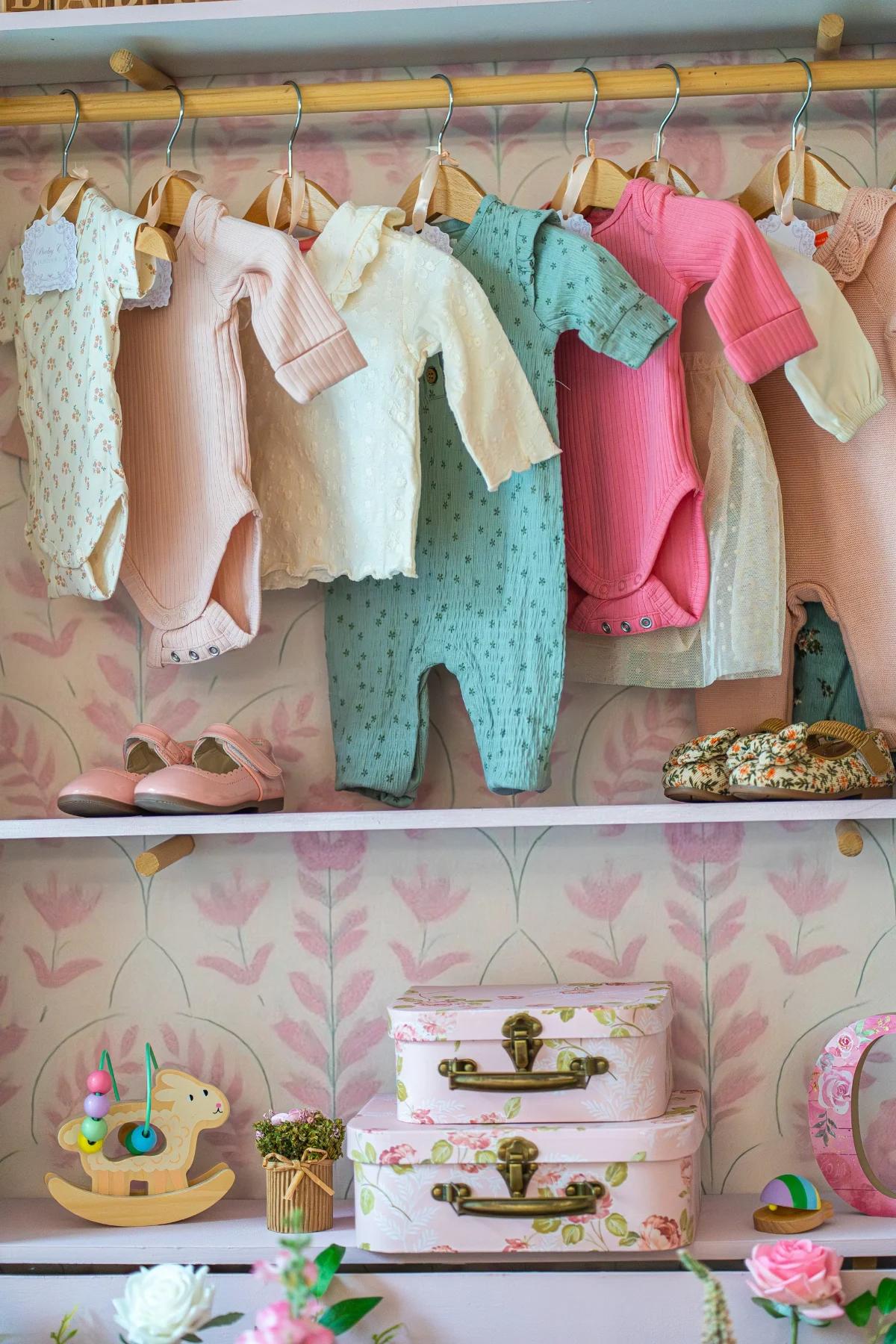
The Kids & Baby Clothing Industry encompasses all apparel and related accessories specifically designed for children from birth to approximately 12 years old. It’s segmented by age and function: Infant Clothing (0-24 months) like bodysuits and sleep sacks; Everyday Wear (2-12 years) including tops, dresses, and sets; Functional Wear with sun-protection and quick-dry features; School Uniforms; Accessories such as bibs and shoes; and Occasion-Specific Outfits like party dresses or cultural attire. It’s a vital sector combining fashion, safety, comfort, and constant growth to meet evolving family needs.
What are the key differences between the kidswear market and the adult apparel market?
The kidswear market is fundamentally distinct due to its dual customer dynamic: the child (user) and the parent (purchaser). This drives a paramount focus on safety, comfort, and durability over pure fashion. Regulations on materials (e.g., flame resistance, chemical safety) are stricter. Growth is non-discretionary and driven by constant physical growth of children, leading to recurring purchases. Additionally, product categories are unique (e.g., swaddles, onesies, school uniforms), and marketing often targets parental values like trust, educational themes, or sustainability.
What roles do international brands, domestic brands, and manufacturer brands play in this industry?
They form the ecosystem’s key layers. International Brands (e.g., Carter’s, Nike Kids) set global trends, leverage strong brand equity, and often command premium pricing. Domestic Brands (e.g., Balabala in China) excel in deep local market understanding, rapid adaptation, extensive distribution networks, and dominating market share in their home regions. Manufacturer Brands (e.g., Goodbaby) are the industrial backbone, driving innovation in functional fabrics and safety technology. They often operate both as key suppliers (OEM\/ODM) to other brands and as competitive consumer brands themselves, especially in specialized segments like infant care.
What are the most important trends shaping the Kids & Baby Clothing industry today?
Several key trends are reshaping the landscape: 1. Premiumization & Functionality: Parents increasingly invest in high-quality, technical apparel (UPF 50+, temperature-regulating, insect-repellent). 2. Sustainability: Demand for organic cotton, recycled materials, and ethical production is rising. 3. “Mini-Me” & Occasion Wear: Matching family outfits and specialized occasion wear (birthdays, festivals) are growth hotspots. 4. Safety & Smart Tech: Integration of smart features like GPS in safety vests or RFID in school uniforms is emerging. 5. Channel Integration: Seamless online-to-offline experiences and social commerce (via platforms like TikTok\/Douyin) are crucial for engagement.
What are the most critical factors to consider when choosing clothing for children?
Beyond style and price, priority should be given to: 1. Safety & Certifications: Look for products meeting strict safety standards (e.g., Oeko-Tex Standard 100, no choking hazards) from reputable brands. 2. Material & Comfort: Natural, breathable fabrics like high-grade cotton are essential for sensitive skin. Check for soft seams and non-irritating tags. 3. Fit & Functionality: Clothing should allow free movement and be appropriate for the activity\/weather (e.g., quick-dry for sports, warm layers for winter). 4. Ease of Care: Machine-washable and durable fabrics are practical for daily use. Always balance aesthetics with these fundamental aspects of child well-being.