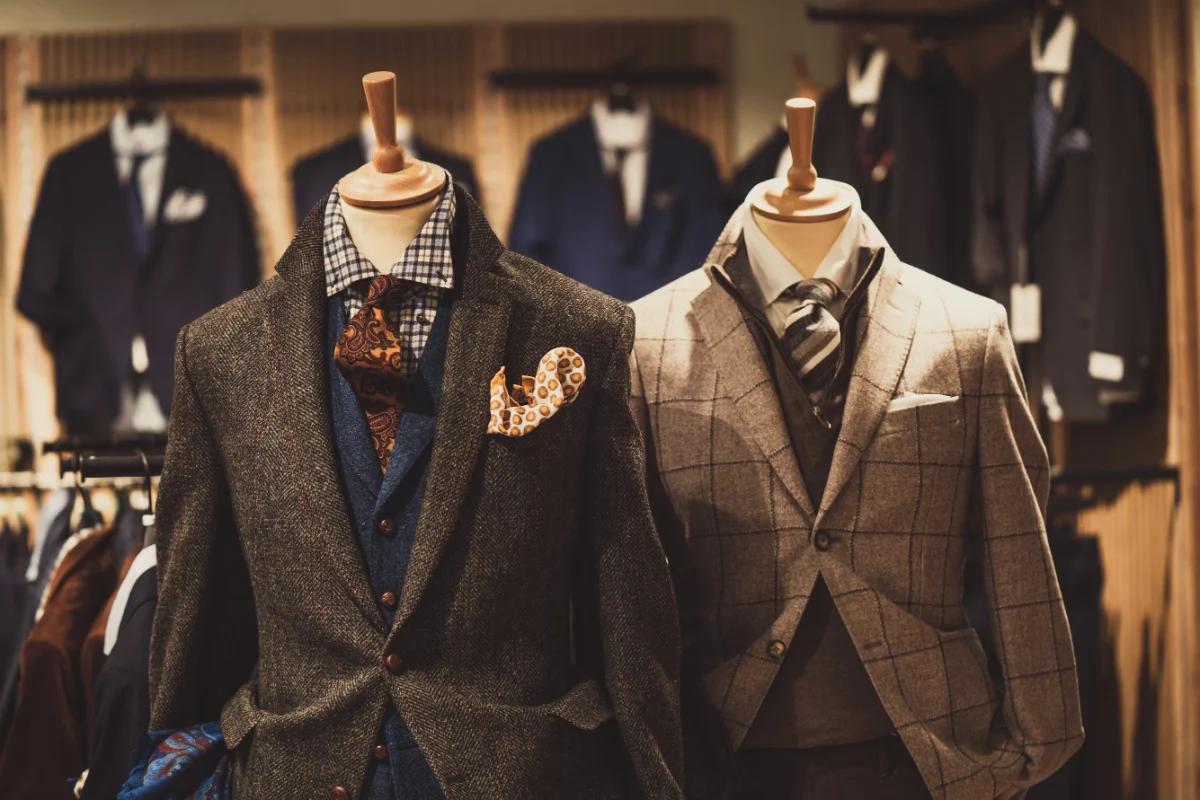
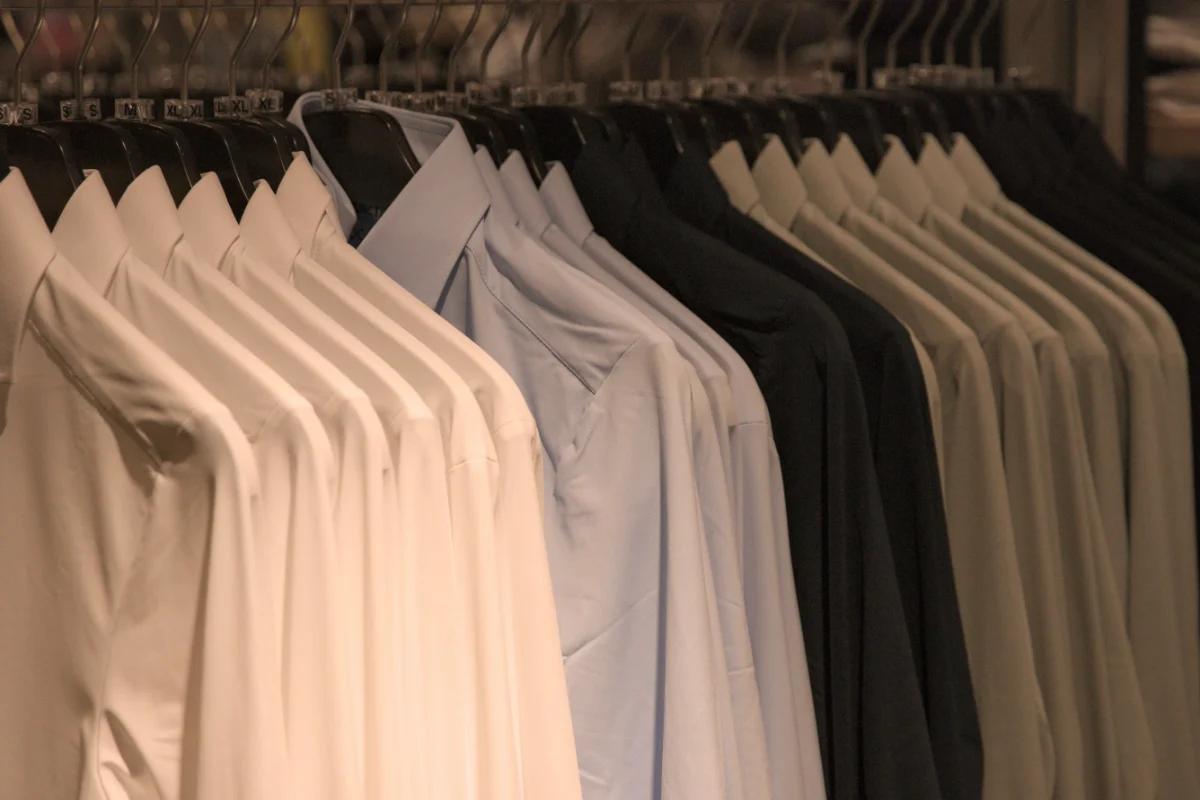
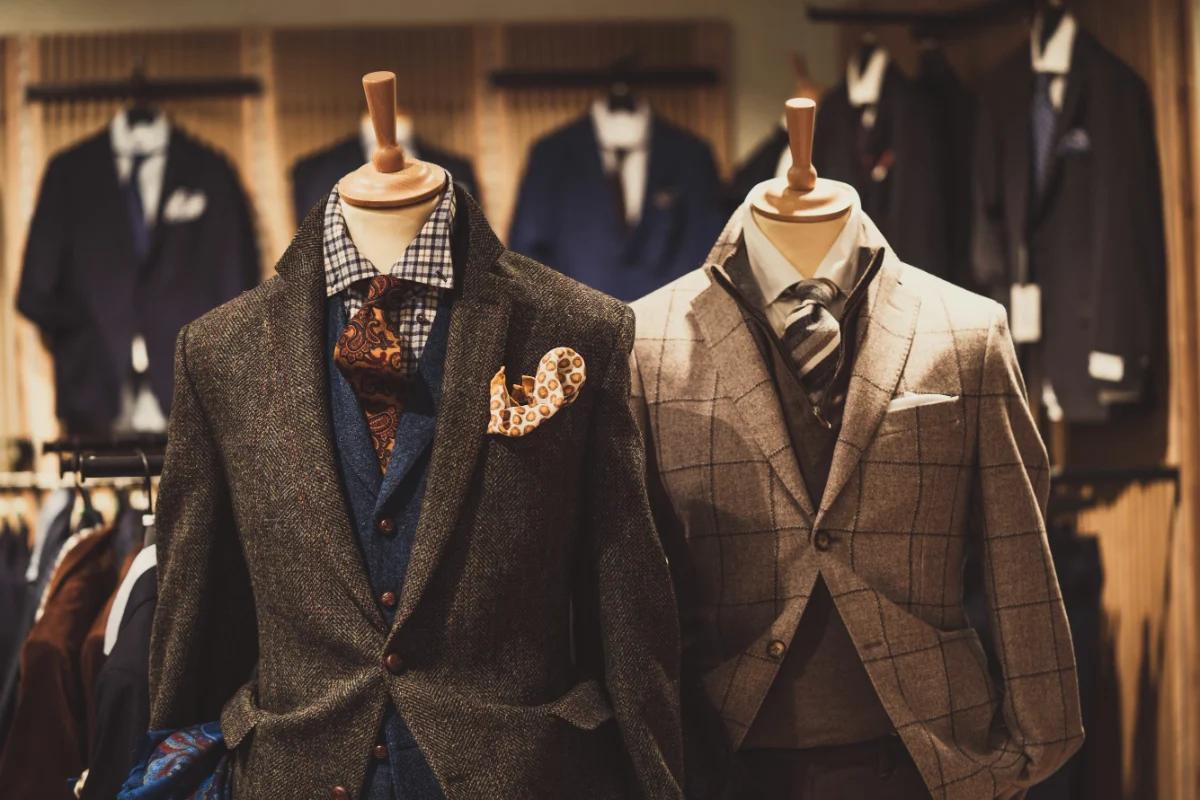
The Men's Clothing Industry encompasses the global business of designing, manufacturing, and selling apparel specifically for men. It’s a vast and segmented sector that goes beyond basic shirts and pants. The industry is systematically divided into several core categories: Men‘s Tops (including dress shirts, polos, and T-shirts), Outerwear (like jackets, coats, and hoodies), Bottoms (such as jeans, trousers, and shorts), Suits & Formalwear, and Sportswear & Performance Wear. Each category further branches into numerous sub-segments (e.g., oxford shirts, bomber jackets, chinos) catering to different styles, occasions, and functionalities, from daily casual wear and business attire to technical outdoor gear.
The industry's evolution is driven by a combination of consumer trends, technological innovation, and economic forces. Key drivers include: 1. Shifting Consumer Mindsets: Men are increasingly viewing clothing as a form of self-expression, fueling demand for personalization, niche styles, and brand values. 2. Performance & Innovation: Advancements in fabrics (e.g., moisture-wicking, temperature regulation, sustainable materials) blur the lines between casual, formal, and sportswear. 3. Digital Influence: Social media and e-commerce have revolutionized discovery, purchasing, and trend cycles. 4. The Rise of Hybrid Lifestyles: Demand for versatile clothing suitable for work-from-home, casual office, and leisure drives categories like “smart casual” and performance outerwear. Conversely, factors like economic uncertainty and supply chain disruptions pose significant challenges.
The market is structured around several distinct player types: 1. Luxury Conglomerates: Groups like LVMH and Kering own portfolio brands (e.g., Louis Vuitton, Gucci) focusing on high-margin, brand-driven products across all categories. 2. Vertical Luxury Brands: Companies like Ermenegildo Zegna and Brunello Cucinelli control their entire supply chain, specializing in premium materials (e.g., cashmere) and craftsmanship. 3. Premium/Lifestyle Brands: Brands like Ralph Lauren and Burberry balance heritage, design, and accessibility across a wide product range. 4. Fast Fashion Giants: Companies like Inditex (Zara) dominate through rapid trend replication and massive scale. 5. Sportswear Specialists: Nike, Adidas, and Anta focus on performance technology and athleisure. 6. Manufacturers/Wholesalers: Entities like PVH Corp. and Youngor operate brand portfolios and/or provide large-scale production services.
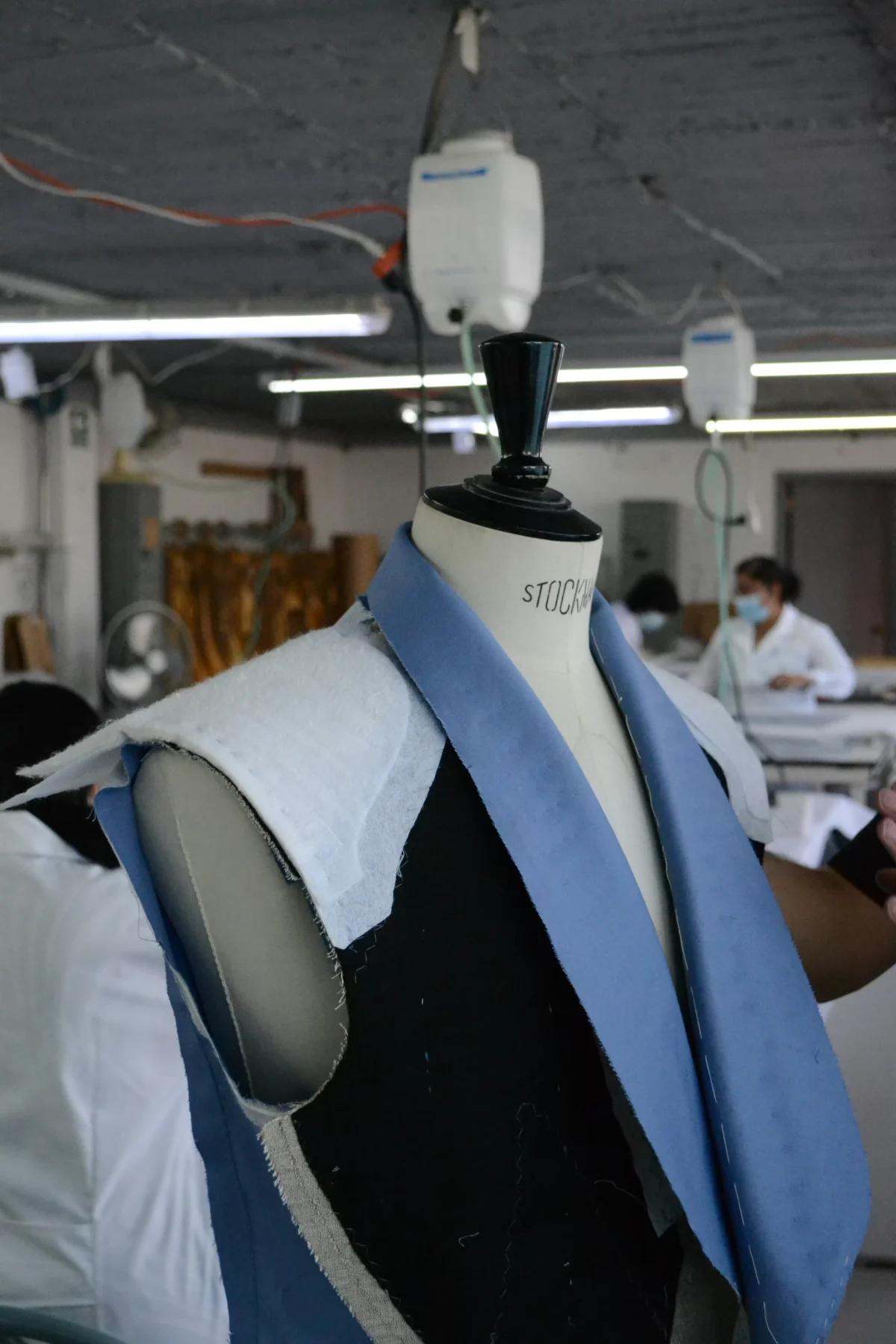
This distinction refers to who physically makes the clothes. In-House Production means a brand owns and operates its own factories (e.g., Hermès, Zegna), allowing for extreme quality control, protection of proprietary techniques, and supply chain secrecy, but requires massive capital investment. Contract Manufacturing (or Outsourcing) means a brand hires third-party factories to produce goods to its specifications (common for PVH, fast fashion). This offers flexibility, cost efficiency, and scalability. The choice profoundly impacts a brand’s identity: in-house production is often tied to luxury, craftsmanship, and exclusivity (justifying higher prices), while outsourcing enables speed and affordability. Many brands, like Gucci and Burberry, use a hybrid model, keeping core products in-house and outsourcing basics.
The future is being shaped by several converging trends: 1. Sustainability as Standard: Beyond a buzzword, it‘s becoming a core operational requirement, driving demand for recycled materials, circular business models (rental, repair), and full supply chain transparency. 2. Technology Integration: Wearable tech, smart fabrics with climate adaptation, and AI-driven personalization (fit, style) will become more prevalent. 3. Blurring of Categories: The lines between formal, casual, and technical sportswear will continue to dissolve, leading to more versatile, hybrid garments. 4. Direct-to-Consumer & Experience: Brands will strengthen DTC channels and focus on creating immersive experiences, both online and in flagship stores. 5. Regionalization & Resilience: To mitigate supply chain risks, there will be a move towards nearshoring and building more diversified, resilient production networks.