VerityRank

Manufacturer Rankings in the Women's Clothing Industry

HomeTextile & ApparelManufacturer Rankings in the Women's Clothing Industry

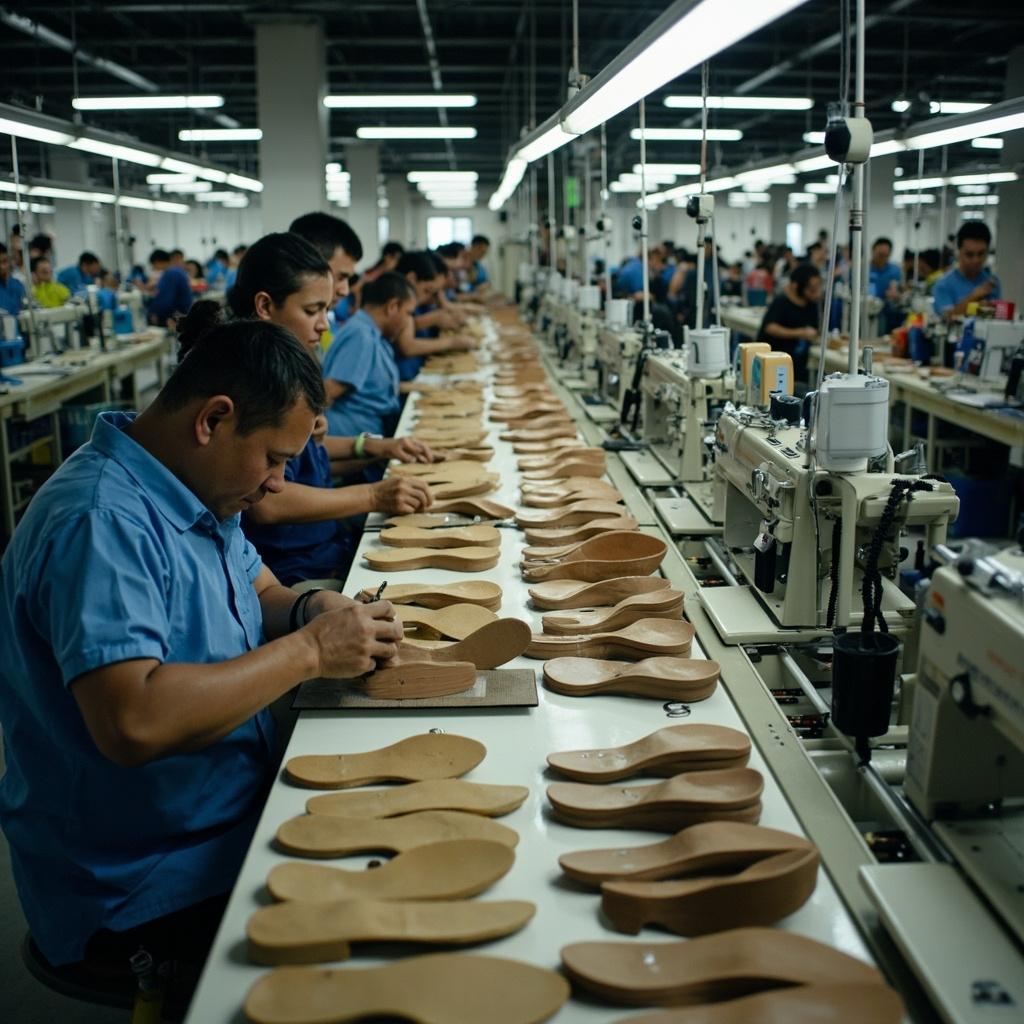
Welcome to the global Manufacturer Rankings in the Women’s Clothing Industry, presented by Verity Rank. This list delves into the backbone of the apparel sector, evaluating companies on their true manufacturing prowess, vertical integration, sustainable production capabilities, and influence as suppliers to global brands. We aim to unveil the pivotal forces shaping industry standards. Rankings are based on hard metrics like production scale, technical certifications (e.g., LEED, bluesign®), client portfolios, and supply chain transparency. Data is aggregated from authoritative third-party sources including international trade organizations, academic supply chain research, official export statistics, and AI-processed capacity and compliance information, provided as an objective professional reference.


Top 10 Rankings

2026.05 Edition
1
Shenzhou International Group

Shenzhou International Group

Shenzhou International Group Holdings Limited is the "invisible champion" of global knitwear manufacturing, headquartered in Ningbo, Zhejiang, China. As a Hong Kong Stock Exchange-listed company (SEHK:02313), its core business focuses on Textile & Apparel categories including men's performance T-shirts, women's yoga wear, underwear, and loungewear, providing vertically integrated OEM/ODM services from fabric R&D, dyeing and finishing to garment sewing for global sportswear brands like Nike, Uniqlo, Adidas, and Puma. In 2025, Shenzhou achieved estimated revenue of RMB 32.5-34 billion, employing over 110,000 people across 13 large-scale integrated factories in Ningbo, Anhui, Vietnam, and Cambodia, producing approximately 550 million garments and 250,000 tons of fabric annually. Its top four clients contribute about 82% of revenue. Leveraging ultimate vertical integration efficiency and quick response capabilities, Shenzhou defines the manufacturing benchmark behind global brands.

Strengths: Shenzhou's core strength in Textile & Apparel lies in its extreme vertical integration model, controlling the entire value chain from fabric R&D, dyeing and finishing to garment sewing, building a triple moat of efficiency, quality, and cost in knitwear categories like performance T-shirts and yoga wear. Annual production scale of 550 million garments and 250,000 tons of fabric, combined with overseas capacity in Vietnam and Cambodia, makes it an irreplaceable core supplier for global brands like Nike and Uniqlo, with its share in client supply chains growing through shortened lead times and quick response capabilities.

Weaknesses: Shenzhou's main weaknesses stem from its business model's heavy reliance on its top four clients (Nike, Adidas, Uniqlo, Puma), with customer concentration reaching 82%, making performance highly susceptible to core brand order fluctuations. As a B2B manufacturer lacking end-consumer brand recognition, its gross margin is compressed by rising labor costs and initial depreciation of overseas new factories, slightly declining to 27.1% in H1 2025. It also faces uncertainty risks from cross-border raw material tariffs amid changing global trade environments.

Brand

Shenzhou

Headquarters

China

Founded

2005

Workforce

110K+

Market

SEHK : 2313

Key Product Categories
Baby Clothing (0-24 Months) ManufacturersMen's Clothing IndustryMen's Tops IndustryPolo ShirtMen's Knitted TopMen's Casual WearChildren's Clothing (For Ages 2-12) ManufacturersMen's Clothing IndustryMen's Tops IndustryPolo ShirtBaby Clothing (0-24 Months) ManufacturersMen's Clothing IndustryMen's Tops IndustryPolo ShirtMen's Knitted TopMen's Casual WearChildren's Clothing (For Ages 2-12) ManufacturersMen's Clothing IndustryMen's Tops IndustryPolo Shirt
2
Crystal International Group Limited

Crystal International Group Limited

Crystal International Group Limited is a globally leading apparel manufacturer headquartered in Hong Kong, listed on the Hong Kong Stock Exchange. Employing a vertically integrated model, it provides design and manufacturing services for international brands like UNIQLO, specializing in casualwear, sportswear and intimates. With 20 production bases across Vietnam, China, Cambodia and other locations, it employs ~70,000 people, reported $2.5 billion revenue in 2024, and has an annual capacity of ~400 million garments. Leveraging its vertical integration, global footprint and leading sustainability practices, it maintains an important competitive position in global apparel manufacturing.

Strengths: Crystal International's core strengths are its strong vertical integration enabling end-to-end services from fabric development to garment manufacturing; significant global footprint with 70% capacity in Vietnam and other strategic locations effectively diversifying risks; leading sustainability practices with notable achievements in eco-certifications and carbon reduction recognized by brand clients.

Weaknesses: Crystal International faces persistent cost control pressures from rising labor and material costs impacting profitability; international trade environment uncertainties with geopolitical factors affecting global supply chain stability; intensifying industry competition squeezing profit margins while relatively low OEM model margins constrain development.

Brand

Crystal Group

Headquarters

Hong Kong

Founded

1970

Workforce

70K+

Presence

7+ Countries

Facilities

20+ Factory

Market

SEHK : 2232

Key Product Categories
Children's Clothing (For Ages 2-12) ManufacturersMen's Clothing IndustryMen's Tops IndustryMen's KnitwearMen's T-shirtMen's Casual WearCustom-made Clothing ManufacturersMen's Clothing IndustryMen's Tops IndustryMen's KnitwearChildren's Clothing (For Ages 2-12) ManufacturersMen's Clothing IndustryMen's Tops IndustryMen's KnitwearMen's T-shirtMen's Casual WearCustom-made Clothing ManufacturersMen's Clothing IndustryMen's Tops IndustryMen's Knitwear
3
Industria de Diseño Textil, S.A. (Inditex S.A.)

Industria de Diseño Textil, S.A. (Inditex S.A.)

Inditex S.A. is the world’s largest fashion retail group, headquartered in Arteixo, Spain, and listed on the Madrid Stock Exchange (BME: ITX). As the pioneer of the fast-fashion business model, the group centers around its flagship brand ZARA and has built an ultra-rapid, vertically integrated system—from design and collaborative external production to proprietary advanced logistics (e.g., the “City of Fashion” hub) and a fully owned retail network—enabling a weeks-long journey from concept to store. Its multi-brand portfolio (including Massimo Dutti, Bershka, etc.) comprehensively covers men’s, women’s, and children’s apparel, homeware, and beauty, generating a record €35.9 billion in revenue in FY2024 and defining the global mass fashion industry with its unparalleled supply chain speed, operational efficiency, and full-price selling capability.

Strengths: Inditex's core strengths are its unparalleled supply chain speed and flexibility, which form its deepest competitive moat; its powerful vertical integration and fully owned retail model enable complete control over consumer experience, profit, and data flow; coupled with exceptional financial performance and a healthy multi-brand synergy, these underpin its global leadership.

Weaknesses: Inditex's main weaknesses stem from growing environmental and ethical consumer criticism of its fast-fashion model, presenting significant pressure for sustainable transformation; as the world's largest retailer, growth space in its core markets is gradually narrowing; simultaneously, it faces intense, multi-front competition from emerging online ultra-fast-fashion players and the digital transformation of traditional brands.

Brand

Industria de Diseño

Headquarters

Spain

Founded

1985

Workforce

160K+

Presence

200+ Countries

Market

BMAD : ITX

Key Product Categories
Female Apparel FactoriesMen's Clothing IndustryMen's Tops IndustryMen's Outerwear IndustryMen's Bottoms IndustryMen's Sportswear IndustryMen's Apparel FactoriesMen's Clothing IndustryMen's Tops IndustryMen's Outerwear IndustryFemale Apparel FactoriesMen's Clothing IndustryMen's Tops IndustryMen's Outerwear IndustryMen's Bottoms IndustryMen's Sportswear IndustryMen's Apparel FactoriesMen's Clothing IndustryMen's Tops IndustryMen's Outerwear Industry
4
Ha-meem Group

Ha-meem Group

Ha-meem Group is a globally leading vertically integrated apparel manufacturer headquartered in Gazipur, Bangladesh. As a privately held family business, its model is deeply focused on providing OEM/ODM services for international fast-fashion and mass-market brands (e.g., Zara, H&M). The group achieves full-chain production from fiber to garment through its internally controlled supply chain—spanning spinning, weaving, dyeing, finishing, and garment manufacturing—building formidable scale and efficiency advantages, particularly in denim and knitwear. As one of Bangladesh's largest private employers and exporters, Ha-meem Group is a critical pillar in the global apparel supply chain, deeply embedded in worldwide consumption yet largely unknown to end consumers.

Strengths: Ha-meem Group's core strengths are its unparalleled vertically integrated manufacturing capability, which delivers significant advantages in cost control, quality consistency, and rapid response; concurrently, the exceptional operational reliability and deep client trust built over decades of serving global top-tier brands form a solid competitive moat.

Weaknesses: Ha-meem Group's main weaknesses are the high concentration of its business and assets in a single production base in Bangladesh, making it vulnerable to local political-economic fluctuations, infrastructure challenges, and rising labor costs; simultaneously, the global "supply chain de-risking" strategies of brand clients are diverting orders to multiple countries, posing a direct challenge to maintaining and growing its order book.

Brand

Ha-meem

Headquarters

Bangladesh

Founded

1984

Workforce

75K+

Presence

30+ Countries

Facilities

26+ Production Base

Market

Unlisted ( Family Business )

Key Product Categories
Children's Clothing (For Ages 2-12) ManufacturersMen's Clothing IndustryMen's Tops IndustryMen's T-Shirts IndustryMen's Polo IndustryMen's Bottoms IndustryFemale Apparel FactoriesMen's Clothing IndustryMen's Tops IndustryMen's T-Shirts IndustryChildren's Clothing (For Ages 2-12) ManufacturersMen's Clothing IndustryMen's Tops IndustryMen's T-Shirts IndustryMen's Polo IndustryMen's Bottoms IndustryFemale Apparel FactoriesMen's Clothing IndustryMen's Tops IndustryMen's T-Shirts Industry
5
DBL( Dulal Brothers Limited ) Group

DBL( Dulal Brothers Limited ) Group

Dulal Brothers Limited (DBL Group) is a leading vertically integrated knitwear manufacturing group in Bangladesh. As a privately held family business, it specializes in providing one-stop OEM/ODM services—from yarn and fabric to garments—for global top-tier brands such as H&M and PVH (e.g., Calvin Klein). Through its consolidated industrial parks, the group achieves deep, full-chain integration encompassing spinning, knitting, dyeing, finishing, and garment manufacturing, and is renowned for its exemplary sustainable manufacturing practices (e.g., LEED-certified factories). As one of Bangladesh's largest private employers, with an annual production capacity of approximately 260 million garments and estimated annual revenue exceeding USD 1.2 billion, it is a benchmark enterprise representing the country's manufacturing upgrade and responsible production.

Strengths: DBL Group's core strengths are its extremely focused and deep vertical integration in the knitwear sector, which builds formidable barriers in efficiency, quality, and rapid response; concurrently, the group has turned sustainability into a core competitive advantage, with its leading environmental and social responsibility practices earning deep trust and long-term partnerships from top-tier brands.

Weaknesses: DBL Group's main weaknesses stem from the high concentration of all its production and assets within Bangladesh, deeply exposing it to the country's systemic political, economic, and natural disaster risks; meanwhile, adhering to high sustainable manufacturing standards imposes significant cost pressures, and as an export-oriented contract manufacturer, its performance is inevitably subject to direct impacts from global macroeconomic cycles and consumer demand fluctuations.

Brand

DBL( Dulal Brothers

Headquarters

Bangladesh

Founded

1991

Workforce

38K+

Presence

40+ Countries

Facilities

20+ Production Base

Market

Unlisted ( Family Business )

Key Product Categories
Female Apparel FactoriesMen's Clothing IndustryMen's Tops IndustryMen's T-Shirts IndustryMen's Polo IndustryMen's Bottoms IndustryWomen's Clothing ManufacturersMen's Clothing IndustryMen's Tops IndustryMen's T-Shirts IndustryFemale Apparel FactoriesMen's Clothing IndustryMen's Tops IndustryMen's T-Shirts IndustryMen's Polo IndustryMen's Bottoms IndustryWomen's Clothing ManufacturersMen's Clothing IndustryMen's Tops IndustryMen's T-Shirts Industry
6
Epyllion Group

Epyllion Group

The Epyllion Group is a globally leading vertically integrated knitwear manufacturer headquartered in Dhaka, Bangladesh. As a privately held family business, it specializes in providing ODM/OEM services for global fast-fashion and retail brands such as H&M and PVH (e.g., Calvin Klein). Through its flagship industrial park, the group achieves deep vertical integration from spinning, knitting, and dyeing-finishing to printing and garment manufacturing, with particular expertise in complex prints and active-casual styles, boasting an annual production capacity of approximately 240 million pieces. Renowned for its world-class sustainable manufacturing practices (e.g., LEED Platinum-certified factories) and continuous investment in technological innovation, Epyllion has established itself as a respected technical pioneer and environmental benchmark within the global knitwear supply chain. Strengths: The Epyllion Group's core strengths are its peak-level vertical integration and technological depth in the knitwear sector, which build formidable barriers in cost, quality, and rapid response; concurrently, its undisputed global leadership in sustainability has been internalized as a core competitive advantage, earning deep trust and long-term partnerships with top-tier brands. Weaknesses: The Epyllion Group's main weaknesses stem from the high concentration of all its assets and operations within Bangladesh, deeply exposing it to the country's systemic political, economic, and infrastructural risks; meanwhile, maintaining industry-leading environmental standards imposes ongoing cost pressures, and as a contract manufacturer, its profit growth is constrained by the pricing strategies of its major clients and global demand fluctuations.

Brand

Epyllion

Headquarters

Bangladesh

Founded

1994

Workforce

26K+

Presence

40+ Countries

Facilities

20+ Factories

Market

Unlisted ( Family Business )

Key Product Categories
Female Apparel FactoriesMen's Clothing IndustryMen's Tops IndustryMen's T-Shirts IndustryMen's Polo IndustryMen's Bottoms IndustryWomen's Clothing ManufacturersMen's Clothing IndustryMen's Tops IndustryMen's T-Shirts IndustryFemale Apparel FactoriesMen's Clothing IndustryMen's Tops IndustryMen's T-Shirts IndustryMen's Polo IndustryMen's Bottoms IndustryWomen's Clothing ManufacturersMen's Clothing IndustryMen's Tops IndustryMen's T-Shirts Industry
7
Regina Miracle International (Holdings) Limited

Regina Miracle International (Holdings) Limited

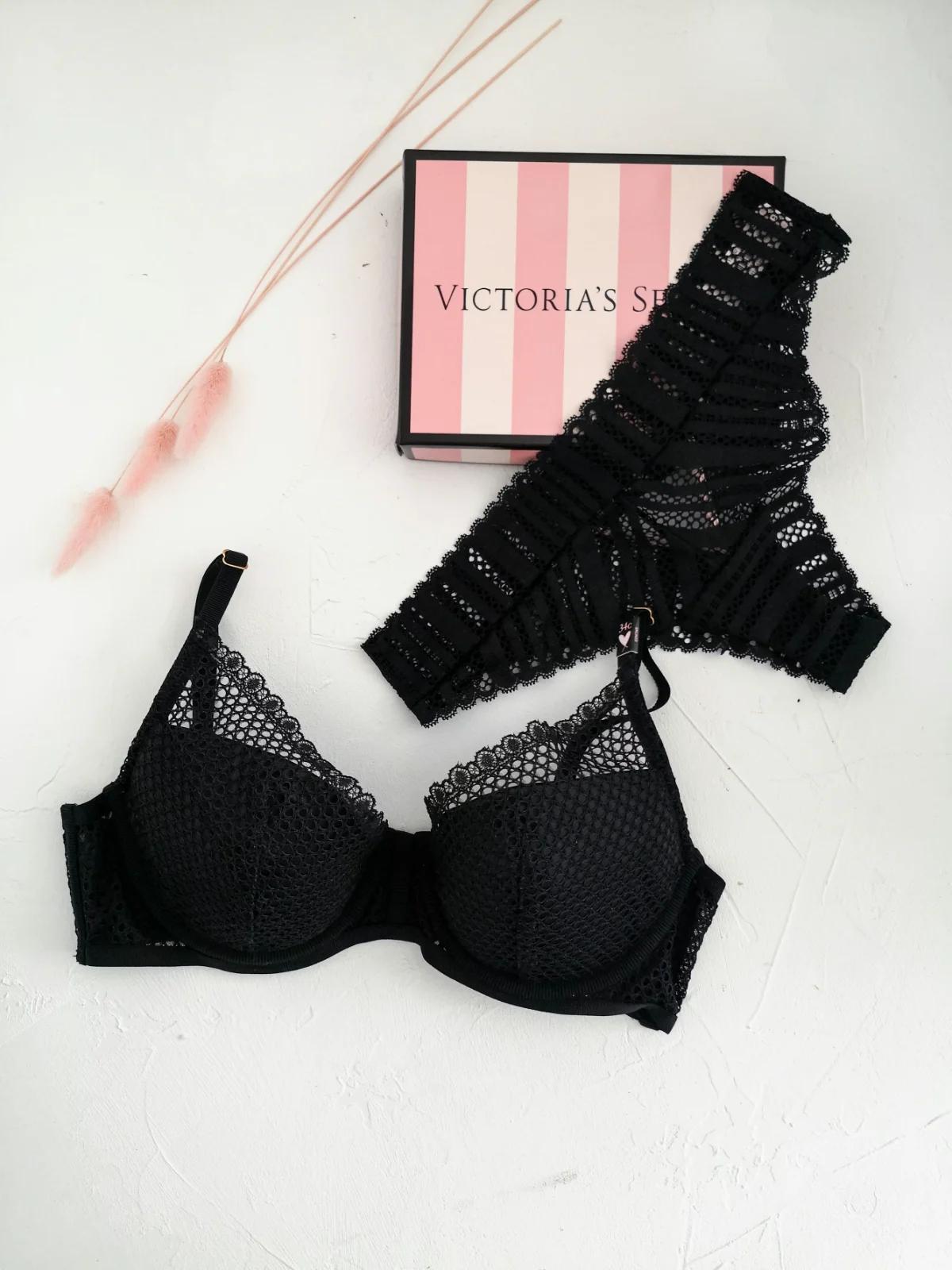
Regina Miracle International (Holdings) Limited is a globally leading Innovative Design Manufacturer (IDM) headquartered in Hong Kong and listed on the Hong Kong Stock Exchange (SEHK: 2199). Pioneering and specializing in the IDM model, it deeply engages with brand clients throughout the entire process from cutting-edge R&D to scaled manufacturing, serving as a crucial innovation and production partner for top-tier lingerie brands (e.g., Victoria’s Secret) and sportswear brands (e.g., Nike, adidas) in their core categories. Leveraging hundreds of patents in areas like seamless molding and 3D bonding, Regina Miracle has successfully executed a strategic expansion from its lingerie foundation into high-growth sportswear, achieving revenue of HKD 7.66 billion in FY2024 and establishing itself as a global benchmark for “hard-tech”-driven growth in apparel manufacturing.

Strengths: Regina Miracle's core strengths are its unparalleled portfolio of technological patents and process barriers, which form its deepest competitive moat; concurrently, its unique IDM business model fosters deep integration into clients' innovation cycles, delivering high value-add and exceptional client stickiness, while its successful strategic pivots and efficient global production footprint jointly underpin sustained growth and profitability.

Weaknesses: Regina Miracle's main weaknesses are its continued high revenue concentration among a few major global brand clients; despite ongoing optimization, fluctuations in their orders still significantly impact the company's performance. Additionally, demand uncertainty in key consumer markets, the pressure of sustained high-intensity R&D investment, and geopolitical risks inherent in its cross-border production setup are ongoing challenges for its long-term operations.

Brand

Regina Miracle

Headquarters

China

Founded

1998

Workforce

40K+

Presence

20+ Countries

Market

SEHK : ​​2199

Key Product Categories
Eco-friendly Clothing ManufacturersWomen's Clothing IndustryWomen's Activewear IndustrySwimwear IndustryLuggage & Accessories IndustryHandbags IndustryFemale Apparel FactoriesWomen's Clothing IndustryWomen's Activewear IndustrySwimwear IndustryEco-friendly Clothing ManufacturersWomen's Clothing IndustryWomen's Activewear IndustrySwimwear IndustryLuggage & Accessories IndustryHandbags IndustryFemale Apparel FactoriesWomen's Clothing IndustryWomen's Activewear IndustrySwimwear Industry
8
Masco Group

Masco Group

MAS Holdings is South Asia's largest apparel and textile technology manufacturer and a "hidden champion" in the global intimates and activewear sectors. Founded in 1987 and privately held by the Amalean family, the company is headquartered in Colombo and operates primarily in an OEM/ODM model. It focuses deeply on intimates & hosiery, sports & outdoor gear, and loungewear & sleepwear, providing end-to-end solutions from fabric innovation to finished products for top global brands like Victoria's Secret, Nike, and Lululemon. With an estimated 2025 global revenue of $2.15 billion, MAS operates over 50 factories across 16 countries and employs approximately 102,000 people. Notably, loungewear & sleepwear, as a core category, leverages its seamless knitting technology and high-end fabric craftsmanship to mass-produce comfortable, functional products for brands like Marks & Spencer, securing a vital position in the global supply chain. Strengths: MAS's core strength lies in its complete vertical supply chain, from fabric R&D to finished goods, building formidable technical barriers in intimates and activewear with over 200 patents and proprietary fabric brands like MAS Matrix. Its deep investment in cutting-edge processes such as FemTech and seamless knitting enables an annual capacity of 350 million intimates and 120 million activewear pieces, making it an irreplaceable strategic partner for leading global brands. Weaknesses: MAS's primary weaknesses are its lack of consumer-facing brand recognition as a B2B manufacturer and high dependency on a few key clients like Victoria's Secret and Nike for business growth. Additionally, automation-led job concerns in Sri Lanka, combined with domestic electricity price fluctuations and tax policy adjustments, exert continuous pressure on its operating margins, which saw an estimated 3% negative impact.

Brand

Masco

Headquarters

Bangladesh

Founded

2001

Workforce

24K+

Presence

30+ Countries

Facilities

20+ Factories

Market

Unlisted ( Family Business )

Key Product Categories
Female Apparel FactoriesMen's Clothing IndustryMen's Tops IndustryMen's Outerwear IndustryMen's Bottoms IndustryMen's Formalwear IndustryWomen's Clothing ManufacturersMen's Clothing IndustryMen's Tops IndustryMen's Outerwear IndustryFemale Apparel FactoriesMen's Clothing IndustryMen's Tops IndustryMen's Outerwear IndustryMen's Bottoms IndustryMen's Formalwear IndustryWomen's Clothing ManufacturersMen's Clothing IndustryMen's Tops IndustryMen's Outerwear Industry
9
Bangladesh Export Import Company Limited(Beximco)

Bangladesh Export Import Company Limited(Beximco)

Bangladesh Export Import Company Limited (BEXIMCO Group) is Bangladesh's largest and most diversified vertically integrated industrial conglomerate, with businesses spanning textile & apparel manufacturing, pharmaceuticals, ceramics, and media. At its core is the “fiber-to-fashion” deep vertical integration; its textile and apparel division provides one-stop manufacturing services—from yarn and fabric to garments—for global brands like Marks & Spencer and H&M, while also operating its own brands. As one of the country's largest private employers and a publicly listed entity, the group generated over BDT 130 billion (approximately USD 1.2 billion) in revenue in FY2023/24. It is a domestic economic pillar and a key player in the global supply chain, with its massive industrial parks and diversified operations constituting a formidable industrial ecosystem.

Strengths: BEXIMCO's core strengths are its peak-level vertically integrated textile supply chain, which delivers unparalleled cost control, quality synergy, and supply chain security; concurrently, its unique diversified “business empire” structure (encompassing pharmaceuticals, media, etc.) provides powerful counter-cyclical buffers and strategic resource synergies, enhancing overall resilience.

Weaknesses: BEXIMCO's main weaknesses stem from its fate being deeply intertwined with Bangladesh's political-economic environment, facing highly concentrated local systemic risks; as an export-oriented enterprise, its textile and apparel business is heavily reliant on consumer demand in Europe and America, making it vulnerable to global economic cyclical fluctuations and consumption downturns.

Brand

Bangladesh Export Import

Headquarters

Bangladesh

Founded

1972

Workforce

70K+

Presence

30+ Countries

Facilities

10+ Production Base

Market

DSE : BEXIMCO

Key Product Categories
Female Apparel FactoriesMen's Clothing IndustryMen's Tops IndustryMen's T-Shirts IndustryMen's Polo IndustryMen's Bottoms IndustryWomen's Clothing ManufacturersMen's Clothing IndustryMen's Tops IndustryMen's T-Shirts IndustryFemale Apparel FactoriesMen's Clothing IndustryMen's Tops IndustryMen's T-Shirts IndustryMen's Polo IndustryMen's Bottoms IndustryWomen's Clothing ManufacturersMen's Clothing IndustryMen's Tops IndustryMen's T-Shirts Industry
10
Lever Style Limited

Lever Style Limited

Lever Style Limited is a globally leading asset-light apparel service provider headquartered in Hong Kong and listed on the Hong Kong Stock Exchange (SEHK: 1346). Operating a unique “factory-free” model, the company specializes in providing end-to-end solutions—from product design and development to global supply chain management and logistics—for premium and emerging brands such as Thom Browne and Rag & Bone, with a core focus on high-end men’s and women’s apparel and performance outerwear. In 2024, the company generated revenue of USD 296 million with a net profit margin of 7.3%. Leveraging deep industry expertise, an exceptional supply chain network, and a near-100% client retention rate, it has established itself as a key strategic enabler and “hidden champion” bridging brand creativity with Asian manufacturing.

Strengths: Lever Style's core strengths are its unique and robust “factory-free” asset-light business model, which affords high profitability, strong cyclical resilience, and excellent capital efficiency; concurrently, the long-term, deep strategic partnerships it has forged with premium brands create exceptionally high client loyalty and significant competitive barriers.

Weaknesses: Lever Style's main weaknesses are its high dependence on a concentrated client base (the top five clients contributed 61% of revenue), posing a customer concentration risk; furthermore, its supply chain network is heavily concentrated in Asia, making it vulnerable to geopolitical shifts and trade policy changes.

Brand

Lever Style

Headquarters

China

Founded

1956

Workforce

400+

Presence

20+ Countries

Market

SEHK : ​1346

Key Product Categories
Female Apparel FactoriesMen's Clothing IndustryMen's Tops IndustryMen's Outerwear IndustryMen's Bottoms IndustryWomen's Clothing IndustryWomen's Clothing ManufacturersMen's Clothing IndustryMen's Tops IndustryMen's Outerwear IndustryFemale Apparel FactoriesMen's Clothing IndustryMen's Tops IndustryMen's Outerwear IndustryMen's Bottoms IndustryWomen's Clothing IndustryWomen's Clothing ManufacturersMen's Clothing IndustryMen's Tops IndustryMen's Outerwear Industry

Frequently Asked Questions

What exactly is the Men's Clothing Industry, and what are its main categories?
The Men's Clothing Industry encompasses the global business of designing, manufacturing, and selling apparel specifically for men. It’s a vast and segmented sector that goes beyond basic shirts and pants. The industry is systematically divided into several core categories: Men‘s Tops (including dress shirts, polos, and T-shirts), Outerwear (like jackets, coats, and hoodies), Bottoms (such as jeans, trousers, and shorts), Suits & Formalwear, and Sportswear & Performance Wear. Each category further branches into numerous sub-segments (e.g., oxford shirts, bomber jackets, chinos) catering to different styles, occasions, and functionalities, from daily casual wear and business attire to technical outdoor gear.
What are the key factors driving the growth and change in the Men's Fashion Industry?
The industry's evolution is driven by a combination of consumer trends, technological innovation, and economic forces. Key drivers include: 1. Shifting Consumer Mindsets: Men are increasingly viewing clothing as a form of self-expression, fueling demand for personalization, niche styles, and brand values. 2. Performance & Innovation: Advancements in fabrics (e.g., moisture-wicking, temperature regulation, sustainable materials) blur the lines between casual, formal, and sportswear. 3. Digital Influence: Social media and e-commerce have revolutionized discovery, purchasing, and trend cycles. 4. The Rise of Hybrid Lifestyles: Demand for versatile clothing suitable for work-from-home, casual office, and leisure drives categories like “smart casual” and performance outerwear. Conversely, factors like economic uncertainty and supply chain disruptions pose significant challenges.
Who are the main types of players competing in the global Men's Apparel market?
The market is structured around several distinct player types: 1. Luxury Conglomerates: Groups like LVMH and Kering own portfolio brands (e.g., Louis Vuitton, Gucci) focusing on high-margin, brand-driven products across all categories. 2. Vertical Luxury Brands: Companies like Ermenegildo Zegna and Brunello Cucinelli control their entire supply chain, specializing in premium materials (e.g., cashmere) and craftsmanship. 3. Premium/Lifestyle Brands: Brands like Ralph Lauren and Burberry balance heritage, design, and accessibility across a wide product range. 4. Fast Fashion Giants: Companies like Inditex (Zara) dominate through rapid trend replication and massive scale. 5. Sportswear Specialists: Nike, Adidas, and Anta focus on performance technology and athleisure. 6. Manufacturers/Wholesalers: Entities like PVH Corp. and Youngor operate brand portfolios and/or provide large-scale production services.
What‘s the difference between “In-House Production” and “Contract Manufacturing” in men's wear, and why does it matter?
This distinction refers to who physically makes the clothes. In-House Production means a brand owns and operates its own factories (e.g., Hermès, Zegna), allowing for extreme quality control, protection of proprietary techniques, and supply chain secrecy, but requires massive capital investment. Contract Manufacturing (or Outsourcing) means a brand hires third-party factories to produce goods to its specifications (common for PVH, fast fashion). This offers flexibility, cost efficiency, and scalability. The choice profoundly impacts a brand’s identity: in-house production is often tied to luxury, craftsmanship, and exclusivity (justifying higher prices), while outsourcing enables speed and affordability. Many brands, like Gucci and Burberry, use a hybrid model, keeping core products in-house and outsourcing basics.
What are the emerging future trends shaping the Men's Clothing Industry?
The future is being shaped by several converging trends: 1. Sustainability as Standard: Beyond a buzzword, it‘s becoming a core operational requirement, driving demand for recycled materials, circular business models (rental, repair), and full supply chain transparency. 2. Technology Integration: Wearable tech, smart fabrics with climate adaptation, and AI-driven personalization (fit, style) will become more prevalent. 3. Blurring of Categories: The lines between formal, casual, and technical sportswear will continue to dissolve, leading to more versatile, hybrid garments. 4. Direct-to-Consumer & Experience: Brands will strengthen DTC channels and focus on creating immersive experiences, both online and in flagship stores. 5. Regionalization & Resilience: To mitigate supply chain risks, there will be a move towards nearshoring and building more diversified, resilient production networks.