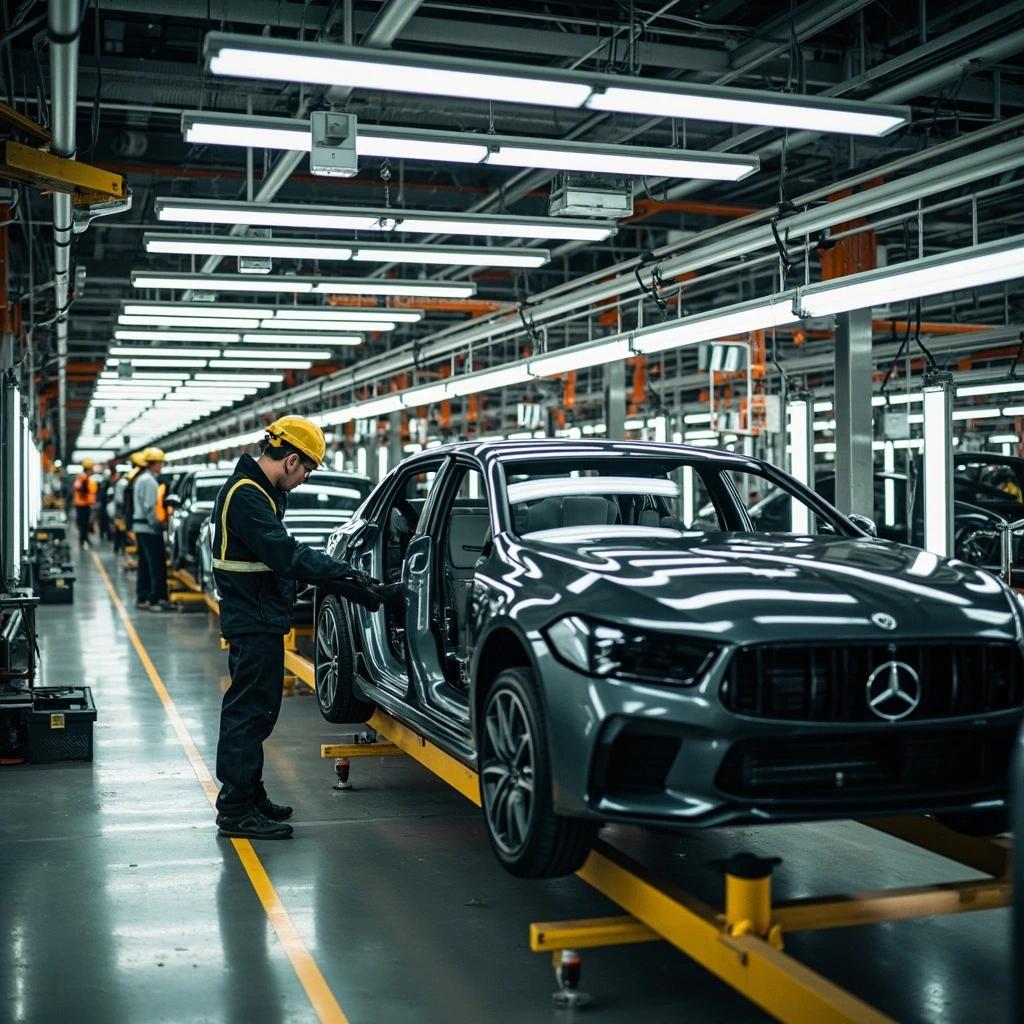
Production scale, vertical integration, category breadth and financial strength are the four pillars VerityRank uses to rank the world's car manufacturers.
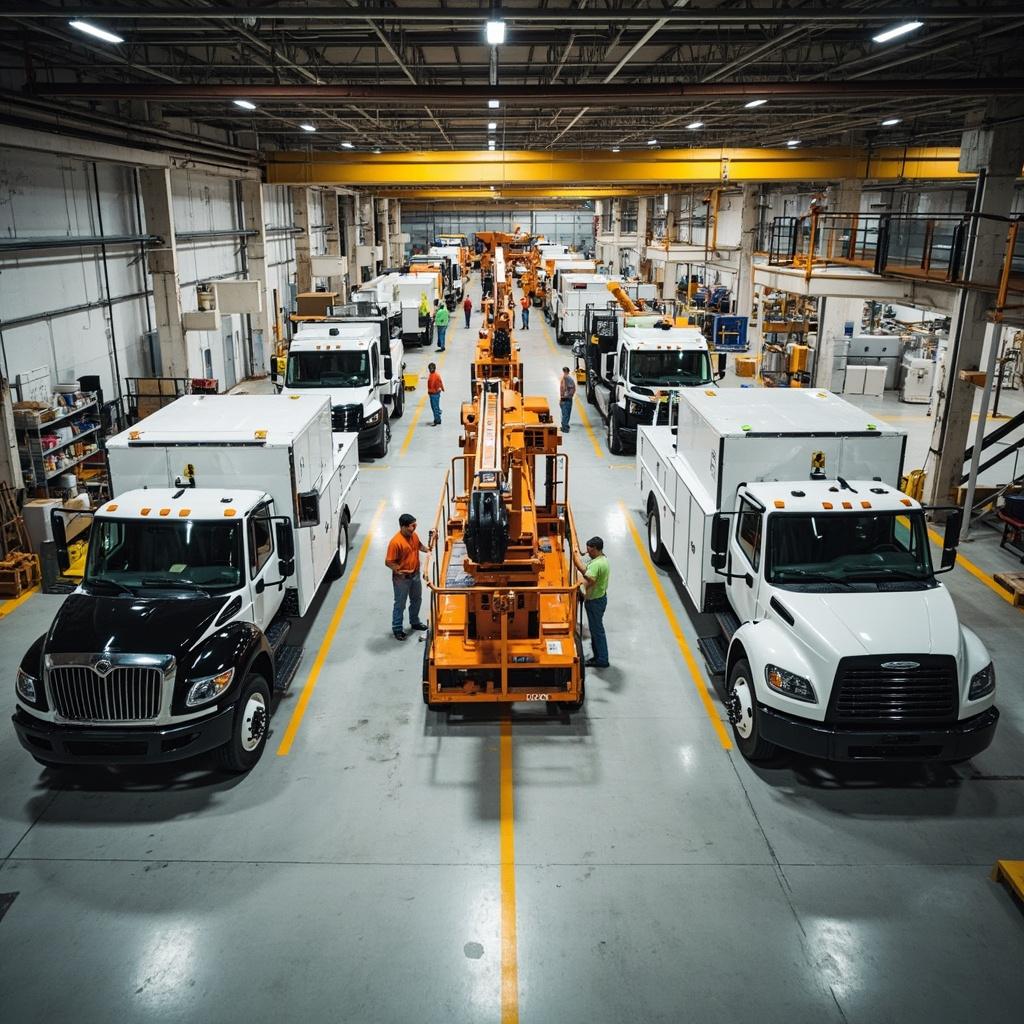
Production scale carries the heaviest weight at 35%: Toyota operates more than 50 plants in 28 countries with capacity above 12 million vehicles a year, while Volkswagen spreads 111 sites across Europe, the Americas, Asia and Africa — the two giants set the volume ceiling this ranking measures against. Vertical integration contributes 30% and rewards groups that own critical components in-house: BYD's blade batteries and self-designed silicon-carbide chips, Hyundai's steel-to-logistics closed loop, and SAIC's HASCO parts empire.
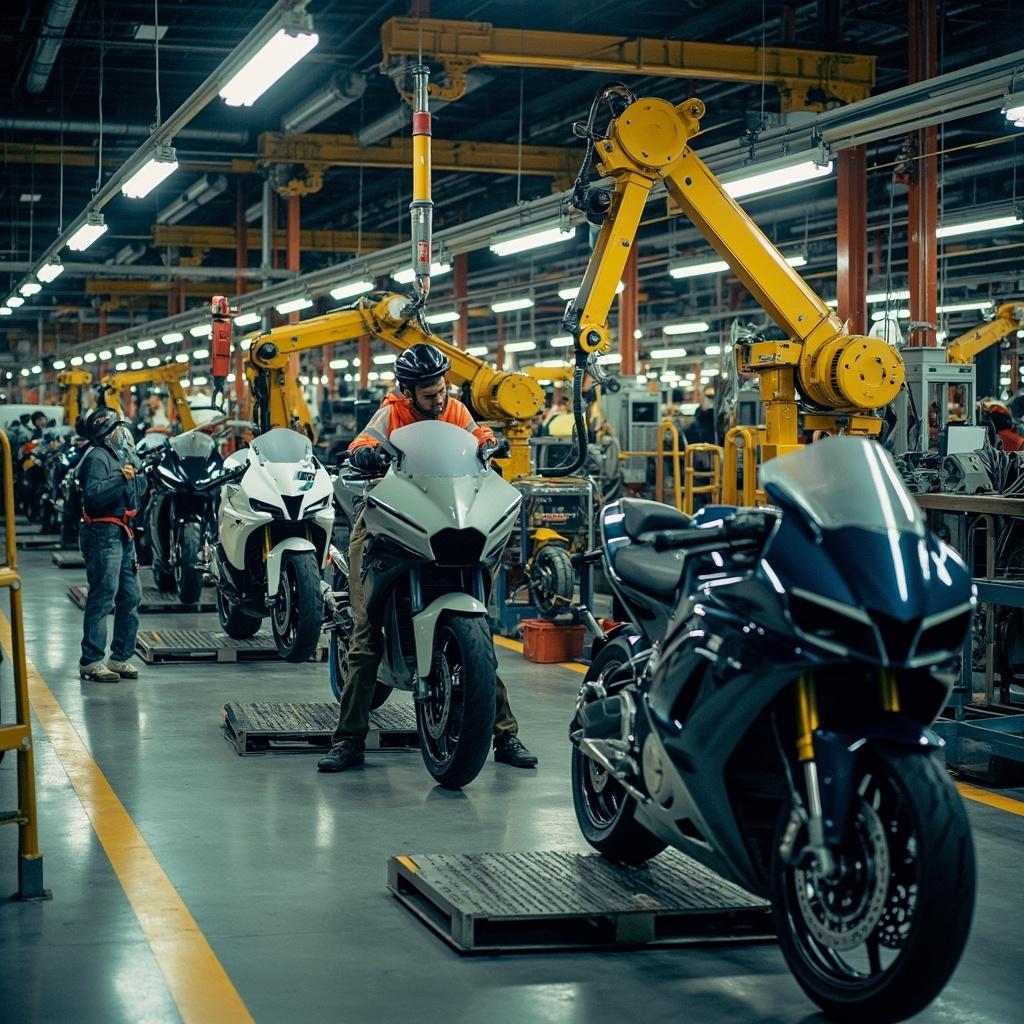
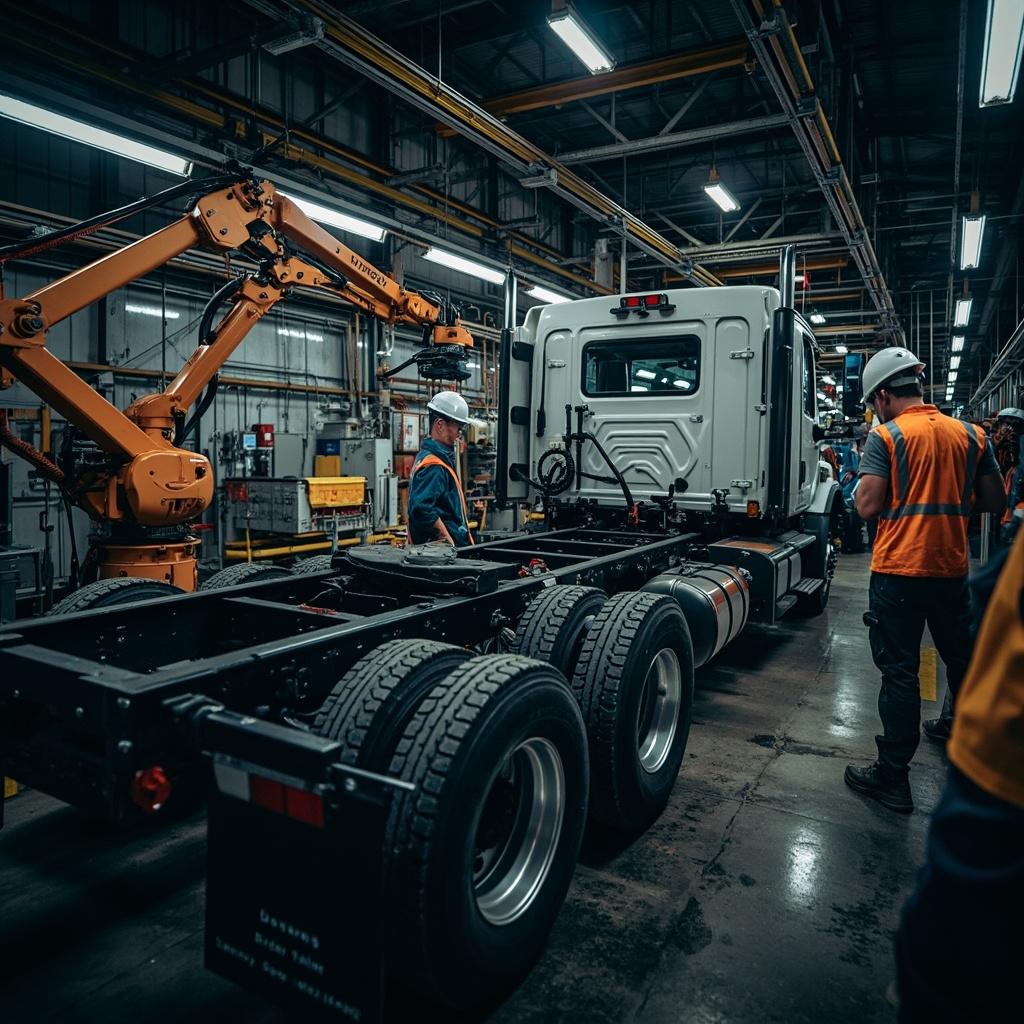
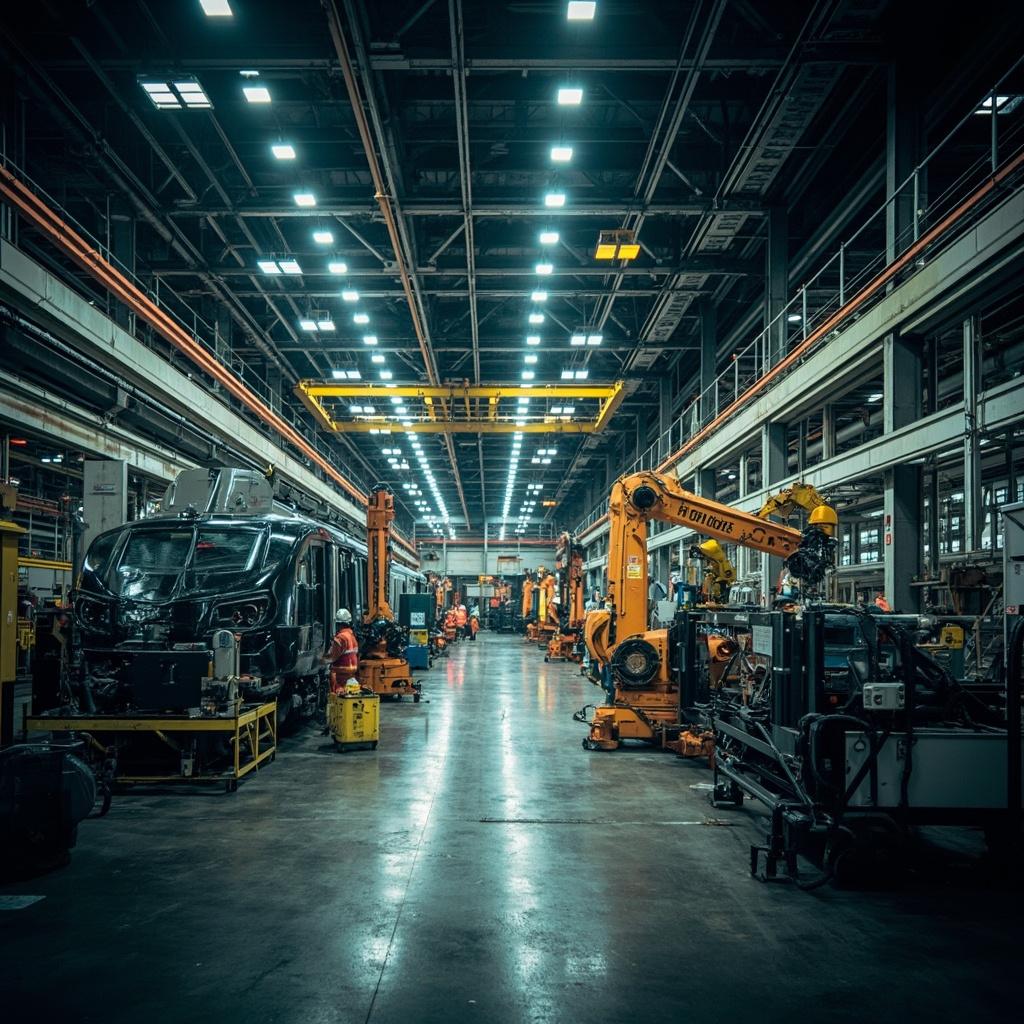
Category manufacturing breadth (20%) recognizes groups that build across multiple transportation-equipment segments — Hyundai's high-speed trains and defense vehicles via Rotem, Honda's world-leading motorcycles and HondaJet aircraft, Geely's Farizon trucks and eVTOL programs. Finally, global and financial scale (15%) anchors the score in revenue and brand influence, where Volkswagen's €322 billion and GM's $174.9 billion are the benchmarks. VerityRank deliberately excludes brand-only operators and pure contract assemblers — every company ranked here owns and operates its own heavy-asset factories.
Disclaimer: Rankings are compiled from publicly available production and financial disclosures for general reference only and do not constitute investment advice.
The three most vertically integrated automakers on earth — Toyota, BYD and Hyundai — pursue radically different paths to the same goal: supply-chain control.
Toyota's model is the Keiretsu network: rather than owning every supplier outright, it maintains capital and technology bonds with Denso (electronics), Aisin (transmissions) and other partners, giving it priority access to components while sharing risk. In 2025 Toyota raised local procurement for its bZ-series EVs in China to 65% and began introducing low-cost Chinese suppliers into its Thai operations — a pragmatic acceptance of China's supply-chain dominance.
BYD is the opposite extreme: it owns the entire chain through its FinDreams subsidiaries, from lithium mining and blade-battery production to IGBT and SiC semiconductor fabrication, employing roughly 870,000 people. This full-stack model lets BYD undercut rivals on cost and prioritize battery supply for its own vehicles — FinDreams installed 155.7 GWh of batteries in 2024. Hyundai sits between the two: Hyundai Steel supplies body panels, Hyundai Glovis operates its ro-ro shipping fleet, and Hyundai Mobis builds chassis, thermal and electronics modules, all coordinated around the world's largest single auto plant in Ulsan. Each model has proven resilient, but BYD's closed loop is now widely regarded as the cost benchmark the rest of the industry must match.
Four structural trends are reshaping global car manufacturing: tariff-driven localization, gigafactory-scale battery integration, modular EV platforms and software-defined plants.
First, trade barriers are forcing deep localization. America's 100% tariffs on Chinese EVs and EU countervailing duties pushed BYD to open four-process plants in Thailand, Brazil and Hungary, while Toyota localizes bZ-series production in China and GM invests $14 billion in U.S. plant expansions such as Arlington, Texas. Manufacturing is segmenting into regional blocs — a factory in each market, not one global pipeline.
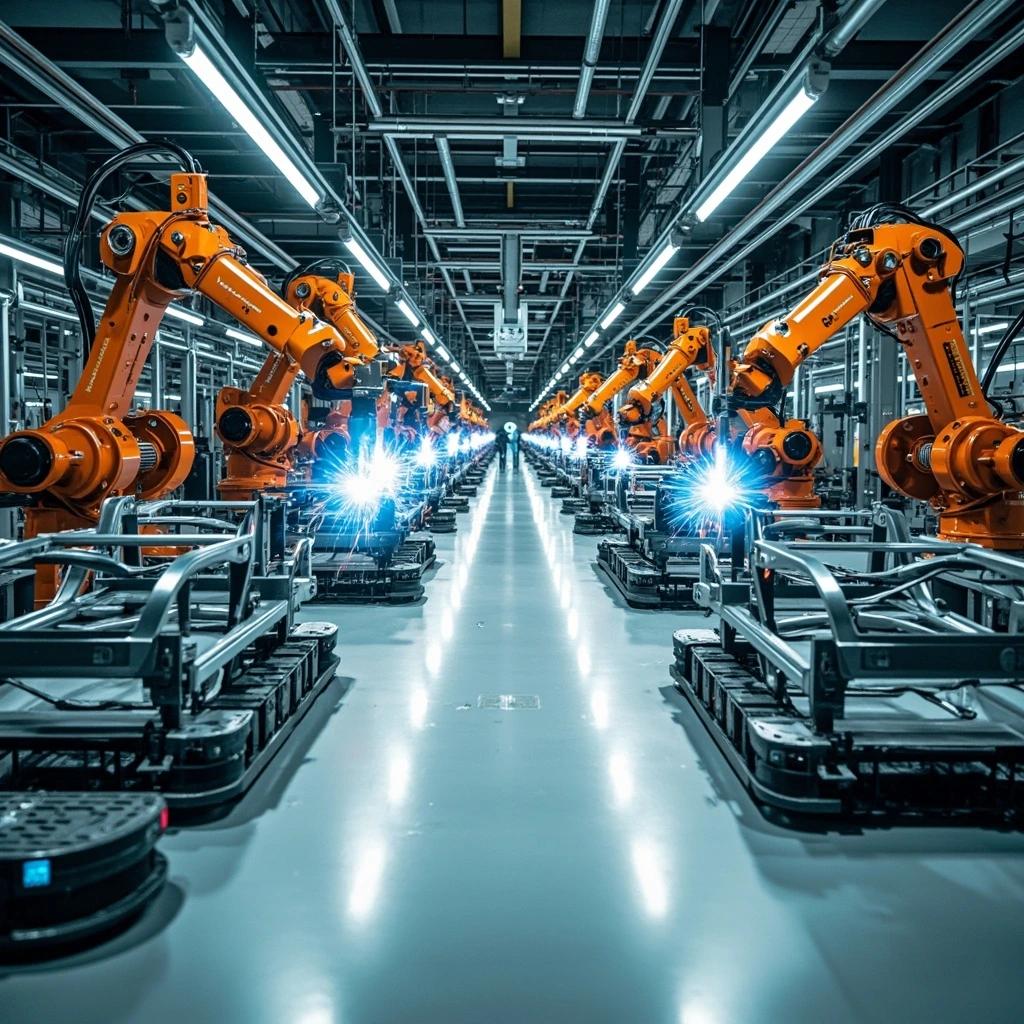
Second, batteries moved inside the car plant. BMW built cell assembly lines at Debrecen, Hungary, and Spartanburg, South Carolina; Toyota's $14 billion North Carolina plant will supply Honda with hybrid packs; and BYD co-locates battery and vehicle production. Third, modular platforms cut capex: Volkswagen's MQB/MEB and Geely's SEA architecture allow multiple brands to share stamping, welding and assembly tooling, spreading R&D across millions of units. Fourth, plants are becoming software-defined, with AI-driven quality inspection, digital twins and over-the-air configurable production lines — Hyundai's new EV factories in the U.S. and Singapore exemplify this shift toward flexible, AI-managed manufacturing.
Tariff policy has become the single most important variable in automakers' factory-location decisions, upending decades of export-based manufacturing strategies.
The U.S. imposition of 100% duties on Chinese-built EVs and the EU's anti-subsidy tariffs on Chinese BEVs forced a fundamental rethink. BYD responded by committing to full local manufacturing in Hungary (Europe), Brazil (South America) and Thailand (Southeast Asia) — replicating complete stamping, welding, painting and assembly plants rather than shipping finished cars. China's own market access rules similarly push foreign brands toward deep localization: Toyota's bZ-series now sources 65% of components locally, and Volkswagen's extensive Chinese partnerships with Xpeng reflect the same logic.
For Western giants, the calculus runs the other way. Stellantis committed $13 billion to U.S. manufacturing, restoring the Dodge Charger and adding 5,000 Illinois jobs; GM expanded Arlington, Texas, by 1.2 million square feet; BMW built battery assembly at Spartanburg to keep its SUV production tariff-immune. Geely enjoys a structural advantage — Volvo's Swedish and Belgian plants give it genuine EU production capacity. The net effect: automakers now site plants inside each major trading bloc, making regional manufacturing footprint a first-order competitive metric that this ranking's Production Scale dimension directly captures.
This manufacturer ranking is reviewed quarterly and formally updated at least every six months, with interim revisions whenever major capacity or merger events occur.
The core dataset comes from audited corporate disclosures: Toyota's FY2026 financial results and production statistics, Volkswagen Group's Annual Report 2025, GM and Ford full-year 2025 earnings releases, Stellantis's annual report, BYD's 2025 results, SAIC Motor's ESG and annual filings, Honda's Form 20-F, and Geely's listed-unit disclosures. Production figures are cross-validated against independent trackers such as the Wikipedia list of manufacturers by motor-vehicle production and industry databases like ConsumerAffairs and CompaniesMarketCap.
Significant events trigger mid-cycle adjustments — examples in the 2025-2026 window include BYD's Hungarian plant opening, GM's Arlington expansion, the Zeekr-Lynk merger under Geely, and Stellantis's $13 billion U.S. investment. Because factory networks and capacity figures change faster than financial statements, the ranking weights the most recent plant-level data available at each review. Users should note that VerityRank ranks manufacturers by production capability and integration depth, not by vehicle quality, safety ratings or customer satisfaction surveys.