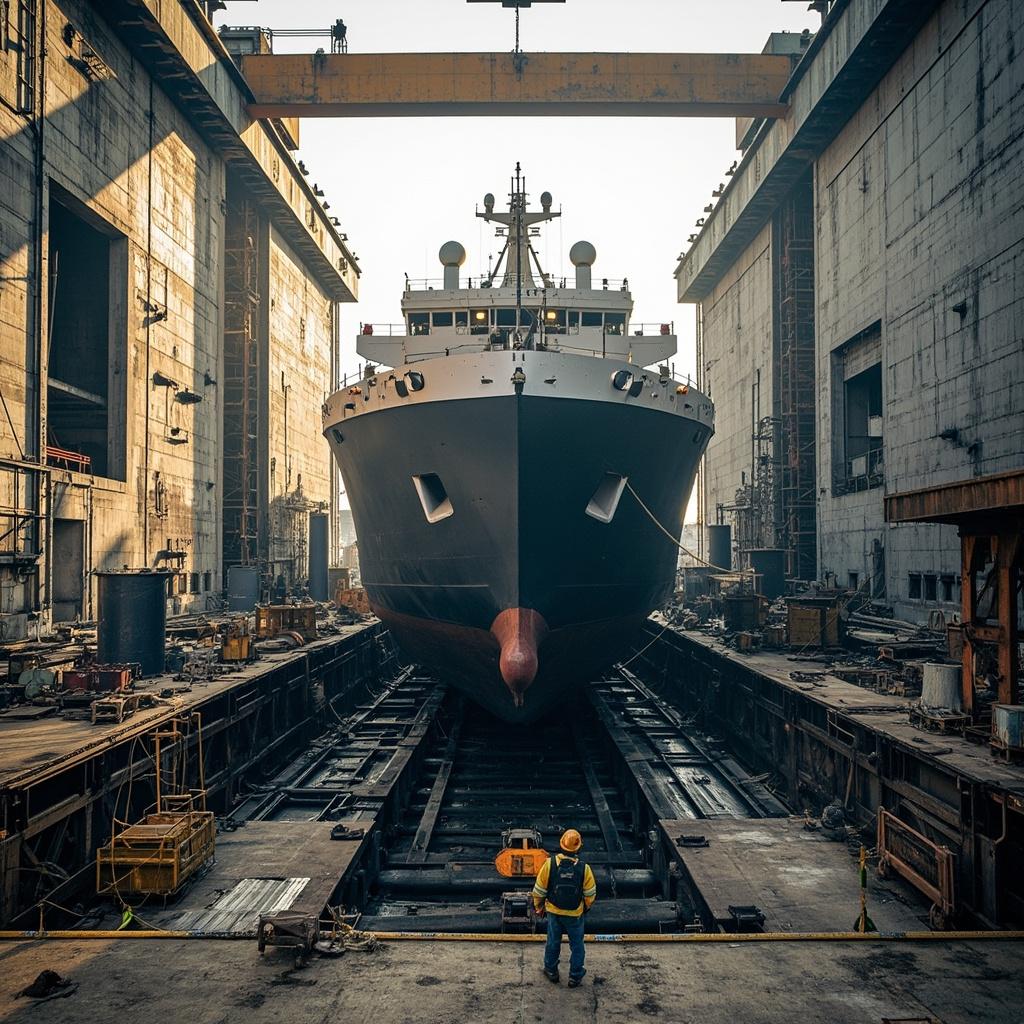
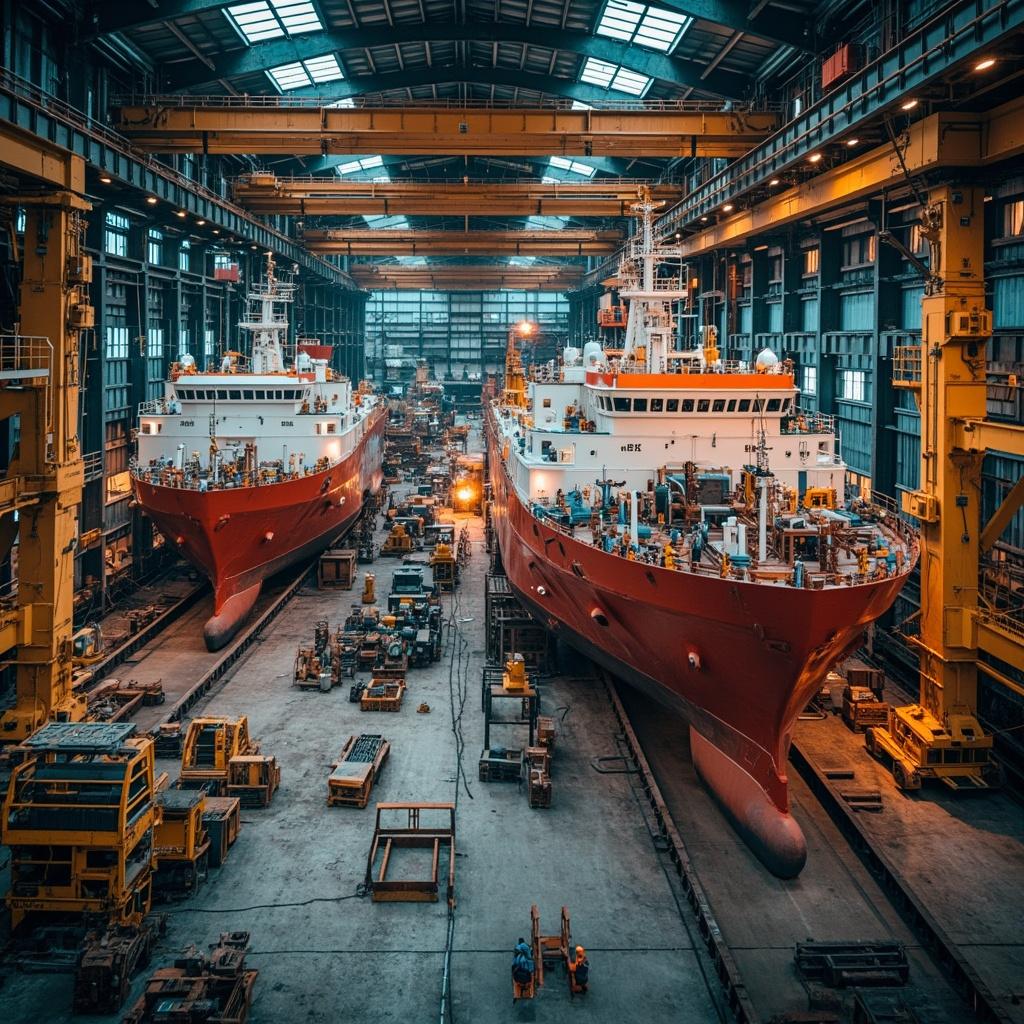
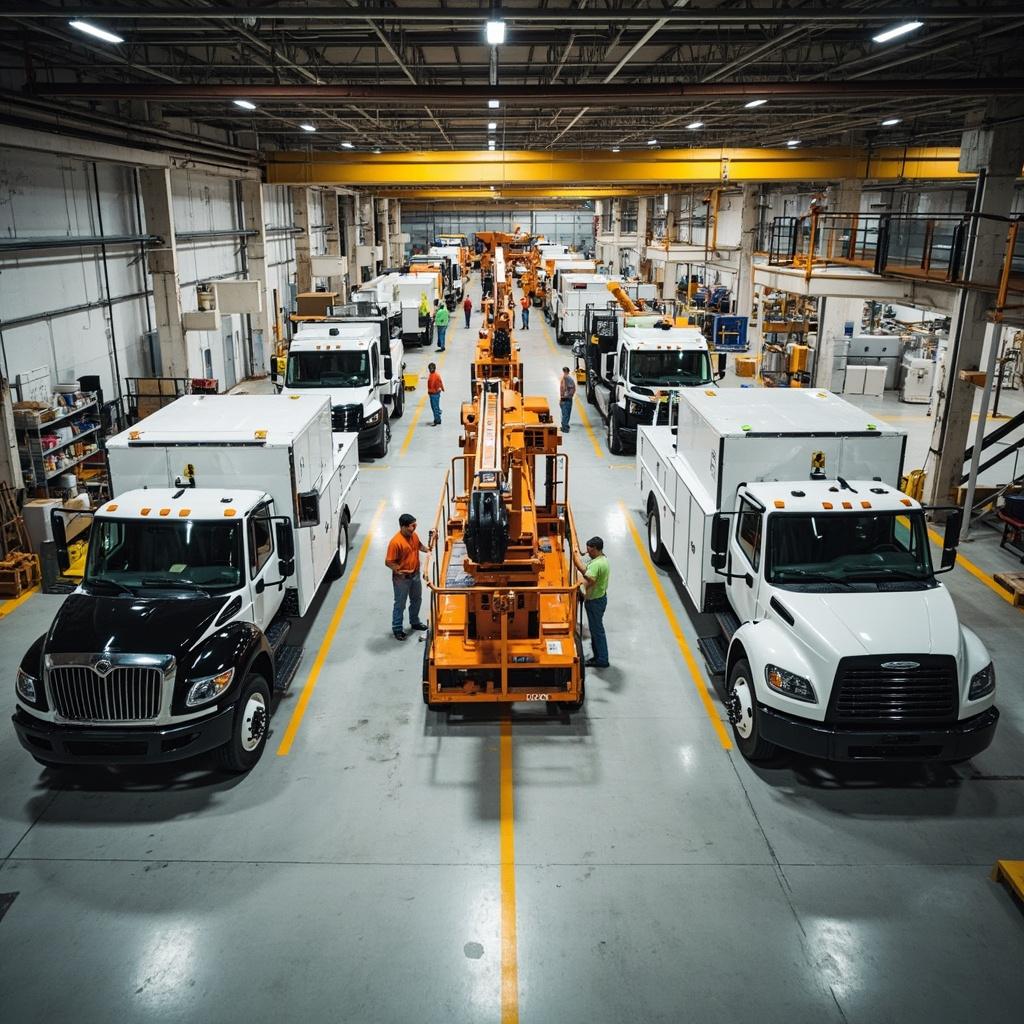
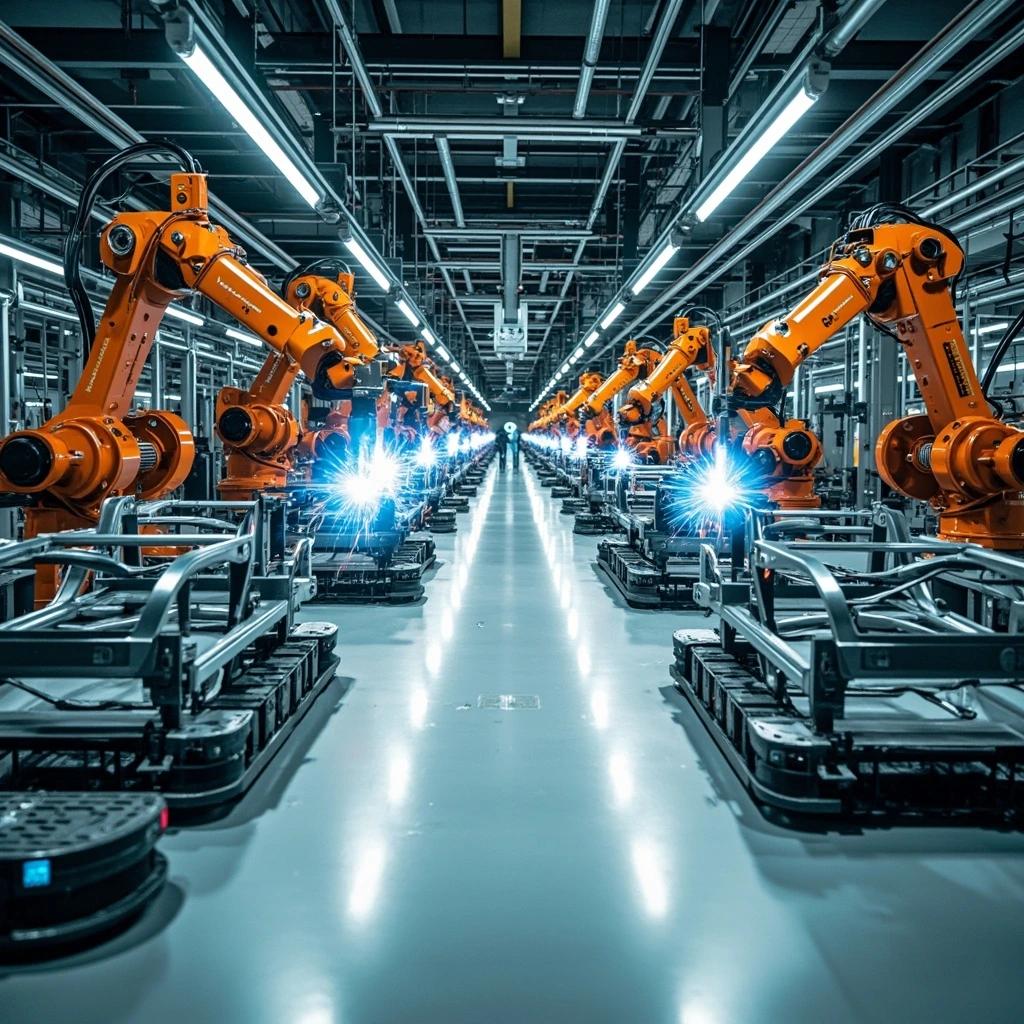
The line between a shipbuilder and an assembler is the entire basis of this ranking. To qualify, a company must own and operate physical production infrastructure - dry docks, gantry cranes, steel-processing shops and outfitting berths - staffed by an industrial workforce, and must perform the core construction itself rather than contracting hull fabrication to third parties.
The screen matters because shipbuilding's economics reward genuine vertical integration. A manufacturer that also builds its own engines - CSSC's methanol dual-fuel low-speed marine engine, HD Hyundai's HiMSEN four-stroke and two-stroke range, or Hengli's in-house main engines - captures the highest-margin link in the supply chain and is insulated from engine-supply bottlenecks that have constrained rivals in the 2025-2026 boom. Asset-heavy independence is also a stability signal: yards like Imabari (10 Seto Inland Sea yards) and COSCO Shipping Heavy Industry (multi-region clusters with the 410-metre Changxing dock) can sustain series production through market swings, whereas brand-only or OEM-reliant players cannot.
For this report, order-book scale, physical yard footprint, engine capability and delivery history were verified against 2025-2026 data from company reports, shipbroker orderbooks and industry statistics. Companies failing the autonomous-production test were excluded from the sample before scoring, ensuring the final ten all meet the sector's highest bar for physical manufacturing.
Order-book tonnage is the single clearest measure of who owns the future of shipbuilding, and the 2025-2026 ranking of the world's biggest yards is led almost entirely by China. China State Shipbuilding Corporation (CSSC) leads globally with 956 vessels totalling 106.9 million DWT - 22.7% of the entire world order book and 2.3x the second-largest yard. Hengli Heavy Industries holds the world's second-largest backlog at 272 vessels / 41.6 million DWT (12.5% of Chinese yards' orders), a stunning achievement for a yard re-established only in 2022-2023.
Korea's giants concentrate on value rather than pure tonnage: HD Korea Shipbuilding & Offshore Engineering's 453 vessels / 41.0 million DWT is the largest non-Chinese order book, dominated by LNG carriers, VLACs and ultra-large containerships; Hanwha Ocean follows with 140 vessels / 20.1 million DWT worth KRW 34.49 trillion. Beyond the top five, COSCO Shipping Heavy Industry's 224 vessels / 26.2 million DWT ranks fourth globally, New Times Shipbuilding's 158 vessels / 23.7 million DWT sits fifth, and Samsung Heavy Industries holds 133 orders valued at USD 28.6 billion.
What the numbers reveal is a structural shift: Chinese yards now own the deepest order visibility in history, with slots sold out beyond 2030 at CSSC, Yangzijiang and New Times, while Korean yards guard the premium LNG and offshore niche. For buyers, order-book depth signals construction slot availability, pricing leverage and delivery risk - the more crowded the book, the earlier a new order must be placed.
Korea's shipbuilding strategy has quietly become the most profitable in the world: build fewer ships, but build the hardest ones. HD Korea Shipbuilding & Offshore Engineering, Hanwha Ocean and Samsung Heavy Industries collectively dominate the global LNG carrier market, and their 2025 results show why that focus pays - HD KSOE's operating profit jumped 172.3% to KRW 3.90 trillion, Hanwha Ocean's operating profit soared 366.2% to KRW 1.1 trillion, and Samsung Heavy returned to high-margin territory after a decade.
The economics of an LNG carrier or FLNG unit are fundamentally different from a bulk carrier. A single FLNG production unit can cost USD 2.5-5 billion and requires cryogenic containment systems, gas-handling plants and precision welding that only a handful of yards master. Samsung Heavy signed a preliminary FLNG contract worth approximately USD 635 million in 2025 with a potential headline value of USD 2.5 billion; Hanwha Ocean holds the world record of 200 LNG carriers delivered; and HD KSOE now offers ammonia- and methanol-ready engines through its in-house engine business. Korea's yards also benefit from selective order strategies, deliberately avoiding low-margin standard tonnage, which shields margins when the cycle turns.
This strategy has a cost: Korean yards now account for a smaller share of global tonnage volume than China, but a disproportionate share of industry profit. It also explains why the three companies appear in the world's top ten by revenue despite producing fewer vessels than their Chinese counterparts - value discipline, not volume, is the core of Korea's shipbuilding model.
China's shipbuilding success is not only a state-owned story - its private yards are the most efficient producers in the industry. Yangzijiang Shipbuilding, New Times Shipbuilding and Hengli Heavy Industries demonstrate that private capital can match or exceed state enterprises on profitability while growing at extraordinary speed.
Yangzijiang is the profit benchmark: 2025 revenue of CNY 28.5 billion with net profit of CNY 8.64 billion and a gross margin above 34% - extraordinary for heavy industry - achieved through extreme cost control, dual-fuel container ship specialisation and a 245-vessel / USD 22.4 billion order book sold out to 2030. New Times Shipbuilding ranks fifth globally by order-book DWT (158 vessels / 23.7 million DWT) with outstanding unit-area efficiency, and commissioned a 1,600-tonne gantry crane in 2026 to accelerate block assembly. Hengli Heavy Industries is the highest-velocity entrant in modern shipbuilding history: established on the former STX Dalian site in 2022-2023, it reached the world's second-largest order book (41.6 million DWT) within three years and operates its own dual-fuel engine factory.
What unites these private champions is autonomy and efficiency. They own their docks, engines and steel processing, they price aggressively but manage costs tighter than state peers, and they concentrate on standard and dual-fuel merchant tonnage where series production rewards discipline. While CSSC and COSCO anchor the state segment, the private trio proves that China's shipbuilding competitiveness is a system-wide phenomenon rather than a subsidies story - increasingly vital as green dual-fuel demand reshapes the global orderbook.
Environmental regulation has become the shipbuilding industry's most reliable demand generator, and yards that master green propulsion are harvesting a profit windfall. The International Maritime Organization's 2050 net-zero target, with intermediate 2030 checkpoints, is forcing the world's fleet - roughly 60,000 commercial vessels - into a generational replacement cycle that no previous regulatory regime has matched.
The effect is visible across every orderbook in this ranking. Dual-fuel and green-capable tonnage now dominates newbuild intake: Yangzijiang's backlog is 71% clean-energy vessels, CSSC's green share approaches half of its record 956-ship order book, and HD KSOE booked 137 orders in 2025 by specialising in LNG and ammonia-ready gas carriers. The engine supply chain has become the strategic bottleneck: CSSC and Hengli produce their own dual-fuel low-speed engines, HD Hyundai's HiMSEN line anchors Korean yards, and the tightest slot allocation in the 2025-2026 boom is for vessels with methanol and ammonia capability.
The IMO timeline is also a pricing engine. Green hulls command premiums that have lifted builder margins to historic highs - Hanwha Ocean's operating profit rose 366%, HD KSOE's 172%, Yangzijiang's net profit hit a record CNY 8.64 billion - and order visibility extends past 2030 at the top ten yards. For fleet owners, ordering green-capable tonnage now is effectively a hedge against future fuel-price and regulatory shocks; for shipbuilders, the decarbonisation wave guarantees at least a decade of replacement demand across every segment from VLCCs to offshore wind installation vessels.