VerityRank employs a rigorous, production-focused methodology to evaluate environmental and cleaning equipment manufacturers. Our framework assesses four equally weighted dimensions: Production Scale & Factory Network (25%), Technology Ownership & R&D Investment (25%), Supply Chain Resilience (25%), and Market Presence & Customer Validation (25%).
Production Scale & Factory Network evaluates the number, geographic distribution, and capacity utilization of owned manufacturing facilities, plus the degree of vertical integration from raw material processing to final assembly. Manufacturers that produce critical components in-house—such as Kärcher with its proprietary motor manufacturing in Italy and Donaldson with its self-produced nanofiber filter media—score higher than those relying on outsourced components.
Technology Ownership assesses the depth of in-house R&D, patent portfolio breadth, and the extent to which core technologies are developed internally versus licensed. Companies like Andritz with its proprietary solid-liquid separation technologies and Ebara with its vacuum pump innovations in semiconductor manufacturing represent the gold standard.
Supply Chain Resilience examines raw material sourcing independence, multi-region manufacturing redundancy, and demonstrated ability to maintain production during disruptions. Nilfisk's strategic relocation of US production to Mexico under USMCA exemplifies proactive supply chain risk management that scores highly in this dimension.
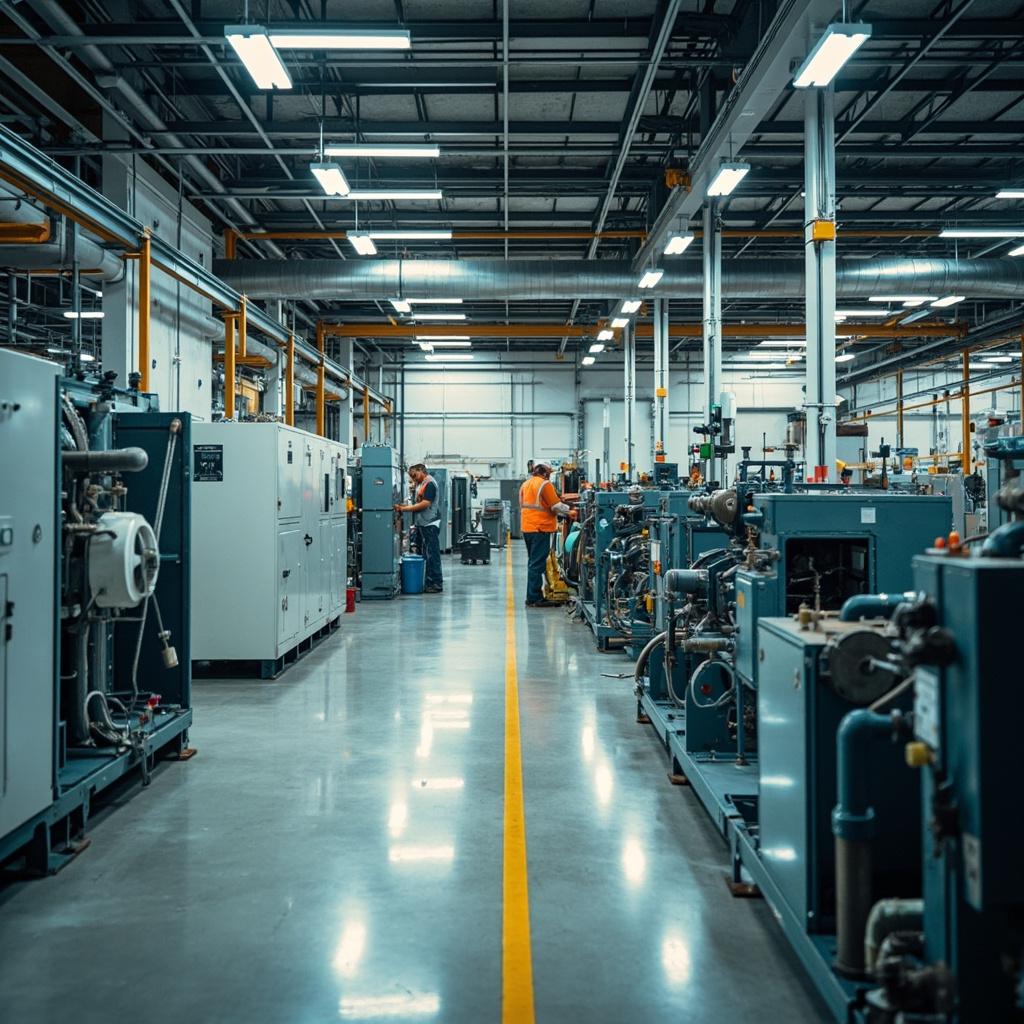
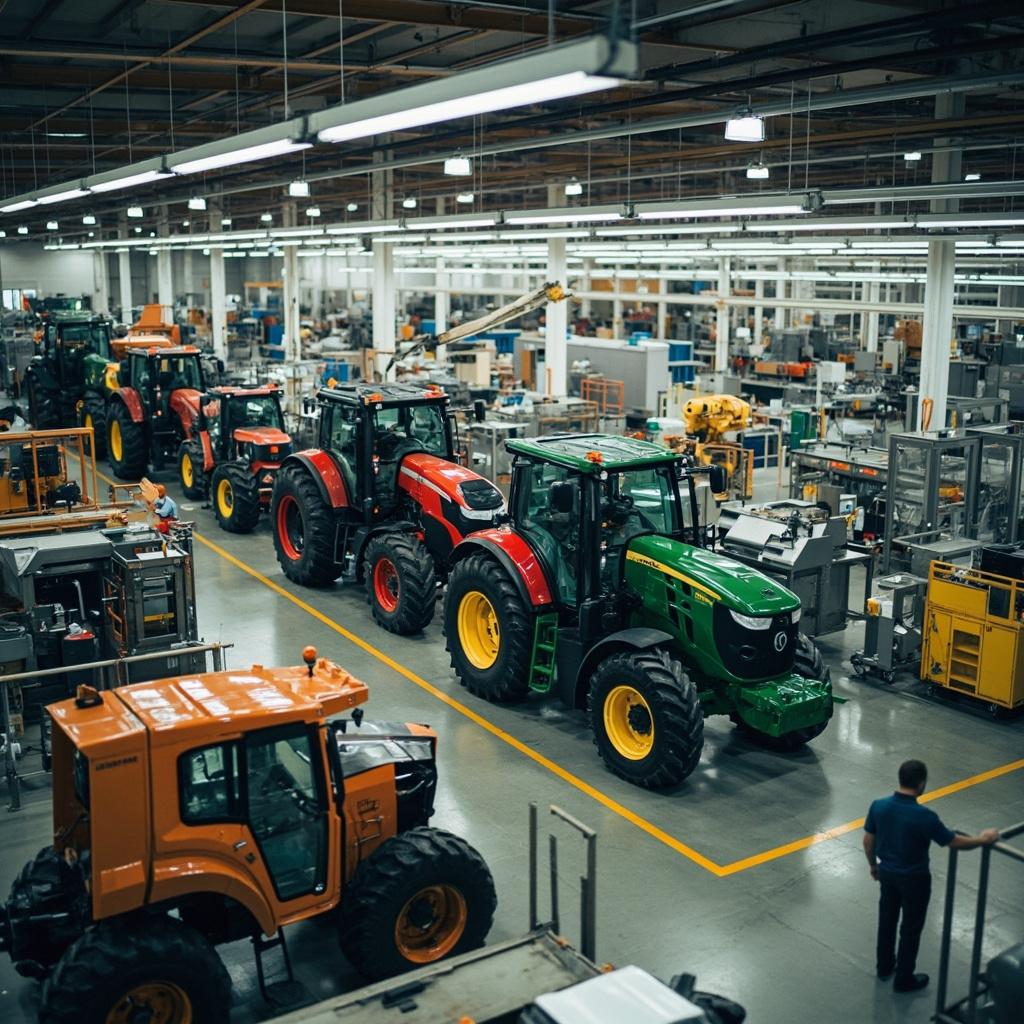
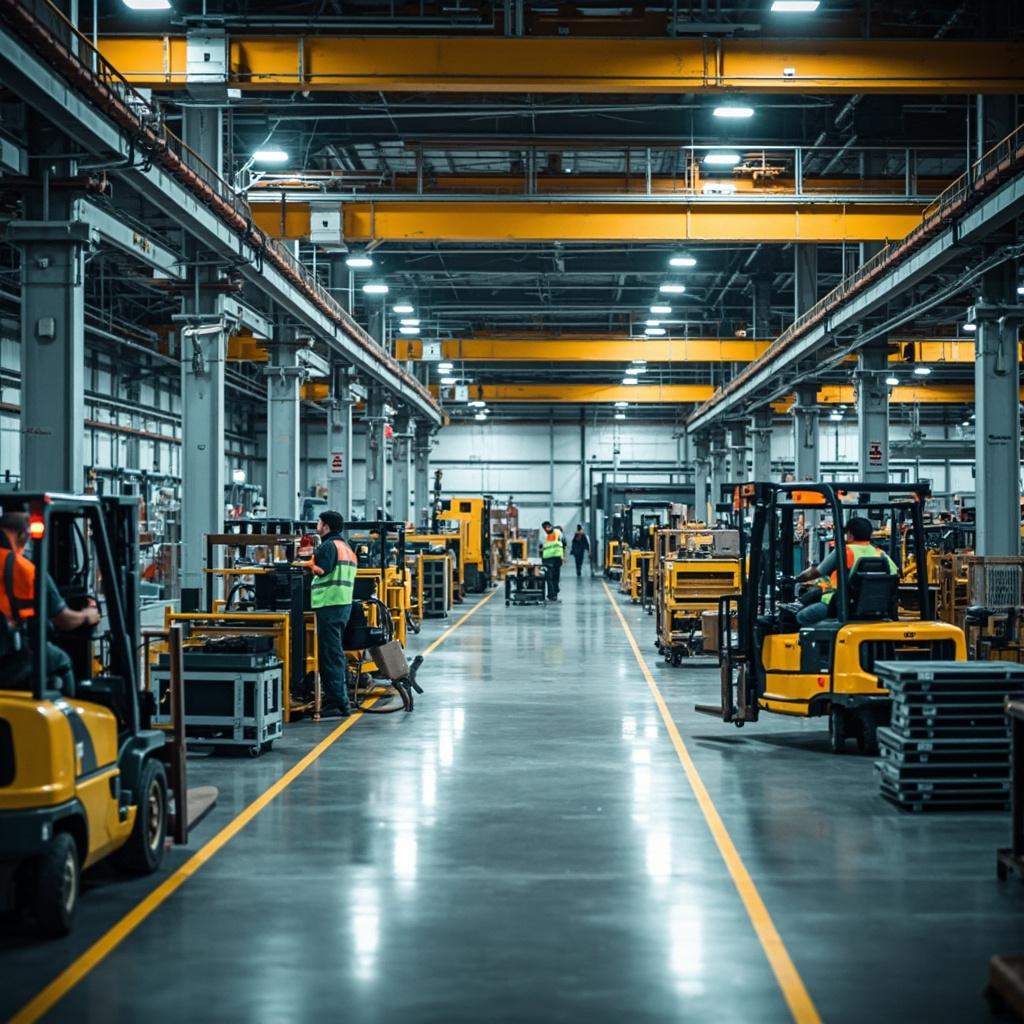
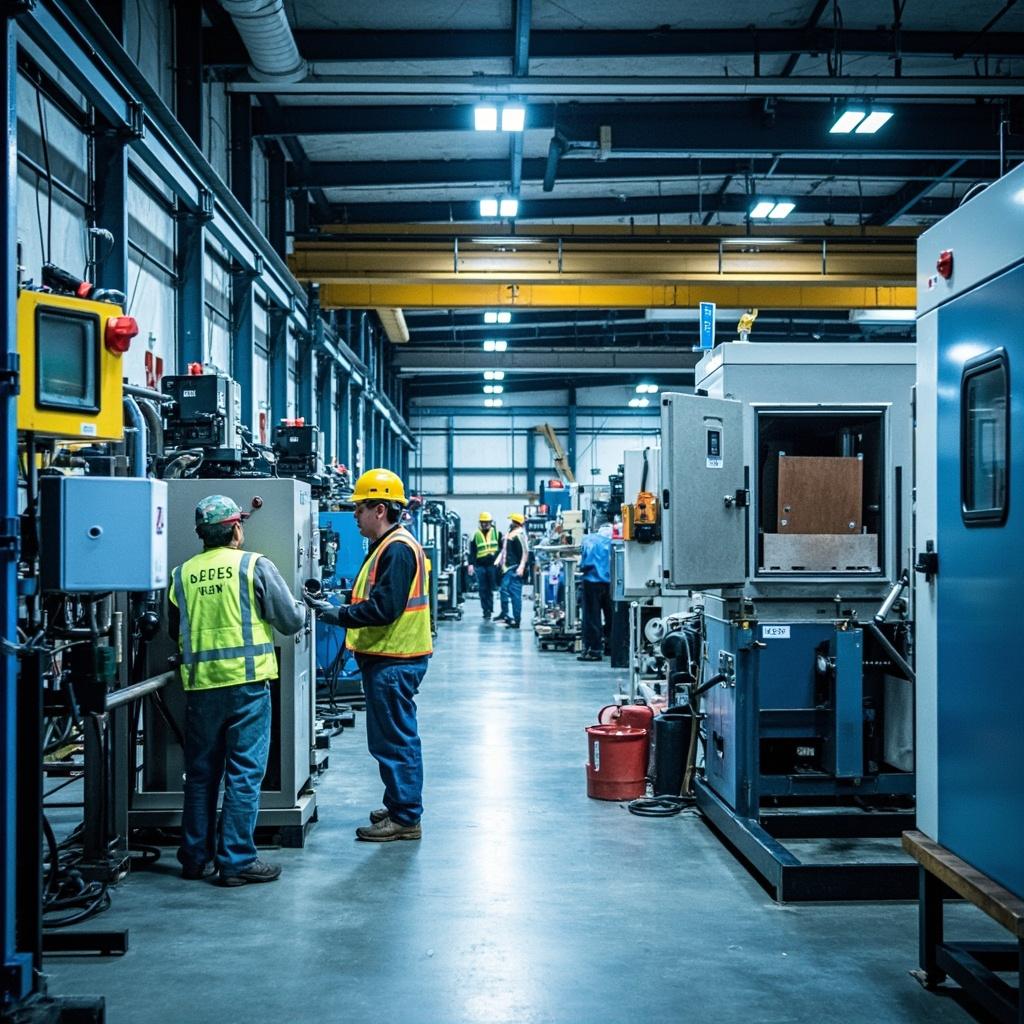
Leading environmental and cleaning equipment manufacturers operate diverse, globally distributed production facilities that span the full spectrum from heavy fabrication to precision assembly. Understanding these facility types is essential for evaluating a manufacturer's true production capabilities versus marketing claims.
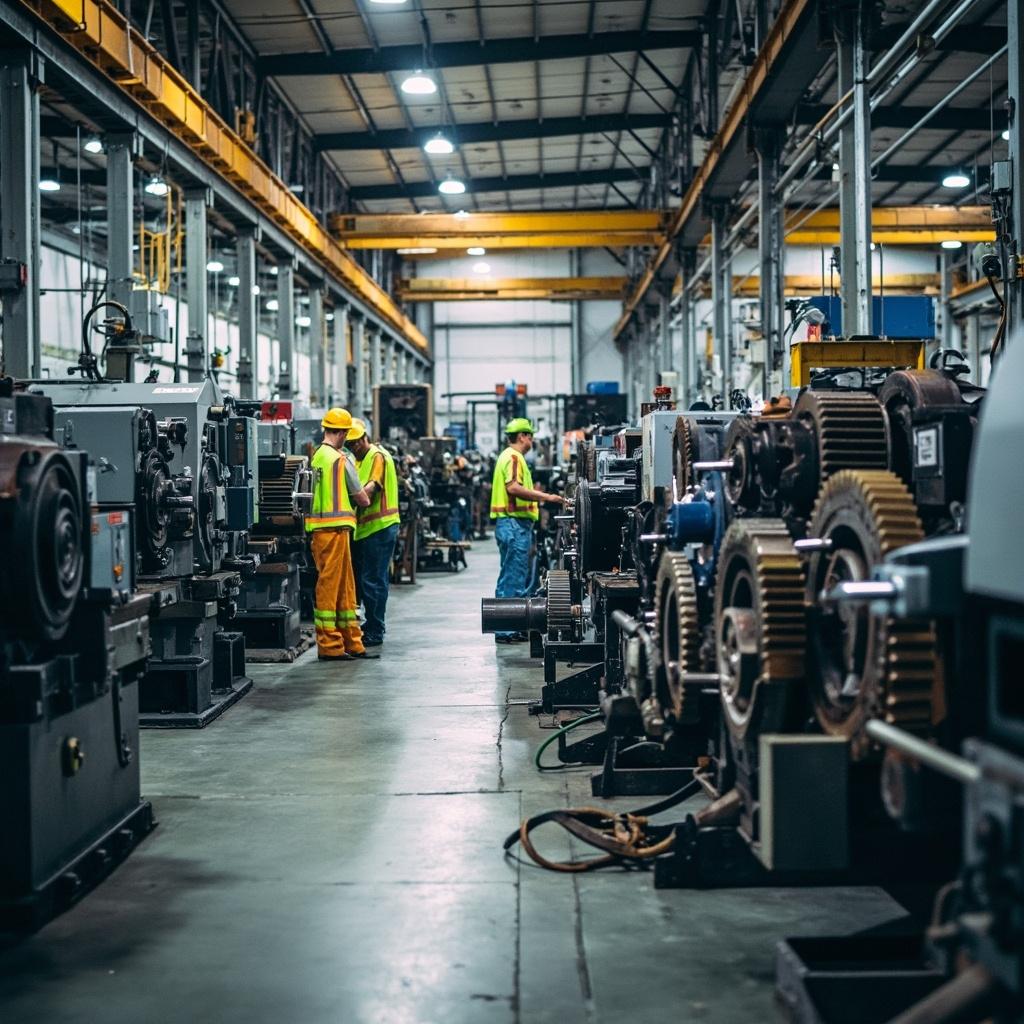
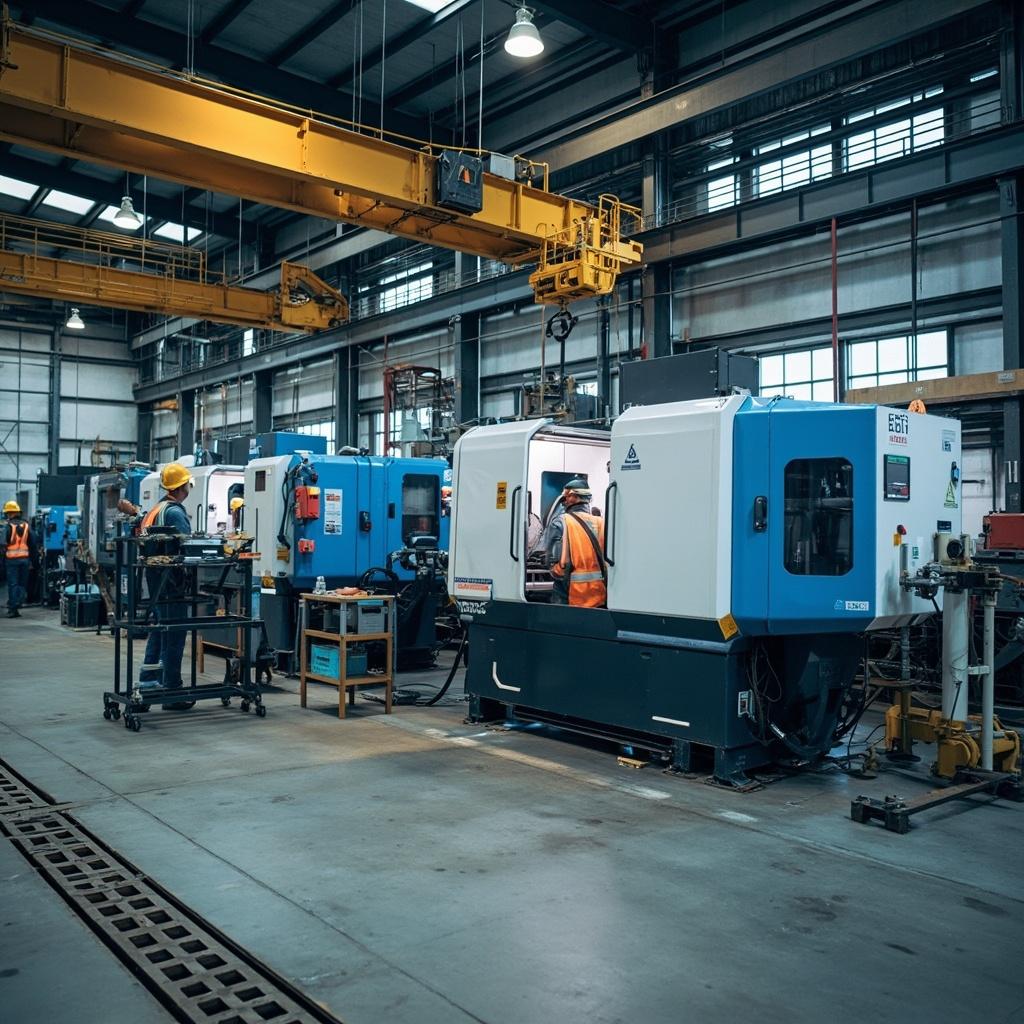
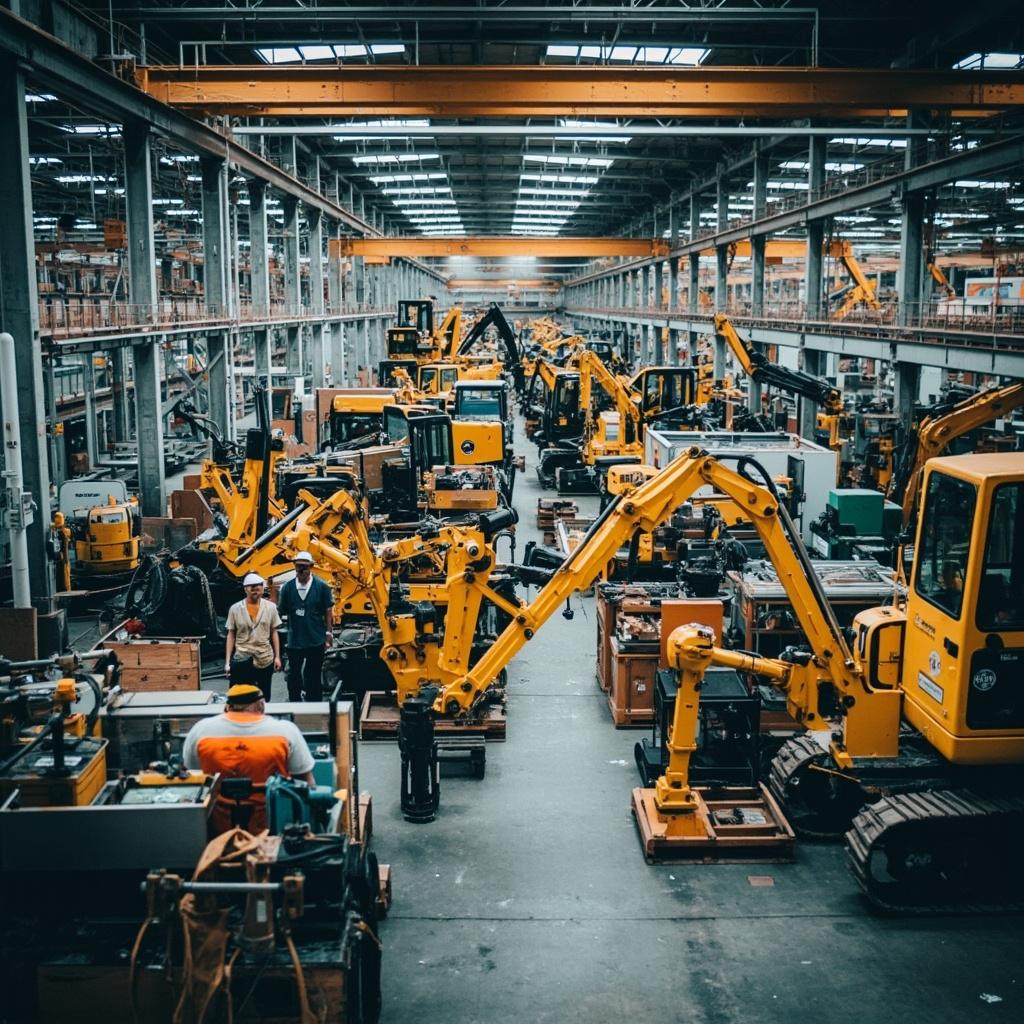
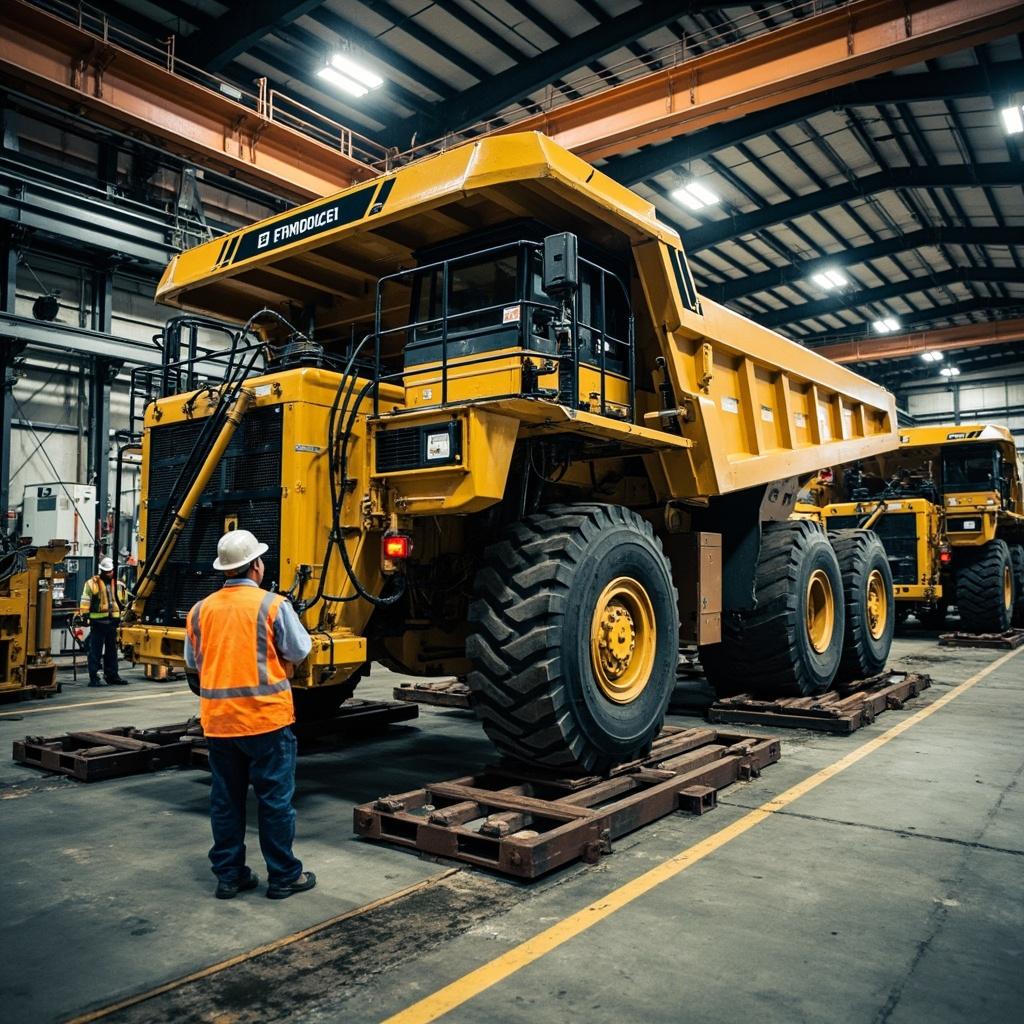
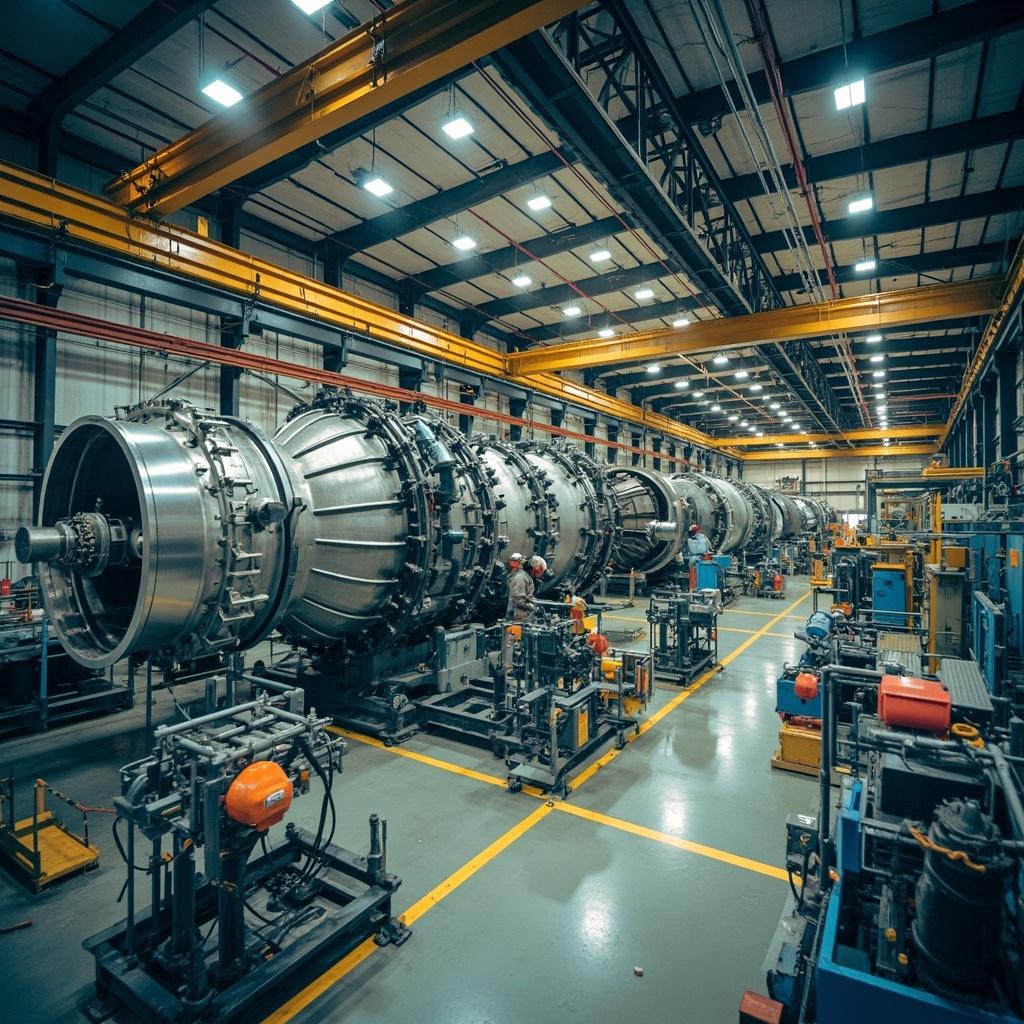
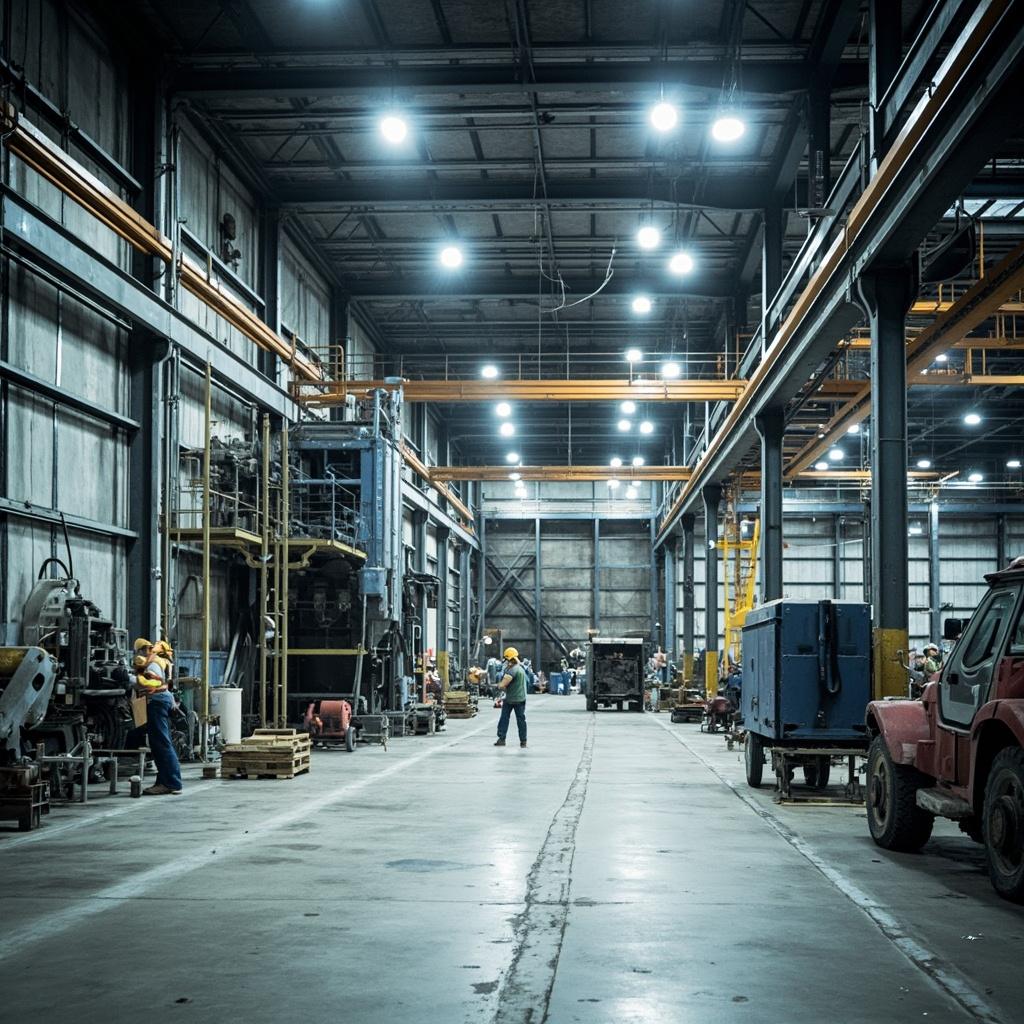
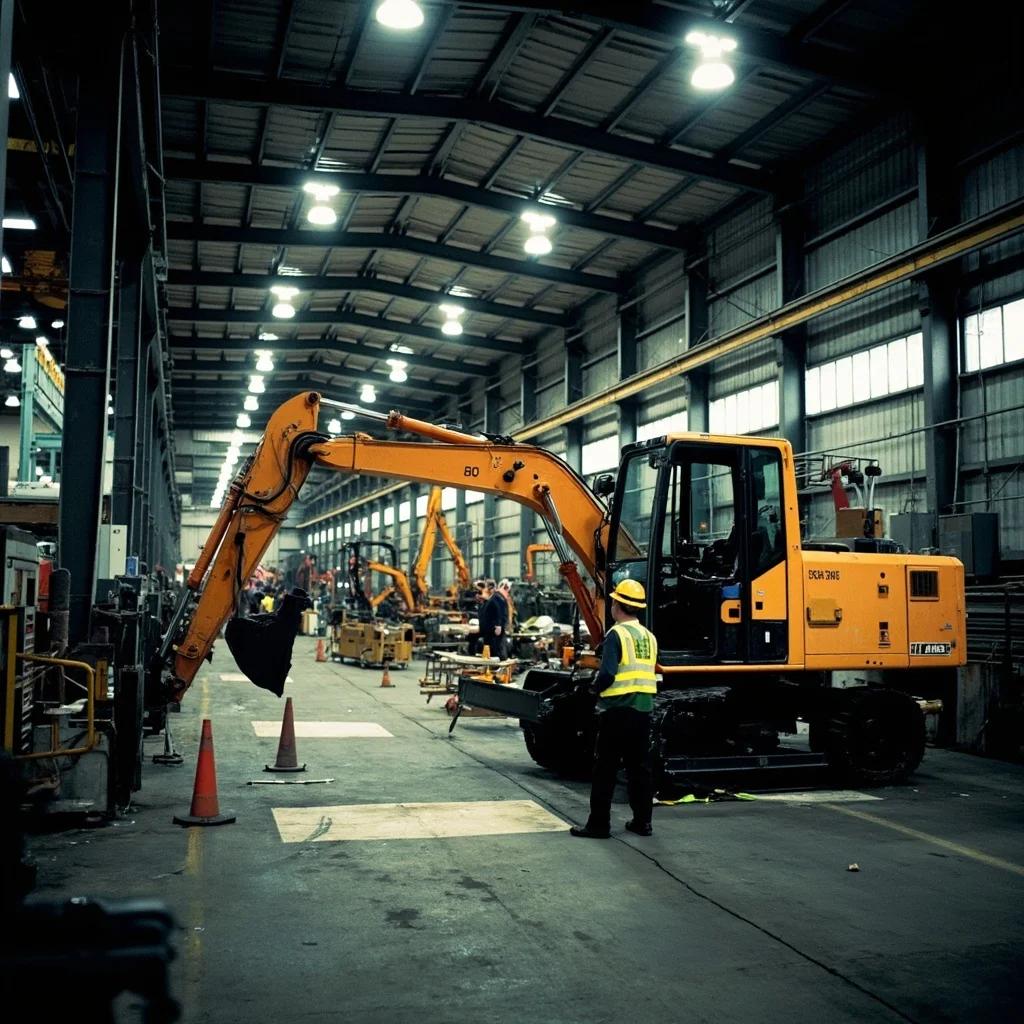
Heavy Metal Fabrication Plants are the backbone of large-scale environmental equipment manufacturing. Andritz operates approximately 280 production sites globally, with major facilities in Austria, China, and Germany capable of fabricating multi-ton centrifuge assemblies, pressure vessels for industrial sludge dryers, and hydroelectric turbine components. Infore Environment maintains three massive heavy manufacturing bases in Guangdong, Hunan, and Zhejiang provinces, producing over 14,000 sanitation vehicles annually with extensive in-house metal welding, stamping, and painting lines.
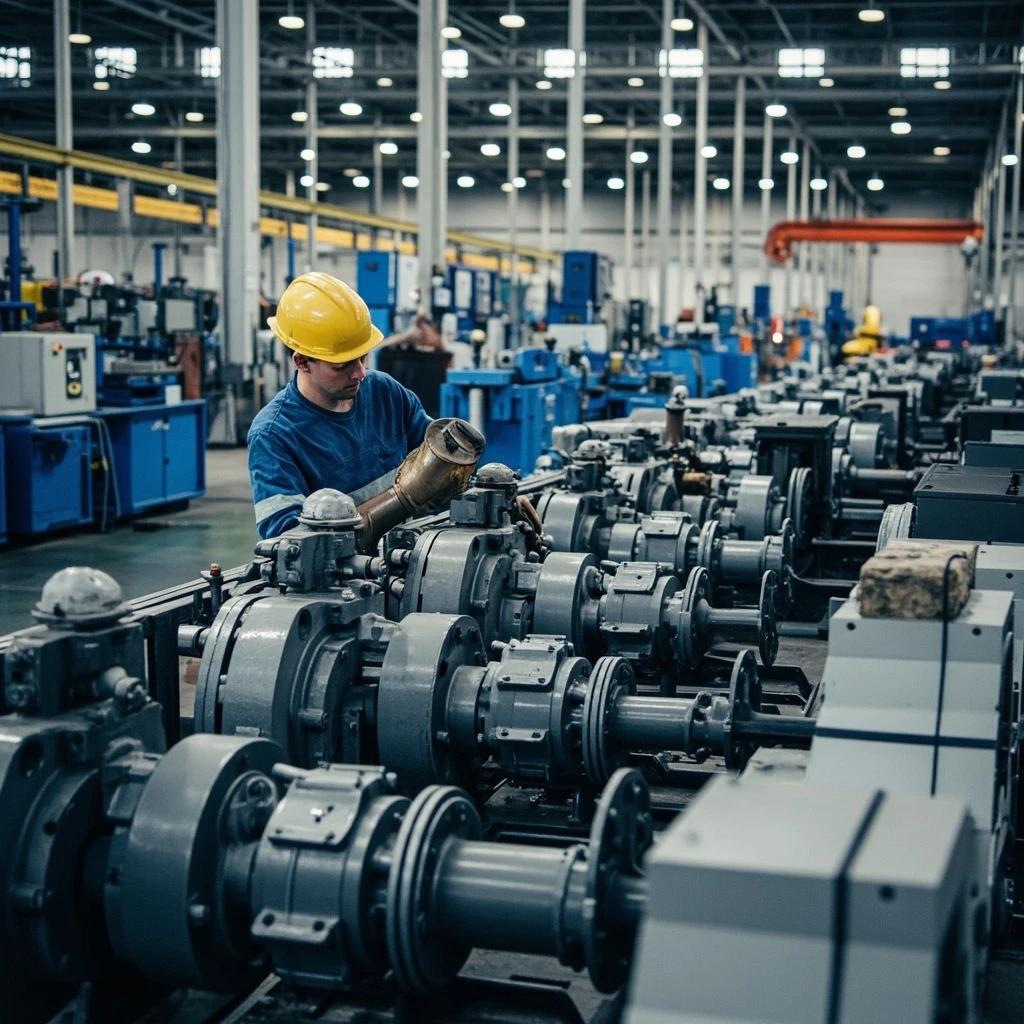
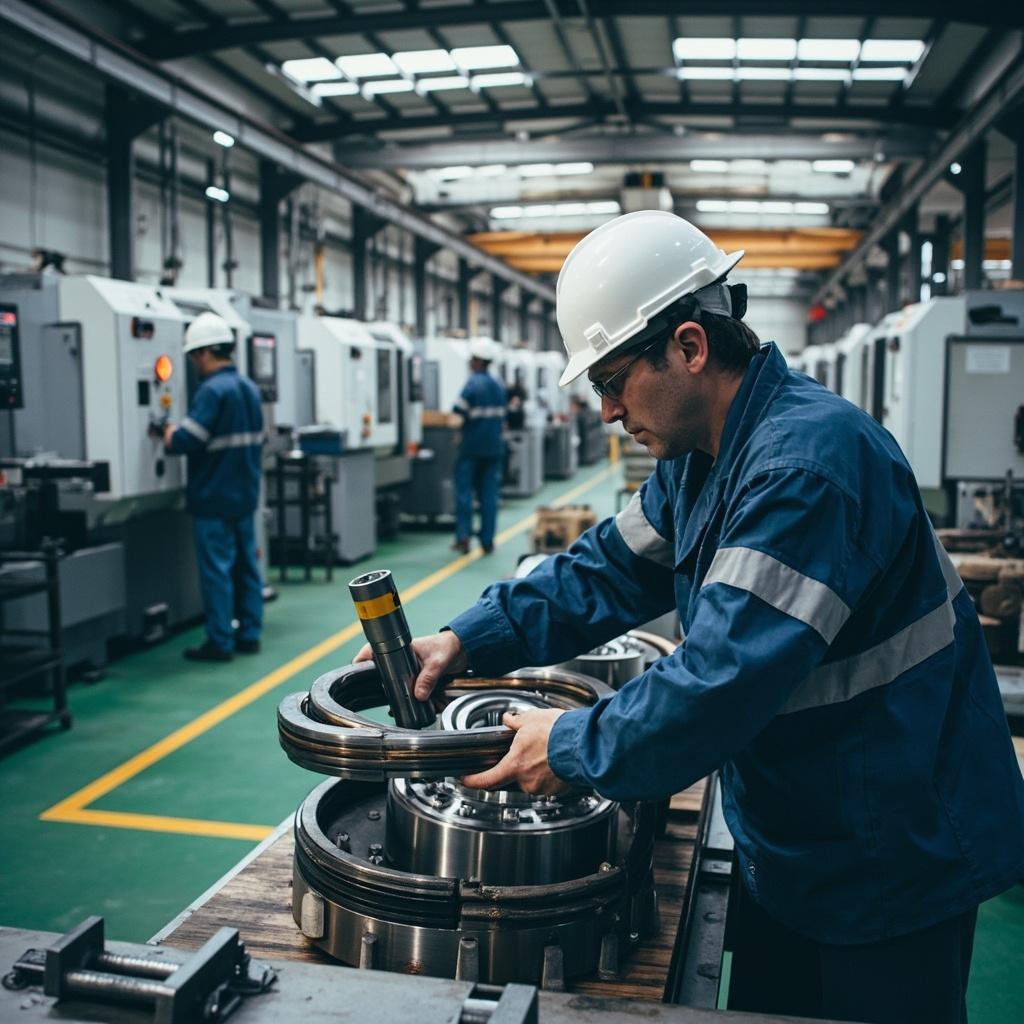
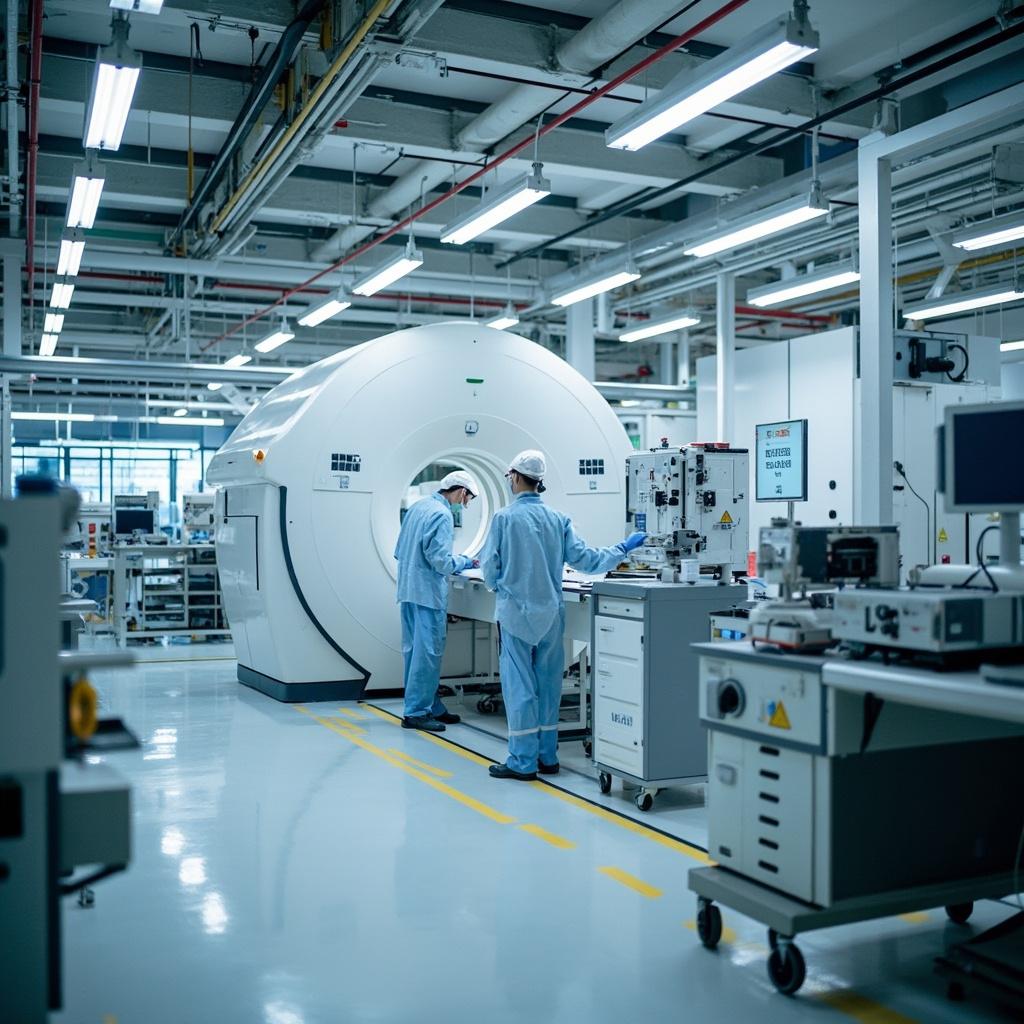
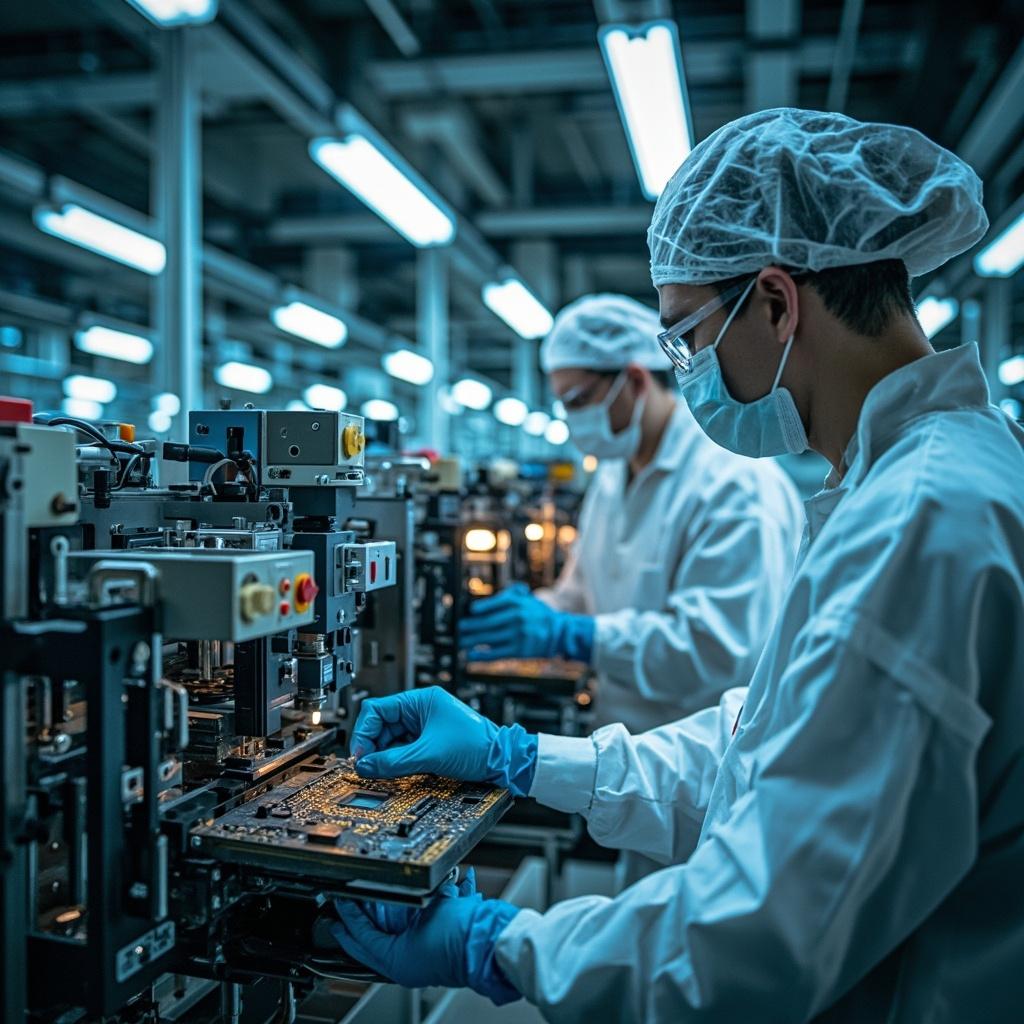
Precision Component Manufacturing facilities represent the highest-value manufacturing stage. Ebara's Fujisawa plant in Japan produces vacuum pump rotors and fluid handling components to sub-micron tolerances for semiconductor manufacturing applications. Donaldson's filter media production lines manufacture proprietary Ultra-Web nanofiber materials in controlled cleanroom environments, with the resulting filter elements commanding premium pricing that commodity filter manufacturers cannot match.
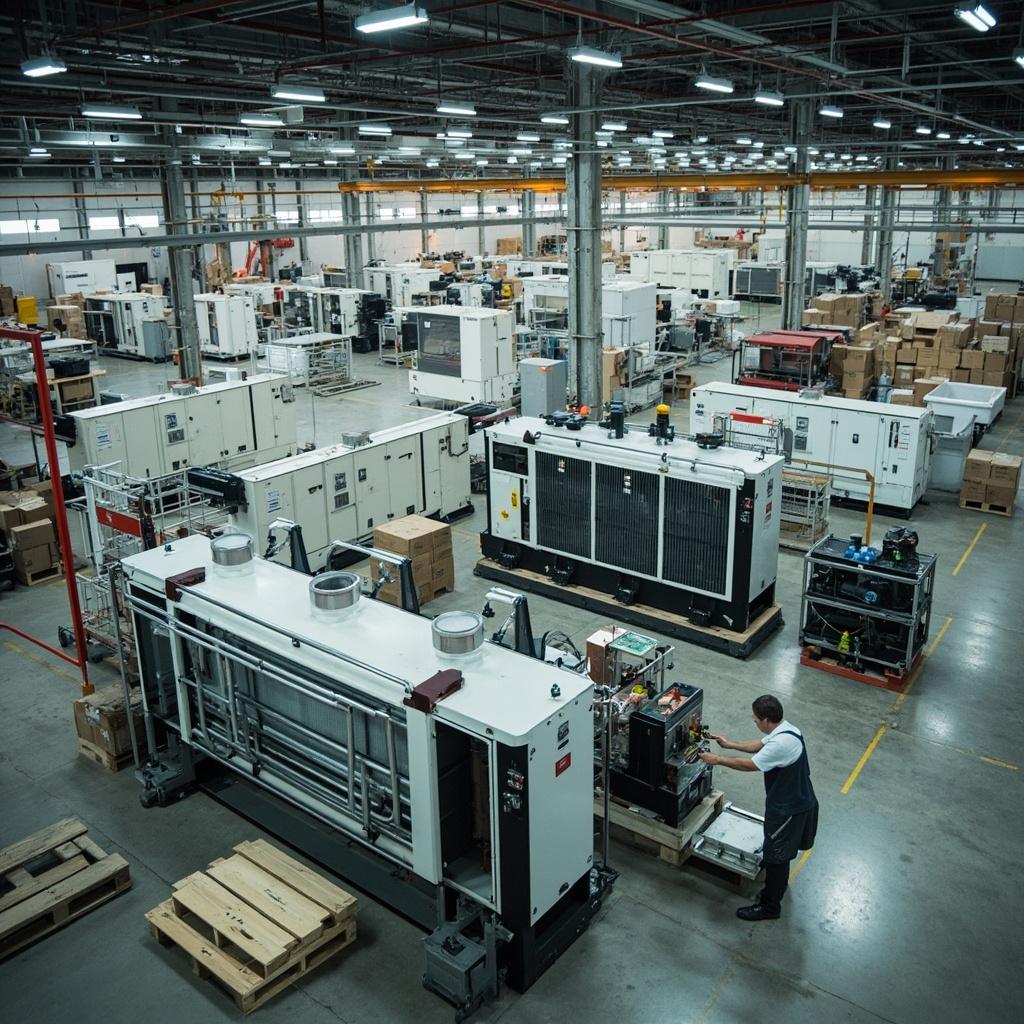
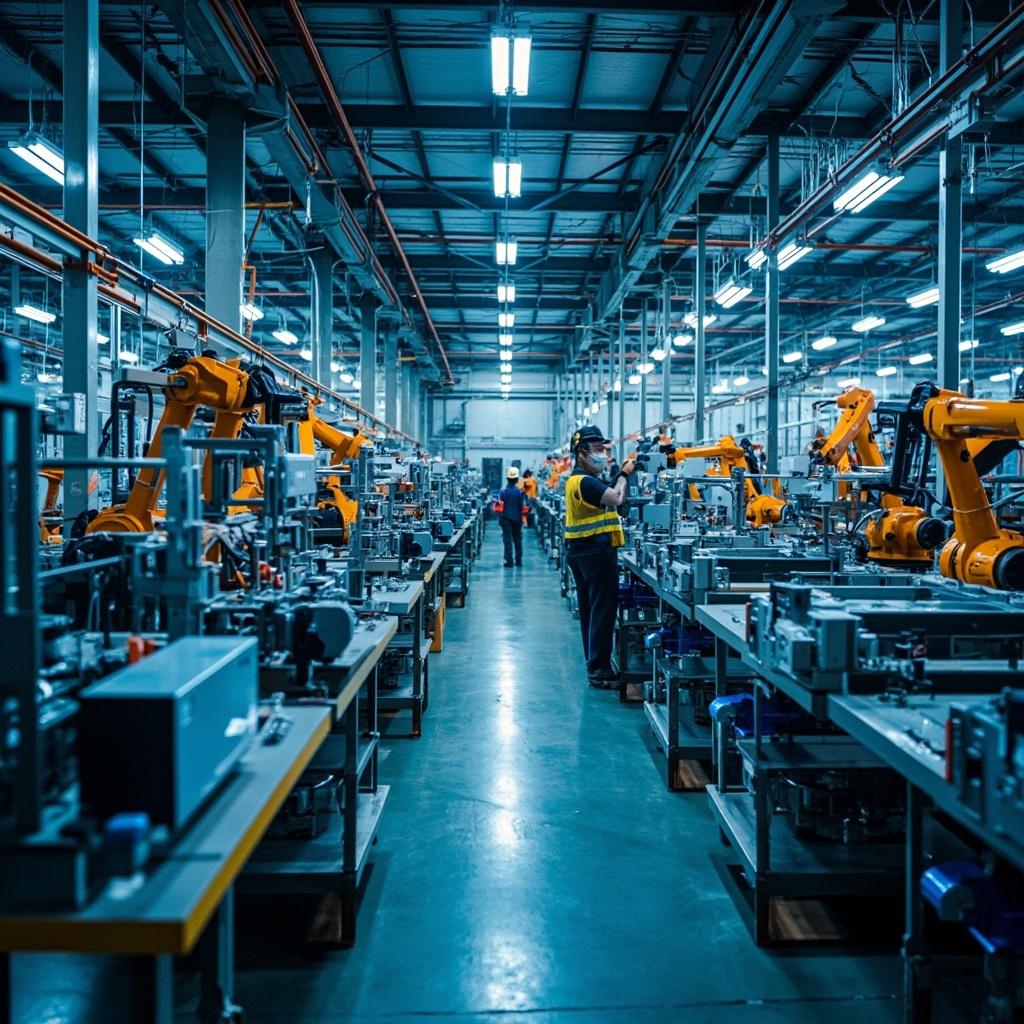
Final Assembly and Regional Customization Centers enable manufacturers to adapt globally-designed products to local regulatory and customer requirements. Kärcher operates 17 major assembly and logistics centers worldwide, with regional configuration of pressure washers and floor cleaning machines to meet varying voltage standards, water quality conditions, and emission regulations. Tennant's Netherlands facility specializes in AMR cleaning robot assembly with GDPR-compliant data handling configurations for European customers.
The environmental equipment manufacturing industry is undergoing a fundamental supply chain restructuring driven by trade barriers, geopolitical risk, and the imperative for production continuity. This transformation is reshaping which manufacturers can reliably serve global markets.
Near-shoring and Regional Manufacturing Redundancy have become existential imperatives. Nilfisk's unprecedented decision to permanently close its US factory and relocate production to Querétaro, Mexico—incurring €93.1 million in restructuring charges—exemplifies the magnitude of supply chain transformation underway. By operating under USMCA tariff-free provisions while accessing lower manufacturing costs, Nilfisk has structurally improved its North American cost position despite the short-term financial pain. Infore Environment has established factories in Italy and Thailand specifically to serve European and Southeast Asian markets with locally-produced equipment, avoiding the 25%+ tariffs that would apply to Chinese-manufactured sanitation vehicles.
Vertical Integration as a Defense Mechanism is being pursued by manufacturers seeking insulation from component shortages. Kärcher has deepened its already extensive vertical integration by expanding in-house electric motor production at its Quistello, Italy facility and adding new rotomolding capacity at its Changshu, China plant. Donaldson maintains complete control over its proprietary filter media production, ensuring that even during global supply chain disruptions, its core filtration technology capability remains uninterrupted. The companies that have invested in this manufacturing depth over decades are now reaping disproportionate competitive advantages as less integrated competitors struggle with component availability.
Selecting an environmental equipment manufacturer requires rigorous evaluation beyond price comparisons to assess production capability, technology ownership, and long-term partnership viability. The following framework is essential for industrial procurement professionals.
Factory Audit and Production Capability Verification should be the first step. Request documentation of owned manufacturing facilities (not contract manufacturing relationships), annual unit output volumes by product category, and quality certifications (ISO 9001, ISO 14001, industry-specific standards). Leading manufacturers like Andritz (280 sites, €10.5 billion order backlog proving production credibility) and Xylem (19 core production facilities, 23,000+ employees) will readily provide this information, while OEM-dependent companies will deflect. Verify that the manufacturer produces critical components in-house—motors, pumps, control systems, filter media—rather than assembling purchased components.
Aftermarket Support and Spare Parts Availability should be assessed through reference checks with existing customers operating similar equipment. Evaluate the manufacturer's regional service technician density, spare parts inventory depth (particularly for wear components like filter elements, pump seals, and UV lamps), and remote diagnostics capability. Kärcher's 170+ subsidiary network across 87 countries and Donaldson's 150+ distribution locations in 40+ countries provide the benchmark for acceptable service coverage.
Financial Stability and Production Continuity Risk assessment is critical given the long service life of environmental equipment. Review the manufacturer's order backlog (a strong leading indicator of production stability), working capital position, and debt structure. Andritz's €10.5 billion backlog and Nilfisk's willingness to absorb €93 million in restructuring charges to optimize its North American manufacturing footprint both signal financial capacity to honor long-term equipment supply and service commitments.
Environmental and cleaning equipment manufacturing is concentrated in several key regional hubs, each with distinct competitive advantages, specialization patterns, and trade policy implications. Understanding this geography is essential for supply chain risk assessment and procurement strategy.
Central Europe (Germany, Austria, Italy, Hungary) remains the global epicenter of premium environmental equipment manufacturing. Kärcher anchors this cluster with its headquarters and multiple production facilities in Baden-Württemberg, complemented by motor manufacturing in Italy and expanding capacity in Romania. Andritz operates its flagship heavy fabrication facilities in Austria, serving as the engineering and manufacturing hub for its global solid-liquid separation equipment business. Nilfisk operates a major factory in Nagykanizsa, Hungary, benefiting from Central Europe's skilled manufacturing workforce at costs below Western European levels. The region's competitive advantage lies in precision engineering culture, strong vocational training systems, and proximity to the EU's single market with zero internal tariffs.
East Asia (China, Japan, South Korea) has emerged as both the largest production base and fastest-growing consumption market. Infore Environment and Fulongma anchor China's dominance in sanitation vehicle manufacturing, with massive factories in Guangdong and Fujian provinces producing equipment at scale economics unmatched elsewhere. Ebara represents Japan's precision manufacturing tradition, with its Fujisawa complex producing vacuum and fluid handling equipment to tolerances demanded by the global semiconductor industry. The region benefits from deep supplier ecosystems, integrated logistics infrastructure, and government industrial policies that subsidize manufacturing capacity expansion.
North America (USA, Mexico) is undergoing the most dramatic manufacturing reconfiguration. Tennant's Minneapolis headquarters and Netherlands AMR center reflect a bifurcated strategy—traditional equipment for the Americas, autonomous robots for GDPR-regulated Europe. Donaldson maintains its largest manufacturing presence in the US Midwest, serving as the primary production base for engine and industrial filtration products. Nilfisk's Mexico (Querétaro) factory represents the new near-shoring paradigm, leveraging USMCA tariff advantages while accessing competitive manufacturing costs. The region's manufacturing evolution is being shaped more by trade policy than by traditional factor cost considerations.