VerityRank evaluates manufacturers on a 0-100 Composite Score built from four heavy-industry dimensions. Production Scale & Manufacturing Footprint carries 30% of the weight, measuring the number and size of wholly owned plants and their global distribution; Technology & Innovation Depth accounts for 25%, rewarding autonomous trucks, battery-electric underground equipment, HPGR technology and hydrogen-based DRI systems; Vertical Integration & Supply Chain Control contributes 25%, assessing in-house engines, hydraulics and components; and Global Reach & Market Reputation rounds out the remaining 20% with international sales and dealer networks.
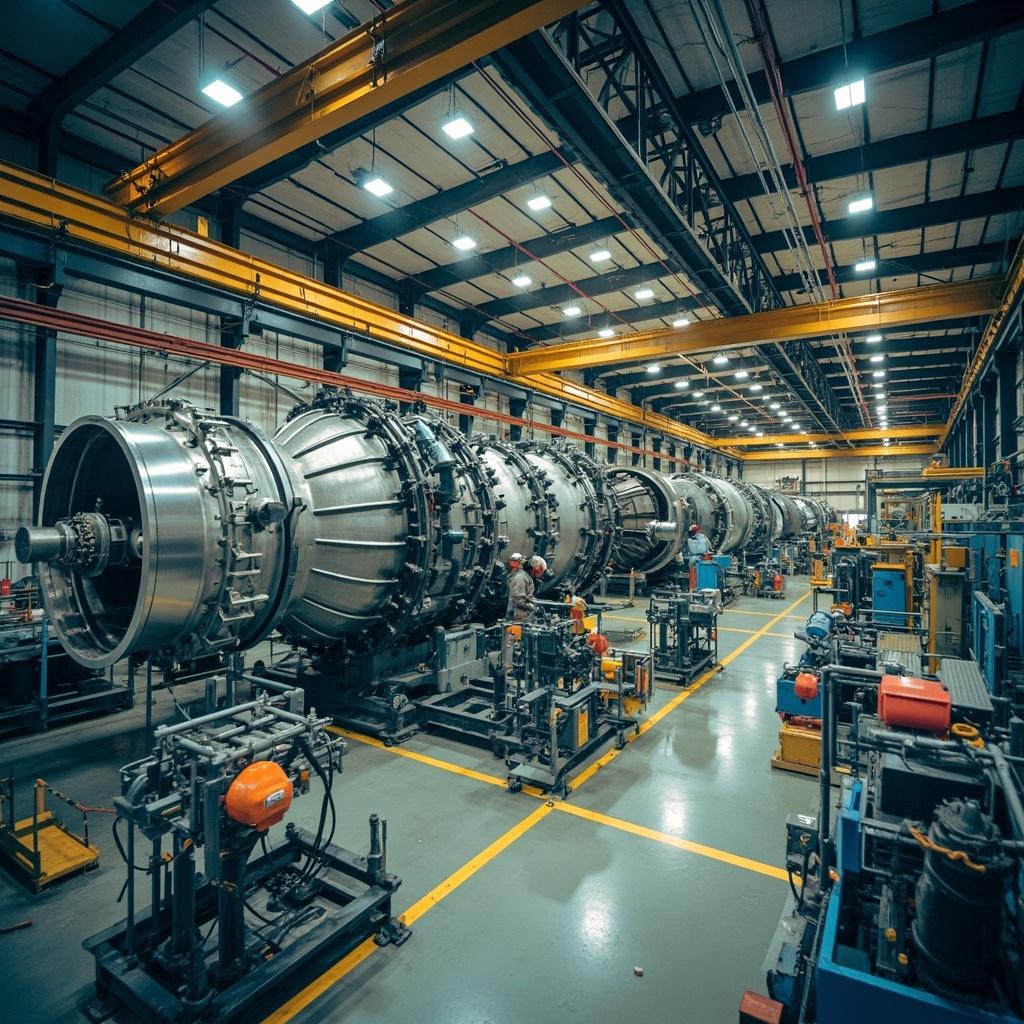
The 2025 assessment draws on full-year financial reports, Q1 2026 disclosures and third-party market studies. Physical production capability is a hard gate: companies relying on third-party OEM manufacturing or pure brand licensing are excluded from the candidate list entirely. Caterpillar''s 100+ factories across 25 countries, Komatsu''s 71 manufacturing bases in 17 countries and Danieli''s three 90,000-square-meter machine halls in Italy, Thailand and China all score highly on this dimension.
Disclaimer: Scores reflect VerityRank''s independent analysis of public data and do not constitute investment advice.
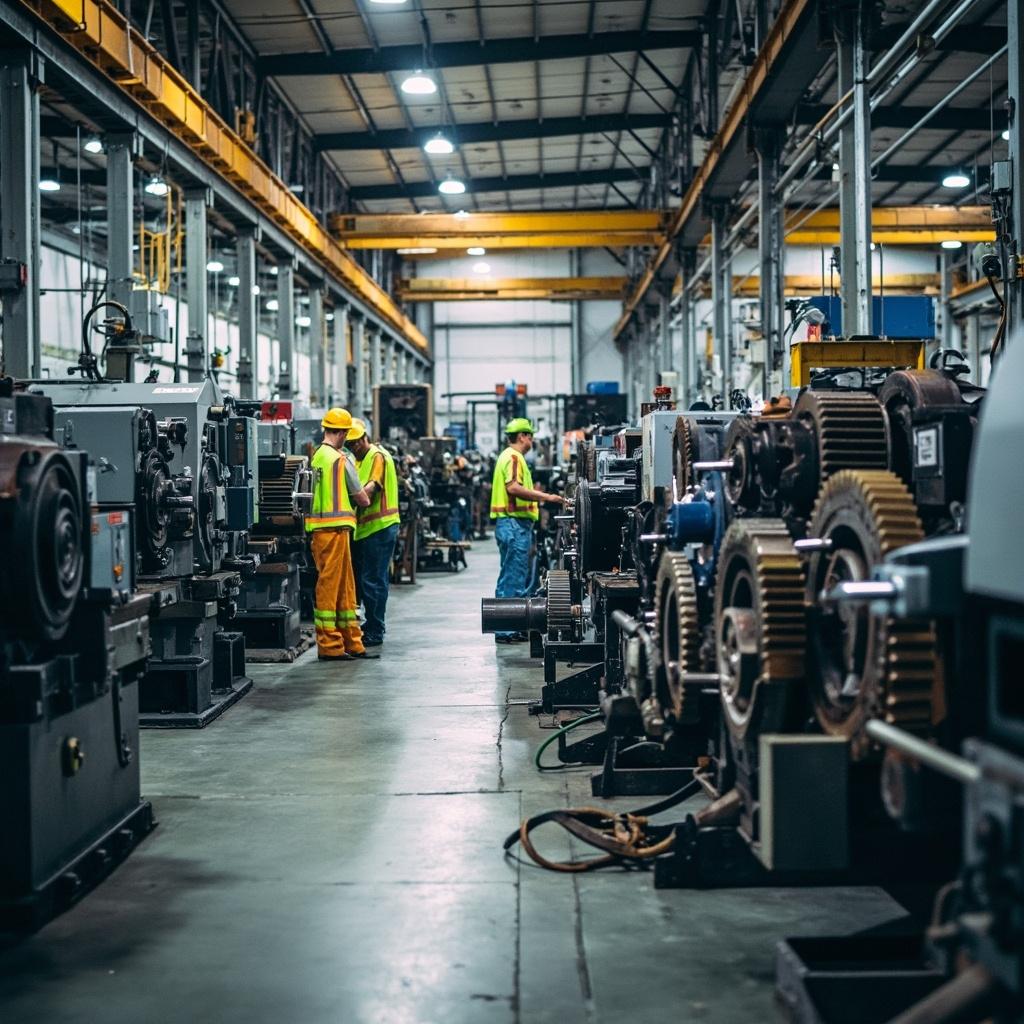
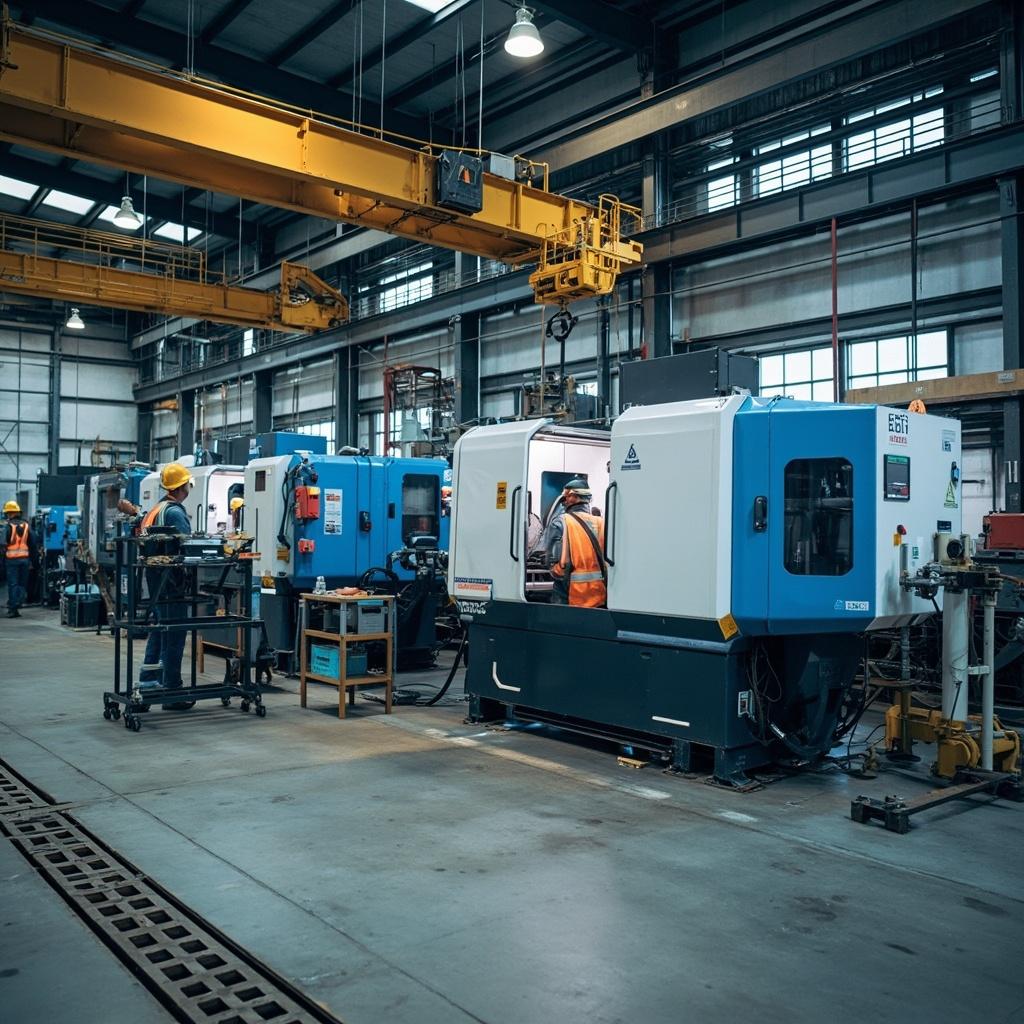
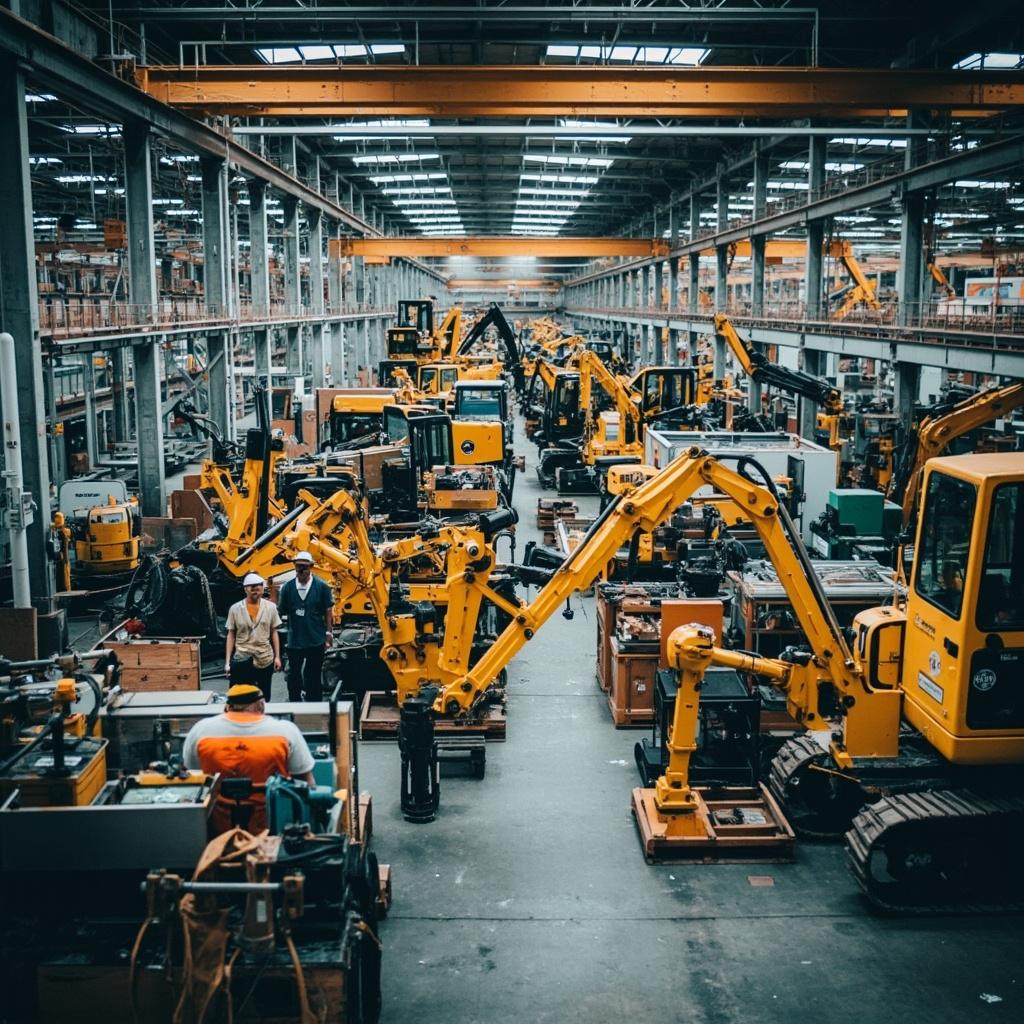
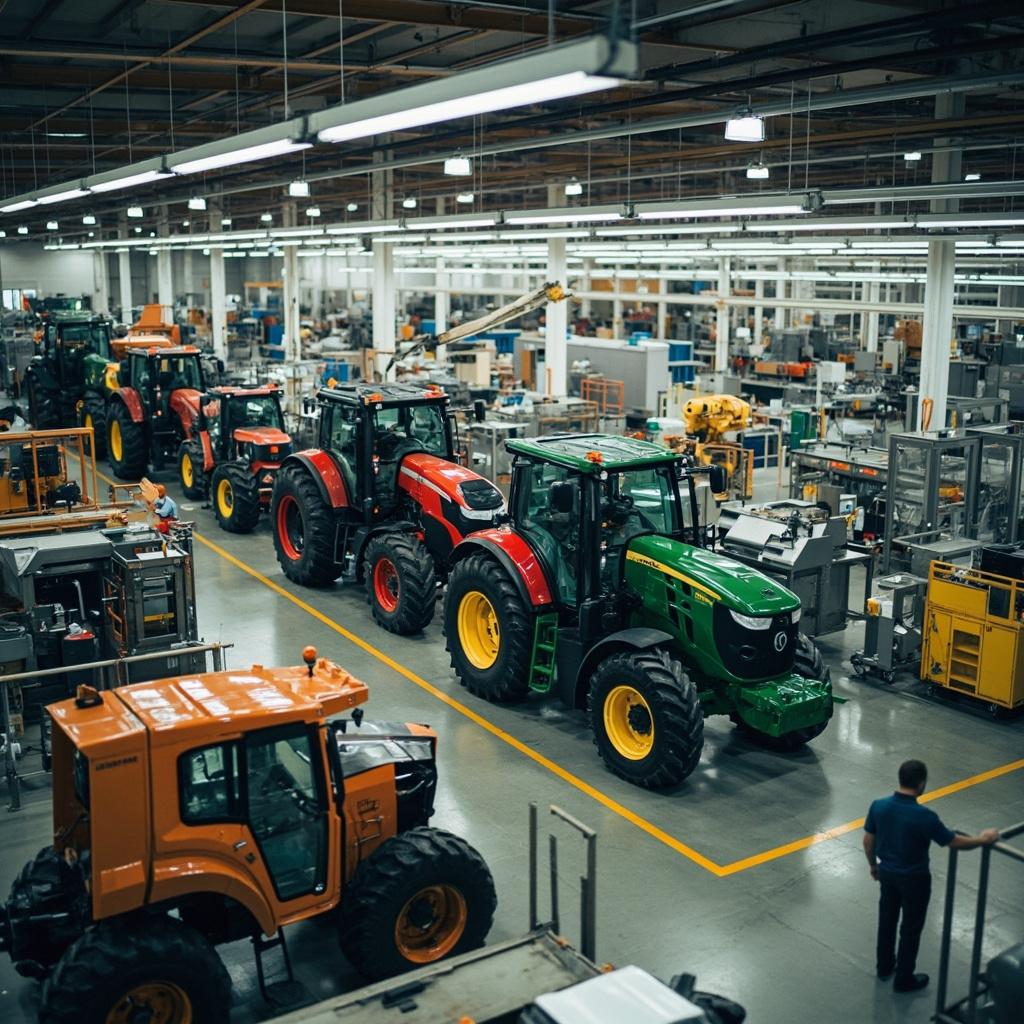
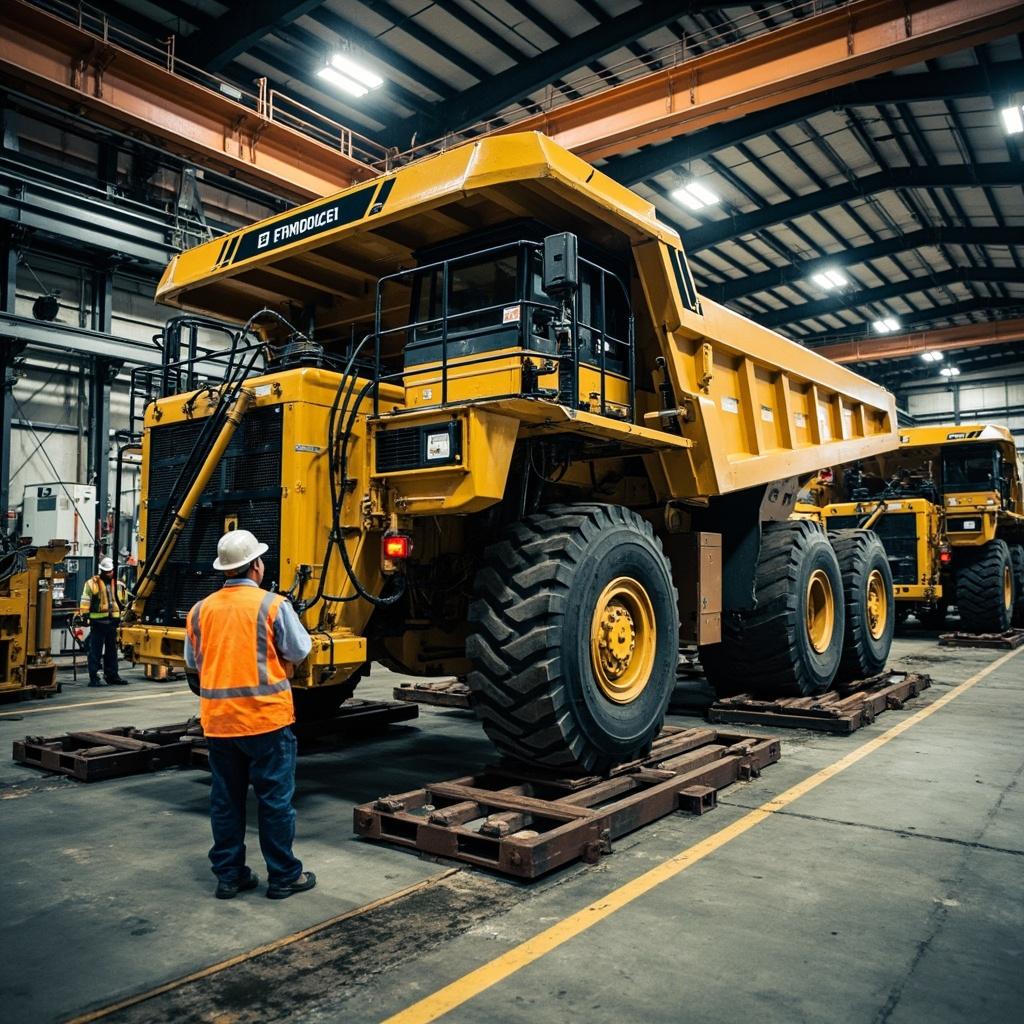
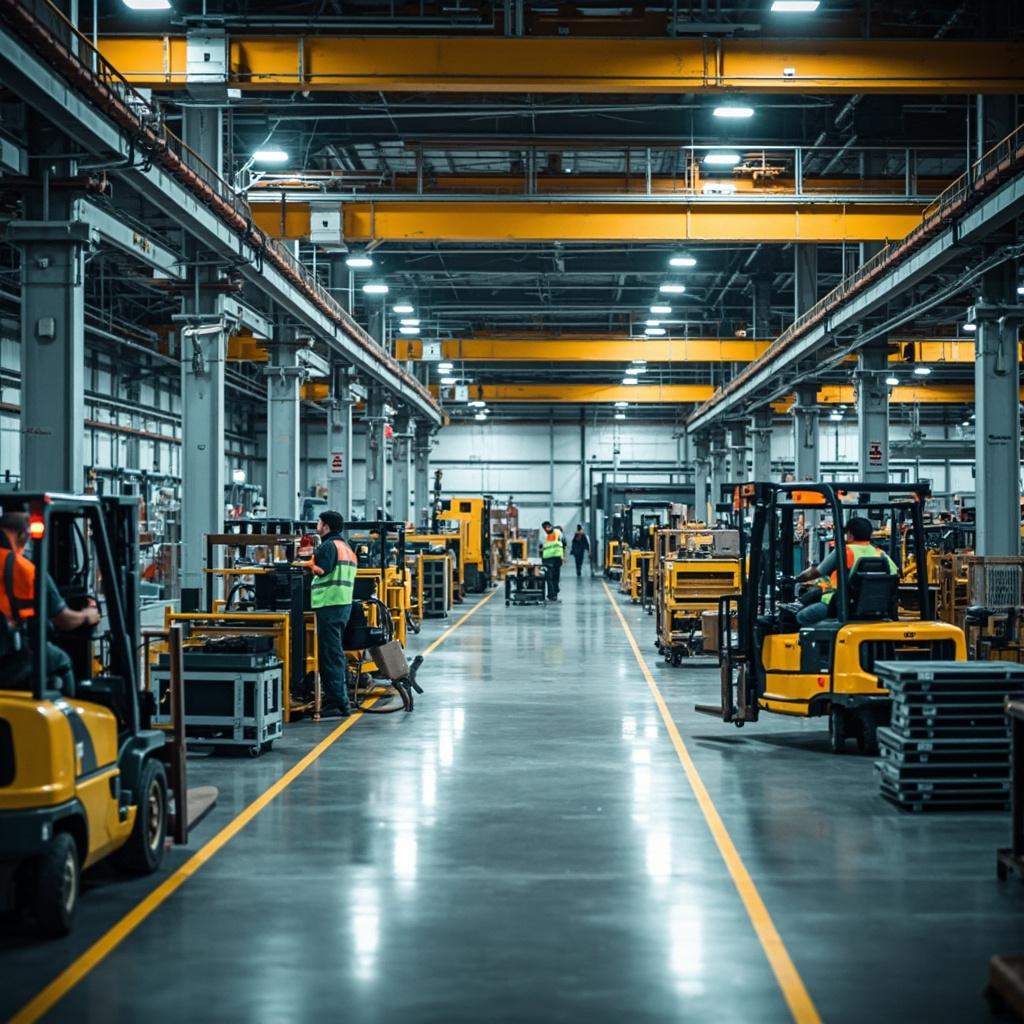
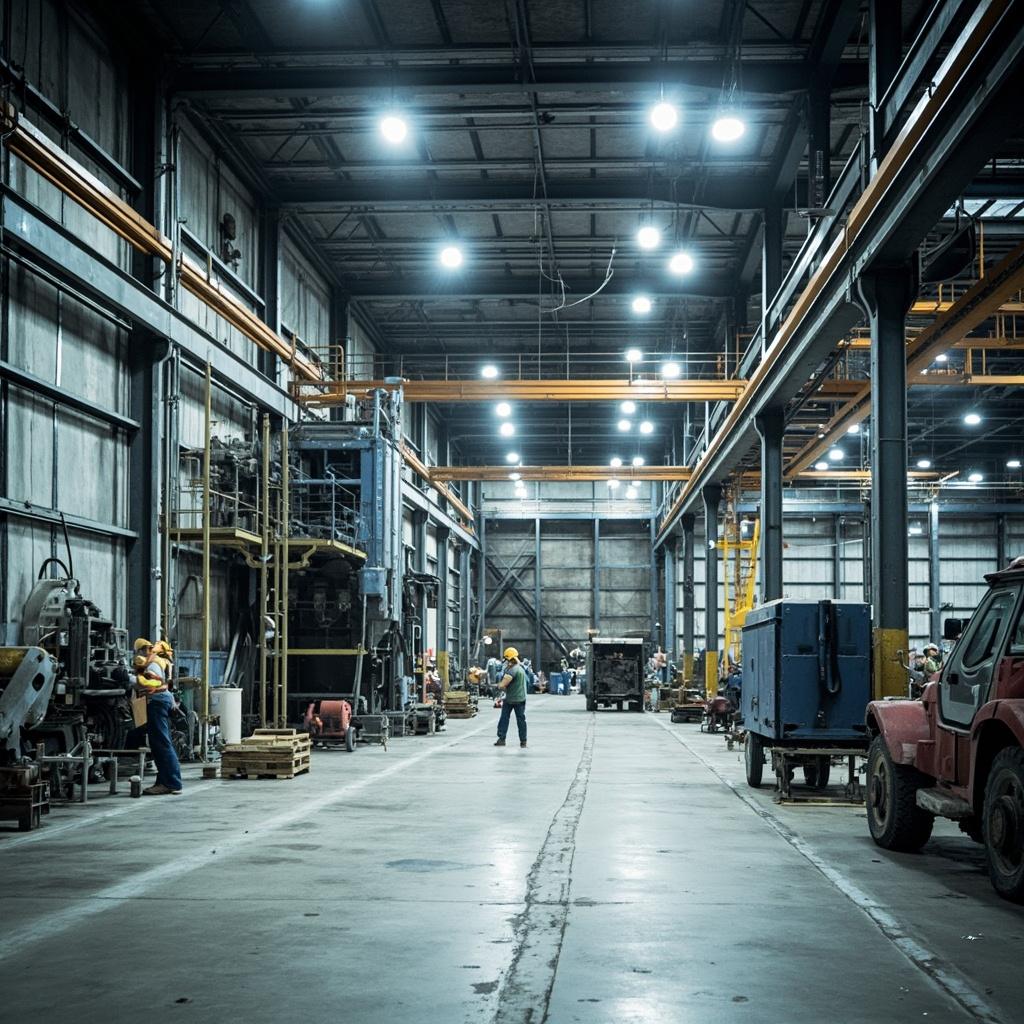
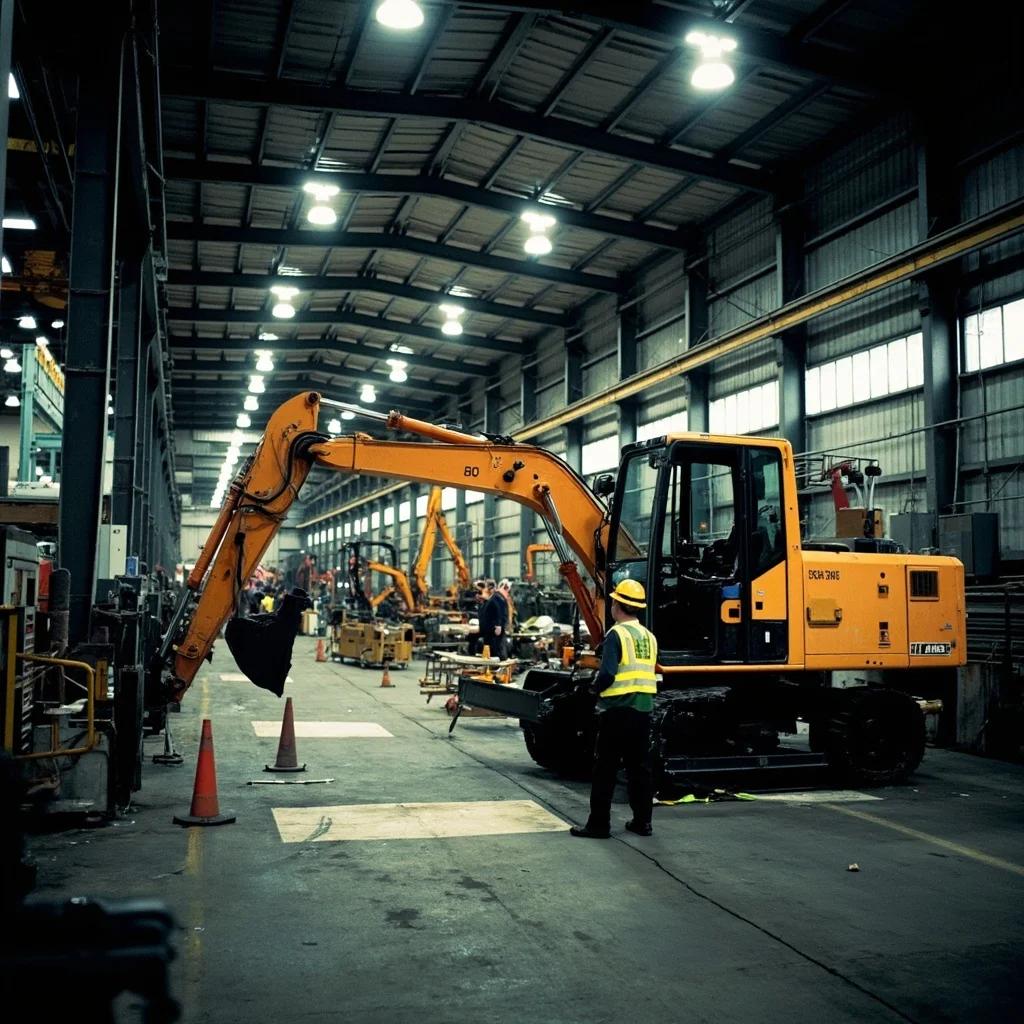
Three production architectures dominate among the world''s leading mining equipment manufacturers. Caterpillar and Komatsu pursue distributed scale: Caterpillar operates more than 100 plants across 25 countries, including over 20 major facilities and R&D centers in China, while Komatsu spreads 71 manufacturing bases across 17 countries with 61% of capacity outside Japan, positioning factories close to terminal markets to hedge logistics costs and geopolitical risk.
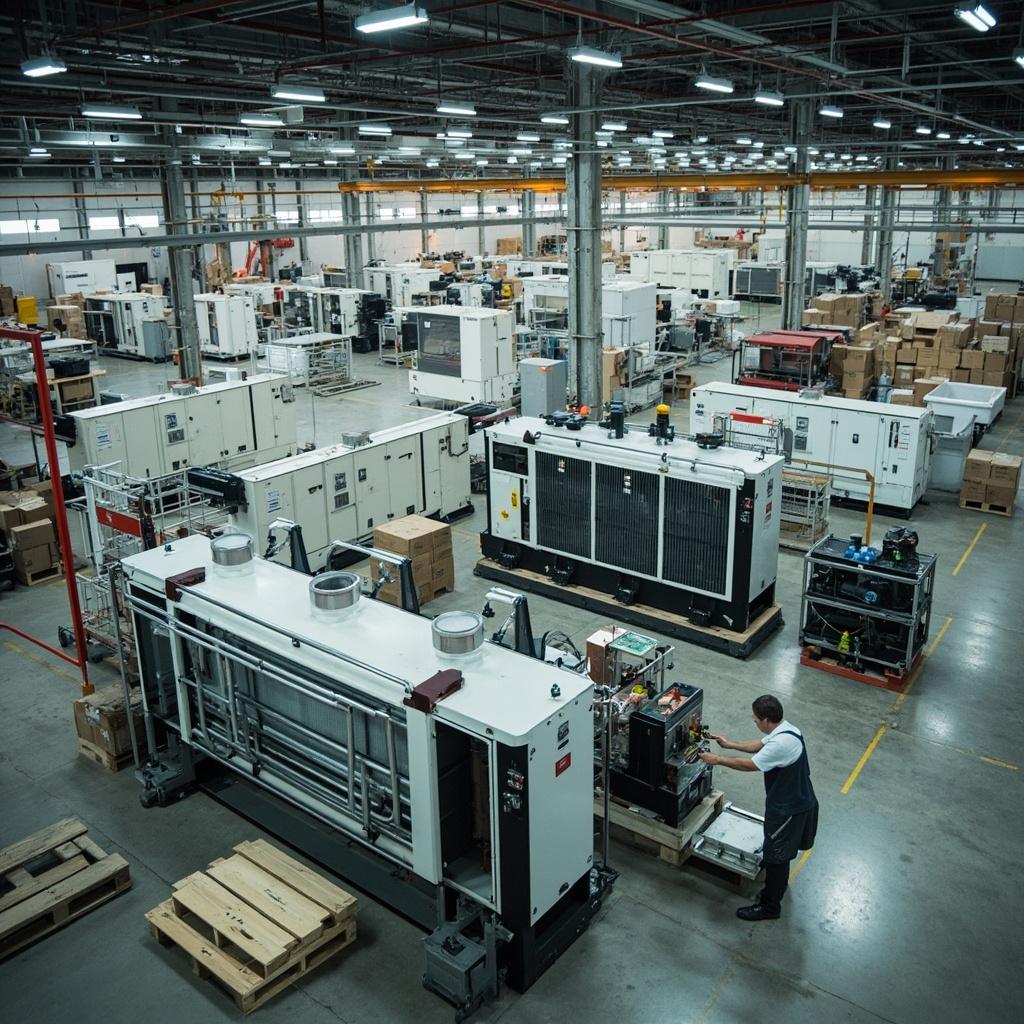
Specialists favor concentrated centers of excellence. Sandvik built an 8,000-square-meter load-and-haul factory in Seremban, Malaysia, dedicated to mass-producing battery-electric vehicles and battery cages, freeing the group from legacy supply chains. Metso''s Metso Park in Rajasthan, India, spans 314,450 square meters and ranks among the world''s largest mobile crushing and screening assembly and test bases, complemented by plants in China (Tianjin, Shaorui), Brazil and Finland. Danieli applies its "same quality wherever in the world" principle with three 90,000-square-meter wholly owned machine halls in Italy, Thailand and China.
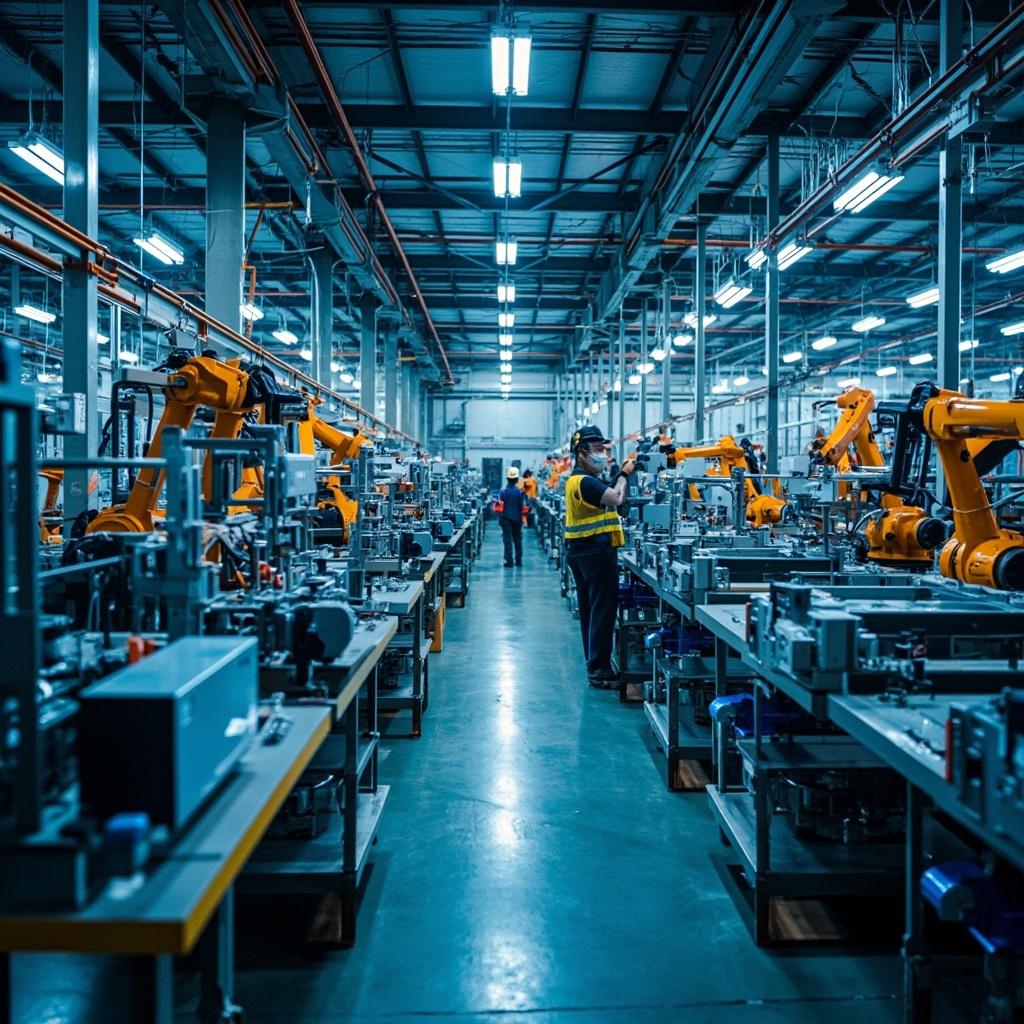
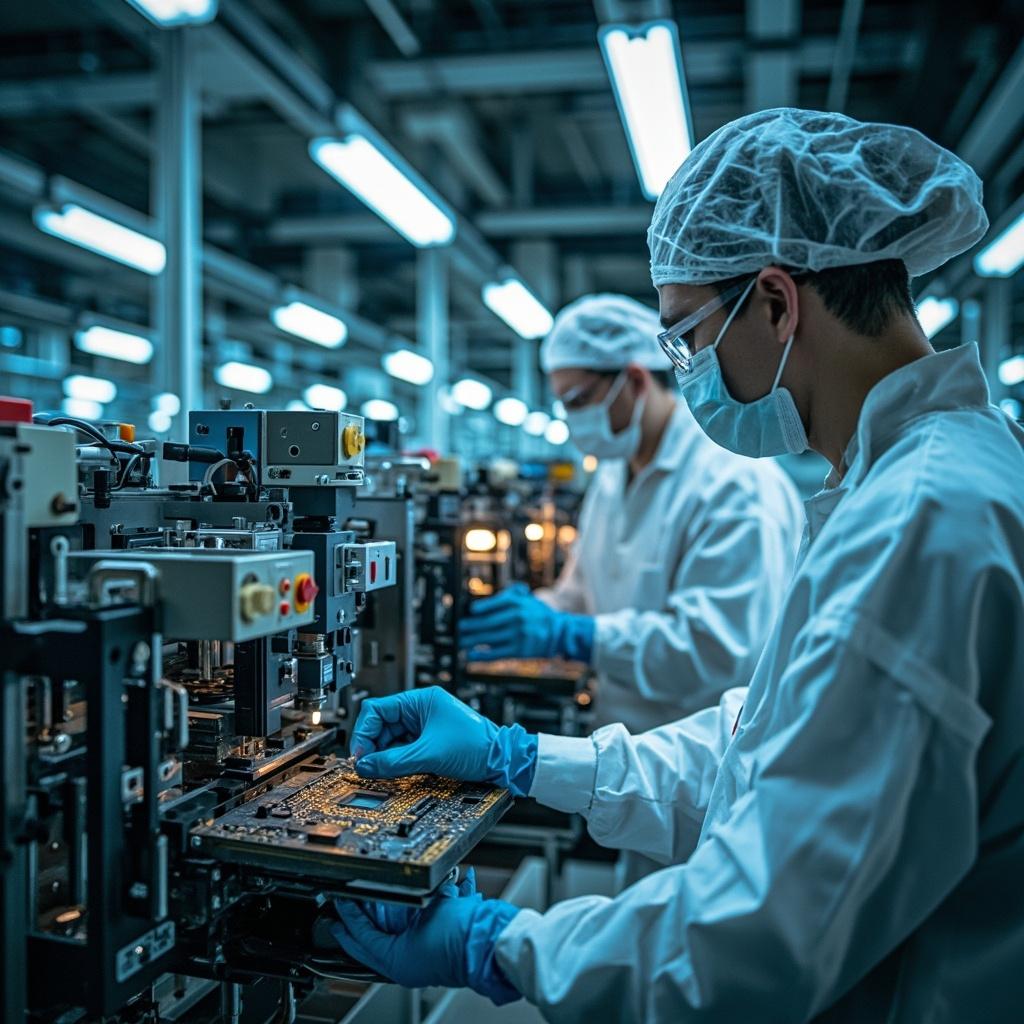
Chinese manufacturers are adding a fourth pattern: mega-bases plus local subsidiaries. XCMG operates large production and assembly plants in China, Brazil, Germany and India, exporting to more than 190 countries, while SANY Heavy Equipment runs a highly digitalized "lighthouse factory" in Shenyang, Liaoning, for underground mining machines and wide-body trucks.
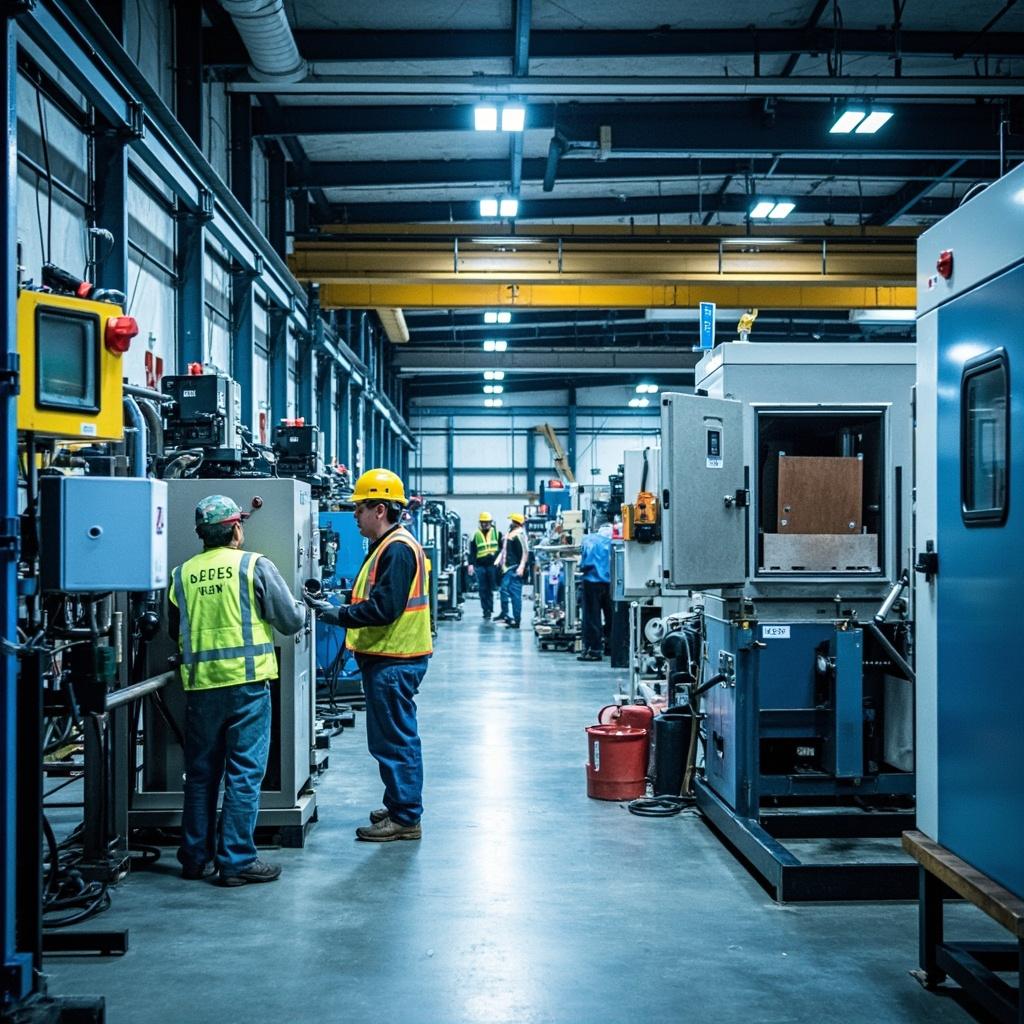
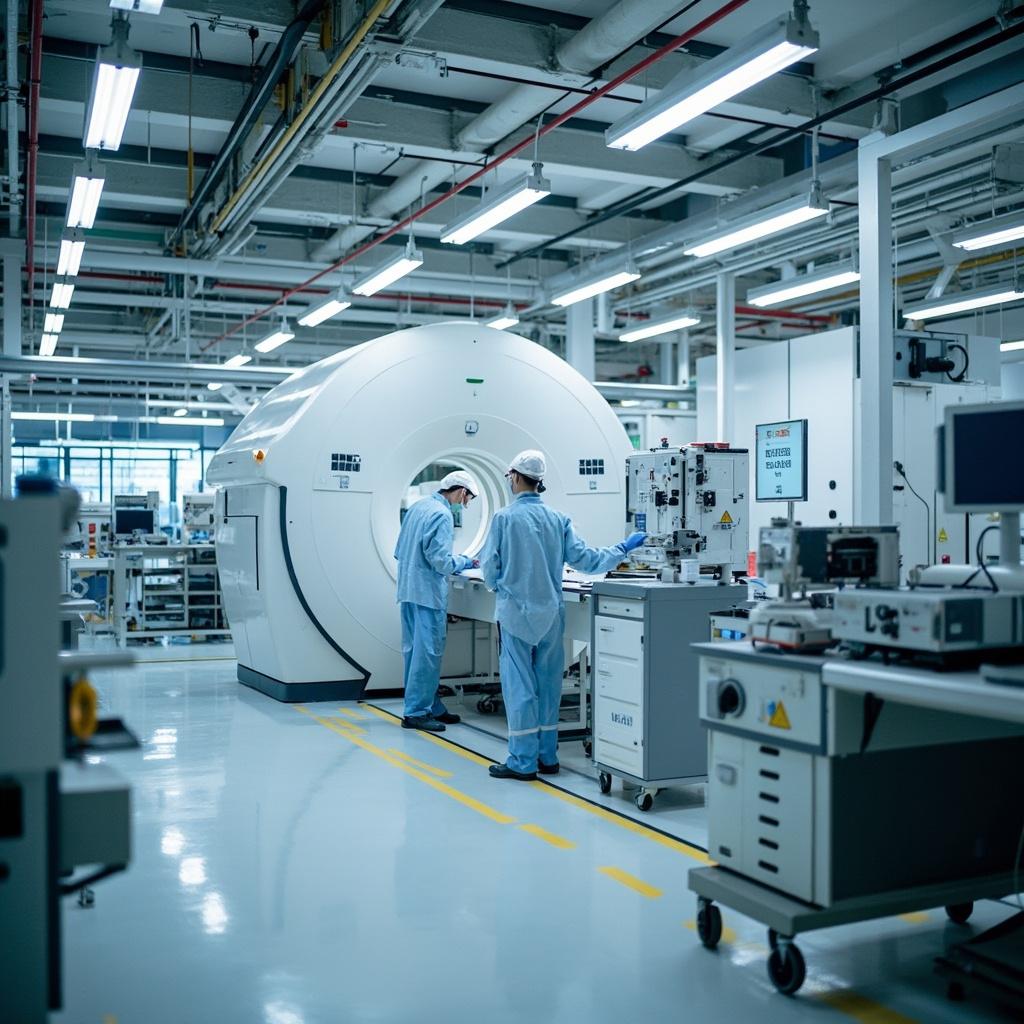
Quality assurance in mining equipment manufacturing revolves around certified production systems, component traceability and in-house testing. Leading plants operate under ISO 9001 quality management, ISO 14001 environmental management and ISO 45001 occupational health and safety certification. For underground equipment, flameproof and explosion-proof certifications from bodies such as ATEX in Europe and MSHA approval in the United States are mandatory for coal-mining applications.
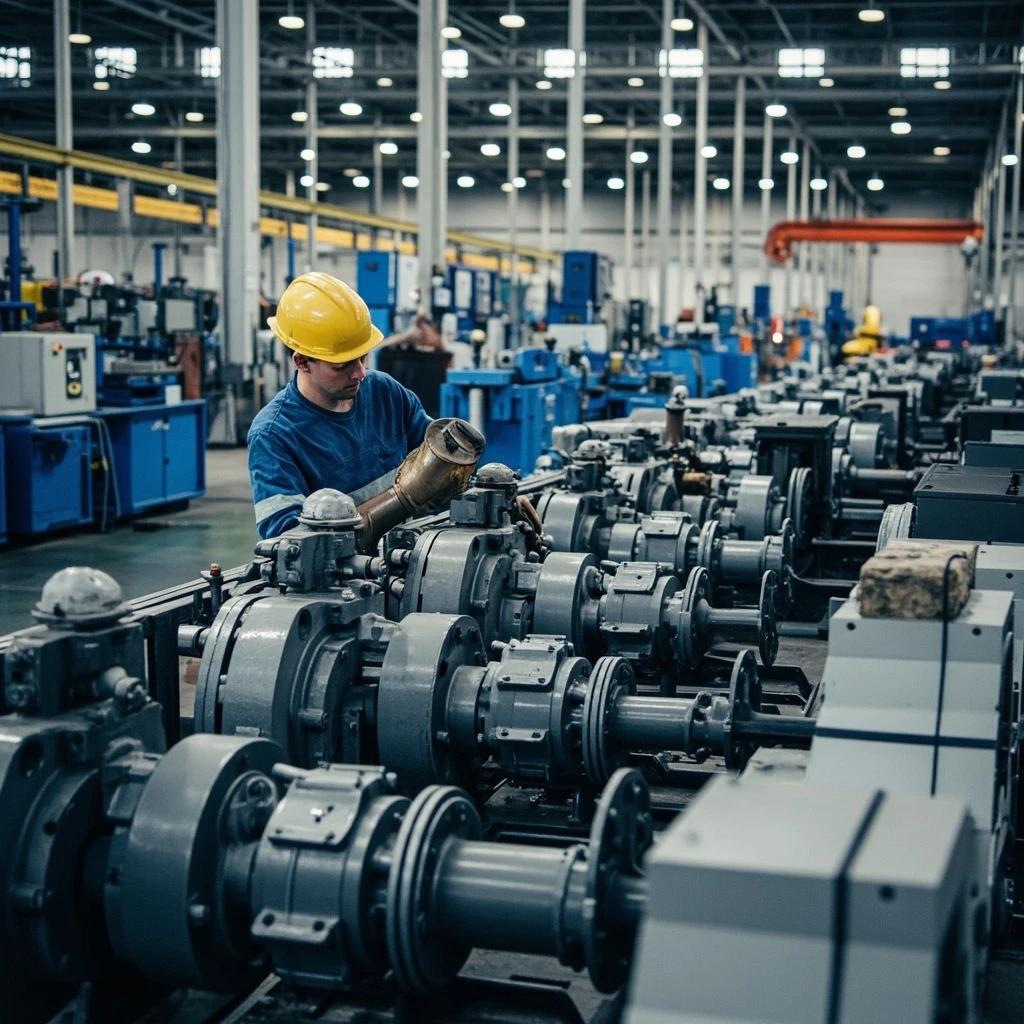
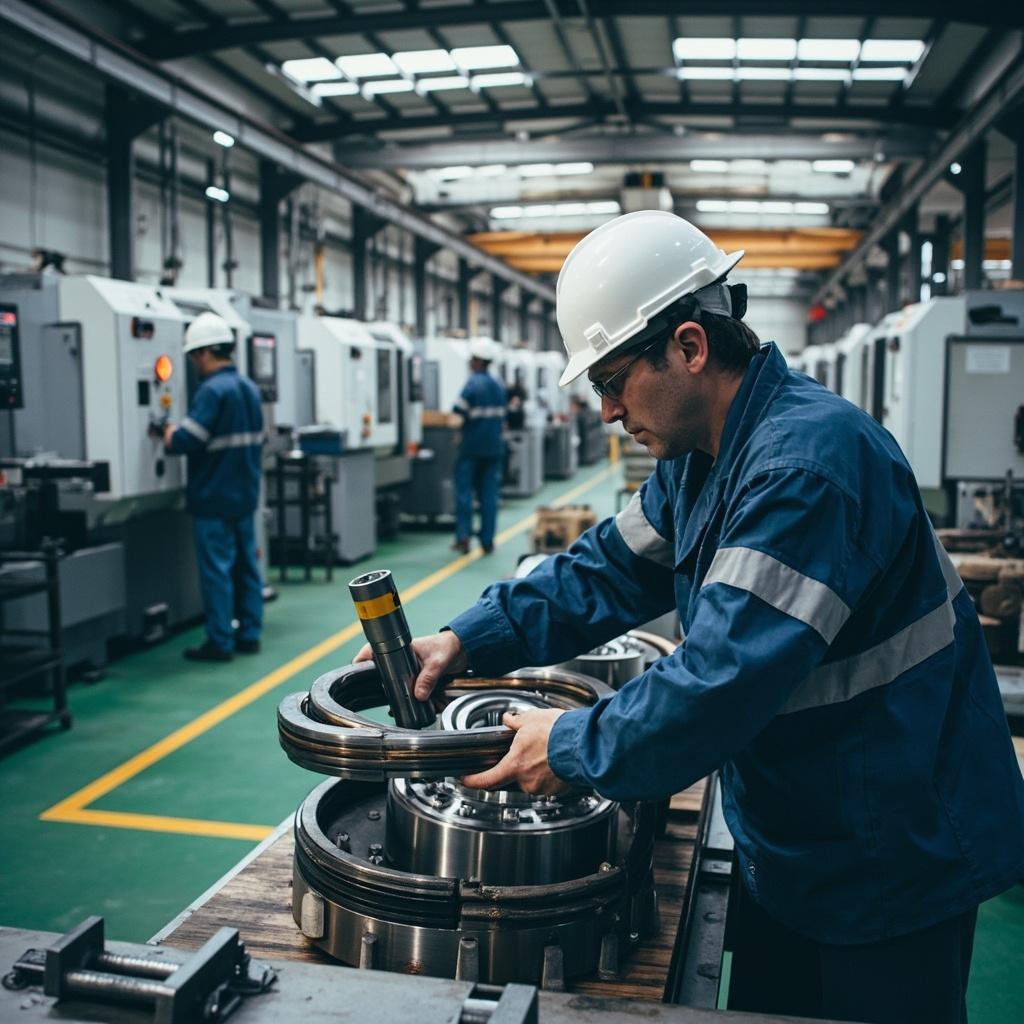
Vertical integration is the strongest quality signal: manufacturers that cast, forge, machine and assemble critical components in-house can control tolerances that outsourced suppliers cannot guarantee. Caterpillar''s in-house Cat diesel engines, hydraulic cylinders and drive shafts; Liebherr''s fully self-developed engines, hydraulic systems and electronic control units; and Danieli''s Digi&Met digital control systems all exemplify this approach. Komatsu''s Komtrax remote monitoring, Epiroc''s OEM-agnostic collision avoidance and Caterpillar''s MineStar fleet management also add a software quality layer that reduces unplanned downtime at mine sites.
Buyers should verify certification documentation, factory audit reports and reference installations before committing to multi-year supply agreements, particularly for autonomous and battery-electric systems where safety validation is evolving rapidly.
Tariff barriers and geopolitical friction are forcing mining equipment manufacturers to redesign their supply chains around regional resilience. U.S. tariffs on steel, aluminum and machinery imports have directly hit Japanese and European manufacturers: Komatsu absorbed roughly ¥81.6 billion in additional production costs in FY2025, and Liebherr faces 20-25% import duties on cranes sold into North America, prompting it to reassess capacity expansion plans in Mississippi.
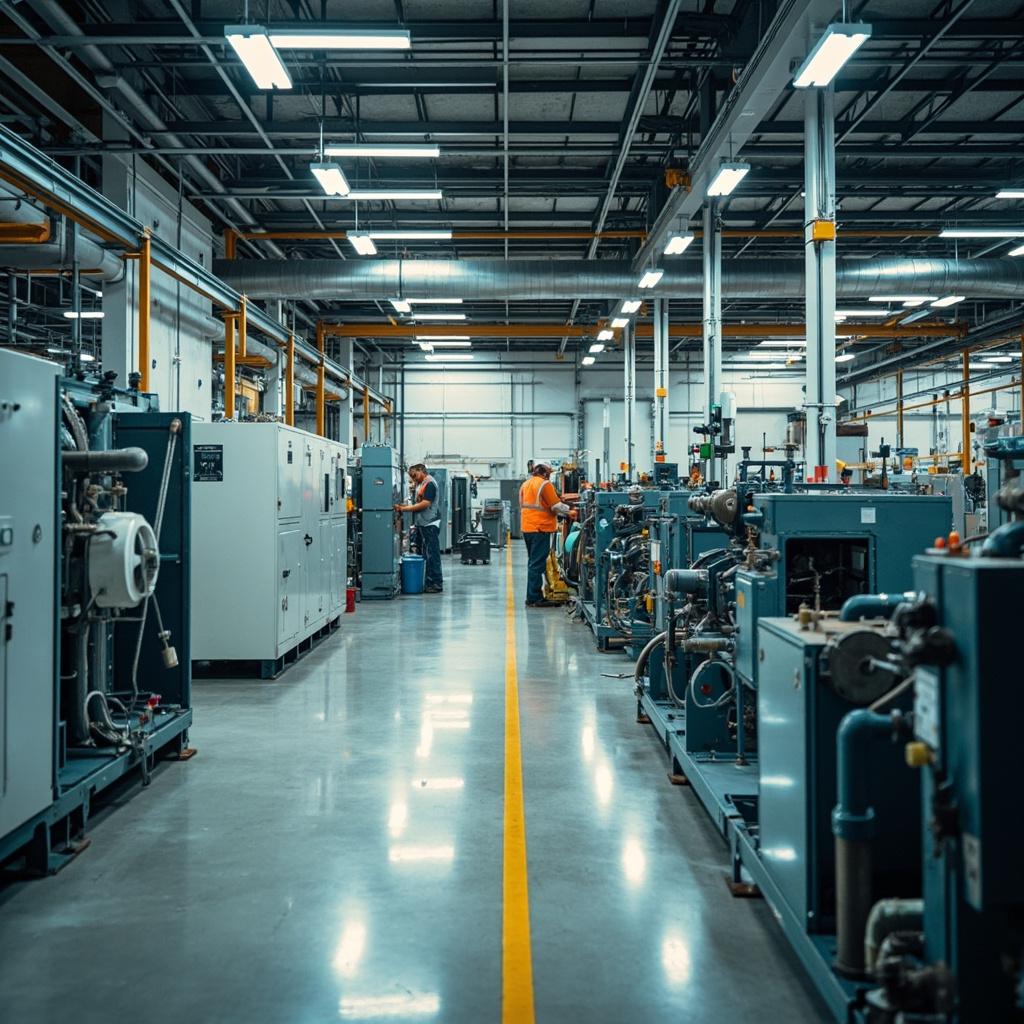
The response is "distributed manufacturing" - building factories close to demand centers rather than exporting from a single home base. Komatsu''s 61% overseas manufacturing share, Sandvik''s Malaysia BEV plant, XCMG''s Germany and Brazil facilities and SANY''s overseas subsidiaries all embody this shift. Chinese manufacturers are also localizing compliance: SANY Heavy Equipment''s record antitrust fine in Indonesia, approximately $27.4 million, highlighted the need for stronger local legal and distribution governance as Chinese brands scale abroad.
For mining operators, supply-chain resilience now matters as much as machine price: equipment from manufacturers with multi-region production and dense dealer networks is less exposed to tariff-driven price spikes and delivery delays. This factor is explicitly weighted in VerityRank''s Vertical Integration & Supply Chain Control dimension.
Five manufacturing trends will define mining and metallurgy equipment through 2030. First, electrification of the factory floor and the mine: battery-electric underground loaders from Sandvik and Epiroc, hybrid and electric wide-body trucks from SANY and XCMG, and Liebherr''s agreement to deliver 475 battery- and hydrogen-powered trucks to Fortescue by 2030. Second, autonomous production and operation: Caterpillar''s Command for Hauling has moved billions of tonnes, Komatsu''s AHS fleet exceeds 1,000 trucks, and SANY deployed 100 driverless wide-body trucks at a single open-pit mine in Xinjiang.
Third, green steel process technology: SMS group''s hydrogen-based DRI and Danieli''s electric arc furnace lines are displacing blast-furnace routes, with SMS completing its acquisition of Metso''s ferrous technologies in 2026. Fourth, digital twin and aftermarket services: manufacturers are monetizing installed bases through software, with Metso and Sandvik generating more than half of revenue from services and consumables. Fifth, "lighthouse factory" automation: Chinese manufacturers such as SANY and XCMG are applying Industrial 4.0 digitalization to heavy assembly, cutting labor costs and improving quality consistency.
Manufacturers that combine electrification, autonomy and green process technology with distributed production will capture the largest share of the projected $226.9 billion market by 2030.