Manufacturer rankings in heavy process equipment rest on production reality, not marketing perception. VerityRank evaluates companies on four weighted dimensions: Production Capacity (30%), Process Technology Depth (25%), Vertical Integration (25%), and Global Service Network (20%), all derived from FY2025 audited financials and exchange filings.
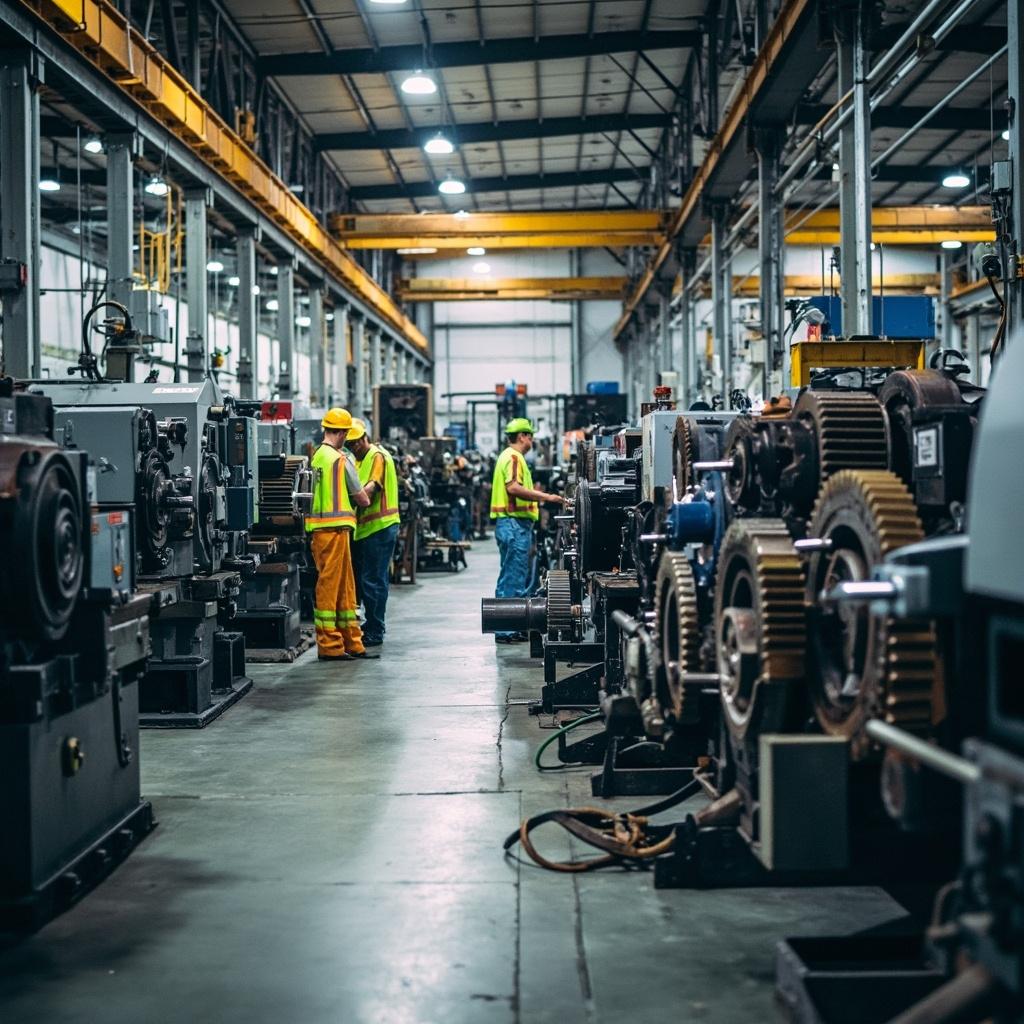
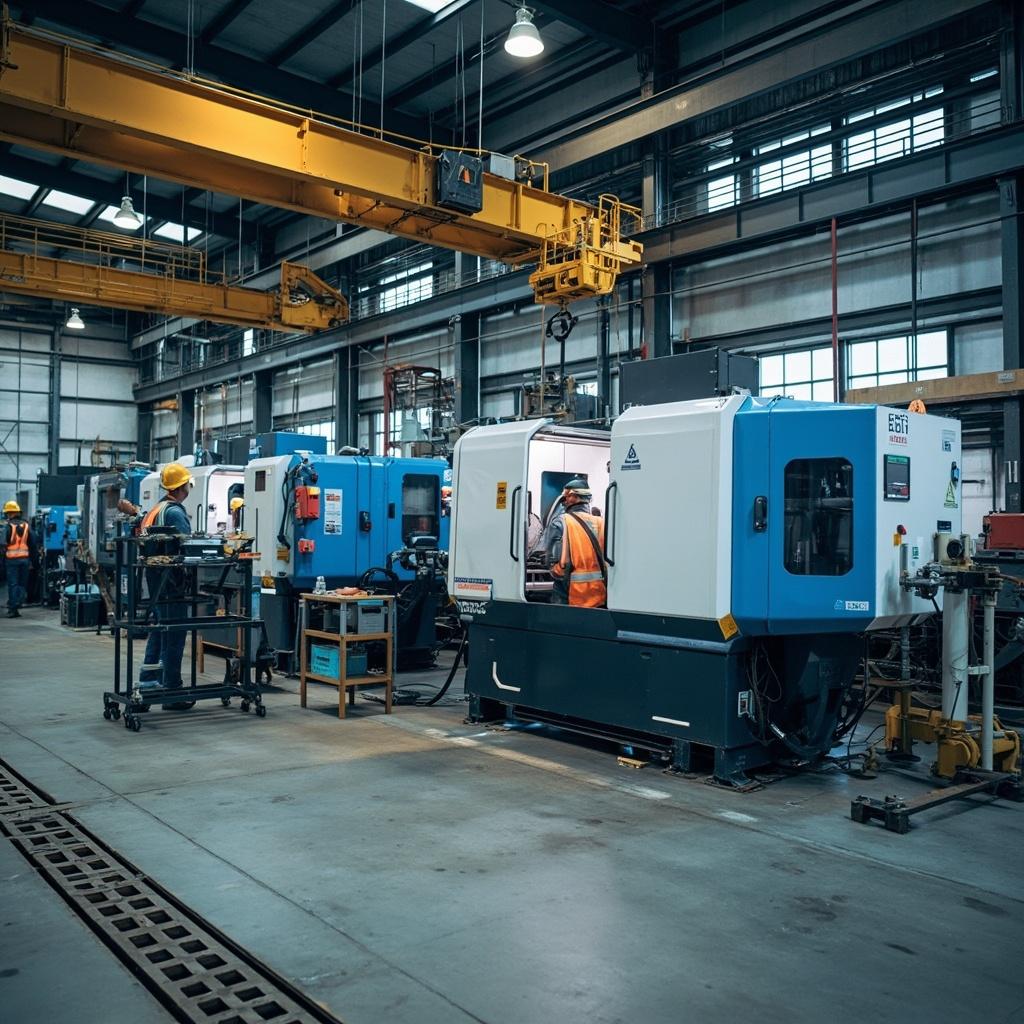
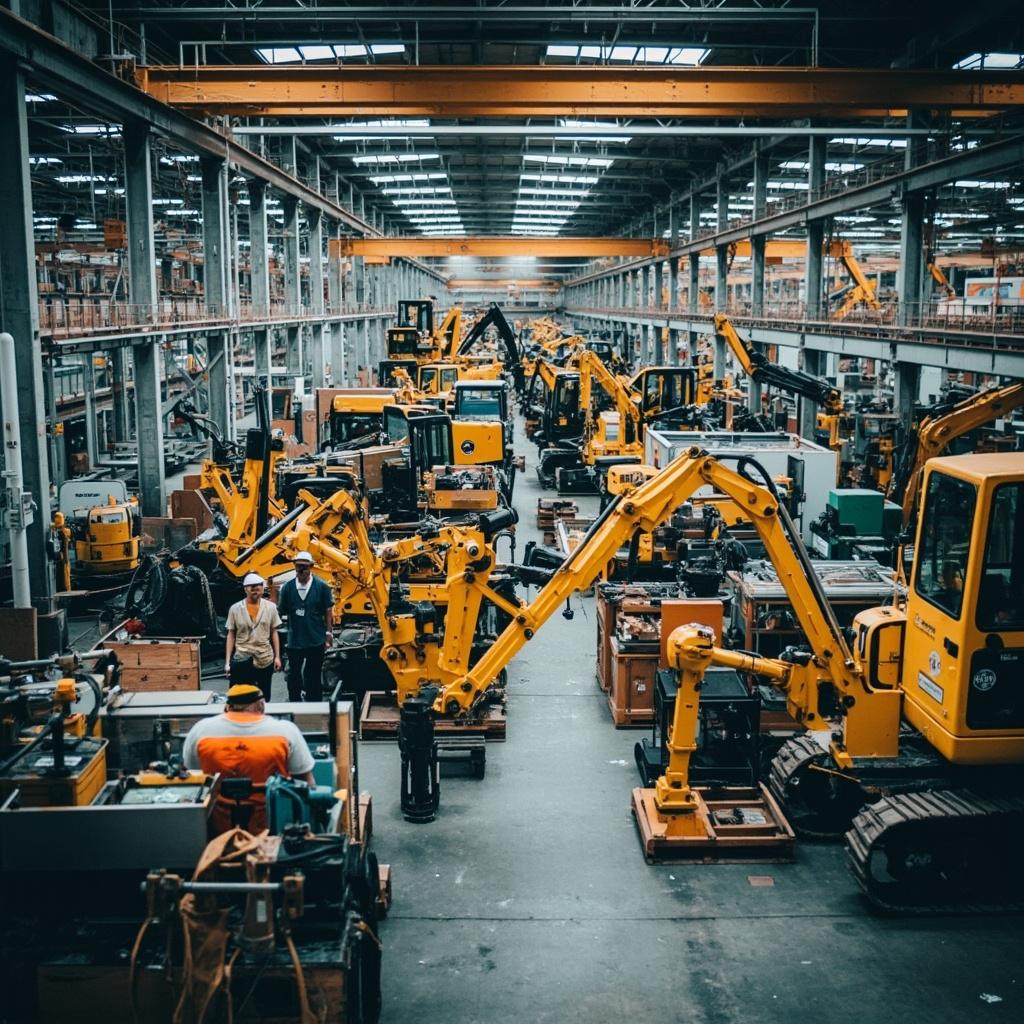
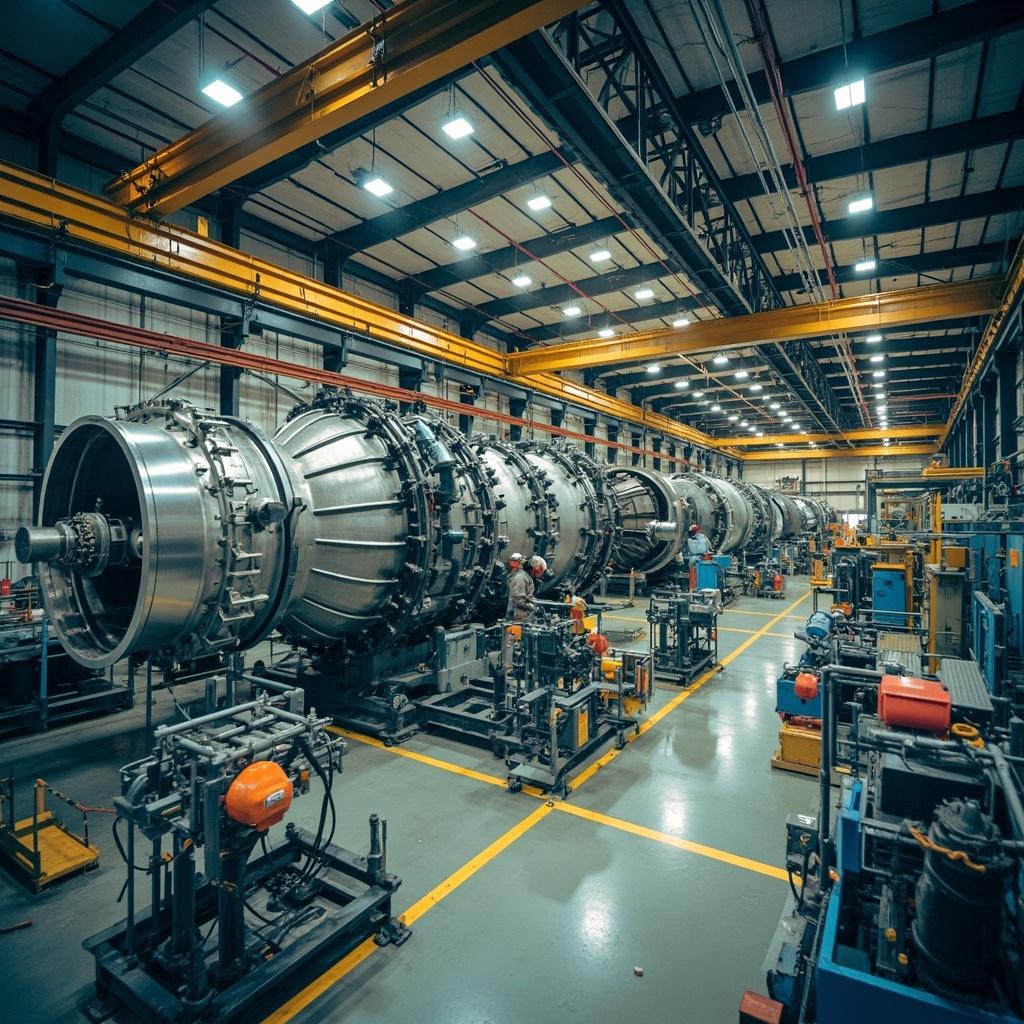
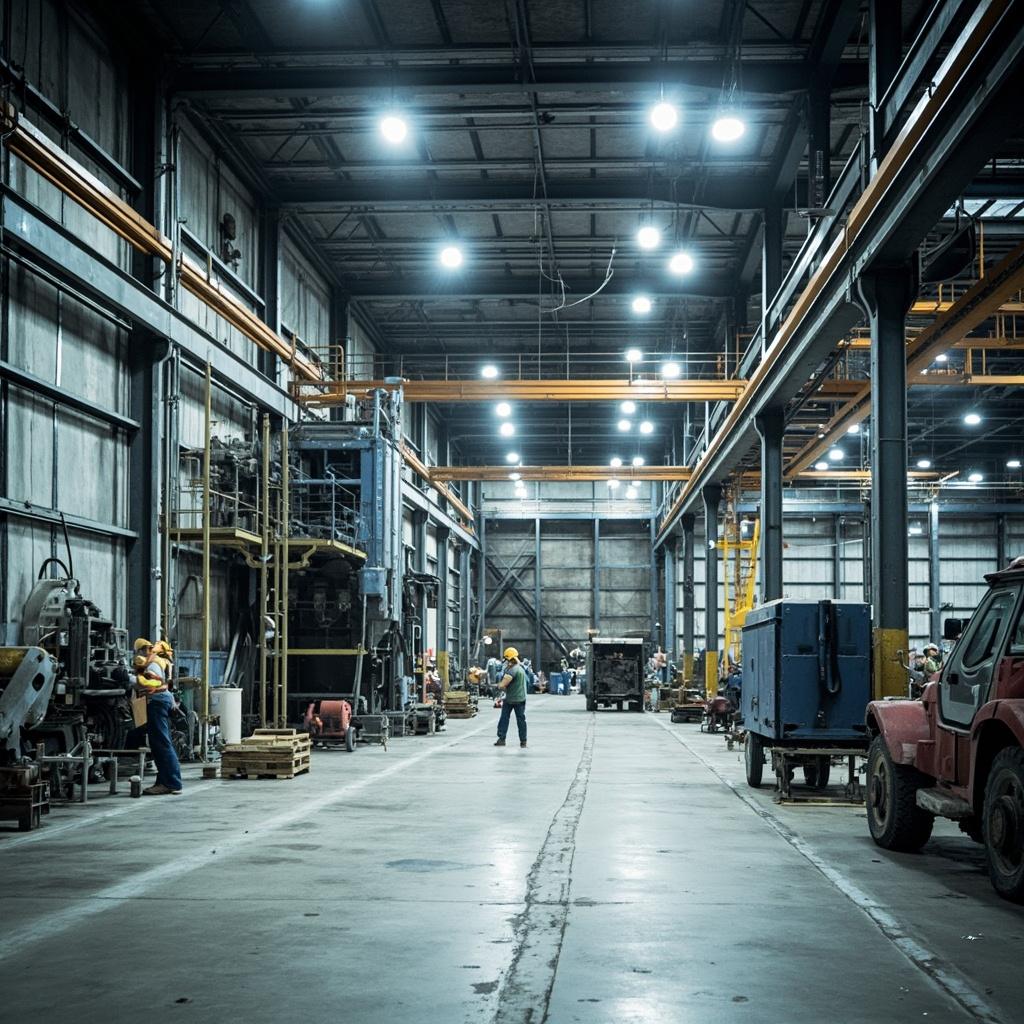
Production Capacity measures physical scale. This includes the number of owned factories, forging and casting capability, and annual manufacturing throughput. MHI's 12 core works in Japan, Siemens Energy's 79+ plants, and Chart Industries' 64 specialized cryogenic sites all demonstrate the heavy-asset base that contract assemblers cannot replicate.
Process Technology Depth rewards proprietary know-how. Companies that own the critical physics - MHI's J-series turbine casting, Baker Hughes' centrifugal compressor metallurgy, Chart's vacuum-brazed aluminum heat exchangers - score higher than those assembling licensed components. The metric explicitly excludes OEM/toll-manufacturing revenue.
Vertical Integration measures supply-chain control. From raw alloy melting to final system assembly, leaders like Shanghai Electric (10,000-tonne presses, in-house blades) and CIMC Enric (steel rolling to high-pressure valve assembly) keep the entire chain in-house, insulating margins from supplier shocks.
Global Service Network captures aftermarket reach. Atlas Copco's 160+ service operations, Flowserve's quick-response centers across 50+ countries, and Alfa Laval's 70+ regional service hubs generate recurring high-margin revenue and lock customers into multi-decade equipment relationships.
Owning a factory is not enough; owning the right manufacturing processes is what separates the elite. The top ten manufacturers in this ranking share five core capabilities.
Heavy forging and casting. Shanghai Electric operates 10,000-tonne hydraulic presses to produce 1000 MW-class ultra-supercritical turbine components and nuclear pressure vessels; MHI casts its own gas turbine rotors at Takasago. This capability is the entry ticket to utility-scale power equipment.
Extreme-temperature metallurgy. Chart Industries vacuum-brazes aluminum plate-fin heat exchangers that operate at -269°C, while Baker Hughes forges corrosion-resistant valves and compressor impellers for high-pressure, high-acidity service. Material science mastery underpins both cryogenics and process chemistry.
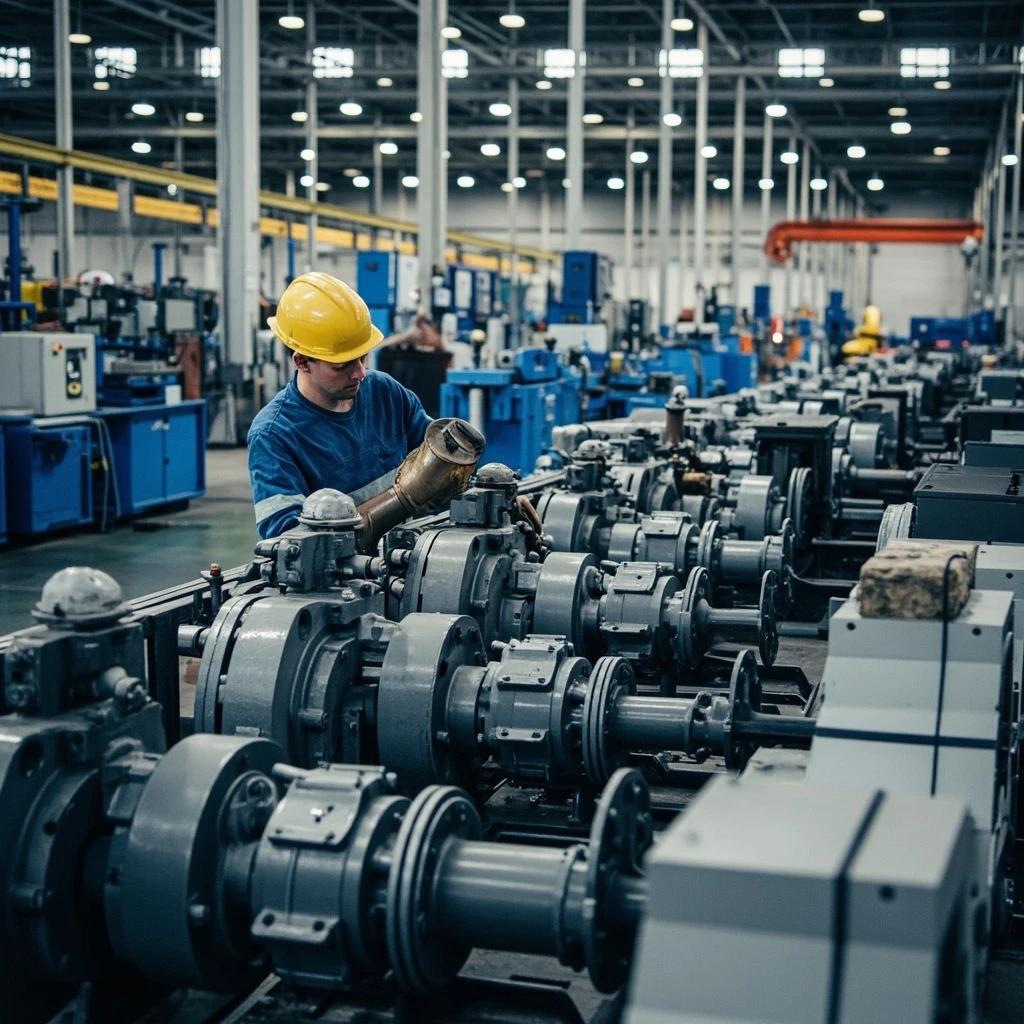
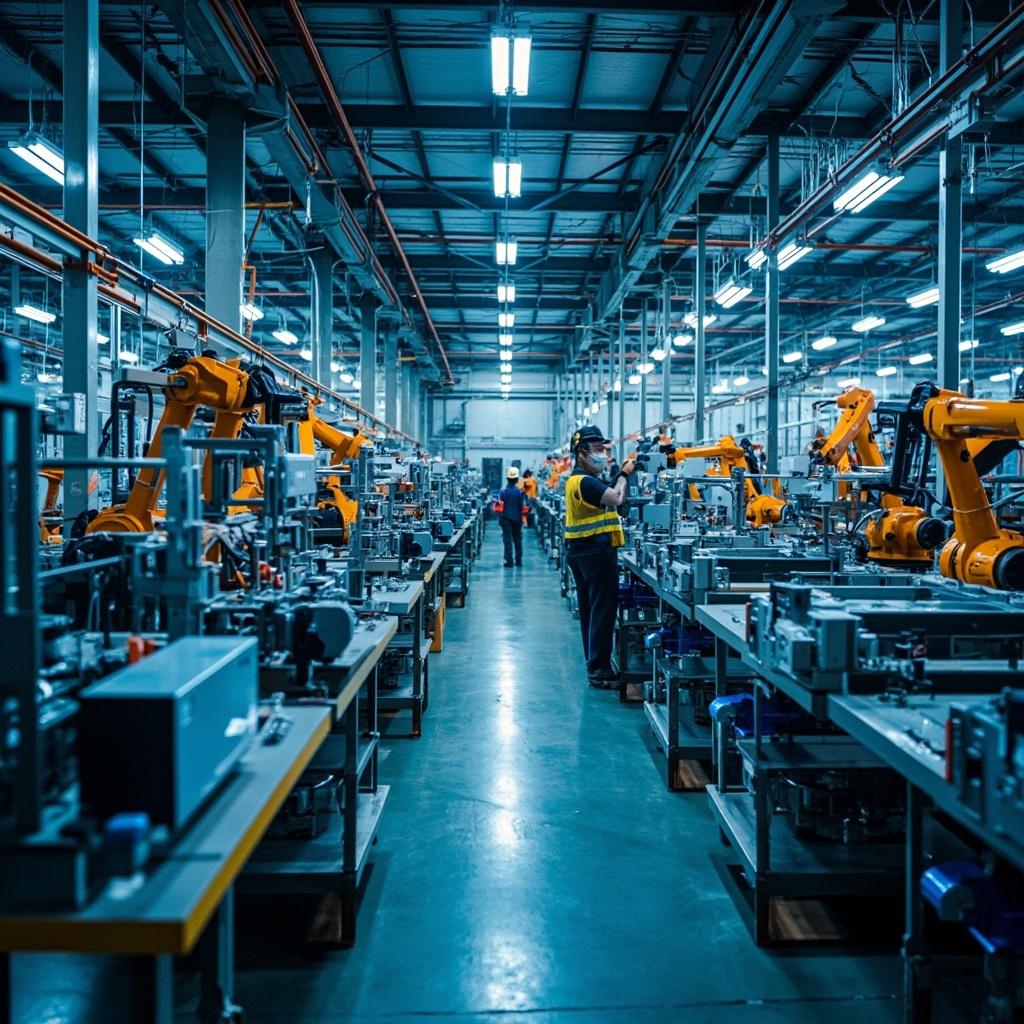
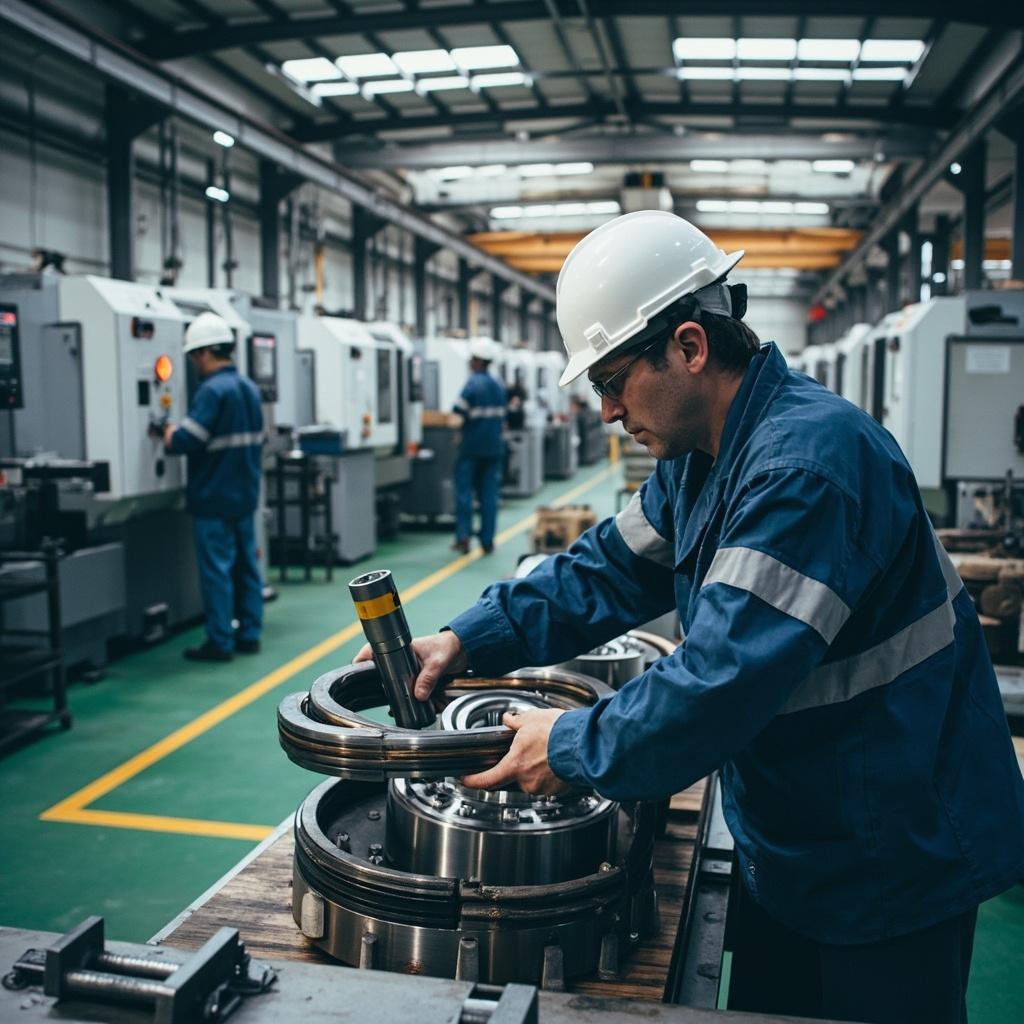
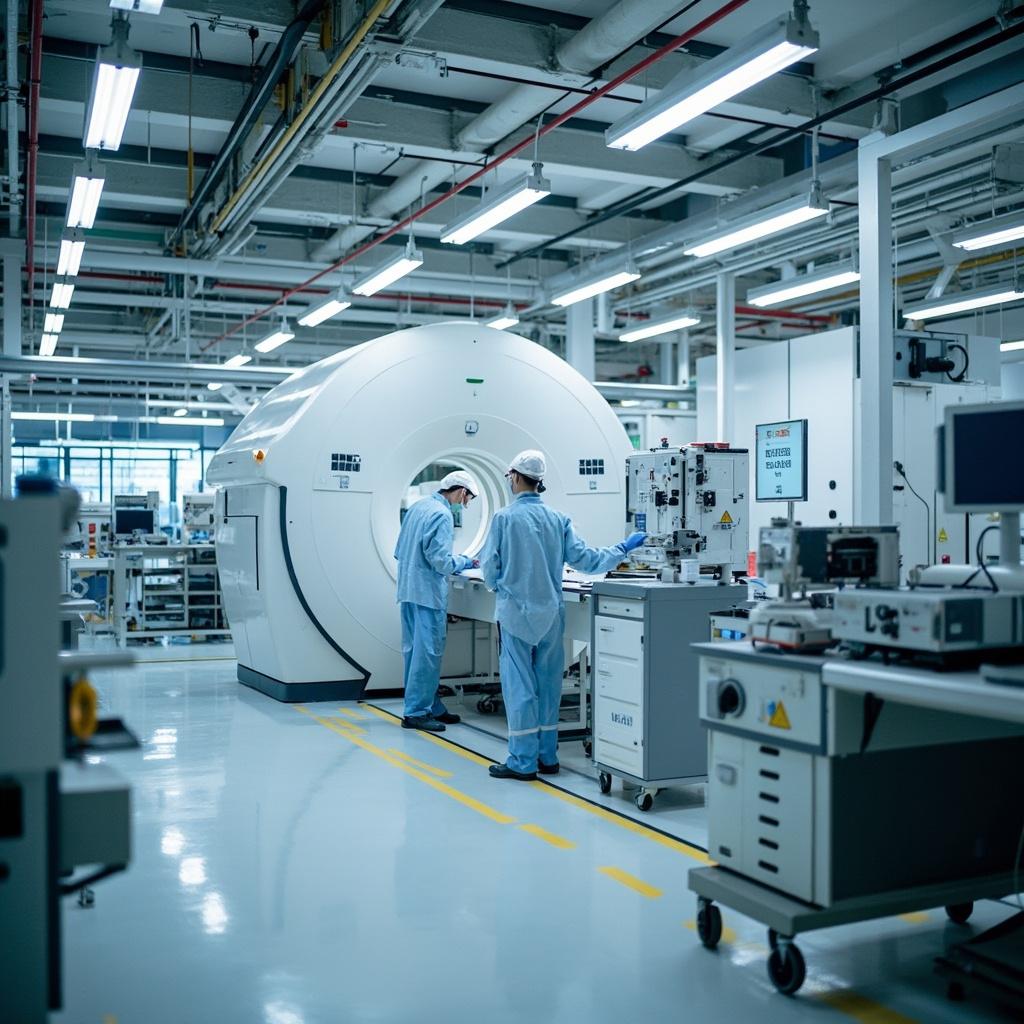
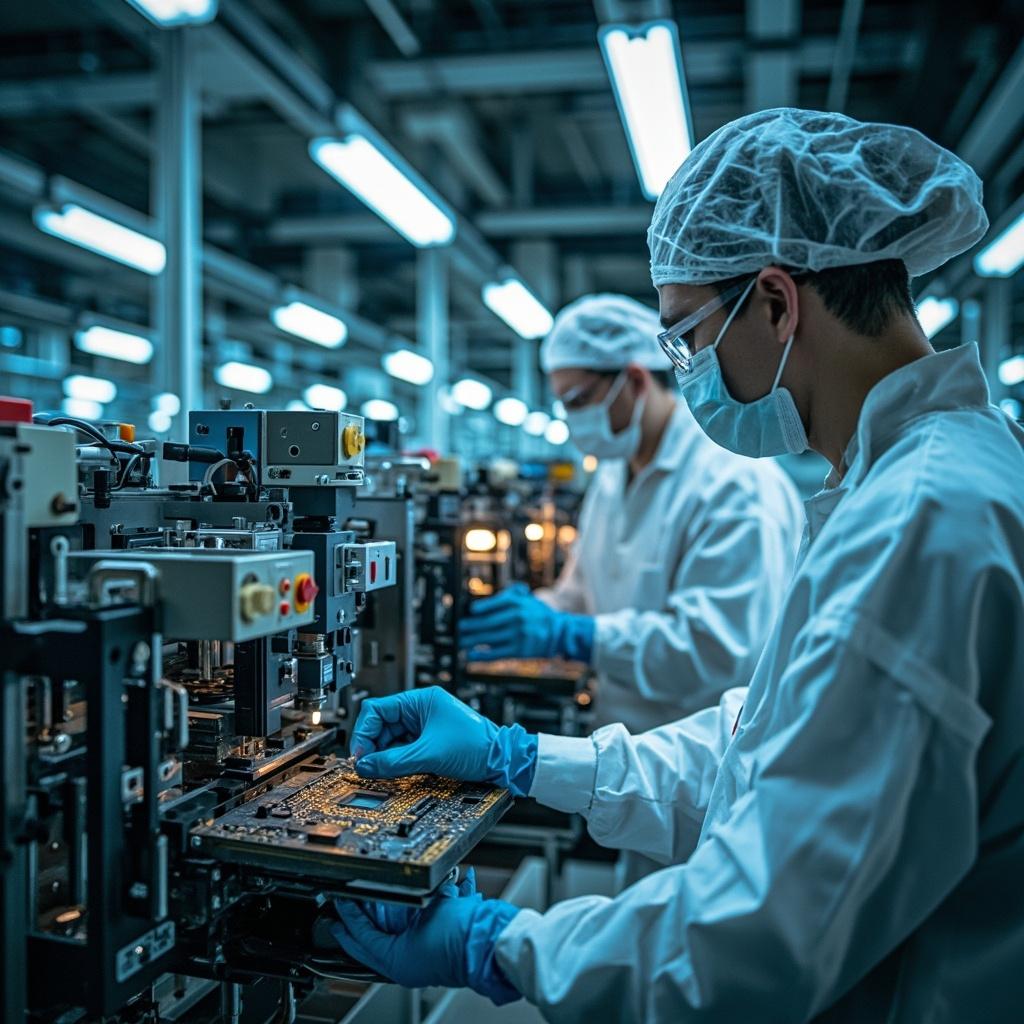
Precision rotating machinery. Siemens Energy and Baker Hughes manufacture gas turbines and centrifugal compressors with blade-tip clearances measured in microns, requiring five-axis machining, superalloy coatings, and dynamic balancing that few plants worldwide can perform.
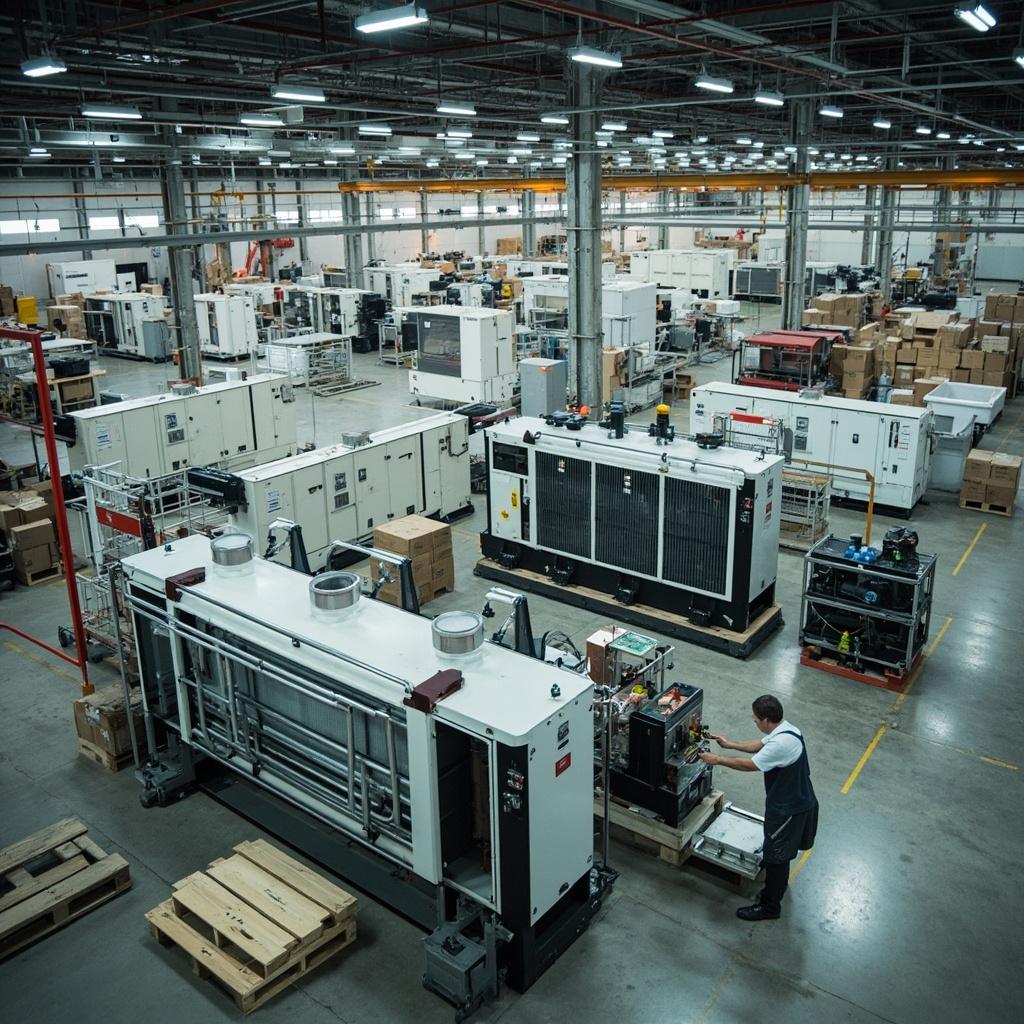
Complete system integration. Andritz builds entire hydropower stations and separation plants; CIMC Enric welds thousands of pipes, valves, and sensors into pre-assembled process modules in its Nantong and Zhangjiagang factories - a turnkey delivery model that shifts engineering risk from the customer to the manufacturer.
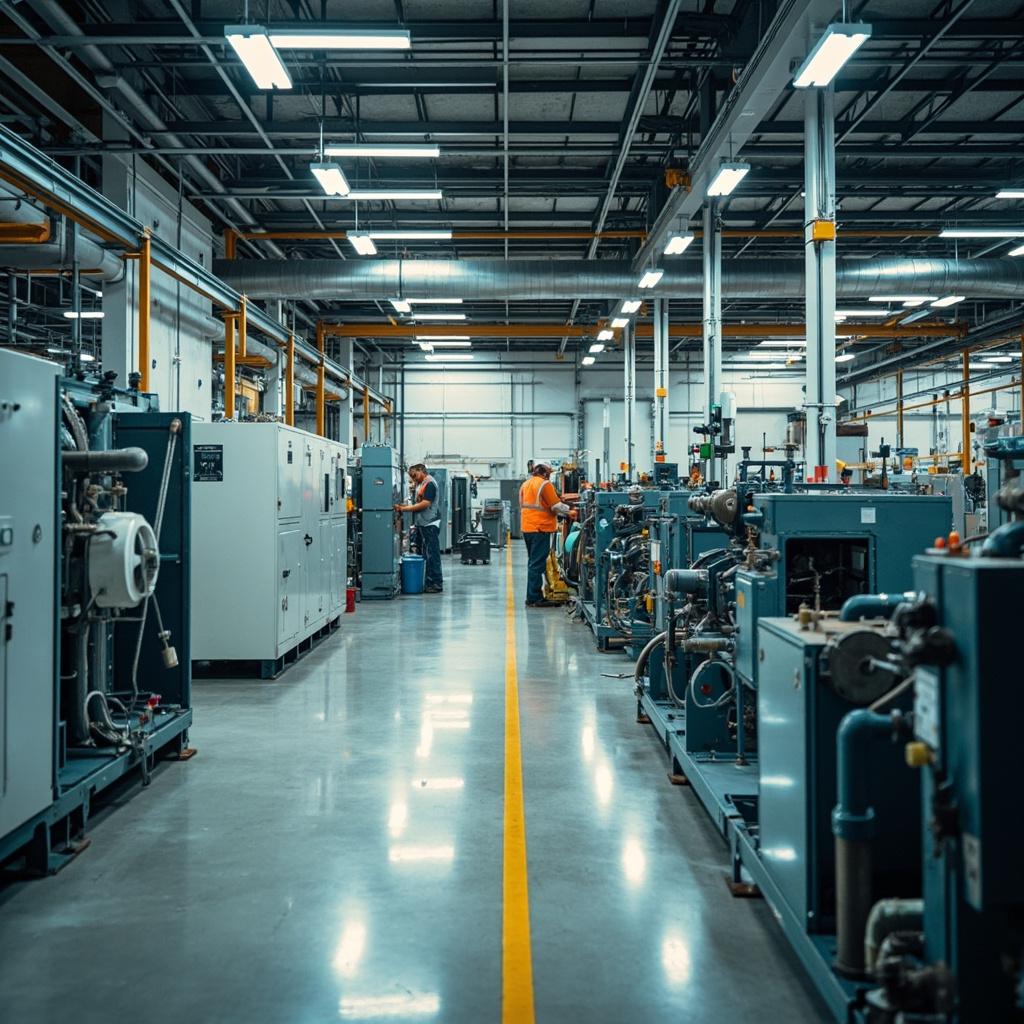
Aftermarket service infrastructure. Atlas Copco's 400+ business units and Flowserve's quick-response centers demonstrate that service density, not just production capacity, determines long-term equipment economics.
The world's factories are running at capacity - and buyers are waiting years for delivery. Two structural forces have collided to create unprecedented lead times in energy equipment manufacturing.
AI data centers are consuming power at hyperscale. A single campus can demand 500 MW to 1 GW of reliable power, and hyperscalers are ordering gas turbines in utility-scale quantities. Baker Hughes jumped from zero to over USD 1 billion in data-center power orders in 2025, including a multi-year agreement with Kodiak Gas Services supporting roughly 1.8 GW. Siemens Energy's Q2 FY2026 orders hit a record EUR 17.7 billion, driven largely by US data-center demand and Polish grid expansion.
Grid transformers are the binding constraint. Transformer lead times now stretch beyond two years globally. Siemens Energy committed USD 2.3 billion to new grid-manufacturing capacity, and GE Vernova's electrification orders rose 65% - but capacity additions take years to come online, keeping prices and backlogs elevated.
Decarbonization adds a parallel demand layer. The same factories building gas turbines are now producing hydrogen electrolyzers, CCUS absorber towers, and ammonia co-firing components. MHI's CO2 capture and green-ammonia systems are deploying in UK and Indonesian projects; Andritz's hydropower orders surged 229.9% in Q1 2026 as utilities pivot to firm renewable capacity.
The result is a golden decade for heavy manufacturers. Order books are at record levels - Siemens Energy at EUR 154 billion, Baker Hughes at USD 32.4 billion, Chart at USD 5.89 billion - and capacity constraints mean pricing power should persist well into 2030.
The industry is consolidating around full vertical integration, and the merger wave of 2025-2026 is the clearest evidence yet. Manufacturers are using record cash flows to buy the missing links in their production chains.
The Baker Hughes-Chart merger is the defining deal. At USD 13.6 billion in all-cash, it unites Baker Hughes' rotating machinery (compressors, turbines) with Chart's static cryogenic equipment (heat exchangers, storage vessels) and Howden's fans and blowers. When it closes in July 2026, the combined company will control the entire LNG and hydrogen equipment chain - from gas compression to liquefaction to storage - without a single external critical component.
Atlas Copco is buying manufacturing capability at industrial scale. The Swedish group completed 29 acquisitions in 2025 alone, eight in Q4, absorbing specialized water treatment, fluid control, and automation plants into its global network. Its stated strategy is to acquire precision manufacturing capacity rather than build it from scratch.
Flowserve is deepening nuclear and heavy-chemical exposure. Its Trillium Flow Technologies valve acquisition adds roughly USD 200 million in annual revenue and nuclear-grade valve forging capability, complementing its 200,000+ valves installed across 115 reactors.
China's modular export model is the counter-strategy. CIMC Enric pre-fabricates entire process modules in Zhangjiagang and Nantong - welding pipes, valves, and sensors into complete systems in the factory - then ships them for rapid on-site installation. This turnkey approach undercuts Western incumbents on delivery time and system cost while sidestepping component-level tariff exposure.
In energy equipment, quality certification is a competitive weapon - and the top ten manufacturers carry the heaviest certification portfolios in the industry. These systems govern everything from material traceability to weld integrity.
Pressure equipment codes are the foundation. ASME Boiler and Pressure Vessel Code (Section VIII for vessels, Section I for boilers) governs US and much of global pressure equipment; the European Pressure Equipment Directive (PED 2014/68/EU) applies across Europe; and national codes like China's GB 150 add local requirements. CIMC Enric's ISO tank containers hold CSC, ADR/RID, and IMDG certifications for global hazardous-materials transport.
Rotating machinery certification is the hardest barrier. Gas turbines and compressors require type testing under ISO 3977 and API 616/617 standards, with full-load string tests at dedicated facilities - a process that runs for years and costs hundreds of millions. This is why only Siemens Energy, MHI, and Baker Hughes can credibly supply large-frame turbines into regulated power markets.
Nuclear-grade quality adds another layer. Flowserve's 200,000+ valves across 115 reactors are certified under ASME N-stamp requirements, one of the most stringent manufacturing quality regimes in existence. MHI and Shanghai Electric similarly hold nuclear island manufacturing licenses from their respective national regulators.
Cryogenic and hydrogen systems are emerging as a new certification frontier. Chart's equipment must satisfy EN 13445 and ASME Section VIII for cryogenic service, while hydrogen electrolyzers require ATEX/IECEx explosion-safety certification. When VerityRank evaluates manufacturing quality, we treat the depth and breadth of these certifications as direct evidence of production discipline.