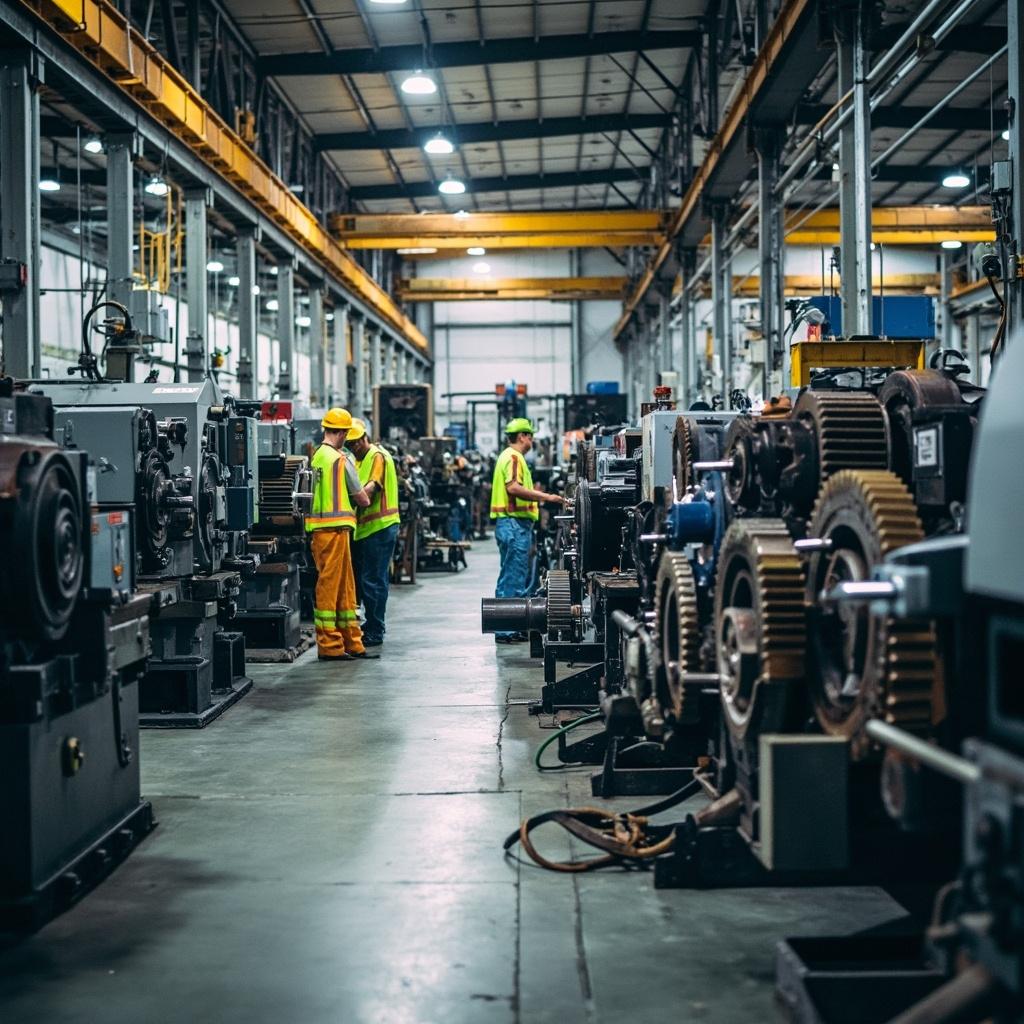
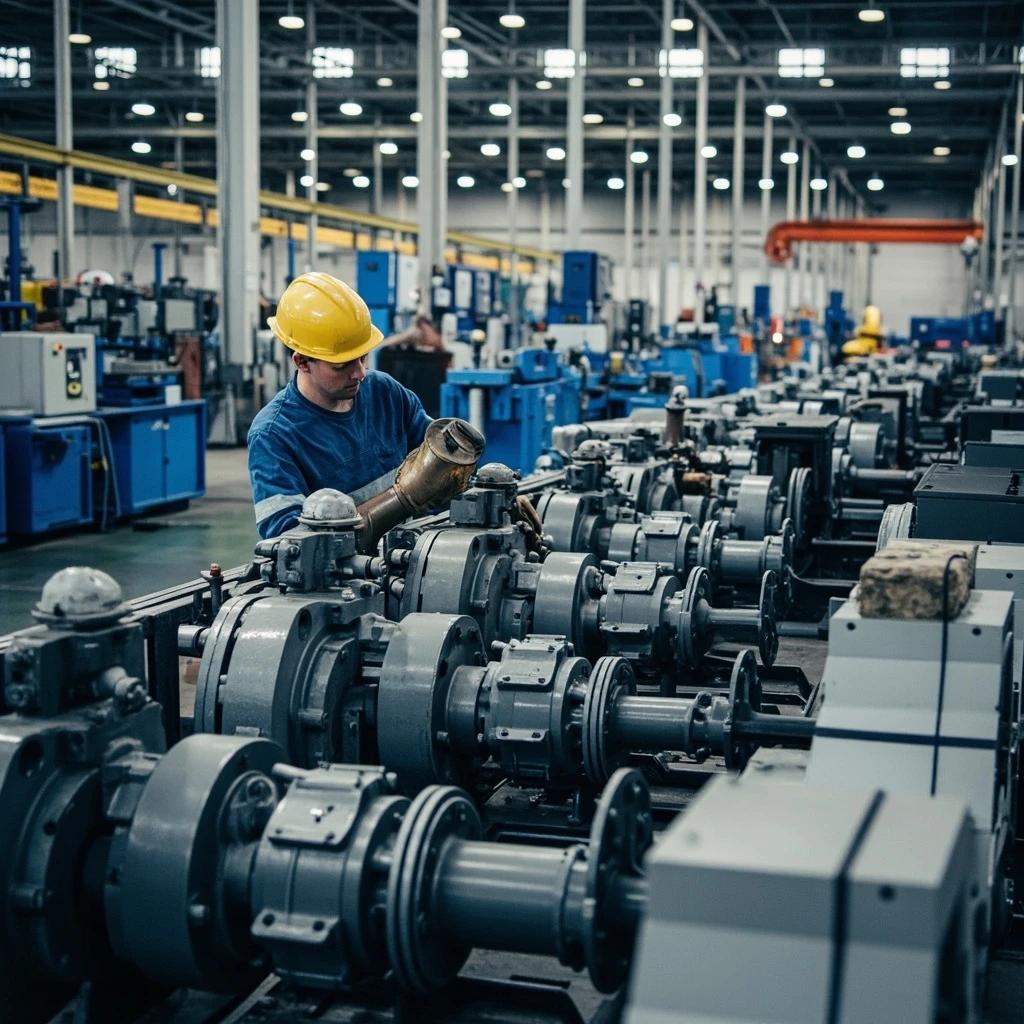
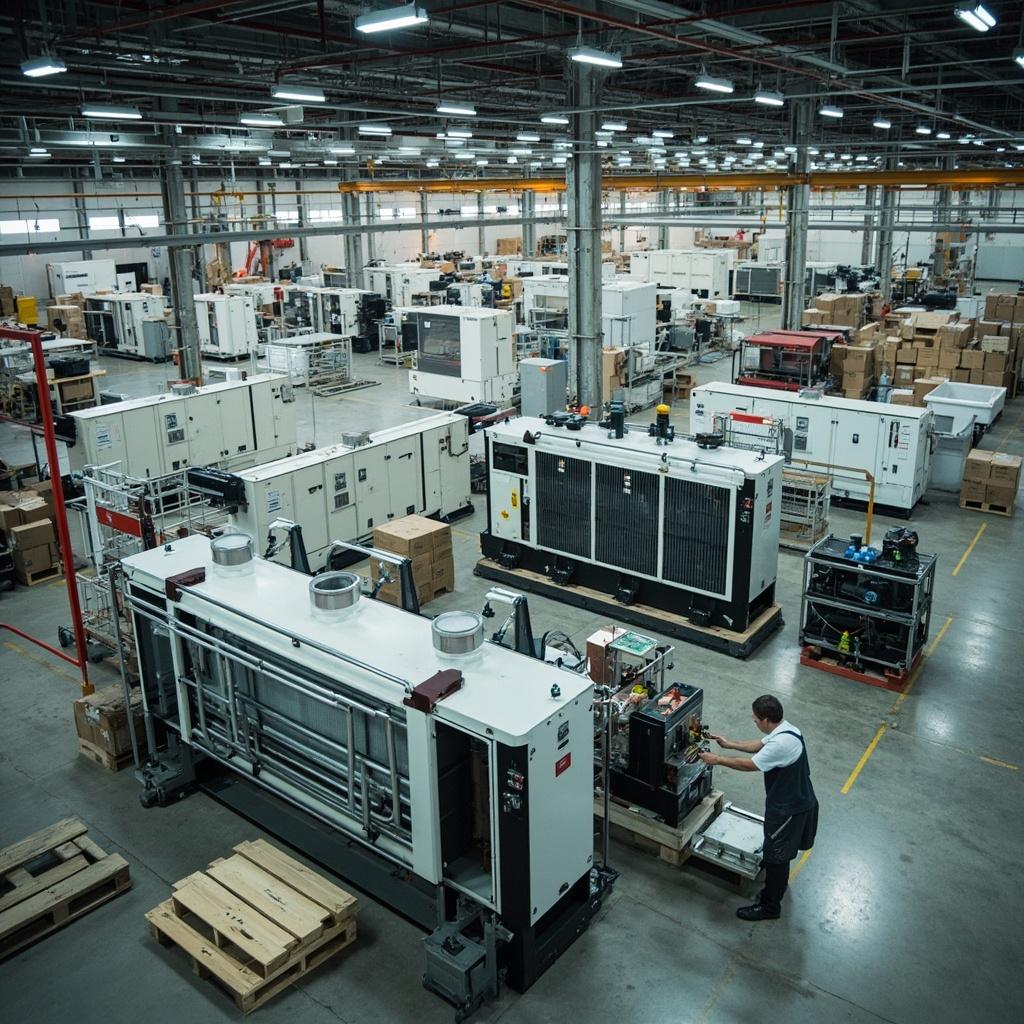
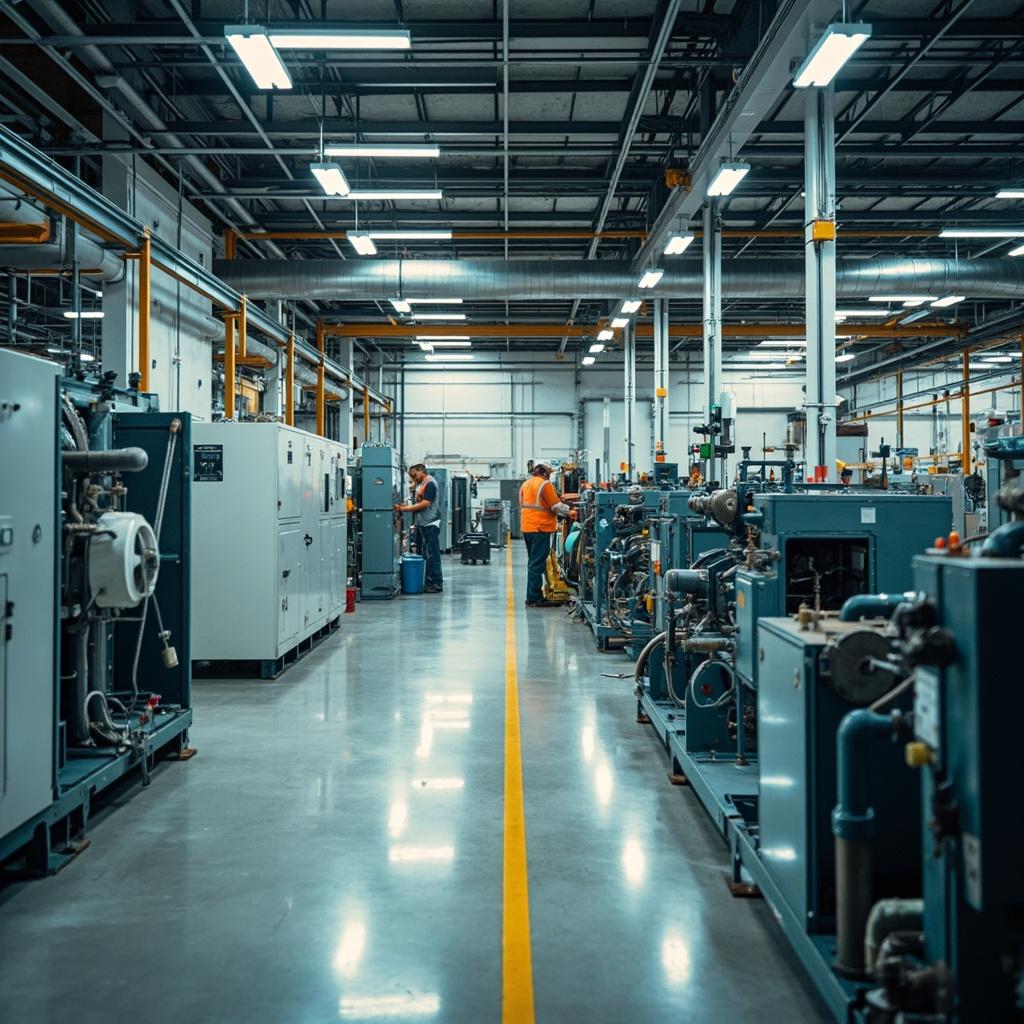
VerityRank scores diagnostic equipment manufacturers on production substance, not brand polish — four weighted dimensions capture what separates real factories from marketing machines.
Production Scale & Capacity carries the highest weight at 30%: we measure global factory footprint, number of manufacturing sites, annual output, and capacity expansion investment. Siemens Healthineers operates more than 60 production and R&D sites worldwide, GE HealthCare's Waukesha campus is one of the largest medical imaging plants on earth, and Abbott's Irish network — Sligo, Longford, and Clonmel — forms a European manufacturing backbone. Vertical Integration & Core-Component Control accounts for 25%: United Imaging's full in-house production of superconducting magnets and PET detectors, and Mindray's vertically integrated Shenzhen-Wuhan-Dangshan complex, score higher than assemblers dependent on outsourced core parts.
Quality Systems & Regulatory Depth, also 25%, evaluates FDA clearance history, EU MDR certification, ISO quality infrastructure, and recall track record — a single major recall (such as Philips' Respironics saga) can reset a manufacturer's regulatory standing for years. Supply Chain Resilience completes the framework at 20%: we assess multi-region manufacturing redundancy, raw-material control, and tariff mitigation. Scores are normalized to a 0-100 scale using FY2025 financial disclosures, factory-level public data, and regulatory databases, with the top 10 profiled in detail on this page.
Five manufacturing capabilities separate the genuine diagnostic equipment producers from contract assemblers — and all ten companies on this list possess most of them in depth.
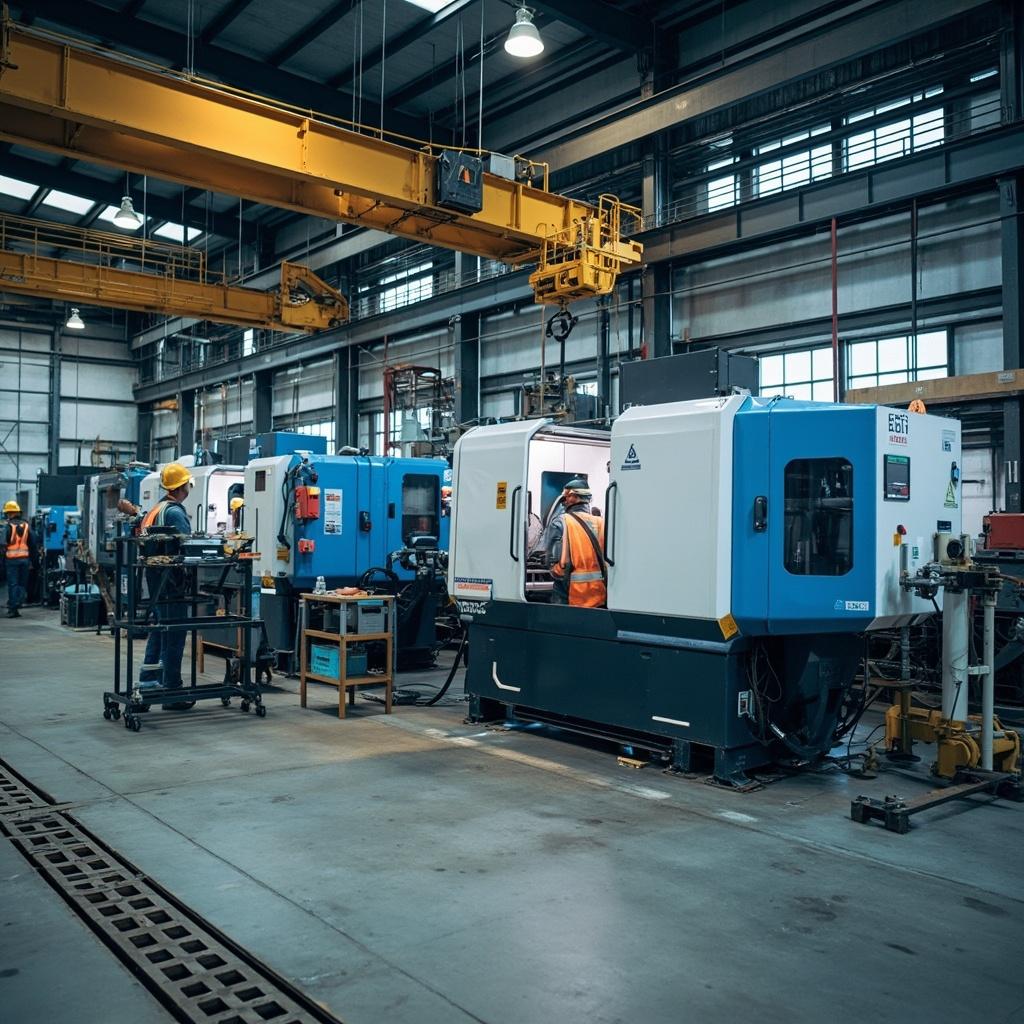
First, core-component fabrication: the ability to produce superconducting magnets, gradient coils, X-ray tubes, and detectors in-house. Siemens Healthineers' Erlangen and Rudolstadt plants manufacture MRI magnets and CT components; United Imaging achieved the same capability for 1.5T-5.0T magnets in just over a decade; and GE HealthCare's Waukesha facility produces high-end imaging hardware at massive scale. Second, reagent and consumable manufacturing: Roche's Penzberg and Mannheim complexes in Germany are among the world's largest diagnostics reagent plants, bioMérieux runs 15 bio-manufacturing sites including its Marcy-l'Étoile flagship, and Sysmex's Kakogawa factory anchors global hematology reagent supply.
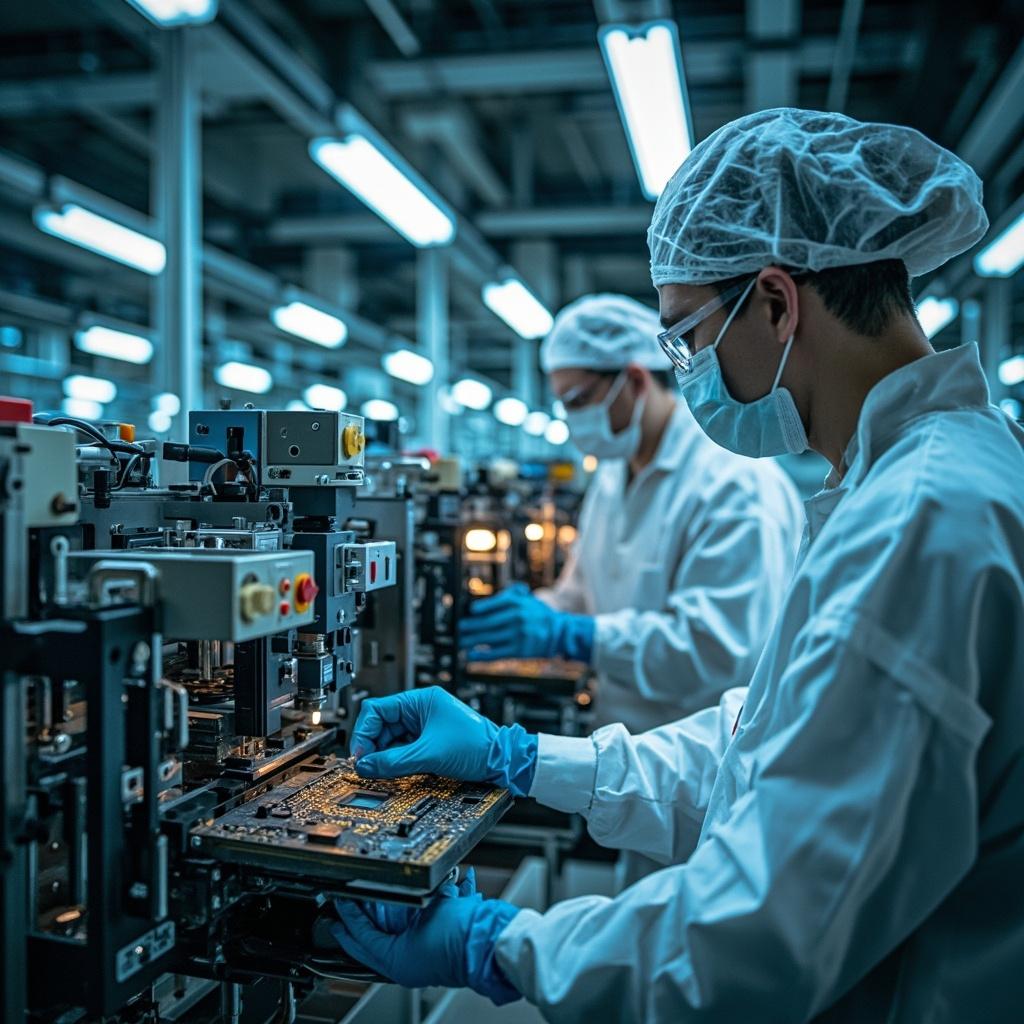
Third, precision assembly and automation: high-throughput analyzers and imaging systems demand cleanroom assembly, robotic calibration, and end-to-end test validation. Fourth, global multi-site redundancy: Abbott manufactures for 160+ countries' markets from plants in Ireland, the US, Germany, and Singapore; Danaher's diagnostics platform spans Beckman Coulter, Cepheid, Leica, and Radiometer factories across 32 dedicated diagnostic sites. Fifth, quality infrastructure: ISO 13485 certification, FDA QSR compliance, and EU MDR technical files are table stakes — the leaders maintain dedicated regulatory teams numbering in the hundreds. These capabilities explain why the top 10 manufacturers control the overwhelming majority of global diagnostic equipment supply despite hundreds of smaller competitors.
Diagnostic equipment is patient-safety infrastructure, and the leading manufacturers run quality systems that are as engineered as the products themselves.
Every major producer operates under ISO 13485 quality management systems and complies with FDA Quality System Regulation (21 CFR 820) for US sales and EU Medical Device Regulation (MDR) for European distribution. United Imaging's radiation therapy systems obtained CE MDR certification in early 2026, completing its European compliance portfolio — a milestone that took years of technical documentation, clinical evaluation, and notified-body audits. Quality control extends beyond the factory: manufacturers validate reagents against reference standards, run inter-laboratory correlation studies, and maintain lot traceability across the full supply chain.
The stakes of quality failure are visible in the industry's cautionary tales. Philips' Respironics sleep-device recall forced the company to pay €1.025 billion in US settlement costs in Q4 2025 and triggered FDA warning letters for three manufacturing facilities — a reminder that regulatory standing is a balance-sheet asset that can be destroyed overnight. By contrast, Sysmex's five decades of incident-free hematology manufacturing and bioMérieux's Class 100 cleanroom production of multiplex PCR pouches demonstrate how disciplined manufacturing protects both patients and shareholder value. The top manufacturers also invest in continuous improvement systems: Danaher's DBS applies lean manufacturing across its 32 diagnostic sites, while Roche's Penzberg campus runs one of the most automated reagent production lines in the industry.
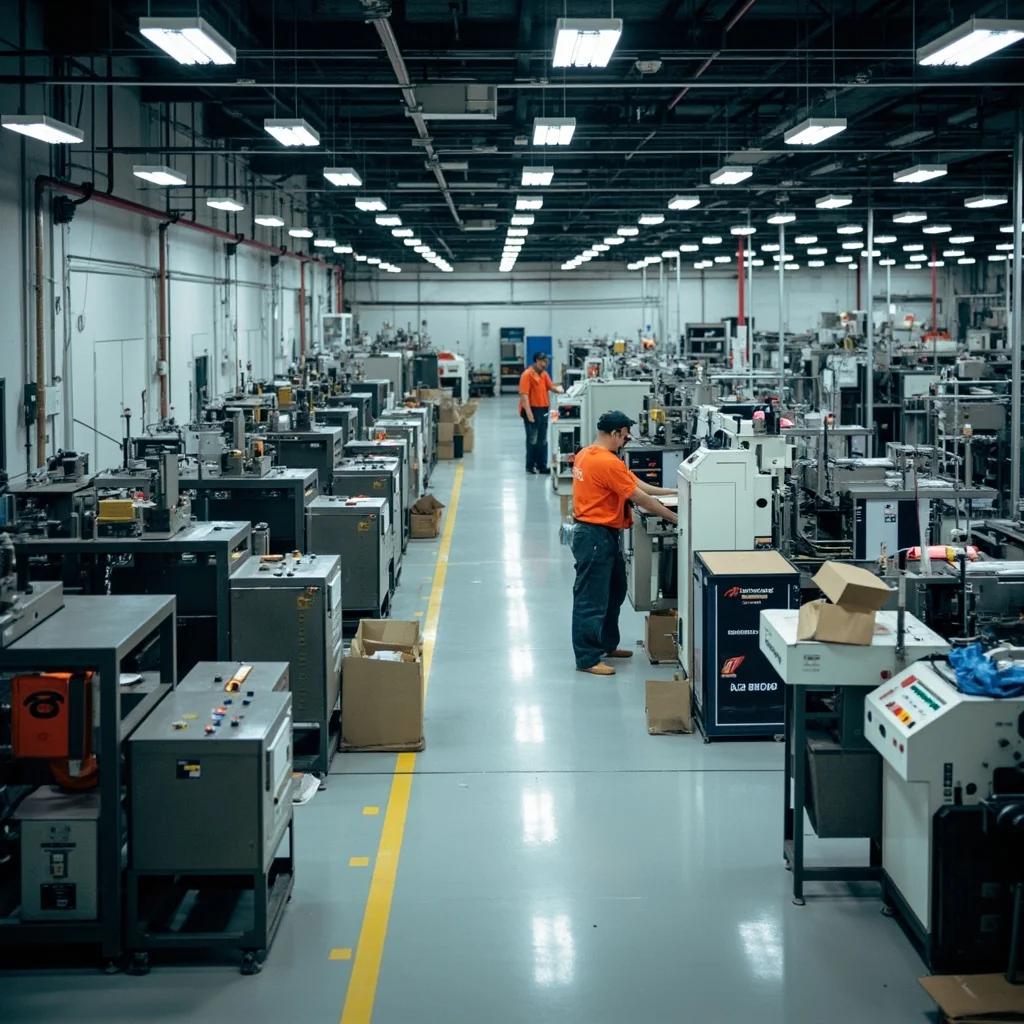
In diagnostic equipment, the factory map is the competitive map — manufacturers with multi-region footprints win tenders, survive tariffs, and convert service into recurring revenue.
The 2025-2026 trade war has forced a structural shift from "world factory" to "local for local" manufacturing. Siemens Healthineers and GE HealthCare both cited tariff-driven EBIT erosion in recent earnings calls, accelerating localized production: GE invested $138 million in its Cork, Ireland contrast-media plant, and Siemens expanded its Rudolstadt site while building new capacity in India, France, and Spain. Abbott's $500 million US manufacturing commitment includes $550 million to convert its Indianapolis campus into a continuous glucose monitoring smart-manufacturing and global distribution hub, bringing CGM production home from Singapore.
Footprint also determines resilience. Roche operates 20 core diagnostic production sites across Europe, the US, and Asia; bioMérieux spans 15 bio-manufacturing facilities concentrated in France and the US; and Sysmex anchors production in Japan's Kakogawa plant while distributing through 67 overseas subsidiaries. China's champions are building outward: Mindray's 14 manufacturing bases and United Imaging's 44 overseas service centers and 39 global spare-parts warehouses now support delivery to 100+ countries. Hospitals cannot tolerate supply interruption of diagnostic instruments or reagents, and manufacturers that guarantee local supply, local service, and local regulatory compliance capture long-term contracts that competitors without the footprint cannot touch.
Two forces — tariff-driven supply-chain realignment and AI's penetration into hardware — are rewriting the economics of diagnostic equipment manufacturing.
On the tariff front, the era of concentrating production in a single low-cost country is over. The largest manufacturers are now building redundant, regionally distributed capacity: Roche pledged $5.5 billion to transform its Indianapolis campus into a CGM smart-manufacturing hub; GE HealthCare's $23 billion acquisition of Intelerad (completed March 2026) adds cloud-native imaging software to its manufacturing-led model; and Danaher completed its $9.9 billion acquisition of Masimo in June 2026, adding US-based patient-monitoring manufacturing. These moves hedge against tariff escalation while bringing production closer to the world's largest healthcare markets.
On the AI front, software is now embedded in the hardware itself. Philips' FDA-cleared SmartSpeed MRI reconstruction shortens scan times by up to 50% through deep learning running on the scanner's on-board processors; GE HealthCare holds more than 80 FDA-cleared AI devices, from AIR Recon DL to automated ultrasound guidance; and United Imaging's uAI platform embeds AI across acquisition, reconstruction, and clinical decision support. For manufacturers, the factory of the future must produce not just precision hardware but the computing infrastructure — GPUs, inference servers, and secure data pipelines — that makes instruments intelligent. The winners of the next decade will master both the physical manufacturing depth of the past and the software-defined manufacturing of the future.