Our ranking of environmental protection equipment manufacturers begins with a production audit: does this company actually cast, machine, weld, and assemble the heavy hardware it sells? We exclude brand-licensing operations and OEM-dependent assemblers, then score genuine producers across four weighted dimensions.
Production Depth & Capacity (30%) measures in-house casting, machining, welding, and assembly capability, plus the share of core components manufactured internally. Technology & Process Leadership (25%) assesses proprietary treatment, separation, and sensing technologies, regulatory certifications such as ASME and ISO, and R&D intensity. Global Manufacturing Footprint (25%) counts production sites and their geographic distribution, rewarding region-for-region supply strategies that reduce geopolitical risk. Sustainability & Aftermarket (20%) captures verified environmental performance, service networks, and recurring revenue from parts and service contracts.
Composite Score (0-100): each dimension is scored independently, weighted, and summed, with qualitative adjustments for M&A, capacity expansions, and regulatory wins. All underlying sources are linked from each manufacturer's profile for independent verification.
Disclaimer: Rankings reflect VerityRank's independent analysis of publicly available information and are provided for informational purposes only.
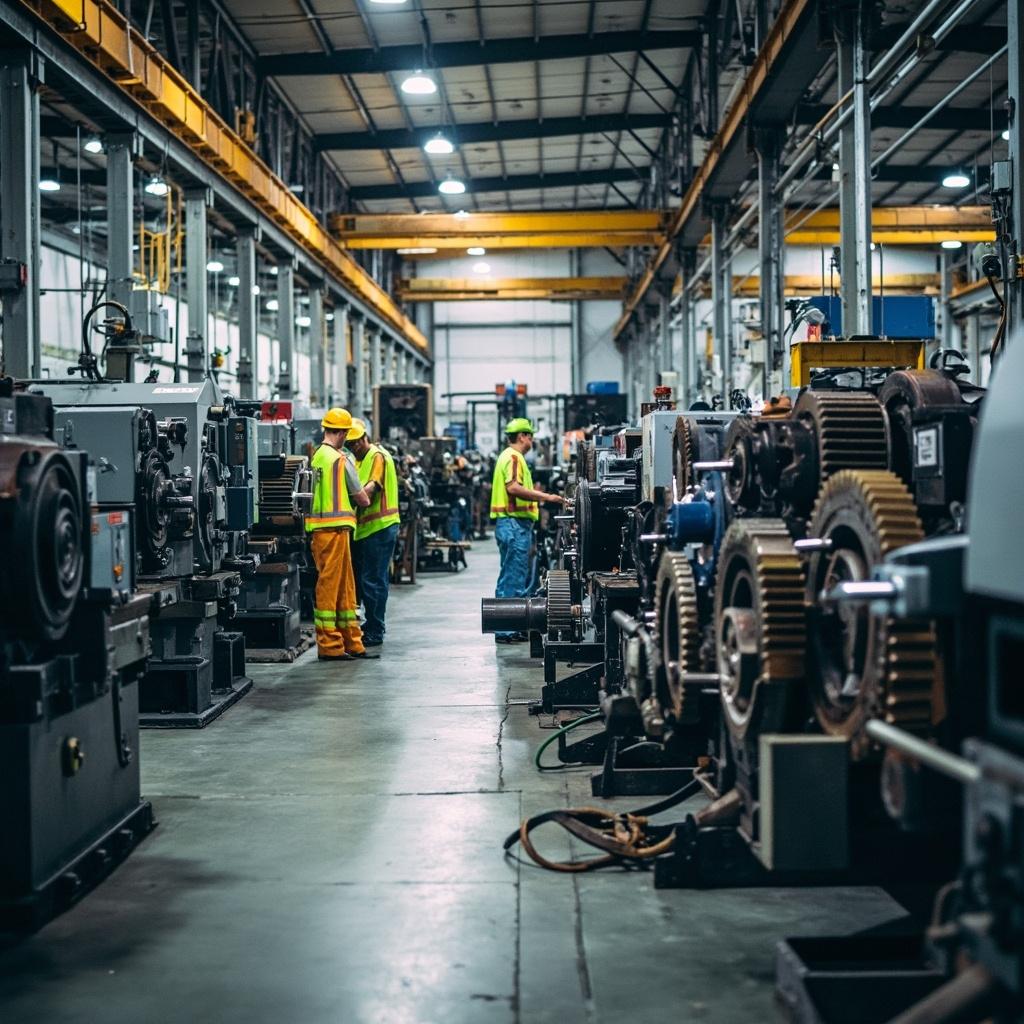
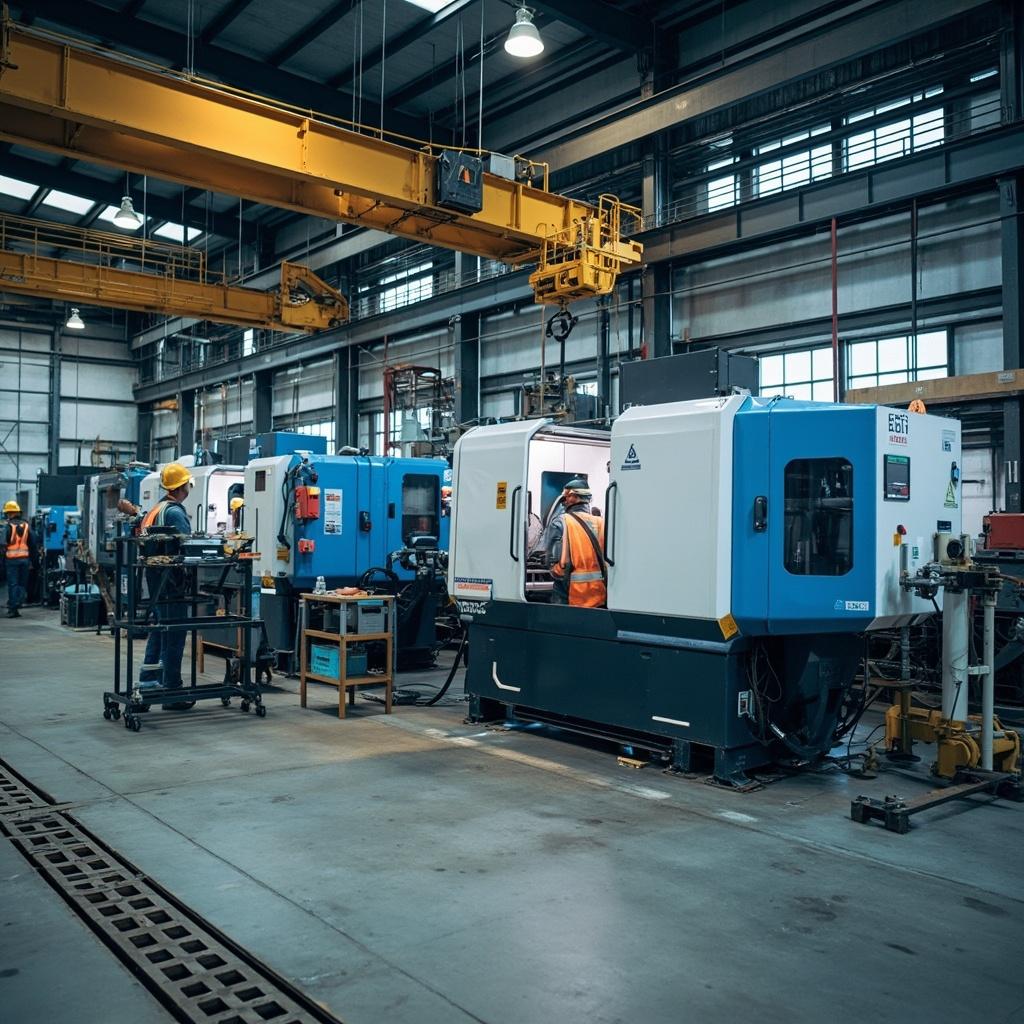
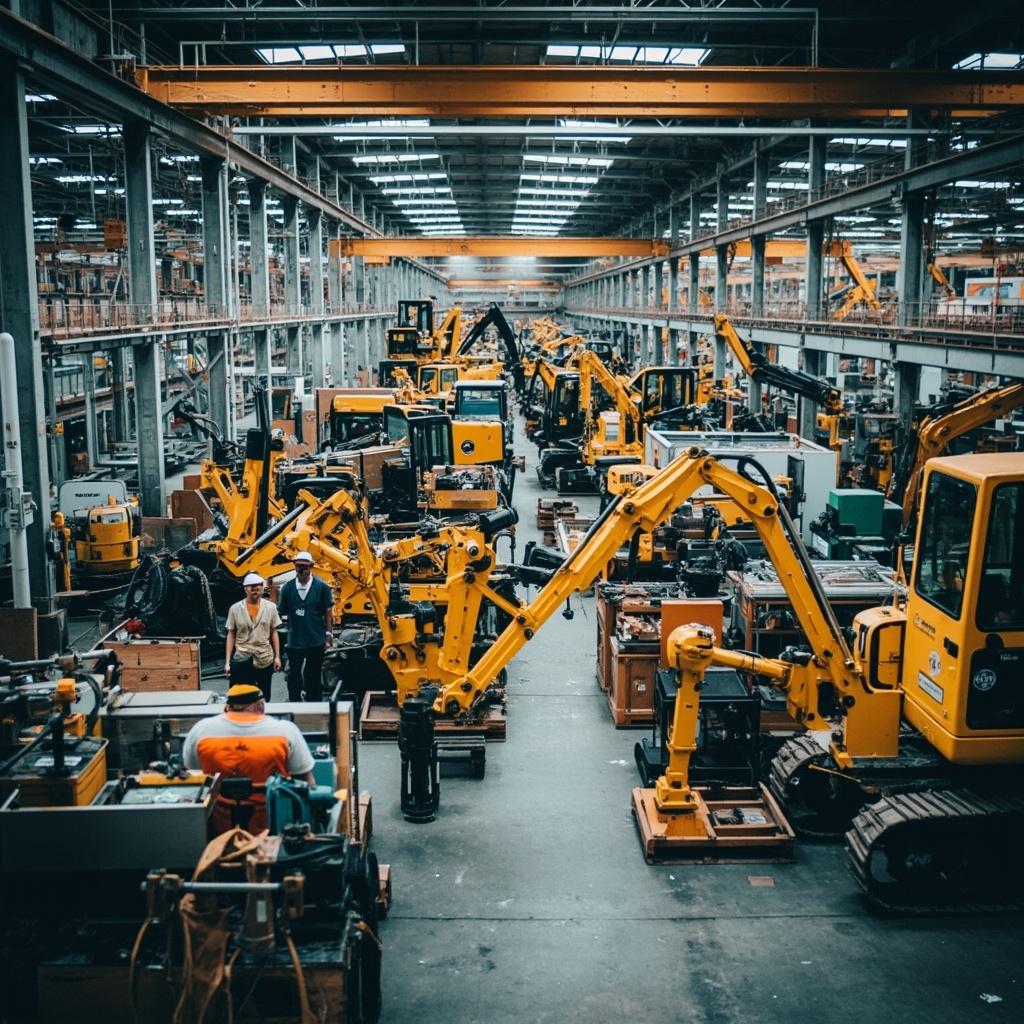
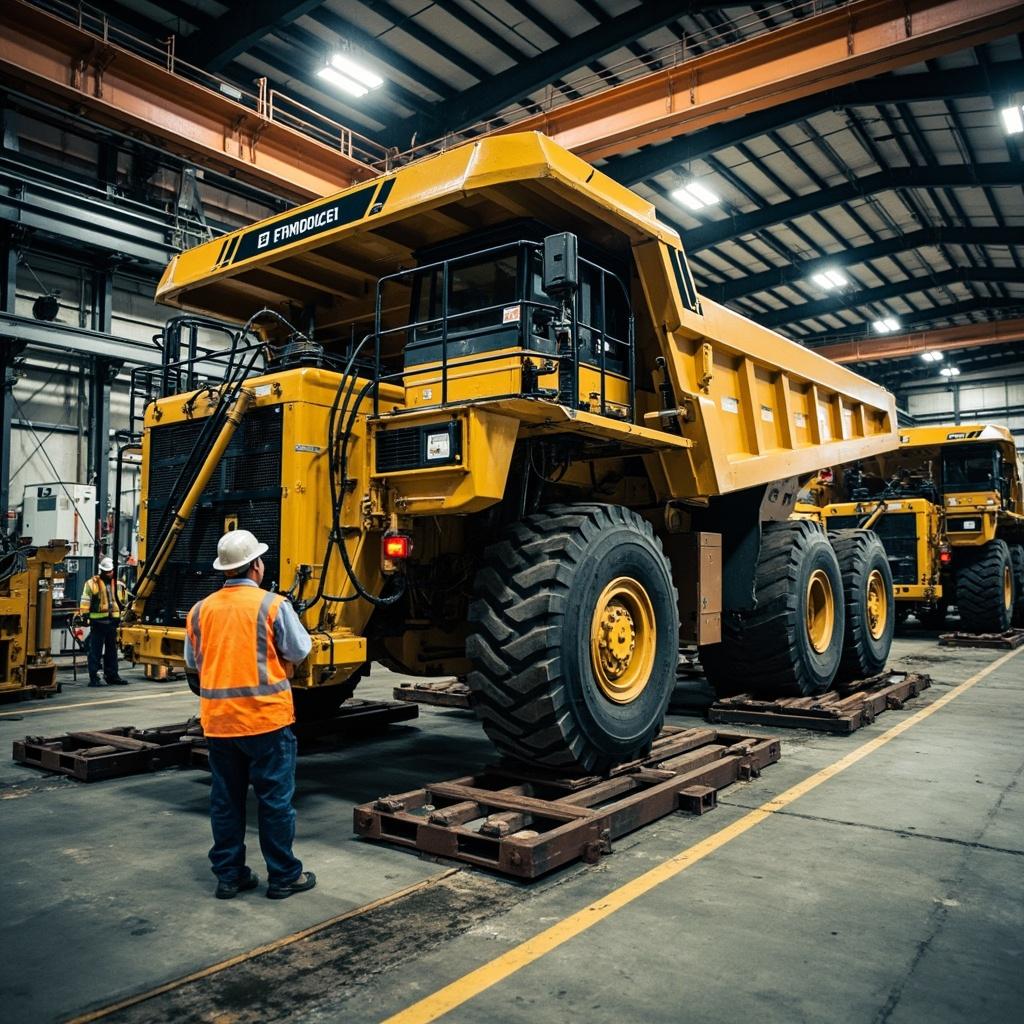
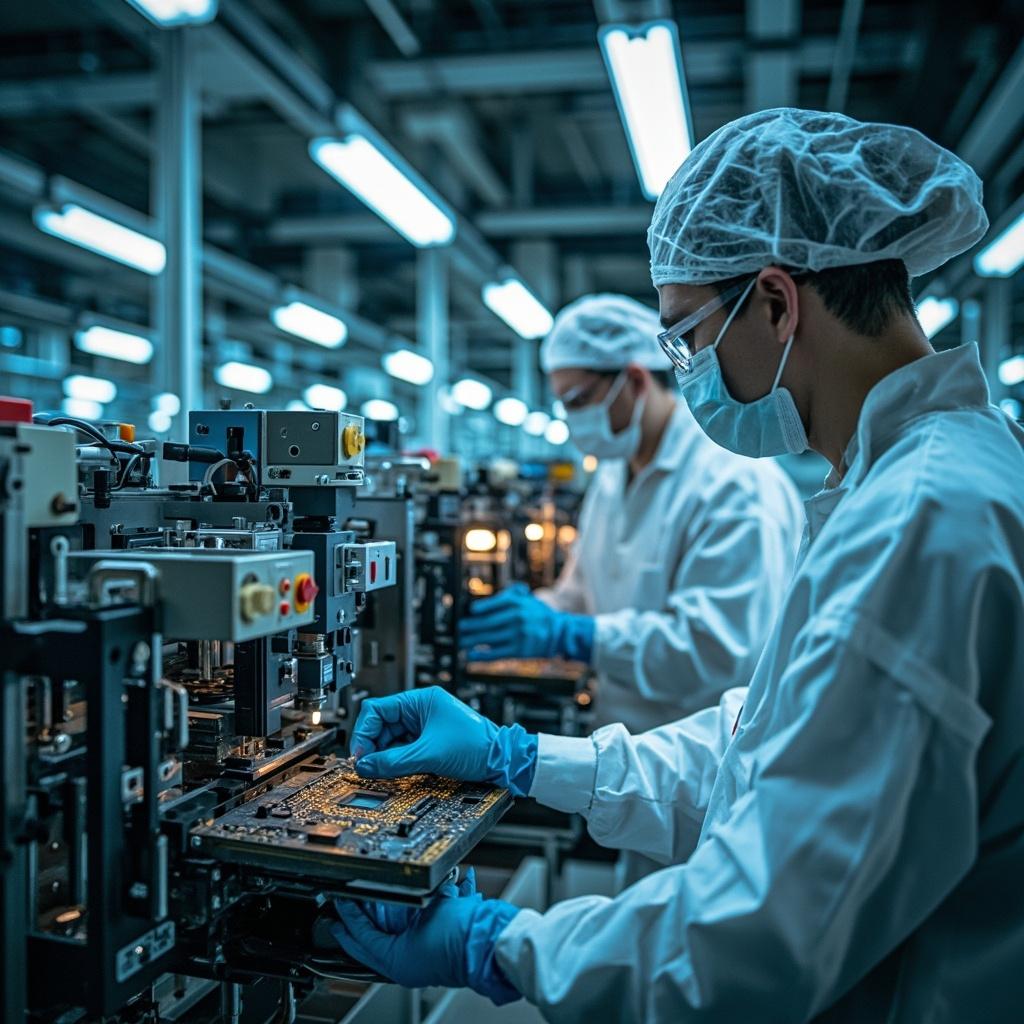
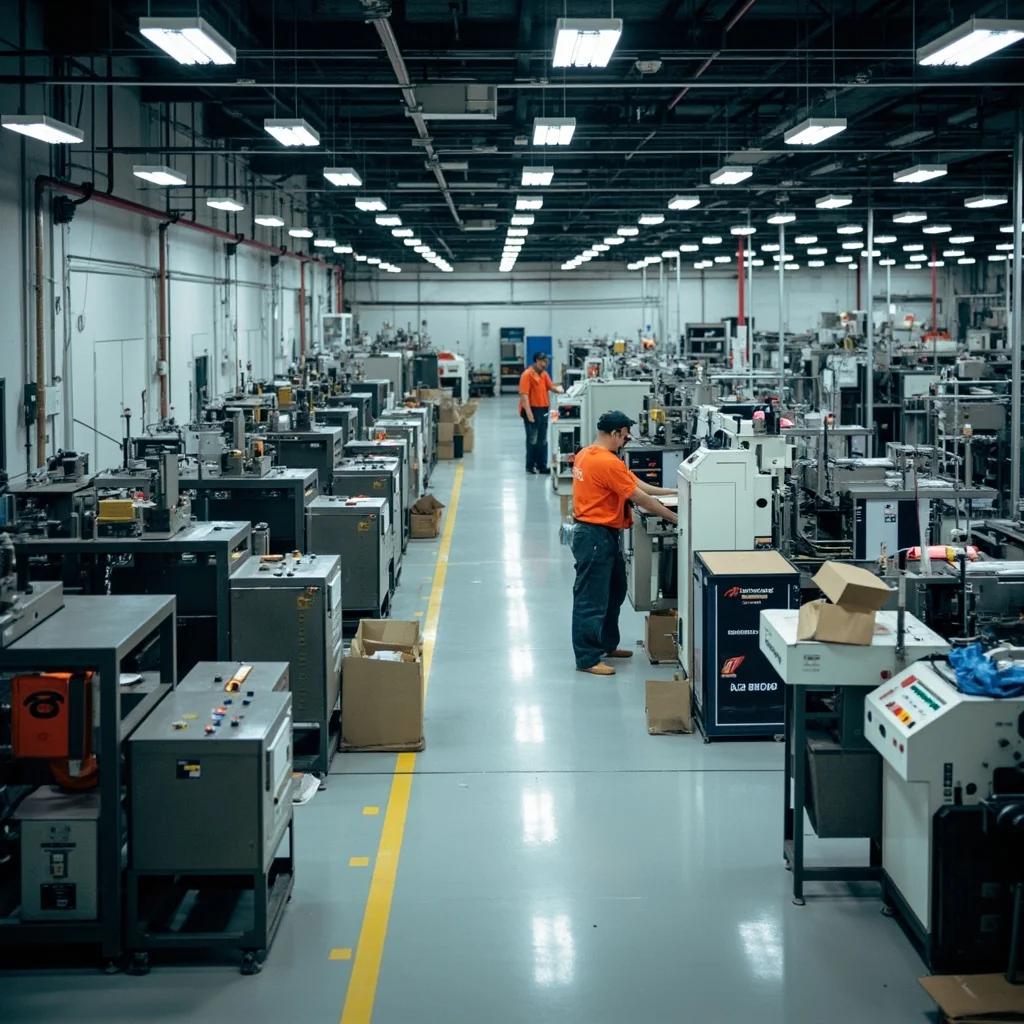
Four manufacturing capabilities separate genuine environmental equipment producers from assemblers and resellers. The first is heavy metal fabrication: electrostatic precipitators, desulfurization towers, and incineration plants require thousand-ton-scale steel structures that only vertically integrated plants — like Longking's Fujian complex or Ebara's ASME-certified Qingdao facility — can produce with the required tolerances.
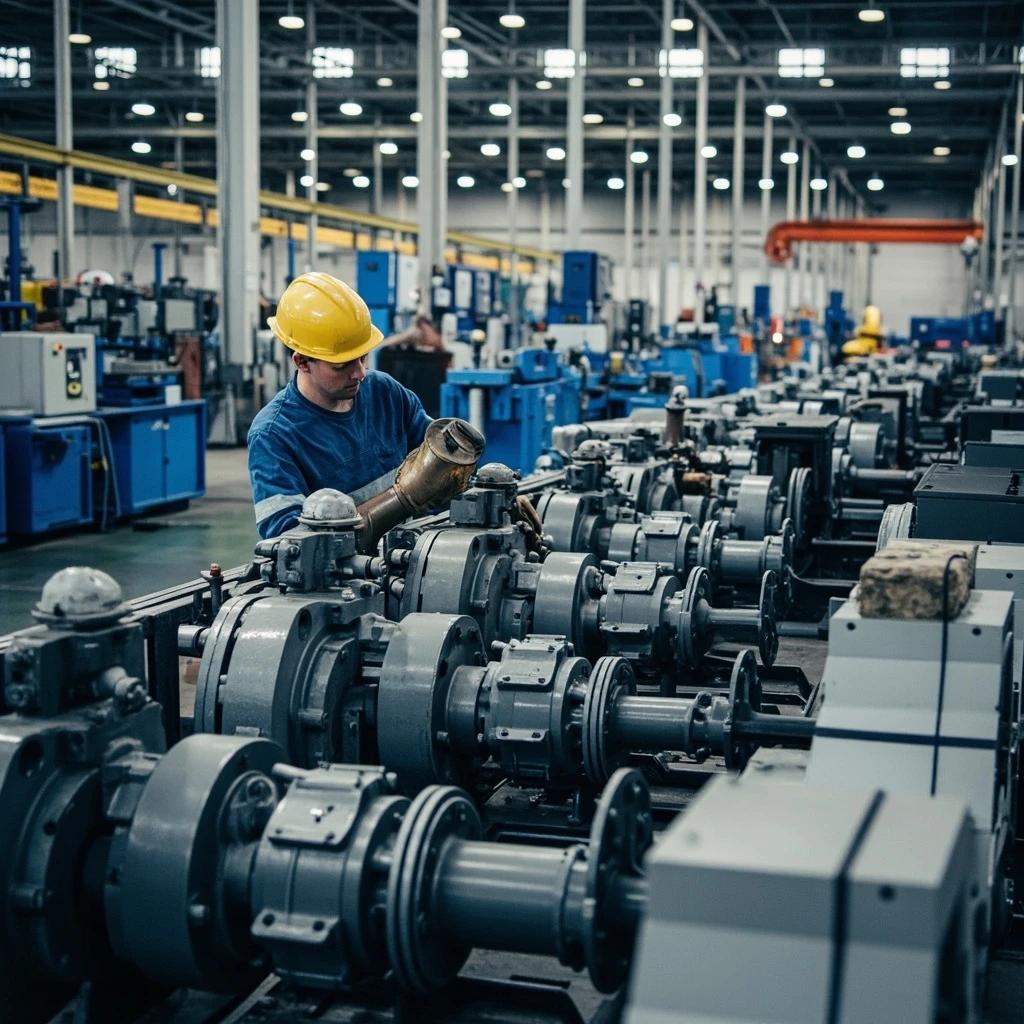
Second is precision machining of rotating equipment. Pumps, compressors, and centrifuges demand micron-level machining of impellers, casings, and shafts; Xylem's Auburn, New York plant and Andritz's Krefeld and Cologne sites machine these components in-house, a capability that directly determines reliability and efficiency. Third is process engineering integration: the best manufacturers don't just build machines — they design complete treatment trains, integrating filtration, dosing, and monitoring into turnkey systems, as Kurita does with semiconductor ultrapure water plants.
Fourth is sensor and control manufacturing. Tomra's sorting machines combine multi-energy X-ray sources, laser scanners, and real-time AI classification, all manufactured at its Senec, Slovakia hub; Donaldson's filter media production spans polymer chemistry to finished cartridge assembly. These capabilities — steel, precision motion, process integration, and sensing — are the four pillars of true environmental equipment manufacturing, and the companies that master all of them command the industry's highest margins and most durable customer relationships.
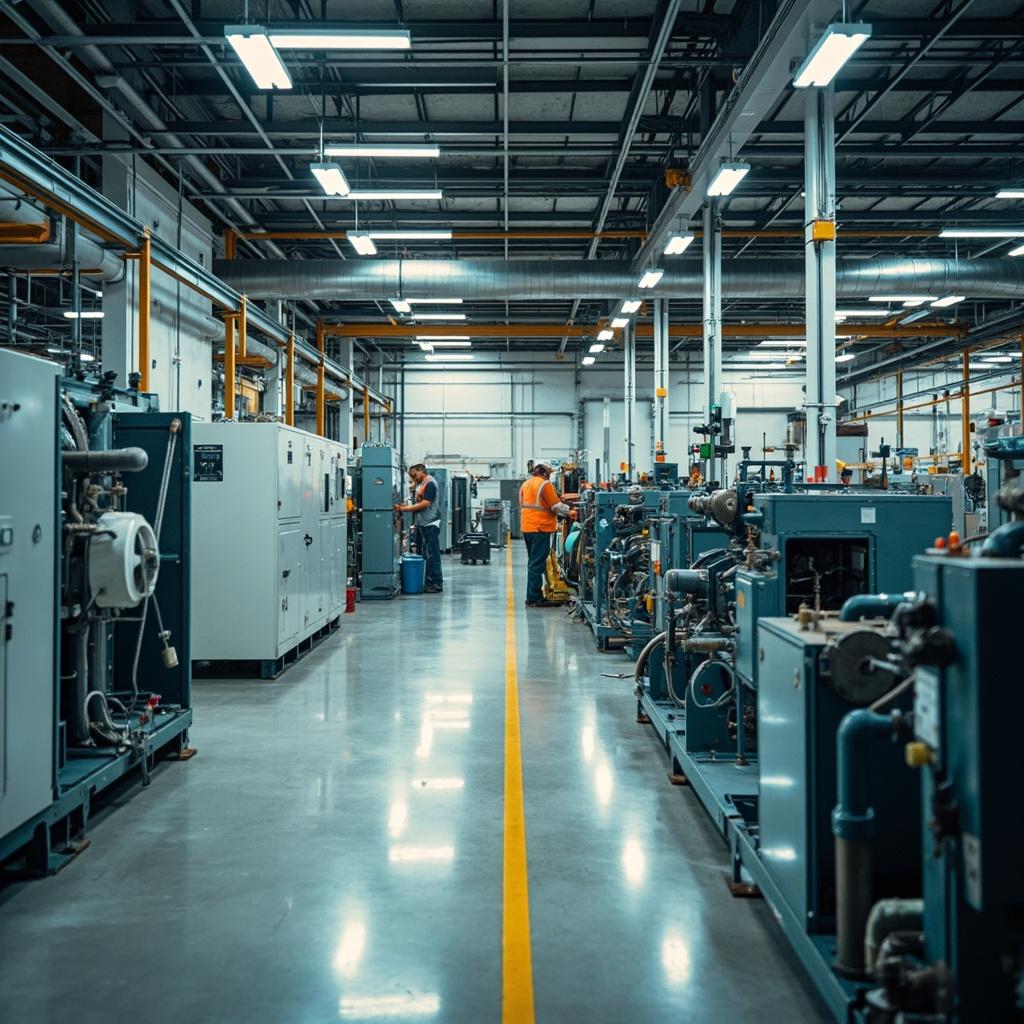
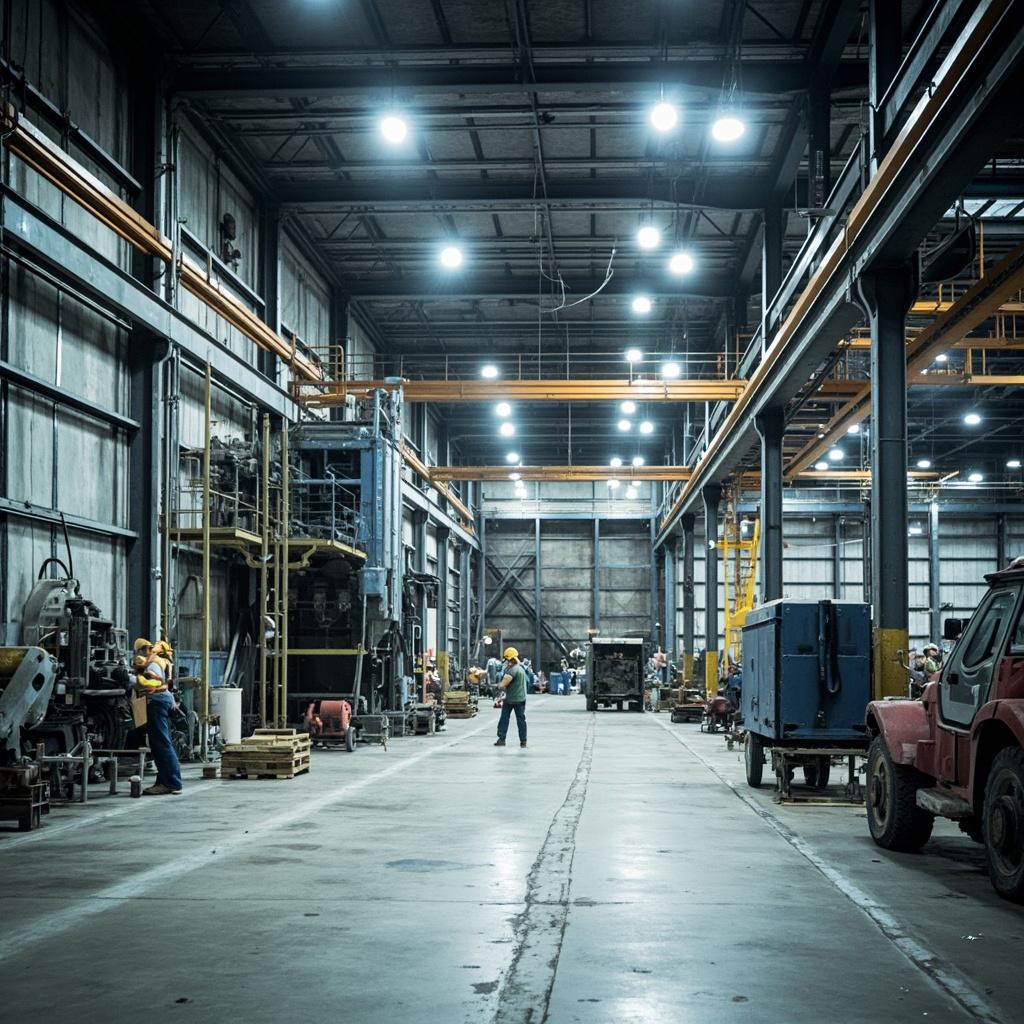
The era of single-region production is over in environmental equipment manufacturing, and the leaders are building distributed factory networks to match their customers' geographies. Donaldson explicitly operates a "region-for-region" strategy; Donaldson explicitly operates a "region-for-region" strategy, maintaining more than 150 plants and offices across six continents so that filters and dust collection systems are manufactured close to the mining, power, and aerospace customers that consume them — a direct response to tariff barriers and logistics bottlenecks.
Ebara has invested in its Qingdao, China environmental plant since 1992, earning ASME S and U stamps that allow it to build incineration boilers and energy plant equipment locally for the Asian market. Tomra concentrates heavy manufacturing in Senec, Slovakia — over 20,000 square meters producing more than 80% of its global sorting machines — while maintaining test centers in Germany and Australia. Xylem operates multiple large plants in the US, Sweden, and across emerging markets, including a 300,000-square-foot facility in Auburn, New York.
The drivers are structural: tariffs, export controls, and shipping costs have made long-distance equipment supply uneconomical, while municipal and industrial buyers increasingly demand local manufacturing for compliance, service response, and political reasons. For manufacturers, the strategic consequence is that factory footprint is now a competitive weapon — companies with regionally balanced production, like Donaldson and Ebara, can serve customers faster and with lower geopolitical risk than single-hub competitors.
Circular economy legislation is converting waste policy into hard capital expenditure for equipment manufacturers — and the companies with the right hardware are capturing the cycle. Deposit-return schemes for beverage containers are the clearest example; Deposit-return schemes for beverage containers, now mandatory across much of Europe and expanding in North America, are the clearest example: Tomra's 91,900+ installed reverse vending machines and its CLYNK bag-drop acquisition position it to supply the infrastructure that turns recycling mandates into operating reality.
Plastic and metal recycling regulation is driving a parallel boom in sensor-based sorting. Tomra's XRT and multi-channel laser sorters purify recycled plastics and separate ore waste with physical precision that mechanical systems cannot match, while Andritz's separation technology processes sludge dewatering, mining tailings, and lithium battery material recovery across 40+ production and service centers. Donaldson's USD 820 million acquisition of Facet Filtration added mission-critical fuel and aviation filtration manufacturing that serves the circular economy's higher-purity requirements.
Water conservation mandates are the third pillar: Pentair's Hydra-Stop leak-repair valves address aging municipal networks, Kurita's PFAS-removal investment targets forever-chemical regulation, and Xylem's Evoqua integration brought advanced organics treatment. For manufacturers, the pattern is unmistakable — every new recycling target, water quality standard, or emissions limit translates into a defined equipment category with named buyers, making circular economy policy the industry's most predictable demand engine.
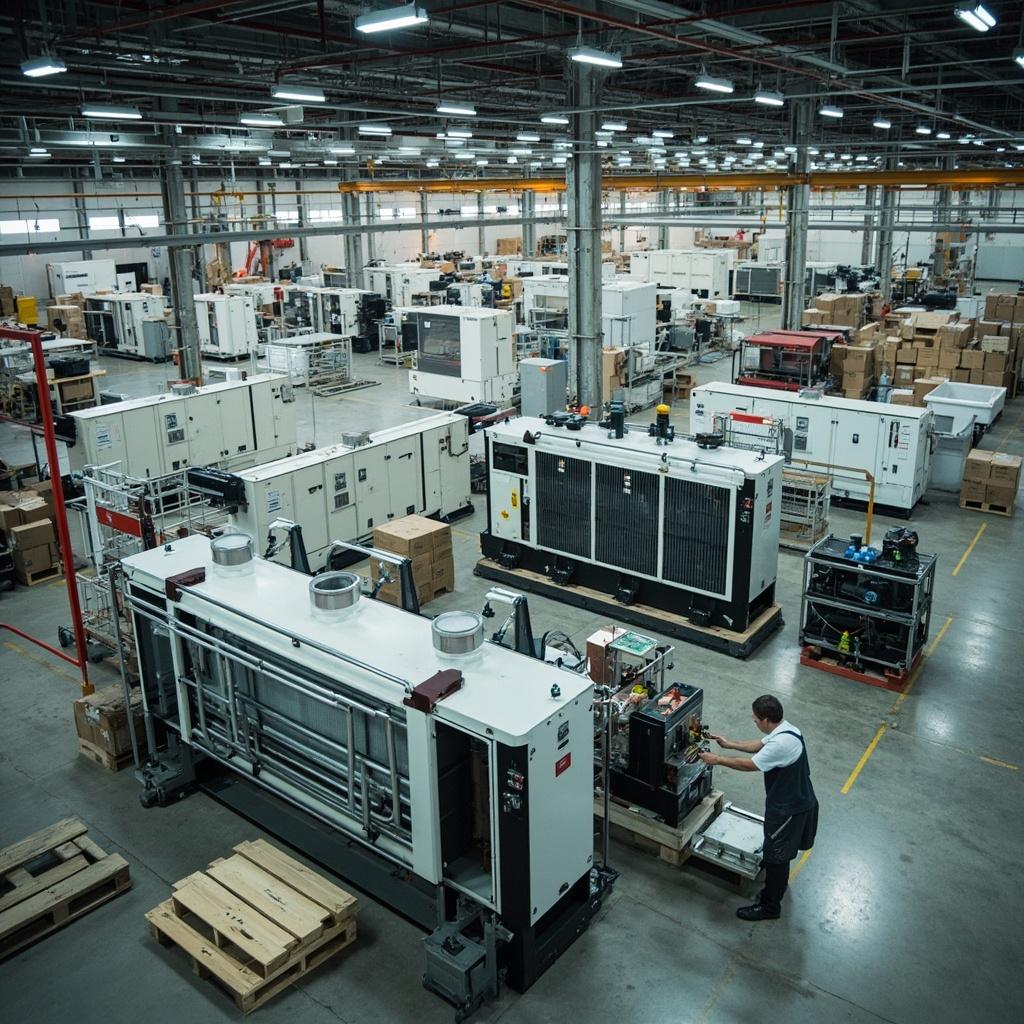
Selecting an environmental equipment manufacturer is a 20-30 year infrastructure decision, and experienced buyers evaluate five factors before signing. The first is proof of in-house production: verify that the manufacturer actually casts, machines, and assembles its core equipment, rather than reselling branded imports — a visit to the plant floor settles this in a day.
Second is regulatory certification depth. ASME stamps (Ebara's Qingdao plant), ISO quality systems, and industry-specific approvals (aerospace for Donaldson, semiconductor-grade for Kurita) determine whether equipment can be permitted, insured, and operated in your jurisdiction. Third is total cost of ownership: energy efficiency, consumables cost, and service response time often outweigh purchase price — Sulzer's 160 global service centers and Xylem's USD 1.563 billion service revenue illustrate how aftermarket capability drives lifetime economics.
Fourth is regional manufacturing presence: buyers increasingly require local factories for tariff, compliance, and supply-security reasons, favoring manufacturers with region-for-region strategies like Donaldson and Ebara. Fifth is technology roadmap alignment: emerging contaminant regulation (PFAS, microplastics) and digital monitoring are reshaping the equipment base, so buyers should assess whether the manufacturer's R&D — like Tomra's AI sorting or Veralto's connected instruments — will keep the plant compliant over the equipment's full life.