VerityRank

Ranking List of Manufacturers in the Intimates & Hosiery Industry

HomeTextile & ApparelRanking List of Manufacturers in the Intimates & Hosiery Industry

Welcome to Verity Rank’s Global Intimates & Hosiery Manufacturer Rankings.

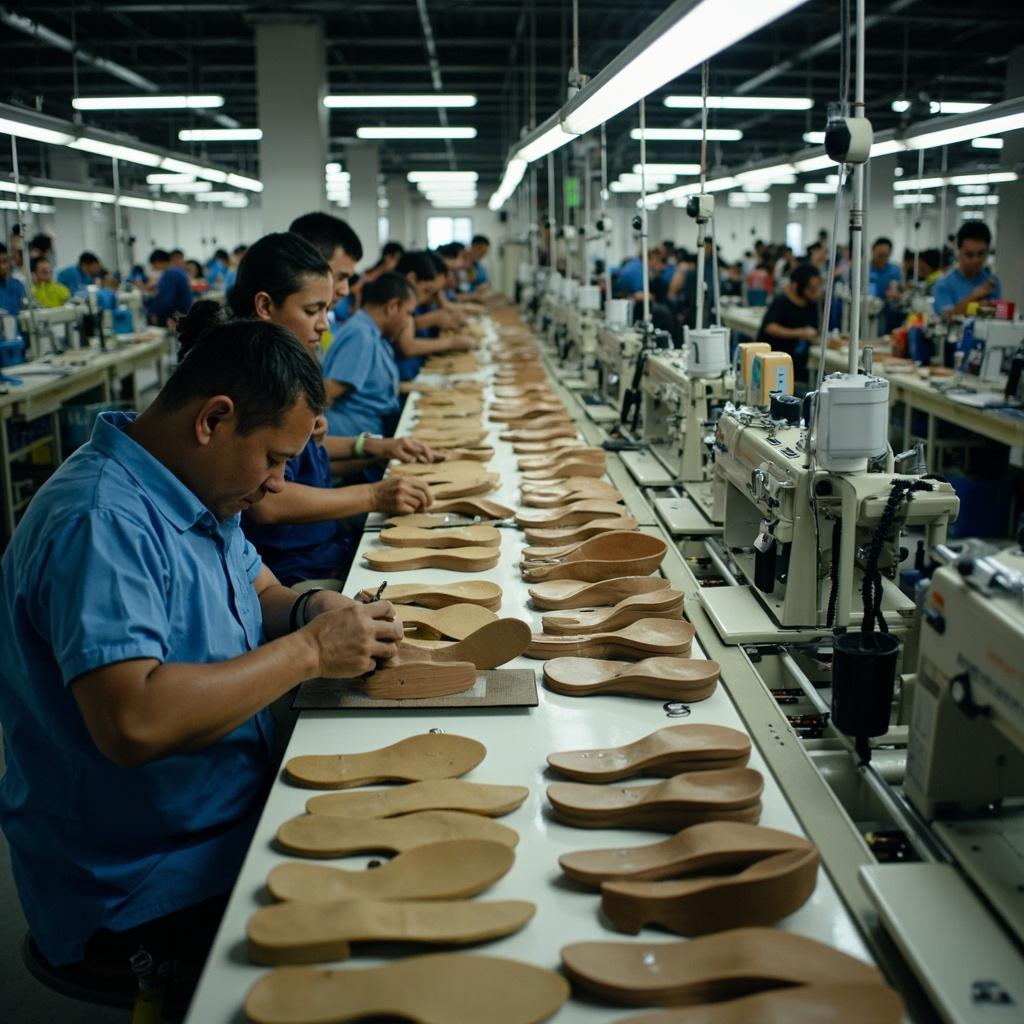
That wirefree bra you’re wearing. The “viral leggings” your TikTok feed won’t stop pushing. Your husband’s three-year-old cotton boxers he refuses to toss. They didn’t come from a brand’s “design story”—they came from coordinates you’ve never searched: automated hanging lines in Haiphong, the Americas’ largest cotton knitting hub in Honduras, and Yiwu’s 1-billion-pairs-a-year sock corridors.

Brands tell stories. Manufacturers write the blueprints.

This list is for anyone who needs to know who’s really behind the seams. Sourcing directors seeking the world’s #1 seamless bonding yield. Cross-border sellers hunting for capacity that won’t choke when orders spike. Investors scanning 10-Ks for the next lululemon-in-the-making.

We’ve mapped the 10 most dominant manufacturing forces in intimates. Crystal Group redefines “speed-to-market” with 72-hour sampling. Regina Miracle holds 35% of the global seamless molded cup market—Lululemon and Nike’s irreplaceable backbone. Shenzhou International runs its own fabric lab in Ningbo, completing dye-to-garment in 48 hours. Jasan Group proves socks alone can float a $320-million public company.

No storytelling. Just capacity, yield rates, client rosters, and technological barriers.

Disclaimer: Rankings synthesize third-party sources including national industrial statistics, academic supply chain research, AI-extracted ESG disclosures, and customs export data. Based on multi-dimensional algorithmic models, results reflect evaluated manufacturing capability within specific periods—not direct partnership guarantees or investment advice.

Top 10 Rankings

2026.05 Edition
1
Shenzhou International Group

Shenzhou International Group

Shenzhou International Group Holdings Limited is the "invisible champion" of global knitwear manufacturing, headquartered in Ningbo, Zhejiang, China. As a Hong Kong Stock Exchange-listed company (SEHK:02313), its core business focuses on Textile & Apparel categories including men's performance T-shirts, women's yoga wear, underwear, and loungewear, providing vertically integrated OEM/ODM services from fabric R&D, dyeing and finishing to garment sewing for global sportswear brands like Nike, Uniqlo, Adidas, and Puma. In 2025, Shenzhou achieved estimated revenue of RMB 32.5-34 billion, employing over 110,000 people across 13 large-scale integrated factories in Ningbo, Anhui, Vietnam, and Cambodia, producing approximately 550 million garments and 250,000 tons of fabric annually. Its top four clients contribute about 82% of revenue. Leveraging ultimate vertical integration efficiency and quick response capabilities, Shenzhou defines the manufacturing benchmark behind global brands.

Strengths: Shenzhou's core strength in Textile & Apparel lies in its extreme vertical integration model, controlling the entire value chain from fabric R&D, dyeing and finishing to garment sewing, building a triple moat of efficiency, quality, and cost in knitwear categories like performance T-shirts and yoga wear. Annual production scale of 550 million garments and 250,000 tons of fabric, combined with overseas capacity in Vietnam and Cambodia, makes it an irreplaceable core supplier for global brands like Nike and Uniqlo, with its share in client supply chains growing through shortened lead times and quick response capabilities.

Weaknesses: Shenzhou's main weaknesses stem from its business model's heavy reliance on its top four clients (Nike, Adidas, Uniqlo, Puma), with customer concentration reaching 82%, making performance highly susceptible to core brand order fluctuations. As a B2B manufacturer lacking end-consumer brand recognition, its gross margin is compressed by rising labor costs and initial depreciation of overseas new factories, slightly declining to 27.1% in H1 2025. It also faces uncertainty risks from cross-border raw material tariffs amid changing global trade environments.

Brand

Shenzhou

Founded

2005

Workforce

110K+

Headquarters

China

Market

SEHK : 2313

Key Product Categories
Baby Clothing (0-24 Months) ManufacturersMen's Clothing IndustryMen's Tops IndustryPolo ShirtMen's Knitted TopMen's Casual WearChildren's Clothing (For Ages 2-12) ManufacturersMen's Clothing IndustryMen's Tops IndustryPolo ShirtBaby Clothing (0-24 Months) ManufacturersMen's Clothing IndustryMen's Tops IndustryPolo ShirtMen's Knitted TopMen's Casual WearChildren's Clothing (For Ages 2-12) ManufacturersMen's Clothing IndustryMen's Tops IndustryPolo Shirt
2
Crystal International Group Limited

Crystal International Group Limited

Crystal International Group Limited is a globally leading apparel manufacturer headquartered in Hong Kong, listed on the Hong Kong Stock Exchange. Employing a vertically integrated model, it provides design and manufacturing services for international brands like UNIQLO, specializing in casualwear, sportswear and intimates. With 20 production bases across Vietnam, China, Cambodia and other locations, it employs ~70,000 people, reported $2.5 billion revenue in 2024, and has an annual capacity of ~400 million garments. Leveraging its vertical integration, global footprint and leading sustainability practices, it maintains an important competitive position in global apparel manufacturing.

Strengths: Crystal International's core strengths are its strong vertical integration enabling end-to-end services from fabric development to garment manufacturing; significant global footprint with 70% capacity in Vietnam and other strategic locations effectively diversifying risks; leading sustainability practices with notable achievements in eco-certifications and carbon reduction recognized by brand clients.

Weaknesses: Crystal International faces persistent cost control pressures from rising labor and material costs impacting profitability; international trade environment uncertainties with geopolitical factors affecting global supply chain stability; intensifying industry competition squeezing profit margins while relatively low OEM model margins constrain development.

Brand

Crystal Group

Founded

1970

Workforce

70K+

Presence

7+ Countries

Facilities

20+ Factory

Headquarters

Hong Kong

Market

SEHK : 2232

Key Product Categories
Children's Clothing (For Ages 2-12) ManufacturersMen's Clothing IndustryMen's Tops IndustryMen's KnitwearMen's T-shirtMen's Casual WearCustom-made Clothing ManufacturersMen's Clothing IndustryMen's Tops IndustryMen's KnitwearChildren's Clothing (For Ages 2-12) ManufacturersMen's Clothing IndustryMen's Tops IndustryMen's KnitwearMen's T-shirtMen's Casual WearCustom-made Clothing ManufacturersMen's Clothing IndustryMen's Tops IndustryMen's Knitwear
3
Regina Miracle International (Holdings) Limited

Regina Miracle International (Holdings) Limited

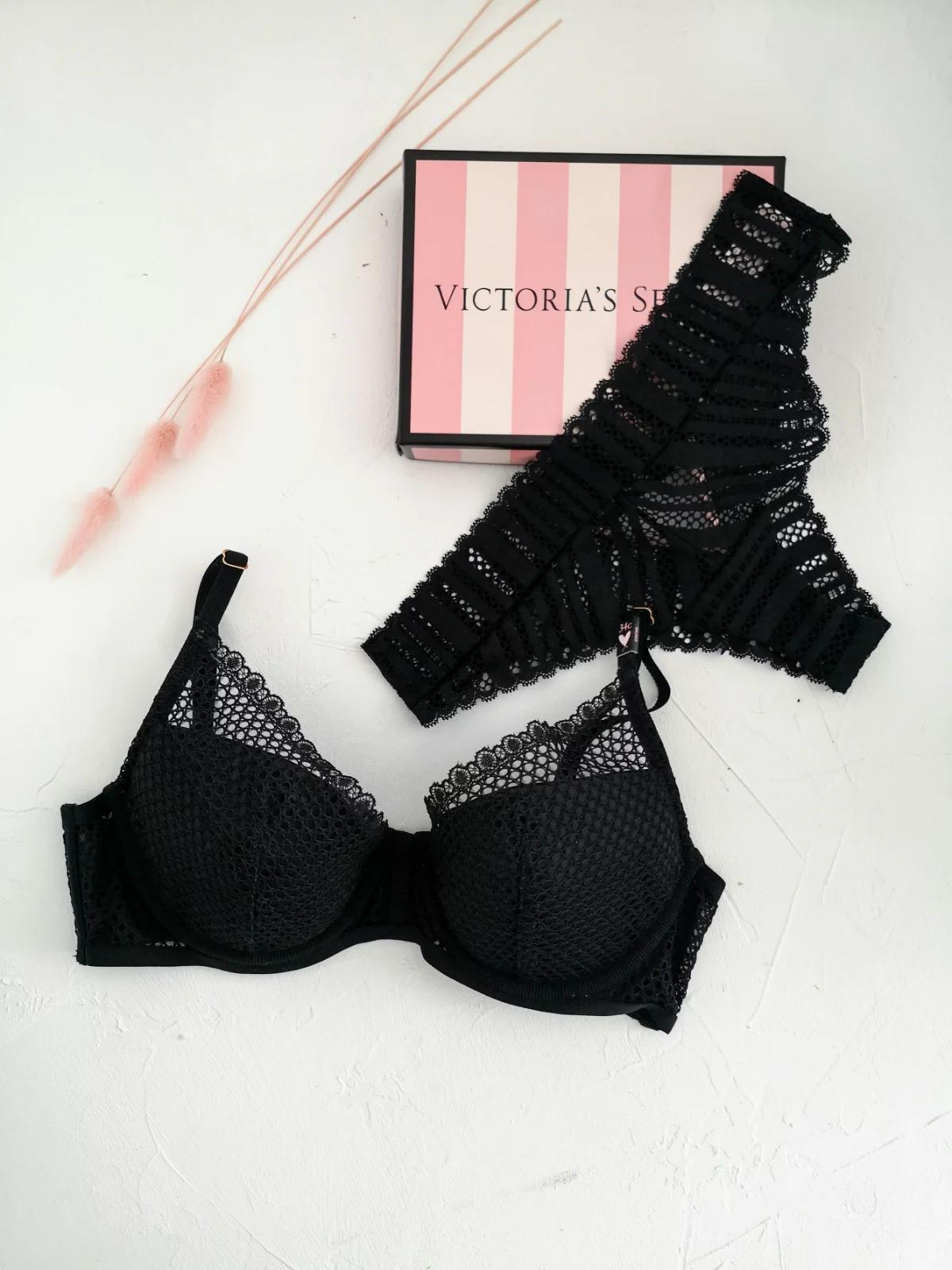
Regina Miracle International (Holdings) Limited is a globally leading Innovative Design Manufacturer (IDM) headquartered in Hong Kong and listed on the Hong Kong Stock Exchange (SEHK: 2199). Pioneering and specializing in the IDM model, it deeply engages with brand clients throughout the entire process from cutting-edge R&D to scaled manufacturing, serving as a crucial innovation and production partner for top-tier lingerie brands (e.g., Victoria’s Secret) and sportswear brands (e.g., Nike, adidas) in their core categories. Leveraging hundreds of patents in areas like seamless molding and 3D bonding, Regina Miracle has successfully executed a strategic expansion from its lingerie foundation into high-growth sportswear, achieving revenue of HKD 7.66 billion in FY2024 and establishing itself as a global benchmark for “hard-tech”-driven growth in apparel manufacturing.

Strengths: Regina Miracle's core strengths are its unparalleled portfolio of technological patents and process barriers, which form its deepest competitive moat; concurrently, its unique IDM business model fosters deep integration into clients' innovation cycles, delivering high value-add and exceptional client stickiness, while its successful strategic pivots and efficient global production footprint jointly underpin sustained growth and profitability.

Weaknesses: Regina Miracle's main weaknesses are its continued high revenue concentration among a few major global brand clients; despite ongoing optimization, fluctuations in their orders still significantly impact the company's performance. Additionally, demand uncertainty in key consumer markets, the pressure of sustained high-intensity R&D investment, and geopolitical risks inherent in its cross-border production setup are ongoing challenges for its long-term operations.

Brand

Regina Miracle

Founded

1998

Workforce

40K+

Presence

20+ Countries

Headquarters

China

Market

SEHK : ​​2199

Key Product Categories
Eco-friendly Clothing ManufacturersWomen's Clothing IndustryWomen's Activewear IndustrySwimwear IndustryLuggage & Accessories IndustryHandbags IndustryFemale Apparel FactoriesWomen's Clothing IndustryWomen's Activewear IndustrySwimwear IndustryEco-friendly Clothing ManufacturersWomen's Clothing IndustryWomen's Activewear IndustrySwimwear IndustryLuggage & Accessories IndustryHandbags IndustryFemale Apparel FactoriesWomen's Clothing IndustryWomen's Activewear IndustrySwimwear Industry
4
Sri Lankan MAS Holdings

Sri Lankan MAS Holdings

MAS Holdings is South Asia's largest apparel and textile technology manufacturer and a "hidden champion" in the global intimates and activewear sectors. Founded in 1987 and privately held by the Amalean family, the company is headquartered in Colombo and operates primarily in an OEM/ODM model. It focuses deeply on intimates & hosiery, sports & outdoor gear, and loungewear & sleepwear, providing end-to-end solutions from fabric innovation to finished products for top global brands like Victoria's Secret, Nike, and Lululemon. With an estimated 2025 global revenue of $2.15 billion, MAS operates over 50 factories across 16 countries and employs approximately 102,000 people. Notably, loungewear & sleepwear, as a core category, leverages its seamless knitting technology and high-end fabric craftsmanship to mass-produce comfortable, functional products for brands like Marks & Spencer, securing a vital position in the global supply chain. Strengths: MAS's core strength lies in its complete vertical supply chain, from fabric R&D to finished goods, building formidable technical barriers in intimates and activewear with over 200 patents and proprietary fabric brands like MAS Matrix. Its deep investment in cutting-edge processes such as FemTech and seamless knitting enables an annual capacity of 350 million intimates and 120 million activewear pieces, making it an irreplaceable strategic partner for leading global brands. Weaknesses: MAS's primary weaknesses are its lack of consumer-facing brand recognition as a B2B manufacturer and high dependency on a few key clients like Victoria's Secret and Nike for business growth. Additionally, automation-led job concerns in Sri Lanka, combined with domestic electricity price fluctuations and tax policy adjustments, exert continuous pressure on its operating margins, which saw an estimated 3% negative impact.

Brand

Sri Lankan MAS Holdings

Founded

1987

Workforce

102K+

Facilities

53+ FactoriesNumber of

Headquarters

Sri Lanka

Market

Unlisted ( Family Business )

Key Product Categories
Eco-friendly Clothing ManufacturersMen's Clothing IndustryMen's Tops IndustryMen's Bottoms IndustryMen's Sportswear IndustryWomen's Clothing IndustryHomewear ManufacturersMen's Clothing IndustryMen's Tops IndustryMen's Bottoms IndustryEco-friendly Clothing ManufacturersMen's Clothing IndustryMen's Tops IndustryMen's Bottoms IndustryMen's Sportswear IndustryWomen's Clothing IndustryHomewear ManufacturersMen's Clothing IndustryMen's Tops IndustryMen's Bottoms Industry
5
Gildan Activewear Inc.

Gildan Activewear Inc.

Gildan Activewear Inc. is a world-leading vertically integrated manufacturer of activewear and basic apparel, headquartered in Montreal, Quebec, Canada. Its core business focuses on blank T‑shirts, fleece, bottoms, underwear, and hosiery serving the B2B printwear market, wholesale distributors, and major retailers. Estimated 2025 revenue reached approximately $3.4–$3.5 billion (excluding HanesBrands), with ~49,000 employees and nearly 30 self‑owned factories. Listed on the TSX and NYSE (NYSE : GIL), Gildan completed the acquisition of HanesBrands in late 2025, creating a combined entity with ~$6.9 billion annual revenue, further solidifying its dominance in basics through end‑to‑end vertical integration and a strong commitment to sustainability.

Strengths: Gildan’s core strengths lie in its rare, fully integrated manufacturing model—self‑owned factories contribute over 90% of sales, delivering unparalleled cost control and consistent quality; as the world’s largest supplier of blank apparel, it holds near‑monopoly scale and channel dominance in the B2B printwear market; the 2025 HanesBrands acquisition integrates iconic labels (Hanes, American Apparel), making underwear/hosiery a robust second pillar and creating a full‑category moat from basics to innerwear.

Weaknesses: Gildan’s main weaknesses stem from its long‑standing B2B/wholesale orientation, resulting in weak brand recognition and fashion appeal in direct‑to‑consumer channels; business is heavily concentrated in North America, with insufficient localized depth in emerging markets despite a broad distribution network; the 2024–2025 proxy fight incurred significant costs, and exposure to U.S. tariff policy shifts adds geopolitical supply‑chain risk; licensing volatility (e.g., termination of the Under Armour sock license) temporarily disrupts revenue streams.

Brand

Gildan Activewear

Founded

1984

Workforce

49K+

Presence

60+ Countries

Headquarters

Canada

Key Product Categories
Children's Clothing (For Ages 2-12) ManufacturersMen's Clothing IndustryMen's Tops IndustryMen's Outerwear IndustryMen's Bottoms IndustryMen's Sportswear IndustryCustom & Group Apparel CompaniesMen's Clothing IndustryMen's Tops IndustryMen's Outerwear IndustryChildren's Clothing (For Ages 2-12) ManufacturersMen's Clothing IndustryMen's Tops IndustryMen's Outerwear IndustryMen's Bottoms IndustryMen's Sportswear IndustryCustom & Group Apparel CompaniesMen's Clothing IndustryMen's Tops IndustryMen's Outerwear Industry
6
Brandix Apparel Limited

Brandix Apparel Limited

Brandix Apparel Limited is a leading apparel manufacturing giant in South Asia, forming the "twin pillars" of Sri Lanka's textile industry alongside MAS Holdings. Founded in 1972 and rebranded in 2002, the company remains privately held by the Amalean family and is headquartered in Colombo. Operating primarily in an OEM/ODM model, Brandix focuses deeply on intimates & hosiery, loungewear & sleepwear, and casualwear, providing end-to-end solutions from fabric R&D to finished products for top global brands such as Victoria's Secret, Gap, Uniqlo, and Marks & Spencer. With an estimated 2025 global revenue of $1.08 billion, it operates 28 factories across Sri Lanka, India, Bangladesh, and Haiti, employing approximately 67,000 people. Notably, loungewear & sleepwear, as a core category, boasts an annual capacity of 40 million sets, making it one of the world's largest pajamas manufacturers, leveraging its efficient vertical supply chain and sustainable manufacturing advantages to secure a vital position in the mass market. Strengths: Brandix's core strength lies in its complete vertical integration, encompassing spinning, weaving, dyeing, and garmenting within a closed-loop ecosystem, particularly at Brandix India Apparel City (BIAC), which enables "in-park circulation" and significantly boosts delivery efficiency. Furthermore, as a global benchmark in sustainable manufacturing, it operates the world's first LEED Platinum-certified zero-carbon factory, building a formidable reputation barrier in ESG and earning "best supplier" status from clients like Marks & Spencer. Weaknesses: Brandix's primary weaknesses are its lack of consumer-facing brand recognition as a B2B manufacturer and high dependency on a few key clients for business growth. Additionally, persistent inflation in Sri Lanka has led to wage increase pressures (approx. 12%), compounded by geopolitical uncertainties at overseas bases like Haiti, continuously squeezing its operating margins and resulting in a slight margin contraction in the short term.

Brand

Brandix Apparel

Founded

1972

Workforce

67K+

Facilities

28+ FactoriesNumber of

Headquarters

Sri Lanka

Market

Unlisted ( Privately Held )

Key Product Categories
Custom-made Clothing ManufacturersMen's Clothing IndustryMen's Tops IndustryMen's Outerwear IndustryMen's Bottoms IndustryMen's Sportswear IndustryEco-friendly Clothing ManufacturersMen's Clothing IndustryMen's Tops IndustryMen's Outerwear IndustryCustom-made Clothing ManufacturersMen's Clothing IndustryMen's Tops IndustryMen's Outerwear IndustryMen's Bottoms IndustryMen's Sportswear IndustryEco-friendly Clothing ManufacturersMen's Clothing IndustryMen's Tops IndustryMen's Outerwear Industry
7
Eclat Textile Co. Ltd.

Eclat Textile Co. Ltd.

Eclat Textile Co., Ltd. is a globally leading vertically integrated manufacturer of functional knitted fabrics and apparel, headquartered in Taoyuan, Taiwan, China, and listed on the Taiwan Stock Exchange (TWSE: 1476). Operating under a "R&D in Taiwan, Manufacturing in Southeast Asia" model, it provides one-stop ODM/OEM services from functional yarn R&D and high-end knitted fabric production to garment design and manufacturing, serving as a core innovation and manufacturing partner for top global sportswear and yoga brands like Nike and Lululemon. Revenue reached NT$33.96 billion (approx. $1.08B) in 2024, and despite short-term pressure from industry cycles, its profound technical moat and exceptional profitability solidify its status as a technology-driven “hidden champion” in the global textile supply chain.

Strengths: Eclat's core strengths are its deep vertical integration from yarn to finished garment and top-tier R&D and innovation capabilities, building a formidable technical moat and product premium power; concurrently, its strategic symbiotic relationships with benchmark clients like Nike and Lululemon ensure deep order binding and co-development opportunities, granting the company profitability and industry standing beyond that of a traditional contract manufacturer.

Weaknesses: Eclat's main weaknesses are its heavy revenue concentration on a few top-tier clients and the North American market, making its performance directly vulnerable to their strategic shifts and end-consumer cyclical fluctuations; furthermore, as an upstream manufacturer, it cannot fully avoid the inventory and demand cycles of the consumer goods industry, and its production reliance on Vietnam also introduces certain geopolitical and operational concentration risks.

Brand

Eclat Textile Co

Founded

1977

Workforce

16K+

Presence

5+ Countries

Facilities

10+ Factory

Headquarters

Taiwan

Market

TWSE : ​​1476​

Key Product Categories
Baby Clothing (0-24 Months) ManufacturersMen's Clothing IndustryMen's Sportswear IndustryWomen's Clothing IndustryWomen's Activewear IndustryFootwear IndustryFootwear FactoryMen's Clothing IndustryMen's Sportswear IndustryWomen's Clothing IndustryBaby Clothing (0-24 Months) ManufacturersMen's Clothing IndustryMen's Sportswear IndustryWomen's Clothing IndustryWomen's Activewear IndustryFootwear IndustryFootwear FactoryMen's Clothing IndustryMen's Sportswear IndustryWomen's Clothing Industry
8
Wacoal Holdings Corp.

Wacoal Holdings Corp.

Wacoal Holdings Corp. is Asia's benchmark in ergonomic lingerie and precision manufacturing, headquartered in Kyoto, Japan. Founded in 1949, the company leverages its exclusive “Human Science Research Center” — with decades of body measurement data from tens of thousands of women — to redefine fit and comfort in bras, shapewear, and compression wear. Its core business comprehensively covers women's lingerie, men's underwear, functional shapewear, CW-X high‑performance compression gear, maternity care, and post‑surgical intimate solutions across the entire life cycle. FY2025 global revenue remained robust, with products sold in over 30 countries, ~19,000 employees, nearly 30 self‑owned factories, and a listing on the Tokyo Stock Exchange (3591). Driven by Asia's deepest human body database and a vertically integrated supply chain, Wacoal is evolving from a legacy lingerie powerhouse into a scientific body‑management and sustainable fashion leader.

Strengths: Wacoal’s core strengths lie in its decades‑long investment in the “Human Science” anthropometric database and the precision pattern‑making systems derived from it, creating globally unique technical moats in bra size accuracy, shapewear pressure distribution, and CW-X sports support; its life‑stage product matrix (first bra, maternity, post‑mastectomy) builds irreplaceable user loyalty; vertical manufacturing and co‑development with fiber giants like Toray ensure uncompromised quality, while Salute’s handcrafted lace is celebrated as the pinnacle of lingerie artistry.

Weaknesses: Wacoal’s main weaknesses stem from its brand image long associated with “mature and steady,” responding slowly to Gen Z fast‑fashion aesthetics, with young lines like Peach John yet to fully reshape brand perception; its global expansion remains cautious, capturing only modest share in the premium Western market compared to local players; although CW-X enjoys cult status, its revenue contribution is still limited, and diversifications like Success Walk functional shoes remain niche.

Brand

Wacoal Holdings

Founded

1949

Workforce

185K+

Presence

30+ Countries

Headquarters

Japan

Key Product Categories
Homewear ManufacturersMen's Clothing IndustryMen's Tops IndustryMen's Bottoms IndustryMen's Sportswear IndustryWomen's Clothing IndustryIntimates & Hosiery CompaniesMen's Clothing IndustryMen's Tops IndustryMen's Bottoms IndustryHomewear ManufacturersMen's Clothing IndustryMen's Tops IndustryMen's Bottoms IndustryMen's Sportswear IndustryWomen's Clothing IndustryIntimates & Hosiery CompaniesMen's Clothing IndustryMen's Tops IndustryMen's Bottoms Industry
9
Triumph International

Triumph International

Triumph International is a world-leading premium lingerie manufacturer and “body contouring engineer,” headquartered in Bad Zurzach, Aargau, Switzerland. Founded in 1886 by the Spiesshofer and Braun families and still privately held, the company focuses intensely on women’s innerwear and shapewear, covering bras, panties, shapewear, swimwear, sportswear, and the sloggi zero-feel collection. Renowned for its vertically integrated supply chain, in-house textile labs, and precision bra cup craftsmanship. 2025 estimated revenue reached €1.6–1.8 billion, with products sold in 120 countries, ~16,500 employees, and over 20 self-owned core manufacturing facilities. Leveraging its Anti-Gravity gel-strip technology, patented shaping fabrics, and sloggi Zero Feel seamless series, Triumph is deeply transforming from a traditional premium lingerie house into a global leader in comfort technology and sustainable fashion.

Strengths: Triumph’s core strengths lie in its 135+ years of accumulated bra cup engineering expertise and ergonomic R&D capabilities, building insurmountable patent barriers and size‑accuracy reputation in premium bras and shapewear; its global vertical manufacturing ecosystem and family‑owned governance ensure long‑term commitment to product innovation, fabric development, and brand equity; meanwhile, its multi‑brand portfolio—Triumph (professional shaping), sloggi (extreme comfort), Triaction (sports)—precisely targets distinct segments, while its swimwear business ranks among the world’s top OEM/ODM suppliers.

Weaknesses: Triumph’s main weaknesses stem from its private ownership, which limits aggressive capital deployment and slows digital marketing/DTC transformation compared to agile DTC lingerie startups; its brand image remains strongly associated with “mature elegance,” creating a generational gap in perceived fashionability among Gen Z consumers; its business portfolio is heavily concentrated in women’s lingerie, with minimal presence in menswear, kidswear, or home lifestyle extensions, lagging behind integrated innerwear giants like Hanesbrands and Jockey in cross‑category ecosystem synergy.

Brand

Triumph International

Founded

1886

Workforce

16.5K+

Presence

120+ Countries

Headquarters

Switzerland

Market

Unlisted ( Family Business )

Key Product Categories
Homewear ManufacturersMen's Clothing IndustryMen's Tops IndustryMen's Sportswear IndustryWomen's Clothing IndustryWomen's Tops IndustryIntimates & Hosiery CompaniesMen's Clothing IndustryMen's Tops IndustryMen's Sportswear IndustryHomewear ManufacturersMen's Clothing IndustryMen's Tops IndustryMen's Sportswear IndustryWomen's Clothing IndustryWomen's Tops IndustryIntimates & Hosiery CompaniesMen's Clothing IndustryMen's Tops IndustryMen's Sportswear Industry
10
Hansae Co., Ltd.

Hansae Co., Ltd.

Hansae Co., Ltd., headquartered in Seoul, South Korea, is a global leader in apparel ODM/OEM, spanning menswear, womenswear, activewear, and Kids & Baby Clothing, with babywear and childrenswear as core segments. As a key supplier to global brands including Gap, Target, and Nike, it produces over 400 million garments annually, earning the reputation that "one in three Americans wears Hansae-made clothes." With FY2025 revenue of approximately ₩1.83 trillion ($1.35 billion) and over 35,000 employees across 29 production bases in 10 countries, the company leads manufacturing innovation through 3D virtual design and its HAMS digital system. Its retail brand Moimoln, specializing in Nordic-style childrenswear for ages 0-6, is rapidly expanding in Korea and China, creating a unique "manufacturing + brand" dual-engine growth model.

Strengths: Hansae's core strengths lie in its global supply chain network across 10 countries, mitigating trade risks while achieving economies of scale with over 400 million annual garments; its deep ODM expertise in activewear and childrenswear, honed through partnerships with Nike and Gap, ensures technical superiority; the Moimoln brand bridges B2B and B2C markets, creating a differentiated competitive advantage in Asia's childrenswear sector.

Weaknesses: Hansae's main weaknesses include heavy reliance on U.S. and European markets (over 90% of exports), exposing it to demand volatility in these regions; diversification risks from acquiring auto parts maker Erae AMS, potentially diverting focus from core apparel business; its own brands remain regionally confined to Asia with limited global premium positioning, making it vulnerable to the cyclical nature of its dominant ODM operations.

Brand

Hansae

Founded

1982

Workforce

35K+

Presence

10+ Countries

Facilities

29+

Headquarters

South Korea

Market

KRX : 105630

Key Product Categories
Children's Clothing (For Ages 2-12) ManufacturersMen's Clothing IndustryMen's Tops IndustryMen's Outerwear IndustryMen's Bottoms IndustryMen's Sportswear IndustryEco-friendly Clothing ManufacturersMen's Clothing IndustryMen's Tops IndustryMen's Outerwear IndustryChildren's Clothing (For Ages 2-12) ManufacturersMen's Clothing IndustryMen's Tops IndustryMen's Outerwear IndustryMen's Bottoms IndustryMen's Sportswear IndustryEco-friendly Clothing ManufacturersMen's Clothing IndustryMen's Tops IndustryMen's Outerwear Industry

Frequently Asked Questions

How Do We Generate Our Rankings?
At Verity Rank, our ranking methodology is built on data, not opinions. We aggregate and cross-validate information from multiple authoritative third-party sources to produce the most objective industry ranking possible.

1. Data Sources — Multi-Source Cross-Verification
Our primary data comes from four pillars:
National Statistical Agencies: We collect macro-level industry data from government statistical bureaus across major economies.
University-Affiliated Research Institutions: We incorporate peer-reviewed studies and industry reports from leading academic institutions worldwide.
AI-Driven Global Consumer Sentiment Analysis: We deploy NLP algorithms to analyze millions of consumer reviews, social media posts, and professional buyer feedback across 40+ languages.
Publicly Listed Company Financial Reports: We analyze SEC filings, annual reports, earnings transcripts, and ESG disclosures.

2. The Four-Dimensional Scoring Model
Each company is evaluated across four equally weighted dimensions:
Market Influence (25%): Global market share, revenue scale, distribution network breadth, countries served, and growth rate.
Brand Reputation (25%): Consumer satisfaction, buyer ratings, industry awards, media sentiment, and brand recognition.
Innovation & R&D (25%): Active patents, R&D investment ratio, product launch frequency, technology partnerships.
Sustainability & Ethics (25%): Environmental certifications, carbon reduction targets, labor practices, supply chain transparency.

3. Our Commitment to Independence
We do not accept payment for rankings. Our research team operates independently. Rankings are updated quarterly.

Disclaimer: The data in this ranking is compiled from third-party authoritative sources and is intended for reference and market decision support only. It does not constitute direct investment advice or brand endorsement.
What is the Homewear/Loungewear Industry and What Products Does It Include?
The homewear/loungewear industry encompasses the design, manufacturing, and distribution of casual, comfortable clothing designed primarily for wearing at home — pajamas, robes, loungewear sets, onesies, slippers, and casual athleisure pieces. The global sleepwear and loungewear market exceeds $45 billion, accelerated by remote work trends and the "comfort economy."

Major Product Categories: The homewear/loungewear category spans a range of price points from mass-market basics to luxury/premium offerings. Key segments include basic/essential products, fashion-forward designs, seasonal collections (summer weight vs. winter weight), functional/performance varieties, and specialty products for specific needs (medical, maternity, adaptive clothing). Materials, construction quality, and design differentiate market segments, with premium products emphasizing natural fibers, superior stitching, and design details.

Industry Characteristics: The homewear/loungewear industry is characterized by fashion seasonality, high SKU complexity (multiple sizes, colors, patterns), labor-intensive manufacturing, and strong private label presence through major retailers. E-commerce has transformed distribution, with direct-to-consumer brands (DTC) gaining significant market share through digital marketing and subscription models. Sustainability trends — organic cotton, recycled fibers, ethical manufacturing — are increasingly important differentiators.
What Are the Key Materials and Technologies Used in Homewear/Loungewear Manufacturing?
Homewear/Loungewear manufacturing combines textile engineering, garment construction expertise, and specialized machinery to produce products that balance comfort, durability, and aesthetics.

1. Primary Materials: soft, breathable, and comfortable — modal, bamboo viscose, Supima cotton, brushed microfiber, cashmere blends, and silk offer luxurious hand-feel. Antimicrobial treatments (silver ion, zinc-based) provide odor control for multi-day wear. Temperature-regulating fabrics (Outlast, 37.5 Technology) incorporate phase-change materials for thermal comfort.

2. Manufacturing Technologies:Seamless knitting technology — producing garments with minimal seams for maximum comfort. • Digital printing — enables complex patterns and on-demand production without minimum order quantities. • Automated cutting systems — laser and computer-controlled blade cutting for precision and fabric optimization. • Bonded/seamless construction — ultrasonic welding and adhesive bonding for smooth, chafe-free garments. • 3D knitting — producing complete garments directly from yarn, eliminating cutting waste.

3. Quality Standards:Colorfastness to washing, light, and perspiration (AATCC, ISO test methods). • Dimensional stability — shrinkage control through pre-shrinking and resin treatments. • Pilling resistance (Martindale or random tumble methods). • Seam strength and durability. • OEKO-TEX® Standard 100 certification for chemical safety. • Flammability standards — particularly critical for children''s sleepwear (16 CFR 1615/1616 in US, EN 14878 in EU).
What Should Buyers Consider When Sourcing Homewear/Loungewear Products?
Sourcing homewear/loungewear products — whether for a retail chain, e-commerce brand, hospitality group, or corporate uniform program — requires attention to material quality, sizing consistency, compliance, and total cost.

1. Material Quality & Hand Feel: Evaluate fabric samples for softness, drape, breathability, and pilling resistance. Natural fibers (cotton, modal, bamboo, silk, wool) command premium positioning but have different care requirements than synthetics. Blended fabrics offer balanced properties — e.g., cotton-modal blends for softness and durability.

2. Sizing & Fit Consistency: Inconsistent sizing is the #1 cause of returns in apparel. Verify size charts, fit models, and grade rules for each target market. Request size set samples (one garment in each size) before production. Specify acceptable measurement tolerances (±0.5 inch for key measurements).

3. Compliance & Labeling:Fiber content labeling per FTC (US), EU Textile Regulation, or local requirements. • Care labeling — washing, drying, ironing, and dry cleaning instructions. • Country of origin marking. • Children''s product safety — CPSIA compliance (US), EN 71 (EU), including lead, phthalates, small parts, and drawstring requirements.

4. Production & Quality Control:Pre-production samples — approve materials, construction, and labeling before cutting. • In-line inspection during production catches issues early. • Final random inspection (FRI) per AQL 2.5 or tighter for premium products. • Packaging requirements — retail-ready packaging, hang tags, barcode labels, and polybag specifications (with suffocation warning where required).

5. Sustainability & Ethical Manufacturing: Verify certifications — GOTS (organic textiles), OEKO-TEX®, BCI (Better Cotton Initiative), Fair Trade, WRAP, BSCI, or SMETA. Consumers and regulators increasingly demand supply chain transparency and proof of ethical labor practices.
Which Regions and Companies Lead in the Global Homewear/Loungewear Industry?
The global Homewear/Loungewear industry has a distinct geographic footprint, with production concentrated in regions that combine raw material access, manufacturing expertise, labor cost advantages, and proximity to end-use markets.
1. China: Dominant manufacturing hub for all categories of homewear — cotton, modal, silk, and synthetic blends. Major production clusters in Guangdong, Zhejiang, and Jiangsu.

2. India & Bangladesh: Significant cotton-based homewear and sleepwear production.

3. Turkey: Growing hub for premium cotton homewear and loungewear — quick-turnaround, near-shoring advantage for European markets.
4. Vietnam & Cambodia: Increasingly important for mid-to-premium homewear production with improving quality and compliance standards.

Strategic Implications: The Homewear/Loungewear industry continues to evolve as supply chains diversify. Buyers should maintain multi-country sourcing strategies that balance cost, quality, lead time, and geopolitical risk. Understanding regional specialization — which countries excel at which product segments — is essential for making informed procurement decisions. The trend toward sustainability certifications (OEKO-TEX, GOTS, bluesign, GRS) and transparent supply chains is reshaping competitive dynamics, with manufacturers who invest in compliance and traceability gaining preferential access to premium markets.