At Verity Rank, our ranking methodology is built on data, not opinions. We aggregate and cross-validate information from multiple authoritative third-party sources to produce the most objective industry ranking possible.
1. Data Sources — Multi-Source Cross-Verification
Our primary data comes from four pillars:
• National Statistical Agencies: We collect macro-level industry data from government statistical bureaus across major economies, including the U.S. Bureau of Economic Analysis, Eurostat, China''s National Bureau of Statistics, and Japan''s Ministry of Economy, Trade and Industry. These provide verified data on production volumes, trade flows, and industry revenues.
• University-Affiliated Research Institutions: We incorporate peer-reviewed studies and industry reports from leading academic institutions such as MIT''s Supply Chain Management Program, ETH Zurich, Tsinghua University''s School of Economics and Management, and the London School of Economics. These give us deep insights into technology trends, material innovations, and market dynamics.
• AI-Driven Global Consumer Sentiment Analysis: We deploy natural language processing algorithms to analyze millions of consumer reviews, social media posts, forum discussions, and professional buyer feedback across platforms in over 40 languages. This captures real-time market perception that traditional surveys miss.
• Publicly Listed Company Financial Reports: For publicly traded companies, we analyze SEC filings, annual reports, earnings call transcripts, and ESG disclosures. This gives us verified revenue data, R&D spending, profit margins, and sustainability commitments.
2. The Four-Dimensional Scoring Model
Each company is evaluated across four equally weighted dimensions:
• Market Influence (25%): Global market share, revenue scale, distribution network breadth, number of countries served, and year-over-year growth rate.
• Brand Reputation (25%): Consumer satisfaction scores, professional buyer ratings, industry awards and certifications, media sentiment analysis, and brand recognition surveys.
• Innovation & R&D (25%): Number of active patents, R&D investment as percentage of revenue, new product launch frequency, technology partnerships, and contributions to industry standards.
• Sustainability & Ethics (25%): Environmental certifications (ISO 14001, LEED, etc.), carbon footprint reduction targets, labor practices and fair trade compliance, supply chain transparency, and corporate social responsibility initiatives.
3. Our Commitment to Independence
We do not accept payment for rankings. No company can pay to improve its position or to be included in our rankings. Our research team operates independently from our commercial operations. Rankings are updated quarterly to reflect the latest available data.
Disclaimer: The data in this ranking is compiled from third-party authoritative sources, including national statistical agencies, university-affiliated research institutions, AI-driven global consumer sentiment analysis, and publicly listed company financial reports. The ranking results are based on a multi-dimensional algorithm model and are intended for reference and market decision support only. They do not constitute direct investment advice or brand endorsement.
The textile and apparel industry is one of the world''s oldest and largest manufacturing sectors, encompassing everything from raw fiber production to finished fashion garments. With a global market value exceeding $2.5 trillion and employing over 75 million people directly (and hundreds of millions more indirectly), it is a cornerstone of the global economy and a critical pathway to industrialization for developing nations.
Industry Structure: From Fiber to Fashion
• Fiber Production: The industry begins with raw materials — natural fibers (cotton, wool, silk, linen, hemp) grown or harvested, and synthetic fibers (polyester, nylon, acrylic, spandex) produced through chemical processes. Regenerated cellulosic fibers like viscose, lyocell (TENCEL™), and modal represent a growing middle ground, derived from wood pulp through chemical processing.
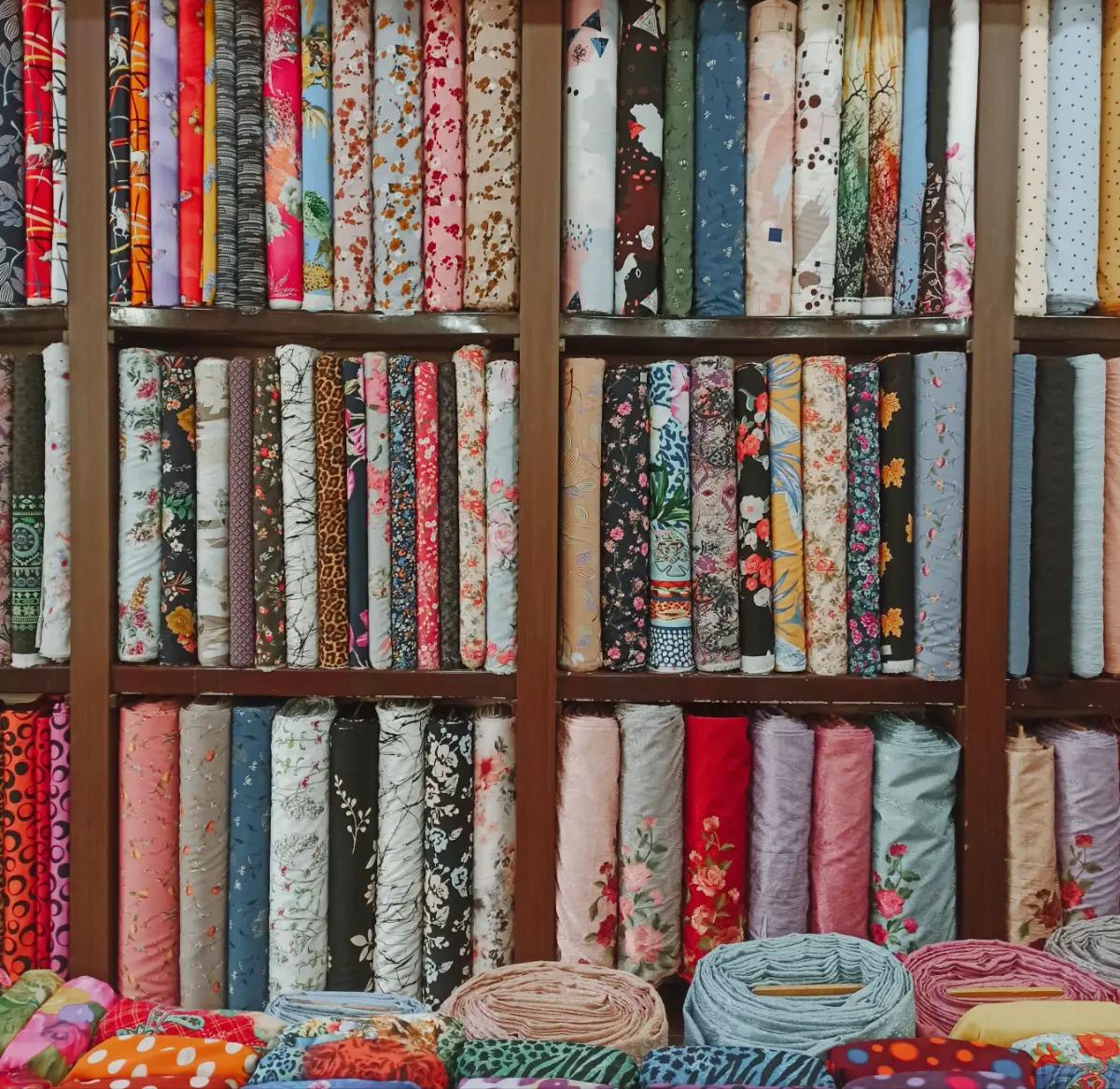
• Yarn & Fabric Manufacturing: Fibers are spun into yarns, which are then woven, knitted, or non-woven into fabrics. This stage includes textile mills that perform spinning, weaving, knitting, dyeing, printing, and finishing. Advanced mills now offer functional finishes — water repellency, UV protection, antimicrobial properties, flame resistance, and wrinkle-free treatments.
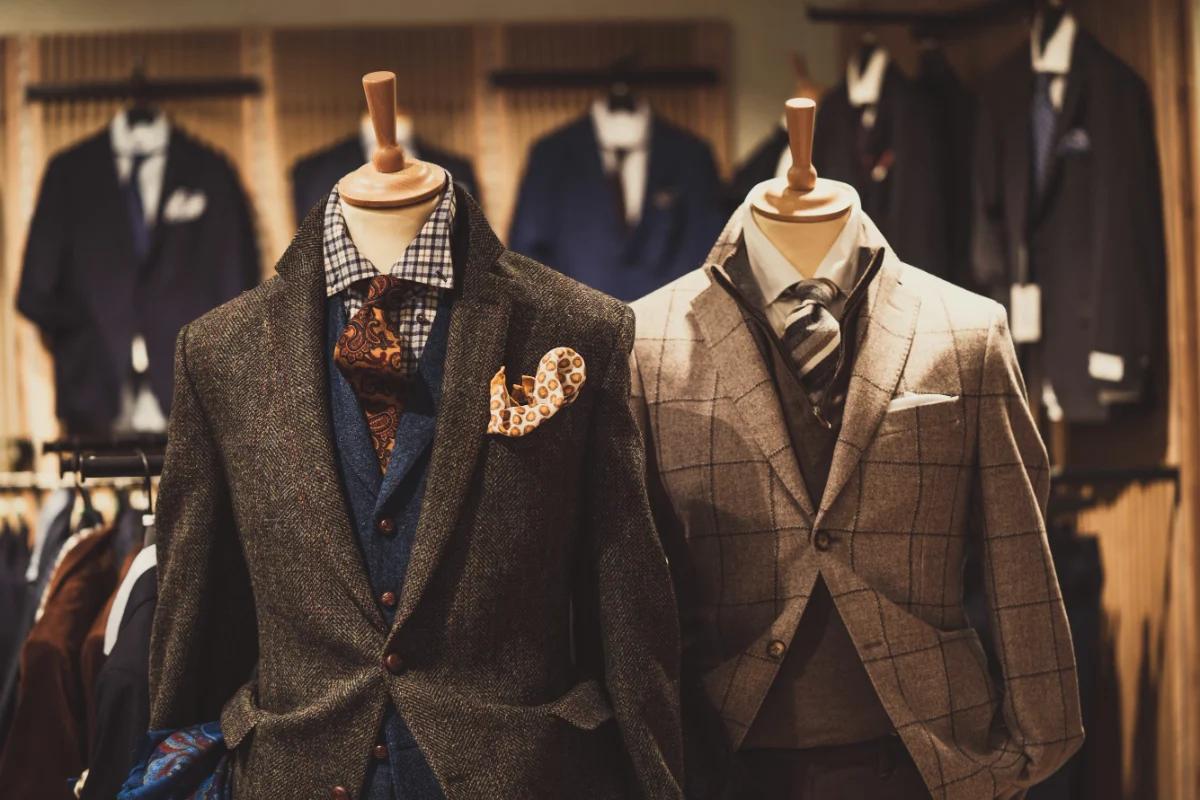
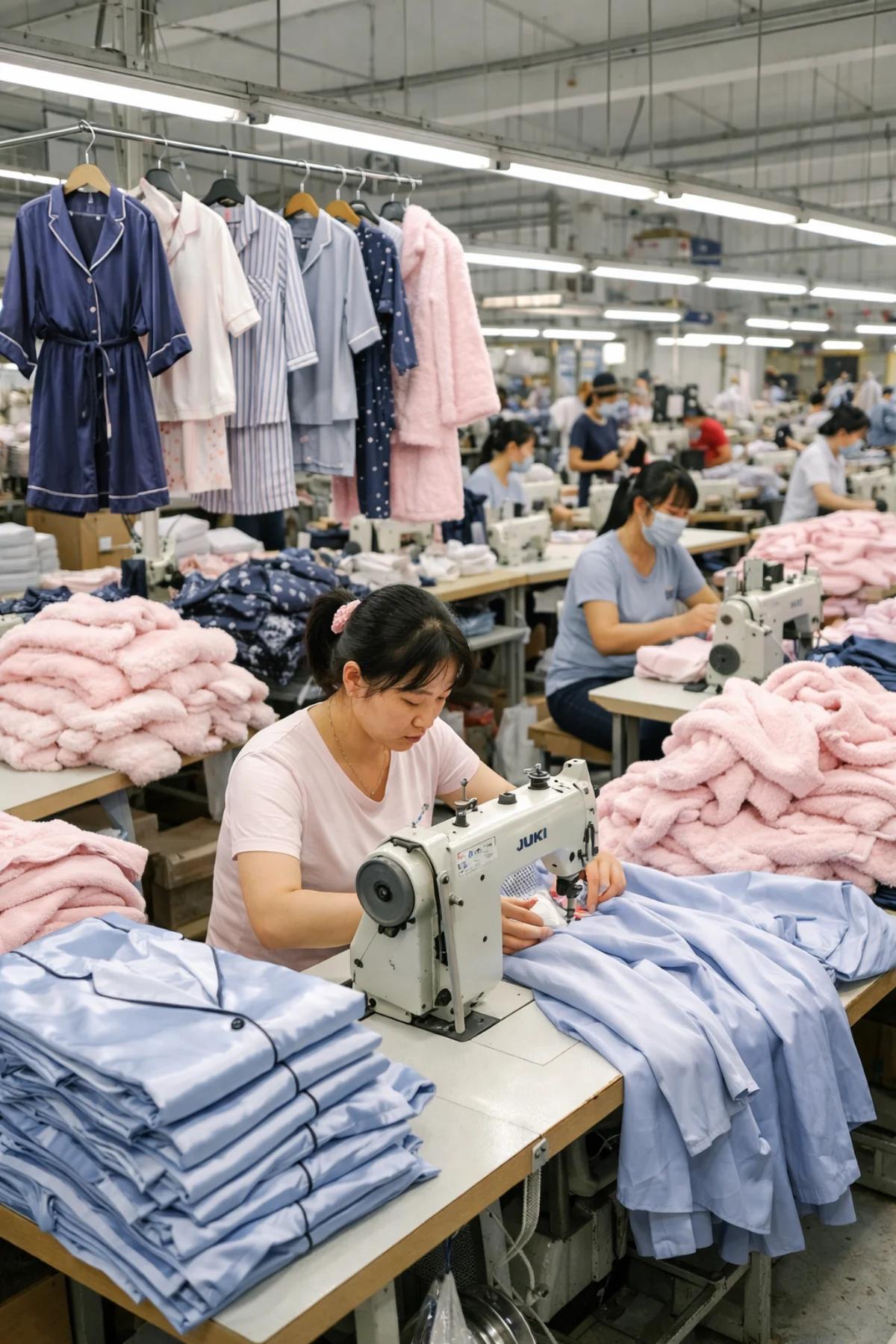
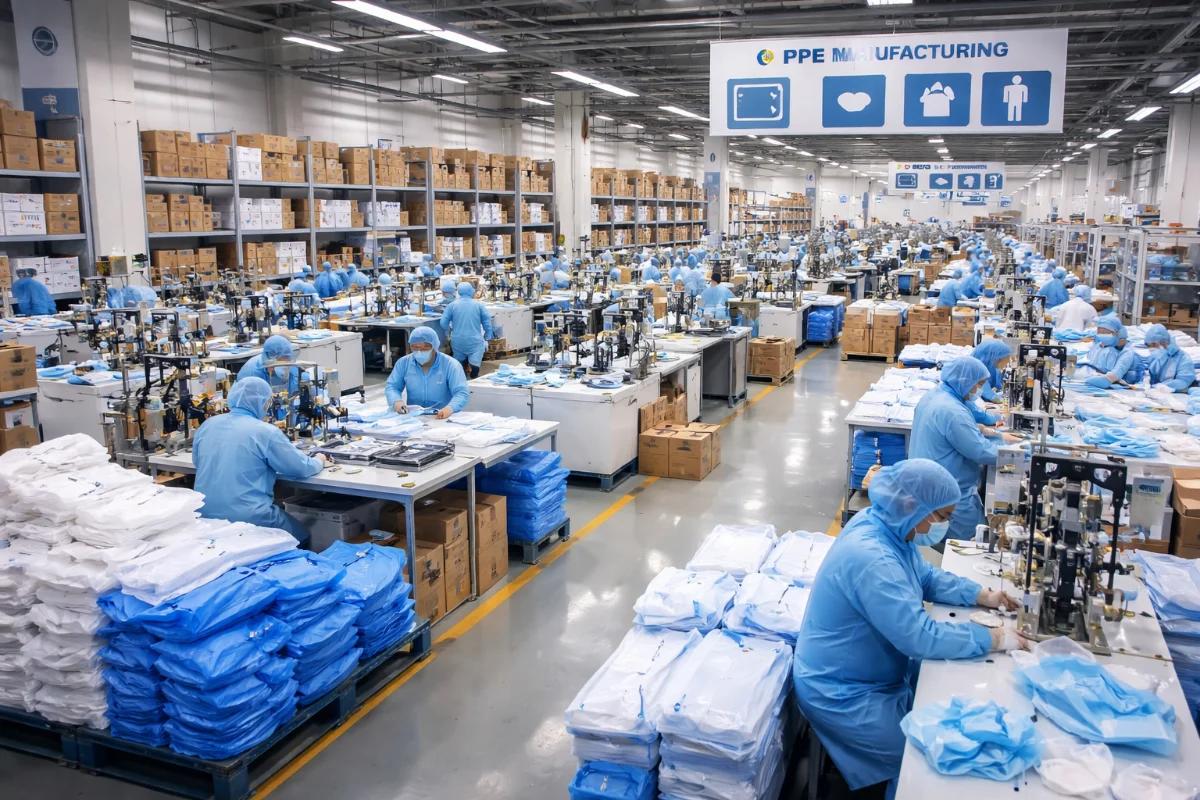
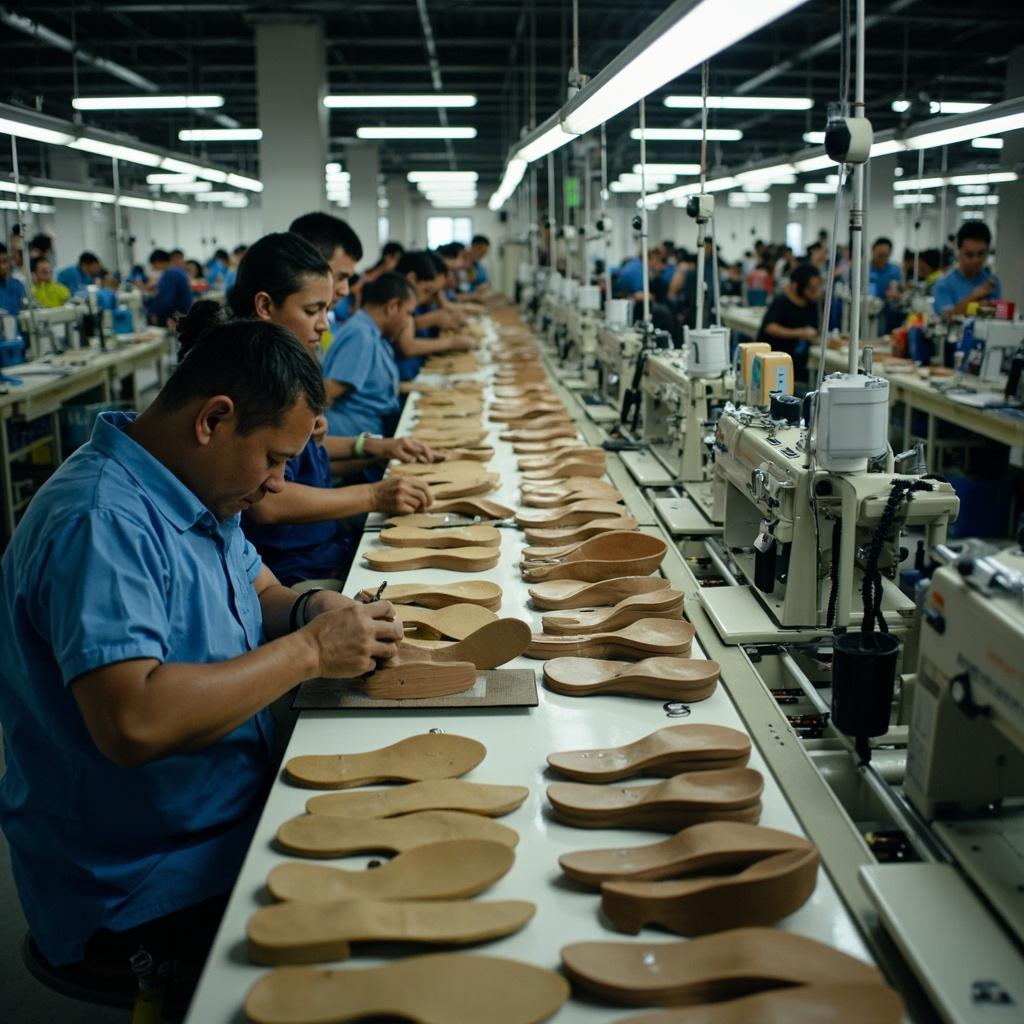
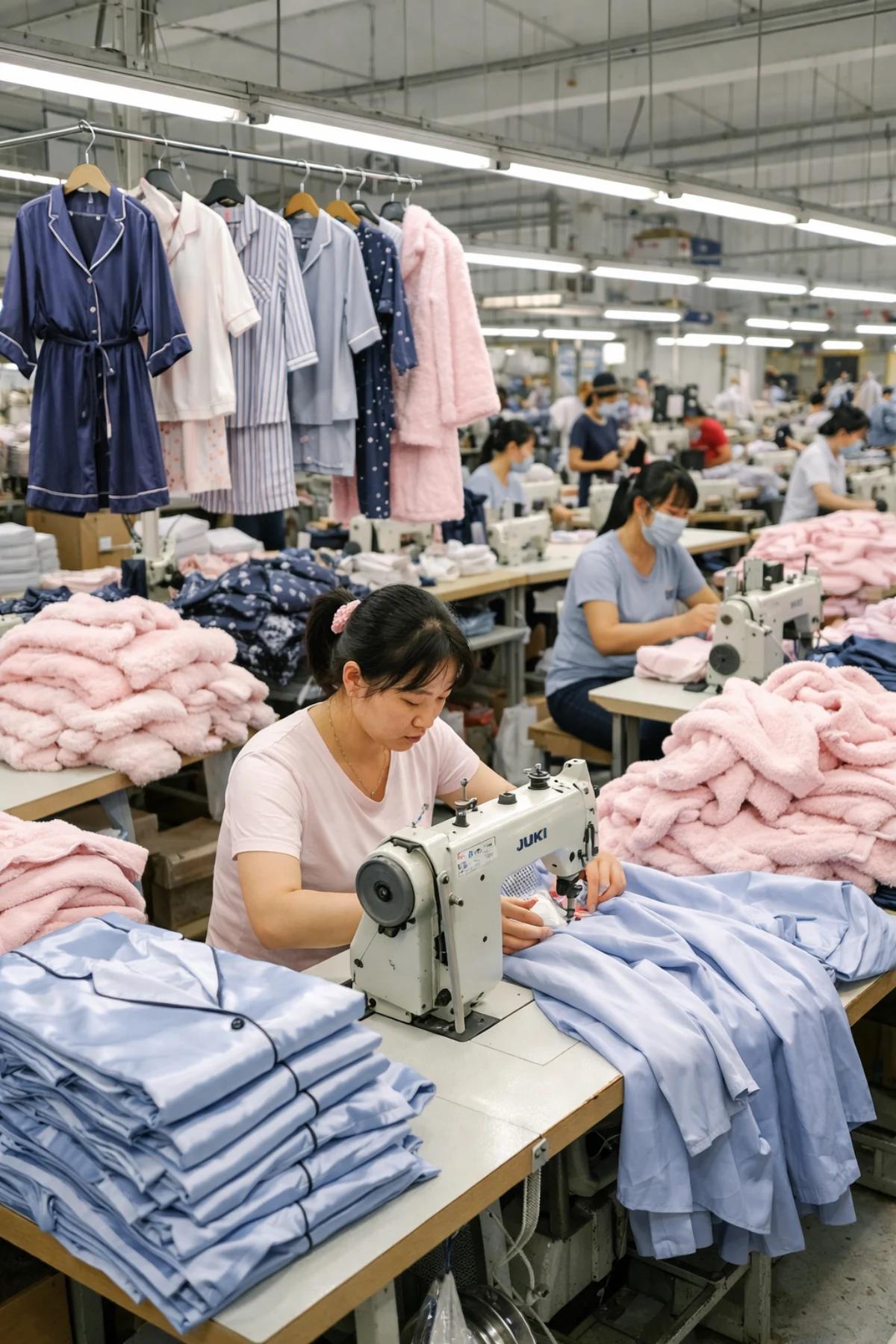
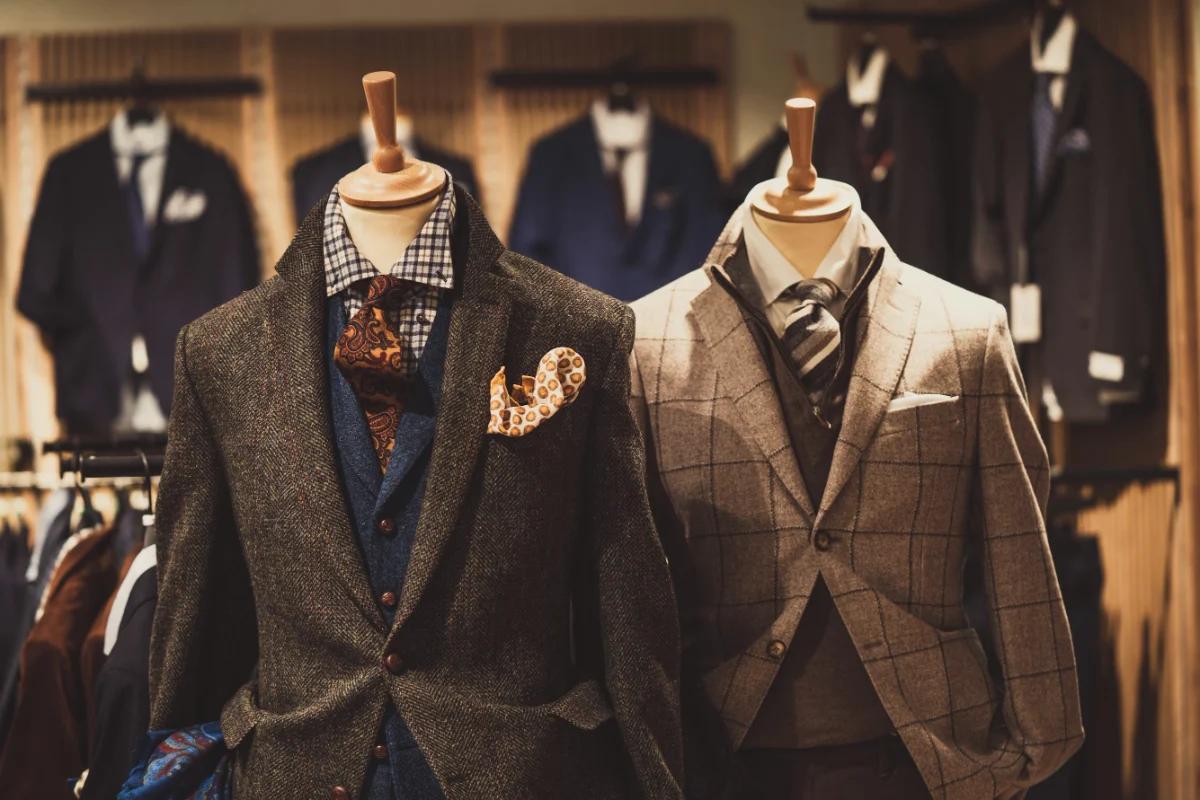
• Apparel Manufacturing: The cut-make-trim (CMT) process transforms fabric into garments. This includes pattern making, cutting, sewing, embellishment, and quality control. Apparel manufacturing ranges from mass production (basic t-shirts, uniforms) to highly skilled craftsmanship (tailored suits, haute couture).
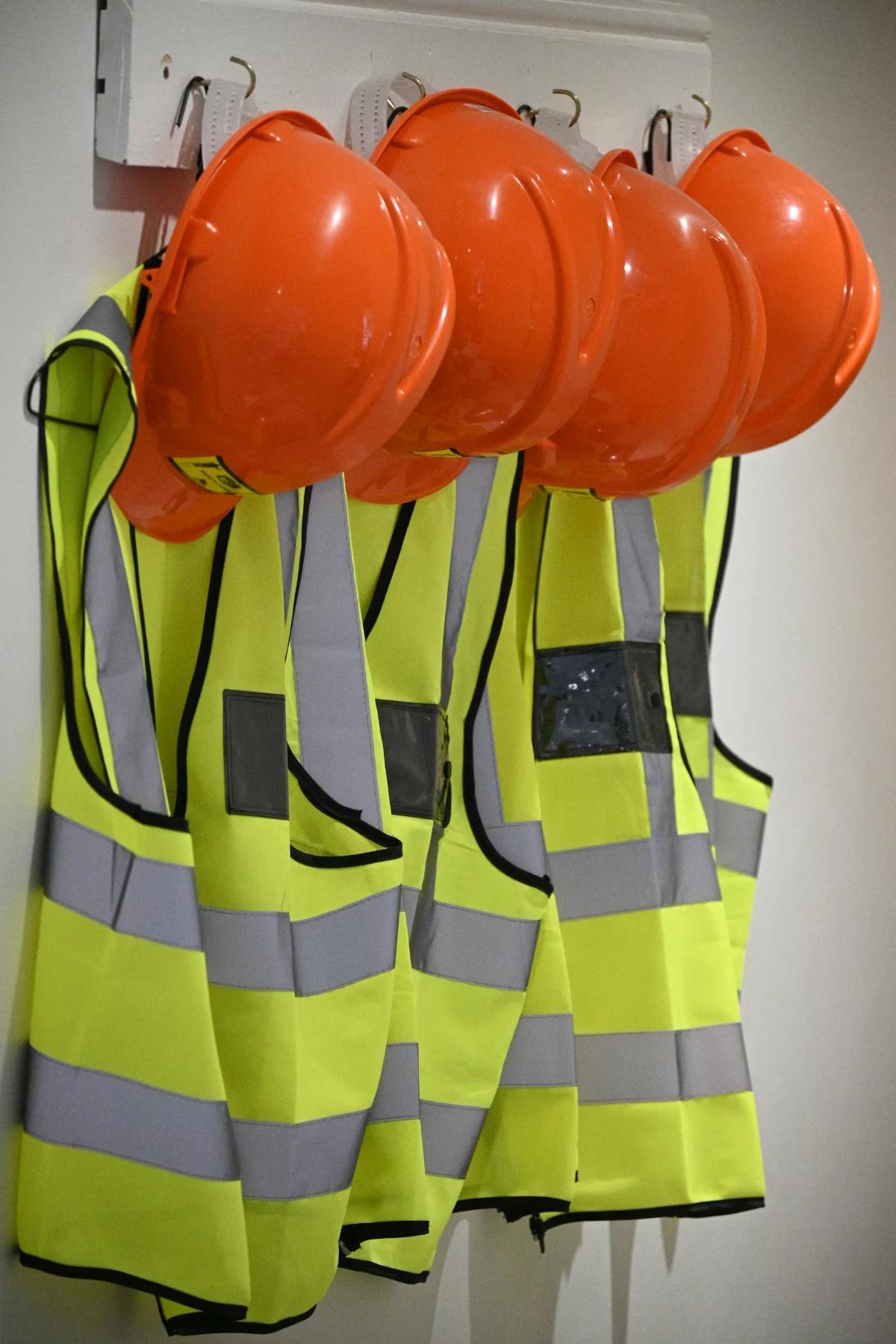
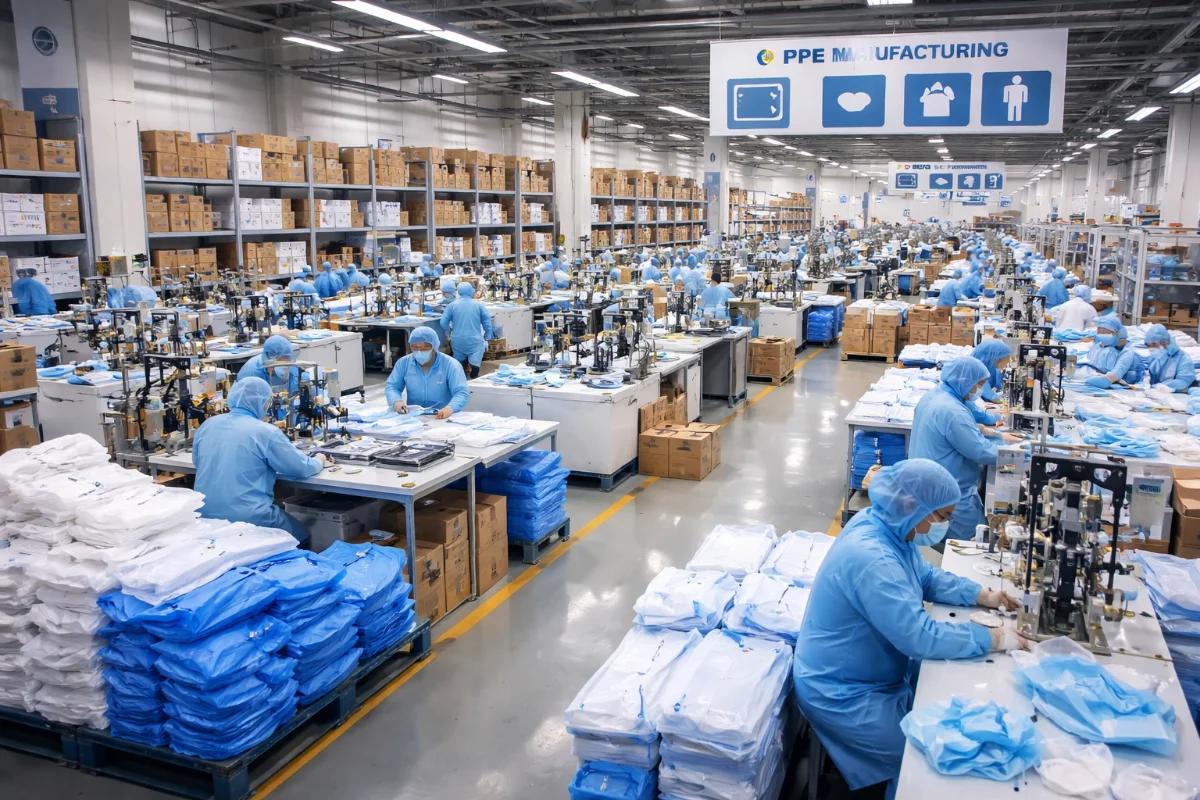
• Technical & Industrial Textiles: A fast-growing segment producing textiles for non-clothing applications — automotive interiors, medical textiles (surgical gowns, implants), geotextiles (erosion control, road construction), protective clothing (firefighter gear, bulletproof vests), and agricultural textiles.
• Home Textiles: Bedding, towels, curtains, upholstery, carpets, and other textile products for residential and commercial interiors.
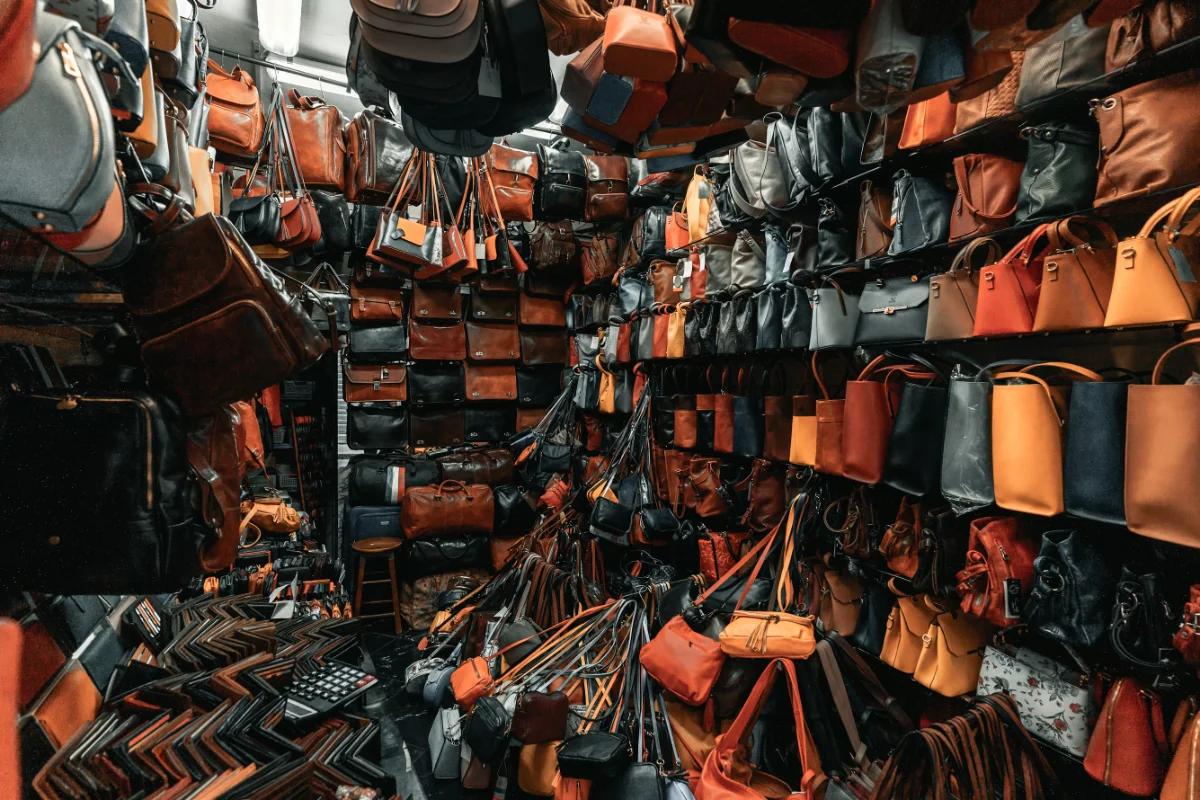
• Fashion Accessories: Bags, belts, scarves, hats, gloves, and other textile-based accessories.
Key Industry Dynamics
The textile and apparel industry is characterized by long, fragmented supply chains that often span multiple countries — cotton grown in India might be spun in Vietnam, woven in China, cut and sewn in Bangladesh, and sold in a European department store. This complexity creates both opportunities (cost optimization) and challenges (supply chain visibility, compliance, carbon footprint). The industry is also undergoing a profound sustainability transformation, driven by consumer awareness, regulatory pressure (EU Strategy for Sustainable and Circular Textiles), and corporate commitments to circular economy principles. From waterless dyeing technologies to garment-to-garment recycling, the industry is reinventing itself for a resource-constrained future.
The textile and apparel industry is being transformed by a convergence of material science, digital technology, and sustainable manufacturing practices. Understanding these drivers is essential for anyone evaluating brands or manufacturers in this space.
1. Advanced Fiber Technologies
The raw materials of fashion are evolving rapidly. Recycled polyester (rPET), made from post-consumer plastic bottles, now accounts for approximately 15% of global polyester production and is used by brands from Patagonia to H&M. Bio-based synthetics — fibers derived from corn starch (PLA), castor oil (bio-nylon), and sugarcane (bio-polyethylene) — offer reduced carbon footprints compared to petroleum-based alternatives. Next-generation cellulosics like TENCEL™ Lyocell and LENZING™ ECOVERO™ use closed-loop production processes that recover and reuse 99% of solvents. Performance fibers incorporating graphene, phase-change materials (PCMs), and conductive yarns are enabling smart textiles that regulate temperature, monitor biometrics, and even generate energy.
2. Digital Manufacturing & Industry 4.0
Textile and apparel manufacturing is undergoing a digital revolution. 3D knitting (pioneered by companies like Shima Seiki and Stoll) produces complete garments directly from yarn, eliminating cutting waste and reducing labor. Digital textile printing replaces traditional screen printing, reducing water usage by up to 95% and enabling on-demand production with zero minimum order quantities. Automated cutting systems using laser, ultrasonic, or computer-controlled blades optimize fabric utilization and reduce waste. AI-powered quality inspection systems use computer vision to detect fabric defects with greater accuracy than human inspectors. Digital product creation (DPC) using 3D design software (CLO, Browzwear) allows brands to create and fit garments virtually before producing physical samples, dramatically reducing time-to-market and sample waste.
3. Sustainable Processing Technologies
Traditional textile processing is water and chemical intensive. New technologies are addressing these challenges: Waterless dyeing using supercritical CO₂ (adopted by Nike, Adidas, and DyeCoo) eliminates water and reduces chemical use by eliminating the need for dye-fixing agents. Enzymatic finishing replaces harsh chemical treatments with biological enzymes for stone-washing denim, bio-polishing fabrics, and creating specialty effects. Laser finishing for denim replaces manual sandblasting and potassium permanganate spraying, improving worker safety while achieving precise, repeatable effects. Closed-loop water systems in modern textile mills recycle up to 95% of process water.
4. Circular Economy & Recycling
The industry is moving from linear "take-make-dispose" to circular models. Mechanical recycling shreds post-consumer garments back into fibers — though fiber length degradation limits the number of recycling cycles. Chemical recycling (pioneered by companies like Worn Again, Infinited Fiber, and Eastman) breaks textiles down to the molecular level and rebuilds them into virgin-quality fibers, enabling true infinite recycling. Textile-to-textile recycling infrastructure is scaling rapidly, with the EU mandating separate textile waste collection by 2025. Design for disassembly — creating garments with mono-materials and removable trims — makes end-of-life recycling feasible at industrial scale.
Sourcing textile and apparel products — whether you''re a fashion brand, a corporate uniform buyer, or a home textile retailer — requires evaluating a complex web of cost, quality, compliance, and relationship factors. The lowest unit price rarely translates to the lowest total cost.
1. Factory Capabilities & Specialization
Not all factories are equal. Evaluate:
• Product category specialization: A factory that produces denim jeans may not excel at tailored blazers. Look for manufacturers whose core competency matches your product category — knitwear, woven garments, denim, outerwear, intimate apparel, or sportswear each require distinct equipment and expertise.
• Production technology level: Does the factory use automated cutting, digital printing, or 3D knitting? Or is it primarily manual? Technology level impacts consistency, capacity, and speed.
• Vertical integration: Some manufacturers control the entire process from fabric production to finished garments, offering better quality control and shorter lead times. Others are pure CMT (cut-make-trim) operations.
• Minimum Order Quantities (MOQ): Can range from 100 pieces per style for high-end manufacturers to 10,000+ pieces for mass-market factories. MOQ alignment is critical for inventory management.
2. Quality Management Systems
Assess the factory''s quality infrastructure:
• Quality control checkpoints: How many inspection stages? In-line inspection (during production) is far more effective than final inspection only.
• Testing capabilities: Does the factory have in-house fabric testing labs (colorfastness, shrinkage, tensile strength, pilling)? Do they use accredited third-party labs (SGS, Intertek, Bureau Veritas)?
• AQL standards: What Acceptable Quality Level do they guarantee? 2.5 is standard for apparel; 1.5 or 1.0 for premium products.
• Sample development process: How many sampling rounds? What''s the typical lead time from tech pack to approval sample?
3. Compliance & Ethical Standards
This is increasingly a market-access requirement, not optional:
• Social compliance audits: Look for SMETA (Sedex), BSCI, SA8000, WRAP, or Better Work certifications. Verify audit dates and any corrective action plans.
• Environmental compliance: OEKO-TEX® STANDARD 100, GOTS (organic textiles), GRS (recycled content), bluesign®, ZDHC (zero discharge of hazardous chemicals) — these certifications demonstrate environmental responsibility.
• Chemical compliance: Ensure products meet REACH (EU), CPSIA (US), and Proposition 65 (California) requirements for restricted substances.
• Forced labor prevention: With increasing legislation (UFLPA in the US, EU Due Diligence Directive), verify that supply chains are free from forced labor, particularly for cotton and other raw materials from high-risk regions.
4. Cost Structure & Total Landed Cost
Look beyond FOB price:
• Total landed cost = FOB + freight + insurance + duties + customs brokerage + warehousing + quality control + travel/audit costs.
• Duty optimization: Understand free trade agreements and preferential tariff programs (GSP, AGOA, Everything But Arms) that may reduce or eliminate duties based on country of origin.
• Payment terms: Letter of credit (L/C) provides security but adds cost and complexity. Open account terms require trust but reduce transaction costs.
• Currency risk: Many Asian manufacturers price in USD, but local currency movements can affect their cost structure and willingness to negotiate.
5. Relationship & Communication
The best factory partnerships are built on transparency and mutual investment:
• Communication capability: Does the factory have English-speaking merchandisers? Do they use professional communication tools or just WhatsApp?
• Design & development support: Can they suggest alternative materials, construction methods, or cost-saving measures?
• Problem-solving track record: How do they handle quality issues or delays? A factory that proactively communicates problems is worth more than one that hides them.
• Long-term orientation: Factories willing to invest in dedicated production lines, joint R&D, or co-branded sustainability initiatives signal commitment to a strategic partnership rather than a transactional relationship.
The geography of textile and apparel manufacturing has been reshaped dramatically over the past three decades, driven by labor cost differentials, trade policy, infrastructure development, and shifting consumer markets. Today''s manufacturing landscape is multilayered, with different countries specializing at different stages of the value chain.
1. China — The Undisputed Giant
Despite rising costs and trade tensions, China remains the world''s largest textile and apparel exporter, accounting for approximately 33% of global apparel exports and an even larger share of textile exports. China''s competitive advantage has shifted from pure low-cost labor to unmatched manufacturing ecosystem depth: no other country can match China''s concentration of fiber producers, spinner, weavers, knitters, dyers, printers, trim suppliers, and logistics infrastructure within single industrial clusters. A fashion brand can source every component of a garment within a 50km radius in cities like Guangzhou, Shaoxing, or Ningbo. Key manufacturing hubs include: Guangdong (denim, knitwear, fast fashion), Zhejiang (synthetic fabrics, home textiles, e-commerce supply), Jiangsu (wool, high-end wovens, technical textiles), Fujian (sportswear, footwear — home to Anta, Xtep, and Peak), and Shandong (cotton textiles, industrial fabrics).
2. Bangladesh & Vietnam — The Rising Challengers
Bangladesh is now the world''s second-largest apparel exporter, specializing in basic knitwear, woven bottoms, and denim at highly competitive prices. The ready-made garment (RMG) sector accounts for over 80% of Bangladesh''s export earnings. Strengths include large-scale production capacity, a deep labor pool, and improving compliance standards (over 200 LEED-certified green garment factories). Vietnam has positioned itself as a higher-quality alternative, with significant foreign direct investment from South Korea, Taiwan, and Japan. Vietnam excels in synthetic and performance apparel, footwear, and outdoor gear, supplying major brands like Nike, Adidas, Uniqlo, and Lululemon. Vietnam''s participation in free trade agreements (CPTPP, EVFTA) provides preferential market access that Bangladesh lacks.
3. India — The Full-Stack Textile Power
India is unique in having a complete textile value chain — it is the world''s largest cotton producer, has massive spinning capacity, and maintains strengths in both handloom/craft traditions and modern industrial manufacturing. India''s apparel exports are growing but remain below potential due to infrastructure challenges, complex labor laws, and fragmented factory structures. Key strengths include cotton textiles, home textiles (Towels, bed linen), embroidery and embellishment, and ethnic wear. The government''s Production Linked Incentive (PLI) scheme for textiles aims to boost investment in man-made fiber (MMF) apparel and technical textiles.
4. Turkey & the Near-Shoring Advantage
Turkey has emerged as a critical near-shoring hub for European brands seeking shorter lead times and lower carbon footprints. Turkish manufacturers excel in knitwear, denim, tailored clothing, and high-fashion garments, combining European quality standards with faster delivery than Asian competitors. Turkey''s customs union with the EU provides duty-free access for many textile products. Cities like Istanbul, Denizli, and Gaziantep host dense textile clusters with vertically integrated operations.
5. Emerging Players — Cambodia, Myanmar, Ethiopia, and Central America
• Cambodia: Growing apparel exporter benefiting from EU Everything But Arms (EBA) preferences and improving labor standards, though currently under EBA partial withdrawal review.
• Myanmar: Was a rapidly growing sourcing destination before the 2021 political crisis; many brands have since suspended or reduced orders.
• Ethiopia: Africa''s most ambitious textile manufacturing play, with Chinese and Turkish investors building industrial parks. Advantages include duty-free access to US (AGOA) and EU markets, low electricity costs, and a young workforce. However, political instability and logistics challenges persist.
• Central America (Guatemala, Honduras, El Salvador, Nicaragua): Key near-shoring region for the US market under CAFTA-DR, specializing in basic knit tops, underwear, and activewear with short lead times (2-4 weeks to US retailers).
Strategic Implications for Buyers
The optimal sourcing strategy is increasingly a China-Plus-One or diversified portfolio approach. No single country can serve all product categories, price points, and delivery requirements. Leading brands now maintain supplier bases across 3-6 countries, balancing cost, speed, quality, compliance, and geopolitical risk.