The Intimates & Hosiery industry covers all clothing worn next to the skin, primarily undergarments and legwear. It’s far more than “underwear” — it’s a sophisticated ecosystem of function, fashion, and technology.
1. Core Categories
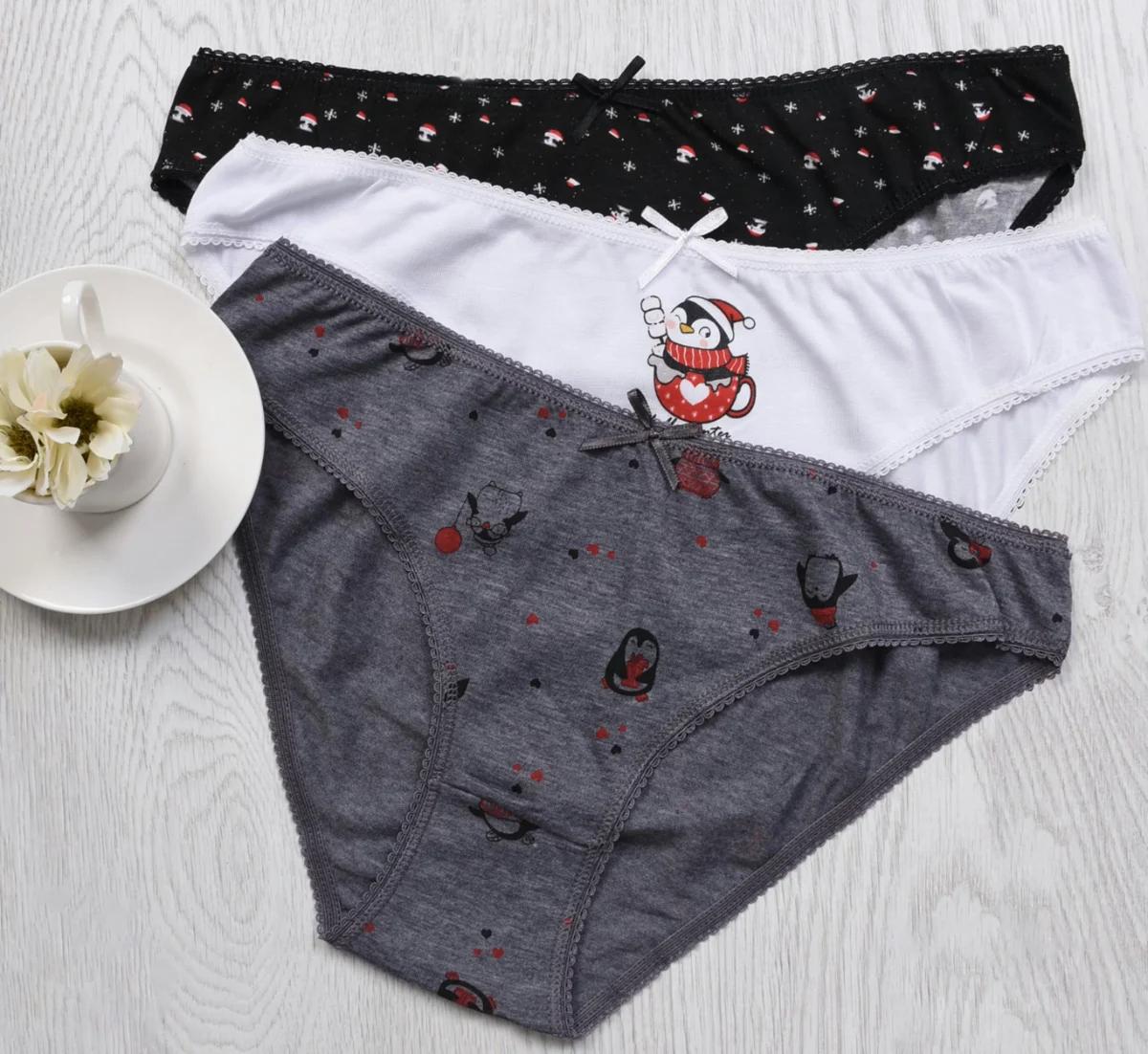
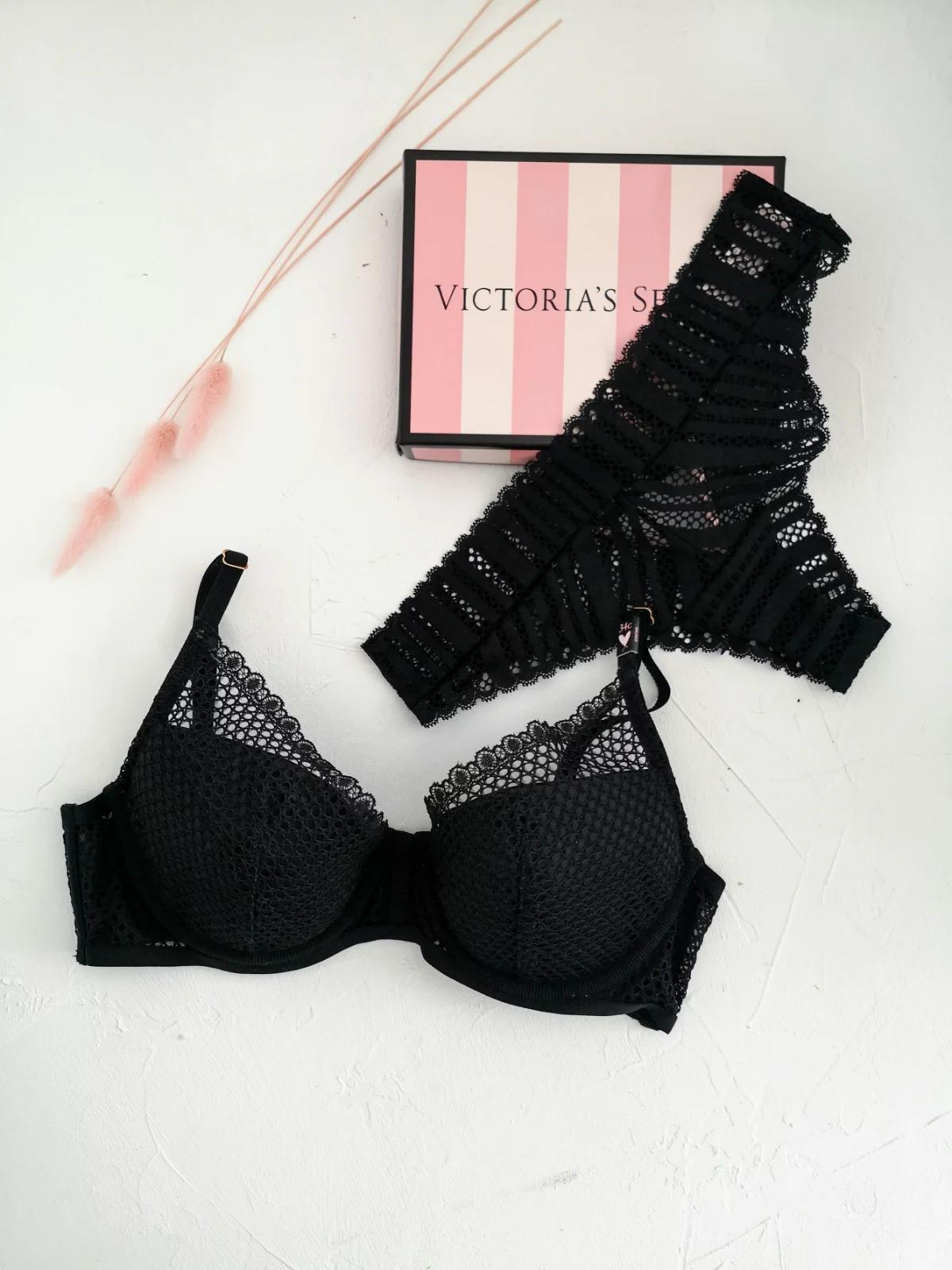
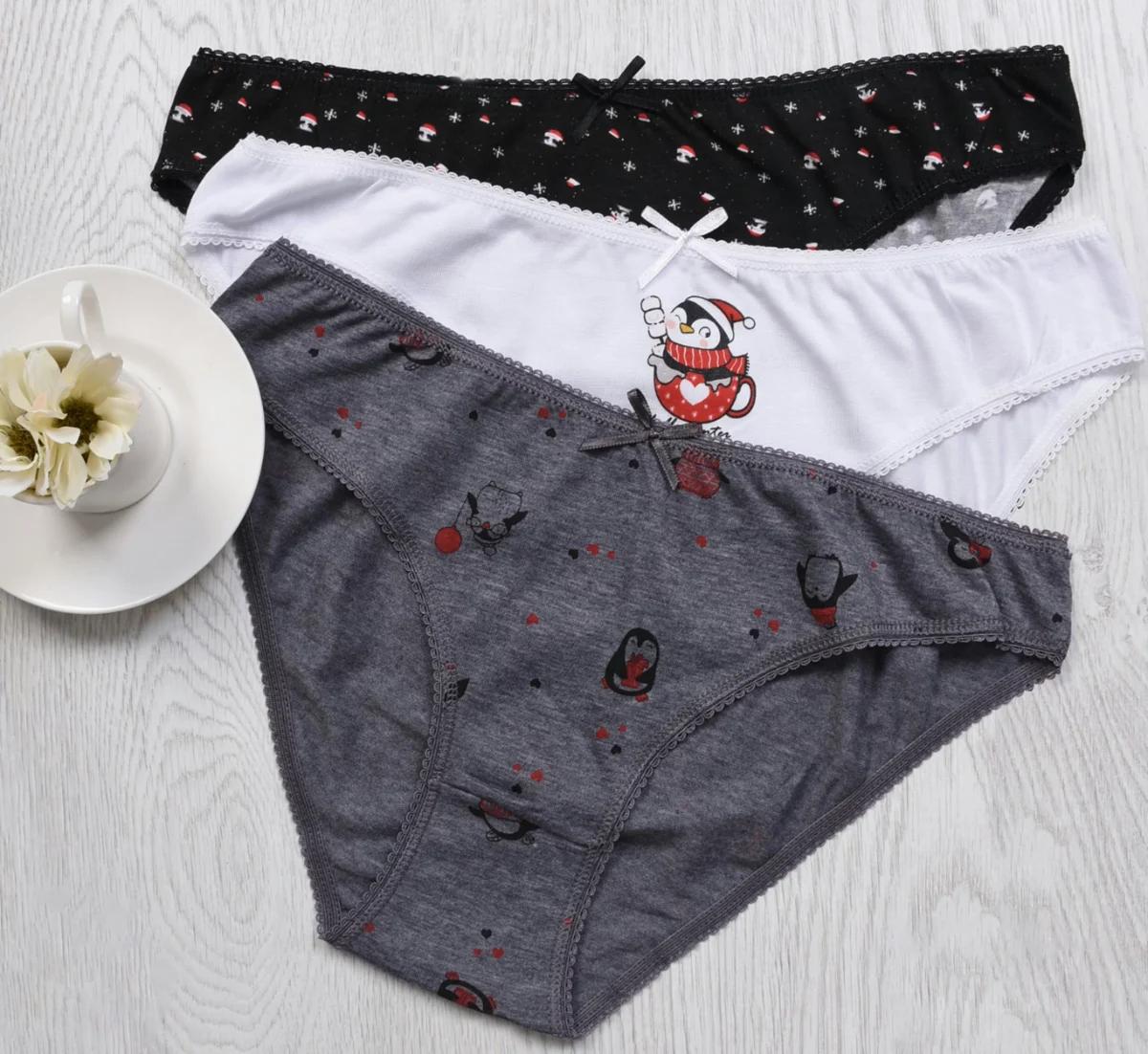
• Women’s Underwear: Bras (wirefree, push-up, seamless, nursing, sports), panties (thongs, boyshorts, period underwear), and matching sets.
• Men’s Underwear: Boxer briefs, trunks, briefs, thermals, and compression shorts.
• Functional Wear: Shapewear, waist trainers, postpartum recovery garments, UV-protective base layers.
• Loungewear: Pajama sets, robes, sleep bras — the blurring line between sleep and street.
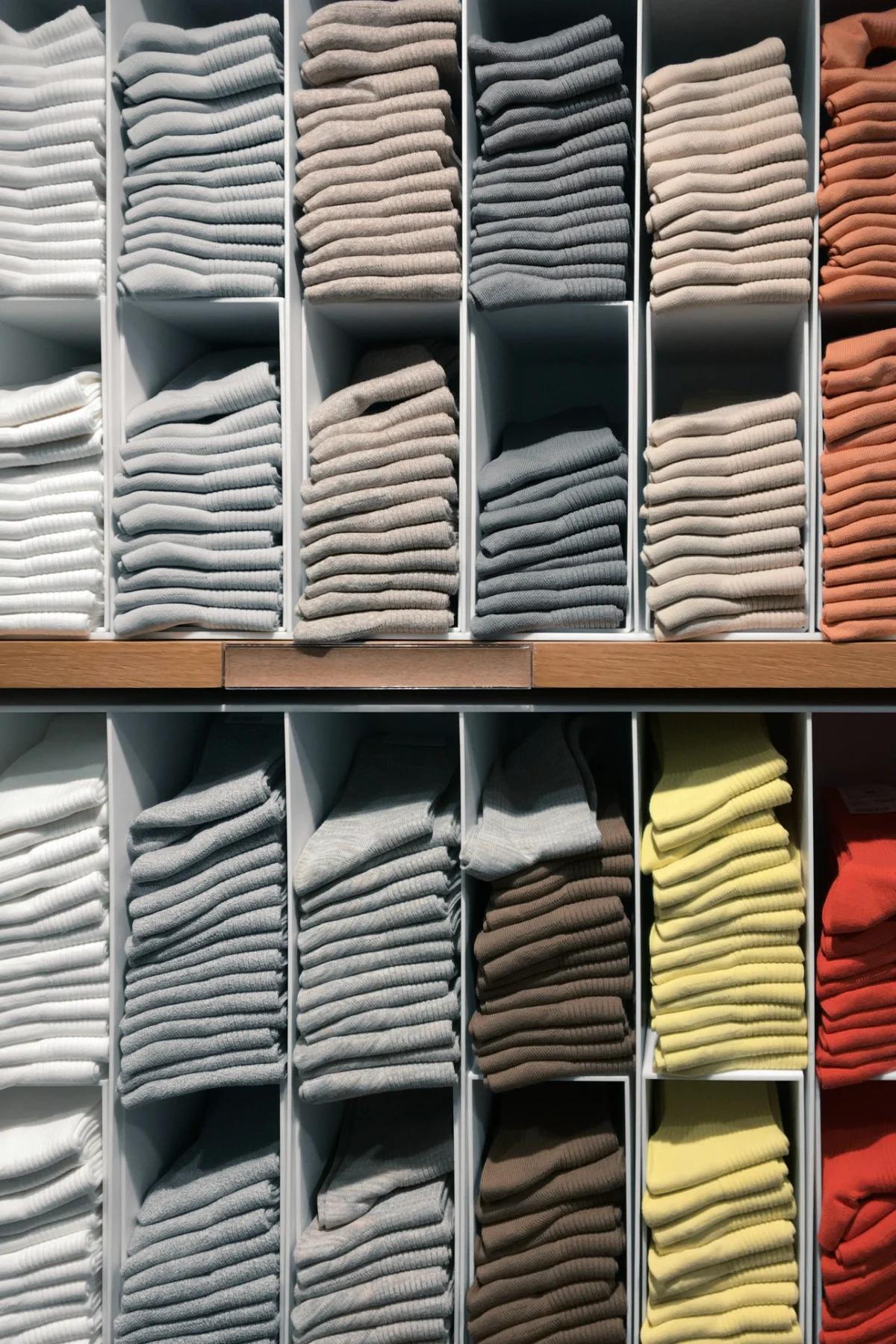
• Basic Hosiery: Ankle socks, no-show socks, crew socks, dress socks, patterned socks.
• Functional Socks: Compression socks, diabetic socks, anti-bacterial socks, non-slip gripper socks.
2. What Sets It Apart
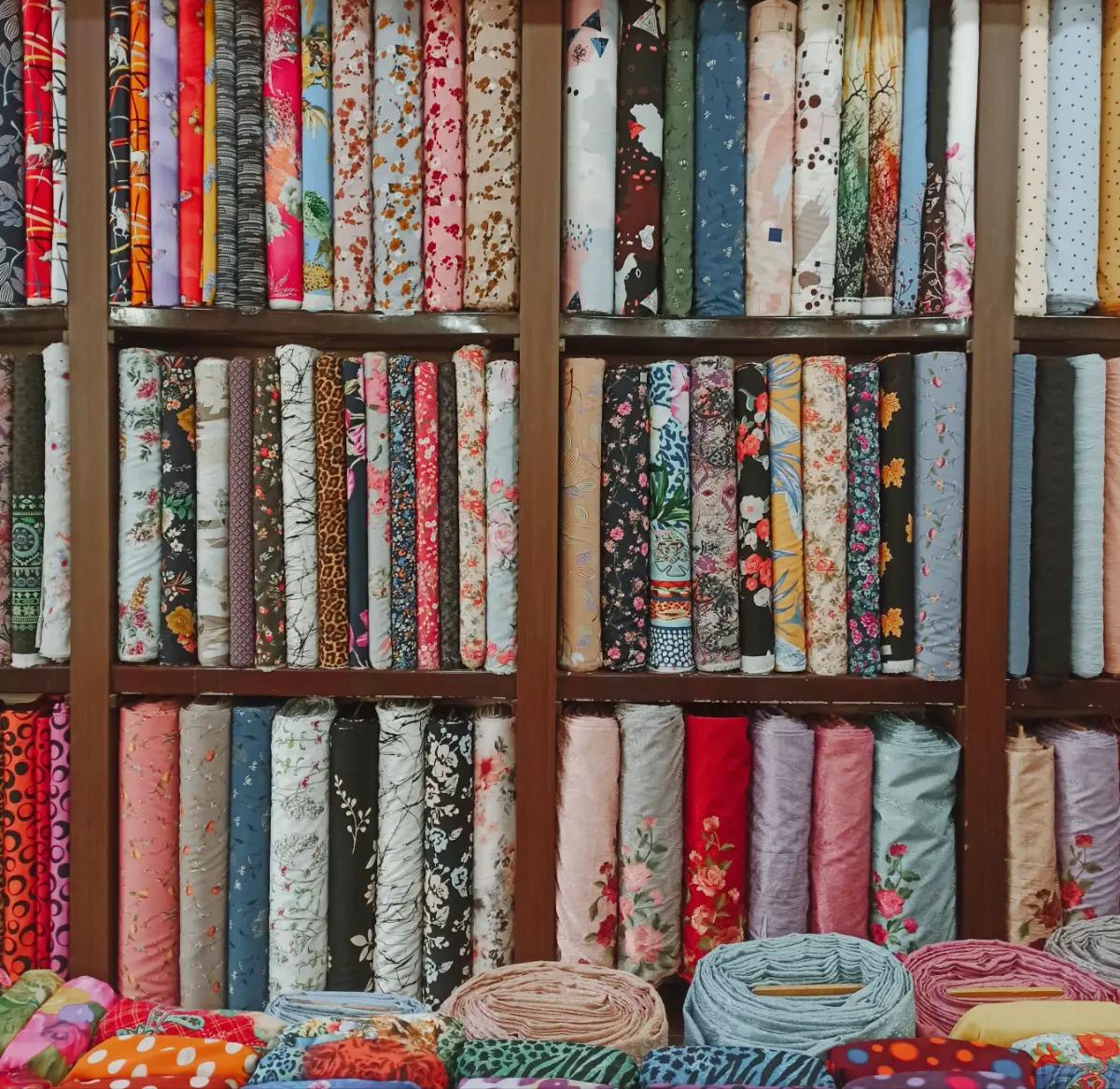
Intimates require specialized materials (high‑elasticity lace, microfiber, seamless knitting) and precise fit standards. Unlike outerwear, a single millimeter can determine comfort or pain. The industry also leads in textile innovation: 3D knitting, smart fabrics with sensors, and sustainable fibers are often first tested here.
3. Market Size & Growth
In 2025, the combined intimates & hosiery market is valued at over $110 billion (varying by definition). It grows steadily at 5–6% annually, driven by athleisure, men’s grooming, and aging populations needing medical hosiery.
4. Key Players
Brands like Victoria’s Secret, Calvin Klein, and Wacoal dominate consumer mindshare, while manufacturers such as Regina Miracle, Crystal Group, and Jasan Group move billions of units behind the scenes.
Yes — when designed with proper biomechanics and materials, shapewear and sports bras deliver real functional benefits. But not all products are created equal.
1. Shapewear: Compression vs. “Slimming”
Quality shapewear uses graded compression to redistribute soft tissue, creating a smoother silhouette. It does not burn fat permanently, but high‑end garments (e.g., Wacoal, Spanx) incorporate moisture‑wicking fabrics and anti‑roll technology to make wear comfortable for 8+ hours. Medical‑grade compression stockings (15–30 mmHg) are clinically proven to improve blood circulation and prevent DVT.
2. Sports Bras: Impact Level Is Everything
Sports bras are rated by impact:
• Low impact: Yoga, Pilates, walking — light support, often bralettes.
• Medium impact: Cycling, weight training, hiking — compression style.
• High impact: Running, HIIT, equestrian — encapsulation + compression, wide straps, reinforced cups.
Brands like CW-X (Wacoal) and Lululemon use proprietary fabrics and motion‑capture studies to minimize breast movement by up to 80%.
3. Common Myths
• “Shapewear makes you lose weight.” → No, it temporarily redistributes; long‑term change requires diet/exercise.
• “One sports bra fits all activities.” → Wrong — wearing a low‑impact bra for running can damage Cooper’s ligaments.
• “Expensive = better.” → Price often reflects brand marketing; check the pressure rating (mmHg for shapewear, impact label for bras).
4. How to Choose
• For shapewear: Look for silicone grip edges, breathable panels, and a “snug but not suffocating” fit.
• For sports bras: Use the “two‑finger rule” — band should be firm but you can slip two fingers underneath; straps shouldn’t dig.
Men’s underwear was once a commodity bought in six‑packs without a second thought. Today, it’s a fast‑growing category with premiumization, tech fabrics, and direct‑to‑consumer brands.
1. Market Growth Numbers
According to our manufacturer data, the men’s segment in intimates is growing at a CAGR of 6.87% — outpacing women’s in certain regions. Jockey’s men’s line alone generates billions in annual revenue; Calvin Klein’s logo waistband remains one of PVH’s most licensed assets.
2. Key Drivers
• Athleisure spillover: Men wear compression shorts not just for sports, but as everyday layering.
• Health & hygiene awareness: Anti‑bacterial, cooling, and moisture‑wicking fabrics are no longer “nice to have” — they’re expected.
• Body image & grooming: Younger men care about how they look even under clothes; “boxer briefs that lift” are a real search term.
• DTC disruption: Brands like Mack Weldon, Tommy John, and even legacy players (Hanes, Jockey) now offer subscription models and personalized fits.
3. Product Innovations
• Cooling fabrics: Phase‑change materials, ice‑touch finishes.
• Odor control: Silver‑ion or zinc treatments that last 50+ washes.
• Pouch design: Anatomical pouches (separate, contoured) for comfort — a major selling point in premium men’s underwear.
• Seamless knitting: Eliminates side seams, reduces chafing.
4. Regional Differences
• North America: Dominated by comfort‑first brands (Hanes, Fruit of Loom) and premium players (CK, Tommy John).
• Europe: High penetration of functional briefs and sustainability‑focused labels.
• Asia‑Pacific: Fastest growth; Japanese brands like Wacoal’s BROSS lead in seamless technology; Chinese consumers are rapidly upgrading from bulk packs to branded separates.
When you buy a Victoria’s Secret bra, it wasn’t made by Victoria’s Secret. It was made by a contract manufacturer — likely Regina Miracle in Vietnam or China. Understanding the brand‑manufacturer divide is key to grasping how the intimates industry really works.
1. What Do Brands Do?
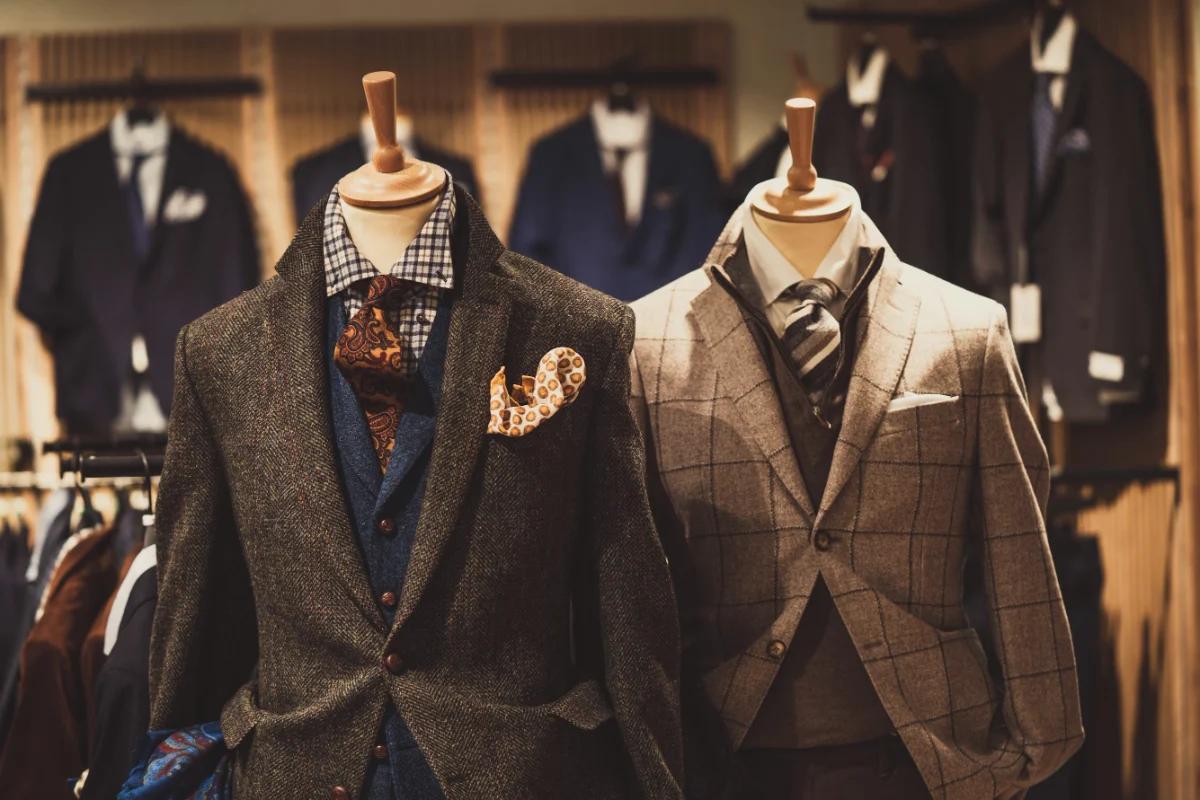
Brands own the customer relationship. They design (or at least set the aesthetic direction), market, and distribute products. Some own no factories at all — this is called asset‑light or brand‑licensing model.
Examples: Calvin Klein (PVH), Victoria’s Secret, Oysho.
2. What Do Manufacturers Do?
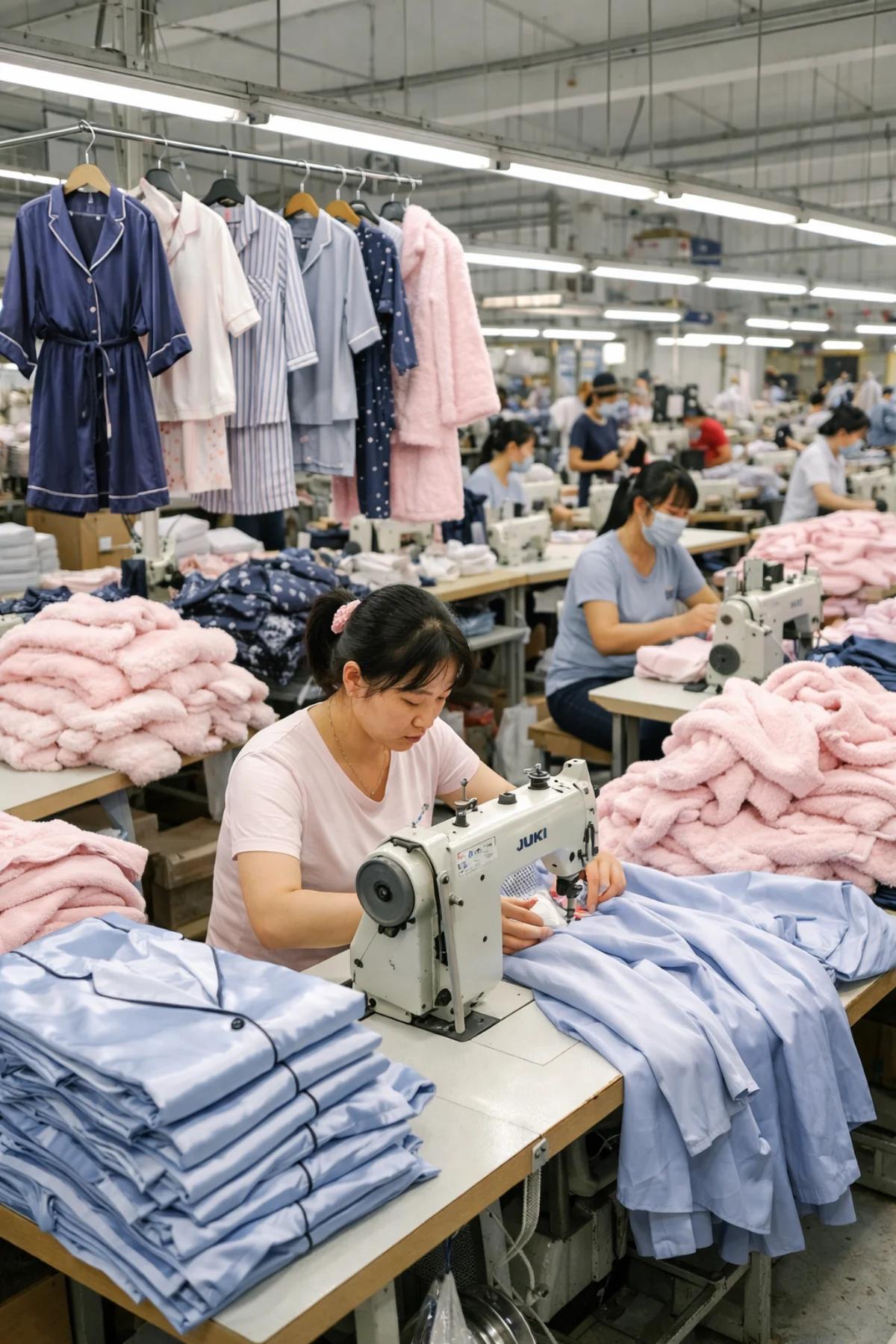
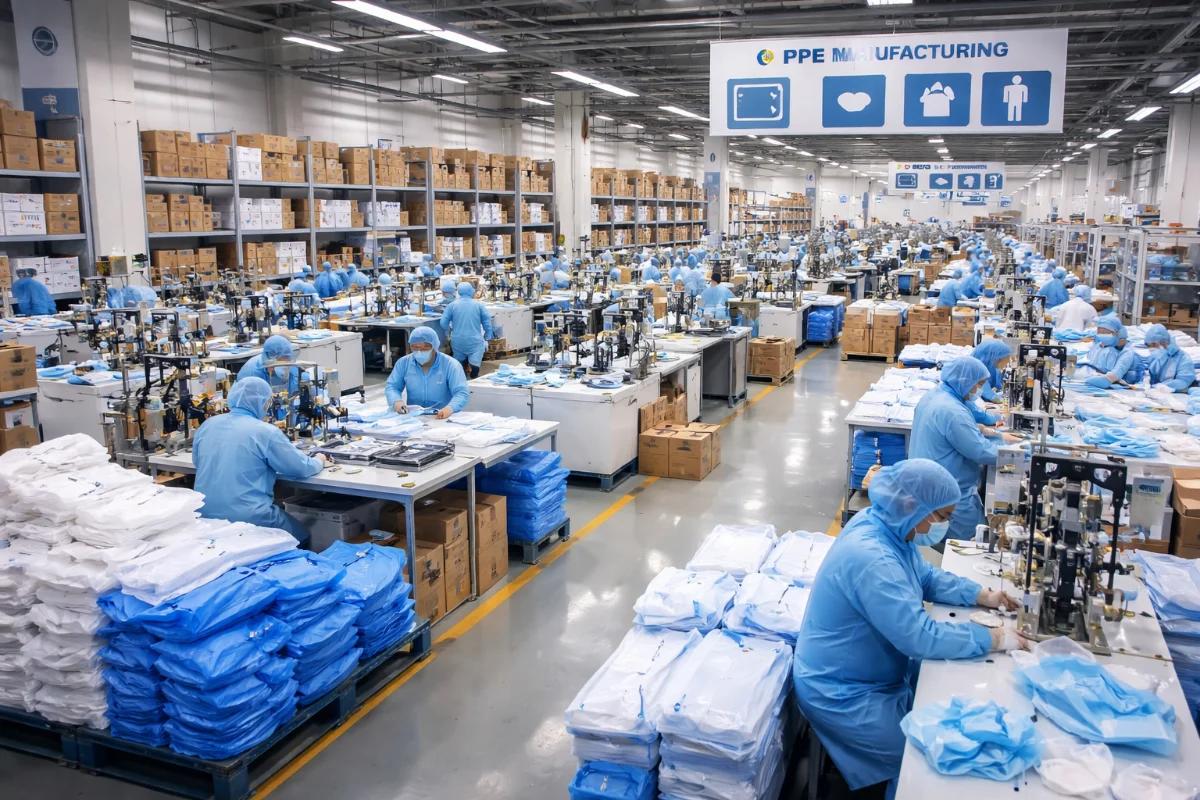
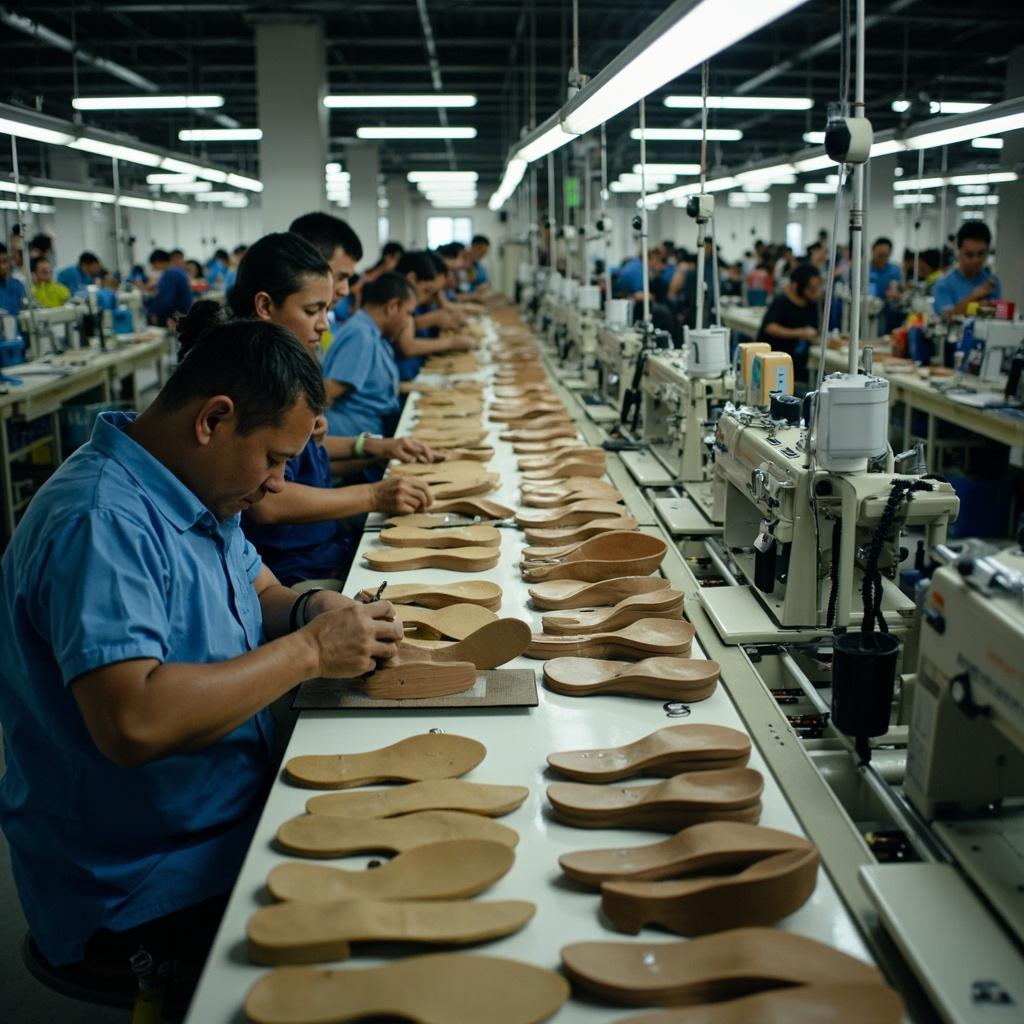
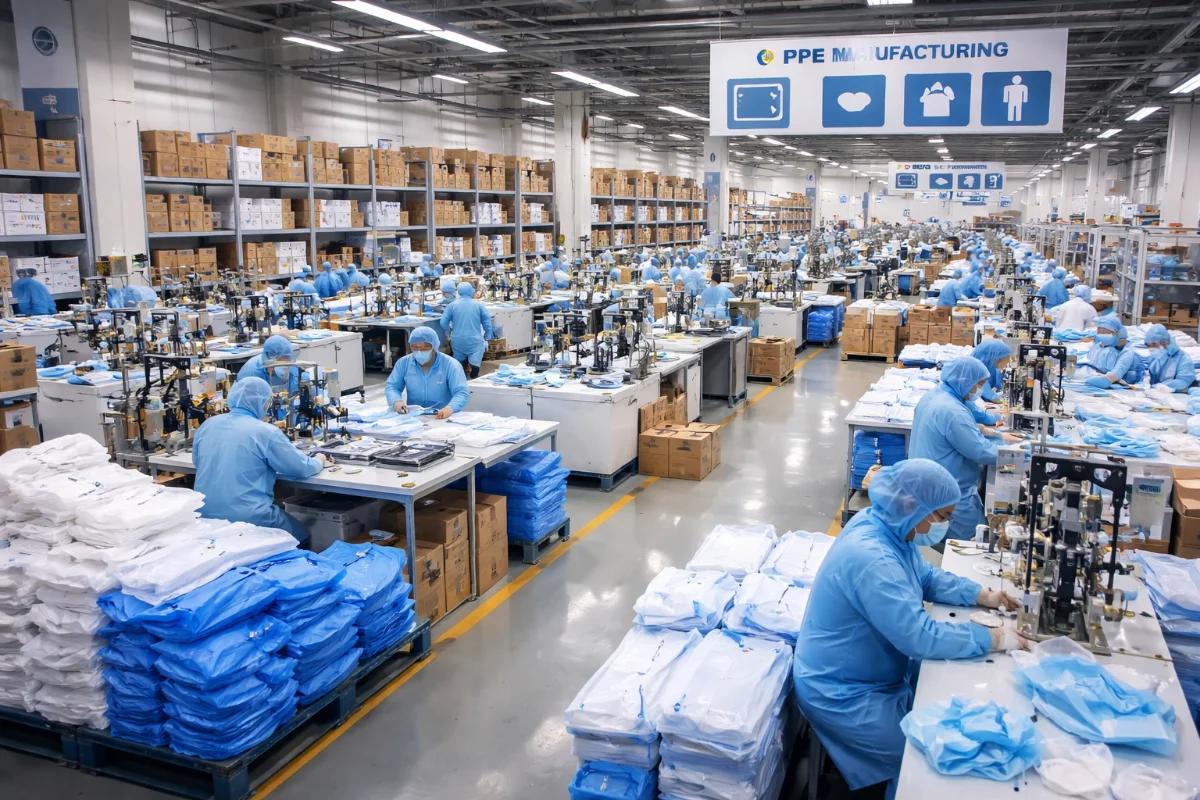
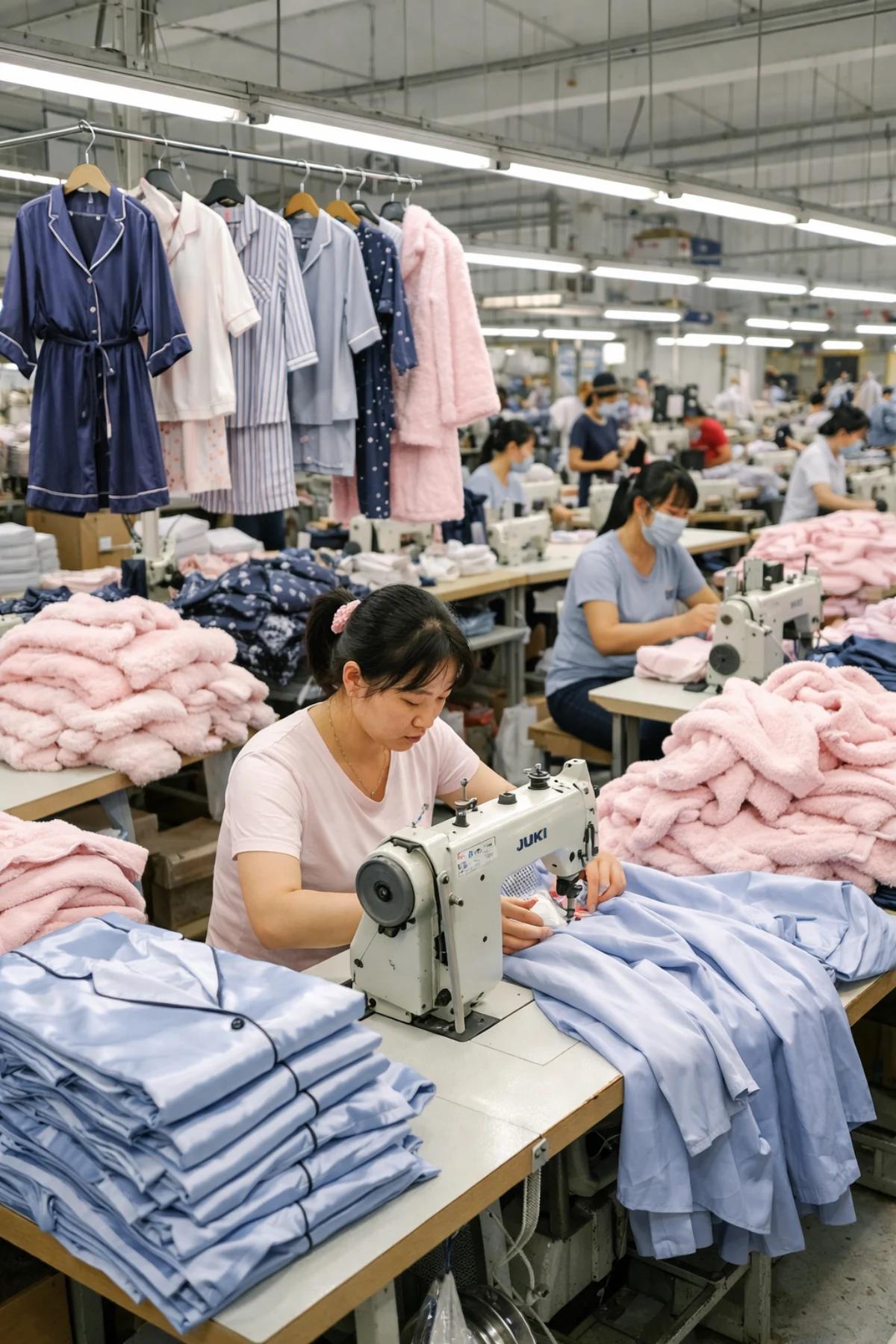
Manufacturers own the machines, the labor, and often the R&D for specific production technologies. They turn yarn into finished bras, socks, or shapewear. They rarely talk to consumers; their clients are the brands.
There are two types:
• Pure OEM/ODM: No own brands, only serve clients (Crystal Group, Jasan Group, Shenzhou International).
• Vertical integrators: Own both factories AND brands (Hanesbrands, Wacoal, Aimer, Triumph). They sometimes take orders from competitors.
3. Why Does This Matter?
• Cost structure: A $60 bra may only cost $12 to manufacture. The rest is brand tax — marketing, logistics, profit margin.
• Innovation origin: Many “brand patents” are actually co‑developed with manufacturers. For example, Lululemon’s famous leggings fabric was perfected with Taiwanese and Chinese mills.
• Supply chain risk: When a brand faces a scandal (e.g., forced labor allegations), the factory’s compliance systems are what really get investigated.
4. Who Holds the Power?
Traditionally, brands called the shots. Today, top manufacturers like Regina Miracle (35% global seamless bra market share) or Gildan (98% vertical integration) have become indispensable partners. Some are even launching their own DTC brands, blurring the line.
“Sustainable” is the most overused word in fashion, but in intimates it has specific, verifiable meanings — if you know which labels to look for.
1. Materials Matter
• Organic cotton: Grown without synthetic pesticides; requires certifications like GOTS or OCS.
• Recycled nylon/polyester: Made from post‑industrial waste or recycled bottles (e.g., Econyl, Repreve).
• Bamboo/lyocell: Derived from wood pulp, but “bamboo” claims are often greenwashing unless certified for closed‑loop processing.
2. Key Certifications You Should Know
• OEKO‑TEX Standard 100: Tests for harmful substances — every fiber, button, and elastic must pass.
• bluesign®: Covers the entire supply chain, from chemical inputs to worker safety.
• BCI (Better Cotton Initiative): Aims to reduce water and pesticide use, but still controversial among purists.
• Cradle to Cradle: Circular economy certification; still rare in intimates.
3. Manufacturing Impact
Sustainability isn’t just about raw materials.
• Water usage: Conventional dyeing is water‑intensive. Leaders like Crystal Group have introduced digital printing that cuts water use by 85%.
• Energy: Hanesbrands runs its Honduras plants partly on renewable energy; Gildan faces criticism for lagging on this.
• Waste: 3D knitting and seamless technologies reduce fabric waste by up to 30% compared to cut‑and‑sew.
4. European Leadership & Regulatory Push
The EU is introducing a Digital Product Passport by 2026, requiring brands to disclose carbon footprint, repairability, and recycled content via QR codes. This will reshape how intimates are designed and sold globally.
5. What You Can Do
• Look for third‑party certifications — not just “eco” claims.
• Choose brands that publish supplier lists (transparency is the first step).
• Care for your garments: wash cold, air dry. The greenest garment is the one you already own.