VerityRank

Manufacturer Rankings in the Kids & Baby Clothing Industry

HomeTextile & ApparelManufacturer Rankings in the Kids & Baby Clothing Industry

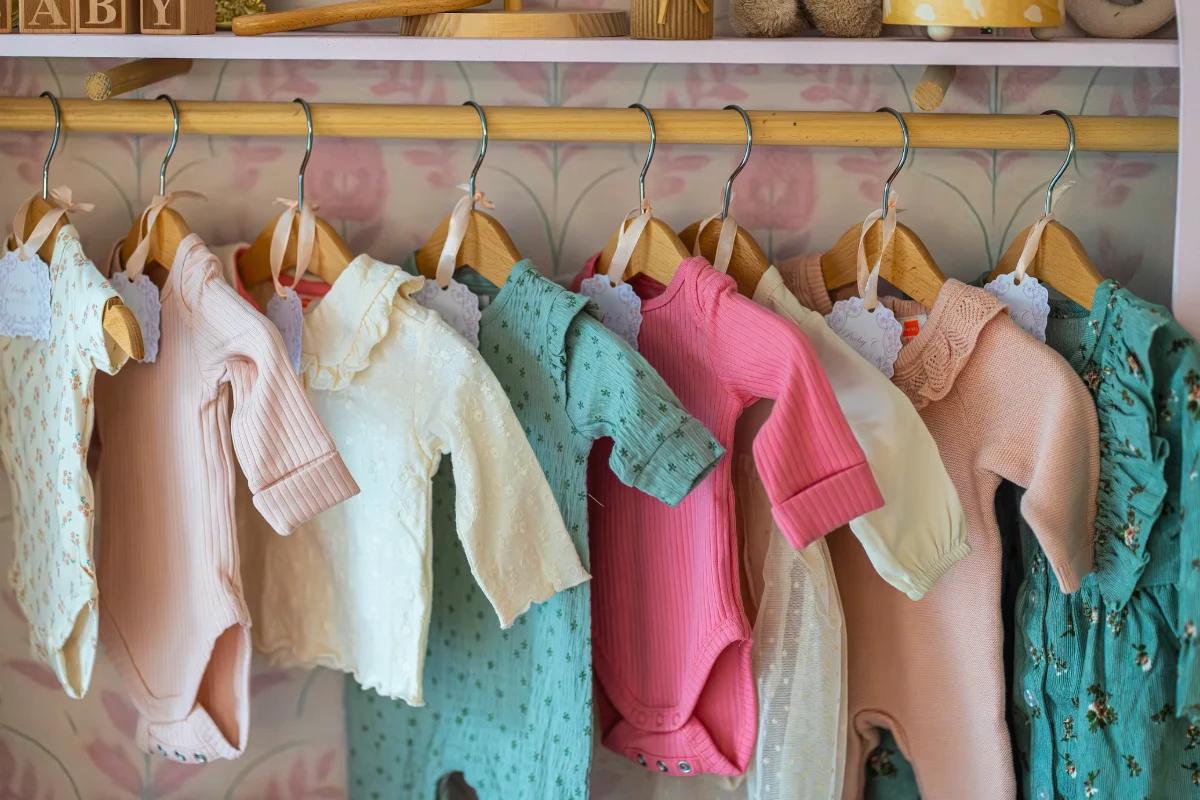
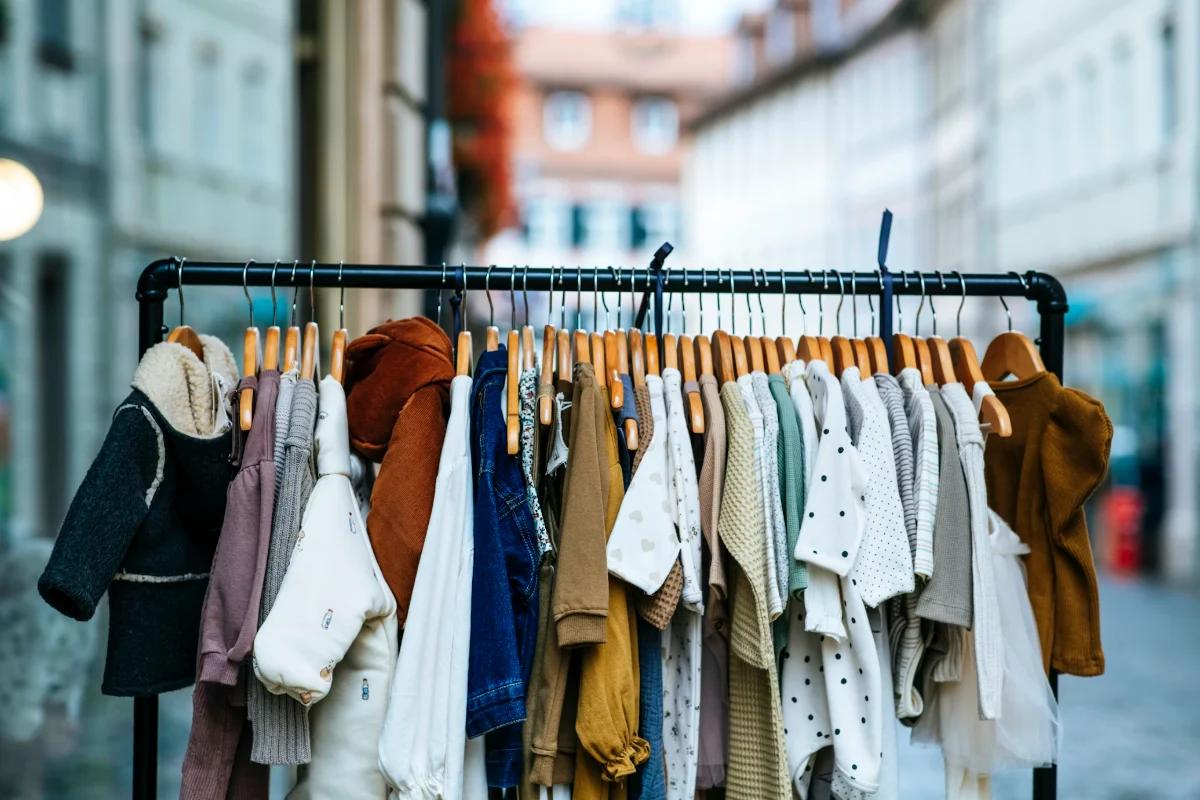
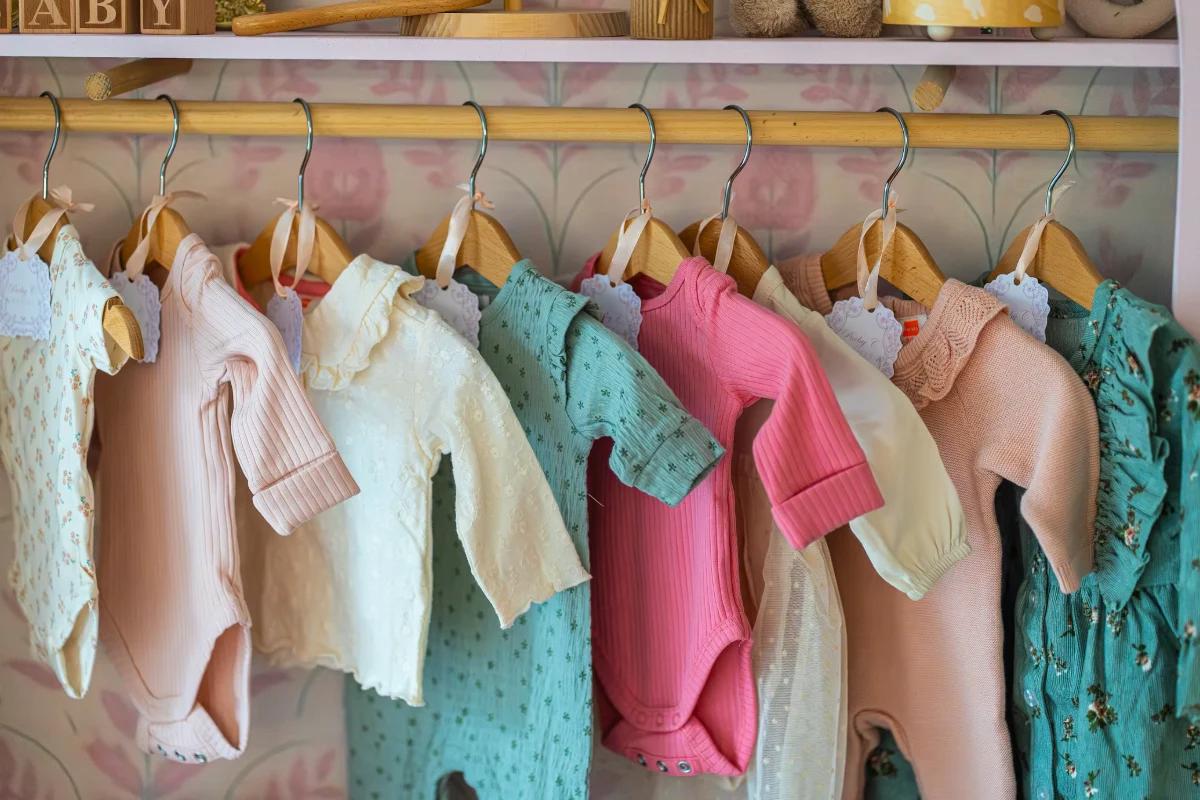
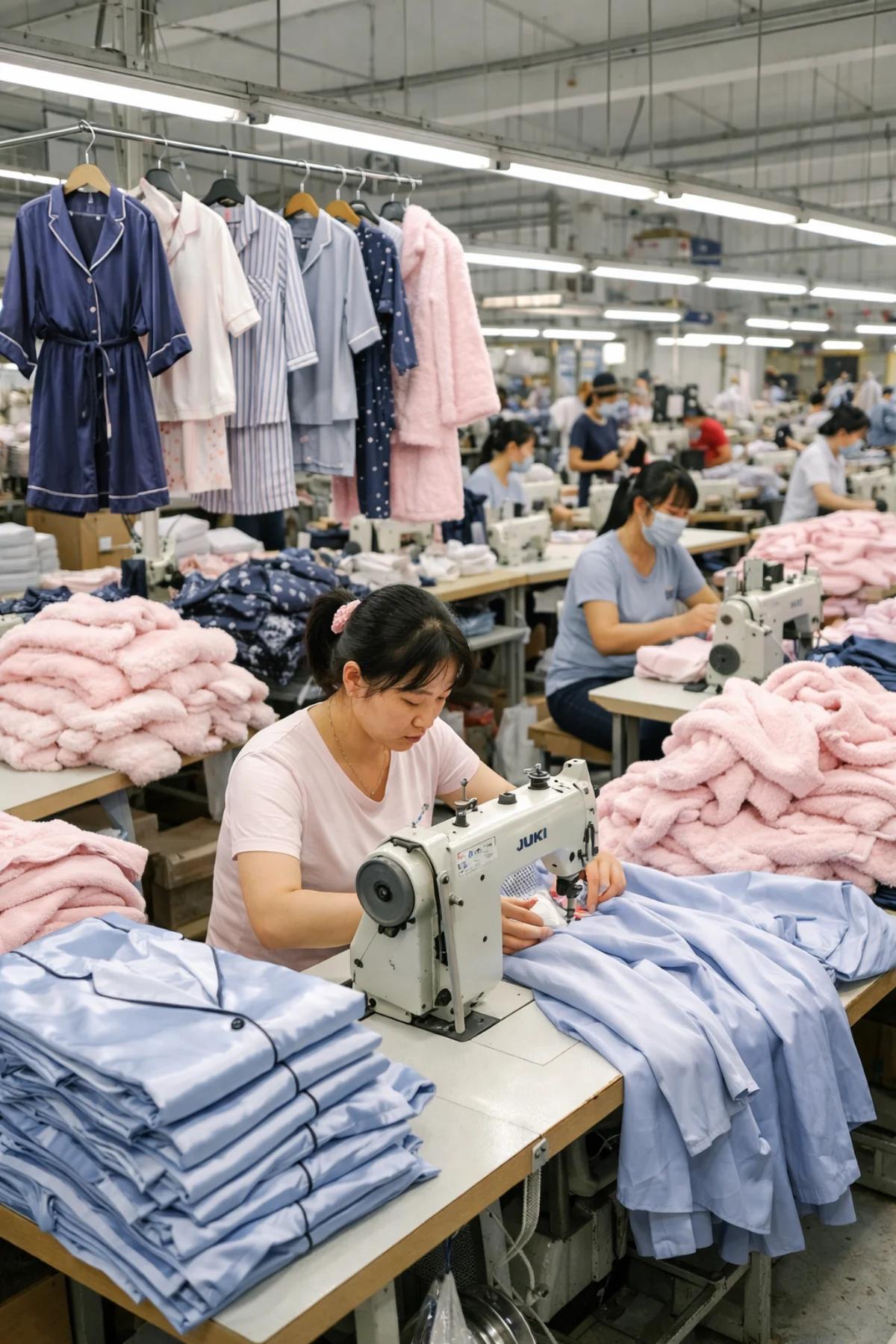
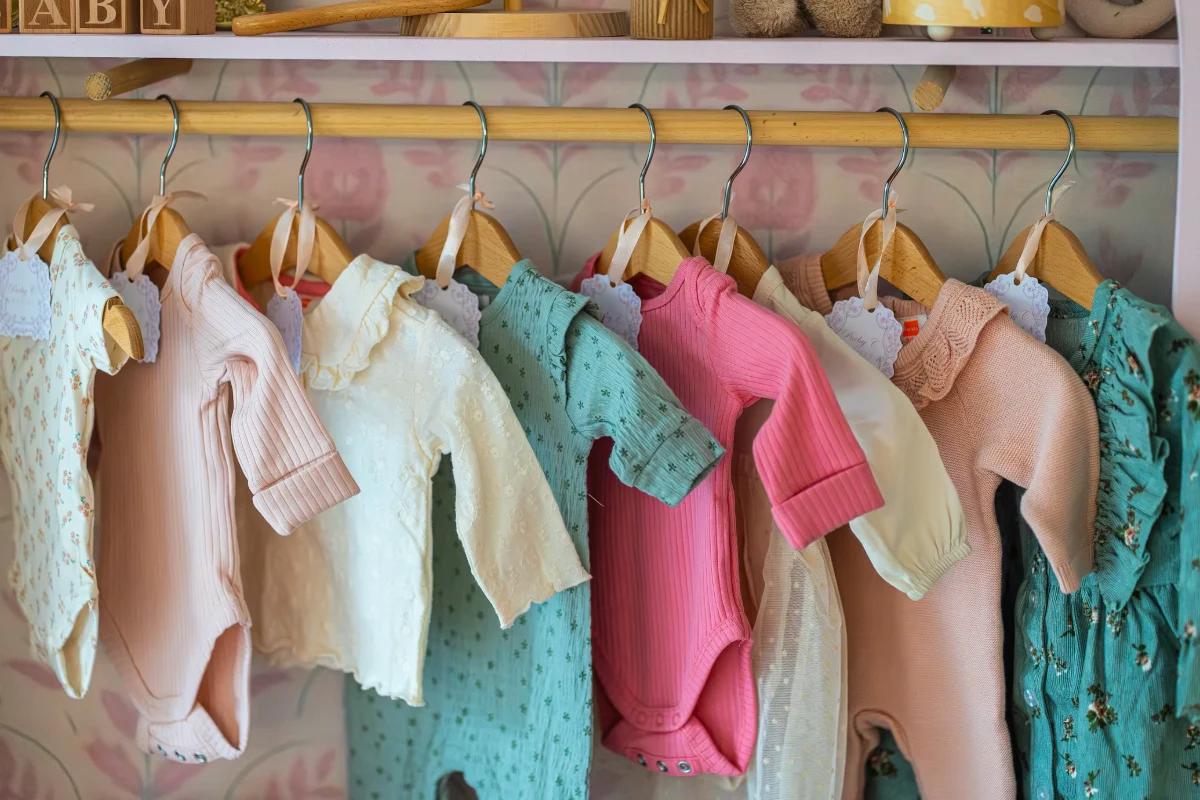
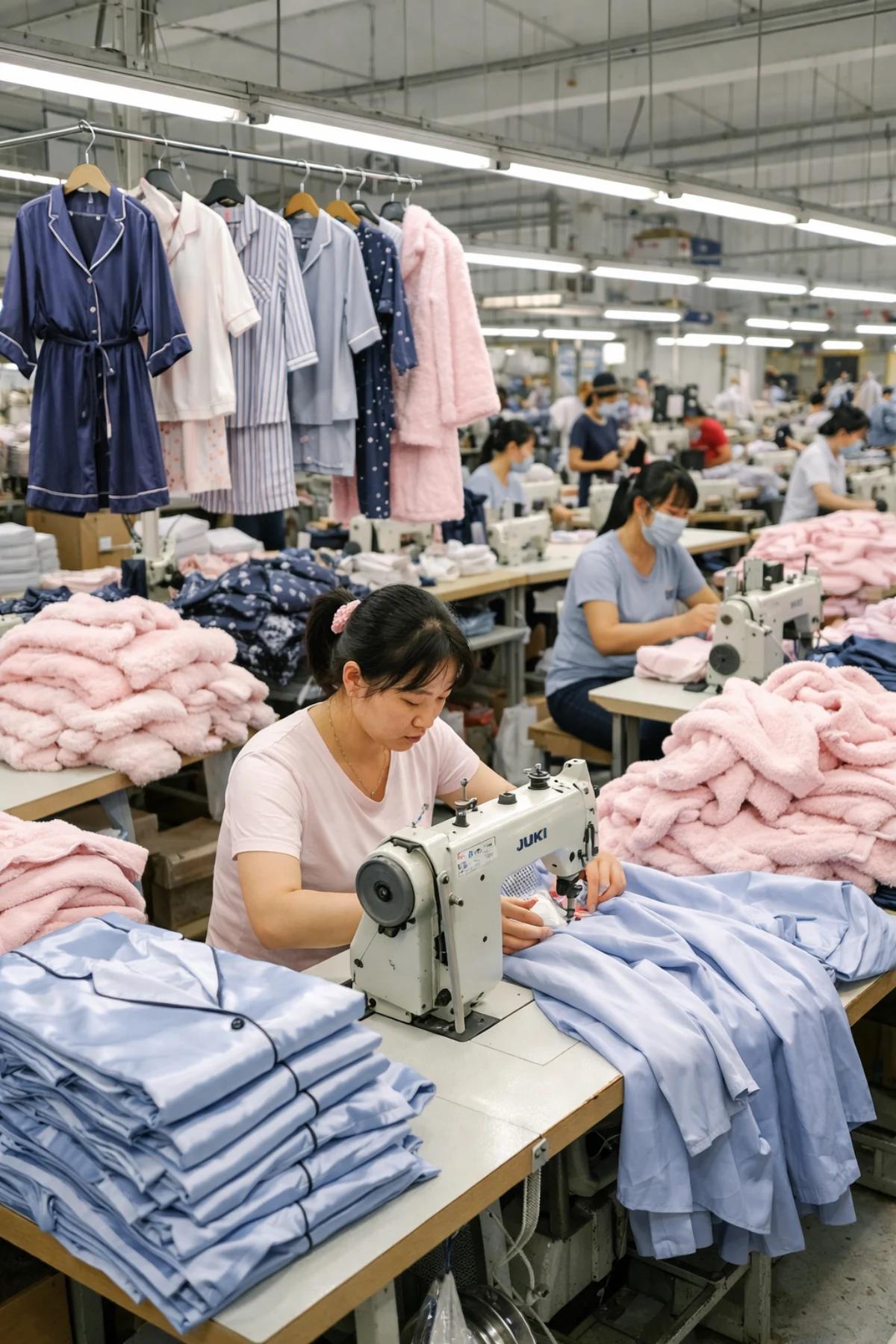
The global baby and children's clothing manufacturing sector, producing for a $71 billion market growing at 6.36% CAGR, operates at a unique intersection of standard apparel manufacturing processes and exceptionally demanding product safety requirements that elevate manufacturing rigor far above typical garment production. The defining characteristic of baby clothing manufacturing is not volume or speed but safety-by-design: every snap must withstand a pull-force test to prevent choking hazards; every drawstring must comply with length regulations that vary by country and age grade; every fabric must pass flammability standards (16 CFR Part 1610 in the US, EN 14878 in the EU) that are more stringent than adult apparel; and every dye, print, and finish must be certified free from the heavy metals, phthalates, and azo dyes that are restricted by regulations that grow more comprehensive each year. This regulatory intensity creates a manufacturing barrier: not every apparel factory can produce baby clothing, and those that do must invest in testing laboratories, compliance documentation systems, and quality control processes that add cost but create defensible competitive positions. The organic and sustainable segment adds another layer of manufacturing complexity: GOTS-certified production requires segregated organic fiber supply chains, approved chemical inputs at every processing stage, and social compliance standards across the entire manufacturing operation. The result is a manufacturing sector where quality and safety compliance, rather than pure unit cost, are the primary axes of competitive differentiation—a dynamic that has concentrated premium baby clothing manufacturing in a relatively small number of specialized factories, primarily in China, India, Bangladesh, and Turkey.

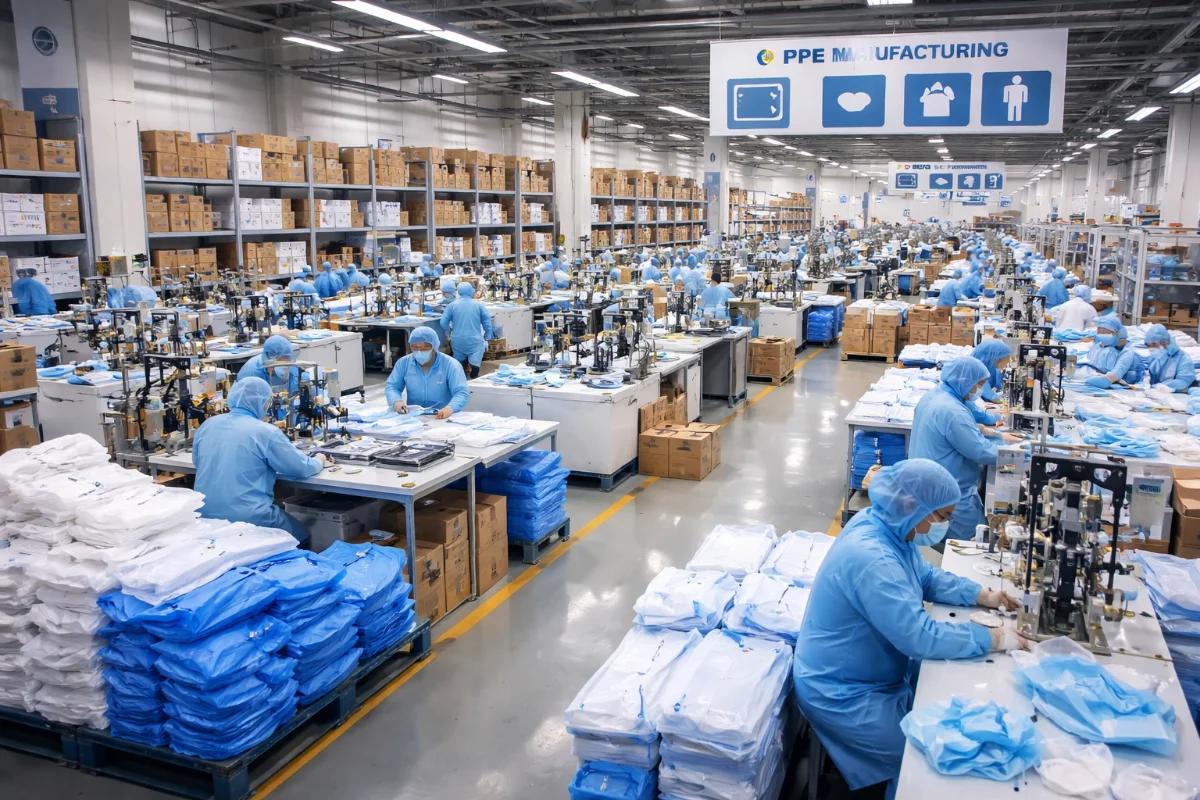
The competitive structure of baby and children's clothing manufacturing reveals a hierarchy spanning dedicated baby-apparel specialists, integrated brand-owned factories, and diversified apparel manufacturers where baby clothing is one category among many. At the top of the pyramid are the specialized baby clothing manufacturers—factories whose entire operational model is built around infant product safety: metal detection at every production station (a requirement unique to baby and children's wear), lead-free trim supply chains that are verified through third-party testing at every shipment, and quality systems that treat a single safety failure as an existential event. These manufacturers command premium pricing from brands whose entire reputation depends on product safety—a dynamic that has created a stable, high-margin niche within an otherwise margin-compressed apparel manufacturing industry. The vertically integrated model is exemplified by companies like Carter's and Mothercare, which maintain significant captive or near-captive manufacturing relationships that give them control over safety specifications, material sourcing, and production scheduling in ways that brands relying on open-market sourcing cannot match. Balabala, operating under China's Semir Group, has built a manufacturing ecosystem spanning 5,000+ retail locations and the production infrastructure to support a "fast fashion for children" model—new styles appearing weekly—while maintaining the safety standards that the Chinese market's increasingly sophisticated parents demand. In the organic segment, manufacturers like those serving Hanna Andersson and Burt's Bees Baby have developed specialized organic cotton supply chains, low-impact dyeing processes, and GOTS-compliant factory operations that represent a separate manufacturing ecosystem from conventional production. Bangladesh, with its 4,500+ apparel factories that have undergone unprecedented safety remediation since the Accord on Fire and Building Safety, has emerged as a major baby clothing manufacturing hub, with factories like DBL Group and Ananta Group serving global brands with safety records and compliance infrastructure that match or exceed Chinese and Indian peers. The contract manufacturing model, where factories produce for multiple competing brands simultaneously, raises unique challenges in the baby category—IP protection around safety designs, material innovation, and production techniques has become as important as cost competitiveness.

Our Ranking Methodology

VerityRank evaluates baby & children's clothing manufacturers across four equally weighted dimensions:

Production Scale (25%): Annual garment output volume, manufacturing facility count and square footage, dedicated baby/children's production line capacity, and workforce size and specialized training infrastructure.

Technological Integration (25%): Safety testing and quality control laboratory capability, automation deployment in safety-critical processes (metal detection, snap attachment), digital pattern-making and grading technology, and RFID and traceability system maturity.

Supply Chain Reach (25%): Certified material sourcing networks (organic, safety-grade), key brand client portfolio quality and contract stability, geographic production diversification, and logistics and export documentation capability.

Sustainability & Compliance (25%): Product safety regulatory compliance history (recall-free record), GOTS/OEKO-TEX/Bluesign certifications, CPSIA and REACH compliance management systems, and labor and workplace safety standards (Better Work, WRAP, SA8000).

Data Sources & References

US CPSC — Children's Product Safety Standards

GOTS — Organic Textile Manufacturing Standard

Better Work (ILO/IFC) — Factory Compliance Data

OEKO-TEX — Product Safety & Manufacturing Certification

Textile Exchange — Sustainable Manufacturing Data

Disclaimer: The data in this ranking is compiled from third-party authoritative sources, including US CPSC and EU REACH regulatory databases, GOTS and OEKO-TEX certification bodies, ILO Better Work factory audit programs, and publicly available manufacturing disclosures. The ranking results are derived from a multi-dimensional algorithmic model and are intended for reference and market decision support only. They do not constitute direct investment advice, product safety certification, or an absolute manufacturer endorsement.

Top 10 Rankings

2026.05 Edition
1
Kitex Garments Ltd

Kitex Garments Ltd

Kitex Garments Limited, headquartered in Kerala, India, is a world-leading manufacturer of infant and children's apparel, with its core business focused on Kids & Baby Clothing, particularly babywear (7.1). As the world's second-largest producer of garments for ages 0-24 months, the company operates a vertically integrated model controlling the entire chain from cotton processing, spinning, and fabric manufacturing to finished garments. With a daily capacity of approximately 800,000 pieces and over 90% of its output exported to the U.S., it serves global giants like Carter's, Gerber, Walmart, and Target. In FY2025, revenue reached approximately ₹9.83 billion. With new facilities in Telangana coming online, Kitex is accelerating capacity expansion and promoting its own brand, Little Star, in the domestic market, solidifying its manufacturing leadership in global childrenswear.

Strengths: Kitex's core strengths lie in its ultimate vertically integrated supply chain, offering cost and quality advantages through full control from cotton to finished garments; as one of the world's largest producers of GOTS-certified organic cotton babywear, it has built technical barriers in non-toxic fabrics and eco-friendly manufacturing; its massive scale of 800,000 pieces daily makes it an irreplaceable strategic supplier for the U.S. children's market.

Weaknesses: Kitex's main weaknesses are its heavy reliance on the U.S. market (90% of revenue), exposing it to geopolitical and client order volatility; expansion-related depreciation and initial costs led to a Q3 2025 loss, straining profitability; as an OEM manufacturer, its own brand Little Star remains nascent with weak brand equity,hard to offset the cyclical risks of its core contract manufacturing business.

Brand

Kitex Garments

Founded

1992

Workforce

14K+

Presence

15+ Countries

Headquarters

India

Market

NSE : KITEX

Key Product Categories
Baby Clothing (0-24 Months) ManufacturersKids & Baby Clothing IndustryInfant Clothing IndustryBaby BodysuitsBaby RompersBaby OnesiesOutdoor Gear ManufacturersKids & Baby Clothing IndustryInfant Clothing IndustryBaby BodysuitsBaby Clothing (0-24 Months) ManufacturersKids & Baby Clothing IndustryInfant Clothing IndustryBaby BodysuitsBaby RompersBaby OnesiesOutdoor Gear ManufacturersKids & Baby Clothing IndustryInfant Clothing IndustryBaby Bodysuits
2
Shenzhou International Group

Shenzhou International Group

Shenzhou International Group Holdings Limited is the "invisible champion" of global knitwear manufacturing, headquartered in Ningbo, Zhejiang, China. As a Hong Kong Stock Exchange-listed company (SEHK:02313), its core business focuses on Textile & Apparel categories including men's performance T-shirts, women's yoga wear, underwear, and loungewear, providing vertically integrated OEM/ODM services from fabric R&D, dyeing and finishing to garment sewing for global sportswear brands like Nike, Uniqlo, Adidas, and Puma. In 2025, Shenzhou achieved estimated revenue of RMB 32.5-34 billion, employing over 110,000 people across 13 large-scale integrated factories in Ningbo, Anhui, Vietnam, and Cambodia, producing approximately 550 million garments and 250,000 tons of fabric annually. Its top four clients contribute about 82% of revenue. Leveraging ultimate vertical integration efficiency and quick response capabilities, Shenzhou defines the manufacturing benchmark behind global brands.

Strengths: Shenzhou's core strength in Textile & Apparel lies in its extreme vertical integration model, controlling the entire value chain from fabric R&D, dyeing and finishing to garment sewing, building a triple moat of efficiency, quality, and cost in knitwear categories like performance T-shirts and yoga wear. Annual production scale of 550 million garments and 250,000 tons of fabric, combined with overseas capacity in Vietnam and Cambodia, makes it an irreplaceable core supplier for global brands like Nike and Uniqlo, with its share in client supply chains growing through shortened lead times and quick response capabilities.

Weaknesses: Shenzhou's main weaknesses stem from its business model's heavy reliance on its top four clients (Nike, Adidas, Uniqlo, Puma), with customer concentration reaching 82%, making performance highly susceptible to core brand order fluctuations. As a B2B manufacturer lacking end-consumer brand recognition, its gross margin is compressed by rising labor costs and initial depreciation of overseas new factories, slightly declining to 27.1% in H1 2025. It also faces uncertainty risks from cross-border raw material tariffs amid changing global trade environments.

Brand

Shenzhou

Founded

2005

Workforce

110K+

Headquarters

China

Market

SEHK : 2313

Key Product Categories
Baby Clothing (0-24 Months) ManufacturersMen's Clothing IndustryMen's Tops IndustryPolo ShirtMen's Knitted TopMen's Casual WearChildren's Clothing (For Ages 2-12) ManufacturersMen's Clothing IndustryMen's Tops IndustryPolo ShirtBaby Clothing (0-24 Months) ManufacturersMen's Clothing IndustryMen's Tops IndustryPolo ShirtMen's Knitted TopMen's Casual WearChildren's Clothing (For Ages 2-12) ManufacturersMen's Clothing IndustryMen's Tops IndustryPolo Shirt
3
Jay Jay Mills (India) Private Limited

Jay Jay Mills (India) Private Limited

Jay Jay Mills (India) Private Limited, based in Tirupur, Tamil Nadu, is a world-leading vertically integrated knitwear manufacturer specializing in Kids & Baby Clothing, with babywear as its core. It controls the entire value chain from fiber to fashion, producing over 1 million garments daily for top global retailers like Walmart, Carter's, and Mothercare. With FY2025 revenue of ₹27.0 billion (~$322 million) and 30,000+ employees across facilities in India, Sri Lanka, Bangladesh, Ethiopia, and the USA, it leverages green manufacturing (100% renewable energy, GOTS certified) and digital innovation to maintain its leadership in the global children's apparel supply chain.

Strengths: Jay Jay Mills' core strengths lie in its fully vertically integrated supply chain from fiber to fashion, ensuring unparalleled control over cost, quality, and lead times. As a pioneer in GOTS-certified organic cotton and BCI cotton in India, its green facilities and sustainability credentials create high entry barriers for Western markets. With production bases across five countries, the company mitigates geopolitical and trade risks, while its massive scale—over 1 million garments daily—positions it as an irreplaceable strategic OEM/ODM partner for leading global children's brands.

Weaknesses: Jay Jay Mills' main weaknesses include its heavy reliance on the U.S. and European markets (over 90% of exports), exposing it to economic fluctuations and trade policy changes in these regions. Volatility in raw material prices and shipping costs continuously pressures profit margins. As a deep OEM/ODM player, the absence of its own consumer brand limits its bargaining power and leaves it vulnerable in the supply chain's value distribution.

Brand

Jay Jay Mills

Founded

1999

Workforce

30K+

Presence

5+ Countries

Headquarters

India

Market

Unlisted ( Private Enterprise )

Key Product Categories
Baby Clothing (0-24 Months) ManufacturersKids & Baby Clothing IndustryInfant Clothing IndustryBaby BodysuitsBaby RompersBaby OnesiesOutdoor Gear ManufacturersKids & Baby Clothing IndustryInfant Clothing IndustryBaby BodysuitsBaby Clothing (0-24 Months) ManufacturersKids & Baby Clothing IndustryInfant Clothing IndustryBaby BodysuitsBaby RompersBaby OnesiesOutdoor Gear ManufacturersKids & Baby Clothing IndustryInfant Clothing IndustryBaby Bodysuits
4
Hanesbrands Inc.(HBI)

Hanesbrands Inc.(HBI)

Hanesbrands is a global leader in vertically integrated innerwear & hosiery manufacturing, headquartered in Winston-Salem, NC, USA. Its iconic brands—Hanes, Maidenform, Bali, Playtex—comprehensively cover bras, panties, men's underwear, shapewear, everyday & functional socks, and loungewear. 2025 revenue reached approximately $3.53 billion. Operating production facilities across 30+ countries and employing ~65,000 people worldwide. Formerly listed on NYSE (HBI), the company was acquired by Gildan Activewear in late 2025 and now operates as a core Gildan division. Through unrivaled vertical integration and patented comfort technologies (X-Temp, FreshIQ), Hanesbrands has set the global benchmark for cost efficiency and quality in basic apparel.

Strengths:Hanesbrands' core strength is its rare apparel vertical integration (>70% in-house production), delivering superior cost control, speed-to-market, and quality consistency. Its brand portfolio holds #1 U.S. market share in men's underwear, bras, and shapewear. Patented comfort technologies (X-Temp, FreshIQ) provide strong product differentiation, creating dual moats of scale and innovation.

Weaknesses:Hanesbrands' main weaknesses: its mass-market brand image lacks premium appeal and relevance among younger demographics, with relatively weak fashion design credentials. Business is heavily concentrated in basic innerwear/hosiery, leaving it behind in athleisure expansion, localized emerging market operations, and DTC innovation compared to Nike and lululemon. Post-acquisition integration with Gildan also poses organizational and cultural challenges.

Brand

Hanesbrands Inc.(HBI)

Founded

1901

Workforce

65K+

Presence

45+ Countries

Headquarters

USA

Key Product Categories
Baby Clothing (0-24 Months) ManufacturersMen's Clothing IndustryMen's Tops IndustryMen's Outerwear IndustryMen's Bottoms IndustryMen's Sportswear IndustryHomewear BrandsMen's Clothing IndustryMen's Tops IndustryMen's Outerwear IndustryBaby Clothing (0-24 Months) ManufacturersMen's Clothing IndustryMen's Tops IndustryMen's Outerwear IndustryMen's Bottoms IndustryMen's Sportswear IndustryHomewear BrandsMen's Clothing IndustryMen's Tops IndustryMen's Outerwear Industry
5
Goodbaby International Holdings Ltd.

Goodbaby International Holdings Ltd.

Goodbaby International Holdings Ltd. is a globally leading vertically integrated children's durable goods and parenting ecosystem group. It operates a dual-engine model of "Own Brand Manufacturing (OBM) + Original Design Manufacturing (ODM)," housing brands like Goodbaby (gb), Cybex, and Evenflo. Its business spans the full spectrum of children's lifestyle, including mobility (strollers, car seats), home & care products, and apparel. Listed in Hong Kong, its core barrier is its globally integrated R&D and Industry 4.0 manufacturing network. In 2024, the group's revenue reached approximately HK$9.42 billion, with the "Children's Apparel, Footwear, and Accessories" segment contributing HK$1.38 billion, serving as a crucial synergistic business and traffic entry point within its "product + service" parenting ecosystem.

Strengths: Goodbaby Group's core strengths are its world-class vertically integrated R&D and smart manufacturing capabilities, which have built formidable technological and safety standard barriers in children's durables (e.g., strollers, car seats); concurrently, its powerful brand equity of "safety, professionalism, and trustworthiness" naturally extends to highly related categories like children's wear, and its unique "hardware (durables) + soft goods (apparel)" scenario solutions enhance customer stickiness and average order value.

Weaknesses: Goodbaby Group's main weaknesses are that its brand and operational system are better suited for durable goods, making it challenging to compete in the fast-paced, fashion-driven daily children's wear market where its brand perception is considered more "heavy," and its design and supply chain agility face tests; simultaneously, managing the coordinated development and resource allocation of children's wear across its multi-brand portfolio (e.g., gb, Cybex) is complex.

Brand

Goodbaby International Holdings

Founded

1989

Workforce

12K+

Presence

100+ Countries

Headquarters

China

Market

SEHK : 01086

Key Product Categories
Baby Clothing (0-24 Months) ManufacturersChildren's Shoes IndustryBackpacks IndustrySpecialty Bags IndustryBasic Hosiery IndustryKids & Baby Clothing IndustryKids & Baby Clothing BrandsChildren's Shoes IndustryBackpacks IndustrySpecialty Bags IndustryBaby Clothing (0-24 Months) ManufacturersChildren's Shoes IndustryBackpacks IndustrySpecialty Bags IndustryBasic Hosiery IndustryKids & Baby Clothing IndustryKids & Baby Clothing BrandsChildren's Shoes IndustryBackpacks IndustrySpecialty Bags Industry
6
Zhejiang Semir Garment Co., Ltd - Balabala

Zhejiang Semir Garment Co., Ltd - Balabala

“Balabala,” a brand under Zhejiang Semir Garment Co., Ltd., is China's largest and most comprehensive professional children's wear brand, positioned as a lifestyle brand covering "all categories, all age groups (0-14), and all consumption scenarios." Operating a business model integrating in-house design, hybrid sourcing/production, and omnichannel retail, its product portfolio fully spans apparel, footwear, accessories, and kids' gear. Leveraging an unparalleled distribution network of over 4,000 offline stores in China and leading e-commerce presence, Balabala's estimated annual retail sales reach RMB 15-18 billion, consistently ranking first in market share and defining mass-market children's wear consumption in China.

Strengths: Balabala's core strengths are its unrivalled depth and breadth of channel coverage in the Chinese market, which builds a formidable competitive barrier; concurrently, its complete full-category product matrix and efficient supply chain agility enable it to meet children's all-scenario dressing needs and have established profound brand trust as "professional, safe, and high-value-for-money" among mass-market families.

Weaknesses: Balabala's main weaknesses are the challenges it faces in brand premiumization and enhancing product value due to its long-standing mass-market positioning; simultaneously, competition with international and online brands has intensified post the peak of online traffic dividend, and its international operational capabilities still need to be verified to break through the growth ceiling.

Brand

Semir Garment Co.

Founded

1996

Workforce

4K+

Presence

20+ Countries

Headquarters

China

Key Product Categories
Baby Clothing (0-24 Months) BrandsChildren's Shoes IndustryBackpacks IndustrySpecialty Bags IndustryBasic Hosiery IndustryKids & Baby Clothing IndustryBaby Clothing (0-24 Months) ManufacturersChildren's Shoes IndustryBackpacks IndustrySpecialty Bags IndustryBaby Clothing (0-24 Months) BrandsChildren's Shoes IndustryBackpacks IndustrySpecialty Bags IndustryBasic Hosiery IndustryKids & Baby Clothing IndustryBaby Clothing (0-24 Months) ManufacturersChildren's Shoes IndustryBackpacks IndustrySpecialty Bags Industry
7
Anta Sports Products Limited

Anta Sports Products Limited

Anta Sports Products Limited is China's leading and globally top-three comprehensive sports goods group, headquartered in Fujian, founded in 1991, and listed on the Hong Kong Stock Exchange (2020.HK) in 2007. With a "single-focus, multi-brand, omni-channel" strategy, its portfolio includes Anta, FILA, Descente, Kolon, Arc'teryx (Amer Sports), and the newly acquired Jack Wolfskin (2025) and a stake in PUMA (2026). In 2025, group revenue reached approximately RMB 75–78 billion, with over 13,000 stores globally, ~65,000 employees, and annual footwear/apparel capacity of 140 million pairs and 100 million pieces respectively. As an official IOC uniform supplier, Anta is accelerating its transformation from a Chinese champion into a world-class sports group through multi-brand synergy and global M&A.

Strengths: Anta's core strengths lie in its exceptional multi-brand operation capabilities and global M&A integration expertise, leveraging the Anta, FILA, Descente, and Arc'teryx brand matrix to precisely target mass, fashion, and premium outdoor segments—strengthened by the 2025 PUMA stake acquisition and Jack Wolfskin purchase; its DTC transformation has achieved ~90% direct sales, demonstrating industry-leading channel control; deep partnerships with top IPs like NBA's Kyrie Irving and its role as consecutive Olympic Games uniform supplier build a formidable professional image moat; MSCI ESG rating upgraded to AA, highlighting outstanding supply chain sustainability.

Weaknesses: Anta's main weaknesses include inventory pressure, with average turnover days rising to 136 in 2025, presenting ongoing de-stocking challenges; multi-brand integration complexity, with FILA's growth slowing and newly acquired brands like Jack Wolfskin requiring time to digest; overseas expansion remains nascent, with brand awareness in Western markets far behind Nike and Adidas; R&D investment ratio still trails international giants, requiring continuous catch-up in core technologies for premium professional segments.

Brand

Anta

Founded

1991

Workforce

55K+

Presence

30+ Countries

Headquarters

China

Market

SEHK : 2020

Key Product Categories
Baby Clothing (0-24 Months) ManufacturersAthletic Shoes IndustryChildren's Shoes IndustryBackpacks IndustrySpecialty Bags IndustryBasic Hosiery IndustryChildren's Clothing (For Ages 2-12) BrandsAthletic Shoes IndustryChildren's Shoes IndustryBackpacks IndustryBaby Clothing (0-24 Months) ManufacturersAthletic Shoes IndustryChildren's Shoes IndustryBackpacks IndustrySpecialty Bags IndustryBasic Hosiery IndustryChildren's Clothing (For Ages 2-12) BrandsAthletic Shoes IndustryChildren's Shoes IndustryBackpacks Industry
8
Jinfa Labi Maternity & Baby Articles Co., Ltd.​

Jinfa Labi Maternity & Baby Articles Co., Ltd.​

Jinfa Labi Maternity & Baby Articles Co., Ltd. (Stock Code: 002762.SZ) is the first listed maternal and infant products company on China's A-share market, headquartered in Shantou, Guangdong. The company positions itself as an integrated provider focusing on the “apparel and daily use” needs of children aged 0-3, operating a dual-core business model of “Maternal & Infant Consumer Goods Manufacturing/Retail + Maternal & Infant Services.” Its core consumer goods business, centered on the “Labi Baby” brand, covers infant clothing, cotton products, and care items. Leveraging a network of approximately 1,200 offline stores (primarily franchised) and an omnichannel presence, it maintains a solid foundation in China's lower-tier cities. As a listed company with annual revenue around RMB 420 million, it actively explores capital operations to integrate the industry chain, seeking transformation from a traditional product manufacturer to a maternal and infant industry ecosystem platform. Strengths: Jinfa Labi’s core strengths are its unique capital platform and financing capabilities as the “first maternal and infant stock on the A-share market,” providing a key tool for expanding new businesses and integrating the industry chain through investment and M&A; concurrently, its extensively deployed network of approximately 1,200 offline physical retail stores across China, particularly in southern and central regions, forms a deep channel barrier and crucial brand touchpoint, serving as the cornerstone of its influence in regional markets. Weaknesses: Jinfa Labi’s main weaknesses lie in the growth bottleneck of its traditional maternal and infant consumer goods core business, with its annual revenue of approximately RMB 420 million facing pressure amidst fierce market competition and market share erosion from multiple players; furthermore, the synergistic effects of its dual-core “Product + Service” business model are insufficient, the operational diversity adds complexity to management, and its brand image faces aging issues, requiring enhanced appeal to the new generation of young parents.

Brand

Labibaby

Founded

1996

Workforce

1K+

Presence

Nationwide, China

Facilities

5+ Factories

Headquarters

China

Key Product Categories
Baby Clothing (0-24 Months) ManufacturersMaternity Wear IndustryBasic Hosiery IndustryKids & Baby Clothing IndustryInfant Clothing IndustryChildren's Everyday Wear IndustryKids & Baby Clothing ManufacturersOutdoor Gear ManufacturersBaby Clothing (0-24 Months) ManufacturersMaternity Wear IndustryBasic Hosiery IndustryKids & Baby Clothing IndustryInfant Clothing IndustryChildren's Everyday Wear IndustryKids & Baby Clothing ManufacturersOutdoor Gear Manufacturers
9
Arvind Limited

Arvind Limited

Arvind Limited is India's largest textile manufacturing group headquartered in Ahmedabad, Gujarat, listed on the Indian Stock Exchange. Employing a vertically integrated model, it operates a full industrial chain from spinning, weaving, dyeing to garment manufacturing, specializing in denim, apparel and advanced materials. With 15 production bases in India, ~25,000 employees, and operations across 80+ countries, it reported revenue of ₹50 billion (~$600 million) in 2024. Leveraging its comprehensive vertical integration, significant scale advantages and advanced sustainability practices, it maintains absolute leadership in India's textile market.

Strengths: Arvind's core strengths are its complete vertical integration enabling full supply chain control from spinning to garments, delivering significant scale benefits and cost advantages; as India's largest textile manufacturer, its annual capacities of 200 million meters fabric and 50 million garments provide strong competitiveness; advanced sustainability practices with notable achievements in water management and carbon reduction.

Weaknesses: Arvind's international brand influence remains relatively limited requiring global market recognition improvement; faces persistent cost control pressures from rising raw material and energy costs impacting profitability; increasing environmental demands necessitate continuous investments to meet stricter sustainability standards.

Brand

Arvind

Founded

1931

Workforce

25K+

Presence

80+ Countries

Facilities

15+ Factory

Headquarters

India

Market

NSE : ARVIND

Key Product Categories
Baby Clothing (0-24 Months) ManufacturersMen's Clothing IndustryMen's Tops IndustryMen's Formalwear IndustryWomen's Clothing IndustryWomen's Tops IndustryChildren's Clothing (For Ages 2-12) ManufacturersMen's Clothing IndustryMen's Tops IndustryMen's Formalwear IndustryBaby Clothing (0-24 Months) ManufacturersMen's Clothing IndustryMen's Tops IndustryMen's Formalwear IndustryWomen's Clothing IndustryWomen's Tops IndustryChildren's Clothing (For Ages 2-12) ManufacturersMen's Clothing IndustryMen's Tops IndustryMen's Formalwear Industry
10
Eclat Textile Co. Ltd.

Eclat Textile Co. Ltd.

Eclat Textile Co., Ltd. is a globally leading vertically integrated manufacturer of functional knitted fabrics and apparel, headquartered in Taoyuan, Taiwan, China, and listed on the Taiwan Stock Exchange (TWSE: 1476). Operating under a "R&D in Taiwan, Manufacturing in Southeast Asia" model, it provides one-stop ODM/OEM services from functional yarn R&D and high-end knitted fabric production to garment design and manufacturing, serving as a core innovation and manufacturing partner for top global sportswear and yoga brands like Nike and Lululemon. Revenue reached NT$33.96 billion (approx. $1.08B) in 2024, and despite short-term pressure from industry cycles, its profound technical moat and exceptional profitability solidify its status as a technology-driven “hidden champion” in the global textile supply chain.

Strengths: Eclat's core strengths are its deep vertical integration from yarn to finished garment and top-tier R&D and innovation capabilities, building a formidable technical moat and product premium power; concurrently, its strategic symbiotic relationships with benchmark clients like Nike and Lululemon ensure deep order binding and co-development opportunities, granting the company profitability and industry standing beyond that of a traditional contract manufacturer.

Weaknesses: Eclat's main weaknesses are its heavy revenue concentration on a few top-tier clients and the North American market, making its performance directly vulnerable to their strategic shifts and end-consumer cyclical fluctuations; furthermore, as an upstream manufacturer, it cannot fully avoid the inventory and demand cycles of the consumer goods industry, and its production reliance on Vietnam also introduces certain geopolitical and operational concentration risks.
Brand

Eclat Textile Co

Founded

1977

Workforce

16K+

Presence

5+ Countries

Facilities

10+ Factory

Headquarters

Taiwan

Market

TWSE : ​​1476​

Key Product Categories
Baby Clothing (0-24 Months) ManufacturersMen's Clothing IndustryMen's Sportswear IndustryWomen's Clothing IndustryWomen's Activewear IndustryFootwear IndustryFootwear FactoryMen's Clothing IndustryMen's Sportswear IndustryWomen's Clothing IndustryBaby Clothing (0-24 Months) ManufacturersMen's Clothing IndustryMen's Sportswear IndustryWomen's Clothing IndustryWomen's Activewear IndustryFootwear IndustryFootwear FactoryMen's Clothing IndustryMen's Sportswear IndustryWomen's Clothing Industry

Frequently Asked Questions

What exactly is the Men's Clothing Industry, and what are its main categories?
The Men's Clothing Industry encompasses the global business of designing, manufacturing, and selling apparel specifically for men. It’s a vast and segmented sector that goes beyond basic shirts and pants. The industry is systematically divided into several core categories: Men‘s Tops (including dress shirts, polos, and T-shirts), Outerwear (like jackets, coats, and hoodies), Bottoms (such as jeans, trousers, and shorts), Suits & Formalwear, and Sportswear & Performance Wear. Each category further branches into numerous sub-segments (e.g., oxford shirts, bomber jackets, chinos) catering to different styles, occasions, and functionalities, from daily casual wear and business attire to technical outdoor gear.

What are the key factors driving the growth and change in the Men's Fashion Industry?
The industry's evolution is driven by a combination of consumer trends, technological innovation, and economic forces. Key drivers include: 1. Shifting Consumer Mindsets: Men are increasingly viewing clothing as a form of self-expression, fueling demand for personalization, niche styles, and brand values. 2. Performance & Innovation: Advancements in fabrics (e.g., moisture-wicking, temperature regulation, sustainable materials) blur the lines between casual, formal, and sportswear. 3. Digital Influence: Social media and e-commerce have revolutionized discovery, purchasing, and trend cycles. 4. The Rise of Hybrid Lifestyles: Demand for versatile clothing suitable for work-from-home, casual office, and leisure drives categories like “smart casual” and performance outerwear. Conversely, factors like economic uncertainty and supply chain disruptions pose significant challenges.
Who are the main types of players competing in the global Men's Apparel market?
The market is structured around several distinct player types: 1. Luxury Conglomerates: Groups like LVMH and Kering own portfolio brands (e.g., Louis Vuitton, Gucci) focusing on high-margin, brand-driven products across all categories. 2. Vertical Luxury Brands: Companies like Ermenegildo Zegna and Brunello Cucinelli control their entire supply chain, specializing in premium materials (e.g., cashmere) and craftsmanship. 3. Premium/Lifestyle Brands: Brands like Ralph Lauren and Burberry balance heritage, design, and accessibility across a wide product range. 4. Fast Fashion Giants: Companies like Inditex (Zara) dominate through rapid trend replication and massive scale. 5. Sportswear Specialists: Nike, Adidas, and Anta focus on performance technology and athleisure. 6. Manufacturers/Wholesalers: Entities like PVH Corp. and Youngor operate brand portfolios and/or provide large-scale production services.
What‘s the difference between “In-House Production” and “Contract Manufacturing” in men's wear, and why does it matter?
This distinction refers to who physically makes the clothes. In-House Production means a brand owns and operates its own factories (e.g., Hermès, Zegna), allowing for extreme quality control, protection of proprietary techniques, and supply chain secrecy, but requires massive capital investment. Contract Manufacturing (or Outsourcing) means a brand hires third-party factories to produce goods to its specifications (common for PVH, fast fashion). This offers flexibility, cost efficiency, and scalability. The choice profoundly impacts a brand’s identity: in-house production is often tied to luxury, craftsmanship, and exclusivity (justifying higher prices), while outsourcing enables speed and affordability. Many brands, like Gucci and Burberry, use a hybrid model, keeping core products in-house and outsourcing basics.
What are the emerging future trends shaping the Men's Clothing Industry?
The future is being shaped by several converging trends: 1. Sustainability as Standard: Beyond a buzzword, it‘s becoming a core operational requirement, driving demand for recycled materials, circular business models (rental, repair), and full supply chain transparency. 2. Technology Integration: Wearable tech, smart fabrics with climate adaptation, and AI-driven personalization (fit, style) will become more prevalent. 3. Blurring of Categories: The lines between formal, casual, and technical sportswear will continue to dissolve, leading to more versatile, hybrid garments. 4. Direct-to-Consumer & Experience: Brands will strengthen DTC channels and focus on creating immersive experiences, both online and in flagship stores. 5. Regionalization & Resilience: To mitigate supply chain risks, there will be a move towards nearshoring and building more diversified, resilient production networks.