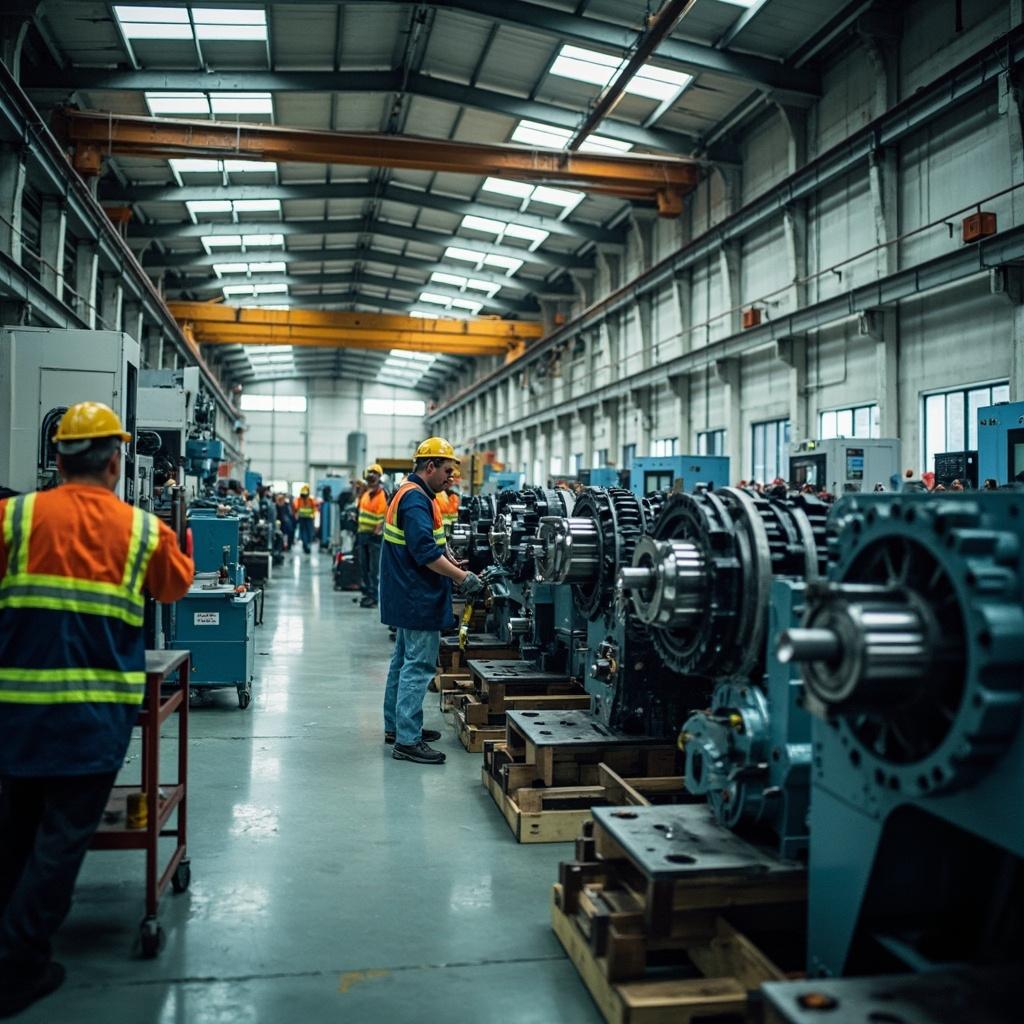
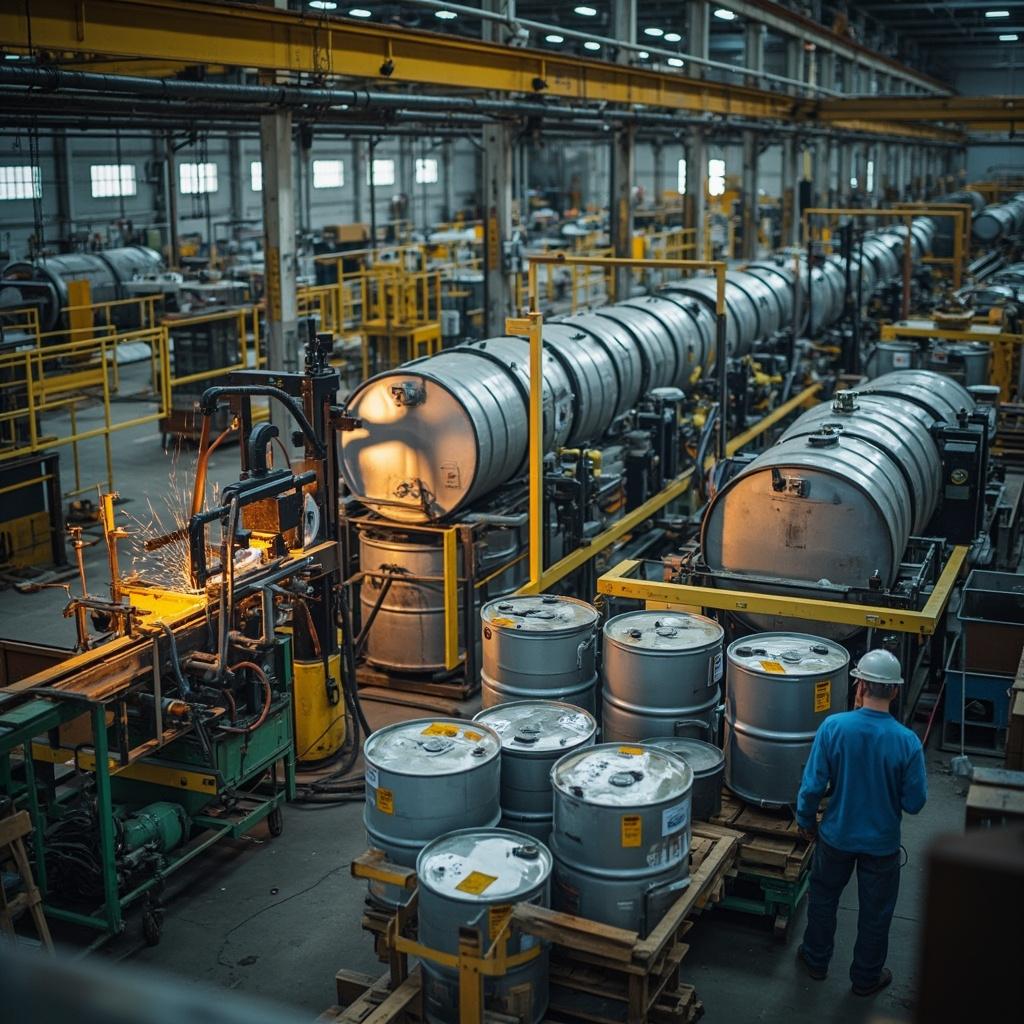
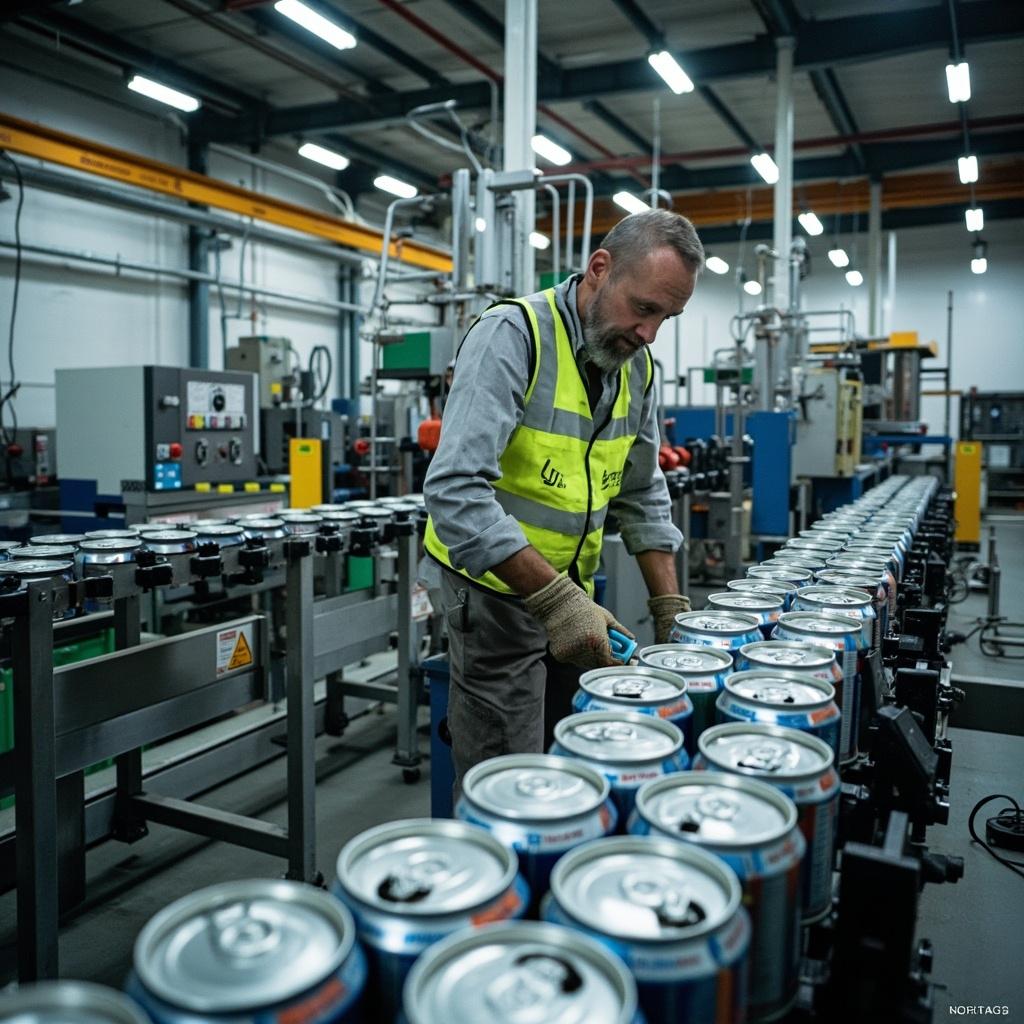
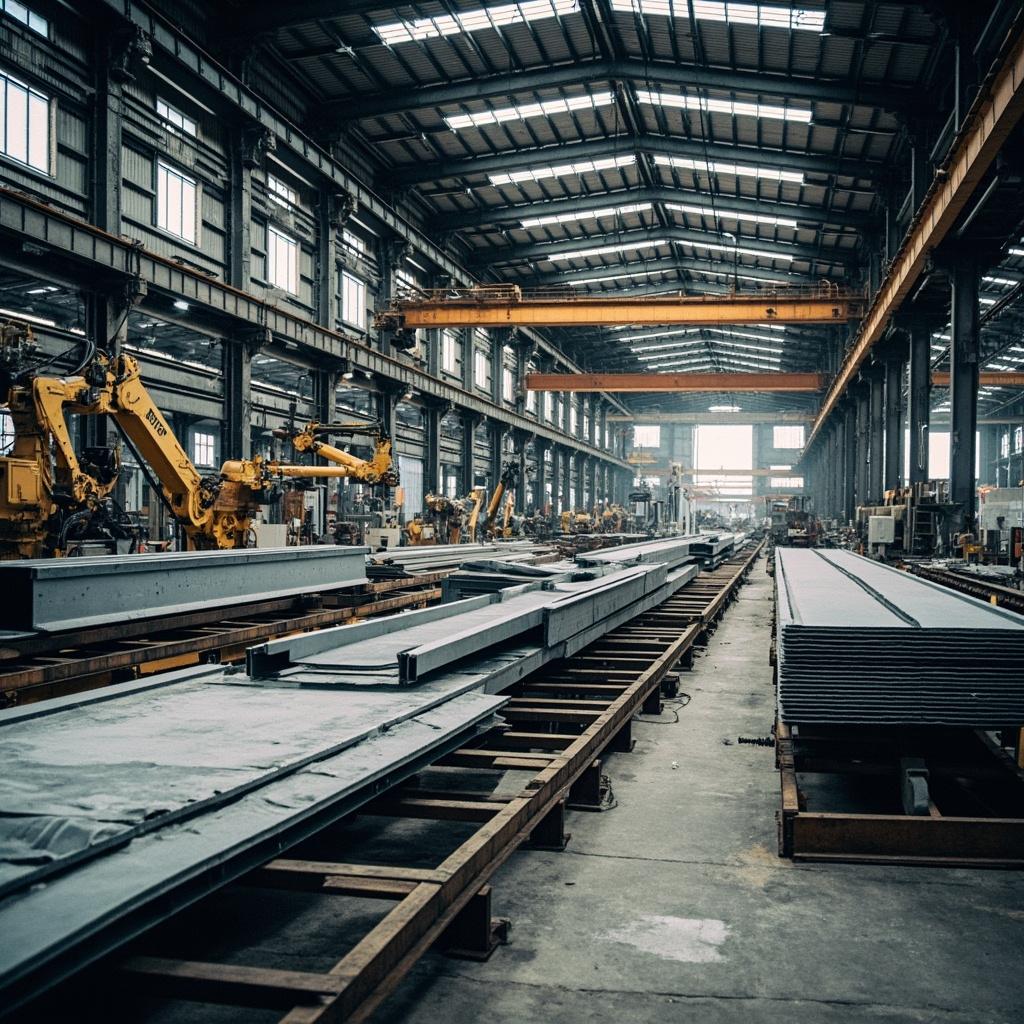
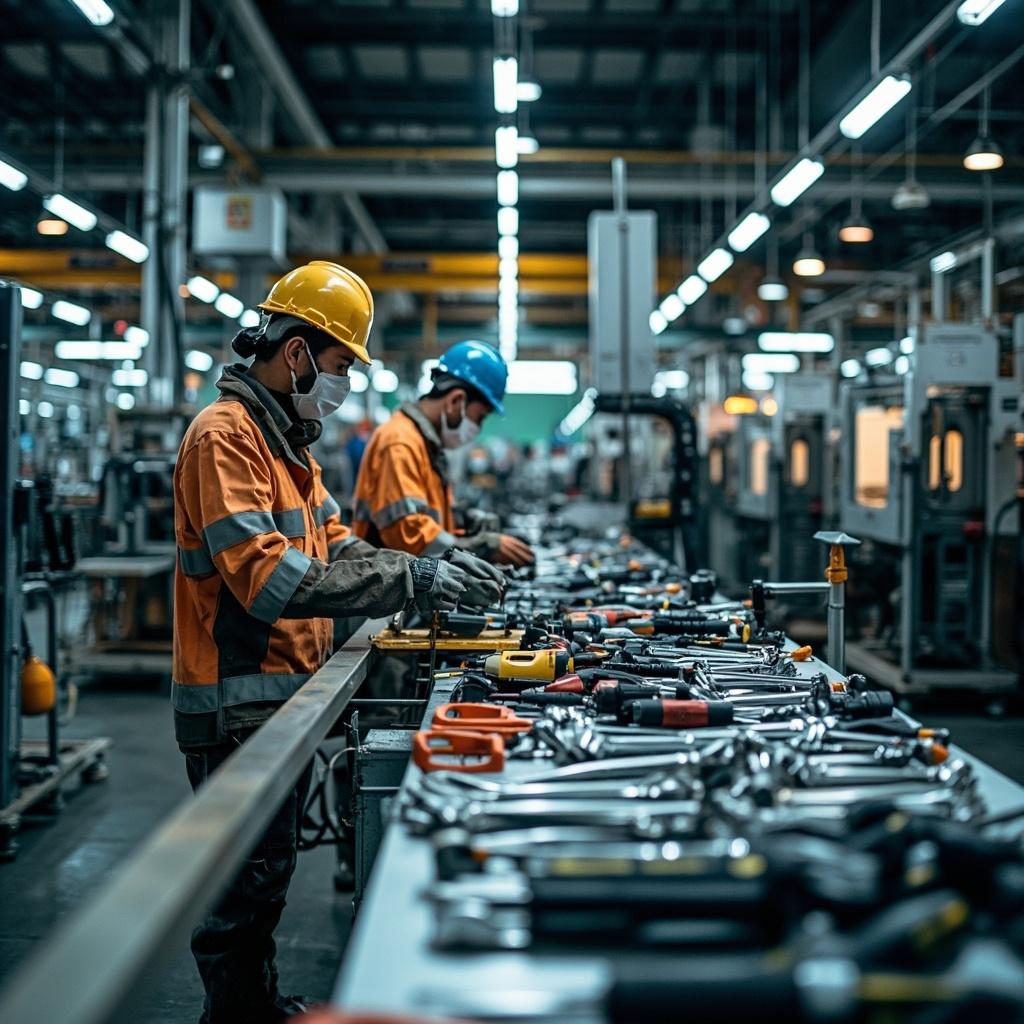
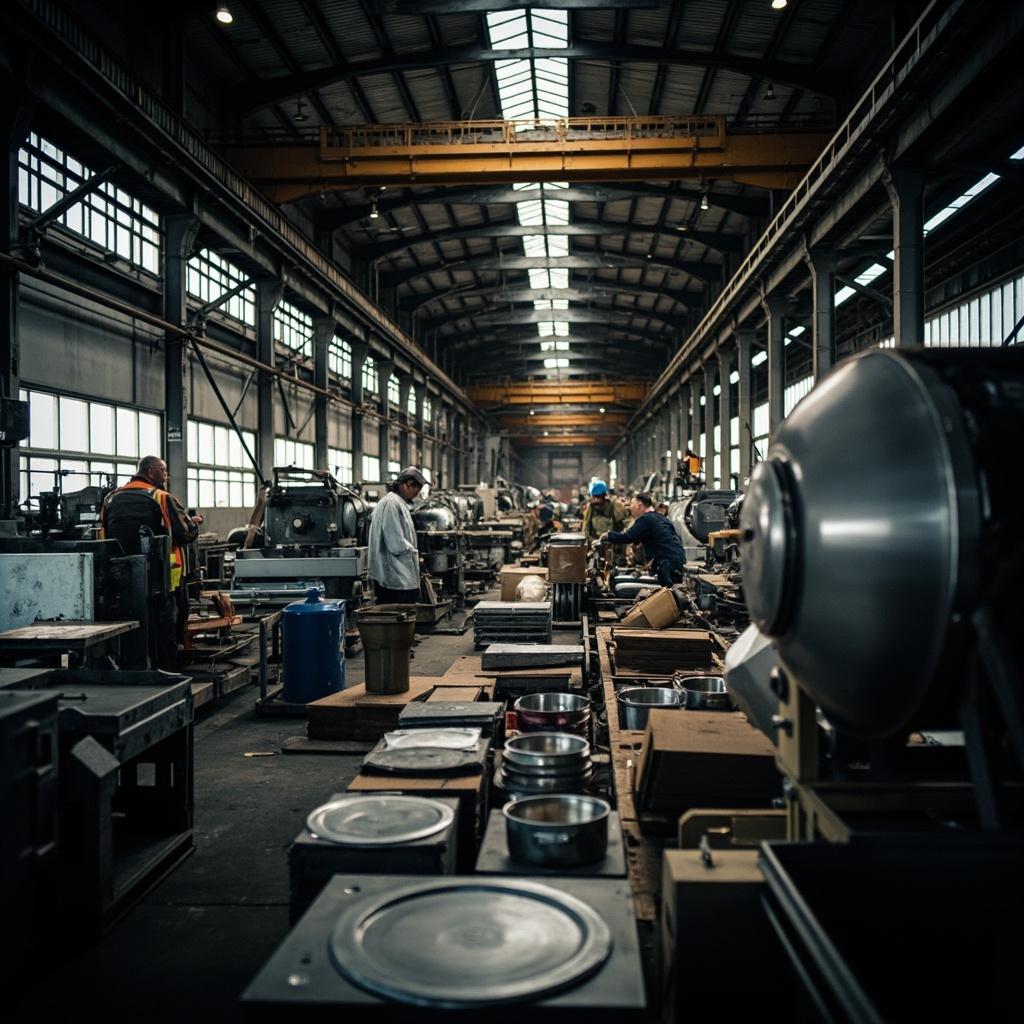
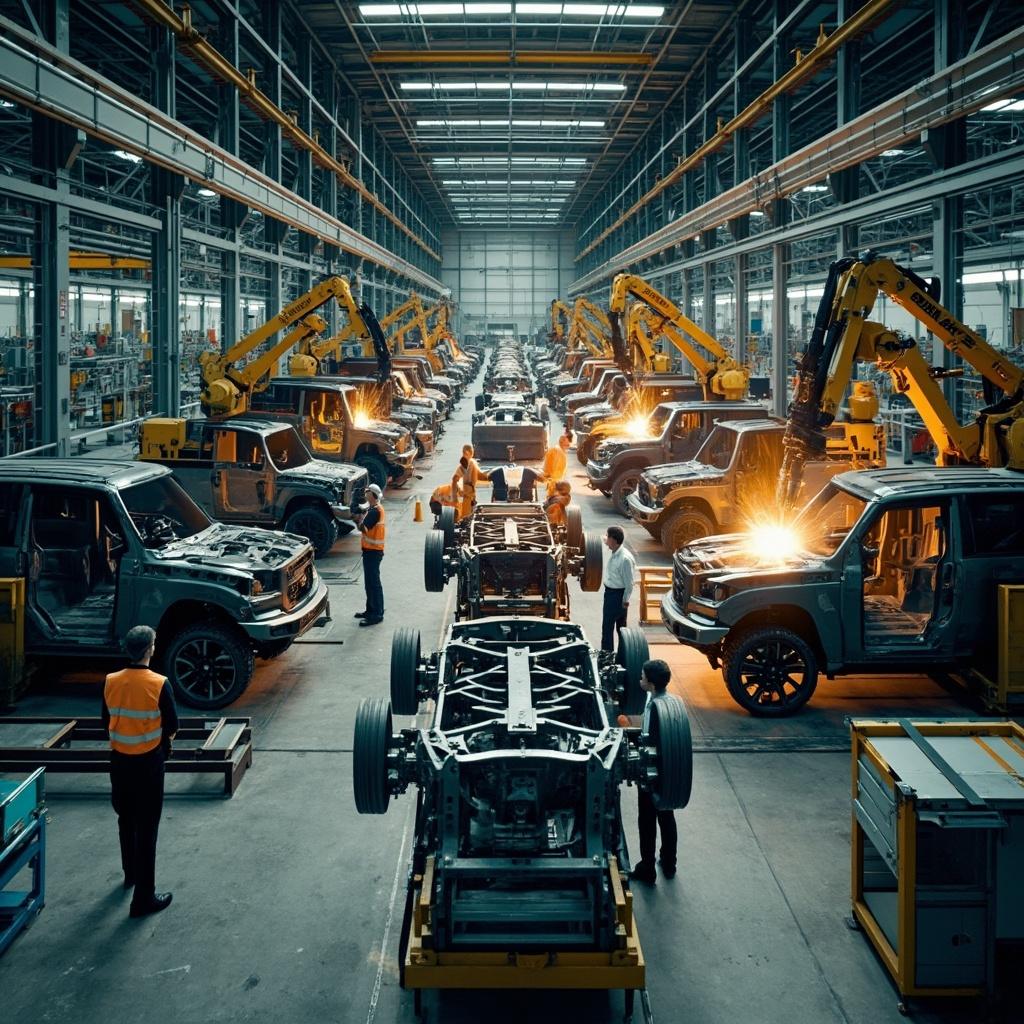
Our manufacturing ranking methodology evaluates metal products manufacturers across four equally weighted dimensions designed to capture the full spectrum of production capabilities, from sheer scale to technological sophistication. We assess Manufacturing Scale & Capacity (25%), Technology & Process Sophistication (25%), Supply Chain Autonomy (25%), and Quality & Certification (25%). Our research aggregates data from company annual reports (FY2025), securities filings, manufacturing trade publications, patent databases, and third-party industry research.
Manufacturing Scale & Capacity (25%)
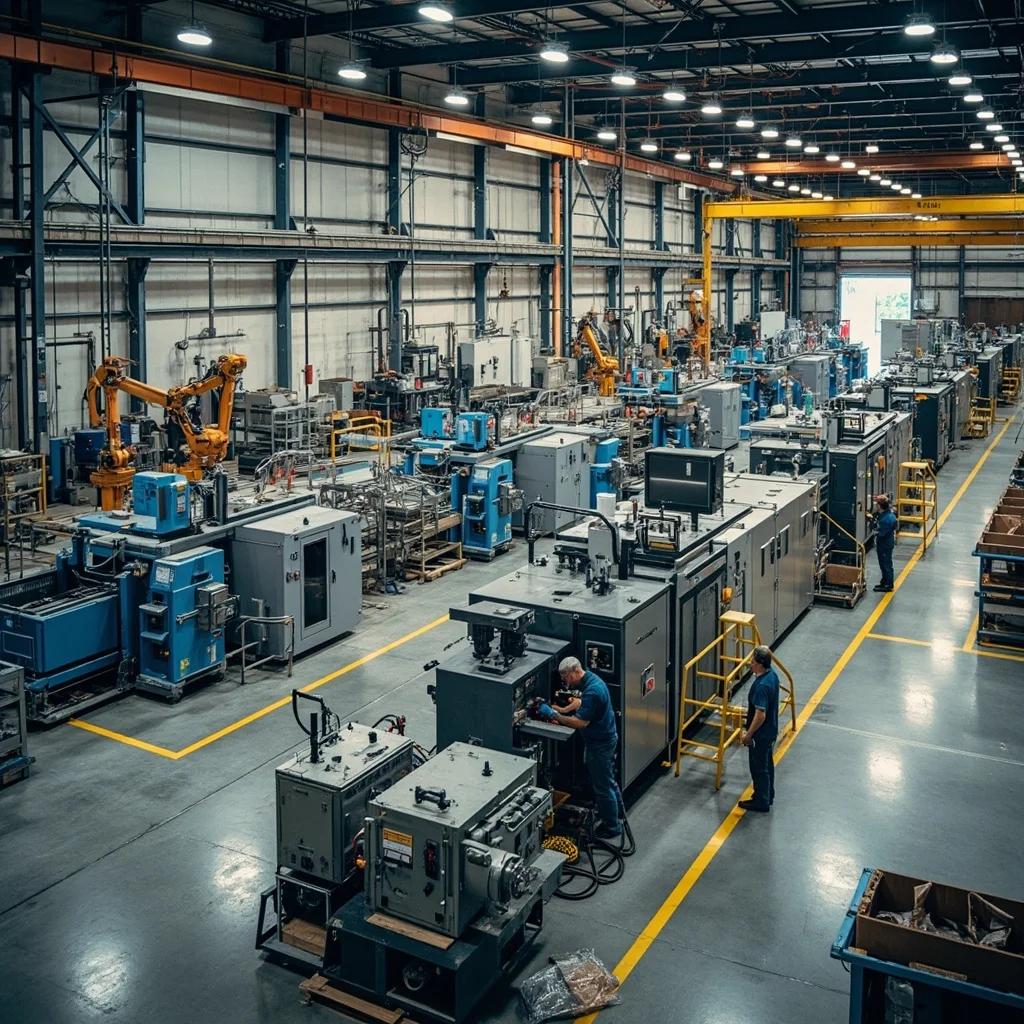
This dimension assesses the raw production power of each manufacturer. We analyze the total number of wholly-owned manufacturing facilities (excluding sales offices, distribution centers, and joint ventures where the company lacks operational control), total manufacturing floor area across all facilities, annual production volume in relevant units (containers, bearings, tons of stamped components, etc.), and the degree of automation on production lines. Companies operating 100+ manufacturing facilities globally — such as Schaeffler, Crown Holdings, Gestamp, and SKF — receive maximum scores. We also evaluate the capital intensity of production: deep-draw metal forming lines for packaging (Ball, Crown) and precision grinding lines for bearings (Schaeffler, SKF) represent significantly higher barriers to entry than assembly-oriented operations.
Technology & Process Sophistication (25%)
Manufacturing technology leadership is evaluated through several lenses. Proprietary process technology — such as Gestamp's hot-stamping of ultra-high-strength boron steel for automotive lightweighting or Sandvik's cemented carbide powder metallurgy for extreme-performance cutting tools — receives significant credit. Patent portfolio size and quality in manufacturing process domains are benchmarked against industry peers. We assess Industry 4.0 implementation including the deployment of IoT sensors on production equipment, AI-driven predictive maintenance systems, digital twin simulations of production lines, and automated optical inspection (AOI) for quality control. Companies that have publicly disclosed specific productivity improvements from smart factory investments (typically 15-25%) receive higher scores. R&D investment as a percentage of manufacturing revenue is also evaluated.
Supply Chain Autonomy (25%)
In an era of supply chain disruption, manufacturing self-sufficiency is a critical competitive advantage. We measure the degree of vertical integration from raw material processing — does the company operate its own foundries, forges, or powder metal facilities, or does it purchase pre-processed materials? Schaeffler's in-house bearing steel formulation and heat treatment capabilities represent the gold standard of vertical integration. We evaluate geographic diversification: manufacturers with production facilities on three or more continents are significantly more resilient to regional disruptions than single-continent producers. The "local-for-local" manufacturing model — exemplified by Gestamp's 100+ plants co-located with customer assembly facilities — receives additional credit for minimizing both tariff exposure and logistics risk. We also assess supplier concentration risk and dual-sourcing strategies for critical raw materials.
Quality & Certification (25%)
Manufacturing excellence is ultimately validated by quality outcomes. We evaluate the breadth and depth of industry certifications: IATF 16949 for automotive suppliers, AS9100 for aerospace manufacturers, ISO 13485 for medical device production, and ISO 9001 as the baseline. Customer qualification status with demanding OEMs — such as being a Tier-1 bearing supplier to automotive manufacturers (Schaeffler, SKF) or a qualified packaging supplier to global beverage companies (Ball, Crown) — represents the most meaningful quality validation. Published manufacturing yield rates, defect rates (typically measured in parts per million), and warranty claim rates provide quantitative quality metrics. Environmental compliance certifications (ISO 14001) and occupational health and safety certifications (ISO 45001) round out the quality assessment. Our rankings are updated semi-annually to incorporate new facility openings, capacity expansions, and certification achievements.
The competitive differentiation among top metal products manufacturers is rooted in mastery of specific manufacturing processes that create formidable barriers to entry through a combination of capital intensity, accumulated process knowledge, and specialized equipment requirements. Understanding these process-level differentiators is essential for evaluating manufacturing partners and assessing competitive positioning.
Precision Bearing Manufacturing
Bearing manufacturing — practiced at scale by Schaeffler and SKF — represents one of the most demanding manufacturing processes in the metal products industry. The production of high-precision rolling element bearings requires control over bearing steel cleanliness (oxygen content below 5 parts per million), raceway geometry tolerances measured in sub-micron increments, and surface finish specifications (Ra < 0.05 μm for super-precision bearings). Schaeffler operates in-house steel formulation and vacuum degassing facilities — a level of vertical integration that few competitors can match — while SKF's "Factory of the Future" program has automated traditionally craft-dependent grinding and assembly processes. The capital cost of a single high-volume bearing production line can exceed $50 million, and the process knowledge required to achieve automotive-grade quality levels (failure rates below 1 part per million) represents decades of accumulated experience.
Deep-Draw Metal Packaging Manufacturing
Aluminum beverage can manufacturing — dominated by Ball Corporation and Crown Holdings — is a capital-intensive, high-speed process that creates extreme barriers to entry. A single can-making line represents an investment of $100-150 million and produces 2,000-3,000 cans per minute through a sequence of cup forming, body drawing and ironing (reducing wall thickness to 0.097mm), trimming, washing, decorating, necking, and flanging. The process economics demand proximity to filling plants (typically within 300 miles) and 24/7 operation to achieve acceptable returns. With global annual production exceeding 1.1 trillion cans (Ball) and 200+ plants globally (Crown), the incumbents' installed base and decades of process optimization create formidable advantages. Both companies are investing in lightweighting technologies that reduce aluminum usage per can by 1-2% annually while maintaining structural integrity.
Hot-Stamped Automotive Structural Manufacturing
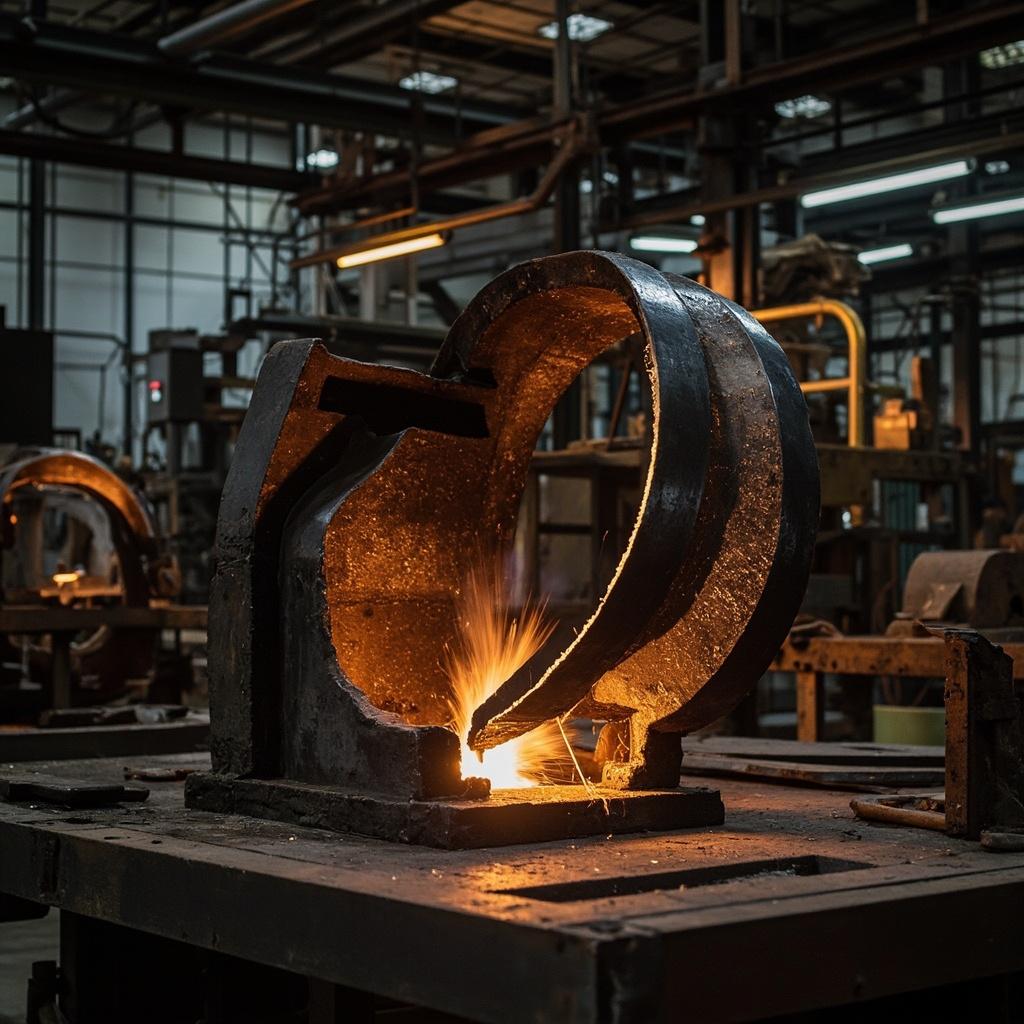
Hot stamping of boron steel — a specialty of Gestamp — exemplifies the process technology frontier in automotive metal components. The process involves heating boron-alloyed steel blanks to 900-950°C in a continuous roller hearth furnace, transferring the red-hot blank to a water-cooled die within seconds, and simultaneously forming and quenching the part to achieve ultimate tensile strengths exceeding 1,500 MPa. This process enables weight reductions of 25-40% compared to conventional cold-stamped components while improving crash performance — critical for meeting both fuel efficiency and safety regulations. Gestamp operates hundreds of hot stamping lines across its 100+ plants, with each line representing a $15-25 million investment and requiring specialized furnace, press, and die technologies. The co-location of these lines adjacent to automotive OEM assembly plants creates a just-in-time delivery model that is extremely difficult for new entrants to replicate.
Cemented Carbide Tool Manufacturing
Sandvik's cemented carbide cutting tool manufacturing involves powder metallurgy processes that operate at the intersection of materials science and precision engineering. Tungsten carbide powder — with grain sizes controlled to sub-micron precision — is mixed with cobalt binder, pressed into tool blanks under pressures exceeding 1,000 atmospheres, and sintered at temperatures approaching 1,500°C in controlled atmospheres. The resulting material achieves hardness values of 1,500-2,000 HV (Vickers) while maintaining sufficient fracture toughness for interrupted cutting operations. Post-sintering processes include precision grinding with diamond wheels to achieve cutting edge radii below 5 μm and application of wear-resistant coatings (TiN, TiAlN, AlCrN) through physical vapor deposition. A single high-performance cutting tool insert can represent $5-15 in manufacturing cost and sell for $10-50 — attractive unit economics that have enabled Sandvik to achieve 19.3% adjusted EBITA margins.
The global metal products manufacturing footprint is undergoing the most significant restructuring since the post-World War II industrialization of East Asia, driven by the convergence of trade policy shifts, supply chain security imperatives, and divergent regional demand trajectories. This restructuring is creating winners and losers among manufacturing locations and fundamentally altering the competitive dynamics of the industry.
North America: Reshoring and the "Tariff Wall" Effect
The United States has become the epicenter of metal products manufacturing capacity expansion, driven by a combination of protective tariffs, the Inflation Reduction Act's domestic content requirements, and CHIPS Act-driven semiconductor fab construction that generates massive demand for metal components. Hailiang's rapid ramp-up of its Texas copper tube facility — from zero to 50,000 tons of annual capacity — exemplifies the new model of Chinese manufacturers building production capacity inside US tariff walls. The Texas facility serves US HVAC and plumbing customers with domestically-manufactured copper tube, completely circumventing the 25%+ tariffs on Chinese-made products. Similarly, Stanley Black & Decker has accelerated automation investments in its North American facilities as it transfers production from closed Asian plants. The "reshoring premium" — the incremental manufacturing cost of US production versus Asian production — is estimated at 10-25% depending on the product category, but is increasingly accepted as the cost of supply chain security and tariff avoidance.
Europe: High-Value Manufacturing Consolidation
European metal products manufacturing is consolidating around high-value, technology-intensive products where automation can offset higher labor costs. Schaeffler continues to invest in German manufacturing capabilities for premium bearings and electric vehicle components, while SKF has implemented "rightsizing" programs that consolidate production into fewer, more automated facilities. The European model emphasizes Industry 4.0 integration and energy efficiency — critical given European industrial electricity prices that are 2-3x US levels. Gestamp's extensive European manufacturing presence serves the continent's automotive industry, with plants in Spain, Germany, France, and Eastern Europe positioned to supply both traditional ICE and EV platforms. The implementation of CBAM is creating additional incentives for European manufacturers to reduce the carbon intensity of their production processes, as future carbon costs will be embedded in product pricing.
Asia-Pacific: Scale Manufacturing and EV Infrastructure Buildout
Asia remains the world's largest metal products manufacturing region by volume, but the nature of Asian manufacturing is evolving rapidly. China's traditional role as the "factory to the world" for metal products is being supplemented — and in some cases supplanted — by manufacturing capacity in Vietnam, Thailand, India, and Mexico. Stanley Black & Decker's transfer of production from Shenzhen to Vietnam represents the template for this shift. However, China's domestic market scale — combined with its unmatched ecosystem of metal processing suppliers, logistics infrastructure, and skilled manufacturing workforce — ensures it will remain a dominant manufacturing location for the foreseeable future. CIMC leverages China's manufacturing ecosystem to produce the majority of the world's shipping containers, while Great Star Industrial and Hailiang demonstrate that Chinese manufacturers can simultaneously serve domestic demand and build international production capacity.
The "Multi-Hub" Manufacturing Model
The emerging consensus among leading metal products manufacturers is the "multi-hub" model: maintaining separate, largely self-sufficient manufacturing networks in North America, Europe, and Asia-Pacific, with minimal inter-regional product flows. This represents a fundamental departure from the "single hub" model that dominated for the past three decades, where Asian factories served global demand. The multi-hub model increases total manufacturing costs by an estimated 3-8% (duplicative capital expenditure, reduced scale economies, additional overhead) but dramatically reduces tariff exposure, logistics risk, and geopolitical vulnerability. Companies furthest along in implementing the multi-hub model — Schaeffler, Crown Holdings, Gestamp — are best positioned to navigate the increasingly fragmented global trade environment.
Selecting the right metal products manufacturing partner requires a structured evaluation framework that goes beyond unit price comparisons to assess total cost of ownership, manufacturing capability depth, quality system maturity, and long-term partnership viability. Whether you are sourcing precision bearings, aluminum packaging, automotive stampings, or industrial tools, a systematic manufacturer evaluation ensures optimal supplier selection and risk mitigation.
Step 1: Define Technical Requirements with Precision
Begin by clearly specifying all technical requirements for the metal product being sourced. For bearings and power transmission components, specify dimensional tolerances (ABEC/ISO precision grades), material specifications (bearing steel grade, ceramic hybrid options), noise and vibration limits, and expected service life under defined load conditions. For metal packaging, specify can dimensions, coating requirements (internal liners for product compatibility, external decoration specifications), fill temperature tolerance, and stacking strength. For automotive stampings, specify steel grade and thickness, dimensional tolerances (typically ±0.5mm for Class A surface panels), corrosion protection requirements, and production volume (annual and peak). For metal tools, specify power source (corded/cordless), performance metrics (torque, speed, runtime), ergonomic requirements, and durability testing standards. The completeness of your technical specification directly determines the quality of manufacturer responses and the comparability of competing proposals.
Step 2: Assess Manufacturing Capability Depth
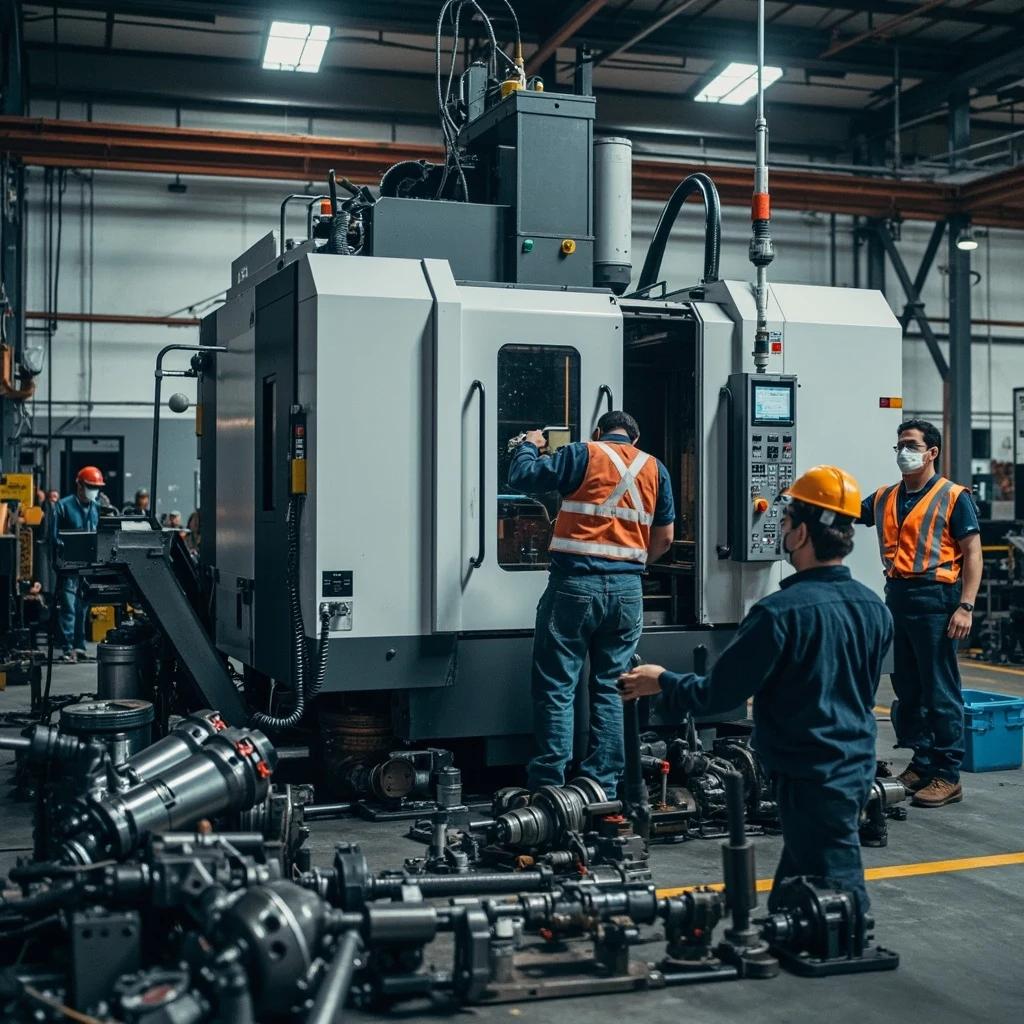
Evaluate each manufacturer's production capabilities against your specific requirements. Request detailed information on: equipment inventory (brands, ages, capabilities of key production machines), in-house vs. outsourced process steps (does the manufacturer perform its own heat treating, surface finishing, or coating application?), production capacity utilization rates (a manufacturer operating at 95%+ capacity has limited flexibility for volume increases), and quality control equipment (CMM capability, optical inspection systems, material testing laboratory). For critical applications, conduct on-site factory audits to verify claimed capabilities. Pay particular attention to the manufacturer's investment trajectory — consistent capital expenditure on new equipment signals commitment to long-term manufacturing competitiveness, while aging equipment suggests potential quality and reliability issues.
Step 3: Evaluate Quality Management System Maturity
Quality system maturity is non-negotiable for any serious manufacturing partnership. Verify current certifications: IATF 16949 for automotive supply, AS9100 for aerospace, ISO 13485 for medical devices, and ISO 9001 as the minimum baseline. Request statistical process control (SPC) data for critical-to-quality characteristics, including Cp and Cpk values (Cpk ≥ 1.33 is generally required for automotive applications, Cpk ≥ 1.67 for safety-critical components). Review the manufacturer's corrective and preventive action (CAPA) system — how are quality issues identified, investigated, and systematically prevented from recurring? Evaluate the manufacturer's supplier quality management program: do they audit their own raw material suppliers with the same rigor they apply to internal processes? For regulated industries, require Production Part Approval Process (PPAP) documentation demonstrating process capability.
Step 4: Consider Total Cost of Ownership
The lowest unit price rarely delivers the lowest total cost. Factor in: logistics costs (manufacturing location relative to your assembly or distribution points), inventory carrying costs (lead times, minimum order quantities, consignment stock availability), quality costs (cost of incoming inspection, production line disruptions from defective components, warranty claims), tariff exposure (country of origin for imported components), and currency risk (exchange rate volatility between manufacturer's cost base currency and your purchasing currency). The most cost-effective manufacturer is typically the one with the highest first-pass yield, most responsive technical support, and most manufacturing flexibility — even at a moderately higher unit price.
The metal products manufacturing industry is on the cusp of a technology revolution that will reshape production economics, quality capabilities, and competitive dynamics over the next five years. Forward-looking manufacturers are investing in five technology domains that collectively represent the "Factory of the Future" vision, while those that delay investment risk being rendered uncompetitive by the end of the decade.
1. AI-Driven Autonomous Manufacturing
Artificial intelligence is transitioning from a manufacturing support tool to a core production capability. Machine vision systems with deep learning algorithms now detect surface defects in stamped metal parts with accuracy exceeding 99.5% — surpassing human inspectors — at production line speeds. AI-driven process optimization continuously adjusts parameters such as furnace temperature profiles, press speeds, and coolant flow rates to maximize yield and minimize energy consumption. Schaeffler has invested in humanoid robot technology for manufacturing automation, signaling the industry's trajectory toward autonomous production cells that operate 24/7 with minimal human intervention. The most advanced implementations use reinforcement learning algorithms that discover optimal process parameters without explicit programming, achieving yield improvements of 5-15% in complex processes like precision grinding and heat treating.
2. Additive Manufacturing for Tooling and Production Parts
While additive manufacturing (3D printing) of metal parts has been used for prototyping for decades, it is now crossing the threshold into production applications for tooling and low-volume end-use parts. Leading manufacturers use laser powder bed fusion (LPBF) to produce conformal cooling channels in stamping and injection molding dies, reducing cycle times by 25-40%. Binder jetting of tool steel and cemented carbide enables complex tool geometries impossible with conventional subtractive manufacturing. For end-use parts, additive manufacturing is particularly valuable for producing spare parts on demand — SKF is exploring 3D-printed bearing components for legacy equipment where original tooling no longer exists. The economics of additive manufacturing continue to improve, with machine productivity doubling approximately every 3-4 years.
3. Digital Twins and Virtual Commissioning
Digital twin technology — creating a real-time virtual replica of a physical manufacturing system — is transforming how manufacturers design, commission, and optimize production lines. Siemens (a key technology partner to many metal products manufacturers) reports that digital twin-based virtual commissioning reduces physical commissioning time by 50-75% and identifies design flaws before any physical equipment is installed. Once in production, digital twins enable "what-if" scenario analysis: simulating the impact of a supplier delay, equipment failure, or demand surge on production output before making operational decisions. The most advanced implementations connect digital twins to real-time IoT data streams, enabling predictive maintenance that reduces unplanned downtime by 30-50%.
4. Green Manufacturing Technologies
Decarbonization is driving investment in new manufacturing technologies that reduce energy consumption and emissions. Electric arc furnaces powered by renewable electricity are replacing gas-fired furnaces for metal heating applications. Hydrogen-based heat treating — using green hydrogen as the reducing atmosphere instead of natural gas-derived endothermic gas — is being piloted by leading bearing and tool manufacturers. Near-dry machining — using minimum quantity lubrication (MQL) instead of flood coolant — reduces coolant consumption by 99% and eliminates coolant disposal costs while improving workpiece surface finish. Ball Corporation's achievement of 84% renewable electricity across its global plant network demonstrates the feasibility of large-scale manufacturing decarbonization using currently available technology.
5. Blockchain-Enabled Supply Chain Traceability
For metal products destined for regulated industries — aerospace, medical devices, automotive safety components — complete material traceability from raw material source through finished product is increasingly mandatory. Blockchain technology provides an immutable, auditable record of every material transformation and custody transfer in the supply chain. Leading manufacturers are implementing blockchain-based systems that allow customers to scan a QR code on a finished bearing or stamped component and view its complete provenance: steel mill heat number, forging temperature profile, grinding machine operator ID, and final inspection results. Beyond regulatory compliance, this traceability creates value through faster root cause analysis when quality issues arise and simplified regulatory audit processes.