At Verity Rank, our ranking methodology is built on data, not opinions. We aggregate and cross-validate information from four pillars: National Statistical Agencies, University-Affiliated Research Institutions, AI-Driven Global Consumer Sentiment Analysis, and Publicly Listed Company Financial Reports.
Four-Dimensional Scoring: Market Influence (25%), Brand Reputation (25%), Innovation & R&D (25%), Sustainability & Ethics (25%).
We do not accept payment for rankings. Rankings updated quarterly.
Disclaimer: The data is compiled from third-party authoritative sources and intended for reference and market decision support only. It does not constitute direct investment advice or brand endorsement.
The women's clothing industry is a vital segment of the global economy, encompassing the design, production, and distribution of essential products that serve diverse end markets worldwide.
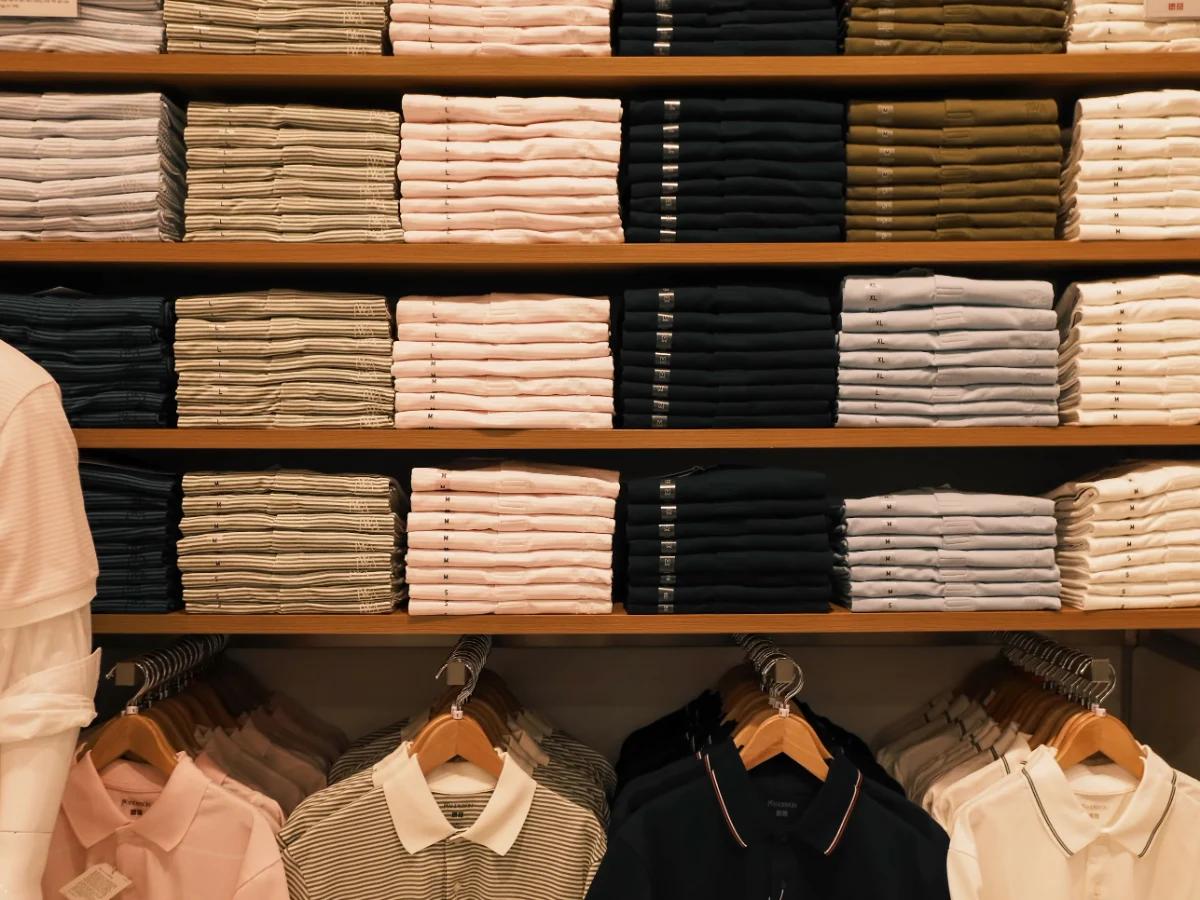
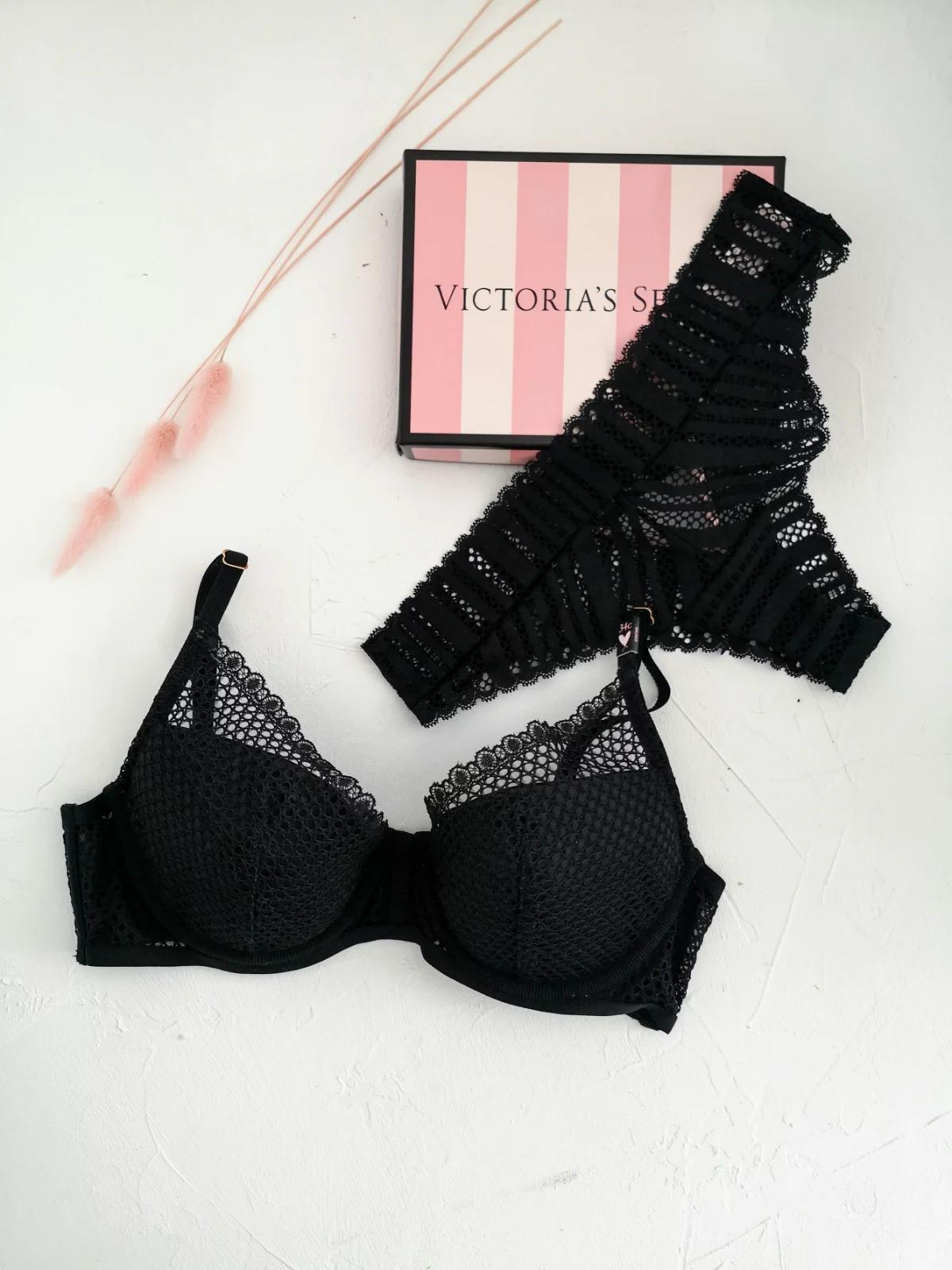
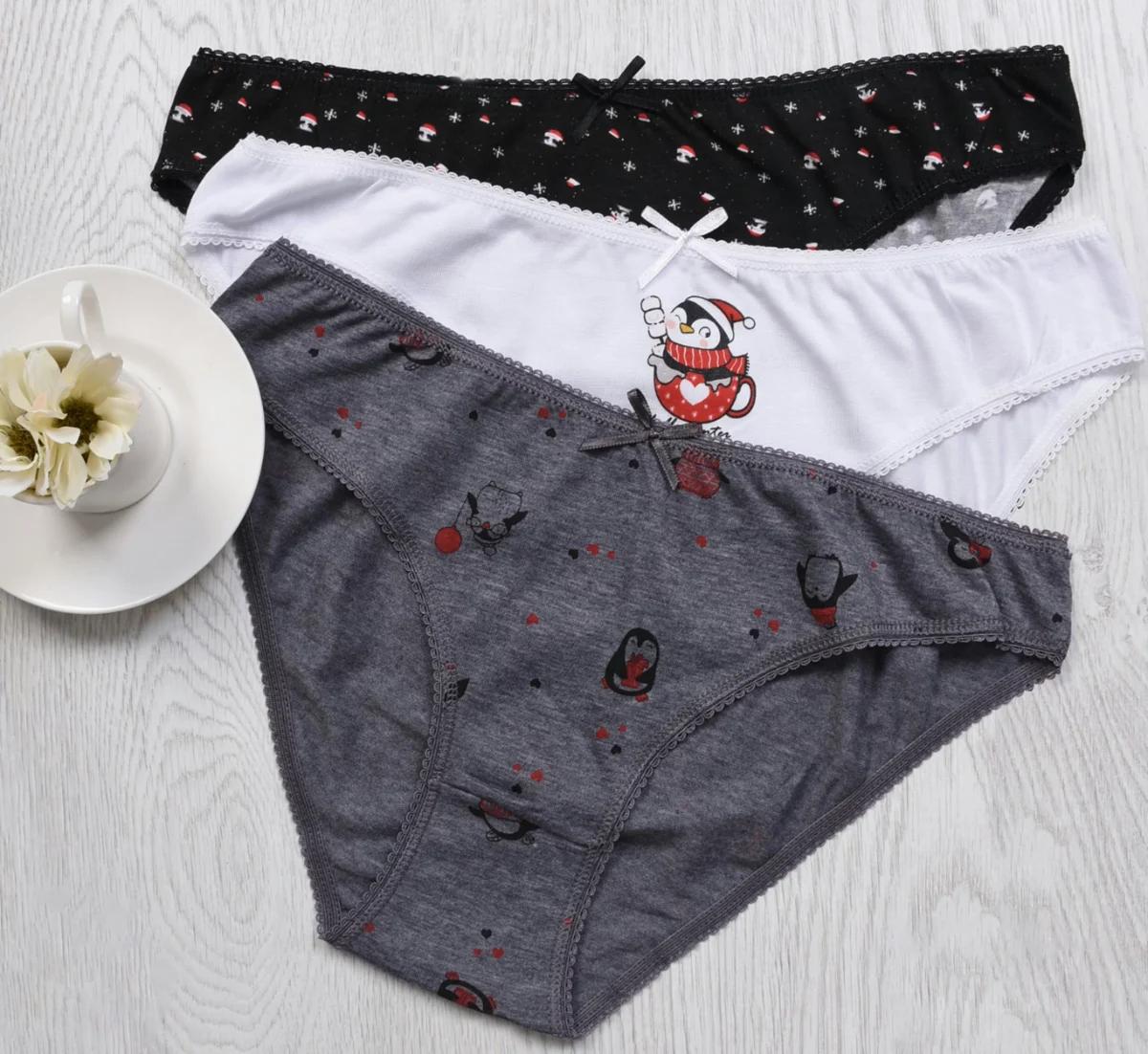
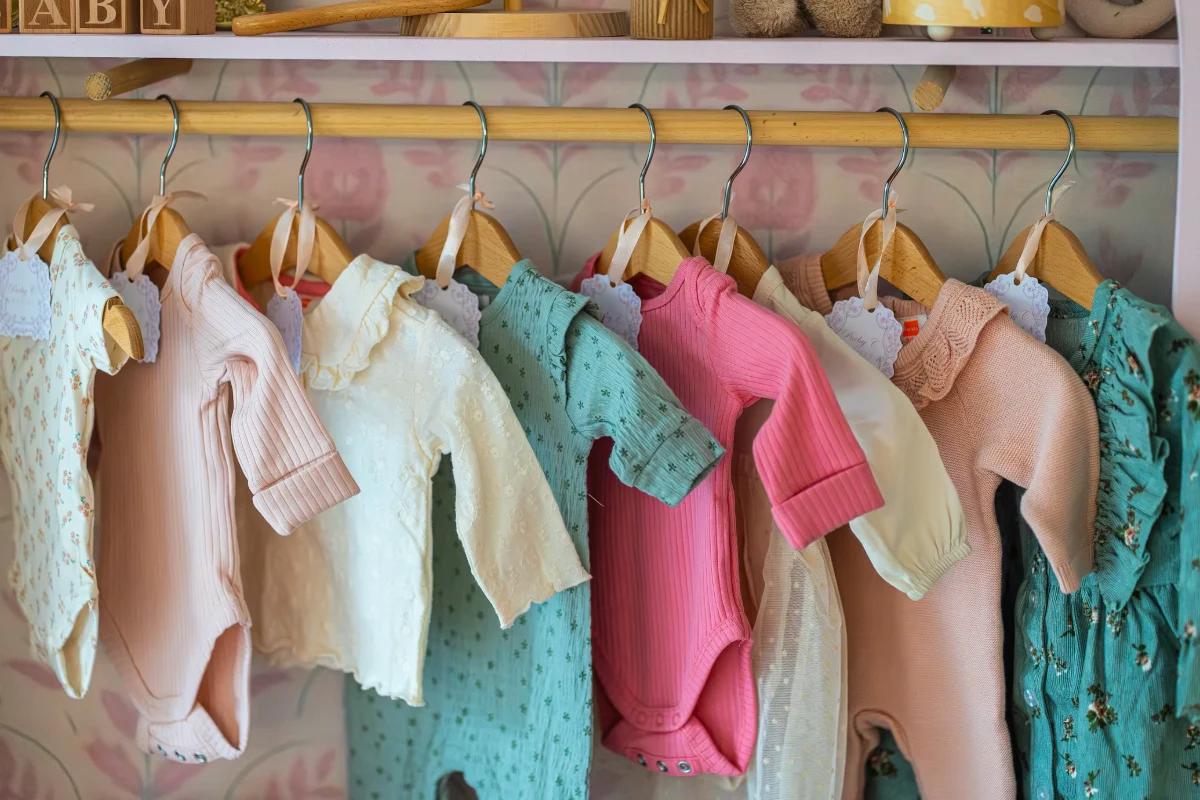
Major Categories: Dresses, tops, blouses, skirts, pants/jeans, outerwear (coats, jackets), suits and blazers, activewear, swimwear, and maternity wear. The global women''s apparel market exceeds $900 billion, making it the largest segment of the fashion industry.
Market Dynamics: Fast fashion (Zara, H&M, Shein), premium contemporary, luxury, and sustainable/ethical fashion segments compete across diverse price points and consumer values. E-commerce, social commerce, and DTC brands are transforming distribution channels.
Industry Dynamics: The women's clothing sector is characterized by continuous innovation, evolving consumer demands, and increasing emphasis on sustainability. Companies that invest in technology, quality systems, and supply chain resilience are best positioned for long-term success in competitive global markets.
The women's clothing industry is shaped by several critical factors that determine competitive success — from raw material quality and manufacturing technology to regulatory compliance and market positioning.
1. Trend Responsiveness: Women''s fashion cycles are short (4-8 weeks for fast fashion) — speed-to-market, trend forecasting, and flexible supply chains are critical competitive advantages.
2. Fit & Sizing: Women''s sizing is notoriously inconsistent across brands — inclusive sizing (00-40+), petite and tall ranges, and accurate fit are major differentiators.
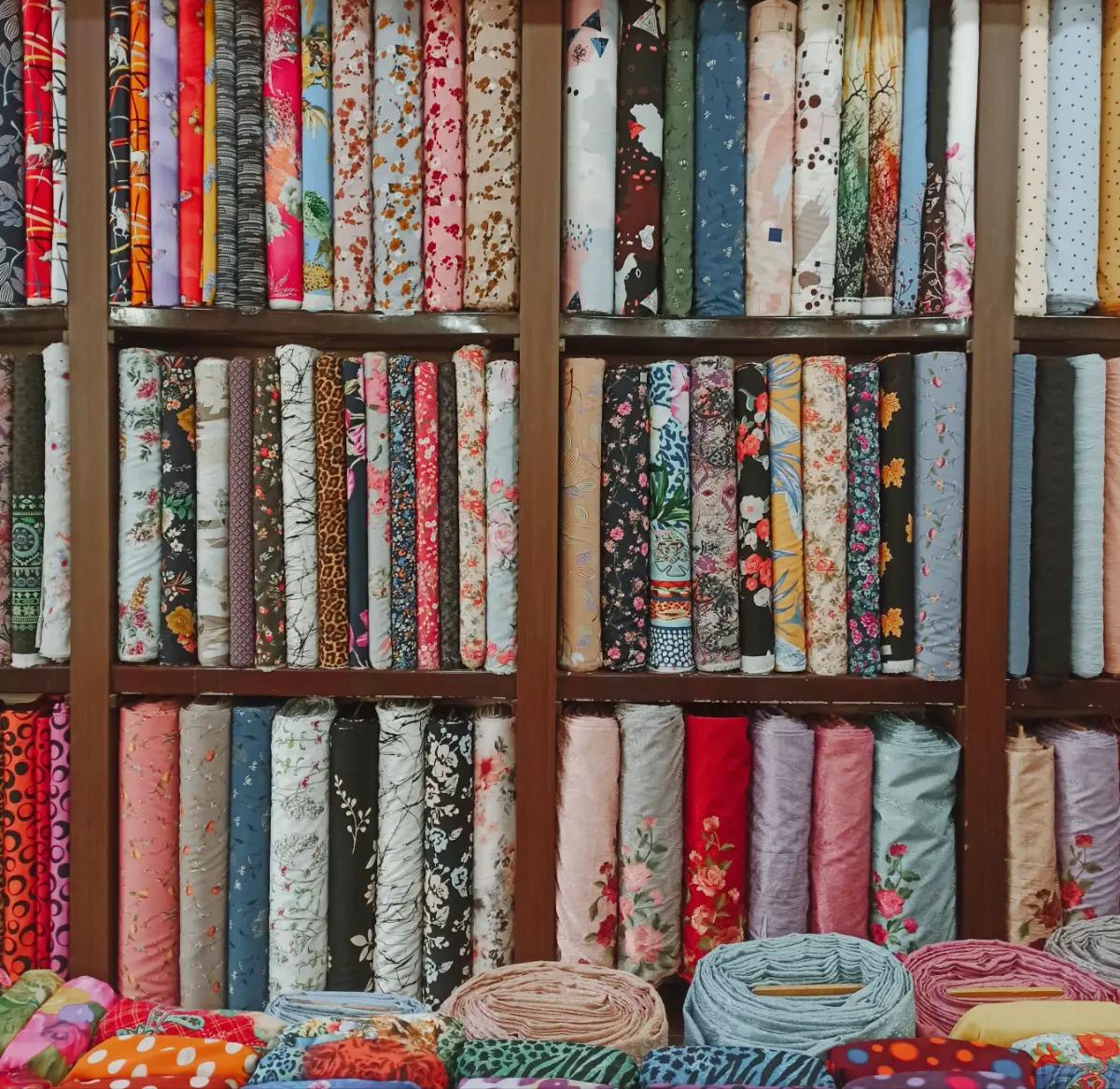
3. Fabric Innovation: Sustainable materials (TENCEL, recycled polyester, organic cotton), performance fabrics (4-way stretch, moisture-wicking), and innovative textures (3D knitting, laser-cut details).
4. Sustainability: The women''s fashion industry is under intense scrutiny — water usage, chemical management (ZDHC), circular design, rental/resale models, and supply chain transparency are critical issues.
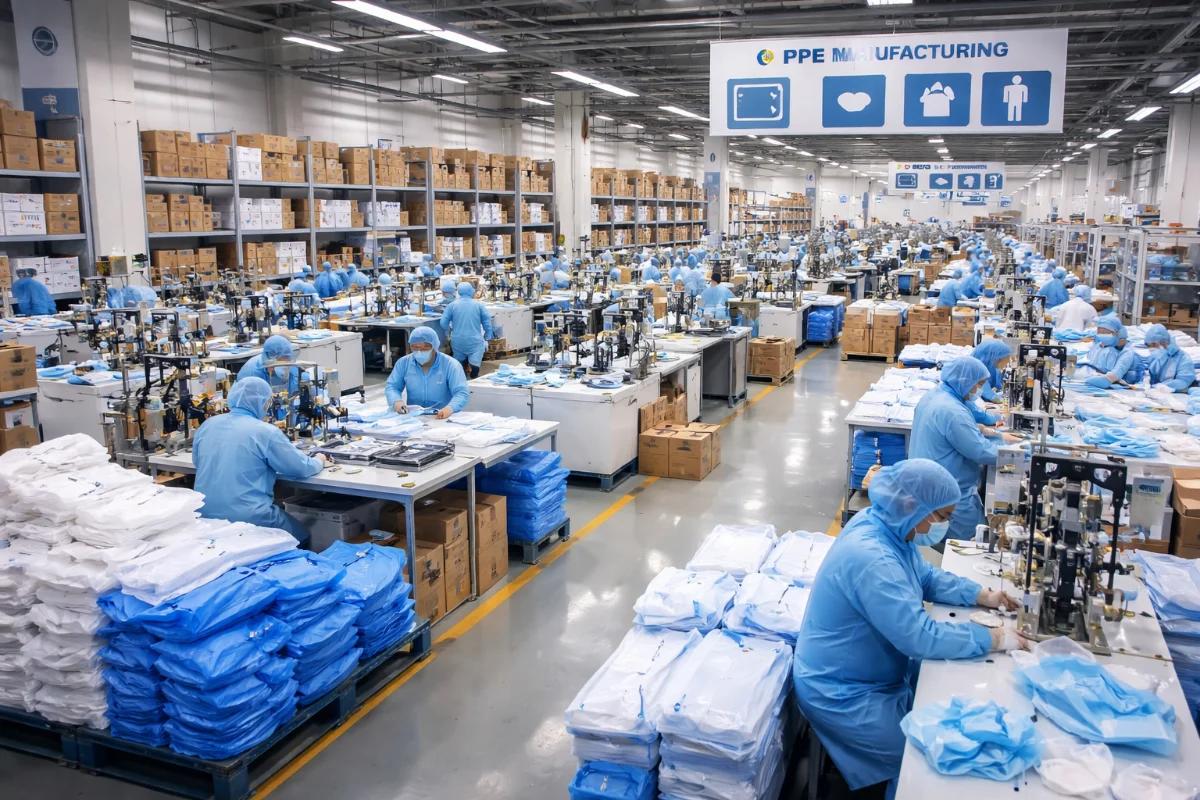
Quality Standards: Leading companies in the women's clothing sector typically hold ISO 9001 certification as a baseline, with many also maintaining industry-specific certifications. Product testing, material traceability, and third-party inspection are essential quality assurance practices. Sustainability certifications are increasingly required by major buyers and regulators worldwide.
Sourcing women's clothing products requires thorough evaluation of supplier capabilities, quality systems, cost structures, and compliance credentials.
1. Trend Alignment: Evaluate the supplier''s design capability and trend responsiveness — can they interpret runway trends for their market segment quickly and accurately?
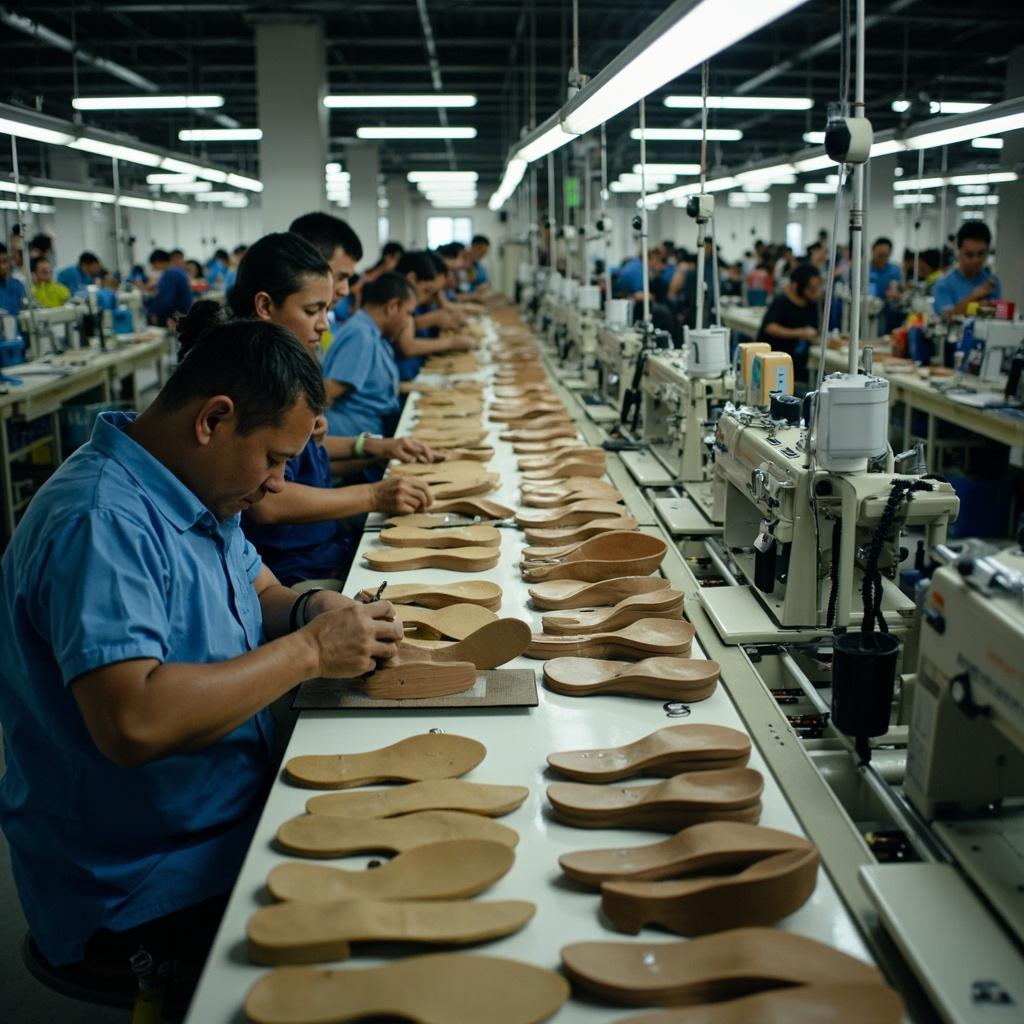
2. Quality & Construction: Assess seam quality, fabric hand-feel, colorfastness, and garment durability after washing. Inconsistent quality is the fastest path to customer dissatisfaction.
3. Size Range & Fit Consistency: Evaluate size charts and grade rules for your target market. Request fit samples across the size range. Inconsistent fit is the #1 reason for returns.
4. Minimum Order Quantities: Understand MOQs by style, color, and size. Fast fashion typically requires low MOQs with rapid replenishment; premium/luxury may have higher MOQs but longer sell-through periods.
5. Sustainability Credentials: Verify certifications (GOTS, OEKO-TEX, BCI, Fair Trade, BSCI/SMETA). Consumers increasingly demand transparency on environmental and social impact.
Key Recommendations: Visit supplier facilities when possible, request and verify third-party certifications, start with trial orders before committing to large volumes, and build relationships with multiple qualified suppliers to reduce concentration risk. Establish clear quality specifications and inspection protocols in purchase agreements.
The global women's clothing industry has a distinctive geographic footprint shaped by raw material access, manufacturing heritage, labor costs, and market proximity.
1. China: World''s largest apparel producer and exporter — Guangdong (fast fashion), Zhejiang (knitwear, e-commerce), Jiangsu (premium wovens).
2. Bangladesh & Vietnam: Major mass-market production hubs — competitive costs, improving compliance.
3. Europe: Italy, France — luxury and premium design leadership (LVMH, Kering, Chanel). Turkey — near-shoring hub for European fast fashion. Portugal and Romania also growing.
4. India: Strengths in cotton apparel, embroidery, and ethnic/fusion wear for global markets.
5. United States: Brand and retail leadership — Nike, Gap, Ralph Lauren, Lululemon — design and marketing headquarters, with global sourcing networks.
Strategic Implications: Successful procurement in the women's clothing industry requires understanding regional specialization and maintaining diversified sourcing strategies that balance cost, quality, lead time, and geopolitical risk. Sustainability certifications and supply chain transparency are increasingly becoming prerequisites for market access in premium segments.