

-36x36h.webp)
-36x36h.webp)
-450x250h.webp)










-150x150h.webp)


































































































The Complete Guide to the Food and Beverage Industry in 2025
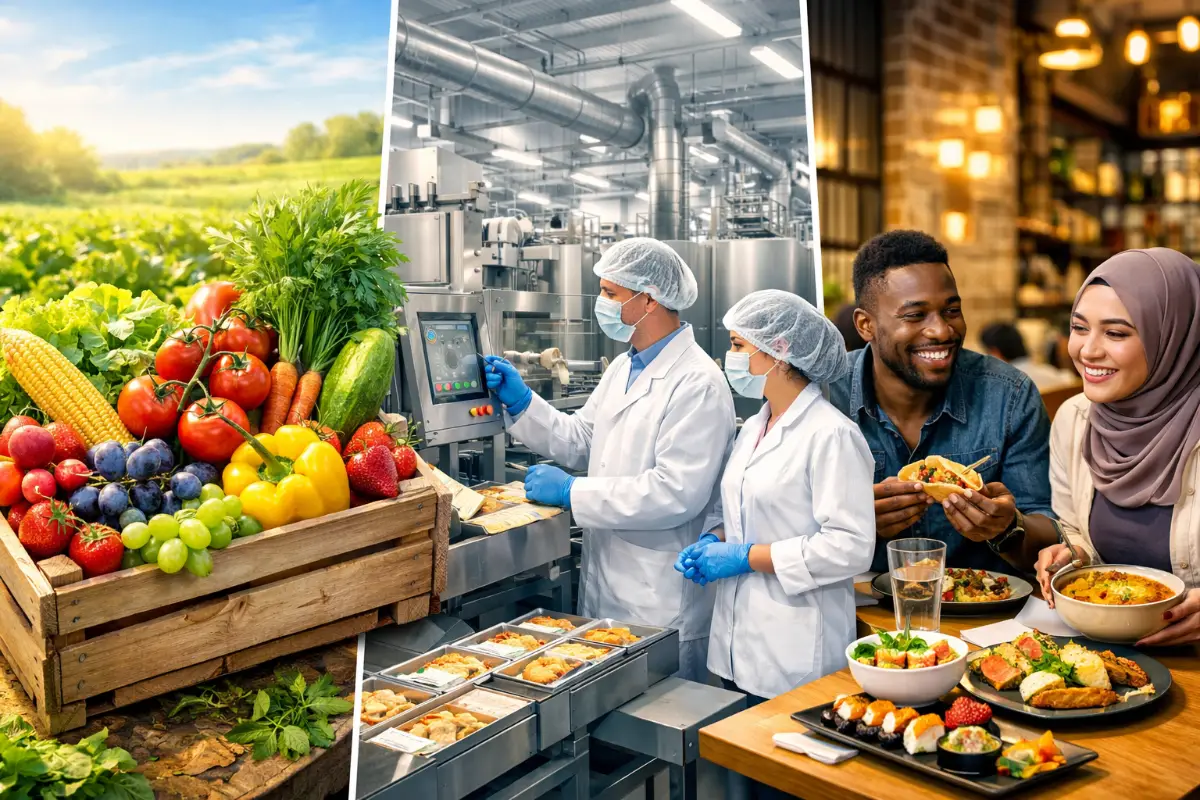
Table of Contents
- What is the Food & Beverage Industry?
- The Staggering Scale of the Global Market
- Key Segments & The Corporate Landscape
- Driving Forces: Consumer Trends Shaping the Industry
- Navigating Critical Industry Challenges
- The Future Outlook: Transformation Ahead
- Verity Rank: Your Bridge of Trust in F&B
What is the Food & Beverage Industry?
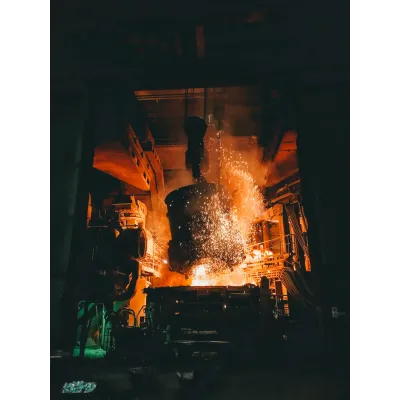
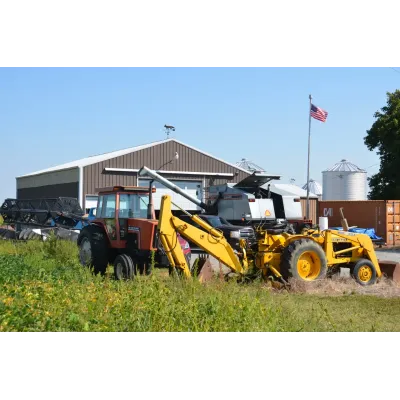
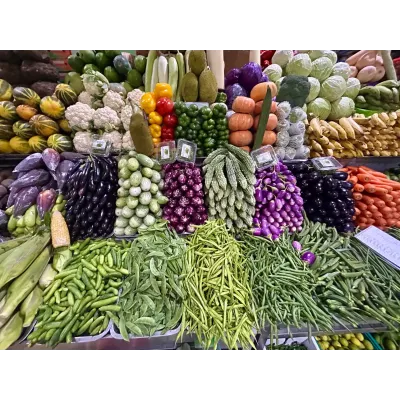
The Food & Beverage (F&B) industry is the complex, global ecosystem that sustains our daily lives. It encompasses the entire journey of sustenance—from the initial cultivation of raw ingredients to the moment a finished product is enjoyed by a consumer. This massive network integrates agricultural production, industrial processing and manufacturing, packaging, intricate distribution logistics, wholesale and retail operations, and the vital foodservice and hospitality sector.
Far from being a simple commodity market, it's a sophisticated, technology-driven sector that responds to and shapes cultural trends, economic policies, and scientific innovation. For professionals, investors, and informed consumers, navigating this landscape requires more than surface-level knowledge; it demands a clear understanding of the interconnected forces and the verifiable credentials of the players within it. The rise of independent verification platforms is a direct response to this complexity, bridging the information gap that exists between corporate claims and operational reality.
The Staggering Scale of the Global Market
The economic magnitude of the F&B industry solidifies its role as a cornerstone of the world economy. Its performance is a key indicator of global health, consumer confidence, and logistical capability.
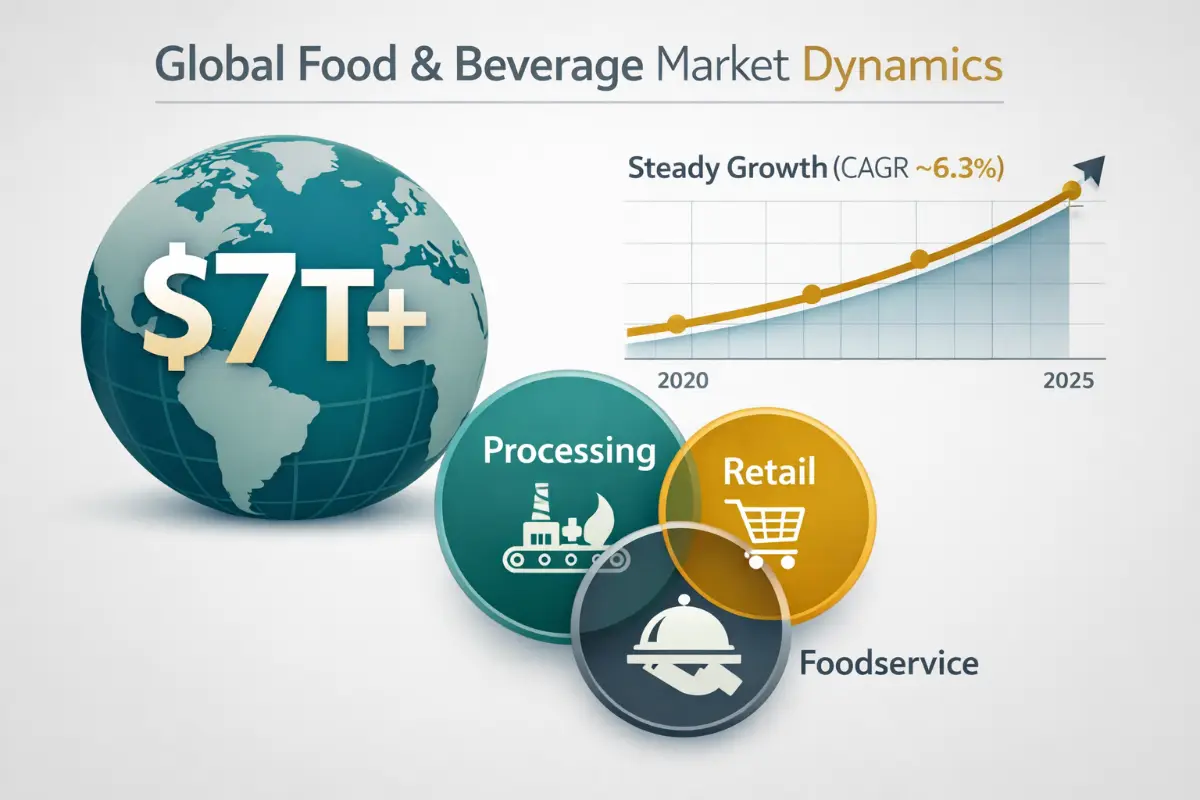
“The global food and beverages market, valued at over $7 trillion, is projected to maintain a steady growth trajectory. This expansion is underpinned by a compound annual growth rate (CAGR) of approximately 6.3%, reflecting both necessity and innovation. Within this, the foodservice segment—encompassing everything from quick-service restaurants to high-end catering—itself represents a multi-trillion dollar sub-sector, highlighting the immense economic activity generated by daily consumption.”
This growth is fueled by non-negotiable demand, population increases, and the rising purchasing power of a global middle class. However, such vast scale brings profound vulnerabilities. Supply chains that stretch across oceans are exposed to geopolitical friction, climate volatility, and public health crises. This environment makes reliable, data-driven intelligence not just useful, but essential for strategic planning, risk mitigation, and sustainable investment within the sector.
Key Segments & The Corporate Landscape
From Raw Commodities to Consumer Experiences
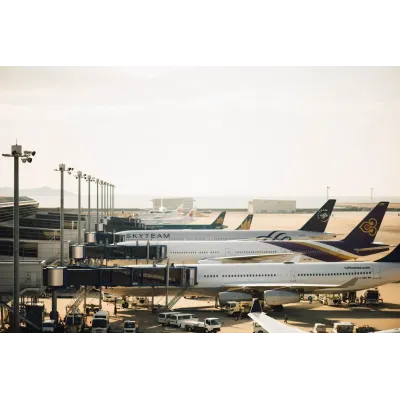
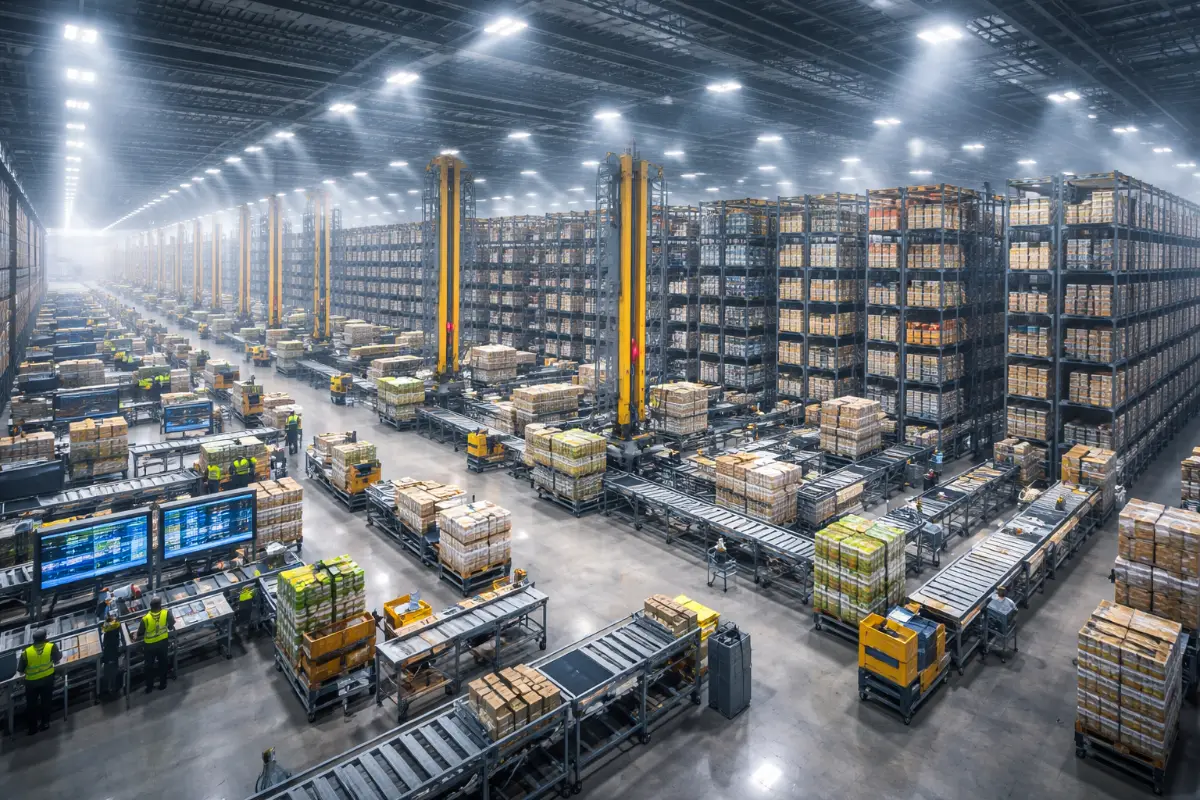
The industry's workflow is segmented into specialized but interdependent layers. Upstream, processing and manufacturing convert agricultural outputs (grains, livestock, produce) into stable, portable ingredients and packaged goods. Midstream, a colossal logistics and distribution network manages warehousing, transportation (including critical cold chains), and wholesale. Downstream, retail (both physical and digital) and foodservice (restaurants, catering, institutions) serve as the final interface with the consumer. Each segment has its own operational models, regulatory frameworks, and competitive dynamics.
A Spectrum of Players in a Trust-Sensitive Market
The corporate landscape is a study in contrast. It is dominated by multinational behemoths like Nestlé, Coca-Cola, and Cargill with immense supply chain leverage. Simultaneously, it thrives on fragmentation—thousands of small-to-medium enterprises, thriving private-label brands, and disruptive startups focused on niche categories like plant-based proteins or functional drinks. This diversity, while driving innovation, creates a significant “trust deficit.” For a business looking to partner with a manufacturer, or an investor evaluating a brand's ethical claims, verifying true capabilities and practices is a major hurdle. This systemic information gap is where value can be lost or found, making due diligence powered by objective data a critical business function.
Driving Forces: Consumer Trends Shaping the Industry
The modern consumer is an empowered force, driving innovation through evolving preferences that blend personal health, social responsibility, and digital convenience. Their choices directly dictate product development and corporate strategy.
Holistic Health & Personalized Nutrition
Consumers are moving beyond basic “low-fat” or “high-protein” labels. They seek functional benefits for gut health, cognitive function, and immune support. The demand for clean labels—short ingredient lists with recognizable components—is paramount. The frontier is moving towards personalized nutrition, where products and services cater to individual genetic profiles, microbiome data, and specific health goals.
Sustainability as a Purchase Driver
Ethical consumption is mainstream. Over 60% of consumers factor in a brand's environmental and social footprint. Key demands include: regenerative agricultural sourcing, plastic-free or circular packaging solutions, radical transparency in supply chains, and concrete actions to reduce food waste. This is not just a preference; it's becoming a license to operate for brands targeting younger, values-driven demographics.
Digital-First Convenience & Experiential Dining
The digital channel is now central. From grocery delivery and meal kits to restaurant discovery and contactless payment, seamless tech integration is expected. Paradoxically, as convenience grows, so does the desire for authentic experiences—culinary exploration, storytelling around food origins, and formats like pop-ups or chef's tables. Technology enables both the hyper-convenient and the deeply experiential.
Navigating Critical Industry Challenges
Operating within this massive, consumer-driven market requires navigating a persistent set of structural and operational headwinds that squeeze margins and test resilience.
- Chronic Labor & Skills Shortages: From production floors to restaurant kitchens, attracting and retaining talent remains a top-tier challenge. This drives up operational costs and accelerates the adoption of robotics, automation, and AI in both front and back-of-house operations.
- Fragile & Inflated Supply Chains: The era of “just-in-time” efficiency has given way to “just-in-case” resilience. Companies are grappling with the need to diversify sourcing, hold more inventory, and invest in supply chain visibility technology, all while managing volatile input costs for energy, ingredients, and freight.
- The Accountability Imperative: “Greenwashing” and vague ethical claims are being called out. Regulators, NGOs, and consumers are demanding auditable proof for statements regarding carbon neutrality, animal welfare, and fair labor. Building verifiable trust is now a complex operational discipline, not just a communications task.
The Future Outlook: Transformation Ahead
The trajectory of the F&B industry points toward a more intelligent, transparent, and personalized future. Artificial Intelligence will revolutionize everything from predictive agriculture and dynamic pricing to hyper-efficient route planning and personalized flavor development. Blockchain and IoT sensors will provide immutable, real-time provenance data, turning “farm-to-fork” from a slogan into a verifiable digital record. The circular economy will be operationalized through advanced packaging technologies and upcycled ingredient streams. In this future, success will be predicated on a company's ability to not only make claims but to prove them in real-time. The most valuable brands will be those whose operational integrity is as robust as their marketing, building unshakeable trust in a transparent marketplace.
Verity Rank: Your Bridge of Trust in the Global F&B Landscape
In a sector where complexity can obscure truth, Verity Rank serves as the essential platform for clarity and confidence. We are the world's first panoramic, verifiable, and dynamic real-time authority on brands and manufacturers. We transform opaque claims into transparent, data-driven assessments.
For the supply chain professional assessing a new vendor's true compliance history, for the investment analyst evaluating the materiality of a company's ESG risks, or for the retail buyer seeking to build a category of credibly sustainable products, Verity Rank delivers the objective intelligence needed to make decisions with conviction. We move beyond self-reported brochures to provide a living, multi-dimensional view of operational reality.
Navigate with Confidence
The future of food and beverage belongs to the transparent and the trustworthy. Discover how Verity Rank's independent verification and dynamic insights can de-risk your partnerships, validate your investments, and strengthen your brand.
Contact Verity Rank Today
Leave a Comment