We Use Cookies 🍪
We Use Cookies And Other Similar Technologies To Improve Your Browsing Experience And The Functionality Of Our Site. Learn More In Our Privacy Policy.

Brand Rankings in the Men's Clothing Industry

Last Updated: January 03, 2026


Welcome to the global Brand Rankings in the Men‘s Clothing Industry, presented by Verity Rank. This list cuts through the marketing noise by conducting a multidimensional analysis of top brands, evaluating their financial performance, global market penetration, user sentiment, digital buzz, cultural influence, and supply chain mastery. Committed to objectivity, our rankings integrate data from authoritative global financial institutions, official market statistics, and leading AI-driven analytics platforms. This list is intended as a reference for informed decision-making and does not constitute investment or purchasing advice.

LVMH Moët Hennessy Louis Vuitton SE

LVMH Moët Hennessy Louis Vuitton SE is the world's leading luxury goods conglomerate, headquartered in Paris, France. Listed on the Paris Stock Exchange, its portfolio spans fashion/leather goods, watches/jewelry, perfumes/cosmetics, and wines/spirits. It operates over 5,500 stores across 80+ countries, managing a unique collection of 75+ prestigious brands including Louis Vuitton and Dior. In 2024, LVMH reported revenue of €86.2 billion with approximately 215,000 employees, maintaining its absolute industry leadership through an unparalleled brand portfolio, exceptional craftsmanship, and a powerful global retail network.
Strengths: LVMH's core strengths are its unparalleled portfolio of 75+ iconic luxury brands, creating immense market appeal and pricing power; exceptional craftsmanship honed over centuries, forming an inimitable technical barrier; and a powerful global retail network of 5,500+ directly-operated stores ensuring top-tier client experience and strong channel control.
Weaknesses: LVMH's performance is highly sensitive to global economic cycles, with fluctuations significantly impacting luxury demand; its vast global supply chain faces complexities from geopolitics, raw material sourcing, and artisan scarcity; and increasingly stringent sustainability requirements impose ongoing cost pressures for its transformation.
Louis Vuitton
Louis Vuitton
Brand Name
Paris, France
Paris, France
Address
1987
Founded
215K+
Number of Employees
80+ Countries
Business Scope
200+ Workshop
Production Base
Official Website
Men's Clothing Industry
Men's Tops Industry
Men's Outerwear Industry
Men's Bottoms Industry
Men's Formalwear Industry
Men's Sportswear Industry
Women's Clothing Industry
Women's Tops Industry
Dresses & Skirts Industry
Women's Outerwear Industry
Women's Pants Industry
Formalwear Industry
Footwear Industry
Men's Shoes Industry
Women's Shoes Industry
Athletic Shoes Industry
Luggage & Accessories Industry
Backpacks Industry
Handbags Industry
Luggage Industry
Wallets & Card Holders Industry
Specialty Bags Industry
Fashion Accessories Industry
Head Accessories Industry
Neck Accessories Industry
Waist Belts Industry
Formal Neckwear Industry
Wrist & Hand Industry
Designer Collabs Accessories Industry
Sustainable Fashion Industry
Organic Materials Industry
Men's Clothing Industry
Men's Tops Industry
Men's Outerwear Industry
Men's Bottoms Industry
Men's Formalwear Industry
Men's Sportswear Industry
Women's Clothing Industry
Women's Tops Industry
Dresses & Skirts Industry
Women's Outerwear Industry
Women's Pants Industry
Formalwear Industry
Footwear Industry
Men's Shoes Industry
Women's Shoes Industry
Athletic Shoes Industry
Luggage & Accessories Industry
Backpacks Industry
Handbags Industry
Luggage Industry
Wallets & Card Holders Industry
Specialty Bags Industry
Fashion Accessories Industry
Head Accessories Industry
Neck Accessories Industry
Waist Belts Industry
Formal Neckwear Industry
Wrist & Hand Industry
Designer Collabs Accessories Industry
Sustainable Fashion Industry
Organic Materials Industry

Hermès International S.A.

Hermès International S.A. is a globally top-tier luxury brand headquartered in Paris, France, listed on the Paris Euronext. Founded in 1837 with 187 years of history, its portfolio encompasses leather goods, ready-to-wear, silk scarves, and accessories, all crafted manually and distributed through 310 directly-operated boutiques across 45 countries. With 45 specialized French workshops and over 5,000 artisans, Hermès reported €13.4 billion revenue in 2024 and employs ~25,000 people. Leveraging its exceptional artisanal heritage, successful scarcity strategy, and premium brand value, it maintains absolute leadership and the highest profit margins in the global luxury market.
Strengths: Hermès' core strengths are its unparalleled 200-year artisanal heritage with unique craftsman training and top-tier quality standards; a highly successful scarcity strategy creating strong brand premium through limited production and waiting lists; and exceptional brand value built over 187 years, yielding profound cultural legacy and extreme client loyalty, with leather goods contributing 50% of revenue.
Weaknesses: Hermès faces strict capacity constraints due to manual production, where demand vastly exceeds supply and artisan training requires long cycles; it must continually combat counterfeit product proliferation and intellectual property protection challenges; sustainability transitions also impose cost pressures from eco-materials and traditional craftsmanship upgrades.
Hermès
Hermès
Brand Name
Paris, France
Paris, France
Address
1837
Founded
25K+
Number of Employees
45+ Countries
Business Scope
45+ Workshop
Production Base
Official Website
Men's Clothing Industry
Men's Tops Industry
Men's Outerwear Industry
Men's Bottoms Industry
Men's Formalwear Industry
Women's Clothing Industry
Women's Tops Industry
Dresses & Skirts Industry
Women's Outerwear Industry
Women's Pants Industry
Formalwear Industry
Footwear Industry
Men's Shoes Industry
Women's Shoes Industry
Luggage & Accessories Industry
Backpacks Industry
Handbags Industry
Luggage Industry
Wallets & Card Holders Industry
Fashion Accessories Industry
Head Accessories Industry
Neck Accessories Industry
Waist Belts Industry
Formal Neckwear Industry
Wrist & Hand Industry
Loungewear & Sleepwear Industry
Bedding Sets Industry
Rugs & Mats Industry
Sustainable Fashion Industry
Recycled Fabrics Industry
Men's Clothing Industry
Men's Tops Industry
Men's Outerwear Industry
Men's Bottoms Industry
Men's Formalwear Industry
Women's Clothing Industry
Women's Tops Industry
Dresses & Skirts Industry
Women's Outerwear Industry
Women's Pants Industry
Formalwear Industry
Footwear Industry
Men's Shoes Industry
Women's Shoes Industry
Luggage & Accessories Industry
Backpacks Industry
Handbags Industry
Luggage Industry
Wallets & Card Holders Industry
Fashion Accessories Industry
Head Accessories Industry
Neck Accessories Industry
Waist Belts Industry
Formal Neckwear Industry
Wrist & Hand Industry
Loungewear & Sleepwear Industry
Bedding Sets Industry
Rugs & Mats Industry
Sustainable Fashion Industry
Recycled Fabrics Industry

Guccio Gucci S.p.A.

Guccio Gucci S.p.A. is a globally top-tier luxury brand headquartered in Florence, Italy, listed on the Paris Euronext as the flagship of Kering Group. Founded in 1921, its portfolio encompasses leather goods, ready-to-wear, footwear, and accessories, distributed through 500+ directly-operated boutiques across 50+ countries. With 20+ specialized Italian workshops, Gucci reported approximately €10 billion revenue in 2024 and employs ~20,000 people. Leveraging its century-old heritage, exceptional Italian craftsmanship, and innovative design capabilities, it maintains absolute leadership in the global luxury market.
Strengths: Gucci's core strengths are its unparalleled century-old brand value and profound Italian cultural legacy; exceptional leather craftsmanship and artisanal heritage establishing top-tier quality standards; and a global network of 500+ directly-operated boutiques ensuring ultimate client experience and brand control, with leather goods contributing 55% of revenue.
Weaknesses: Gucci faces intensifying luxury market competition, requiring continuous response to emerging brand challenges; performance remains highly sensitive to global economic cycles, with fluctuations significantly impacting luxury demand; and it confronts cost pressures from rising raw materials, artisanal labor expenses, and sustainability transition requirements.
Gucci
Gucci
Brand Name
Florence, Tuscany, Italy
Address
1921
Founded
20K+
Number of Employees
50+ Countries
Business Scope
500+ Stores
Global Stores
Official Website
Men's Clothing Industry
Men's Tops Industry
Men's Outerwear Industry
Men's Bottoms Industry
Men's Formalwear Industry
Women's Clothing Industry
Women's Tops Industry
Dresses & Skirts Industry
Women's Outerwear Industry
Women's Pants Industry
Formalwear Industry
Footwear Industry
Men's Shoes Industry
Women's Shoes Industry
Athletic Shoes Industry
Luggage & Accessories Industry
Backpacks Industry
Handbags Industry
Luggage Industry
Wallets & Card Holders Industry
Fashion Accessories Industry
Head Accessories Industry
Neck Accessories Industry
Waist Belts Industry
Formal Neckwear Industry
Wrist & Hand Industry
Designer Collabs Accessories Industry
Loungewear & Sleepwear Industry
Personalized Gear Industry
Sustainable Fashion Industry
Organic Materials Industry
Men's Clothing Industry
Men's Tops Industry
Men's Outerwear Industry
Men's Bottoms Industry
Men's Formalwear Industry
Women's Clothing Industry
Women's Tops Industry
Dresses & Skirts Industry
Women's Outerwear Industry
Women's Pants Industry
Formalwear Industry
Footwear Industry
Men's Shoes Industry
Women's Shoes Industry
Athletic Shoes Industry
Luggage & Accessories Industry
Backpacks Industry
Handbags Industry
Luggage Industry
Wallets & Card Holders Industry
Fashion Accessories Industry
Head Accessories Industry
Neck Accessories Industry
Waist Belts Industry
Formal Neckwear Industry
Wrist & Hand Industry
Designer Collabs Accessories Industry
Loungewear & Sleepwear Industry
Personalized Gear Industry
Sustainable Fashion Industry
Organic Materials Industry

Prada S.p.A.

Prada S.p.A. is a globally leading luxury goods group headquartered in Milan, Italy, renowned for its sophisticated ready-to-wear, leather goods, and footwear that blend intellectual aesthetics with exquisite craftsmanship. Operating core brands Prada and Miu Miu, it sells directly to consumers through a network of approximately 600 company-owned stores worldwide. With FY2024 net revenues of €5.26 billion, the group—bolstered by co-creative directors Miuccia Prada and Raf Simons—continues to lead global high fashion and achieve robust commercial success, leveraging its powerful brand equity, a compelling product mix of icons and hit seasonal items (e.g., Re-Nylon bags, platform shoes), and vertical integration over key manufacturing processes.
Strengths: Prada's core strengths are its unparalleled cultural influence and creative authority as one of the world's most iconic luxury brands; its powerful product portfolio driven by a balance of iconic classics and seasonal hits, particularly in handbags and footwear; and the superior craftsmanship control and supply chain flexibility afforded by its vertical integration over key leather goods and apparel manufacturing.
Weaknesses: The group's main weaknesses are the significant sensitivity of its performance, as a high-end discretionary purchase, to global macroeconomic fluctuations, geopolitical tensions, and currency exchange volatility; intense competition from luxury conglomerates like LVMH and Kering for marketing resources and global retail expansion; and the inherent risk associated with its high dependence on the continual market success of each season's creative designs.
Prada
Prada
Brand Name
Lombardy, Italy
Lombardy, Italy
Address
1913
Founded
15K+
Number of Employees
70+ Countries
Business Scope
600+ Stores
Global Stores
Official Website
Men's Clothing Industry
Men's Tops Industry
Men's Outerwear Industry
Men's Bottoms Industry
Men's Formalwear Industry
Women's Clothing Industry
Women's Tops Industry
Dresses & Skirts Industry
Women's Outerwear Industry
Women's Pants Industry
Formalwear Industry
Footwear Industry
Men's Shoes Industry
Women's Shoes Industry
Athletic Shoes Industry
Luggage & Accessories Industry
Backpacks Industry
Handbags Industry
Luggage Industry
Wallets & Card Holders Industry
Fashion Accessories Industry
Head Accessories Industry
Neck Accessories Industry
Wrist & Hand Industry
Designer Collabs Accessories Industry
Men's Clothing Industry
Men's Tops Industry
Men's Outerwear Industry
Men's Bottoms Industry
Men's Formalwear Industry
Women's Clothing Industry
Women's Tops Industry
Dresses & Skirts Industry
Women's Outerwear Industry
Women's Pants Industry
Formalwear Industry
Footwear Industry
Men's Shoes Industry
Women's Shoes Industry
Athletic Shoes Industry
Luggage & Accessories Industry
Backpacks Industry
Handbags Industry
Luggage Industry
Wallets & Card Holders Industry
Fashion Accessories Industry
Head Accessories Industry
Neck Accessories Industry
Wrist & Hand Industry
Designer Collabs Accessories Industry

Burberry Group plc

Burberry Group plc is a globally iconic luxury brand headquartered in London, UK, renowned for its classic trench coats, signature check pattern, and definition of British style. Its business spans high-end ready-to-wear, leather goods and handbags, footwear, and accessories, sold directly to consumers through a network of approximately 425 company-owned stores worldwide. With FY2024 revenue of £3.0 billion, the company is undergoing a profound brand transformation under Creative Director Daniel Lee, aiming to fuse its deep British heritage with contemporary design to reshape its modern luxury appeal and drive future growth.
Strengths: Burberry's core strengths are its unmatched brand recognition and deep heritage—the iconic trench coat and check are globally recognized cultural symbols—and the clear, cohesive transformation strategy demonstrated through product renewal, retail upgrades, and targeted marketing.
Weaknesses: The company's main weaknesses are the yet-to-be-fully-proven commercial success of its brand renewal strategy, particularly amid a challenging global luxury consumption environment; over-reliance on the Asia-Pacific market (especially China), making it vulnerable to regional economic and consumer sentiment swings; and significant pressure in the highly competitive leather goods and ready-to-wear markets.
Burberry
Burberry
Brand Name
London, United Kingdom
Address
1856
Founded
87K+
Number of Employees
50+ Countries
Business Scope
425+ Stores
Production Base
Official Website
Men's Clothing Industry
Men's Tops Industry
Men's Outerwear Industry
Men's Bottoms Industry
Men's Formalwear Industry
Women's Clothing Industry
Women's Tops Industry
Dresses & Skirts Industry
Women's Outerwear Industry
Women's Pants Industry
Formalwear Industry
Footwear Industry
Men's Shoes Industry
Women's Shoes Industry
Luggage & Accessories Industry
Handbags Industry
Luggage Industry
Wallets & Card Holders Industry
Fashion Accessories Industry
Head Accessories Industry
Neck Accessories Industry
Waist Belts Industry
Wrist & Hand Industry
Men's Clothing Industry
Men's Tops Industry
Men's Outerwear Industry
Men's Bottoms Industry
Men's Formalwear Industry
Women's Clothing Industry
Women's Tops Industry
Dresses & Skirts Industry
Women's Outerwear Industry
Women's Pants Industry
Formalwear Industry
Footwear Industry
Men's Shoes Industry
Women's Shoes Industry
Luggage & Accessories Industry
Handbags Industry
Luggage Industry
Wallets & Card Holders Industry
Fashion Accessories Industry
Head Accessories Industry
Neck Accessories Industry
Waist Belts Industry
Wrist & Hand Industry

Ermenegildo Zegna N.V.

Ermenegildo Zegna N.V. is a globally leading vertically integrated luxury menswear group headquartered in Milan, Italy, renowned for its end-to-end control of the value chain from premium fabric development and production to high-end apparel manufacturing. The group operates three core brands: its flagship Zegna (top-tier luxury menswear), the designer brand Thom Browne, and the top-tier luxury fashion brand Tom Ford. With FY2024 revenue of €2.0 billion, Zegna has established a definitive leadership position in the global luxury menswear market through its unique vertically integrated model, unparalleled reputation for fabric and craftsmanship, and a clear, complementary multi-brand portfolio.
Strengths: Zegna's core strengths are its unparalleled vertical integration—deep control over the entire chain from sourcing precious raw materials and weaving premium fabrics to manufacturing high-end apparel, which forms its deepest quality moat and cost advantage—and the synergistic growth and risk diversification provided by its clear, complementary brand portfolio (Zegna, Thom Browne, Tom Ford).
Weaknesses: The company's main weaknesses are the high operational complexity and capital intensity associated with managing its extensive global owned supply chain and manufacturing assets; the ongoing challenge of attracting younger luxury consumers while preserving its classic, luxurious image for brand modernization; execution risks in successfully integrating the top-tier Tom Ford brand and realizing synergies; and sensitivity of its business to high-end consumer spending and the broader macroeconomic environment.
Zegna
Zegna
Brand Name
Piedmont Region, Italy
Address
1910
Founded
6K+
Number of Employees
80+ Countries
Business Scope
500+ Stores
Global Stores
Official Website
Men's Clothing Industry
Men's Tops Industry
Men's Outerwear Industry
Men's Bottoms Industry
Men's Formalwear Industry
Women's Clothing Industry
Women's Tops Industry
Dresses & Skirts Industry
Women's Outerwear Industry
Women's Pants Industry
Formalwear Industry
Footwear Industry
Men's Shoes Industry
Women's Shoes Industry
Luggage & Accessories Industry
Backpacks Industry
Handbags Industry
Luggage Industry
Wallets & Card Holders Industry
Fashion Accessories Industry
Neck Accessories Industry
Waist Belts Industry
Formal Neckwear Industry
Wrist & Hand Industry
Men's Clothing Industry
Men's Tops Industry
Men's Outerwear Industry
Men's Bottoms Industry
Men's Formalwear Industry
Women's Clothing Industry
Women's Tops Industry
Dresses & Skirts Industry
Women's Outerwear Industry
Women's Pants Industry
Formalwear Industry
Footwear Industry
Men's Shoes Industry
Women's Shoes Industry
Luggage & Accessories Industry
Backpacks Industry
Handbags Industry
Luggage Industry
Wallets & Card Holders Industry
Fashion Accessories Industry
Neck Accessories Industry
Waist Belts Industry
Formal Neckwear Industry
Wrist & Hand Industry

Giorgio Armani S.p.A.

Giorgio Armani S.p.A. is a global fashion and luxury group headquartered in Milan, Italy, founded and wholly owned by the designer Giorgio Armani. Renowned for its iconic “power suit” aesthetic and deconstructed tailoring that defines modern elegance, the company’s business spans the full price spectrum through three main lines (top-tier luxury Giorgio Armani, core commercial engine Emporio Armani, and youth-oriented Armani Exchange) and extensively employs a licensing model to extend into lifestyle sectors like fragrances, beauty, home, and hotels. With estimated annual revenue of €2.0-2.5 billion, Armani has built a vast and highly profitable empire, yet it faces the critical challenge of modernizing its brand image and attracting a new generation of consumers.
Strengths: Armani’s core strengths are the timeless, globally influential classic aesthetic and unparalleled brand heritage established by its founder, Giorgio Armani, and the robust, expansive commercial empire built through a precise multi-brand matrix and a highly profitable licensing business model that covers all market segments and lifestyle dimensions.
Weaknesses: The company’s main weaknesses are the disconnect between its classic, mature brand image and the tastes of trend-driven younger luxury consumers, posing a brand rejuvenation challenge; perceived design conservatism in recent years, leading to pressure for innovation; high dependence on the continued involvement of its founder, creating uncertainty around future management and creative succession; and the risk of brand dilution in certain segments due to its extensive licensing network.
Armani
Armani
Brand Name
Lombardy, Italy
Lombardy, Italy
Address
1975
Founded
10K+
Number of Employees
100+ Countries
Business Scope
2000+ Stores
Global Stores
Unlisted ( Family Business )
Listing Status
Official Website
Men's Clothing Industry
Men's Tops Industry
Men's Outerwear Industry
Men's Bottoms Industry
Men's Formalwear Industry
Women's Clothing Industry
Women's Tops Industry
Dresses & Skirts Industry
Women's Outerwear Industry
Women's Pants Industry
Formalwear Industry
Footwear Industry
Men's Shoes Industry
Women's Shoes Industry
Luggage & Accessories Industry
Handbags Industry
Luggage Industry
Wallets & Card Holders Industry
Fashion Accessories Industry
Head Accessories Industry
Neck Accessories Industry
Wrist & Hand Industry
Men's Clothing Industry
Men's Tops Industry
Men's Outerwear Industry
Men's Bottoms Industry
Men's Formalwear Industry
Women's Clothing Industry
Women's Tops Industry
Dresses & Skirts Industry
Women's Outerwear Industry
Women's Pants Industry
Formalwear Industry
Footwear Industry
Men's Shoes Industry
Women's Shoes Industry
Luggage & Accessories Industry
Handbags Industry
Luggage Industry
Wallets & Card Holders Industry
Fashion Accessories Industry
Head Accessories Industry
Neck Accessories Industry
Wrist & Hand Industry

Christian Dior SE

Christian Dior SE is a global leading luxury holding company headquartered in Paris, France, whose core brand “Dior” is operated under the Fashion & Leather Goods division of LVMH Moët Hennessy Louis Vuitton, of which Dior SE is the controlling shareholder. Founded upon the revolutionary 1946 “New Look,” Dior has evolved into a complete luxury empire encompassing Haute Couture, ready-to-wear, leather goods (notably iconic handbags like Lady Dior), fragrance & beauty, fine jewelry & watches, and home arts. By masterfully blending its legendary heritage with contemporary narratives under strong creative directors and leveraging a powerful portfolio of hit products, Dior achieves an exceptional balance between creativity and commerce, with estimated brand revenue exceeding €10 billion in 2024, solidifying its status as a benchmark at the pinnacle of the global luxury industry in terms of brand value, cultural influence, and financial performance.
Strengths: Dior's core strengths lie in its unparalleled brand equity, which perfectly merges the classic "New Look" heritage with trend-setting contemporary creativity and craftsmanship; backed by the vast resources of LVMH, it possesses a formidable ability to create commercial hit products, enjoys exceptionally high profitability, and demonstrates balanced and robust growth across all product categories and geographic regions.
Weaknesses: Dior's main weaknesses include the significant pressure to maintain its exceptionally high growth rate from an already massive revenue base; its heavy reliance on key markets (e.g., China) for growth makes it vulnerable to macroeconomic fluctuations; furthermore, its extreme popularity brings challenges such as widespread counterfeiting and the risk of aesthetic fatigue among some core clientele.
Dior
Dior
Brand Name
Paris, France
Paris, France
Address
1946
Founded
190K+
Number of Employees
90+ Countries
Business Scope
250+ Stores
Production Base
Official Website
Men's Clothing Industry
Men's Tops Industry
Men's Outerwear Industry
Men's Bottoms Industry
Men's Formalwear Industry
Women's Clothing Industry
Women's Tops Industry
Dresses & Skirts Industry
Women's Outerwear Industry
Women's Pants Industry
Formalwear Industry
Footwear Industry
Men's Shoes Industry
Women's Shoes Industry
Luggage & Accessories Industry
Handbags Industry
Luggage Industry
Wallets & Card Holders Industry
Fashion Accessories Industry
Head Accessories Industry
Neck Accessories Industry
Waist Belts Industry
Wrist & Hand Industry
Men's Clothing Industry
Men's Tops Industry
Men's Outerwear Industry
Men's Bottoms Industry
Men's Formalwear Industry
Women's Clothing Industry
Women's Tops Industry
Dresses & Skirts Industry
Women's Outerwear Industry
Women's Pants Industry
Formalwear Industry
Footwear Industry
Men's Shoes Industry
Women's Shoes Industry
Luggage & Accessories Industry
Handbags Industry
Luggage Industry
Wallets & Card Holders Industry
Fashion Accessories Industry
Head Accessories Industry
Neck Accessories Industry
Waist Belts Industry
Wrist & Hand Industry

Brioni S.p.A.

Brioni S.p.A. is a global ultra-luxury menswear brand, originating from Pescara, Italy, and now part of the French Kering Group. Revered as the “King of Menswear Tailoring,” Brioni dedicates itself entirely to men’s formalwear, with its core being the hundreds-of-hours, fully handcrafted bespoke suits produced in its ancestral atelier, representing the pinnacle of Italian sartorial artistry. Through an extremely refined network of directly operated boutiques, it offers highly private and personalized service to statesmen, business leaders, and elite clients. Its signature “Roman” cut, uncompromising pursuit of rare fabrics, and deep cultural associations (e.g., as the suit of choice for James Bond) have forged a world of understated power and timeless elegance for the global top 0.1%. While its revenue scale remains relatively modest (estimated €200-300 million), Brioni commands an unassailable leadership position in craftsmanship and prestige within its rarefied segment.
Strengths: Brioni's core strengths are its unassailable authority in craftsmanship and near-mythical brand heritage within the realm of top-tier bespoke menswear, which grants it access to the world's most elite and loyal clientele; being part of Kering provides strategic and resource support while allowing it to maintain its independent focus on artisanal intimacy.
Weaknesses: Brioni's main weaknesses stem from its labor-intensive, high-price-point business model, which inherently limits its revenue scale and growth potential; it simultaneously faces a critical artisanal inheritance crisis and must address its over-reliance on formalwear in an increasingly casual world, alongside the challenge of connecting with younger generations of wealth.
Brioni
Brioni
Brand Name
Abruzzo Region, Italy
Address
1945
Founded
500+
Number of Employees
30+ Countries
Business Scope
60+ Stores
Global Stores
Unlisted ( Subsidiary of Kering )
Listing Status
Official Website
Men's Clothing Industry
Men's Tops Industry
Men's Outerwear Industry
Men's Bottoms Industry
Men's Formalwear Industry
Men's Dress Shirts Industry
Men's Casual Shirts Industry
Knitwear Industry
Men's Suit Jackets/Blazers Industry
Men's Coats/Overcoats Industry
Men's Formalwear Industry
Footwear Industry
Men's Shoes Industry
Luggage & Accessories Industry
Handbags Industry
Luggage Industry
Wallets & Card Holders Industry
Intimates & Hosiery Industry
Men's Underwear Industry
5.6 Functional Socks Industry
Fashion Accessories Industry
Neck Accessories Industry
Waist Belts Industry
Formal Neckwear Industry
Wrist & Hand Industry
Men's Clothing Industry
Men's Tops Industry
Men's Outerwear Industry
Men's Bottoms Industry
Men's Formalwear Industry
Men's Dress Shirts Industry
Men's Casual Shirts Industry
Knitwear Industry
Men's Suit Jackets/Blazers Industry
Men's Coats/Overcoats Industry
Men's Formalwear Industry
Footwear Industry
Men's Shoes Industry
Luggage & Accessories Industry
Handbags Industry
Luggage Industry
Wallets & Card Holders Industry
Intimates & Hosiery Industry
Men's Underwear Industry
5.6 Functional Socks Industry
Fashion Accessories Industry
Neck Accessories Industry
Waist Belts Industry
Formal Neckwear Industry
Wrist & Hand Industry

Canali S.p.A.

Canali S.p.A. is a globally renowned luxury menswear manufacturer, independently owned and operated by the Canali family and headquartered in Tremezzano-Sovico, Italy. The brand’s distinctive competitive edge lies in its vertically integrated production model, with seven wholly-owned factories enabling complete in-house control from fabric to finished garment, guaranteeing the highest standards of “Made in Italy” quality and consistency. Specializing in superior ready-to-wear solutions for the modern gentleman, Canali’s signature suit collections are celebrated for their contemporary cut, masterful craftsmanship, and wearing comfort, epitomizing reliable, timeless, and understated Italian elegance. With a widespread distribution network across over 100 countries, Canali has built a robust commercial empire (estimated annual revenue €300-400 million), recognized as a benchmark for balancing craftsmanship and commerce in the global high-end tailored clothing market.
Strengths: Canali's core strengths are its unparalleled vertically integrated production model, which ensures superior and consistent craftsmanship, building deep customer trust and a formidable brand moat; as a profitable, independent family business, it is insulated from short-term market pressures, allowing long-term focus on artisanal investment and a clear brand positioning that fosters exceptional client loyalty.
Weaknesses: Canali's main weaknesses stem from the capital-intensive nature of its proprietary factory model, which entails high fixed costs and limits scalability flexibility; furthermore, the long-term trend towards casual business attire presents a structural challenge to its core formalwear business, and as a standalone brand, it must compete for marketing reach and global retail expansion against rivals backed by larger conglomerates with greater resources.
Canali
Canali
Brand Name
Lombardy, Italy
Lombardy, Italy
Address
1934
Founded
1.5K+
Number of Employees
100+ Countries
Business Scope
170+ Stores
Global Stores
Unlisted ( Family Business )
Listing Status
Official Website
Men's Clothing Industry
Men's Tops Industry
Men's Outerwear Industry
Men's Bottoms Industry
Men's Formalwear Industry
Men's Dress Shirts Industry
Men's Casual Shirts Industry
Knitwear Industry
Men's Suit Jackets/Blazers Industry
Men's Coats/Overcoats Industry
Men's Formalwear Industry
Footwear Industry
Men's Shoes Industry
Luggage & Accessories Industry
Handbags Industry
Luggage Industry
Wallets & Card Holders Industry
Intimates & Hosiery Industry
Men's Underwear Industry
5.6 Functional Socks Industry
Fashion Accessories Industry
Neck Accessories Industry
Waist Belts Industry
Formal Neckwear Industry
Wrist & Hand Industry
Men's Clothing Industry
Men's Tops Industry
Men's Outerwear Industry
Men's Bottoms Industry
Men's Formalwear Industry
Men's Dress Shirts Industry
Men's Casual Shirts Industry
Knitwear Industry
Men's Suit Jackets/Blazers Industry
Men's Coats/Overcoats Industry
Men's Formalwear Industry
Footwear Industry
Men's Shoes Industry
Luggage & Accessories Industry
Handbags Industry
Luggage Industry
Wallets & Card Holders Industry
Intimates & Hosiery Industry
Men's Underwear Industry
5.6 Functional Socks Industry
Fashion Accessories Industry
Neck Accessories Industry
Waist Belts Industry
Formal Neckwear Industry
Wrist & Hand Industry

Men's Clothing Brands

There are no products to list in this category.

FAQ

At Verity Rank, we believe true authority comes from multi-dimensional data cross-verification. Our rankings are not based on a single factor but are generated by analyzing a diverse set of authoritative third-party data through sophisticated algorithmic models. This includes, but is not limited to: analysis of financial reports from public companies, government industry statistics, reports from leading market research firms, and validated academic research. We also consider market presence, consumer feedback, and expert opinions to conduct a comprehensive assessment—from corporate scale and market performance to public credibility—delivering a holistic and realistic picture of brand strength.
The Men's Clothing Industry encompasses the global business of designing, manufacturing, and selling apparel specifically for men. It’s a vast and segmented sector that goes beyond basic shirts and pants. The industry is systematically divided into several core categories: Men‘s Tops (including dress shirts, polos, and T-shirts), Outerwear (like jackets, coats, and hoodies), Bottoms (such as jeans, trousers, and shorts), Suits & Formalwear, and Sportswear & Performance Wear. Each category further branches into numerous sub-segments (e.g., oxford shirts, bomber jackets, chinos) catering to different styles, occasions, and functionalities, from daily casual wear and business attire to technical outdoor gear.

The industry's evolution is driven by a combination of consumer trends, technological innovation, and economic forces. Key drivers include: 1. Shifting Consumer Mindsets: Men are increasingly viewing clothing as a form of self-expression, fueling demand for personalization, niche styles, and brand values. 2. Performance & Innovation: Advancements in fabrics (e.g., moisture-wicking, temperature regulation, sustainable materials) blur the lines between casual, formal, and sportswear. 3. Digital Influence: Social media and e-commerce have revolutionized discovery, purchasing, and trend cycles. 4. The Rise of Hybrid Lifestyles: Demand for versatile clothing suitable for work-from-home, casual office, and leisure drives categories like “smart casual” and performance outerwear. Conversely, factors like economic uncertainty and supply chain disruptions pose significant challenges.
The market is structured around several distinct player types: 1. Luxury Conglomerates: Groups like LVMH and Kering own portfolio brands (e.g., Louis Vuitton, Gucci) focusing on high-margin, brand-driven products across all categories. 2. Vertical Luxury Brands: Companies like Ermenegildo Zegna and Brunello Cucinelli control their entire supply chain, specializing in premium materials (e.g., cashmere) and craftsmanship. 3. Premium/Lifestyle Brands: Brands like Ralph Lauren and Burberry balance heritage, design, and accessibility across a wide product range. 4. Fast Fashion Giants: Companies like Inditex (Zara) dominate through rapid trend replication and massive scale. 5. Sportswear Specialists: Nike, Adidas, and Anta focus on performance technology and athleisure. 6. Manufacturers/Wholesalers: Entities like PVH Corp. and Youngor operate brand portfolios and/or provide large-scale production services.
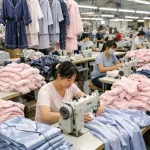
This distinction refers to who physically makes the clothes. In-House Production means a brand owns and operates its own factories (e.g., Hermès, Zegna), allowing for extreme quality control, protection of proprietary techniques, and supply chain secrecy, but requires massive capital investment. Contract Manufacturing (or Outsourcing) means a brand hires third-party factories to produce goods to its specifications (common for PVH, fast fashion). This offers flexibility, cost efficiency, and scalability. The choice profoundly impacts a brand’s identity: in-house production is often tied to luxury, craftsmanship, and exclusivity (justifying higher prices), while outsourcing enables speed and affordability. Many brands, like Gucci and Burberry, use a hybrid model, keeping core products in-house and outsourcing basics.
The future is being shaped by several converging trends: 1. Sustainability as Standard: Beyond a buzzword, it‘s becoming a core operational requirement, driving demand for recycled materials, circular business models (rental, repair), and full supply chain transparency. 2. Technology Integration: Wearable tech, smart fabrics with climate adaptation, and AI-driven personalization (fit, style) will become more prevalent. 3. Blurring of Categories: The lines between formal, casual, and technical sportswear will continue to dissolve, leading to more versatile, hybrid garments. 4. Direct-to-Consumer & Experience: Brands will strengthen DTC channels and focus on creating immersive experiences, both online and in flagship stores. 5. Regionalization & Resilience: To mitigate supply chain risks, there will be a move towards nearshoring and building more diversified, resilient production networks.