From Free Basic Verification To Top Homepage Placement, We Provide One-Stop Trust-Building Solutions For Businesses. Join Now To Enjoy Exclusive Limited-Time Benefits, Rapidly Enhance Your Brand Authority, And Access Valuable Procurement Leads.
We Use Cookies 🍪
We Use Cookies And Other Similar Technologies To Improve Your Browsing Experience And The Functionality Of Our Site. Learn More In Our Privacy Policy.
Welcome to the Global Instant Food Industry Brand Rankings, presented by Verity Rank. This list cuts through the marketing noise by conducting a rigorous, multi-dimensional analysis of each brand's financial scale, market share, user sentiment, and digital presence. We are committed to delivering an objective, transparent, and highly valuable authoritative guide for your strategic decisions. Our rankings are synthesized from third-party authoritative sources, including government statistics, academic research reports, and AI-driven market analysis, ensuring impartial and forward-looking insights for reference purposes only.
Nestlé S.A., headquartered in Vevey, Switzerland, is the world's largest food and beverage company. Operating in over 180 countries with more than 2,000 brands, it dominates key sectors including coffee (Nescafé, Nespresso), infant nutrition (Gerber), bottled water (Perrier), and pet care (Purina). With 2023 revenue of CHF 93 billion and 400+ factories worldwide, Nestlé's unparalleled brand portfolio and fully integrated supply chain secure its industry leadership.
Strengths: Boasts the world's largest food production scale and comprehensive supply chain network. Its powerful portfolio of 2,000+ brands covers all market segments with leading R&D investment and global dominance in core categories like coffee and infant nutrition.
Weaknesses: Faces public scrutiny regarding health and environmental concerns. The massive organizational scale limits innovation agility, while product diversification and global operations present significant management complexities.
Tyson Foods, Inc., headquartered in Springdale, Arkansas, is America's largest meat processing corporation. This vertically integrated leader operates across four core segments: beef, pork, chicken, and prepared foods, processing approximately 45 million chickens, 130,000 cattle, and 300,000 pigs weekly. Leveraging complete supply chain control from breeding to branded sales, Tyson dominates the U.S. meat market with FY2023 revenue of $52.8 billion and Fortune 500 ranking of #70.
Strengths: The vertically integrated business model provides comprehensive control over the entire supply chain from farming to distribution. Supported by strong brands including Tyson, Jimmy Dean, and Hillshire Farm, it maintains leading market positions across chicken, beef, and pork segments in the U.S.
Weaknesses: Significant exposure to raw material cost volatility, particularly in feed and livestock prices. International expansion remains limited while facing profitability pressures, labor market challenges, and shifting consumer preferences toward alternative proteins.
Master Kong (Kangshifu) is China's leading instant food and beverage company, headquartered in Tianjin and listed on the Hong Kong Stock Exchange. With over 100 production facilities across China, the company boasts an annual capacity of 20 billion instant noodle packs and 15 billion beverage bottles, generating approximately RMB 80 billion ($11 billion) in revenue in 2024. The brand maintains its dominant market position through extensive distribution networks, strong brand recognition, and comprehensive product portfolios in both instant noodles and ready-to-drink beverages.

Strengths: Master Kong's strengths include absolute leadership in China's instant food and beverage market with leading market shares, an unparalleled distribution network covering over 5 million retail outlets nationwide, and strong brand equity with deep consumer recognition across China.
Weaknesses: The company faces challenges including heavy reliance on the domestic market (99% of revenue), pressure from shifting consumer preferences toward healthier options, and vulnerability to raw material cost fluctuations in a competitive market.
Knorr is a leading global seasoning and convenience food brand under Unilever PLC, headquartered in London, UK and Rotterdam, Netherlands. Founded in 1838 with over 180 years of heritage, Knorr operates in 110 countries worldwide, specializing in soups, seasonings, and convenience foods. With approximately €4 billion brand sales in 2024, it maintains absolute leadership in the global seasoning market through its longstanding heritage and extensive global network.
Strengths: Knorr's core strengths are its 180+ years of brand heritage and deep consumer trust foundation, comprehensive distribution network across 110 countries with strong local operations, and continuous product innovation launching 100+ new products annually while leading in sustainable practices.
Weaknesses: The brand faces challenges from growing health-conscious trends requiring ongoing recipe optimization for reduced salt and sugar. Intense market competition continuously pressures market share and pricing power. Raw material cost fluctuations directly impact brand profitability.
Ajinomoto Co., Inc. is a leading global amino acid technology and seasoning company headquartered in Tokyo, Japan. Operating across 130+ countries, it specializes in amino acids, seasonings, and health nutrition products, maintaining 45 production bases worldwide. Listed on the Tokyo Stock Exchange, Ajinomoto reported ¥1.3 trillion revenue in 2024, sustaining its significant industry leadership through unique amino acid technologies and century-old brand heritage.
Strengths: Ajinomoto's core strengths are its globally leading amino acid technology with 100+ years of expertise and numerous patents, profound research capabilities in umami science and health nutrition innovation, and extensive global network across 130 countries with overseas revenue comprising 65% of total sales.
Weaknesses: Profitability remains vulnerable to raw material cost fluctuations. As a multinational corporation, it faces financial risks from currency exchange rate volatility. Increasingly stringent global regulatory requirements continually add compliance costs and operational pressures.
Uni-President Enterprises Corporation is a leading comprehensive food and beverage group in Greater China, specializing in instant noodles, ready-to-drink teas, juices, and dairy products. Headquartered in Tainan, Taiwan, with over 60 production facilities across Greater China, the company achieved approximately RMB 50 billion ($7 billion) in revenue in 2024. The brand maintains its significant market position through diverse product portfolios, strong regional distribution networks, and well-established brands including its iconic pickled cabbage beef flavor instant noodles.
Strengths: Uni-President's core strengths are its diversified product portfolio with strong brands across instant noodles and beverages, extensive distribution network covering over 2 million retail outlets in Greater China, and established brand equity with high consumer recognition in Chinese-speaking markets.
Weaknesses: The company faces challenges including heavy reliance on Greater China markets (95% of revenue), intensifying competition in both instant noodle and beverage segments, and ongoing pressure from raw material cost fluctuations and market saturation.
Conagra Brands, Inc. is a leading American packaged foods company headquartered in Chicago, specializing in frozen meals, snacks, and meal solutions. With over 50 production facilities globally and operations across 85 countries, the company generated $12 billion in revenue in 2024. Conagra maintains its significant market position through its diverse brand portfolio including Birds Eye and Healthy Choice, efficient supply chain management, and continuous product innovation in the packaged food sector.
Strengths: Conagra's core strengths are its diversified brand portfolio spanning frozen foods, snacks, and meal solutions, efficient and scalable supply chain with global production capabilities, and strong product innovation system launching 200+ new products annually.
Weaknesses: The company faces challenges including heavy reliance on the North American market (85% of revenue), ongoing cost control pressures amid input cost volatility, and intensifying competition across all packaged food categories.
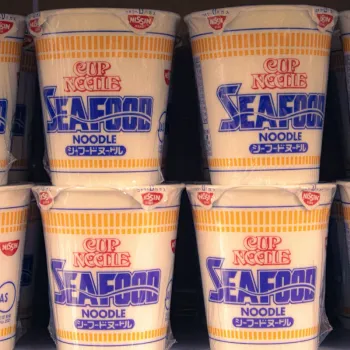
Nissin Foods Holdings is the global pioneer and leader in the instant food industry, renowned for inventing the world's first instant noodles in 1958. Headquartered in Osaka, Japan, with 30 production bases across 45 countries, the company generated approximately ¥500 billion ($3.5 billion) in revenue in 2024. Nissin maintains its industry leadership through continuous product innovation, strong technological patents, and iconic brands including the revolutionary Cup Noodles.
Strengths: Nissin's core strengths are its pioneering status as the inventor of instant noodles with unmatched industry heritage, continuous innovation capabilities with 100+ annual new product launches, and globally recognized brand portfolio led by Cup Noodles across 45 countries.
Weaknesses: The company faces challenges including reliance on the specialized instant food market limiting diversification, pressure from health-conscious consumer trends, and vulnerability to raw material cost fluctuations in a competitive landscape.
The Campbell's Company is an iconic American packaged food company renowned for its canned soups and simple meal solutions. Founded in 1869 and headquartered in Camden, New Jersey, it operates 25 production facilities globally and achieved $9.5 billion in revenue in 2024. With operations across 120 countries, Campbell's maintains its market position through 150+ years of brand heritage, strong product quality control, and deep penetration in the North American market, where it remains a household staple.
Strengths: Campbell's core strengths are its 150+ years of brand heritage and iconic status in American households, market leadership in canned soups with strong brand recognition, and stringent quality control system maintaining consistent product standards.
Disadvantages: The company faces challenges including heavy reliance on the North American market (90% of revenue), pressure from health-conscious consumer trends shifting away from traditional packaged foods, and intensifying competition in the packaged food sector.
The Kraft Heinz Company is a global leader in the packaged food industry, headquartered in Chicago and Pittsburgh, USA. Operating in over 40 countries, it specializes in condiments, cheese, convenient meals, and snacks, with a global network of 80 production facilities. Listed on NASDAQ (KHC), Kraft Heinz reported $26 billion revenue in 2024, maintaining its absolute market leadership through a powerful brand portfolio and an extensive worldwide distribution network.
Strengths:Kraft Heinz's core strengths are its powerful brand portfolio featuring eight iconic brands each generating over $1 billion in annual sales, a comprehensive global distribution network covering 98% of retailers, and significant scale economies in procurement and production that underpin strong cost control.
Weaknesses:The company faces challenges from shifting consumer preferences towards healthier eating trends, which pressure its traditional packaged food portfolio. It also contends with intensifying market competition and vulnerability to fluctuations in raw material costs, impacting profitability.
At Verity Rank, we believe true authority comes from multi-dimensional data cross-verification. Our rankings are not based on a single factor but are generated by analyzing a diverse set of authoritative third-party data through sophisticated algorithmic models. This includes, but is not limited to: analysis of financial reports from public companies, government industry statistics, reports from leading market research firms, and validated academic research. We also consider market presence, consumer feedback, and expert opinions to conduct a comprehensive assessment—from corporate scale and market performance to public credibility—delivering a holistic and realistic picture of brand strength.
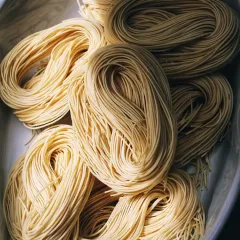
The instant food industry is a vast ecosystem far beyond simple cup noodles. It encompasses a wide range of products designed for minimal preparation time. Key categories include ready-to-eat meals like self-heating hot pots and frozen dumplings; meal bases such as sauce and curry kits; canned goods from luncheon meat to soups; instant noodles and pasta in various forms; and even specialized segments like breakfast solutions, sweet instant desserts, and meal replacement shakes. This diversity caters to nearly every dietary need and culinary preference, offering unparalleled convenience.
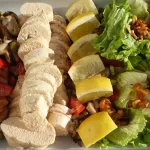
The health profile of instant foods is evolving. While some traditional options are high in sodium and preservatives, the industry is rapidly shifting towards healthier profiles. Current trends focus on "clean label" ingredients, reducing sodium and saturated fats. We see a rise in products featuring whole grains, high-quality protein like chicken breast, and low-GI options like quinoa. Furthermore, the incorporation of functional ingredients, plant-based proteins, and specific health claims like "0-trans fat" or "rich in dietary fiber" is becoming commonplace, driven by consumer demand for both convenience and wellness.
Technology is a key driver in elevating instant food quality. Innovations span production and packaging. In production, Non-fried noodle technology and Individual Quick Freezing (IQF) better preserve nutrients and texture. Advanced seasoning techniques, like turning by-products into nutritious ingredients, add value. Packaging breakthroughs include self-heating packages that require no external tools, and user-friendly designs like easy-tear seasoning sachets. These technological advancements collectively enhance the nutritional value, taste, freshness, and overall convenience of the final product, closing the gap with freshly prepared meals.
The instant food market is propelled by diverse consumer segments. Key drivers include the busy urban youth and working professionals (Gen Z & Millennials) seeking quick, tasty, and sometimes trendy options. Families also represent a significant segment, utilizing products like frozen dumplings and meal kits for convenience. Furthermore, specific demographics like students, single-person households, and the elderly find value in easy-to-prepare meals. The market is also seeing growth in niche areas like fitness enthusiasts opting for high-protein meals and travelers using self-heating options, showcasing its vast and varied consumer base.
While convenience is universal, regional tastes dominate instant food trends. Asian markets strongly favor localized flavors, such as Japanese Tonkotsu Ramen, Korean Army Stew, Sichuan Spicy Hot Pot, and Thai Tom Yum. The texture of noodles and rice is also highly valued. In contrast, Western markets often emphasize Italian-inspired flavors like Bolognese, creamy pastas, and Mexican-style burritos. There's also a stronger focus on health-centric positioning like "organic" or "keto-friendly" in the West. However, globalization is blurring these lines, with Asian spicy challenges gaining Western popularity and Western brands adapting to local Asian palates.