

-36x36h.webp)
-36x36h.webp)
-450x250h.webp)










-150x150h.webp)


















































































Kids Furniture Market Poised to Reach $94.68 Billion by 2034: The $30 Billion Industry Reshaping How Children Live
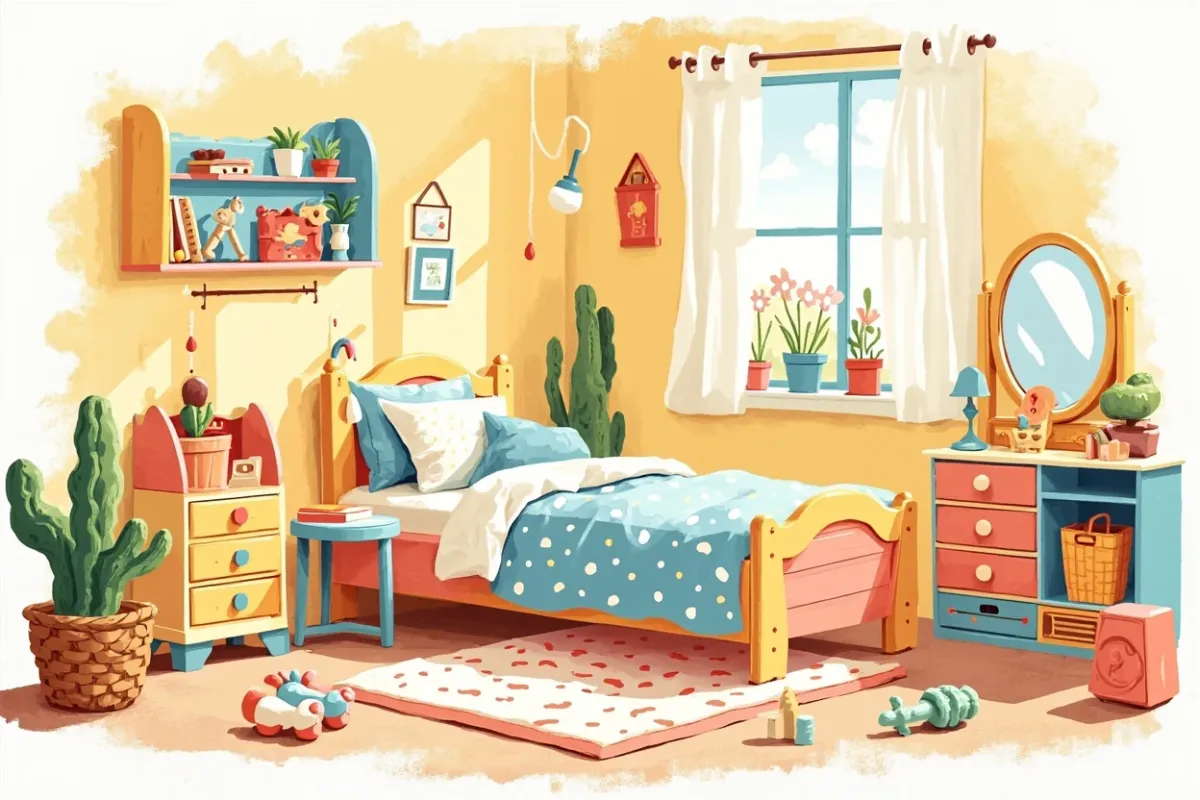
Table of Contents
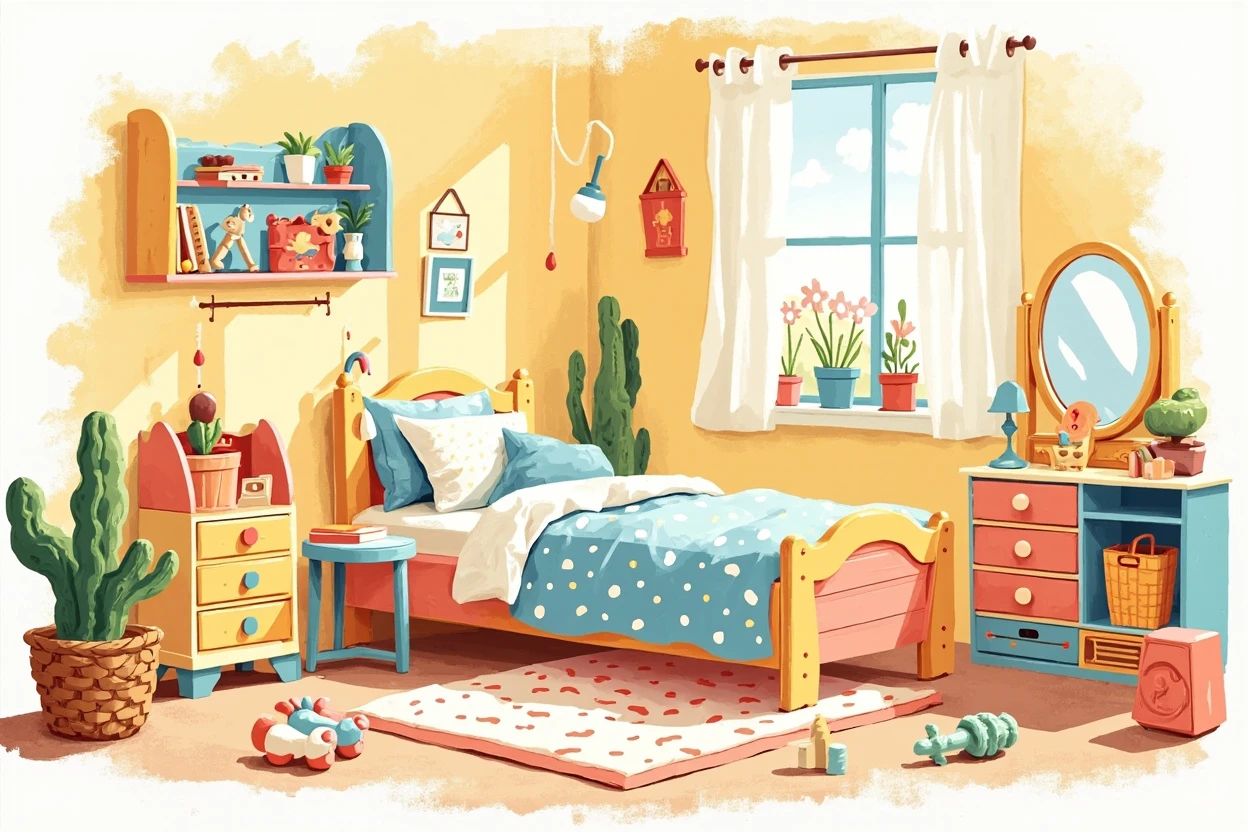
The global Kids Furniture industry serves consumers worldwide with diverse solutions.
1. Industry Overview
The global kids furniture market has crossed a threshold that demands attention. Valued at approximately USD 30 billion today, industry analysts project expansion to $34.69 billion in 2026 alone—a figure that represents more than mere growth, it signals a fundamental reorientation of how parents worldwide approach their children's living environments. This market, encompassing everything from cribs and high chairs to children's desks and toy storage solutions, has transformed from a peripheral furniture segment into a sophisticated industry where safety certifications, ergonomic design, and adaptive functionality command premium positioning.
Industry Scope & Characteristics
Broad Product Portfolio
Products span children beds, children's desks, children's wardrobes, toy storage, bookcases, high chairs, cribs, serving diverse consumer needs from everyday essentials to premium specialized offerings.
Complex Global Supply Chains
Integrated international networks spanning multiple continents ensure year-round product availability across diverse markets.
Quality & Compliance Standards
Rigorous regulatory frameworks and quality certifications ensure product safety, consistency, and consumer trust worldwide.
Continuous Innovation
Heavy R&D investment drives formulation breakthroughs, processing technologies, and novel product development cycles.
What distinguishes this sector from broader home furniture categories is its acute sensitivity to demographic shifts and evolving parenting philosophies. The market draws strength from rising global birth rates in developing economies alongside increasing discretionary spending on children's development in mature markets. Unlike adult furniture, where aesthetics often dominate purchase decisions, kids furniture buyers prioritize structural safety, material non-toxicity, and developmental appropriateness—criteria that justify higher price points and drive continuous innovation.
The competitive landscape has responded with unprecedented vigor. Manufacturers have abandoned the notion of furniture as static, single-purpose objects. Instead, the industry now champions adaptive designs that evolve with children—convertible cribs that transform into toddler beds, adjustable desks that accommodate growing spines, and modular storage systems that teach organizational habits while simplifying parent lives. This shift from disposable to durable reflects both economic pragmatism among parents and sustainability pressures reshaping manufacturing practices globally.
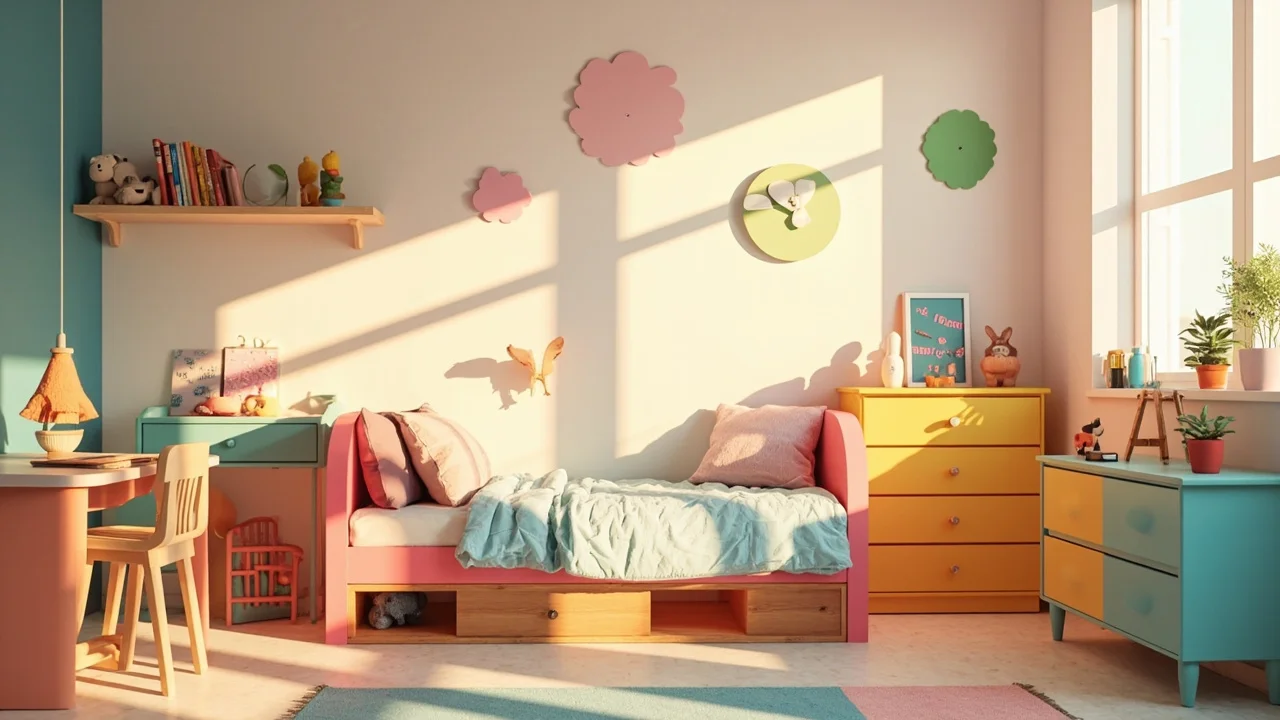
Key market segments and growth drivers in the Kids Furniture sector.
2. Market Analysis
The numbers tell a compelling story about an industry accelerating its trajectory. Market valuations consistently point upward: $26.6 billion in 2020 projected to reach $48.9 billion by 2030, with more aggressive forecasts placing the 2034 global market value at $94.68 billion, representing a compound annual growth rate of 13.37% during that projection period. Even conservative estimates suggest 7.3% CAGR from 2026 to 2033, translating to billions in new market value created annually.
Three forces drive this expansion with particular intensity. First, rising demand for ergonomic kids furniture addresses mounting evidence connecting childhood posture to long-term musculoskeletal health, creating demand for scientifically-designed seating and workstations even for preschoolers. Second, the modular and adjustable design trend responds directly to parent frustration with furniture that quickly becomes obsolete as children grow—designs that deliver 8-10 years of utility command significant pricing premiums. Third, safety regulation expansion worldwide mandates continuous product innovation, as stricter flammability standards, chemical content restrictions, and structural testing requirements force manufacturers to reinvest in research and development or exit the market.
Geographic distribution reveals concentrated growth potential. North America and Western Europe represent mature markets where replacement cycles and premium segment expansion drive incremental growth. Meanwhile, the Asia-Pacific region—particularly China, India, and Southeast Asian markets—generates the most aggressive expansion rates as rising middle-class populations embrace Western-influenced parenting philosophies emphasizing dedicated children's spaces within increasingly space-constrained urban homes.
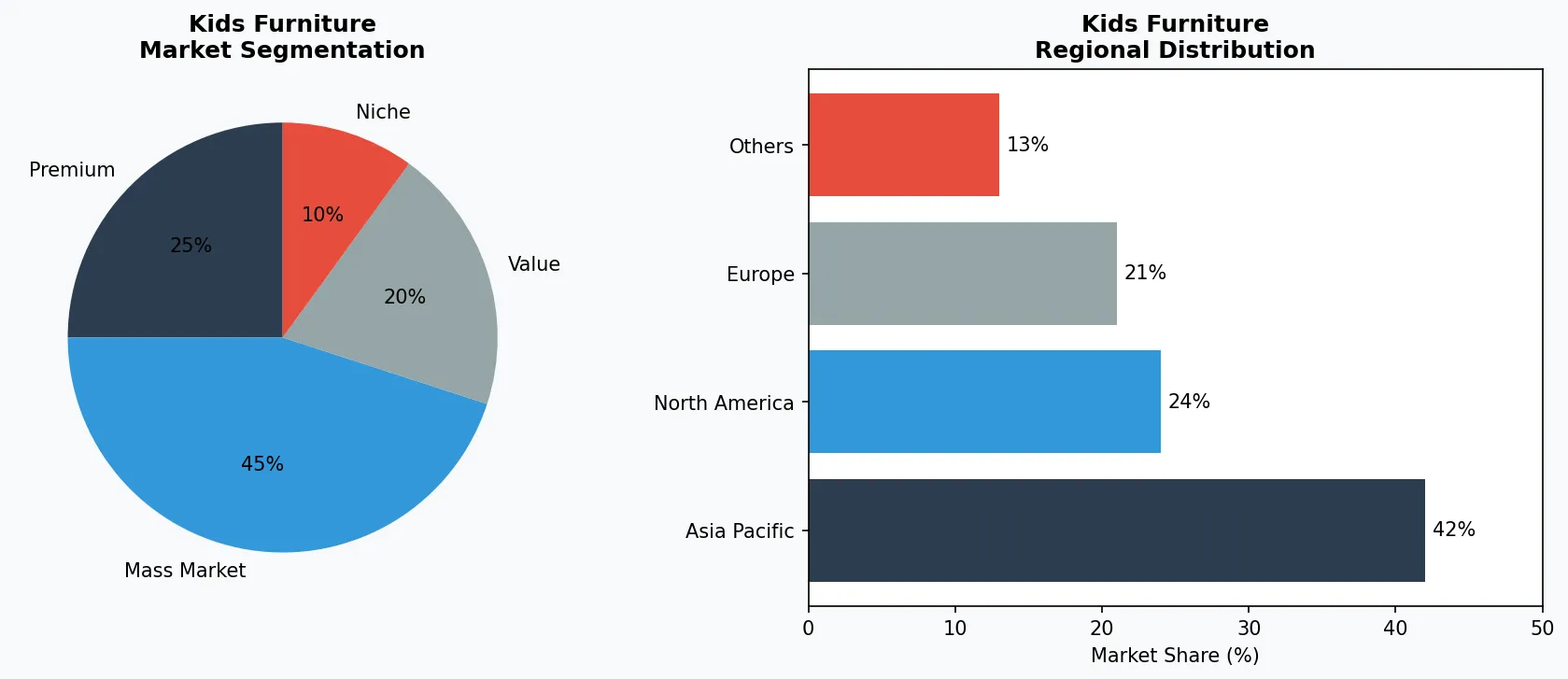
Market segmentation and regional distribution analysis for Kids Furniture.
3. Product Categories
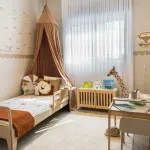
Beds and Sleeping Solutions represent the largest product category, combining functional necessity with emotional purchase dynamics. Convertible cribs dominate this segment, with Stokke's Sleepi bed exemplifies the growth-adaptive philosophy—transforming from infant crib to junior bed through a single product lifecycle. Babypalace positions heavily in this category, offering combinations of cribs with integrated storage that address space constraints in urban apartments. The segment benefits from mandatory nursery preparation in most markets, creating predictable demand regardless of economic cycles.
Premium & Artisanal Tier
High-margin specialty products targeting affluent consumers who prioritize quality, craftsmanship, and unique attributes.
Mass Market Mainstream
Volume-driven products serving price-conscious mainstream consumers with reliable quality at accessible price points.
Functional & Niche Segment
Targeted products addressing specific health concerns, dietary requirements, or lifestyle preferences beyond basic needs.
Study and Development Furniture addresses the reality that children begin formal learning earlier than ever, driving demand for appropriately-sized desks, chairs, and shelving. Children's desks designed with adjustable heights and tilted work surfaces represent this category's evolution from simple furniture to developmental tools. IKEA's MALM desk line and comparable offerings from Qu Jum demonstrate how major manufacturers balance affordability with ergonomic features previously available only in premium adult office furniture.
Storage and Organization solutions reflect contemporary parenting emphasis on teaching children organizational habits. Toy storage systems, bookcases, and wardrobes designed for child accessibility occupy growing retail shelf space. Goodtrip has carved specific positioning here, offering colorful, stackable storage units that empower children to independently manage their belongings while allowing parents to maintain household order. This category benefits from the broader minimalism movement influencing how families approach children's belongings, creating demand for visible, accessible storage rather than hidden closet solutions.
Feeding and Care Furniture, including high chairs and changing stations, serves the youngest demographic with specialized requirements. Safety certification dominates this category more than any other—structural standards for high chairs exceed general children's furniture requirements due to elevated fall risks. Dongfan supplies significant volume in this segment, competing on price points accessible to mass-market retailers while meeting baseline safety standards.
4. Leading Players
IKEA maintains its dominant market position through unmatched distribution scale and brand recognition that transcends demographic boundaries. The Swedish retailer leverages massive manufacturing volumes to offer entry-level kids furniture at price points competitors cannot match, while its flat-pack assembly model reduces logistics costs that competitors absorb. Recent strategy shifts include expanded sustainability messaging around material sourcing and child safety communications that acknowledge parents' primary concerns. IKEA's ALPHARD series of children's chairs and TRIKORR bed frames demonstrate continued investment in dedicated kids lines rather than scaled-down adult designs.
Global Market Leader
Multinational player commanding significant market share. Revenue exceeding $50B with operations across 100+ countries, diversified portfolio spanning all major price tiers.
Regional Champion
Dominant force in Asia Pacific with deeply localized product lines, extensive distribution networks, and strong regional retailer relationships.
Innovation Disruptor
Fast-growing challenger disrupting incumbents through breakthrough product innovation, direct-to-consumer models, and data-driven marketing in the kids furniture space.
Stokke occupies the premium positioning that other manufacturers pursue but few achieve, built on the Tripp Trapp chair's decades-long market dominance. The Norwegian company positions its products as developmental investments rather than furniture purchases, justifying price points that exceed mass-market alternatives by five to ten times. Stokke's strategy emphasizes wood quality, manufacturing heritage, and the chair's documented ergonomic benefits—claims supported by pediatric occupational therapy endorsements. The company has expanded deliberately into complementary products including the Sleepi crib and Steps high chair, maintaining premium pricing while building integrated nursery ecosystems.
Babypalace operates as a specialized retailer rather than manufacturer, offering curated kids furniture collections from multiple suppliers through both physical and digital channels. This positioning allows Babypalace to serve as a one-stop solution for parents navigating the complexity of safety standards, style preferences, and budget constraints across multiple product categories. The company's value proposition centers on curation expertise and after-sale support services that pure-play retailers struggle to match. Qu Jum and Goodtrip represent the emerging Chinese manufacturing presence in this market, leveraging cost advantages to serve price-sensitive segments while gradually improving design sophistication and quality certifications for international market access.
5. Market Trends
1. SAFETY-FIRST ENGINEERING
SAFETY-FIRST ENGINEERING — Manufacturers now treat safety certification as baseline requirement rather than competitive differentiator, with leading players investing beyond minimum regulatory standards. IKEA recently enhanced its children's furniture testing protocols following voluntary recalls, implementing third-party verification systems that exceed ASTM and EN standards. This trend matters because parents increasingly research product safety records before purchase, making safety reputation a significant competitive moat.
2. GROWTH-ADAPTIVE DESIGN
GROWTH-ADAPTIVE DESIGN — The shift from single-size to multi-stage furniture reflects both economic and environmental pressures. Parents reject purchasing separate cribs, toddler beds, and twin beds—preferring products delivering 8-10 years of utility. Stokke's Tripp Trapp chair, configurable from infancy through adulthood, exemplifies this philosophy. The trend drives premium pricing power while addressing sustainability concerns that influence Millennial and Gen-Z parent purchasing decisions.
3. MULTI-FUNCTIONAL SPACE SAVING
MULTI-FUNCTIONAL SPACE SAVING — Urban housing constraints force creative furniture solutions, with manufacturers designing products serving multiple purposes simultaneously. lofted beds with integrated desks, wardrobes incorporating play spaces, and storage units that double as room dividers address square-foot constraints that define modern childhood in major metropolitan areas worldwide.
4. EASY ASSEMBLY EXPECTATIONS
EASY ASSEMBLY EXPECTATIONS — The flat-pack revolution has fully arrived in children's furniture, driven by both cost pressures and parent time constraints. IKEA's assembly model has become industry standard, with competitors adopting similar approaches using cam locks and intuitive instruction systems. This trend reshapes retail logistics while creating opportunities for companies that deliver premium materials with accessible assembly experiences.
6. Regional Markets
North America represents the largest single market by revenue, characterized by premium segment strength and regulatory environment that establishes global safety standards. The United States drives particular demand for certified nursery furniture, with juvenile products subject to more stringent federal oversight than virtually any other furniture category. American parents average $2,000-$3,000 on nursery furniture alone, creating substantial market value despite lower birth rates than developing regions. Canada contributes additional volume through similar consumption patterns and cross-border retail dynamics.
Asia Pacific — The Growth Engine
The world's largest and fastest-growing region, led by China, India, and Southeast Asia. Urbanization, rising middle class, and digital retail adoption are primary catalysts.
North America — Premium & Wellness Driven
A mature market with strong health-and-wellness orientation, sustainability commitments, and robust demand for premium and functional products.
Europe — Quality & Regulatory Leadership
A developed market with stringent quality, safety, and environmental regulations. Strong demand for organic, locally sourced, and ethically certified products.
Asia-Pacific generates the most aggressive growth rates, with China alone representing a market larger than most European nations combined. Chinese parents increasingly prioritize dedicated children's spaces within apartments, driving demand for age-appropriate furniture rather than repurposed adult pieces. Domestic manufacturers including Qu Jum and Dongfan compete fiercely for this volume while international brands target the expanding middle and upper class seeking imported quality. India represents the next frontier—lower furniture penetration rates combined with rapid middle-class expansion create 15%+ annual growth projections through 2030.
Western Europe balances mature market characteristics with strong sustainability values that influence product development. German and Scandinavian consumers prioritize extended product lifecycles, natural materials, and chemical-free manufacturing—criteria that advantage brands like Stokke while challenging fast-fashion furniture approaches. The EU's forthcoming Ecodesign regulations will accelerate this trend, mandating repairability and recyclability requirements that reshape manufacturing economics across the children's furniture sector.
7. Investment Outlook
Two opportunities stand out for market participants navigating the 2026-2034 growth trajectory. First, direct-to-consumer e-commerce models present substantial margin improvement potential, allowing manufacturers to bypass traditional retail channels that command 40-60% markups. Companies establishing digital-first distribution—offering virtual room planning tools and white-glove delivery—can capture value currently absorbed by specialty retailers while gathering first-party customer data informing product development. Second, sustainability certification schemes represent emerging revenue streams, as parents increasingly seek independently-verified environmental claims beyond manufacturer self-reporting. Companies achieving recognized eco-certifications can command premiums while meeting incoming EU regulatory requirements.
One concrete risk demands strategic attention: raw material cost volatility threatens margin structures across the industry. Timber prices have fluctuated 30-40% annually since 2022, while shipping costs remain susceptible to geopolitical disruption. Manufacturers relying on single-source supply chains face existential exposure if key material suppliers experience production interruptions or price shocks. Companies hedging through diversified sourcing and strategic inventory management will outperform competitors exposed to commodity market swings. The window for establishing resilient supply chains narrows as market growth attracts new competitors less focused on operational durability than capture of expanding demand.
Strategic Considerations:
- Technology & AI Integration: Artificial intelligence and IoT are revolutionizing production efficiency, quality assurance, and demand forecasting across the supply chain.
- Sustainability as Business Strategy: Regulatory pressure and consumer expectations are making environmental commitments essential, not optional.
- Transparency & Traceability: Consumers demand increasingly granular information about product origins, ingredients, and production methods.
- Emerging Market Penetration: Africa, Latin America, and second-tier Asian cities represent the next wave of volume growth.
Make Informed Decisions in the Kids Furniture Market
Product quality and sourcing integrity directly impact business outcomes. Discover how Verity Rank's verification platform helps industry participants source with greater confidence.
Contact Verity Rank TodayFurther Reading: Explore additional market intelligence from Grand View Research and Mordor Intelligence.
This article is for informational purposes only, based on publicly available industry data and market reports as of 2026-04-18. All market figures are estimates and may vary from actual results.