

-36x36h.webp)
-36x36h.webp)
-450x250h.webp)











-150x150h.webp)


















































































































The $180 Billion Home: How Smart Devices Are Redefining Living in 2026
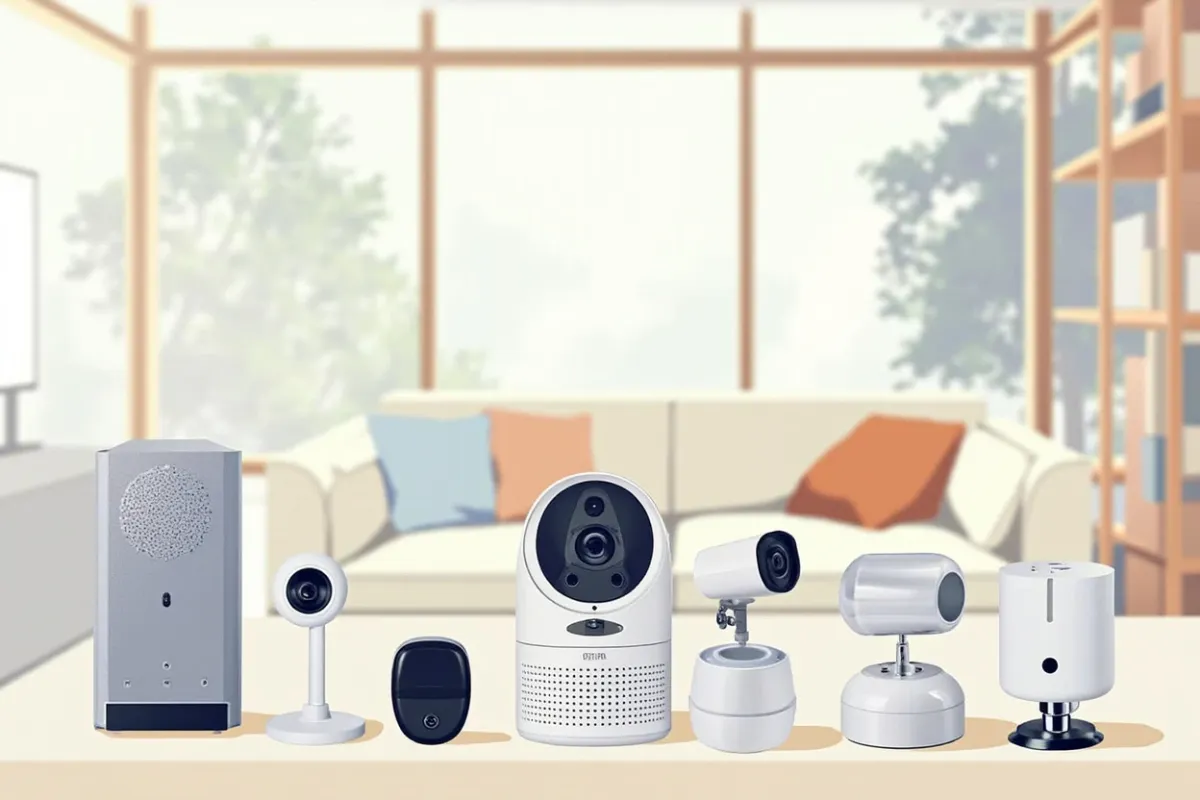
Table of Contents
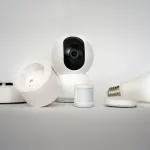
The global Smart Home Devices industry serves consumers worldwide with diverse solutions.
1. Industry Overview
Imagine a home that manages its own energy, anticipates your needs, and secures itself—this is no longer science fiction but a $180.12 billion global reality in 2026. The smart home devices industry represents a fundamental shift from passive dwellings to interactive, responsive environments. It sits at the convergence of consumer electronics, software, and furniture, creating an ecosystem where physical products are animated by digital intelligence. This historic shift has moved the industry from a niche for early adopters to a mainstream pillar of modern living, fundamentally altering how we interact with our most personal spaces.
Industry Scope & Characteristics
Broad Product Portfolio
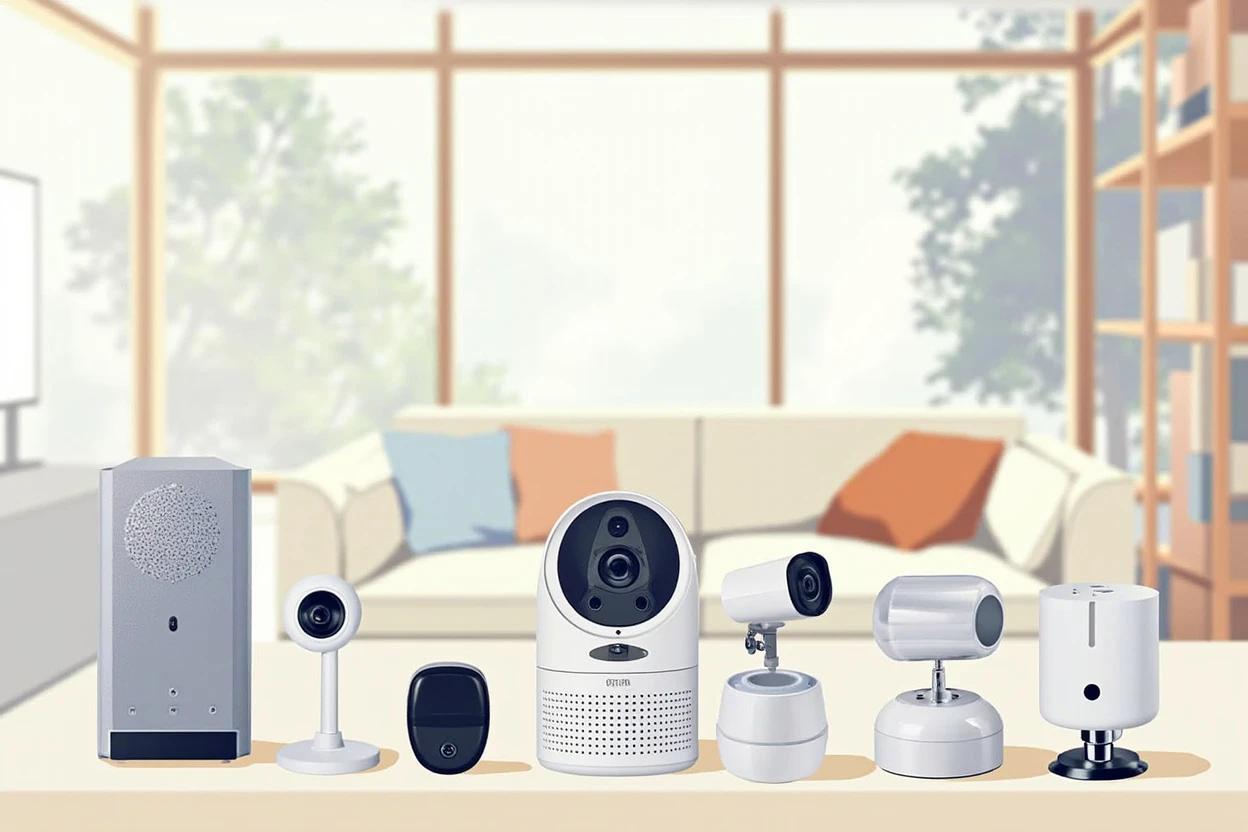
Products span smart speakers, smart locks, smart thermostats, smart lighting, security cameras, smart sensors, serving diverse consumer needs from everyday essentials to premium specialized offerings.
Complex Global Supply Chains
Integrated international networks spanning multiple continents ensure year-round product availability across diverse markets.
Quality & Compliance Standards
Rigorous regulatory frameworks and quality certifications ensure product safety, consistency, and consumer trust worldwide.
Continuous Innovation
Heavy R&D investment drives formulation breakthroughs, processing technologies, and novel product development cycles.
The industry's role extends beyond convenience into the broader economy, driving innovation in semiconductor manufacturing, wireless networking, and AI software development. Its growth is a direct response to consumer demands for efficiency, security, and personalized comfort. The market's explosive trajectory is clear: from a valuation of USD 147.52 billion in 2025, it leaped to USD 180.12 billion in 2026, according to Mordor Intelligence, signaling a rapid acceleration in adoption.
What makes this industry distinctive is its integrative nature. Success is no longer about a single gadget but about creating a seamless, interoperable ecosystem. A smart speaker must talk to a lock, a thermostat must learn from a sensor, and lighting must sync with entertainment. This drive for a unified experience is the central challenge and opportunity, pushing giants like Amazon, Google, and Apple to compete on platform dominance rather than just product specs.
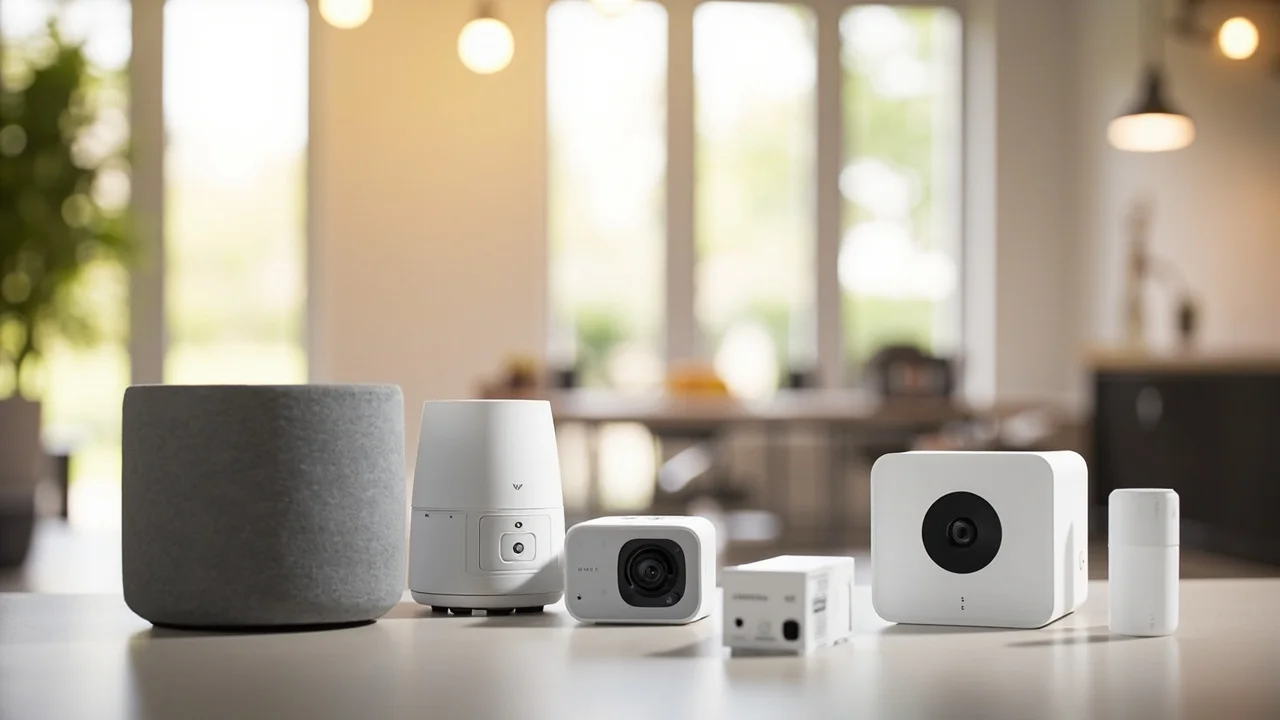
Key market segments and growth drivers in the Smart Home Devices sector.
2. Market Analysis
The global smart home market reached a staggering $164.13 billion in 2026, up from $147.52 billion the previous year. This robust growth is projected to continue, with forecasts suggesting the market will expand from USD 95.83 billion in 2026 to USD 139.24 billion by 2032, at a compound annual growth rate (CAGR) of 6.4%. Some analysts project an even more aggressive climb to USD 848.47 billion in the longer term, underscoring the vast potential investors and manufacturers see in connected living.
This expansion is fueled by several concrete drivers. First, the relentless pursuit of energy savings has made smart thermostats and lighting a priority for cost-conscious and eco-aware consumers. Second, heightened demand for security automation, accelerated by remote work trends, continues to propel sales of smart cameras, locks, and sensors. Finally, technological advancements in AI and cheaper, more reliable connectivity chips have lowered barriers to entry, allowing more devices to become 'smart'.
Geographically, the market is a tale of established and emerging giants. North America, led by the U.S., remains the dominant region due to high disposable income and early tech adoption. However, the Asia-Pacific region, particularly China, is the fastest-growing market, driven by massive manufacturing ecosystems from companies like Xiaomi and Tuya and a rapidly urbanizing, tech-savvy population eager to integrate smart solutions.
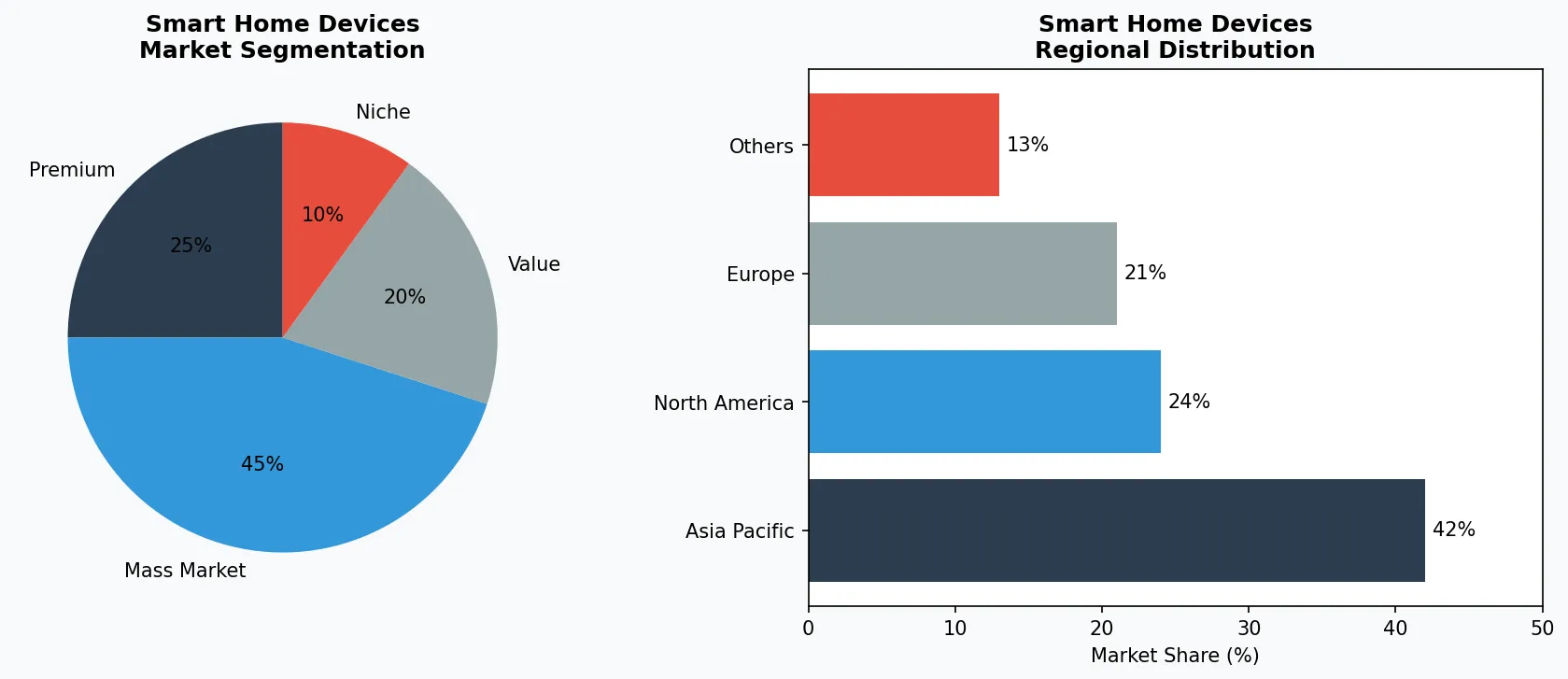
Market segmentation and regional distribution analysis for Smart Home Devices.
3. Product Categories
The product landscape is broadly organized into core functional categories. **Security and Access Control** forms a critical pillar, including smart locks, video doorbells, and security cameras from brands like Google Nest and a plethora of OEMs using platforms like Tuya. This category addresses the fundamental need for safety and remote monitoring.
Premium & Artisanal Tier
High-margin specialty products targeting affluent consumers who prioritize quality, craftsmanship, and unique attributes.
Mass Market Mainstream
Volume-driven products serving price-conscious mainstream consumers with reliable quality at accessible price points.
Functional & Niche Segment
Targeted products addressing specific health concerns, dietary requirements, or lifestyle preferences beyond basic needs.
**Environmental Management and Comfort** encompasses smart thermostats for HVAC optimization, smart lighting systems for ambiance and efficiency, and smart sensors that monitor air quality, temperature, and motion. These products, exemplified by the Google Nest Learning Thermostat and Philips Hue lighting, are central to the promise of automated energy savings and personalized comfort.
**Entertainment and Convenience** is led by the smart speaker, the vocal hub of many homes, dominated by Amazon Echo and Google Nest Audio. This category also includes smart displays, connected appliances, and the emerging segment of smart furniture—beds, mirrors, and tables with embedded technology—which blurs the line between home tech and home furnishings.
4. Leading Players
**Amazon** leverages its Echo smart speaker line and Alexa voice AI to create an expansive, open ecosystem. Its strategy is to be the default voice-controlled operating system for the home, encouraging third-party developers and device makers to integrate with Alexa, thereby locking users into its retail and service ecosystem.
Global Market Leader
Multinational player commanding significant market share. Revenue exceeding $50B with operations across 100+ countries, diversified portfolio spanning all major price tiers.
Regional Champion
Dominant force in Asia Pacific with deeply localized product lines, extensive distribution networks, and strong regional retailer relationships.
Innovation Disruptor
Fast-growing challenger disrupting incumbents through breakthrough product innovation, direct-to-consumer models, and data-driven marketing in the smart home devices space.
**Google**, through its Nest brand, pursues a more integrated, premium approach. It focuses on designing cohesive hardware-software experiences, like the Nest thermostat and security system, that work seamlessly together. Google's strategy emphasizes data-driven automation and sleek design, positioning itself as the intelligent, intuitive choice for the modern homeowner.
**Xiaomi and Tuya** represent the volume-driven, platform-enabled model dominant in Asia. Xiaomi sells a vast array of affordable, well-designed smart products under its Mi brand. Tuya, conversely, provides the white-label AI+IoT platform that powers millions of devices from other manufacturers globally, enabling rapid market entry and interoperability at scale, which is crucial for fragmented product categories.
5. Market Trends
1. Cognitive AI & Hyper-Personalization
Cognitive AI & Hyper-Personalization — Moving beyond simple commands, AI is learning user patterns to anticipate needs, like adjusting a thermostat before you arrive. This matters for creating truly 'automatic' homes. Google Nest's learning thermostat is a pioneer in this predictive approach.
2. Smarter, Connected Appliances
Smarter, Connected Appliances — Major home appliances are becoming network nodes, with refrigerators managing groceries and ovens suggesting recipes. This trend integrates the kitchen into the smart ecosystem, driving utility and data collection. Companies like Samsung and LG are leading here.
3. Wellness Innovation
Wellness Innovation — Smart devices are expanding into health monitoring, with air purifiers, sleep sensors, and water quality monitors. This reflects a consumer shift towards homes that actively promote wellbeing. Emerging products in this space often leverage the Tuya platform for rapid development.
6. Regional Markets
In North America, particularly the United States, market maturity is high. Growth is driven by replacement cycles, premium product adoption, and strong demand for comprehensive security and energy management systems. The competitive landscape is a tight battle between Amazon's Alexa and Google's Assistant for ecosystem control.
Asia Pacific — The Growth Engine
The world's largest and fastest-growing region, led by China, India, and Southeast Asia. Urbanization, rising middle class, and digital retail adoption are primary catalysts.
North America — Premium & Wellness Driven
A mature market with strong health-and-wellness orientation, sustainability commitments, and robust demand for premium and functional products.
Europe — Quality & Regulatory Leadership
A developed market with stringent quality, safety, and environmental regulations. Strong demand for organic, locally sourced, and ethically certified products.
China's market is characterized by blistering growth, fierce competition on price, and a dominance of super-apps like WeChat for device control. Local giants Xiaomi and platform-provider Tuya enable a vast ecosystem of affordable devices, making smart home technology accessible to a massive middle class and driving innovation in manufacturing efficiency.
Europe presents a fragmented but high-value market, with strong emphasis on data privacy regulations like GDPR influencing device design. Demand is particularly robust in Western Europe for energy-saving devices like smart thermostats, driven by high energy costs and stringent environmental targets, benefiting companies that can demonstrate clear efficiency gains.
7. Investment Outlook
Two specific opportunities stand out. First, the integration of Generative AI into smart home hubs could revolutionize interfaces, allowing for natural, conversational control and complex problem-solving (e.g., 'plan a dinner party and set the mood'). Second, the smart furniture category represents a largely untapped frontier where technology becomes ambient and invisible, embedding sensors and connectivity into beds, sofas, and cabinets for seamless wellness and comfort management.
The most concrete risk is the persistent lack of universal interoperability standards. The market remains divided into competing ecosystems (Amazon, Google, Apple), which can frustrate consumers, create security vulnerabilities through fragmented protocols, and stifle innovation by forcing developers to choose sides. Regulatory pressure for open standards or data portability could disrupt current platform-based business models.
Strategic Considerations:
- Technology & AI Integration: Artificial intelligence and IoT are revolutionizing production efficiency, quality assurance, and demand forecasting across the supply chain.
- Sustainability as Business Strategy: Regulatory pressure and consumer expectations are making environmental commitments essential, not optional.
- Transparency & Traceability: Consumers demand increasingly granular information about product origins, ingredients, and production methods.
- Emerging Market Penetration: Africa, Latin America, and second-tier Asian cities represent the next wave of volume growth.
Make Informed Decisions in the Smart Home Devices Market
Product quality and sourcing integrity directly impact business outcomes. Discover how Verity Rank's verification platform helps industry participants source with greater confidence.
Contact Verity Rank TodayFurther Reading: Explore additional market intelligence from Grand View Research and Mordor Intelligence.
This article is for informational purposes only, based on publicly available industry data and market reports as of 2026-04-17. All market figures are estimates and may vary from actual results.