

-36x36h.webp)
-36x36h.webp)
-450x250h.webp)











-150x150h.webp)
























































































Beyond the Hard Hat: How a $250 Billion Technical Textiles Market is Reinventing Safety
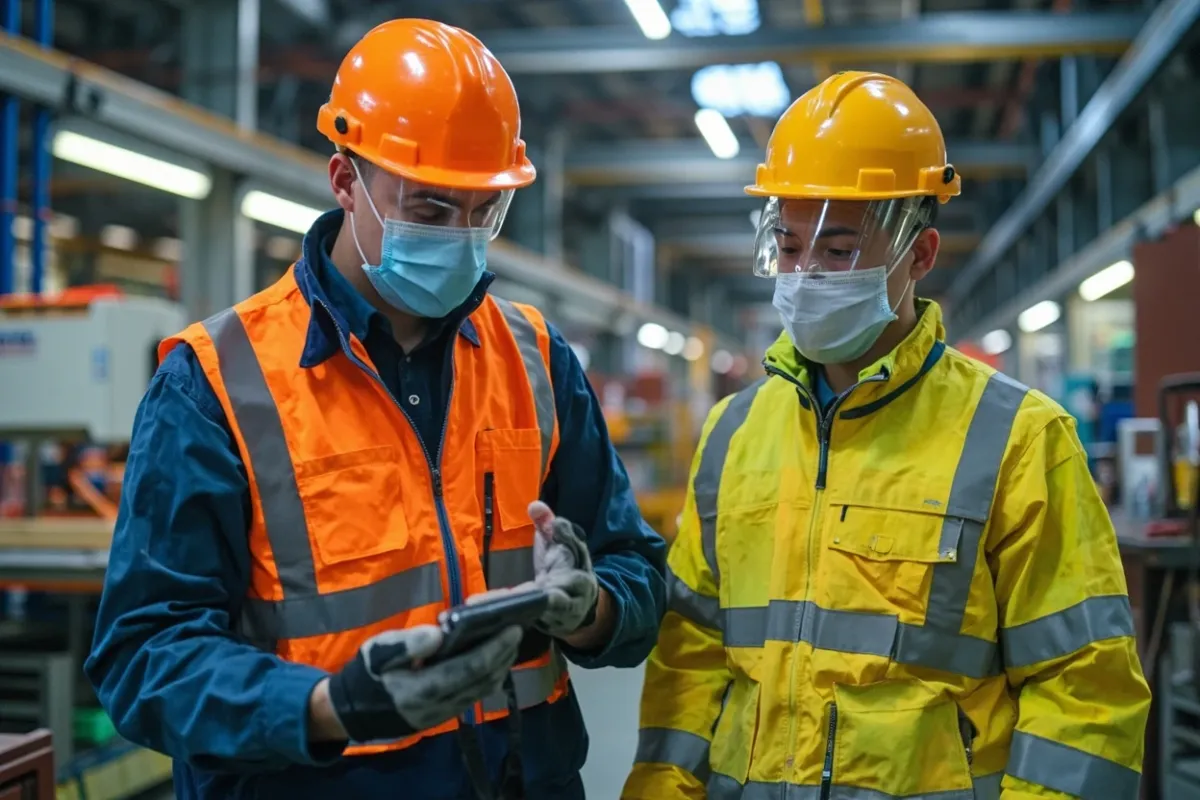
Table of Contents
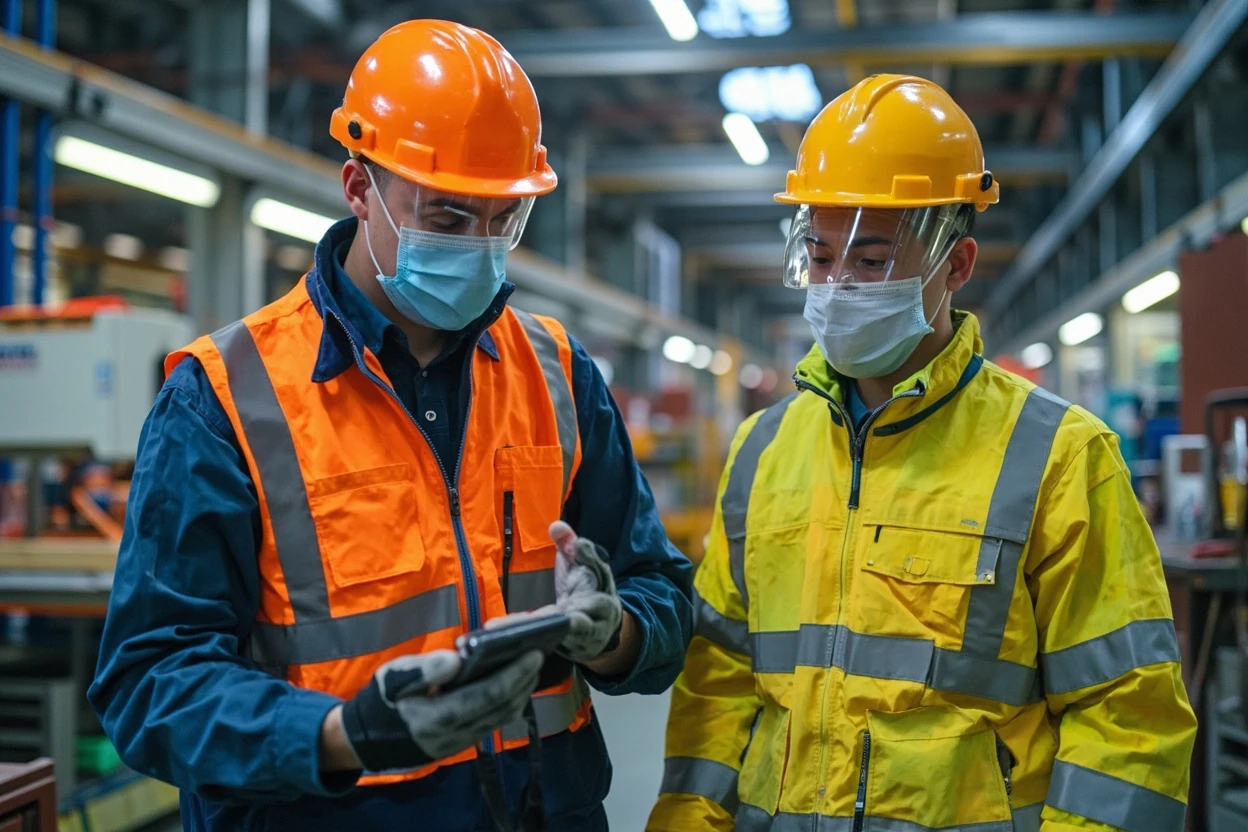
The global Protective & Technical Textiles industry serves consumers worldwide with diverse solutions.
1. Industry Overview
What if your work uniform could detect a gas leak or monitor your vital signs? This is the new frontier of the Protective & Technical Textiles industry, a sector that has evolved far beyond basic flame-resistant cloth. This high-performance segment is defined by engineered materials designed for specific functions—from blocking extreme heat and chemicals to managing static electricity and biological hazards. Its role in the global economy is foundational yet often invisible, enabling safety and efficiency in construction, manufacturing, healthcare, and oil & gas. A historic shift is underway, moving from passive protection to interactive, data-driven safety systems. The numbers underscore its scale: the broader Technical Textiles Market was valued at USD 264.42 billion in 2026, while the core protective segment reached USD 6.90 billion in 2023, signaling a vast ecosystem of innovation.
Industry Scope & Characteristics
Broad Product Portfolio
Products span fire-resistant clothing, protective suits, anti-static fabrics, UV-protective clothing, safety helmets, serving diverse consumer needs from everyday essentials to premium specialized offerings.
Complex Global Supply Chains
Integrated international networks spanning multiple continents ensure year-round product availability across diverse markets.
Quality & Compliance Standards
Rigorous regulatory frameworks and quality certifications ensure product safety, consistency, and consumer trust worldwide.
Continuous Innovation
Heavy R&D investment drives formulation breakthroughs, processing technologies, and novel product development cycles.
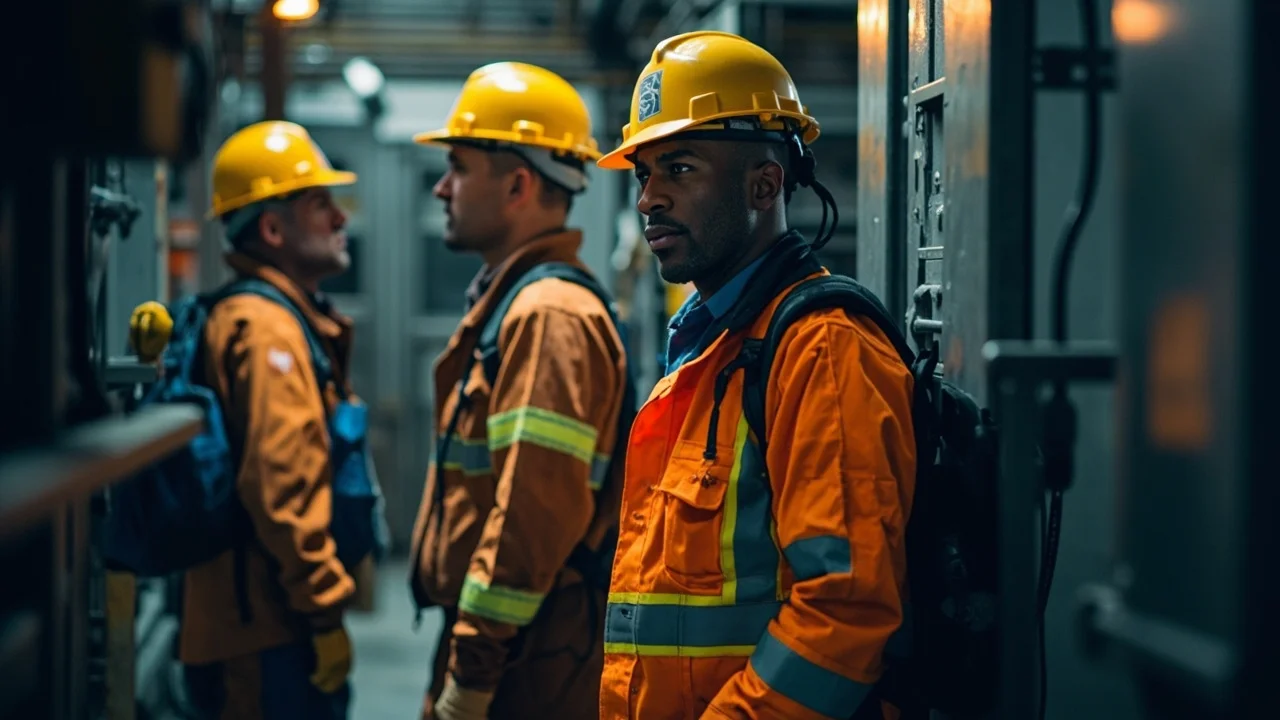
Key market segments and growth drivers in the Protective & Technical Textiles sector.
2. Market Analysis
The protective and technical textiles landscape is defined by robust, data-backed growth. The global protective textiles market, valued at USD 6.90 billion in 2023, is projected to grow at a steady CAGR of 3.9% through 2030. The larger technical textiles arena, estimated at USD 250.24 billion in 2026, is expanding even faster at a 5.5% CAGR, aiming to reach USD 363.78 billion. This growth is propelled by three primary drivers. First, stringent and evolving regulatory frameworks worldwide mandate higher safety standards, forcing industries to adopt advanced gear. Second, technological advancements in polymer science and fabric engineering are creating lighter, more durable, and multi-functional materials. Third, rising demand from emerging industrial sectors in Asia-Pacific and renewed investment in infrastructure in North America and Europe are fueling consistent demand. Market dynamics are decisively shaped by this interplay of regulation, innovation, and geographic industrial expansion.
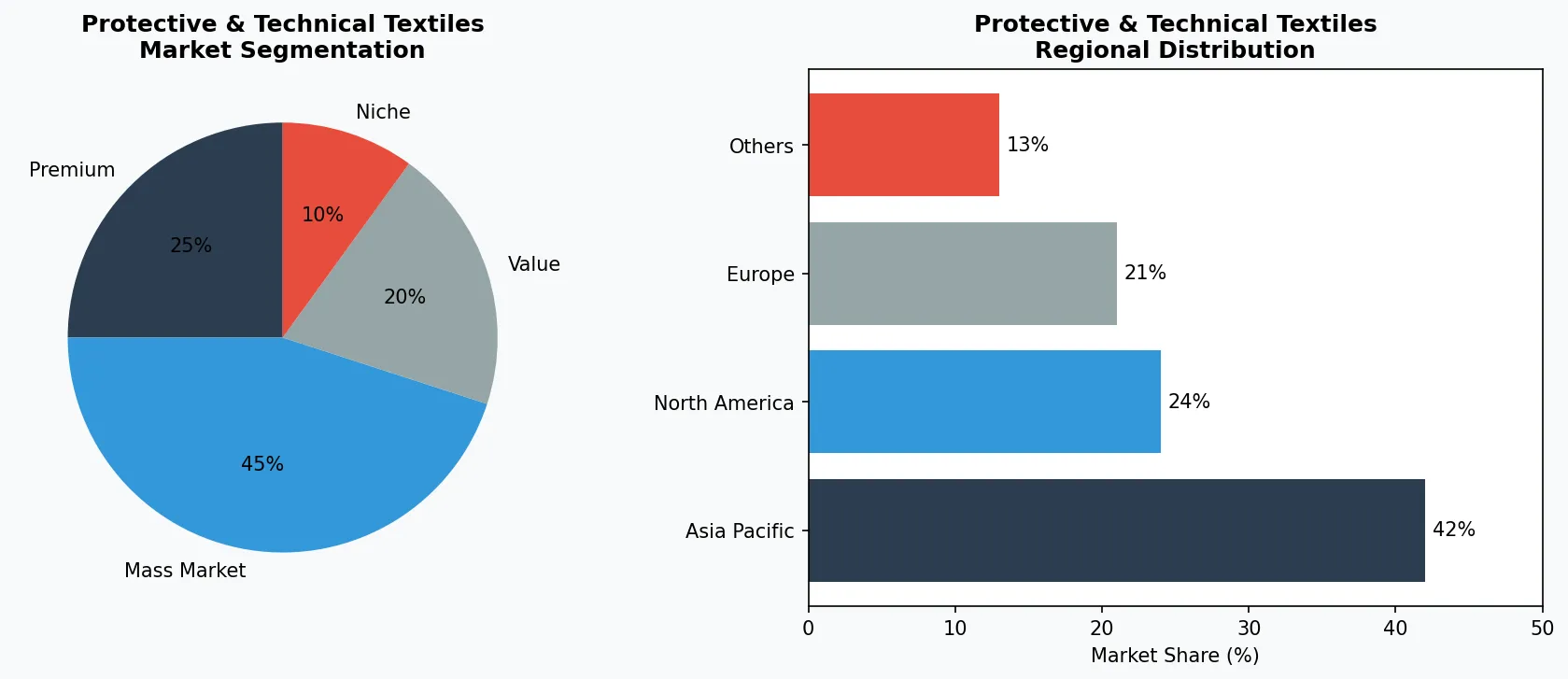
Market segmentation and regional distribution analysis for Protective & Technical Textiles.
3. Product Categories
The product portfolio is segmented by hazard protection. Flame-Resistant (FR) Apparel remains the cornerstone, including coveralls, jackets, and hoods from brands like DuPont with its Nomex and Kevlar fibers, designed for oil & gas and electrical workers. Chemical & Biological Protective Suits form a critical segment for healthcare, hazardous materials, and manufacturing, with companies like Lakeland Industries and Ansell leading in disposable and reusable encapsulated suits. Industrial Safety Components encompass products like anti-static fabrics for electronics manufacturing, high-visibility clothing for road crews, and UV-protective garments for outdoor labor, often incorporating materials from 3M and MSA Safety. Finally, complementary gear like advanced safety helmets with integrated communication and monitoring systems represents the convergence of traditional PPE with digital technology.
Premium & Artisanal Tier
High-margin specialty products targeting affluent consumers who prioritize quality, craftsmanship, and unique attributes.
Mass Market Mainstream
Volume-driven products serving price-conscious mainstream consumers with reliable quality at accessible price points.
Functional & Niche Segment
Targeted products addressing specific health concerns, dietary requirements, or lifestyle preferences beyond basic needs.
4. Leading Players
DuPont stands as a material science titan, its strategy rooted in developing the proprietary high-performance fibers (like Nomex) that form the basis for countless other manufacturers' finished garments. Honeywell leverages its vast industrial footprint to offer integrated safety solutions, combining its own advanced fabrics with connected safety devices and software analytics. MSA Safety focuses on the head-to-toe integrated system, innovating in smart helmets that connect to sensors in safety harnesses and FR clothing, creating a networked safety ecosystem for a single worker. Ansell dominates the specialized glove and suit segment, particularly in healthcare and chemical handling, with a strategy emphasizing application-specific design and global supply chain resilience.
Global Market Leader
Multinational player commanding significant market share. Revenue exceeding $50B with operations across 100+ countries, diversified portfolio spanning all major price tiers.
Regional Champion
Dominant force in Asia Pacific with deeply localized product lines, extensive distribution networks, and strong regional retailer relationships.
Innovation Disruptor
Fast-growing challenger disrupting incumbents through breakthrough product innovation, direct-to-consumer models, and data-driven marketing in the protective & technical textiles space.
5. Market Trends
1. Smart Protective Gear is the dominant trend, embedding senso...
Smart Protective Gear is the dominant trend, embedding sensors to monitor location, vital signs, and environmental toxins, transforming reactive safety into proactive prevention; Honeywell is a key player with its connected worker platforms. Nano-technology Fabrics are enabling unprecedented functionality, such as ultra-thin, breathable coatings that repel liquids, chemicals, and microbes, enhancing comfort without sacrificing protection; 3M actively develops such nano-enhanced laminates. The drive for Multi-Hazard Protection sees manufacturers engineering single garments that defend against flash fire, arc flash, and chemical splash simultaneously, reducing the need for bulky, layered systems—a focus for innovators like DuPont in its latest fiber blends.
6. Regional Markets
Asia-Pacific is the engine of volume growth, driven by rapid industrialization, infrastructure builds, and strengthening workplace safety regulations in China, India, and Southeast Asia. North America remains the high-value innovation and regulatory leader, with strict OSHA and NFPA standards pushing adoption of the latest FR and arc-rated technologies, making it a key market for DuPont and MSA Safety. Europe emphasizes sustainability alongside safety, with regulations like REACH influencing material choices and driving demand for recyclable or bio-based technical textiles, a trend leveraged by global players adapting their offerings for the EU market.
Asia Pacific — The Growth Engine
The world's largest and fastest-growing region, led by China, India, and Southeast Asia. Urbanization, rising middle class, and digital retail adoption are primary catalysts.
North America — Premium & Wellness Driven
A mature market with strong health-and-wellness orientation, sustainability commitments, and robust demand for premium and functional products.
Europe — Quality & Regulatory Leadership
A developed market with stringent quality, safety, and environmental regulations. Strong demand for organic, locally sourced, and ethically certified products.
7. Investment Outlook
Two specific opportunities stand out. First, the integration of IoT and biometrics into standard PPE creates a new revenue stream from data and subscription services, moving beyond one-time equipment sales. Second, the push for circular economy models opens doors for companies that can pioneer commercially viable recycling technologies for aramid and other complex technical fibers. The most concrete risk is regulatory fragmentation, where diverging safety standards and sustainability mandates across major regions like the US, EU, and APAC could stifle innovation and increase compliance costs for global suppliers, forcing costly product line variations.
Strategic Considerations:
- ('Technology & AI Integration:', 'Artificial intelligence and IoT are revolutionizing production efficiency, quality assurance, and demand forecasting across the supply chain.')
- ('Sustainability as Business Strategy:', 'Regulatory pressure and consumer expectations are making environmental commitments essential, not optional.')
- ('Transparency & Traceability:', 'Consumers demand increasingly granular information about product origins, ingredients, and production methods.')
- ('Emerging Market Penetration:', 'Africa, Latin America, and second-tier Asian cities represent the next wave of volume growth.')
Make Informed Decisions in the Protective & Technical Textiles Market
Product quality and sourcing integrity directly impact business outcomes. Discover how Verity Rank's verification platform helps industry participants source with greater confidence.
Contact Verity Rank TodayFurther Reading: Explore additional market intelligence from Grand View Research and Mordor Intelligence.
This article is for informational purposes only, based on publicly available industry data and market reports as of 2026-04-14. All market figures are estimates and may vary from actual results.