

-36x36h.webp)
-36x36h.webp)
-450x250h.webp)











-150x150h.webp)






















































































































The $5.2 Billion Egg Revolution: How Nutritionally Enhanced Eggs Are Reshaping Dairy & Fresh Products by 2026
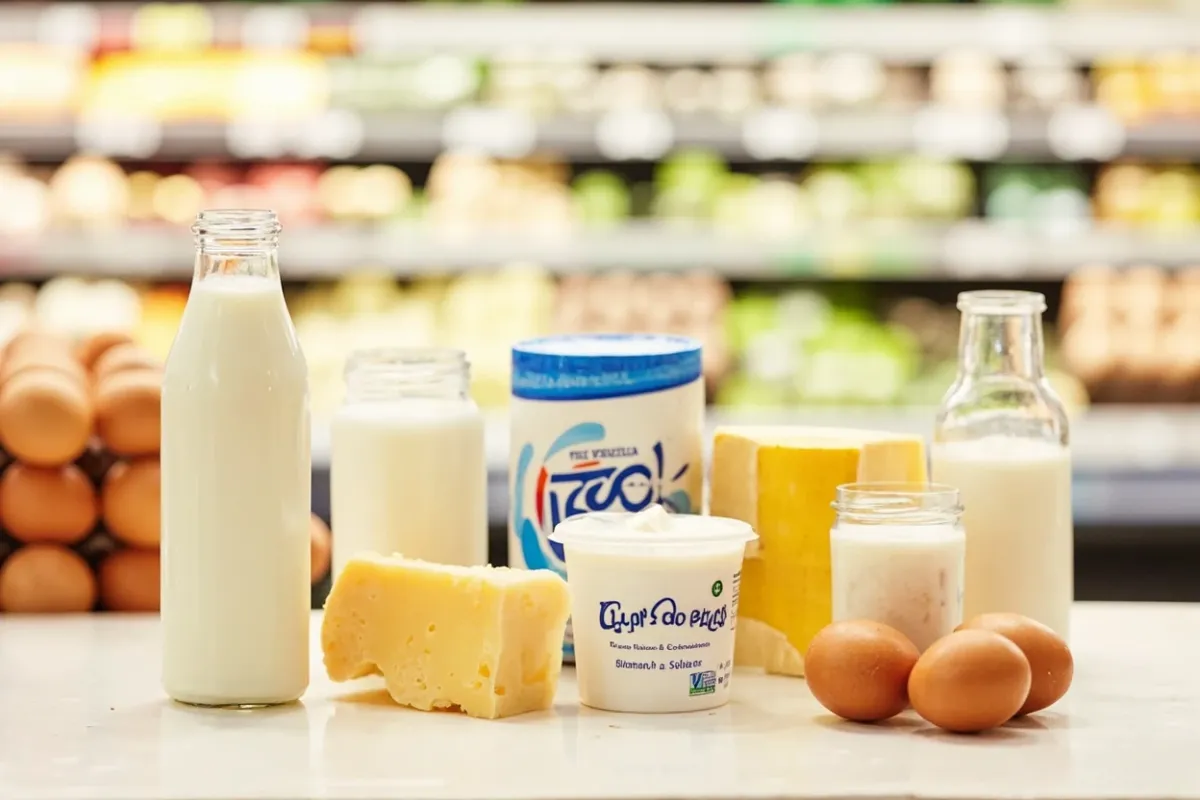
Table of Contents
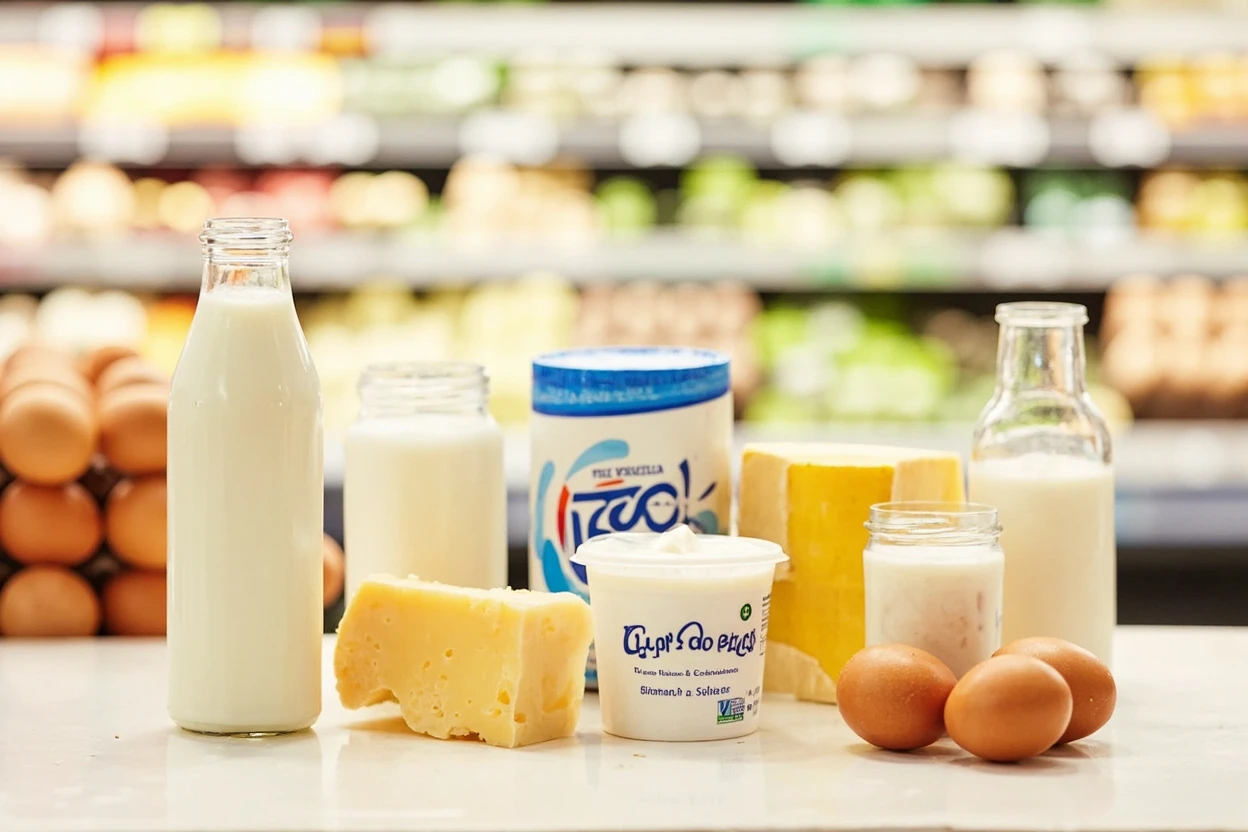
The global Eggs Nutrition & Selection sector serves consumers worldwide with diverse solutions.
1. Industry Overview
The global nutritionally enhanced eggs market hit $5.191 billion in 2024 and is on track to reach $8.427 billion by 2030. This isn't just a commodity shift—it's a fundamental redefinition of what an egg can be. In the Dairy & Egg Products industry, eggs have traditionally been a simple protein source. Today, the sub-topic of eggs nutrition and selection covers the deliberate choice of eggs fortified with omega-3s, vitamin D, selenium, or lutein, alongside liquid and protein-isolate forms tailored for specific dietary and industrial needs.
Industry Scope & Characteristics
Broad Product Portfolio
Products span Eggs Nutrition & Selection, serving diverse consumer needs from everyday essentials to premium specialized offerings.
Complex Global Supply Chains
Integrated international networks spanning multiple continents ensure year-round product availability across diverse markets.
Quality & Compliance Standards
Rigorous regulatory frameworks and quality certifications ensure product safety, consistency, and consumer trust worldwide.
Continuous Innovation
Heavy R&D investment drives formulation breakthroughs, processing technologies, and novel product development cycles.
What makes this segment distinctive is its intersection of consumer health trends and industrial functionality. Unlike bulk commodity eggs, nutritionally enhanced eggs command premium pricing because they deliver measurable health benefits. The selection process now involves evaluating feed additives, hen housing systems, and processing methods that preserve bioactives. For B2B buyers—from food manufacturers to institutional kitchens—understanding these nuances is critical for sourcing products that meet label claims and consumer expectations.
The market's momentum is underpinned by two forces: aging populations seeking preventive nutrition, and a surge in high-protein, low-carb diets. By 2026, the global egg proteins market alone is projected to grow from $9.26 billion to $14.19 billion by 2034 at a 5.47% CAGR, while liquid egg products are expected to reach $15.3 billion by 2035 (6.2% CAGR). These figures signal that the egg is no longer just breakfast—it's a versatile, targeted nutrition delivery system.

Key market segments and growth drivers in the Eggs Nutrition & Selection sector.
2. Market Analysis
The nutritionally enhanced eggs market is expanding at a compound annual growth rate (CAGR) of 11.1% from 2026 to 2033, a pace that far outstrips the broader dairy and egg sector. This growth is driven by three specific factors: first, the aging global population—by 2026, over 1.3 billion people will be aged 60+, creating demand for eggs enriched with vitamin D and omega-3 to support bone and heart health. Second, the clean-label movement pushes producers to replace synthetic supplements with naturally enhanced eggs, which fetch 30–50% higher wholesale prices.
In the egg proteins segment, the market is forecast to reach $20.3 billion by 2036 at a 6.5% CAGR, with thickening and emulsifying applications leading demand. Liquid egg products, including pasteurized whole eggs, whites, and yolks, are growing at 6.2% CAGR toward $15.3 billion by 2035, driven by foodservice convenience and reduced waste. The major growth driver here is the shift from fresh shell eggs to liquid formats in hotels, restaurants, and catering—a trend accelerated by labor shortages and food safety regulations.
Regionally, Asia-Pacific accounts for over 35% of global egg consumption, and its nutritionally enhanced segment is growing fastest due to rising disposable incomes and awareness of functional foods. In North America and Europe, regulatory acceptance of health claims (e.g., 'excellent source of vitamin D') is enabling premium product launches. The combined effect is a market where selection is increasingly driven by nutritional profile, not just price.
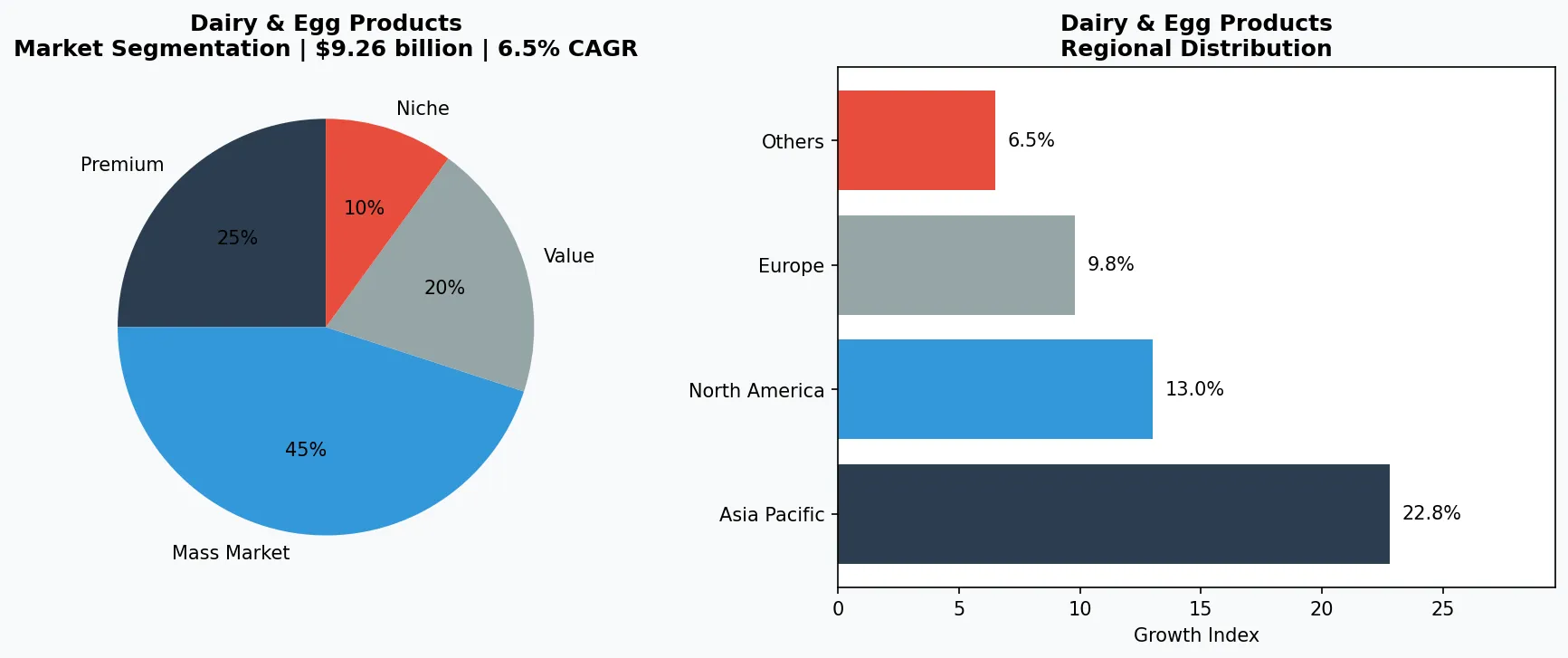
Market segmentation and regional distribution analysis for Eggs Nutrition & Selection.
3. Product Categories
The eggs nutrition and selection landscape breaks into three primary product categories:
Premium & Artisanal Tier
High-margin specialty products targeting affluent consumers who prioritize quality, craftsmanship, and unique attributes.
Mass Market Mainstream
Volume-driven products serving price-conscious mainstream consumers with reliable quality at accessible price points.
Functional & Niche Segment
Targeted products addressing specific health concerns, dietary requirements, or lifestyle preferences beyond basic needs.
1. **Nutritionally Enhanced Shell Eggs**: These are whole eggs from hens fed specific diets to increase levels of omega-3 fatty acids, vitamin D, vitamin E, selenium, or lutein. Examples include eggs with 200–400 mg of DHA per egg (vs. ~30 mg in standard eggs) and eggs with 100 IU of vitamin D. Such products dominate the premium retail shelf and are increasingly specified by healthcare institutions.
2. **Liquid Egg Products**: Pasteurized liquid whole eggs, egg whites, and egg yolks—often fortified with vitamins or enzymes—are designed for foodservice, bakery, and ready-to-eat meal production. Their selection criteria focus on shelf life (typically 4–12 weeks refrigerated), microbial safety, and functional properties like foam stability or gel strength.
3. **Egg Protein Isolates and Powders**: Derived from egg whites through spray-drying or ultrafiltration, these products offer >90% protein content with a complete amino acid profile. They are used in sports nutrition bars, protein shakes, and as clean-label binders in processed meats. The egg protein market’s growth to $20.3 billion by 2036 is driven by its superior digestibility and low allergenicity compared to whey or soy.
4. Leading Players
While the market is fragmented, three types of players dominate egg nutrition and selection:
Global Market Leader
Multinational player commanding significant market share. Revenue exceeding $50B with operations across 100+ countries, diversified portfolio spanning all major price tiers.
Regional Champion
Dominant force in Asia Pacific with deeply localized product lines, extensive distribution networks, and strong regional retailer relationships.
Innovation Disruptor
Fast-growing challenger disrupting incumbents through breakthrough product innovation, direct-to-consumer models, and data-driven marketing in the dairy & egg products space.
**Large Integrated Egg Producers** are leveraging vertical integration—from feed mills to processing plants—to introduce fortified lines. They invest in proprietary feed blends that deliver consistent omega-3 or vitamin levels. Their strategy is to capture the premium segment while maintaining commodity volume. These producers often partner with retailers to co-brand 'enriched' labels that justify a 30% price premium.
**Ingredient-Specialist Suppliers** focus on egg protein isolation and liquid processing for B2B clients. They invest in membrane filtration and enzymatic hydrolysis technologies to produce fractions with specific functional properties (e.g., ovotransferrin for antimicrobial applications). Their competitive edge is customization: offering egg ingredients with defined emulsification or gelling characteristics for plant-based meat alternatives or high-protein beverages.
**Innovative Startups** are entering via direct-to-consumer egg subscription models or using blockchain to verify feed-to-fork nutritional claims. They target the top 10% of health-conscious consumers who demand transparency. While still small in share, these players are forcing incumbents to adopt digital traceability and faster innovation cycles in product selection.
5. Market Trends
1. CLEAN-LABEL ENRICHMENT
CLEAN-LABEL ENRICHMENT — Consumers are rejecting synthetic fortification in favor of 'naturally enhanced' eggs. This trend drives feed innovation using algae or flaxseed to boost omega-3s. Producers responding to this trend are reformulating feeds to meet clean-label criteria, which also improves shelf appeal for B2B buyers sourcing for 'no artificial ingredients' claims.
2. LIQUID EGG PROLIFERATION IN FOODSERVICE
LIQUID EGG PROLIFERATION IN FOODSERVICE — The shift from shell eggs to liquid formats is accelerating at 6.2% CAGR. Foodservice operators value the labor savings, reduced spoilage, and consistent portion control. Major fast-food chains are converting to liquid egg systems, prompting suppliers to build new processing capacity. This trend is expanding the selection criteria for buyers to include viscosity, foaming, and packaging formats like bag-in-box.
3. EGG PROTEIN IN ALTERNATIVE PROTEIN BLENDS
EGG PROTEIN IN ALTERNATIVE PROTEIN BLENDS — As plant-based meat and dairy alternatives struggle with texture, egg proteins are being adopted as functional binders. The egg protein market’s growth to $20.3 billion by 2036 is partly driven by its use in hybrid products (e.g., plant-egg mince) that mimic meat mouthfeel. This opens a new selection dimension for ingredient buyers.
6. Regional Markets
Asia Pacific — The Growth Engine
The world's largest and fastest-growing region, led by China, India, and Southeast Asia. Urbanization, rising middle class, and digital retail adoption are primary catalysts.
North America — Premium & Wellness Driven
A mature market with strong health-and-wellness orientation, sustainability commitments, and robust demand for premium and functional products.
Europe — Quality & Regulatory Leadership
A developed market with stringent quality, safety, and environmental regulations. Strong demand for organic, locally sourced, and ethically certified products.
7. Investment Outlook
Two clear opportunities define the egg nutrition and selection space through 2026. First, the Asia-Pacific region offers untapped potential for nutritionally enhanced eggs, especially in China and India, where rising middle classes seek functional foods. Suppliers who establish local feed partnerships and cold-chain distribution can capture first-mover premium margins. Second, egg protein isolates are poised to disrupt the $50B sports nutrition market; manufacturers who develop flavor-masked, instant-dispersing powders will win share.
The primary risk is supply chain volatility from avian influenza outbreaks, which can decimate flocks and spike feed costs. Buyers should diversify sourcing across geographies and lock in contracts with producers who maintain biosecurity certifications. In this environment, selection is not just about nutrition—it's about resilience and traceability.
Strategic Considerations:
- Technology & AI Integration: Artificial intelligence and IoT are revolutionizing production efficiency, quality assurance, and demand forecasting across the supply chain.
- Sustainability as Business Strategy: Regulatory pressure and consumer expectations are making environmental commitments essential, not optional.
- Transparency & Traceability: Consumers demand increasingly granular information about product origins, ingredients, and production methods.
- Emerging Market Penetration: Africa, Latin America, and second-tier Asian cities represent the next wave of volume growth.
Make Informed Decisions in the Eggs Nutrition & Selection Market
Product quality and sourcing integrity directly impact business outcomes. Discover how Verity Rank's verification platform helps industry participants source with greater confidence.
Contact Verity Rank TodayFurther Reading: Explore additional market intelligence from Grand View Research and Mordor Intelligence.
This article is for informational purposes only, based on publicly available industry data and market reports as of 2026-04-27. All market figures are estimates and may vary from actual results.