We Use Cookies 🍪
We Use Cookies And Other Similar Technologies To Improve Your Browsing Experience And The Functionality Of Our Site. Learn More In Our Privacy Policy.

Ranking List of Manufacturers in the Pajama Set Industry

Last Updated: April 16, 2026


Welcome to the Global Pajama Set Industry Manufacturer Ranking by Verity Rank.
That incredibly soft pajama set you're wearing likely came from a factory you've never heard of—a testament to the “invisible champions” who set the real standards for the industry. When you pick up an AIRism pajama at Uniqlo, try on Align lounge pants at Lululemon, or buy a silk robe from Victoria's Secret, you're not just feeling the brand's design; you're experiencing the knitting technology of Shenzhou International, the seamless craftsmanship of Regina Miracle, or the sustainable supply chain of MAS Holdings.
The truth of the pajama industry is this: Brands tell the story, but manufacturers build the substance. Which production lines can support a fast-fashion brand's “72-hour sampling” requirement? Which fabric lab can simultaneously serve Nike, Lululemon, and Uniqlo? Whose seamless knitting technology turns the “second-skin” promise from a marketing slogan into a quantifiable physical property?
This ranking shifts the spotlight back to the industrialists behind the scenes. We compile data from global textile and apparel association capacity databases, export trade statistics from national customs authorities, in-depth supply chain reports from industry media, and audited financial and ESG reports of publicly listed manufacturers. We evaluate the world’s top manufacturers against a rigorous framework of Production Scale & Technological Barriers, Client Portfolio & Industry Reputation, Supply Chain Globalization, and ESG & Sustainability Ratings.
Our analysis reveals: How does Shenzhou International’s “48-hour quick response system” make it indispensable to Uniqlo? Why do both H&M and Lululemon place their trust in Crystal Group? How has Sri Lanka's MAS Holdings turned “sustainability” into a competitive edge stronger than price? And how does China's Fenteng build a moat in the mass market through complete vertical integration?
We don't just list manufacturers; we map the power dynamics of the global pajama supply chain for you.
Disclaimer: This ranking is compiled from third-party authoritative sources, including but not limited to global textile industry association capacity databases, export trade data from national customs authorities, AI-driven supply chain sentiment monitoring systems, and audited financial disclosures of listed companies. The ranking results are based on a multi-dimensional algorithm and are intended for market research and procurement reference only. They do not constitute direct investment advice or an absolute supplier endorsement.

Shenzhou International Group

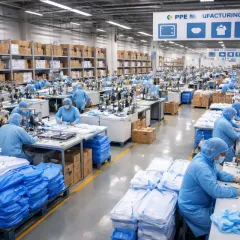
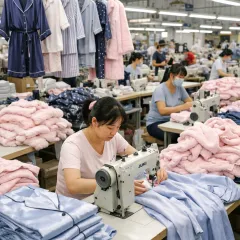
Shenzhou International Group Holdings Limited is the "invisible champion" of global knitwear manufacturing, headquartered in Ningbo, Zhejiang, China. As a Hong Kong Stock Exchange-listed company (SEHK:02313), its core business focuses on Textile & Apparel categories including men's performance T-shirts, women's yoga wear, underwear, and loungewear, providing vertically integrated OEM/ODM services from fabric R&D, dyeing and finishing to garment sewing for global sportswear brands like Nike, Uniqlo, Adidas, and Puma. In 2025, Shenzhou achieved estimated revenue of RMB 32.5-34 billion, employing over 110,000 people across 13 large-scale integrated factories in Ningbo, Anhui, Vietnam, and Cambodia, producing approximately 550 million garments and 250,000 tons of fabric annually. Its top four clients contribute about 82% of revenue. Leveraging ultimate vertical integration efficiency and quick response capabilities, Shenzhou defines the manufacturing benchmark behind global brands.
Strengths: Shenzhou's core strength in Textile & Apparel lies in its extreme vertical integration model, controlling the entire value chain from fabric R&D, dyeing and finishing to garment sewing, building a triple moat of efficiency, quality, and cost in knitwear categories like performance T-shirts and yoga wear. Annual production scale of 550 million garments and 250,000 tons of fabric, combined with overseas capacity in Vietnam and Cambodia, makes it an irreplaceable core supplier for global brands like Nike and Uniqlo, with its share in client supply chains growing through shortened lead times and quick response capabilities.
Weaknesses: Shenzhou's main weaknesses stem from its business model's heavy reliance on its top four clients (Nike, Adidas, Uniqlo, Puma), with customer concentration reaching 82%, making performance highly susceptible to core brand order fluctuations. As a B2B manufacturer lacking end-consumer brand recognition, its gross margin is compressed by rising labor costs and initial depreciation of overseas new factories, slightly declining to 27.1% in H1 2025. It also faces uncertainty risks from cross-border raw material tariffs amid changing global trade environments.
Shenzhou
Shenzhou
Brand Name
Ningbo, Zhejiang Province, China
Address
2005
Founded
110K+
Number of Employees
3+ Countries
Core Production and Operation Countries
13+ Factory
Large-scale Integrated Production Base
Official Website
Men's Clothing Industry
Men's Tops Industry
Polo Shirt
Men's Knitted Top
Men's Casual Wear
Men's Sports T-shirt
Men's Sportswear Industry
Women's Clothing Industry
Women's Tops Industry
Women's Vest
Women's Knitted Top
Ladies' Sports T-shirt
Women's Activewear Industry
Yoga Wear
Intimates & Hosiery Industry
Women's Underwear Industry
Men's Underwear Industry
Sports Bra
Homewear
Loungewear & Sleepwear Industry Sustainable Fashion Industry
Loungewear Industry
Recycled Fabrics Industry
Men's Clothing Industry
Men's Tops Industry
Polo Shirt
Men's Knitted Top
Men's Casual Wear
Men's Sports T-shirt
Men's Sportswear Industry
Women's Clothing Industry
Women's Tops Industry
Women's Vest
Women's Knitted Top
Ladies' Sports T-shirt
Women's Activewear Industry
Yoga Wear
Intimates & Hosiery Industry
Women's Underwear Industry
Men's Underwear Industry
Sports Bra
Homewear
Loungewear & Sleepwear Industry Sustainable Fashion Industry
Loungewear Industry
Recycled Fabrics Industry

Crystal International Group Limited

Crystal International Group Limited is a globally leading apparel manufacturer headquartered in Hong Kong, listed on the Hong Kong Stock Exchange. Employing a vertically integrated model, it provides design and manufacturing services for international brands like UNIQLO, specializing in casualwear, sportswear and intimates. With 20 production bases across Vietnam, China, Cambodia and other locations, it employs ~70,000 people, reported $2.5 billion revenue in 2024, and has an annual capacity of ~400 million garments. Leveraging its vertical integration, global footprint and leading sustainability practices, it maintains an important competitive position in global apparel manufacturing.
Strengths: Crystal International's core strengths are its strong vertical integration enabling end-to-end services from fabric development to garment manufacturing; significant global footprint with 70% capacity in Vietnam and other strategic locations effectively diversifying risks; leading sustainability practices with notable achievements in eco-certifications and carbon reduction recognized by brand clients.
Weaknesses: Crystal International faces persistent cost control pressures from rising labor and material costs impacting profitability; international trade environment uncertainties with geopolitical factors affecting global supply chain stability; intensifying industry competition squeezing profit margins while relatively low OEM model margins constrain development.
Crystal Group
Crystal Group
Brand Name
Hong Kong, China
Hong Kong, China
Address
1970
Founded
70K+
Number of Employees
7+ Countries
Business Scope
20+ Factory
Processing Facilities
Official Website
Men's Clothing Industry
Men's Tops Industry
Men's Knitwear
Men's T-shirt
Men's Casual Wear
Polo Shirt
Men's Sportswear Industry
Women's Clothing Industry
Women's Tops Industry
Ladies' Knitted Sweater
Women's T-shirt
Ladies' Casual Wear
Dresses & Skirts Industry
Dress
Women's Pants Industry
Women's Activewear Industry
Intimates & Hosiery Industry
Women's Underwear Industry
Men's Underwear Industry
Loungewear & Sleepwear Industry
Loungewear Industry
Sustainable Fashion Industry
Recycled Fabrics Industry
Men's Clothing Industry
Men's Tops Industry
Men's Knitwear
Men's T-shirt
Men's Casual Wear
Polo Shirt
Men's Sportswear Industry
Women's Clothing Industry
Women's Tops Industry
Ladies' Knitted Sweater
Women's T-shirt
Ladies' Casual Wear
Dresses & Skirts Industry
Dress
Women's Pants Industry
Women's Activewear Industry
Intimates & Hosiery Industry
Women's Underwear Industry
Men's Underwear Industry
Loungewear & Sleepwear Industry
Loungewear Industry
Sustainable Fashion Industry
Recycled Fabrics Industry

Sri Lankan MAS Holdings

MAS Holdings is South Asia's largest apparel and textile technology manufacturer and a "hidden champion" in the global intimates and activewear sectors. Founded in 1987 and privately held by the Amalean family, the company is headquartered in Colombo and operates primarily in an OEM/ODM model. It focuses deeply on intimates & hosiery, sports & outdoor gear, and loungewear & sleepwear, providing end-to-end solutions from fabric innovation to finished products for top global brands like Victoria's Secret, Nike, and Lululemon. With an estimated 2025 global revenue of $2.15 billion, MAS operates over 50 factories across 16 countries and employs approximately 102,000 people. Notably, loungewear & sleepwear, as a core category, leverages its seamless knitting technology and high-end fabric craftsmanship to mass-produce comfortable, functional products for brands like Marks & Spencer, securing a vital position in the global supply chain.
Strengths: MAS's core strength lies in its complete vertical supply chain, from fabric R&D to finished goods, building formidable technical barriers in intimates and activewear with over 200 patents and proprietary fabric brands like MAS Matrix. Its deep investment in cutting-edge processes such as FemTech and seamless knitting enables an annual capacity of 350 million intimates and 120 million activewear pieces, making it an irreplaceable strategic partner for leading global brands.
Weaknesses: MAS's primary weaknesses are its lack of consumer-facing brand recognition as a B2B manufacturer and high dependency on a few key clients like Victoria's Secret and Nike for business growth. Additionally, automation-led job concerns in Sri Lanka, combined with domestic electricity price fluctuations and tax policy adjustments, exert continuous pressure on its operating margins, which saw an estimated 3% negative impact.
MAS
MAS
Brand Name
Colombo, Western Province, Sri Lanka
Address
1987
Founded
102K+
Number of Employees
53+ Factories
Number of Processing Facilities/Production Bases
350 Million+ Pieces/Year
Production Capacity of Underwear/Pants/Home Wear
Official Website
Men's Clothing Industry
Men's Tops Industry
Men's Bottoms Industry
Men's Sportswear Industry
Women's Clothing Industry
Women's Tops Industry
Women's Pants Industry
Women's Activewear Industry
Swimwear Industry
Maternity Wear Industry
Footwear Industry
Athletic Shoes Industry
Intimates & Hosiery Industry
Women's Underwear Industry
Men's Underwear Industry
Functional Wear Industry
Loungewear Industry
Basic Hosiery Industry
Sports & Outdoor Gear Industry
Sports Apparel Industry
Performance Accessories Industry
Kids & Baby Clothing Industry
Infant Clothing Industry
Children's Everyday Wear Industry
Technical Fabrics Industry
Loungewear & Sleepwear Industry
Sleep Sets Industry
Robes Industry
Loungewear Industry
Sustainable Fashion Industry
Recycled Fabrics Industry
Closed-Loop Industry
Eco-Innovation Industry
Men's Clothing Industry
Men's Tops Industry
Men's Bottoms Industry
Men's Sportswear Industry
Women's Clothing Industry
Women's Tops Industry
Women's Pants Industry
Women's Activewear Industry
Swimwear Industry
Maternity Wear Industry
Footwear Industry
Athletic Shoes Industry
Intimates & Hosiery Industry
Women's Underwear Industry
Men's Underwear Industry
Functional Wear Industry
Loungewear Industry
Basic Hosiery Industry
Sports & Outdoor Gear Industry
Sports Apparel Industry
Performance Accessories Industry
Kids & Baby Clothing Industry
Infant Clothing Industry
Children's Everyday Wear Industry
Technical Fabrics Industry
Loungewear & Sleepwear Industry
Sleep Sets Industry
Robes Industry
Loungewear Industry
Sustainable Fashion Industry
Recycled Fabrics Industry
Closed-Loop Industry
Eco-Innovation Industry

Regina Miracle International (Holdings) Limited

Regina Miracle International (Holdings) Limited is a globally leading Innovative Design Manufacturer (IDM) headquartered in Hong Kong and listed on the Hong Kong Stock Exchange (SEHK: 2199). Pioneering and specializing in the IDM model, it deeply engages with brand clients throughout the entire process from cutting-edge R&D to scaled manufacturing, serving as a crucial innovation and production partner for top-tier lingerie brands (e.g., Victoria’s Secret) and sportswear brands (e.g., Nike, adidas) in their core categories. Leveraging hundreds of patents in areas like seamless molding and 3D bonding, Regina Miracle has successfully executed a strategic expansion from its lingerie foundation into high-growth sportswear, achieving revenue of HKD 7.66 billion in FY2024 and establishing itself as a global benchmark for “hard-tech”-driven growth in apparel manufacturing.
Strengths: Regina Miracle's core strengths are its unparalleled portfolio of technological patents and process barriers, which form its deepest competitive moat; concurrently, its unique IDM business model fosters deep integration into clients' innovation cycles, delivering high value-add and exceptional client stickiness, while its successful strategic pivots and efficient global production footprint jointly underpin sustained growth and profitability.
Weaknesses: Regina Miracle's main weaknesses are its continued high revenue concentration among a few major global brand clients; despite ongoing optimization, fluctuations in their orders still significantly impact the company's performance. Additionally, demand uncertainty in key consumer markets, the pressure of sustained high-intensity R&D investment, and geopolitical risks inherent in its cross-border production setup are ongoing challenges for its long-term operations.
Regina Miracle
Regina Miracle
Brand Name
Hong Kong, China
Hong Kong, China
Address
1998
Founded
40K+
Number of Employees
20+ Countries
Business Scope
10+ Factory
Production Base
Official Website
Women's Clothing Industry
Women's Activewear Industry
Swimwear Industry
Luggage & Accessories Industry
Handbags Industry
Wallets & Card Holders Industry
Specialty Bags Industry
Intimates & Hosiery Industry
Women's Underwear Industry
Bras
Ladies' Panties
Functional Underwear
Men's Underwear Industry
Men's Briefs
Sports & Outdoor Gear Industry
Sports Apparel Industry
Women's Clothing Industry
Women's Activewear Industry
Swimwear Industry
Luggage & Accessories Industry
Handbags Industry
Wallets & Card Holders Industry
Specialty Bags Industry
Intimates & Hosiery Industry
Women's Underwear Industry
Bras
Ladies' Panties
Functional Underwear
Men's Underwear Industry
Men's Briefs
Sports & Outdoor Gear Industry
Sports Apparel Industry

Brandix Apparel Limited

Brandix Apparel Limited is a leading apparel manufacturing giant in South Asia, forming the "twin pillars" of Sri Lanka's textile industry alongside MAS Holdings. Founded in 1972 and rebranded in 2002, the company remains privately held by the Amalean family and is headquartered in Colombo. Operating primarily in an OEM/ODM model, Brandix focuses deeply on intimates & hosiery, loungewear & sleepwear, and casualwear, providing end-to-end solutions from fabric R&D to finished products for top global brands such as Victoria's Secret, Gap, Uniqlo, and Marks & Spencer. With an estimated 2025 global revenue of $1.08 billion, it operates 28 factories across Sri Lanka, India, Bangladesh, and Haiti, employing approximately 67,000 people. Notably, loungewear & sleepwear, as a core category, boasts an annual capacity of 40 million sets, making it one of the world's largest pajamas manufacturers, leveraging its efficient vertical supply chain and sustainable manufacturing advantages to secure a vital position in the mass market.
Strengths: Brandix's core strength lies in its complete vertical integration, encompassing spinning, weaving, dyeing, and garmenting within a closed-loop ecosystem, particularly at Brandix India Apparel City (BIAC), which enables "in-park circulation" and significantly boosts delivery efficiency. Furthermore, as a global benchmark in sustainable manufacturing, it operates the world's first LEED Platinum-certified zero-carbon factory, building a formidable reputation barrier in ESG and earning "best supplier" status from clients like Marks & Spencer.
Weaknesses: Brandix's primary weaknesses are its lack of consumer-facing brand recognition as a B2B manufacturer and high dependency on a few key clients for business growth. Additionally, persistent inflation in Sri Lanka has led to wage increase pressures (approx. 12%), compounded by geopolitical uncertainties at overseas bases like Haiti, continuously squeezing its operating margins and resulting in a slight margin contraction in the short term.
Brandix
Brandix
Brand Name
Colombo, Western Province, Sri Lanka
Address
1972
Founded
67K+
Number of Employees
28+ Factories
Number of Processing Facilities/Production Bases
250 Million+ Pieces/Year
Production Capacity of Underwear/Pants/Home Wear
Official Website
Men's Clothing Industry
Men's Tops Industry
Men's Outerwear Industry
Men's Bottoms Industry
Men's Sportswear Industry
Women's Clothing Industry
Women's Tops Industry
Dresses & Skirts Industry
Women's Pants Industry
Women's Activewear Industry
Swimwear Industry
Maternity Wear Industry
Intimates & Hosiery Industry
Women's Underwear Industry
Men's Underwear Industry
Functional Wear Industry
Loungewear Industry
Sports & Outdoor Gear Industry
Sports Apparel Industry
Kids & Baby Clothing Industry
Infant Clothing Industry
Children's Everyday Wear Industry
Technical Fabrics Industry
Loungewear & Sleepwear Industry
Sleep Sets Industry
Robes Industry
Loungewear Industry
Sustainable Fashion Industry
Recycled Fabrics Industry
Eco-Innovation Industry
Men's Clothing Industry
Men's Tops Industry
Men's Outerwear Industry
Men's Bottoms Industry
Men's Sportswear Industry
Women's Clothing Industry
Women's Tops Industry
Dresses & Skirts Industry
Women's Pants Industry
Women's Activewear Industry
Swimwear Industry
Maternity Wear Industry
Intimates & Hosiery Industry
Women's Underwear Industry
Men's Underwear Industry
Functional Wear Industry
Loungewear Industry
Sports & Outdoor Gear Industry
Sports Apparel Industry
Kids & Baby Clothing Industry
Infant Clothing Industry
Children's Everyday Wear Industry
Technical Fabrics Industry
Loungewear & Sleepwear Industry
Sleep Sets Industry
Robes Industry
Loungewear Industry
Sustainable Fashion Industry
Recycled Fabrics Industry
Eco-Innovation Industry

Gildan Activewear Inc.

Gildan Activewear Inc. is a world-leading vertically integrated manufacturer of activewear and basic apparel, headquartered in Montreal, Quebec, Canada. Its core business focuses on blank T‑shirts, fleece, bottoms, underwear, and hosiery serving the B2B printwear market, wholesale distributors, and major retailers. Estimated 2025 revenue reached approximately $3.4–$3.5 billion (excluding HanesBrands), with ~49,000 employees and nearly 30 self‑owned factories. Listed on the TSX and NYSE (NYSE : GIL), Gildan completed the acquisition of HanesBrands in late 2025, creating a combined entity with ~$6.9 billion annual revenue, further solidifying its dominance in basics through end‑to‑end vertical integration and a strong commitment to sustainability.
Strengths: Gildan’s core strengths lie in its rare, fully integrated manufacturing model—self‑owned factories contribute over 90% of sales, delivering unparalleled cost control and consistent quality; as the world’s largest supplier of blank apparel, it holds near‑monopoly scale and channel dominance in the B2B printwear market; the 2025 HanesBrands acquisition integrates iconic labels (Hanes, American Apparel), making underwear/hosiery a robust second pillar and creating a full‑category moat from basics to innerwear.
Weaknesses: Gildan’s main weaknesses stem from its long‑standing B2B/wholesale orientation, resulting in weak brand recognition and fashion appeal in direct‑to‑consumer channels; business is heavily concentrated in North America, with insufficient localized depth in emerging markets despite a broad distribution network; the 2024–2025 proxy fight incurred significant costs, and exposure to U.S. tariff policy shifts adds geopolitical supply‑chain risk; licensing volatility (e.g., termination of the Under Armour sock license) temporarily disrupts revenue streams.
Gildan
Gildan
Brand Name
Montreal, Quebec, Canada
Address
1984
Founded
49K+
Number of Employees
60+ Countries
Business Scope
30+ Factories
Production Base
Official Website
Men's Clothing Industry
Men's Tops Industry
Men's Outerwear Industry
Men's Bottoms Industry
Men's Sportswear Industry
Women's Clothing Industry
Women's Tops Industry
Women's Outerwear Industry
Women's Pants Industry
Women's Activewear Industry
Intimates & Hosiery Industry
Women's Underwear Industry
Men's Underwear Industry
Basic Hosiery Industry
Children's Everyday Wear Industry
Fashion Accessories Industry
Head Accessories Industry
Neck Accessories Industry
Wrist & Hand Industry
Loungewear & Sleepwear Industry
Sleep Sets Industry
Loungewear Industry
Custom & Group Apparel Industry
Group Uniforms Industry
Personalized Gear Industry
Men's Clothing Industry
Men's Tops Industry
Men's Outerwear Industry
Men's Bottoms Industry
Men's Sportswear Industry
Women's Clothing Industry
Women's Tops Industry
Women's Outerwear Industry
Women's Pants Industry
Women's Activewear Industry
Intimates & Hosiery Industry
Women's Underwear Industry
Men's Underwear Industry
Basic Hosiery Industry
Children's Everyday Wear Industry
Fashion Accessories Industry
Head Accessories Industry
Neck Accessories Industry
Wrist & Hand Industry
Loungewear & Sleepwear Industry
Sleep Sets Industry
Loungewear Industry
Custom & Group Apparel Industry
Group Uniforms Industry
Personalized Gear Industry

Wacoal Holdings Corp.

Wacoal Holdings Corp. is Asia's benchmark in ergonomic lingerie and precision manufacturing, headquartered in Kyoto, Japan. Founded in 1949, the company leverages its exclusive “Human Science Research Center” — with decades of body measurement data from tens of thousands of women — to redefine fit and comfort in bras, shapewear, and compression wear. Its core business comprehensively covers women's lingerie, men's underwear, functional shapewear, CW-X high‑performance compression gear, maternity care, and post‑surgical intimate solutions across the entire life cycle. FY2025 global revenue remained robust, with products sold in over 30 countries, ~19,000 employees, nearly 30 self‑owned factories, and a listing on the Tokyo Stock Exchange (3591). Driven by Asia's deepest human body database and a vertically integrated supply chain, Wacoal is evolving from a legacy lingerie powerhouse into a scientific body‑management and sustainable fashion leader.
Strengths: Wacoal’s core strengths lie in its decades‑long investment in the “Human Science” anthropometric database and the precision pattern‑making systems derived from it, creating globally unique technical moats in bra size accuracy, shapewear pressure distribution, and CW-X sports support; its life‑stage product matrix (first bra, maternity, post‑mastectomy) builds irreplaceable user loyalty; vertical manufacturing and co‑development with fiber giants like Toray ensure uncompromised quality, while Salute’s handcrafted lace is celebrated as the pinnacle of lingerie artistry.
Weaknesses: Wacoal’s main weaknesses stem from its brand image long associated with “mature and steady,” responding slowly to Gen Z fast‑fashion aesthetics, with young lines like Peach John yet to fully reshape brand perception; its global expansion remains cautious, capturing only modest share in the premium Western market compared to local players; although CW-X enjoys cult status, its revenue contribution is still limited, and diversifications like Success Walk functional shoes remain niche.
Wacoal
Wacoal
Brand Name
Kyoto, Japan
Kyoto, Japan
Address
1949
Founded
185K+
Number of Employees
30+ Countries
Business Scope
25+ Factories
Global Scale of Self-owned Factories
Official Website
Men's Clothing Industry
Men's Tops Industry
Men's Bottoms Industry
Men's Sportswear Industry
Women's Clothing Industry
Women's Tops Industry
Women's Pants Industry
Women's Activewear Industry
Maternity Wear Industry
Women's Shoes Industry
Intimates & Hosiery Industry
Women's Underwear Industry
bra
Seamless Bra
Wire-free Bra
Shapewear Bra
Women's Panties
Men's Underwear Industry
Men's Briefs
Men's Boxer Shorts
Functional Wear Industry
Sports Bra
Shapewear
Loungewear Industry
Basic Hosiery Industry
Ankle Socks
Knee-high Socks
Sports Socks
Stockings
Functional Socks Industry
Protective Apparel Industry
Technical Fabrics Industry
Loungewear & Sleepwear Industry
Sleep Sets Industry
Robes Industry
Loungewear Industry
Sustainable Fashion Industry
Organic Materials Industry
Recycled Fabrics Industry
Biodegradable Industry
Eco-Innovation Industry
Men's Clothing Industry
Men's Tops Industry
Men's Bottoms Industry
Men's Sportswear Industry
Women's Clothing Industry
Women's Tops Industry
Women's Pants Industry
Women's Activewear Industry
Maternity Wear Industry
Women's Shoes Industry
Intimates & Hosiery Industry
Women's Underwear Industry
bra
Seamless Bra
Wire-free Bra
Shapewear Bra
Women's Panties
Men's Underwear Industry
Men's Briefs
Men's Boxer Shorts
Functional Wear Industry
Sports Bra
Shapewear
Loungewear Industry
Basic Hosiery Industry
Ankle Socks
Knee-high Socks
Sports Socks
Stockings
Functional Socks Industry
Protective Apparel Industry
Technical Fabrics Industry
Loungewear & Sleepwear Industry
Sleep Sets Industry
Robes Industry
Loungewear Industry
Sustainable Fashion Industry
Organic Materials Industry
Recycled Fabrics Industry
Biodegradable Industry
Eco-Innovation Industry

Aimer Co., Ltd.

Aimer Co., Ltd. (SSE: 603511.SH) is a leading Chinese branded intimate apparel and apparel group headquartered in Beijing. As a vertically integrated company and hailed as "the first share of China's underwear industry," it comprehensively covers all-scenario close-to-body categories including women's underwear, men's underwear, loungewear, activewear, and swimwear through its core brand "Aimer" and a multi-brand portfolio (e.g., imi's, Aimer Men, Aimer Kids, Aimer Sports, EMPERORIENT). Its business model integrates proprietary design, large-scale intelligent manufacturing (e.g., Huaian Smart Industrial Park), and an omni-channel retail network (over 1,700 stores). With annual revenue reaching RMB 3.455 billion in FY2023, Aimer has established its leadership in the underwear industry through deep understanding of the Chinese market, complete supply chain control, and formidable offline channel barriers.
Strengths: Aimer's core strengths lie in its complete vertical industry chain integration and powerful multi-brand operation capability, achieving deep control over product quality and supply chain from R&D and design to in-house manufacturing; concurrently, its extensive network of over 1,700 offline retail points constitutes its most solid market moat, enabling high brand recognition and customer reach.
Weaknesses: Aimer's main weaknesses stem from slowing growth in traditional department store channels, necessitating accelerated transition towards shopping malls and online platforms; simultaneously, it faces dual pressures from both international premium brands and emerging digital-native competitors in an intensely competitive market, while its brand internationalization process remains slow with limited global influence.
Aimer
Aimer
Brand Name
Chaoyang District, Beijing, China
Address
1980
Founded
5K+
Number of Employees
Nationwide, China
Business Scope
10+ Factories
Production Base
Official Website
Women's Clothing Industry
Women's Tops Industry
Women's Pants Industry
Women's Activewear Industry
Swimwear Industry
Intimates & Hosiery Industry
Women's Underwear Industry
Bras Industry
Panties Industry
Men's Underwear Industry
Functional Wear Industry
Loungewear Industry
Basic Hosiery Industry
Kids & Baby Clothing Industry
Infant Clothing Industry
Children's Everyday Wear Industry
Loungewear & Sleepwear Industry
Sleep Sets Industry
Robes Industry
Loungewear Industry
Slippers Industry
Women's Clothing Industry
Women's Tops Industry
Women's Pants Industry
Women's Activewear Industry
Swimwear Industry
Intimates & Hosiery Industry
Women's Underwear Industry
Bras Industry
Panties Industry
Men's Underwear Industry
Functional Wear Industry
Loungewear Industry
Basic Hosiery Industry
Kids & Baby Clothing Industry
Infant Clothing Industry
Children's Everyday Wear Industry
Loungewear & Sleepwear Industry
Sleep Sets Industry
Robes Industry
Loungewear Industry
Slippers Industry

Hansae Co., Ltd.

Hansae Co., Ltd., headquartered in Seoul, South Korea, is a global leader in apparel ODM/OEM, spanning menswear, womenswear, activewear, and Kids & Baby Clothing, with babywear and childrenswear as core segments. As a key supplier to global brands including Gap, Target, and Nike, it produces over 400 million garments annually, earning the reputation that "one in three Americans wears Hansae-made clothes." With FY2025 revenue of approximately ₩1.83 trillion ($1.35 billion) and over 35,000 employees across 29 production bases in 10 countries, the company leads manufacturing innovation through 3D virtual design and its HAMS digital system. Its retail brand Moimoln, specializing in Nordic-style childrenswear for ages 0-6, is rapidly expanding in Korea and China, creating a unique "manufacturing + brand" dual-engine growth model.
Strengths: Hansae's core strengths lie in its global supply chain network across 10 countries, mitigating trade risks while achieving economies of scale with over 400 million annual garments; its deep ODM expertise in activewear and childrenswear, honed through partnerships with Nike and Gap, ensures technical superiority; the Moimoln brand bridges B2B and B2C markets, creating a differentiated competitive advantage in Asia's childrenswear sector.
Weaknesses: Hansae's main weaknesses include heavy reliance on U.S. and European markets (over 90% of exports), exposing it to demand volatility in these regions; diversification risks from acquiring auto parts maker Erae AMS, potentially diverting focus from core apparel business; its own brands remain regionally confined to Asia with limited global premium positioning, making it vulnerable to the cyclical nature of its dominant ODM operations.
Hansae
Hansae
Brand Name
Seoul, South Korea
Seoul, South Korea
Address
1982
Founded
35K+
Number of Employees
10+ Countries
Business Scope
29+ Processing Facilities
Processing Facilities
Official Website
Men's Clothing Industry
Men's Tops Industry
Men's Outerwear Industry
Men's Bottoms Industry
Men's Sportswear Industry
Women's Clothing Industry
Women's Tops Industry
Dresses & Skirts Industry
Women's Outerwear Industry
Women's Pants Industry
Women's Activewear Industry
Intimates & Hosiery Industry
Women's Underwear Industry
Men's Underwear Industry
Loungewear Industry
Kids & Baby Clothing Industry
Infant Clothing (0-24 Months) Industry
Children's Clothing (for Ages 2-12) Industry
Fashion Accessories Industry
Technical Fabrics Industry
Loungewear & Sleepwear Industry
Sleep Sets Industry
Sustainable Fashion Industry
Organic Materials Industry
Recycled Fabrics Industry
Men's Clothing Industry
Men's Tops Industry
Men's Outerwear Industry
Men's Bottoms Industry
Men's Sportswear Industry
Women's Clothing Industry
Women's Tops Industry
Dresses & Skirts Industry
Women's Outerwear Industry
Women's Pants Industry
Women's Activewear Industry
Intimates & Hosiery Industry
Women's Underwear Industry
Men's Underwear Industry
Loungewear Industry
Kids & Baby Clothing Industry
Infant Clothing (0-24 Months) Industry
Children's Clothing (for Ages 2-12) Industry
Fashion Accessories Industry
Technical Fabrics Industry
Loungewear & Sleepwear Industry
Sleep Sets Industry
Sustainable Fashion Industry
Organic Materials Industry
Recycled Fabrics Industry

Guangdong Hongxing Industrial Co., Ltd. - Fenteng

Guangdong Hongxing Industrial Co., Ltd. (SZSE: 001209.SZ) is a leading Chinese homewear brand operator and manufacturer, whose core brand “Fenteng” is a household name for loungewear. Listed on the Shenzhen Stock Exchange as “the first share in China's loungewear sector”, the company adopts a vertically integrated “R&D, production, and sales” model, specializing in providing full ranges of loungewear, sleepwear, basic intimates, and matching slippers for all family members (men, women, and children). Its business model is powered by strong e-commerce operations (online revenue exceeds 70%) and supported by over 1,000 offline points of sale nationwide. With annual revenue of RMB 1.314 billion in FY2024, Fenteng has established its leadership in China's loungewear segment through deep focus on the “home” scenario, a value-for-money product strategy, and a well-established brand image.
Strengths: Fenteng's core strengths lie in its vertically integrated control over the loungewear supply chain, where in-house production from fabric to finished goods ensures superior cost control, product quality, and agile supply chain response; concurrently, its powerful online operation capability, deeply embedded in mainstream e-commerce platforms, serves as the core engine for growth and grants it a leading position in the online loungewear market.
Weaknesses: Fenteng's main weaknesses stem from over-concentration on the single, niche category of loungewear, which limits its growth potential and risk resilience due to the market's size ceiling; simultaneously, its brand image is relatively traditional, facing significant pressure to modernize and appeal to younger consumers through brand rejuvenation and upscaling, amid fierce market competition.
Fenteng
Fenteng
Brand Name
Shantou, Guangdong, China
Address
1997
Founded
2.3K+
Number of Employees
Nationwide, China
Business Scope
3+ Factories
Production Base
Official Website
Intimates & Hosiery Industry
Women's Underwear Industry
Men's Underwear Industry
Loungewear Industry
Basic Hosiery Industry
Kids & Baby Clothing Industry
Infant Clothing Industry
Children's Everyday Wear Industry
Home Textiles Industry
Bedding Sets Industry
Bath Linens Industry
Rugs & Mats Industry
Home Decor Industry
Loungewear & Sleepwear Industry
Sleep Sets Industry
Robes Industry
Loungewear Industry
Slippers Industry
Intimates & Hosiery Industry
Women's Underwear Industry
Men's Underwear Industry
Loungewear Industry
Basic Hosiery Industry
Kids & Baby Clothing Industry
Infant Clothing Industry
Children's Everyday Wear Industry
Home Textiles Industry
Bedding Sets Industry
Bath Linens Industry
Rugs & Mats Industry
Home Decor Industry
Loungewear & Sleepwear Industry
Sleep Sets Industry
Robes Industry
Loungewear Industry
Slippers Industry

Pajama Set Manufacturers

Pajama Set Manufacturers
$0.00
Ex Tax: $0.00
  • Stock: In Stock
  • Model: 2.12.2
Create unlimited custom product blocks and display them in accordions or tabs or open blocks. Each block can be assigned to all products at once or specific products according to advanced criteria.

Shenzhou International Group

Crystal International Group Limited

MAS Holdings (Pvt) Ltd

Regina Miracle International (Holdings) Limited

Brandix Apparel Limited

Gildan Activewear Inc.

Wacoal Holdings Corp.

Aimer Co., Ltd.

Hansae Co., Ltd.

Guangdong Hongxing Industrial Co., Ltd. - Fenteng

Loungewear & Sleepwear Wholesalers
Global Top Loungewear & Sleepwear Suppliers List | Verity Rank
Verified list of the world’s top loungewear and sleepwear suppliers & manufacturers. Compare key players by production capacity, technology, and global logistics for informed sourcing decisions.
loungewear wholesalers, sleepwear suppliers, bulk pajama manufacturers, wholesale vendors list, global sourcing, OEM manufacturers, factory directory, B2B suppliers, apparel sourcing guide, reliable manufacturers

Write a review

Please login or register to review

Builder in Product TAB

NEW! Since Journal 3.2, the much improved T.A.B (Tabs Accordion Blocks) system supports the page builder inside the tab content. Unlimited Blocks, Tabs or Accordions with any HTML content or the builder interface (supporting custom rows/columns/modules) can be assigned to any individual product or to certain groups of products, like entire categories, brands, products with specific options, attributes, price range, etc.You can indicate any criteria via the advanced product assignment mechanism and only those products matching your criteria will display the modules.Also, any module can be selectively activated per device (desktop/tablet/phone), customer login status and other criteria. Imagine the possibilities.

FAQ

Verity Rank is committed to delivering authentic, transparent, and verifiable industry insights. This ranking is not based on subjective opinions but on a rigorous multi-dimensional evaluation model. We systematically collect and cross-verify public data and authoritative information from global sources, conducting quantitative analysis on key dimensions for each company, including financial performance, market influence, supply chain control, consumer sentiment, and innovative sustainability. Our data sources include, but are not limited to: public financial filings of listed companies, reports from international market research authorities, statistics from government and industry bodies, specialized research from leading universities and think tanks, as well as global public sentiment and search trend data integrated via AI technology. All data undergoes cleaning and weighted calculation to ensure the objectivity and neutrality of the final ranking, presenting you with a credible panorama of the industry.
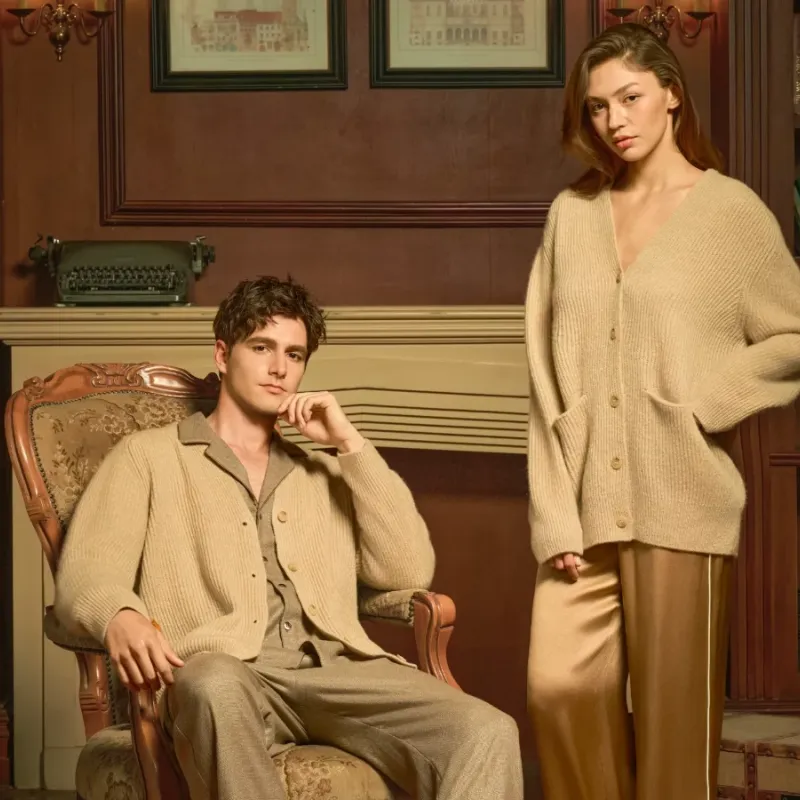
When we talk about a “pajama set” in today’s fashion and lifestyle landscape, we're referring to much more than just the clothes you wear to bed. A pajama set is typically a coordinated two-piece outfit consisting of a top (which can be a button-down shirt, a t-shirt, or a tank top) and matching bottoms (pants, shorts, or capris). It is designed specifically for sleep and relaxation.
However, the definition has evolved significantly. Here’s what you need to know:
1. Beyond the Bedroom: The Rise of “Loungewear”
The biggest shift in the pajama industry is the blending of sleepwear with loungewear. Modern consumers, accelerated by remote work trends, want clothing that is comfortable enough to sleep in but stylish enough to wear while making breakfast, taking a Zoom call, or even stepping out for a quick errand. This has led to the rise of “athflow” pajamas—sets made from fabrics like modal or cotton blends that look like casual wear but feel like sleepwear.
2. Key Components of a Pajama Set
While styles vary, most pajama sets fall into these categories:
• Classic Button-Down Sets: Traditionally made from cotton or silk, featuring a button-front shirt and drawstring pants. Often associated with brands like Calvin Klein or Ralph Lauren.
• Knit/T-Shirt Sets: Made from soft, stretchy materials like jersey cotton or modal. These are the most popular for everyday comfort and are a staple for brands like Uniqlo and Aerie.
• Short-Sleeve/Shorts Sets: Ideal for warmer weather or those who sleep hot, offering breathability without sacrificing the coordinated look.
3. Fabric is Everything
The “feel” of a pajama set is dictated by its fabric. Common materials include:
• Cotton: Breathable, hypoallergenic, and perfect for all seasons. The global standard for comfort.
• Modal/Tencel: Derived from beechwood, these fabrics are incredibly soft, silky, and more moisture-wicking than cotton.
• Silk: The luxury standard. Known for its smooth texture, temperature-regulating properties, and benefits for hair and skin. Brands like Victoria‘s Secret and SKIMS offer high-end silk sets.
• Flannel/Fleece: Heavy, warm, and cozy, designed for cold winter nights.
4. The Rise of Specialized Features
Today’s pajama sets also cater to specific needs. You’ll find nursing-friendly sets with discreet access for new mothers, anti-bacterial and hypoallergenic fabrics for sensitive skin, and even temperature-regulating technology developed by brands like Aimer in collaboration with material science labs.
In short, a pajama set is no longer a simple commodity. It is a carefully considered piece of clothing that balances comfort, functionality, and personal style.
The fabric of your pajamas is the single most important factor determining your comfort. With so many options on the market, understanding the differences can help you make a smarter purchase. Here’s a breakdown of the most common pajama fabrics, from everyday basics to luxury favorites.
1. Cotton: The Universal Favorite
• What it is: A natural fiber harvested from the cotton plant.
• Why it’s popular: It‘s breathable, soft, hypoallergenic, and easy to care for. It works well in all seasons—cool in the summer and warm in the winter when layered.
• Best for: Everyone, especially those with sensitive skin or who prefer a classic, no-fuss feel. It’s the standard for brands like Hanes and Gildan, as well as the foundation of Uniqlo‘s basics.
2. Modal & Tencel (Lyocell): The Silky-Soft Sensation
• What it is: Semi-synthetic fabrics made from beech tree pulp. They are part of a broader category called “regenerated cellulose fibers.”
• Why it’s popular: Modal and Tencel are incredibly soft—often described as “buttery”—and have a beautiful, fluid drape. They are more moisture-wicking and breathable than cotton, and they resist shrinking and fading.
• Best for: Hot sleepers and anyone who prioritizes a luxuriously soft feel against the skin. This is a go-to fabric for brands like Aerie (in their Chill. Play. Move. line) and SKIMS (in their Soft Lounge collection).
3. Silk: The Timeless Luxury
• What it is: A natural protein fiber produced by silkworms. It’s one of the strongest natural fibers known.
• Why it’s popular: Silk is the pinnacle of luxury in sleepwear. It’s naturally hypoallergenic, temperature-regulating (keeps you cool in summer, warm in winter), and smooth. This smoothness reduces friction on hair and skin, potentially preventing bedhead and sleep creases.
• Best for: Special occasions, gifting, or anyone looking to invest in their sleep experience. High-end brands like Victoria’s Secret (Silk line), LilySilk, and Manito specialize in this.
4. Flannel & Fleece: The Ultimate Cozy Choice
• What it is: Flannel is a soft woven fabric, usually made from cotton or wool, that is brushed on one or both sides for extra softness. Fleece is a synthetic pile fabric (often polyester) designed to mimic wool.
• Why it’s popular: These fabrics trap body heat, providing exceptional warmth and a feeling of “coziness” on cold nights.
• Best for: Winter months and people who live in colder climates. Many brands, including Oysho and Fenteng, release popular flannel and fleece sets during the fall/winter season.
5. Performance Synthetics (Polyester, Nylon, Elastane)
• What it is: Man-made fibers engineered for specific properties.
• Why they’re popular: Often blended with natural fibers, they add durability, stretch, and wrinkle resistance. High-tech versions, like Uniqlo’s AIRism (made with microfibers), offer superior moisture-wicking and a cool-to-the-touch sensation.
• Best for: Active sleepers who move a lot, or for those who want “performance loungewear” that feels technical and sporty.
6. How to Choose:
• For Hot Sleepers: Choose Modal, Tencel, or lightweight Cotton.
• For Cold Winters: Choose Flannel or Fleece.
• For Sensitive Skin: Choose 100% Organic Cotton or Silk.
• For a Luxurious Feel: Choose Silk or high-thread-count Modal.
Choosing the right pajamas for each season isn't just about comfort—it can actually improve your sleep quality. Your body’s temperature naturally drops as you fall asleep, and the right sleepwear can help facilitate that process. Here’s a seasonal guide to help you build the perfect pajama wardrobe.
1. Spring/Fall: The Season of Transition
During mild weather, you need fabrics that can handle fluctuating temperatures.
• Best Fabrics: Mid-weight Cotton and Modal are ideal. They are breathable enough for warmer days but provide enough coverage for cooler nights.
• Style Tips: This is the perfect time for long-sleeve tops with long pants, or a short-sleeve top with pants. Look for sets that aren’t too heavy.
• Key Brands: Uniqlo’s standard cotton pajamas or Aerie’s modal sets are great transitional options.
2. Summer: Beat the Heat
Summer sleepwear is all about maximizing breathability and minimizing heat retention.
• Best Fabrics:
    • Lightweight Cotton (Voile or Percale): These weaves are incredibly airy and crisp.
    • Linen: The ultimate breathable natural fiber, though it wrinkles easily.
    • Modal/Tencel: These are excellent for summer as they wick moisture away from the body.
    • Silk: Naturally temperature-regulating, silk keeps you cool.
• Style Tips: Opt for short-sleeve or tank-top sets with shorts. A camisole and shorts set is a summer classic.
• Key Brands: SKIMS’ Cotton Sleep line and many of Oysho’s summer collections focus on lightweight, breathable pieces.
3. Winter: Embrace the Warmth
Winter sleepwear should trap body heat to keep you cozy without overheating.
• Best Fabrics:
    • Flannel: Brushed cotton flannel is soft, warm, and comfortable.
    • Fleece (Polar or Coral Fleece): Synthetic and extremely warm, like a warm hug. Brands like Oysho and Fenteng are famous for their cute and cozy fleece sets.
    • Thermal Knits (HEATTECH): For a more technical approach, Uniqlo’s HEATTECH line uses special fibers that absorb moisture and convert it into heat.
• Style Tips: Choose long-sleeve tops with long pants. Some people also love a matching robe (12.2) for extra warmth when getting out of bed.
• Key Brands: Look for Oysho, Fenteng, and Uniqlo (HEATTECH) for winter-specific collections.
4. The “All-Season” Wardrobe Staples
If you live in a climate with mild seasons or prefer not to switch your entire wardrobe, invest in versatile fabrics.
• Mid-Weight Cotton: A year-round staple.
• Modal: Surprisingly comfortable in both summer and winter due to its breathability and softness.
5. Beyond Fabric: Consider Your Sleeping Environment
• Hot Sleeper? Even in winter, you might prefer Modal or lightweight cotton over heavy flannel.
• Cold House? If you keep your home cool at night, you’ll need warmer fabrics even in the summer.
• Layering: A simple cotton set plus a separate robe gives you the ultimate flexibility to adjust your temperature.
You’ll often see the terms “sleepwear” and “loungewear” used interchangeably, but in the fashion industry, they represent two distinct categories. Understanding the difference can help you build a more functional and stylish at-home wardrobe. And in recent years, the line between them has become beautifully blurred.
1. The Core Difference: Intent and Function
• Sleepwear (Pajama Sets): Designed primarily for sleep. The main priorities are comfort, breathability, and non-restrictive fit. Features like flat seams and soft, non-irritating fabrics are key. You wear it to bed.
• Loungewear: Designed for waking hours at home. It’s clothing for relaxing, reading, working from home, or doing chores. The priority is a balance of comfort and presentability. You want to feel cozy but also look put-together enough to answer the door or join a video call.
2. How to Tell Them Apart: Key Characteristics
• Fabric Weight & Structure: Sleepwear often uses lighter, flimsier fabrics (like lightweight cotton or silky charmeuse). Loungewear uses more structured fabrics like French terry, fleece, or thicker knits that hold their shape better.
• Design Details:
    • Sleepwear: Might have more delicate details like lace trims, or very simple, minimalist designs. Think Victoria‘s Secret’s silk sets or basic Uniqlo pajamas.
    • Loungewear: Often borrows details from activewear or streetwear. Think hoodies, joggers with cuffed ankles, zip-up jackets, and ribbed knit sets. This is the “athflow” trend—athletic + flow.
• Occasion: You wear sleepwear only in private or semi-private spaces (your bedroom). Loungewear is designed to be seen—by family, roommates, or even strangers on a quick trip to the coffee shop.
3. The Blurred Lines: The “Pajama Set” as Loungewear
This is where it gets interesting. Many modern “pajama sets” are actually designed as loungewear.
• The “Athflow” Pajama: A set made from modal or a cotton blend that looks like a casual track suit. It’s comfortable enough to sleep in, but stylish enough to wear all day. This is a massive trend driven by brands like Oysho (with its sporty aesthetic) and SKIMS (with its cozy knit collections) .
• The Classic Button-Down as Loungewear: A matching cotton or silk button-down shirt and pant set is the ultimate “old money” loungewear look. It’s polished and put-together but still incredibly comfortable. Think Calvin Klein or Ralph Lauren.
4. The Complete At-Home Wardrobe
According to our industry classification, a complete at-home wardrobe includes:
• Sleep Sets: Purely for sleeping.
• Robes: For coverage and warmth over sleepwear or loungewear.
• Homewear (Loungewear): For waking hours at home.
• Slippers: For foot comfort and warmth.
In short: Sleepwear is for your bed. Loungewear is for your life at home. The best brands today, like Aerie and Oysho, excel at creating pieces that comfortably exist in both categories.
The pajama set you wear is the final product of a vast, complex global industry. It’s a world divided between the brands you see in stores and the manufacturers who work behind the scenes. Understanding these two types of players gives you a complete picture of how your clothes are made.
1. The Brands: The Storytellers
These are the names you know. They design the products, create the marketing, and sell to you through stores or online. They are responsible for the “soul” of the pajama.
• Global Mass-Market Leaders:
    • Uniqlo (Fast Retailing): A Japanese giant known for its functional, high-quality basics at accessible prices. Their strength is in “Lifewear”—clothing that improves daily life, leveraging innovative fabrics like AIRism and HEATTECH.
    • Victoria‘s Secret (VS&Co.): An American icon that defined the “sexy” sleepwear category for decades. While evolving its brand image, it remains a powerhouse in silk and fashion-forward pajamas, particularly through its PINK sub-brand for younger consumers.
    • AEO (Aerie): The American Eagle-owned brand that disrupted the industry with its body-positive “AerieReal” campaign. It’s a favorite among Gen Z for its ultra-soft fabrics (like their famous “Real Soft”) and inclusive sizing.
• Lifestyle & Luxury Players:
    • SKIMS: Co-founded by Kim Kardashian, this brand has redefined shapewear and loungewear with a focus on inclusivity (XXS-5XL, multiple skin tone shades) and viral marketing. Their cozy knit and cotton sleep collections are massive hits.
    • Calvin Klein (PVH Corp.): The epitome of minimalist, “old money” aesthetic. Their pajamas are often seen as a wardrobe staple, known for clean lines and understated style.
    • Oysho (Inditex): The home and loungewear brand from the same group as Zara. It’s a trendsetter in “Athflow” style, quickly translating runway trends into affordable, stylish homewear.
• Chinese Powerhouses:
    • Bananain: A leading Chinese DTC (Direct-to-Consumer) brand, often called the “Uniqlo of China” for its tech-driven basics and “tagless” innovation.
    • Aimer: A publicly listed Chinese company representing the high-end, technology-focused segment. They develop proprietary fabrics (like temperature-regulating materials) in their own labs.
    • Fenteng: A mass-market giant in China, owning a massive share of the market. They excel at functional designs for specific groups (like maternity and nursing) and have deep penetration in lower-tier cities.
2. The Manufacturers: The Builders
These are the “invisible champions.” You’ve never bought from them, but you’ve almost certainly worn something they made. They own the factories, the knitting machines, and the technical expertise.
• The Top Tier:
    • Shenzhou International: The absolute king of knitting manufacturing. Based in Ningbo, China, they are the core supplier for Uniqlo, Nike, and Lululemon. Their “vertical integration” means they handle everything from yarn to finished garment, with incredible speed and quality.
    • Crystal Group: A Hong Kong-based manufacturing giant. They are a go-to partner for a huge range of brands, from H&M to Lululemon, known for their massive production capacity and agile supply chain.
    • Regina Miracle: The global leader in seamless and molded intimate wear. They are a key partner for Victoria‘s Secret and have deep technical expertise in creating second-skin feels.
    • MAS Holdings: A Sri Lankan powerhouse that is a preferred supplier for brands like Lululemon and Nike. They are renowned for their commitment to sustainability and ethical manufacturing.
• The Specialist:
    • Wacoal: This Japanese company is unique because it’s both a beloved brand and a world-class manufacturer. They own their factories and are famous for their precise fit and deep understanding of Asian body types.
In summary: The brand creates the desire, and the manufacturer delivers the reality. A single manufacturer, like Shenzhou International, might be producing pajamas for Uniqlo, Nike, and other competitors simultaneously, using different designs and fabrics. This is the hidden architecture of the global apparel industry.