

Table of Contents
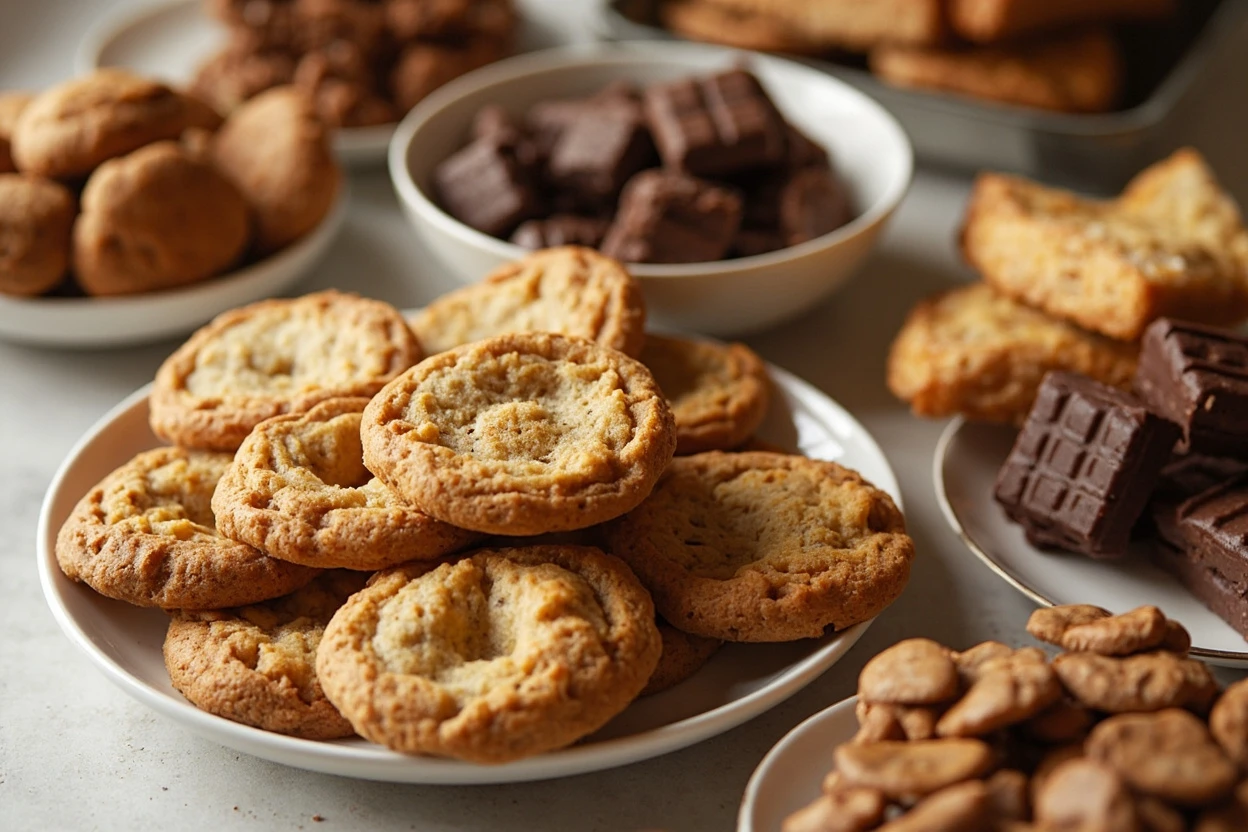
The global Healthy Snacks Selection sector serves consumers worldwide with diverse solutions.
1. Industry Overview
Snacks now hold a 2.2% social share of voice, up 26.9% year-over-year — a signal that the global snacking habit is not just growing, but accelerating into a daily ritual. By 2026, the healthy snacks market is projected to approach $90 billion, driven by a fundamental shift in what consumers demand from their between-meal bites. This is no longer about simple calorie counting; it’s about functional benefits, clean labels, and multisensory experiences. Within the broader Bakery Ingredients & Ready-to-Eat Snacks industry, healthy snacks have become the most dynamic sub-segment, outpacing traditional confectionery and savory chips. The distinctive factor is the convergence of indulgence and wellness — consumers want the sensory pleasure of a cookie or cracker but with the nutritional profile of a superfood. This has forced manufacturers to re-engineer recipes, swapping refined flours for almond or chickpea alternatives, and replacing sugar with date paste. The result is a new category that sits at the intersection of bakery, confectionery, and functional food, demanding both innovation and transparency from suppliers.
Industry Scope & Characteristics
Broad Product Portfolio
Products span dried fruits, nuts, rice crackers, seaweed snacks, protein bars, sugar-free cookies, serving diverse consumer needs from everyday essentials to premium specialized offerings.
Complex Global Supply Chains
Integrated international networks spanning multiple continents ensure year-round product availability across diverse markets.
Quality & Compliance Standards
Rigorous regulatory frameworks and quality certifications ensure product safety, consistency, and consumer trust worldwide.
Continuous Innovation
Heavy R&D investment drives formulation breakthroughs, processing technologies, and novel product development cycles.
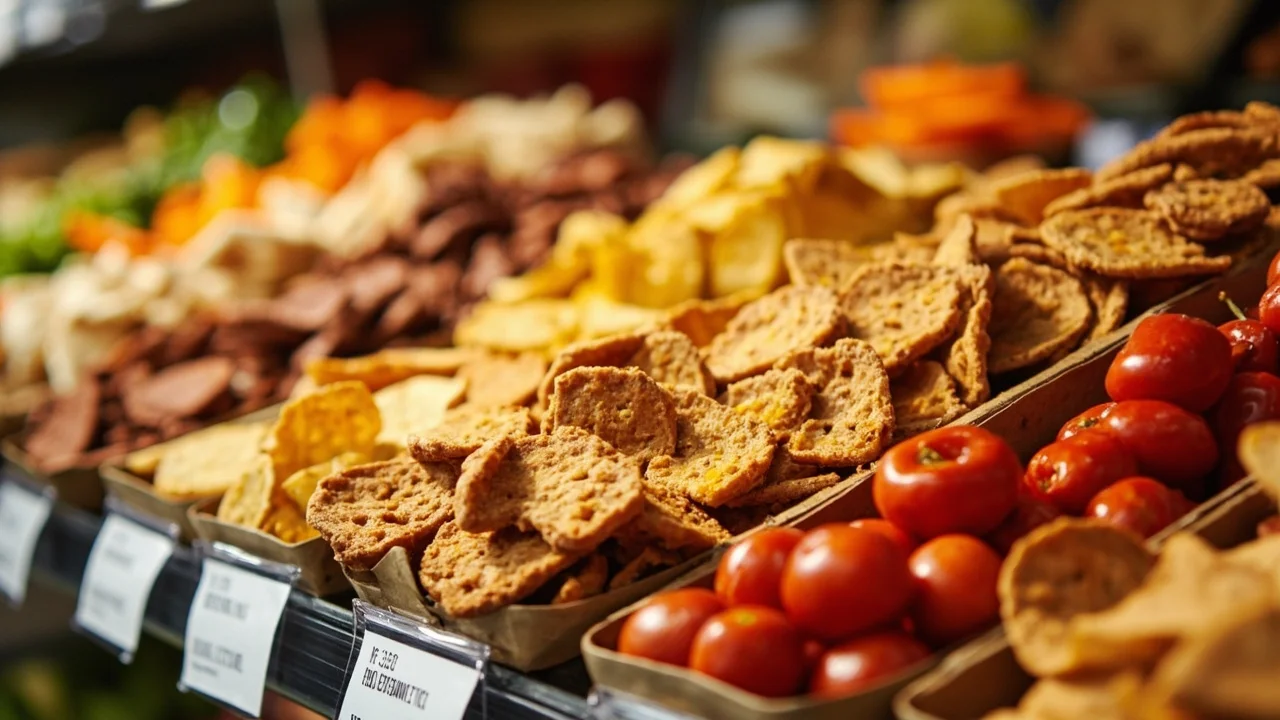
Industry application and market overview for Healthy Snacks Selection.
2. Market Analysis
The global healthy snacks market is undergoing a significant transformation. According to recent analyses, the market size was valued at approximately $78 billion in 2024 and is expected to grow at a compound annual growth rate (CAGR) of 7.5% through 2034, reaching well over $100 billion by 2030. The 2026 milestone is critical: it marks the year when protein-powered snacks, organic options, and gluten-free products are expected to collectively account for over 40% of new product launches. Three major growth drivers are accelerating this shift. First, the 'Powerhouse Protein' trend: consumers are seeking snacks with 10–15 grams of protein per serving, pushing brands to incorporate whey, pea, and even insect proteins into bars and puffs. Second, the rise of 'occasion-based' eating: snacks are no longer just between meals but are designed for specific moments — pre-workout, post-lunch energy slumps, or evening relaxation. Third, sustainability is becoming a non-negotiable purchase criterion: 58% of global consumers say they would pay a premium for snacks with eco-friendly packaging or ethically sourced ingredients. This is reshaping supply chains, with buyers on platforms like Verity Rank increasingly vetting suppliers for certifications such as Non-GMO, Organic, and Fair Trade.
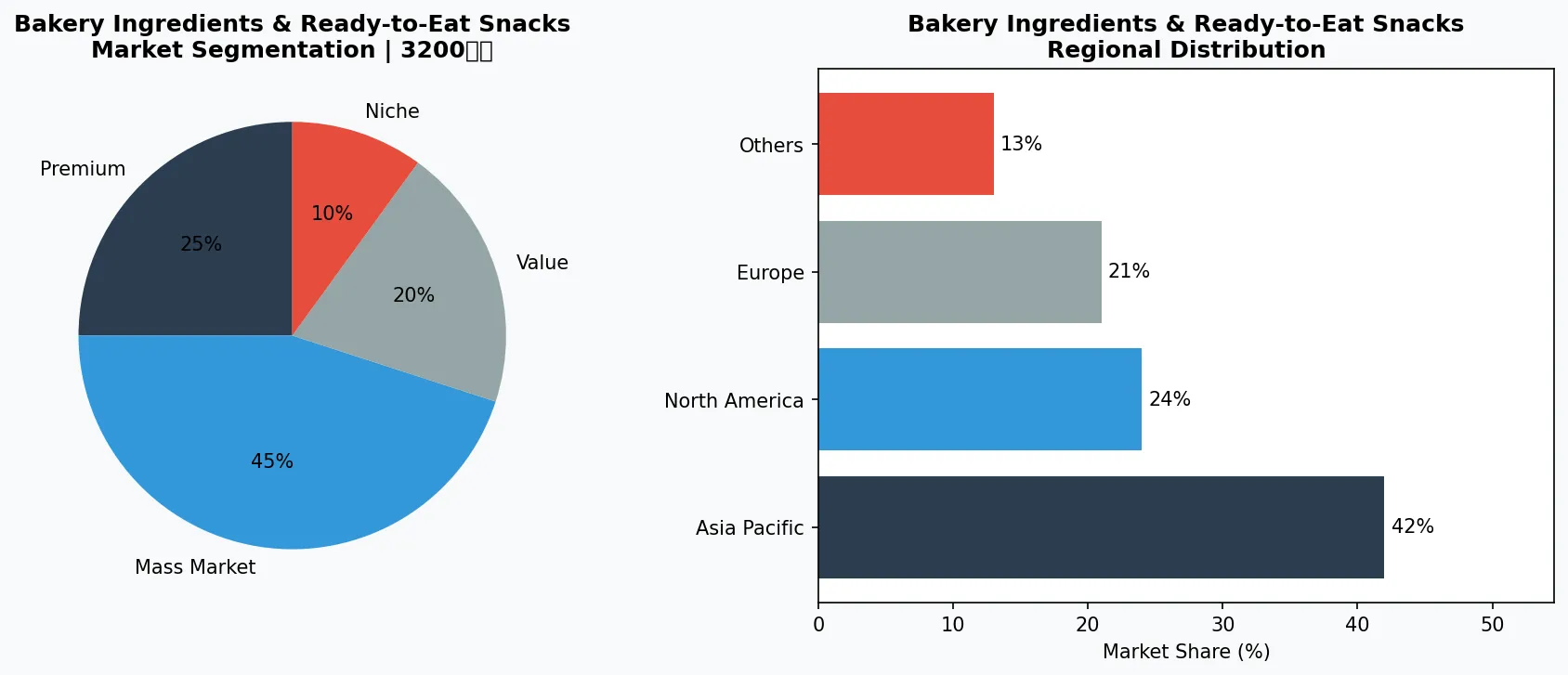
Market segmentation and regional distribution for Bakery Ingredients & Ready-to-Eat Snacks - Healthy Snacks Selection.
3. Product Categories
The healthy snacks selection can be organized into four distinct product types, each with specific innovation drivers. **Date- and Nut-Based Snacks**: These are the fastest-growing sub-category, capitalizing on the natural sweetness and fiber of dates. Products like date energy balls and nut-date bars are replacing traditional candy bars. For example, brands are launching date-sweetened brownie bites that mimic indulgent bakery items without refined sugar. **Protein-Enriched Bakery Items**: Think high-protein bread, crackers, and cookies made with chickpea or lentil flour. These products target the fitness-conscious consumer who wants the comfort of a baked good but with macro-nutrient benefits. A key example is puffed snacks infused with pea protein, offering a savory, crunchy alternative to potato chips. **Gluten-Free and Grain-Free Alternatives**: Almond flour-based crackers and cassava flour tortilla chips are now mainstream. These products appeal not only to celiac consumers but also to the broader 'clean eating' demographic. **Luxury Functional Snacks**: This includes premium chocolate bars with adaptogens (e.g., ashwagandha, reishi) and jelly snacks fortified with collagen or probiotics. The 'Layers of Delight' trend — combining textures like crunchy, creamy, and chewy in one product — is particularly strong here.
Premium & Artisanal Tier
High-margin specialty products targeting affluent consumers who prioritize quality, craftsmanship, and unique attributes.
Mass Market Mainstream
Volume-driven products serving price-conscious mainstream consumers with reliable quality at accessible price points.
Functional & Niche Segment
Targeted products addressing specific health concerns, dietary requirements, or lifestyle preferences beyond basic needs.
4. Leading Players
Several companies are defining the healthy snacks landscape. **PepsiCo** has aggressively repositioned its portfolio through its 'Better-For-You' strategy, reformulating brands like SunChips and introducing new lines such as Off the Eaten Path, which uses chickpeas, rice, and peas. PepsiCo’s focus is on reducing sodium and saturated fat while increasing whole grains, targeting a 30% reduction in added sugar across its snack portfolio by 2026. **Mondelez International** is leveraging its 'Mindful Snacking' platform, with products like Perfect Snacks (nut butter-based bars) and Tate's Bake Shop (gluten-free cookies). Mondelez has committed to 100% sustainable cocoa for its chocolate brands by 2025, aligning with the 'Justified Choices' trend where consumers want guilt-free indulgence. **Nestlé** is investing heavily in plant-based and functional snacks, with its 'Yes!' snack bar line and the acquisition of fresh-food brands. Nestlé’s R&D is focused on 'Made for Moments' — snacks designed for specific times of day, such as a low-caffeine dark chocolate for evening relaxation. **General Mills** has seen success with its 'Nature Valley' protein bars and 'Annie's' organic snacks, emphasizing clean labels and regenerative agriculture sourcing.
Global Market Leader
Multinational player commanding significant market share. Revenue exceeding $50B with operations across 100+ countries, diversified portfolio spanning all major price tiers.
Regional Champion
Dominant force in Asia Pacific with deeply localized product lines, extensive distribution networks, and strong regional retailer relationships.
Innovation Disruptor
Fast-growing challenger disrupting incumbents through breakthrough product innovation, direct-to-consumer models, and data-driven marketing in the bakery ingredients & ready-to-eat snacks space.
5. Market Trends
1. POWERHOUSE PROTEIN
POWERHOUSE PROTEIN — Consumers are demanding 10–15g of protein per snack serving, driving innovation in plant-based and whey-infused products. PepsiCo’s Off the Eaten Path line uses chickpea and pea protein to hit these targets without sacrificing taste.
2. LAYERS OF DELIGHT
LAYERS OF DELIGHT — Multisensory snacks combining crunchy, creamy, and chewy textures are winning shelf space. Mondelez’s Perfect Snacks bars layer nut butter with dark chocolate chunks and sea salt, creating a premium, indulgent experience.
3. MADE FOR MOMENTS
MADE FOR MOMENTS — Snacks are being designed for specific daily occasions — pre-workout energy, afternoon focus, or evening relaxation. Nestlé’s 'Yes!' bars offer targeted functional benefits like caffeine for mornings and magnesium for evenings.
4. JUSTIFIED CHOICES
JUSTIFIED CHOICES — Sustainability and ethical sourcing are no longer optional. 58% of consumers will pay more for eco-friendly packaging. General Mills sources 100% of its almonds from regenerative farms for its Nature Valley protein bars.
6. Regional Markets
Asia Pacific — The Growth Engine
The world's largest and fastest-growing region, led by China, India, and Southeast Asia. Urbanization, rising middle class, and digital retail adoption are primary catalysts.
North America — Premium & Wellness Driven
A mature market with strong health-and-wellness orientation, sustainability commitments, and robust demand for premium and functional products.
Europe — Quality & Regulatory Leadership
A developed market with stringent quality, safety, and environmental regulations. Strong demand for organic, locally sourced, and ethically certified products.
7. Investment Outlook
Two specific opportunities stand out for 2026. First, the 'Occasion-Based Snacking' niche: brands that develop products tailored to specific daily moments — like a pre-workout protein cookie or a sleep-supporting chamomile-infused cracker — can capture premium pricing and loyal repeat buyers. Second, the 'Upcycled Ingredients' trend: using spent grains from brewing or fruit pulp from juicing to create high-fiber snacks offers both cost savings and a strong sustainability story, which resonates with both B2B buyers and end consumers. The primary risk is regulatory fragmentation: as health claims around protein, fiber, and functional ingredients become more aggressive, regulators in the EU and US are tightening labeling requirements. A misstep in compliance — such as an unsupported 'healthy' claim — could lead to product recalls or fines, damaging brand trust. B2B buyers must prioritize suppliers with robust quality assurance and third-party certifications to navigate this risk.
Strategic Considerations:
- Technology & AI Integration: Artificial intelligence and IoT are revolutionizing production efficiency, quality assurance, and demand forecasting across the supply chain.
- Sustainability as Business Strategy: Regulatory pressure and consumer expectations are making environmental commitments essential, not optional.
- Transparency & Traceability: Consumers demand increasingly granular information about product origins, ingredients, and production methods.
- Emerging Market Penetration: Africa, Latin America, and second-tier Asian cities represent the next wave of volume growth.
Make Informed Decisions in the Healthy Snacks Selection Market
Product quality and sourcing integrity directly impact business outcomes. Discover how Verity Rank's verification platform helps industry participants source with greater confidence.
Contact Verity Rank TodayFurther Reading: Explore additional market intelligence from Grand View Research and Mordor Intelligence.
This article is for informational purposes only, based on publicly available industry data and market reports as of 2026-04-24. All market figures are estimates and may vary from actual results.