

Table of Contents
Look around you. The chair you're sitting on, the desk or table in front of you—they are part of a huge, interconnected global story. The furniture industry is one of the world's oldest and largest, touching economies, cultures, and our daily lives. It has evolved from simple handcraft to a complex system of design, mass production, and global trade. This guide will walk you through that story, explaining how this essential industry works today.
From Craft to Global Industry: A Brief History
The need for furniture is as old as civilization. The earliest humans used natural objects—a flat rock as a table, a soft pile of moss as a bed. The first real evidence of made furniture comes from archaeological finds, like a small statue from Russia over 30,000 years old that shows a goddess sitting on a throne.
As societies settled and grew wealthier, furniture became more sophisticated. In ancient Egypt, skilled workers mastered joinery, connecting wood with clever cuts and shapes instead of nails, to build sturdy stools and chests. The Romans used bronze and decorated furniture with thin sheets of expensive wood, a technique called veneering.

For millennia, furniture was the domain of skilled craftsmen like carpenters and joiners.
For hundreds of years, furniture was made by specialized craftsmen like cabinetmakers and chairmakers. People would order pieces directly from their workshops. This began to change with the Industrial Revolution in the 18th and 19th centuries. New machines could saw, plane, and shape wood much faster than by hand. This allowed for the mass production of parts and the birth of the furniture factory. The 20th century saw this model explode globally, with standardized designs, new materials like plastic and plywood, and the rise of iconic flat-pack brands that delivered furniture across the world.
The Modern Furniture Manufacturing Machine
Today, creating a piece of furniture is rarely a one-stop process. It is a global value chain, a sequence of steps often spread across different countries, each adding value to the final product.
The Steps in the Chain:
- Design & Sourcing: It all starts with an idea. Designers create concepts, often using 3D computer software. At the same time, companies source raw materials. This means buying wood from sustainable forests, metal for frames from mills, fabric for sofas from textile producers, and foam for cushions from chemical plants. The quality and cost of these materials set the stage for everything that follows.
- Manufacturing & Assembly: This is where materials become products. In modern factories, computer-controlled (CNC) machines cut wood and metal with perfect accuracy. Workers and sometimes robots assemble pieces, sew upholstery, and apply stains or paints. There are two main approaches: building fully assembled pieces (common for high-end furniture) and creating flat-pack or ready-to-assemble (RTA) furniture, which saves enormous costs in shipping and storage.
- Distribution & The Last Mile: Finished furniture travels worldwide by container ship, train, and truck to warehouses and stores. The rise of e-commerce means huge amounts of furniture are now sold online. The final step—getting a bulky sofa or bed into a customer's home—is called the "last mile." Many companies offer "white-glove" service, where delivery teams not only bring the item but also assemble it and place it in the desired room.
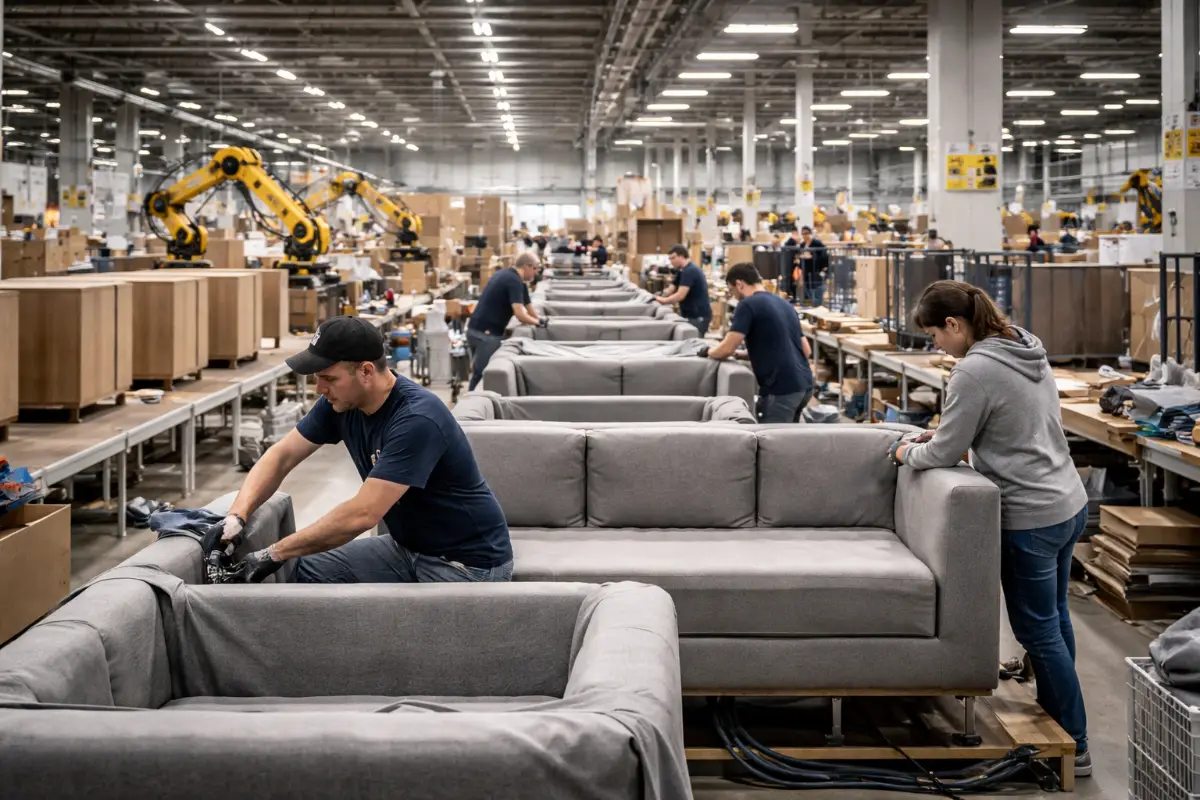
Modern manufacturing combines automation for precision with human skill for finishing and quality control.
The Market Today: Size, Regions, and Drivers
The global furniture market is a multi-billion dollar engine. It's driven by fundamental human activities and desires: moving to new homes (urbanization), renovating, setting up businesses, and the simple wish to create a comfortable, personal living space. Major world events, like the rise of remote work, can suddenly shift demand toward products like home office desks, showing how responsive this industry is to our changing lifestyles.
A Regional Snapshot:
- Asia-Pacific: This is the powerhouse, both producing and consuming nearly half of the world's furniture. Countries like China, Vietnam, and India are major manufacturing hubs due to skilled labor and strong supply networks.
- North America: A large, mature market with high consumer spending. The United States is a leader in both residential and office furniture design and retail.
- Europe: Known for high-quality design, strong brand heritage, and pioneering regulations, especially concerning environmental sustainability and worker safety.
Within this global market, competition is intense. Large multinational brands compete with small local workshops and everything in between. Success depends not just on design and price, but also on managing efficient supply chains, adapting to local tastes, and navigating international trade rules.
Two Major Forces: Sustainability & Technology
Today, two powerful trends are reshaping the industry from the ground up: a push for greener practices and the integration of new technology.
1. The Green Shift
Consumers are increasingly asking where their products come from and what they're made of. This has moved sustainability from a niche interest to a business necessity. The response includes:
- Materials: Using reclaimed wood (recycled from old buildings), rapidly renewable bamboo, and recycled metals and plastics.
- Health & Safety: Choosing glues, paints, and treatments with low or no volatile organic compounds (VOCs) for better indoor air quality.
- Circular Models: Designing furniture to last longer and be easily repaired. Some companies now offer take-back programs, where they collect old furniture to refurbish, recycle, or responsibly dispose of it, reducing landfill waste.
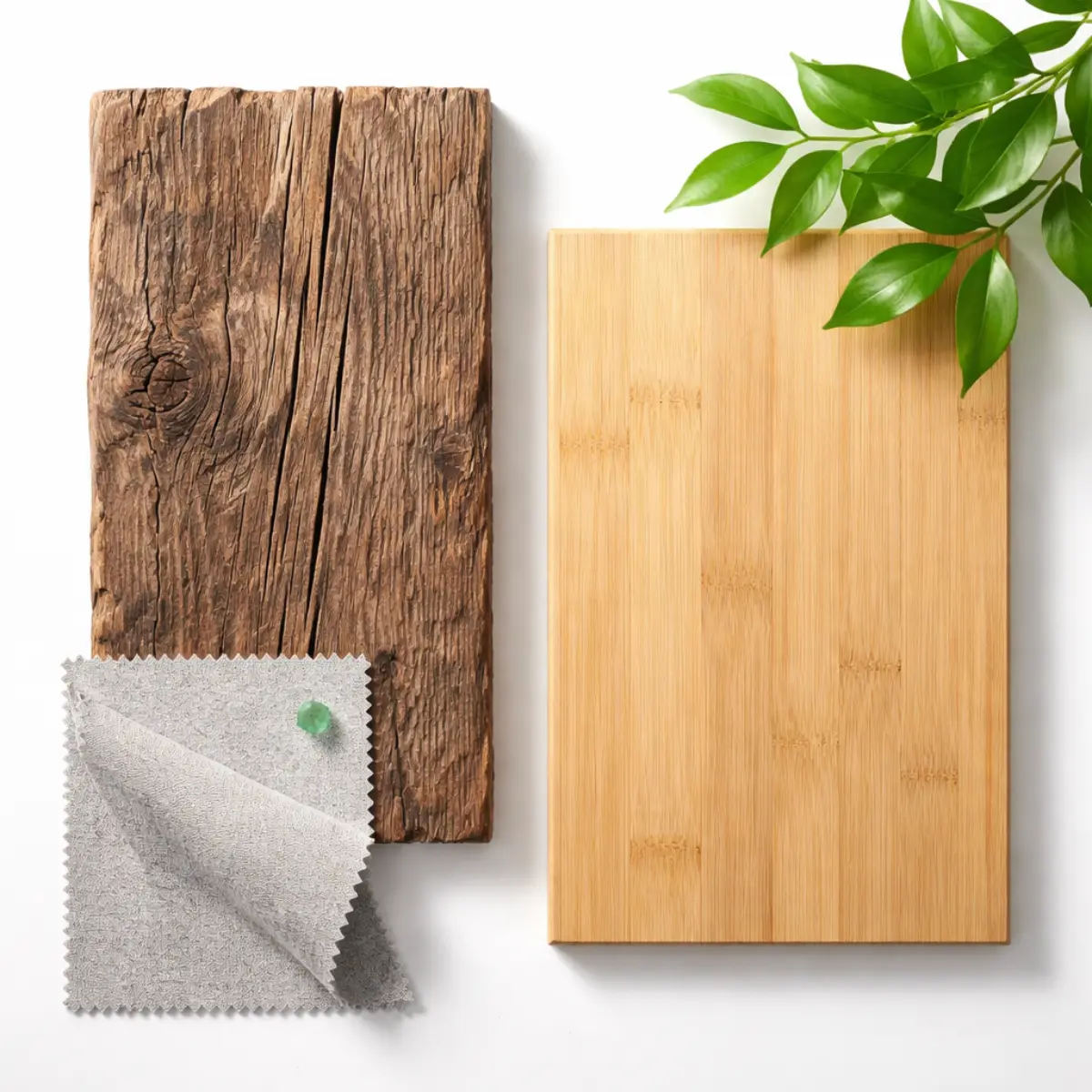
The shift to sustainable materials is fundamentally changing how furniture is designed and sourced.
2. The Tech Integration
Technology is changing furniture both as a product and as a shopping experience.
- Smart Furniture: This includes beds with sensors to track sleep patterns, desks that automatically adjust height for sitting or standing, and tables with built-in wireless chargers.
- Augmented Reality (AR) Shopping: Apps allow you to use your smartphone camera to see a virtual chair or table in your actual living room, helping you visualize scale and style before purchasing.
- Smarter Factories: Manufacturers use data and artificial intelligence (AI) to predict popular trends, manage inventory more efficiently, and customize production runs, reducing waste.
Looking Ahead: The Future and Its Challenges
The future of furniture will be shaped by how the industry tackles ongoing challenges while adapting to new demands.
We will likely see more multi-functional and space-saving designs for urban living, and a seamless blend of online and in-store shopping experiences. However, several significant hurdles remain:
- Economic Sensitivity: The industry is closely tied to the health of the housing market and overall consumer confidence. When people move less or feel uncertain about the economy, furniture sales are often among the first to be affected.
- Supply Chain Complexity: Relying on materials and components from around the world makes the industry vulnerable to disruptions—like shipping delays, trade disputes, or regional conflicts. Building resilient and transparent supply chains is a constant focus.
- The Transparency Demand: As sustainability and ethics become more important to consumers, there is growing pressure for brands to prove their claims. People want to know if wood is truly from a responsibly managed forest, or if factories provide safe working conditions. This demand for verified information is becoming a key factor in purchasing decisions.
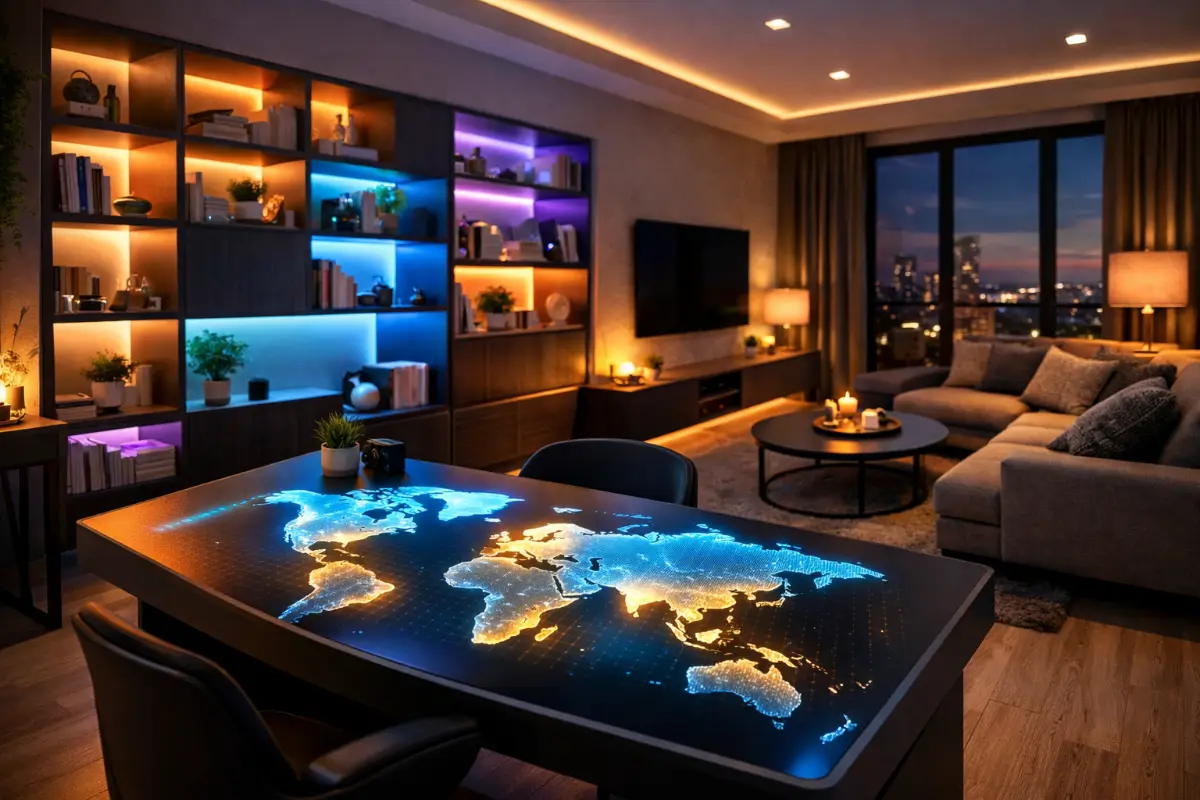
The integration of technology and a focus on adaptable living spaces will define future furniture design.
The journey of a piece of furniture, from a designer's sketch to a part of your home, involves a vast network of people, companies, and processes across the globe. Understanding this system—its history, its current economic scale, and the trends transforming it—helps us appreciate the objects we live with every day. As the industry evolves to meet new challenges around the environment, technology, and global trade, the flow of reliable and clear information will be more crucial than ever for everyone involved.