

Table of Contents
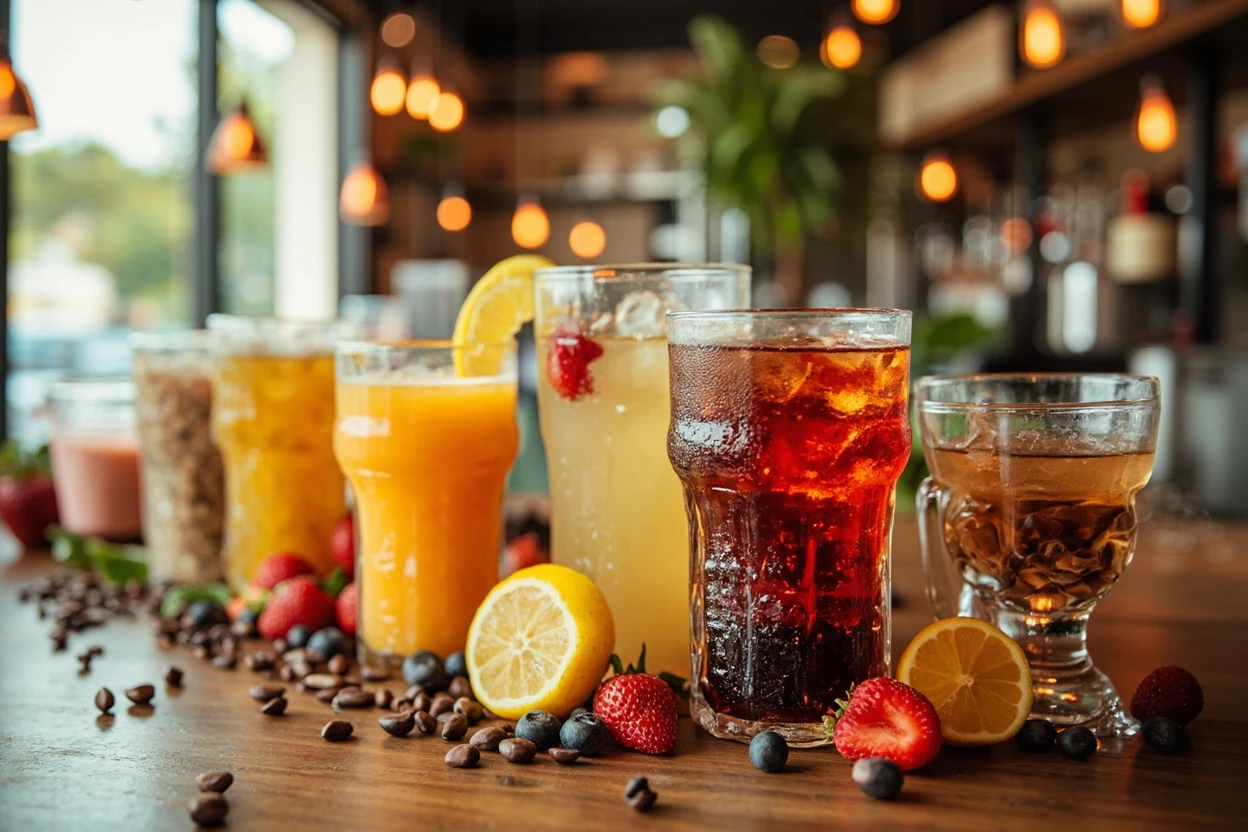
The global Carbonated Soft Drinks Market sector serves consumers worldwide with diverse solutions.
1. Industry Overview
Is the carbonated soft drink (CSD) market a relic of the past or a juggernaut of the future? The numbers are unequivocal: by 2026, the global CSD market is set to be worth nearly half a trillion dollars—$494.93 billion to be precise—and it's not stopping there. Projections show it ballooning to $978.68 billion by 2034, a compound annual growth rate (CAGR) of 8.90% that would make most industries envious. That's not the fizz of a dying category; it's the roar of a market reinventing itself. Within the broader Beverages & Liquid Supplements segment, CSDs remain the undisputed heavyweight, dwarfing categories like energy drinks, milk tea, and coffee in sheer volume. What makes this sub-topic distinctive is its paradox: a mature product category—soda has been around for centuries—that is simultaneously undergoing a radical transformation. The growth isn't coming from the same old cola wars; it's driven by functional ingredients, premiumization, and a shift toward healthier, lower-sugar options that still deliver the carbonated experience consumers crave. In the United States alone, the market is projected to grow at a staggering 10.9% CAGR from 2026 to 2033, outpacing the global average and signaling that the world's largest soda market is far from saturated. This isn't your grandfather's soda aisle.
Industry Scope & Characteristics
Broad Product Portfolio
Products span cola, lemon-lime soda, orange soda, root beer, ginger ale, sparkling water, diet sodas, serving diverse consumer needs from everyday essentials to premium specialized offerings.
Complex Global Supply Chains
Integrated international networks spanning multiple continents ensure year-round product availability across diverse markets.
Quality & Compliance Standards
Rigorous regulatory frameworks and quality certifications ensure product safety, consistency, and consumer trust worldwide.
Continuous Innovation
Heavy R&D investment drives formulation breakthroughs, processing technologies, and novel product development cycles.
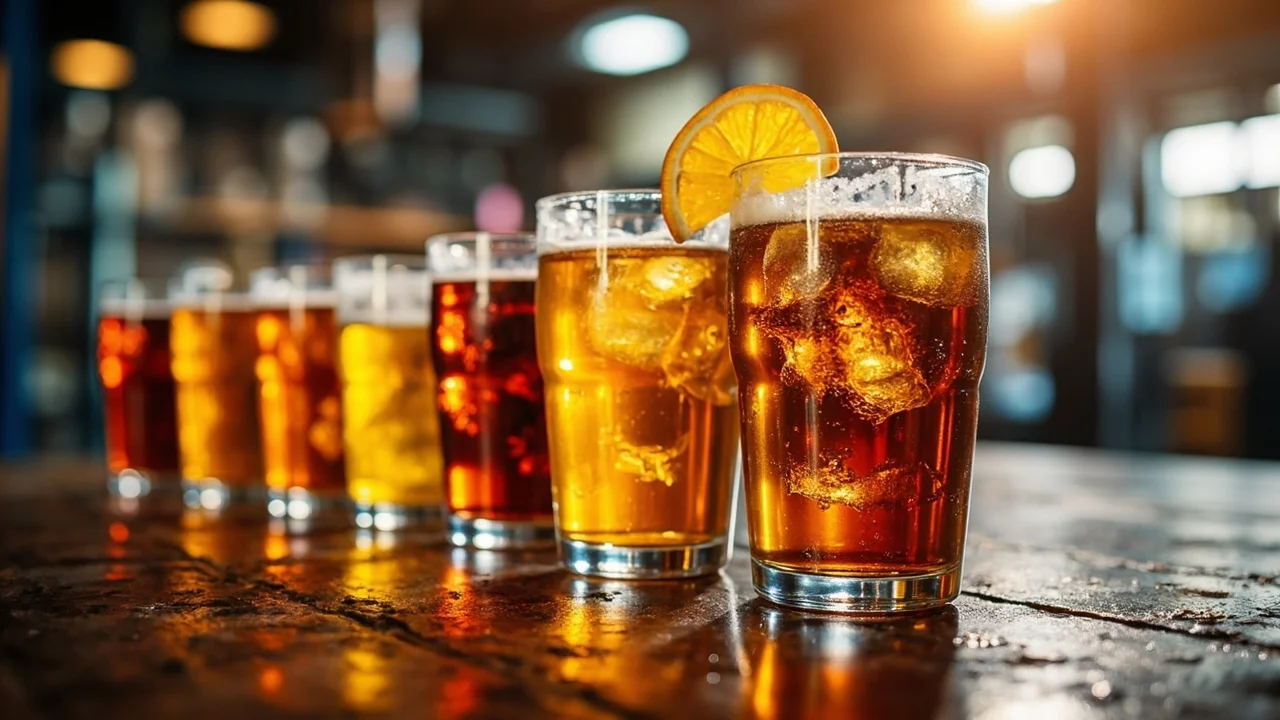
Industry application and market overview for Carbonated Soft Drinks Market.
2. Market Analysis
The global carbonated soft drinks market is on a trajectory that demands attention. Starting from a base of $494.93 billion in 2026, the market is forecast to reach $978.68 billion by 2034—an almost doubling in less than a decade. Alternative data from another major analysis pegs the market at $276.13 billion in 2026, climbing to $325.87 billion by 2035. While the base figures differ due to varying scope and methodology, the consensus is clear: sustained, above-average growth. The United States market is a standout performer, with a projected CAGR of 10.9% from 2026 to 2033, driven by premium craft sodas and functional carbonated beverages. The Carbonated Beverage Market, a related but slightly broader category, was valued at $523.46 billion in 2026 and is expected to hit $653.19 billion by 2030 at a 5.7% CAGR. Three powerful growth drivers are fueling this expansion. First, shifting eating habits: as global consumers move toward on-the-go consumption and snacking, carbonated beverages serve as a convenient, refreshing complement. Second, a growing young population—particularly in Asia and Africa—is entering the consumption funnel with a taste for fizzy drinks. Third, the North American market is seeing a resurgence thanks to increased demand for carbonated beverages that offer more than just sugar and bubbles; think prebiotic sodas, vitamin-infused sparkling waters, and low-calorie options. The North American expansion is further supported by aggressive marketing and distribution strategies from major players, making it a bellwether for the rest of the world.
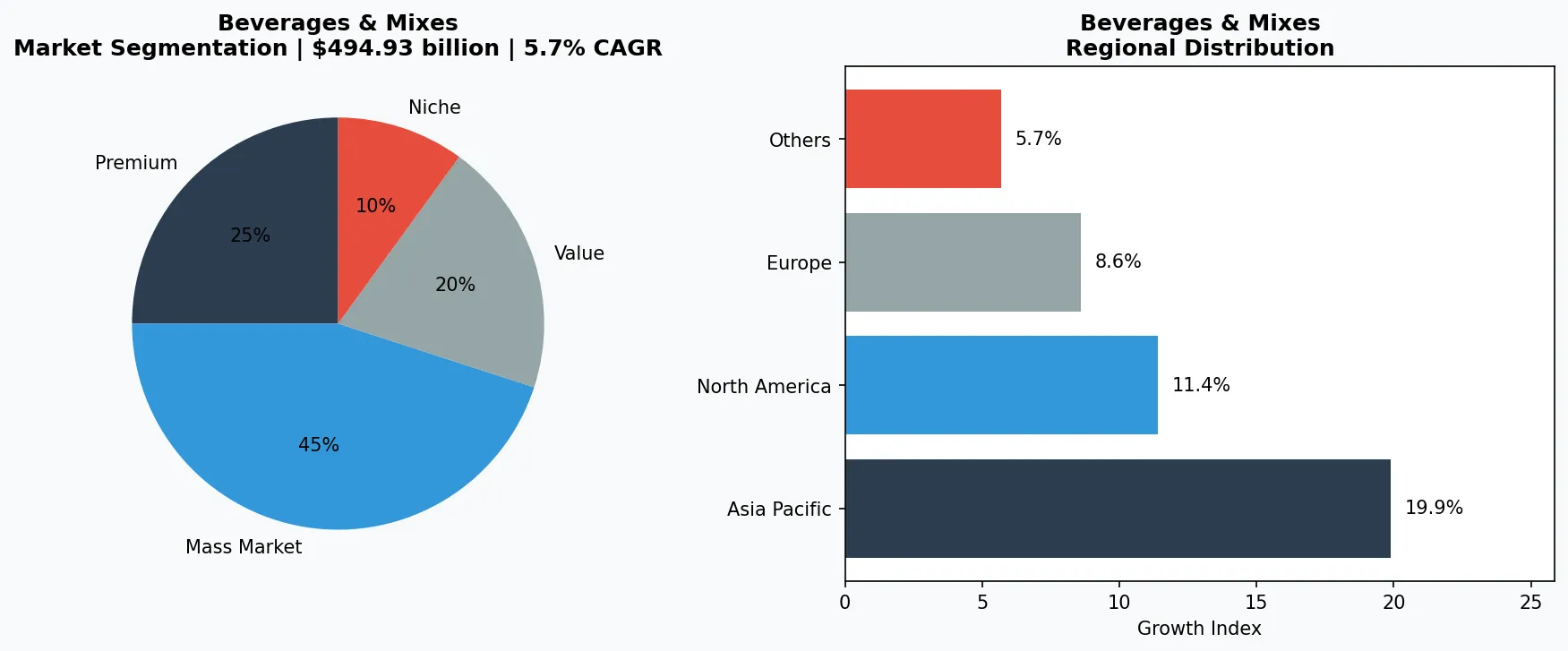
Market segmentation and regional distribution for Beverages & Mixes - Carbonated Soft Drinks Market.
3. Product Categories
The carbonated soft drinks market is far from monolithic. It breaks down into several distinct product types, each with its own consumer base and growth dynamics. Classic Sodas remain the backbone of the industry. These include legacy colas, lemon-lime drinks, and root beers—products like Coca-Cola and Pepsi that still command massive shelf space. Despite flat volume growth in some developed markets, premium and craft iterations are breathing new life into this segment. Fruit Juice-Based Carbonates are a fast-growing sub-category, blending the appeal of real fruit juice with the effervescence of soda. Examples include sparkling fruit juices like San Pellegrino's Aranciata and newer entries from regional brands that emphasize natural ingredients and lower sugar content. Energy Drinks with Carbonation represent the most dynamic segment. Brands like Red Bull and Monster have successfully merged the carbonated beverage format with functional benefits—caffeine, taurine, B vitamins—targeting young, active consumers. This segment is growing faster than traditional soda, often commanding higher price points. Finally, Functional & Health-Oriented Carbonates are the industry's answer to the wellness trend. These include prebiotic sodas (e.g., Poppi), probiotic sparkling waters, and low-calorie options sweetened with stevia or monk fruit. They appeal to health-conscious consumers who still want the sensory experience of carbonation without the sugar load.
Premium & Artisanal Tier
High-margin specialty products targeting affluent consumers who prioritize quality, craftsmanship, and unique attributes.
Mass Market Mainstream
Volume-driven products serving price-conscious mainstream consumers with reliable quality at accessible price points.
Functional & Niche Segment
Targeted products addressing specific health concerns, dietary requirements, or lifestyle preferences beyond basic needs.
4. Leading Players
The carbonated soft drinks market is dominated by a mix of global giants and agile challengers. The Coca-Cola Company remains the undisputed leader, with a portfolio that spans classic Coke, Diet Coke, Coca-Cola Zero Sugar, and an expanding range of premium and functional carbonates. Its strategy is twofold: defend the core cola franchise while aggressively acquiring and scaling brands in faster-growing niches, such as its investment in BodyArmor and its partnership with Monster Beverage. PepsiCo is the second titan, leveraging its massive distribution network and snack-food synergies. Its carbonated portfolio includes Pepsi, Mountain Dew, and 7UP (in some markets), but the company is increasingly focused on diversifying into healthier options and non-carbonated beverages. Its 'Better for You' strategy has led to innovations like Pepsi Zero Sugar and investments in functional sparkling waters. Keurig Dr Pepper (KDP) is a formidable regional player, particularly strong in North America. With brands like Dr Pepper, Canada Dry, and Sunkist, KDP has carved out a niche by focusing on flavors and regional preferences. Its strategy emphasizes innovation in limited-edition flavors and partnerships with foodservice chains. The fourth major player is Monster Beverage Corporation, which has redefined the energy drink segment. Monster's carbonated energy drinks—including the core Monster Energy line and its Java Monster coffee-soda hybrids—have captured a loyal following among young adults. The company's strategy relies on extreme branding, sponsorship of extreme sports, and constant product line extensions.
Global Market Leader
Multinational player commanding significant market share. Revenue exceeding $50B with operations across 100+ countries, diversified portfolio spanning all major price tiers.
Regional Champion
Dominant force in Asia Pacific with deeply localized product lines, extensive distribution networks, and strong regional retailer relationships.
Innovation Disruptor
Fast-growing challenger disrupting incumbents through breakthrough product innovation, direct-to-consumer models, and data-driven marketing in the beverages & mixes space.
5. Market Trends
1. 1. HEALTH-CONSCIOUS
1. HEALTH-CONSCIOUS CARBONATION
2. HEALTH-CONSCIOUS CARBONATION — Consumers are demanding
HEALTH-CONSCIOUS CARBONATION — Consumers are demanding lower sugar, natural ingredients, and functional benefits. This trend is reshaping product formulations across the board. Coca-Cola has responded with Coca-Cola Zero Sugar, which has seen double-digit growth in multiple markets, while smaller brands like Poppi and Olipop have built entire businesses around prebiotic, low-sugar sodas. The trend matters because it addresses the primary criticism of CSDs—empty calories—without sacrificing the sensory appeal of carbonation. PREMIUMIZATION AND CRAFT SODA | The craft beer movement has inspired a parallel trend in soda. Small-batch, artisanal carbonated drinks using real sugar, exotic flavors, and premium packaging are gaining traction. Brands like Boylan Bottling Co. and Maine Root are examples. This trend matters because it allows for higher price points and margins, attracting consumers willing to pay more for a unique experience. It also provides a counterpoint to the price-driven commoditization of mainstream soda. FUNCTIONAL AND ADAPTOGENIC SODAS | A new wave of carbonated drinks is incorporating adaptogens, nootropics, CBD (where legal), and vitamins to offer stress relief, focus, or energy without the jitters of traditional energy drinks. Recess and Kin Euphorics are leading examples in the U.S. This trend matters because it positions carbonated drinks as a wellness tool, expanding the category's use occasions beyond mere refreshment and into daily health routines. SUSTAINABLE PACKAGING AND PRODUCTION | Environmental concerns are driving changes in packaging (aluminum cans, recycled PET) and production (carbon-neutral facilities). PepsiCo has committed to using 100% recycled plastic in its beverage bottles by 2030. This trend matters because it aligns with consumer values and regulatory pressures, particularly in Europe and North America, and can serve as a brand differentiator.
6. Regional Markets
Asia Pacific — The Growth Engine
The world's largest and fastest-growing region, led by China, India, and Southeast Asia. Urbanization, rising middle class, and digital retail adoption are primary catalysts.
North America — Premium & Wellness Driven
A mature market with strong health-and-wellness orientation, sustainability commitments, and robust demand for premium and functional products.
Europe — Quality & Regulatory Leadership
A developed market with stringent quality, safety, and environmental regulations. Strong demand for organic, locally sourced, and ethically certified products.
7. Investment Outlook
Two concrete opportunities stand out. First, the functional carbonated beverage segment is still in its infancy, with significant room for growth in Asia and Latin America, where health consciousness is rising but penetration of prebiotic/adaptogenic sodas remains low. Brands that can localize flavors and formulations for these markets will capture first-mover advantage. Second, the convergence of carbonation with other beverage categories—such as coffee-soda hybrids or sparkling tea—offers a path to attract new consumers without cannibalizing existing soda sales. The primary risk is regulatory: mounting sugar taxes, labeling requirements, and advertising restrictions in markets like the UK, Mexico, and parts of the EU could compress margins and limit growth. Companies must proactively reformulate and diversify their portfolios to stay ahead of the regulatory curve. The fizz is far from flat—it's just getting more sophisticated.
Strategic Considerations:
- Technology & AI Integration: Artificial intelligence and IoT are revolutionizing production efficiency, quality assurance, and demand forecasting across the supply chain.
- Sustainability as Business Strategy: Regulatory pressure and consumer expectations are making environmental commitments essential, not optional.
- Transparency & Traceability: Consumers demand increasingly granular information about product origins, ingredients, and production methods.
- Emerging Market Penetration: Africa, Latin America, and second-tier Asian cities represent the next wave of volume growth.
Make Informed Decisions in the Carbonated Soft Drinks Market Market
Product quality and sourcing integrity directly impact business outcomes. Discover how Verity Rank's verification platform helps industry participants source with greater confidence.
Contact Verity Rank TodayFurther Reading: Explore additional market intelligence from Grand View Research and Mordor Intelligence.
This article is for informational purposes only, based on publicly available industry data and market reports as of 2026-04-24. All market figures are estimates and may vary from actual results.