We Use Cookies 🍪
We Use Cookies And Other Similar Technologies To Improve Your Browsing Experience And The Functionality Of Our Site. Learn More In Our Privacy Policy.

Ranking List of Brands in the Study Furniture Industry

Last Updated: April 29, 2026


Welcome to Verity Rank's Global "Study Furniture Industry Brand Ranking".
The study furniture sector has evolved far beyond simple desks and chairs—it now represents the intersection of health, technology, and the future of learning spaces. From Steelcase defining global office standards, to IKEA democratizing design for millions, from Herman Miller's iconic ergonomic chairs becoming industry benchmarks, to Kokuyo perfecting the art of storage in Asia—the competition now hinges on ergonomic innovation, smart integration, and spatial aesthetics.
But beneath the marketing claims lie critical questions: Which brands genuinely lead in R&D, and which merely assemble components? Whose "sustainability" is a core strategy versus a convenient label? How do specialized players like TotGuard in kids' furniture or Pottery Barn Kids in premium niches truly stack up against diversified giants?
This ranking cuts through the noise. We synthesize data from over 20 global authorities, including audited financial reports, real-user sentiment from Amazon and Google, national quality inspection databases, and public ESG disclosures. We evaluate the top 10 brands across four rigorous dimensions: Brand Influence, Financial Health, Technological Moat, and Global Reach.
Discover whether Okamura's Contessa justifies its cult status, how Haworth's sustainability commitments compare to its peers, and whether Loctek's vertical integration gives it an unassailable edge in smart desks.
We don't make the choice for you; we provide the clarity you need to choose wisely.
Disclaimer: The data in this ranking is compiled from third-party authoritative sources, including national statistical agencies, university-affiliated ergonomics research institutions, AI-driven global consumer sentiment analysis, and publicly listed company financial reports. The ranking results are based on a multi-dimensional algorithm model and are intended for reference and market decision support only. They do not constitute direct investment advice or brand endorsement.

Steelcase Inc.

Steelcase Inc. is a global leader in office furniture solutions, headquartered in Grand Rapids, Michigan, USA, and listed on the NYSE. It specializes in designing and manufacturing office seating, furniture systems, and smart office solutions, leveraging ergonomic technologies, intelligent products, and comprehensive space planning services across 170+ countries globally. With 30+ production bases, ~15,000 employees, it reported $3.2 billion revenue in 2024, producing 3 million office chairs and 1 million desks annually. It maintains absolute market leadership through technological innovation, holistic solution capabilities, and advanced sustainability practices.
Strengths: Steelcase's core strengths are its leading technological innovation with patented ergonomic and smart office solutions; comprehensive office space planning providing end-to-end services from consulting to project management; and an extensive global production and distribution network across 170+ countries ensuring deep market penetration.
Weaknesses: Steelcase faces persistent demand impact from the remote work trend on traditional office furniture; intensifying competition in the premium segment and product homogenization pressure challenging profitability; while global operations expose it to raw material cost volatility and supply chain complexities increasing cost control pressures.
Steelcase
Steelcase
Brand Name
Grand Rapids, Michigan, USA
Address
1912
Founded
15K+
Number of Employees
170+ Countries
Business Scope
30+ Production Base
Processing Facilities
Official Website
Living Room Furniture Industry
Functional & Modular Furniture Industry
Office & Study Furniture Industry
Desks for Work Industry
Office Chairs Industry
Storage Shelves Industry
Meeting Space Industry
Healthcare Furniture Industry
Education Furniture Industry
Workspace Solutions
Living Room Furniture Industry
Functional & Modular Furniture Industry
Office & Study Furniture Industry
Desks for Work Industry
Office Chairs Industry
Storage Shelves Industry
Meeting Space Industry
Healthcare Furniture Industry
Education Furniture Industry
Workspace Solutions

MillerKnoll, Inc. ( Herman Miller )

MillerKnoll, Inc. (Herman Miller) is a globally leading ergonomic furniture manufacturer headquartered in Zeeland, Michigan, USA, listed on NASDAQ. It specializes in designing and manufacturing ergonomic office seating, smart furniture, and health-focused workplace solutions, operating 15 global production facilities and 8 R&D centers. With ~11,000 employees across 100+ countries, it reported $2.5 billion revenue in 2024, with annual capacities of 2 million office chairs and 500,000 office desks. Leveraging its advanced ergonomic technology, exceptional brand value and premium product design, it maintains absolute leadership in the global high-end office furniture market.

Strengths: Herman Miller's core strengths are its globally leading ergonomic technology with numerous patents and sustained R&D investment (4% of revenue); exceptional brand value built over a century establishing industry standard-setting authority; premium product design and quality with iconic products like Aeron and Embody becoming industry benchmarks.
Weaknesses: Herman Miller faces intensifying high-end market competition requiring continuous response to new entrants; growing cost control pressures from rising material costs and R&D investments driving up operational expenses; urgent technology iteration demands necessitating ongoing investments to maintain technological leadership.
Herman Miller
Herman Miller
Brand Name
Zeeland, Michigan, USA
Address
1905
Founded
11K+
Number of Employees
100+ Countries
Business Scope
15+ Processing Facilities
Processing Facilities
Official Website
Living Room Furniture Industry
Seating Furniture Industry
Tables Furniture Industry
Office & Study Furniture Industry
Desks for Work Industry
Office Chairs Industry
Storage Shelves Industry
Meeting Space Industry
Healthcare Furniture Industry
Education Furniture Industry
Living Room Furniture Industry
Seating Furniture Industry
Tables Furniture Industry
Office & Study Furniture Industry
Desks for Work Industry
Office Chairs Industry
Storage Shelves Industry
Meeting Space Industry
Healthcare Furniture Industry
Education Furniture Industry

INGKA Holding B.V. - IKEA

INGKA Holding B.V. is the largest franchise operator of the world’s leading home furnishings retailer, IKEA, registered in the Netherlands. Centered on the “Democratic Design” philosophy, the brand utilizes a unique business model of flat-packaging and self-assembly to offer well-designed, functional, and affordable home solutions globally. Its business spans furniture, home decor, and an extensive range of home textiles. In FY2023, INGKA Holding generated revenue of €47.6 billion and operates approximately 460 stores across 63 markets, maintaining a deep global retail and supply chain network.
Strengths: IKEA’s core strengths are its unparalleled global brand value and profound lifestyle influence, making its products a default choice for the mass market; concurrently, its uniquely optimized, integrated business model—spanning design, scaled sourcing, flat-pack logistics, and immersive retail—forms an exceptionally high and difficult-to-replicate moat of efficiency and cost advantage.
Weaknesses: IKEA’s main weaknesses stem from its massive global scale (approx. 460 stores, €47.6 billion revenue), which challenges its agility in responding to rapidly shifting market trends and advancing digital transformation; furthermore, its complex worldwide operations network continually exposes it to risks from geopolitics, supply chain volatility, and local competition, while the transition to a fully circular business model entails significant short-term cost pressures.
IKEA
IKEA
Brand Name
Leiden, South Holland, Netherlands
Address
Swedish Kamprad Family.
Actual Controlling Party
1943
Founded
158K+
Number of Employees
63+ Countries
Business Scope
Unlisted ( Privately Held Company )
Listing Status
Official Website
Living Room Furniture Industry
Seating Furniture Industry
TV & Media Furniture Industry
Tables Furniture Industry
Storage & Display Furniture Industry
Bedroom Furniture Industry
Beds & Bed Frames Industry
Wardrobes Industry
Drawers Industry
Nightstands Industry
Dining Room Furniture Industry
Dining Tables Industry
Dining Chairs Industry
Storage & Bars Industry
Home Textiles & Soft Furnishings Industry
Bedding Essentials Industry
Window Treatments Industry
Rugs & Mats Industry
Pillows & Cushions Industry
Decorative Throws Industry
Home Lighting Industry
Main Lighting Industry
Ambient Lights Industry
Smart Lighting Industry
Kitchen & Dining Industry
Cabinetry Industry
Countertops Industry
Dining Ware Industry
Countertop Appliances Industry
Home Cleaning Appliances Industry
Air Purification Industry
Bathroom Fixtures Industry
Vanity Sets Industry
Smart Home Devices Industry
Automation Hub Industry
Outdoor & Garden Industry
Patio Furniture Industry
Garden Decor Industry
Home Decor Industry
Wall Decor Industry
Tabletop Accents Industry
Office & Study Furniture Industry
Desks for Work Industry
Office Chairs Industry
Kids Furniture Industry
Kids Beds Industry
Kids Desks Industry
Toy Storage Industry
Pet Furniture Industr
Pet Beds & Houses Industry
Home Storage Industry
Closet Management Industry
Kitchen Storage Industry
Small space storage Industry
Wall Storage Industry
Container Systems Industry
Space Savers Industry
Living Room Furniture Industry
Seating Furniture Industry
TV & Media Furniture Industry
Tables Furniture Industry
Storage & Display Furniture Industry
Bedroom Furniture Industry
Beds & Bed Frames Industry
Wardrobes Industry
Drawers Industry
Nightstands Industry
Dining Room Furniture Industry
Dining Tables Industry
Dining Chairs Industry
Storage & Bars Industry
Home Textiles & Soft Furnishings Industry
Bedding Essentials Industry
Window Treatments Industry
Rugs & Mats Industry
Pillows & Cushions Industry
Decorative Throws Industry
Home Lighting Industry
Main Lighting Industry
Ambient Lights Industry
Smart Lighting Industry
Kitchen & Dining Industry
Cabinetry Industry
Countertops Industry
Dining Ware Industry
Countertop Appliances Industry
Home Cleaning Appliances Industry
Air Purification Industry
Bathroom Fixtures Industry
Vanity Sets Industry
Smart Home Devices Industry
Automation Hub Industry
Outdoor & Garden Industry
Patio Furniture Industry
Garden Decor Industry
Home Decor Industry
Wall Decor Industry
Tabletop Accents Industry
Office & Study Furniture Industry
Desks for Work Industry
Office Chairs Industry
Kids Furniture Industry
Kids Beds Industry
Kids Desks Industry
Toy Storage Industry
Pet Furniture Industr
Pet Beds & Houses Industry
Home Storage Industry
Closet Management Industry
Kitchen Storage Industry
Small space storage Industry
Wall Storage Industry
Container Systems Industry
Space Savers Industry

Kokuyo Co., Ltd.

Kokuyo Co., Ltd. is a leading Japanese supplier of stationery, office furniture, and space solutions, headquartered in Osaka with over a century of history. As a deeply vertically integrated manufacturer, Kokuyo has successfully and systematically extended its profound insights into human-centric details and efficiency from the stationery sector to the office and study environment. Its core Office & Study Furniture business centers on ergonomic office chairs, smart height-adjustable desks, children's growth-oriented study furniture, and iconic desktop stationery organization systems, aiming to provide efficient, healthy, and well-designed solutions for all scenarios from home studies to corporate offices. 2025 global revenue was approximately ¥365-380 billion. Operating about 12 core manufacturing bases globally with around 7,200-7,500 employees, Kokuyo is listed on the Tokyo Stock Exchange (7984). Leveraging its unique deep integration of “stationery DNA” and furniture manufacturing, it has established brand recognition and a product ecosystem in the global, especially Asia-Pacific, market that is difficult for other office furniture giants to replicate.
Strengths:Kokuyo's core strength in the Office & Study sector stems from its ultimate insights into user desktop habits and storage logic, derived from its stationery manufacturing origins, giving its furniture products a unique advantage in detail ergonomics and space efficiency. It successfully balances “Japanese quality” with mass-production cost-effectiveness, making its core products like ergonomic chairs and height-adjustable desks highly favored in the Asian market.
Weaknesses:Kokuyo's main weaknesses are its highly concentrated brand influence and business focus in Japan and East Asia, resulting in relatively weak brand recognition and channel penetration in major Western markets like Europe and North America. Its product design carries a distinct Japanese pragmatic style, limiting its brand premium capability in the global high-end office market that seeks luxury or strong visual impact.
Kokuyo
Kokuyo
Brand Name
Osaka, Osaka, Japan
Osaka, Osaka, Japan
Address
1920
Founded
7.2K+
Number of Employees
50+ Countries
Business Scope
12+ Production Plant
Global Production Facilities
Official Website
Living Room Furniture Industry
Seating Furniture Industry
Functional & Modular Furniture Industry
Dining Room Furniture Industry
Dining Tables Industry
Dining Chairs Industry
Pillows & Cushions Industry
Task Lighting Industry
Home Decor Industry
Tabletop Accents Industry
Smart Desktop Gadgets Industry
Office & Study Furniture Industry
Desks for Work Industry
Long Office Desk
Office Chairs Industry
Ergonomic Chair
Height-adjustable Desk and Chair
Storage Shelves Industry
Kids' Study Industry
Meeting Space Industry
Kids Furniture Industry​
Kids Desks Industry
Toy Storage Industry
Home Storage Industry
Closet Management Industry
Small space storage Industry
Wall Storage Industry
Space Savers Industry
Living Room Furniture Industry
Seating Furniture Industry
Functional & Modular Furniture Industry
Dining Room Furniture Industry
Dining Tables Industry
Dining Chairs Industry
Pillows & Cushions Industry
Task Lighting Industry
Home Decor Industry
Tabletop Accents Industry
Smart Desktop Gadgets Industry
Office & Study Furniture Industry
Desks for Work Industry
Long Office Desk
Office Chairs Industry
Ergonomic Chair
Height-adjustable Desk and Chair
Storage Shelves Industry
Kids' Study Industry
Meeting Space Industry
Kids Furniture Industry​
Kids Desks Industry
Toy Storage Industry
Home Storage Industry
Closet Management Industry
Small space storage Industry
Wall Storage Industry
Space Savers Industry

Okamura Corporation

Okamura Corporation is a world-leading Japanese manufacturer of office furniture and ergonomic solutions, headquartered in Yokohama, Kanagawa. Leveraging its profound background in precision machinery, the company is a technological leader in the global premium office sector. Its core Office & Study Furniture business is built around top-tier ergonomic seating (e.g., Contessa II series), smart electric height-adjustable desks (Swift series), and modular storage systems, aiming to define healthy and efficient work and study environments through rigorous engineering research. 2025 global revenue was approximately ¥305-320 billion. Operating 12 core production factories globally with about 5,100-5,300 employees, Okamura is listed on the Tokyo Stock Exchange (7994). It has built an insurmountable technical and brand barrier through its unparalleled vertically integrated manufacturing, decades of seated posture research, and a “zero-defect” quality culture.
Strengths:Okamura's core strength in the Office & Study sector lies in its fusion of top-tier precision mechanical engineering with deep ergonomic research, endowing products (especially premium chairs and desks) with unmatched structural precision, durability, and health-support performance. Its fully self-controlled manufacturing ensures ultimate quality consistency and rapid customization.
Weaknesses:Okamura's main weaknesses are its intense focus on the professional office furniture market, resulting in high prices and growth heavily reliant on corporate capital expenditure and the global high-end office sector, making it sensitive to economic cycles. Its influence in broader consumer home and outdoor garden categories is limited.
Okamura
Okamura
Brand Name
Yokohama, Kanagawa , Japan
Address
1945
Founded
5.1K+
Number of Employees
50+ Countries
Business Scope
12+ Production Plant
Global Production Facilities
Official Website
Living Room Furniture Industry
Seating Furniture Industry
Functional & Modular Furniture Industry
Dining Room Furniture Industry
Dining Tables Industry
Dining Chairs Industry
Task Lighting Industry
Automation Hub Industry
Home Decor Industry
Wall Decor Industry
Smart Desktop Gadgets Industry
Office & Study Furniture Industry
Desks for Work Industry
Long Office Desk
Office Chairs Industry
Ergonomic Chair
Height-adjustable Desk and Chair
Storage Shelves Industry
Kids' Study Industry
Meeting Space Industry
Kids Furniture Industry​
Kids Desks Industry
Toy Storage Industry
Home Storage Industry
Wall Storage Industry
Space Savers Industry
Living Room Furniture Industry
Seating Furniture Industry
Functional & Modular Furniture Industry
Dining Room Furniture Industry
Dining Tables Industry
Dining Chairs Industry
Task Lighting Industry
Automation Hub Industry
Home Decor Industry
Wall Decor Industry
Smart Desktop Gadgets Industry
Office & Study Furniture Industry
Desks for Work Industry
Long Office Desk
Office Chairs Industry
Ergonomic Chair
Height-adjustable Desk and Chair
Storage Shelves Industry
Kids' Study Industry
Meeting Space Industry
Kids Furniture Industry​
Kids Desks Industry
Toy Storage Industry
Home Storage Industry
Wall Storage Industry
Space Savers Industry

Loctek Ergonomic Technology Corp.

Loctek Ergonomic Technology Corp. (SZSE: 300729), listed on the Growth Enterprise Market of the Shenzhen Stock Exchange in China, is a leading global provider of smart home and healthy office solutions centered on its self-developed linear drive technology. With its linear drive system as the technological cornerstone, the company has built a vertically integrated industrial chain from core components to end products. In the children’s furniture domain, Loctek deeply applies this core technology to its key product line of height-adjustable children’s study desks, offering precise electric adjustment solutions aimed at physically assisting in preventing myopia and poor posture, alongside health data monitoring via smart sensors. In 2025, leveraging its powerful cross-border e-commerce model of “independent websites + overseas warehouses” and smart manufacturing capabilities, the company’s annual revenue is expected to exceed RMB 6.5 billion, with operations in 75 countries and a public overseas warehouse network exceeding 300,000 square meters. Evolving from a TV mount manufacturer, Loctek is now driving forward with a dual-engine strategy of “hardware + health,” expanding from office scenarios into a whole-house smart health ecosystem.
Strengths: Loctek's core strength lies in its vertically integrated capability of mastering linear drive core technology, combined with its forward-looking global public overseas warehouse logistics infrastructure. This creates a complete closed loop from manufacturing to final delivery, providing advantages in cost and supply chain efficiency, and successfully extending smart adjustment and health monitoring features from adult office furniture to children's study furniture, forming a differentiated technological edge.
Weaknesses: Loctek's main weaknesses are its business focus and brand recognition still being strongly tied to the office standing desk category. Its brand professionalism and design aesthetic heritage in emerging markets like children's furniture lag behind traditional leaders in this field (e.g., Moll, TotGuard). Furthermore, its growth heavily depends on cross-border e-commerce channels and overseas consumer markets, exposing it to potential operational risks from geopolitics, exchange rate fluctuations, and intensifying international competition.
Loctek
Loctek
Brand Name
Ningbo, Zhejiang, China
Address
2002
Founded
4.1K+
Number of Employees
75+ Countries
Business Scope
3+ Production Bases
Super-large Digital Factory Cluster
Official Website
Living Room Furniture Industry
Seating Furniture Industry
Functional & Modular Furniture Industry
Bedroom Furniture Industry
Beds & Bed Frames Industry
Nursery for Baby Industry
Dining Chairs Industry
Home Lighting Industry
Task Lighting Industry
Eye-care Desk Lamp
Decorative & Kids Lighting Industry
Health & Wellness Industry
Office & Study Furniture Industry
Desks for Work Industry
Office Chairs Industry
Kids' Study Industry
Kids Furniture Industry
Kids Desks Industry
Toy Storage Industry
Ergonomic Chair
Electric Adjustable Study Desk
Living Room Furniture Industry
Seating Furniture Industry
Functional & Modular Furniture Industry
Bedroom Furniture Industry
Beds & Bed Frames Industry
Nursery for Baby Industry
Dining Chairs Industry
Home Lighting Industry
Task Lighting Industry
Eye-care Desk Lamp
Decorative & Kids Lighting Industry
Health & Wellness Industry
Office & Study Furniture Industry
Desks for Work Industry
Office Chairs Industry
Kids' Study Industry
Kids Furniture Industry
Kids Desks Industry
Toy Storage Industry
Ergonomic Chair
Electric Adjustable Study Desk

Sunon Group Co., Ltd.

Sunon Group Co., Ltd. is a leading Chinese office furniture manufacturer and a significant global provider of workspace solutions, headquartered in Hangzhou, Zhejiang, China. Integrating R&D, design, production, sales, and service, it has established absolute leadership in the Office & Study Furniture domain through its robust “Global Intelligent Manufacturing” footprint (with 6 core manufacturing bases in Haining, Xiaoshan, Hebei, Mexico, Zhongshan, etc.) and its “1+N” international R&D model. Its core products encompass top-tier ergonomic office chairs with an annual capacity exceeding 1.2 million units (e.g., Halle, Samu series), intelligent electric height-adjustable desk systems with an annual capacity over 600,000 workstations (e.g., H'UP, I-tech series), and full-scenario solutions including modular storage and acoustic pods, holding a cumulative 1,795 global patents. Estimated 2025 global revenue reached RMB 4.1-4.3 billion, with products exported to 130+ countries, serving over 180 Fortune Global 500 companies, and employing about 3,700-4,000 people globally. Currently in the A-share IPO tutoring phase, Sunon is rapidly transforming from a “Made in China” representative into a “Global Ecosystem Service Provider”.
Strengths: Sunon's core strengths lie in its deep integration of outstanding large-scale intelligent manufacturing capabilities, a highly competitive cost-performance ratio, and a rapid delivery system responsive to the global market (e.g., its Mexico plant supplying the Americas), leveraging its “1+N” global R&D to incorporate international design resources, thereby building formidable comprehensive cost and delivery advantages in large-scale, high-standard commercial projects and consumer markets emphasizing smart health features (e.g., sit-stand systems).
Weaknesses: Sunon's main weaknesses are its relatively lower brand premium and historical heritage compared to century-old Western high-end brands (e.g., Steelcase, Kinnarps), resulting in weaker competitiveness in the ultra-high-end segment that pursues top brand added value. Additionally, as a company undergoing an IPO process, its governance structure and financial transparency are transitioning towards public company standards, requiring more time for deepened recognition in international capital markets.
Sunon
Sunon
Brand Name
Hangzhou, Zhejiang, China
Address
1991
Founded
3.7K+
Number of Employees
130+ Countries
Business Scope
6+ Production Plant
Modern Intelligent Manufacturing Base
Unlisted (Privately Held Company)
Listing Status
Official Website
Living Room Furniture Industry
Seating Furniture Industry
Functional & Modular Furniture Industry
Dining Room Furniture Industry
Dining Tables Industry
Dining Chairs Industry
Home Textile Functional Accessories Industry
Task Lighting Industry
Automation Hub Industry
Home Decor Industry
Wall Decor Industry
Office & Study Furniture Industry
Desks for Work Industry
Long Office Desk
Office Chairs Industry
Ergonomic Chair
Height-adjustable Desk and Chair
Storage Shelves Industry
Kids' Study Industry
Meeting Space Industry
Kids Furniture Industry​
Kids Desks Industry
Home Storage Industry
Wall Storage Industry
Space Savers Industry
Living Room Furniture Industry
Seating Furniture Industry
Functional & Modular Furniture Industry
Dining Room Furniture Industry
Dining Tables Industry
Dining Chairs Industry
Home Textile Functional Accessories Industry
Task Lighting Industry
Automation Hub Industry
Home Decor Industry
Wall Decor Industry
Office & Study Furniture Industry
Desks for Work Industry
Long Office Desk
Office Chairs Industry
Ergonomic Chair
Height-adjustable Desk and Chair
Storage Shelves Industry
Kids' Study Industry
Meeting Space Industry
Kids Furniture Industry​
Kids Desks Industry
Home Storage Industry
Wall Storage Industry
Space Savers Industry

Haworth, Inc.

Haworth, Inc. is a world-leading provider of premium workspace solutions and design furniture, headquartered in Holland, Michigan, USA. As a privately held, family-owned business, Haworth is not only a giant in the global office furniture sector but has also successfully extended into the luxury home market through its Haworth Lifestyle Design division, which controls top Italian brands like Cassina and Poltrona Frau. Its core Office & Study Furniture business, built upon deep ergonomic research, offers comprehensive solutions including the Fern and Zody ergonomic chair series, Upside smart height-adjustable desks, and Hushoffice acoustic pods, aiming to define healthy, efficient, and aesthetically pleasing workstyles for global corporations and high-end hybrid work environments. 2025 global revenue was approximately $2.65-$2.75 billion. Operating about 75 sites and manufacturing facilities across 150+ countries with around 7,500 employees, Haworth holds a pivotal position in the high-end contract furniture and design-driven home sectors, leveraging its vertically integrated global supply chain, commitment to sustainability, and powerful design integration capabilities.
Strengths:Haworth's core strength in the Office & Study sector lies in its deep integration of top-tier ergonomic research, vertically integrated green manufacturing, and world-class design assets acquired through strategic moves (e.g., Italian furniture brands), creating a complete premium product ecosystem from technical core to aesthetic expression, with strong brand appeal in both professional office and high-end residential projects.
Weaknesses:Haworth's main weaknesses stem from its status as a private family-owned company, which limits financial transparency and market financing flexibility. Its business model and brand equity are heavily skewed towards the premium and professional markets, resulting in high product prices, lack of penetration and price competitiveness in the mass consumer segment, and growth susceptibility to corporate capital expenditure and high-end real estate market cycles.
Haworth
Haworth
Brand Name
Holland, Michigan, USA
Address
1948
Founded
7.5K+
Number of Employees
150+ Countries
Business Scope
75+ Production Plant
Global Operations Base and Manufacturing Center
Unlisted (Privately Held Company)
Listing Status
Official Website
Living Room Furniture Industry
Seating Furniture Industry
Tables Furniture Industry
Storage & Display Furniture Industry
Bedroom Furniture Industry
Beds & Bed Frames Industry
Nightstands Industry
Dining Room Furniture Industry
Dining Tables Industry
Dining Chairs Industry
Bedding Essentials Industry
Rugs & Mats Industry
Pillows & Cushions Industry
Ambient Lights Industry
Automation Hub Industry
Patio Furniture Industry
Tabletop Accents Industry
Office & Study Furniture Industry
Desks for Work Industry
Long Office Desk
Office Chairs Industry
Ergonomic Chair
Storage Shelves Industry
Meeting Space Industry
Home Storage Industry
Wall Storage Industry
Space Savers Industry
Living Room Furniture Industry
Seating Furniture Industry
Tables Furniture Industry
Storage & Display Furniture Industry
Bedroom Furniture Industry
Beds & Bed Frames Industry
Nightstands Industry
Dining Room Furniture Industry
Dining Tables Industry
Dining Chairs Industry
Bedding Essentials Industry
Rugs & Mats Industry
Pillows & Cushions Industry
Ambient Lights Industry
Automation Hub Industry
Patio Furniture Industry
Tabletop Accents Industry
Office & Study Furniture Industry
Desks for Work Industry
Long Office Desk
Office Chairs Industry
Ergonomic Chair
Storage Shelves Industry
Meeting Space Industry
Home Storage Industry
Wall Storage Industry
Space Savers Industry

Hangzhou TotGuard Technology Co., Ltd.

Hangzhou TotGuard Technology Co., Ltd. is a pioneer and market leader in China's children's ergonomic study furniture sector. Since its founding in 2008, the company has focused on creating healthy “learning and growing spaces” for children. Integrating R&D, manufacturing, and sales, and leveraging its intelligent, fully integrated production base in Anji, Zhejiang, TotGuard’s core product line deeply focuses on kids’ furniture, particularly height-adjustable study desk and chair systems with an annual capacity exceeding 1 million sets, extending to children's beds, eye-care lighting, and smart monitoring accessories. With over 1,500 branded stores in more than 300 Chinese cities and exports to over 20 countries, TotGuard, as a key drafter of industry standards, has established its leadership in the domestic mid-to-high-end market through its “integration of medical research and engineering” product philosophy and robust distribution network. Currently in a pre-IPO cultivation stage, TotGuard is evolving from a single-category champion into a service provider of “intelligent healthy learning full-scenario solutions.”
Strengths: TotGuard's core strength lies in pioneering and leading the niche market of children's ergonomic study furniture in China. Through its “medical-research co-creation” model, it deeply integrates health demands like spine protection and myopia prevention into product functionality. Furthermore, its end-to-end in-house production and smart factory provide a vertically integrated advantage in quality control, cost optimization, and rapid market response that is difficult for competitors to replicate.
Weaknesses: TotGuard's main weaknesses are its high concentration of business and brand recognition in the single core category of children's study desks and chairs. Its expansion into full children's room furniture and other age segments is still in the market development phase, with growth potential and market acceptance yet to be fully proven. Additionally, as a privately held, non-listed company, its resources and experience in global brand operations, large-scale capital maneuvers, and competing against cross-industry giants remain limited compared to listed multinational conglomerates.
TotGuard
TotGuard
Brand Name
Hangzhou, Zhejiang, China
Address
2008
Founded
1.2K+
Number of Employees
20+ Countries
Business Scope
1M+ Sets/Year
Annual Production of Study Desks and Chairs
Unlisted (Privately Held Company)
Listing Status
Official Website
Living Room Furniture Industry
Seating Furniture Industry
Functional & Modular Furniture Industry
Bedroom Furniture Industry
Beds & Bed Frames Industry
Wardrobes Industry
Drawers Industry
Nursery for Baby Industry
Dining Chairs Industry
Home Textiles & Soft Furnishings Industry
Bedding Essentials Industry
Pillows & Cushions Industry
Home Lighting Industry
Task Lighting Industry
Eye-care Desk Lamp
Decorative & Kids Lighting Industry
Health & Wellness Industry
Tabletop Accents Industry
Office & Study Furniture Industry
Desks for Work Industry
Office Chairs Industry
Kids' Study Industry
Kids Furniture Industry
Kids Beds Industry
Crib
Bunk Bed
Growth Extendable Bed
Kids Desks Industry
Toy Storage Industry
Kids Safety Products Industry
Living Room Furniture Industry
Seating Furniture Industry
Functional & Modular Furniture Industry
Bedroom Furniture Industry
Beds & Bed Frames Industry
Wardrobes Industry
Drawers Industry
Nursery for Baby Industry
Dining Chairs Industry
Home Textiles & Soft Furnishings Industry
Bedding Essentials Industry
Pillows & Cushions Industry
Home Lighting Industry
Task Lighting Industry
Eye-care Desk Lamp
Decorative & Kids Lighting Industry
Health & Wellness Industry
Tabletop Accents Industry
Office & Study Furniture Industry
Desks for Work Industry
Office Chairs Industry
Kids' Study Industry
Kids Furniture Industry
Kids Beds Industry
Crib
Bunk Bed
Growth Extendable Bed
Kids Desks Industry
Toy Storage Industry
Kids Safety Products Industry

Pottery Barn Kids

Pottery Barn Kids is a globally renowned premium children's home furnishings brand under Williams-Sonoma, Inc. The brand adheres to classic American design aesthetics, with rigorous health and safety standards at its core, committed to providing complete home solutions from nurseries to teen rooms. Its dominance in kids' furniture is demonstrated by a comprehensive product range including cribs, grow-with-me beds, study desks & chairs, and toy storage systems, nearly all certified to top international safety standards like GREENGUARD Gold. Leveraging its parent company's robust in-house design and global supply chain, the brand contributed over $1.1 billion in revenue in FY2025, operating through hundreds of global stores and a dominant e-commerce channel (nearly 66% online sales). Pottery Barn Kids continues to lead the premium market for safe, stylish, and enriching children's homes with its “Grow-with-me” design philosophy and circular economy initiatives.
Strengths: Pottery Barn Kids' core strength lies in its successful establishment of a premium brand image built on top-tier safety certifications and integrated room aesthetic solutions, granting it irreplaceable trust, exceptionally high customer loyalty, and strong pricing power among families valuing health and taste.
Weaknesses: The brand's main weaknesses stem from its premium positioning, resulting in high price points that narrow its target audience and increase vulnerability to consumer downtrading during economic downturns. Furthermore, its globally outsourced supply chain, although strictly managed, remains long and complex, exposing it to cost and delivery stability risks from geopolitics, international logistics, and tariff fluctuations.
Pottery Barn Kids
Pottery Barn Kids
Brand Name
San Francisco, California, USA
Address
1999
Founded
19K+
Number of Employees
10+ Countries
Business Scope
500+ Stores
Global Cooperative Factories
Official Website
Living Room Furniture Industry
Seating Furniture Industry
Tables Furniture Industry
Functional & Modular Furniture Industry
Bedroom Furniture Industry
Beds & Bed Frames Industry
Wardrobes Industry
Drawers Industry
Nightstands Industry
Vanities Industry
Nursery for Baby Industry
Room Decor & Small Furniture Industry
Dining Room Furniture Industry
Dining Tables Industry
Dining Chairs Industry
Dining Accessories Industry
Home Textiles & Soft Furnishings Industry
Bedding Essentials Industry
Window Treatments Industry
Rugs & Mats Industry
Pillows & Cushions Industry
Decorative Throws Industry
Home Lighting Industry
Ambient Lights Industry
Decorative & Kids Lighting Industry
Health & Wellness Industry
Outdoor & Garden Industry
Patio Furniture Industry
Outdoor Recreation Industry
Home Decor Industry
Wall Decor Industry
Tabletop Accents Industry
Seasonal Decor Industry
Office & Study Furniture Industry
Desks for Work Industry
Office Chairs Industry
Kids' Study Industry
Kids Furniture Industry
Kids Beds Industry
Crib
Bunk Bed
Growth Extendable Bed
Kids Desks Industry
Toy Storage Industry
Kids Safety Products Industry
Home Storage Industry
Closet Management Industry
Wall Storage Industry
Container Systems Industry
Living Room Furniture Industry
Seating Furniture Industry
Tables Furniture Industry
Functional & Modular Furniture Industry
Bedroom Furniture Industry
Beds & Bed Frames Industry
Wardrobes Industry
Drawers Industry
Nightstands Industry
Vanities Industry
Nursery for Baby Industry
Room Decor & Small Furniture Industry
Dining Room Furniture Industry
Dining Tables Industry
Dining Chairs Industry
Dining Accessories Industry
Home Textiles & Soft Furnishings Industry
Bedding Essentials Industry
Window Treatments Industry
Rugs & Mats Industry
Pillows & Cushions Industry
Decorative Throws Industry
Home Lighting Industry
Ambient Lights Industry
Decorative & Kids Lighting Industry
Health & Wellness Industry
Outdoor & Garden Industry
Patio Furniture Industry
Outdoor Recreation Industry
Home Decor Industry
Wall Decor Industry
Tabletop Accents Industry
Seasonal Decor Industry
Office & Study Furniture Industry
Desks for Work Industry
Office Chairs Industry
Kids' Study Industry
Kids Furniture Industry
Kids Beds Industry
Crib
Bunk Bed
Growth Extendable Bed
Kids Desks Industry
Toy Storage Industry
Kids Safety Products Industry
Home Storage Industry
Closet Management Industry
Wall Storage Industry
Container Systems Industry

Study Furniture Brands
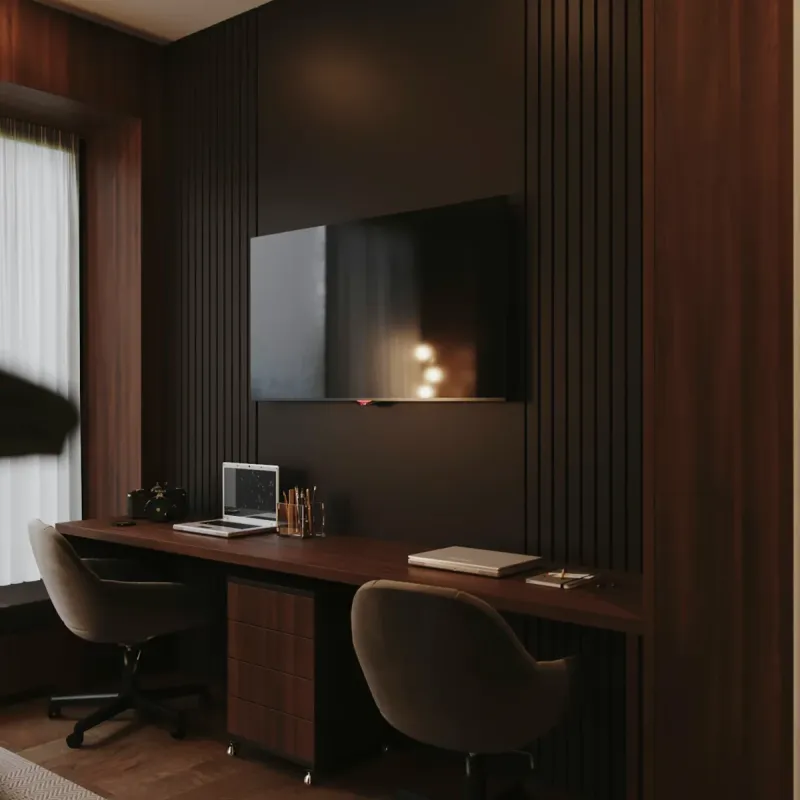
Study Furniture Brands
$0.00
Ex Tax: $0.00
  • Stock: In Stock
  • Model: 3.12.2
Create unlimited custom product blocks and display them in accordions or tabs or open blocks. Each block can be assigned to all products at once or specific products according to advanced criteria.

Steelcase Inc.

MillerKnoll, Inc. ( Herman Miller )

INGKA Holding B.V. - IKEA

Kokuyo Co., Ltd.

Okamura Corporation

Loctek Ergonomic Technology Corp.

Sunon Group Co., Ltd.

Haworth, Inc.

Hangzhou TotGuard Technology Co., Ltd. 

Pottery Barn Kids


Write a review

Please login or register to review

Builder in Product TAB

NEW! Since Journal 3.2, the much improved T.A.B (Tabs Accordion Blocks) system supports the page builder inside the tab content. Unlimited Blocks, Tabs or Accordions with any HTML content or the builder interface (supporting custom rows/columns/modules) can be assigned to any individual product or to certain groups of products, like entire categories, brands, products with specific options, attributes, price range, etc.You can indicate any criteria via the advanced product assignment mechanism and only those products matching your criteria will display the modules.Also, any module can be selectively activated per device (desktop/tablet/phone), customer login status and other criteria. Imagine the possibilities.

FAQ

Verity Rank is committed to delivering authentic, transparent, and verifiable industry insights. This ranking is not based on subjective opinions but on a rigorous multi-dimensional evaluation model. We systematically collect and cross-verify public data and authoritative information from global sources, conducting quantitative analysis on key dimensions for each company, including financial performance, market influence, supply chain control, consumer sentiment, and innovative sustainability. Our data sources include, but are not limited to: public financial filings of listed companies, reports from international market research authorities, statistics from government and industry bodies, specialized research from leading universities and think tanks, as well as global public sentiment and search trend data integrated via AI technology. All data undergoes cleaning and weighted calculation to ensure the objectivity and neutrality of the final ranking, presenting you with a credible panorama of the industry.
The study furniture industry encompasses the design, manufacturing, and distribution of furniture specifically engineered for learning, working, and knowledge-based activities. It is a specialized sector that diverges significantly from general furniture by integrating ergonomics, health science, and spatial psychology into its core products, such as desks, chairs, bookcases, and storage systems for homes, schools, and offices.
1. The Core Philosophy: "People Adapt to Furniture" vs. "Furniture Adapts to People"
General furniture (like dining tables or sofas) is designed for broad, occasional use, prioritizing aesthetics and basic functionality. In contrast, study furniture is built around the principle of "furniture adapting to people." It recognizes that users—especially growing children and sedentary office workers—have dynamic physical needs. For instance, a dedicated kids' study desk almost always features height adjustability. This is critical because a desk fixed at a standard height can force a child to hunch over as they grow, leading to myopia and spinal issues. The furniture must evolve with its user.
2. Ergonomics: The Invisible Technology
This is the most significant differentiator. Ergonomics is not just about "comfort"; it's about biomechanical support and long-term health. A high-quality ergonomic office chair, like those from Herman Miller or Okamura, isn't simply padded. Its lumbar support curvature, backrest tension, seat depth, and even armrest angles are meticulously calibrated to maintain the spine's natural "S" curve during prolonged sitting. This reduces pressure on intervertebral discs and prevents chronic back pain—something a standard wooden or cushioned chair cannot provide.
3. Hybrid Functionality and Smart Integration
Modern study furniture is increasingly becoming a "smart terminal" for the learning environment. Products now integrate electric height-adjustment systems with memory settings, built-in posture sensors that provide real-time feedback via an app, wireless charging pads, and cable management systems. In the educational sector, the rise of modular and flexible furniture (movable whiteboards, stackable seating, desks on casters) reflects a shift from passive lecture-based learning to active, collaborative "learning landscapes."
4. Stringent Health, Safety, and Sustainability Standards
Because users spend hours in direct, close contact with these products, the industry operates under some of the toughest regulations. Material safety is paramount, with strict limits on Volatile Organic Compounds (VOCs) like formaldehyde (often requiring E0 or even higher standards). Physical safety is also critical, especially in children's furniture, involving rounded corners, anti-tip mechanisms, anti-pinch designs, and lead-free paints. Furthermore, the industry is rapidly adopting sustainable practices, from using recycled materials to achieving Cradle-to-Cradle certifications, as seen with leaders like Steelcase and Haworth.
Disclaimer: This information is for general informational purposes only and is based on industry standards. For specific product details and safety certifications, please refer to official brand documentation and national regulatory bodies.
Ergonomics, derived from the Greek words ergon (work) and nomos (laws), is the scientific discipline concerned with the understanding of interactions among humans and other elements of a system. In the context of study furniture, it's the applied science of designing products to fit the people who use them, rather than forcing people to fit the products. Its goal is to optimize human well-being and overall system performance.
1. Static vs. Dynamic Support: The Fundamental Difference
Standard, non-ergonomic furniture offers static support. It provides a single, fixed surface or posture. However, the human body is inherently dynamic. We shift, we lean, we stretch. Ergonomic study furniture is designed for this reality. An ergonomic chair, for example, doesn't just hold you in one position; it features a synchronized mechanism that allows the backrest and seat to move in harmony with your body. Its lumbar support is designed to maintain contact and provide consistent pressure against your lower back, whether you're sitting upright to write or leaning back to think, preventing the "gap" that leads to slouching and back pain.
2. Why is it Non-Negotiable? Protecting Long-Term Health
The consequences of poor posture, amplified by ill-fitting furniture, are cumulative and often irreversible.
For Children & Adolescents: This is a critical period for physical development. Using a desk that's too high or a chair too low forces a child to hunch, compressing the spine and straining the neck. This is a primary contributor to myopia (nearsightedness) and can lead to spinal deformities like scoliosis and kyphosis. Poor posture during these formative years can establish a lifetime of musculoskeletal issues.
For Adults & Office Workers: Prolonged sedentary work in a non-ergonomic setup is a leading cause of chronic pain, including lower back pain, "tech neck," and carpal tunnel syndrome. When joints and muscles are held in awkward, static positions, it reduces blood flow, strains ligaments, and compresses spinal discs, leading to long-term degenerative conditions.
3. It's a System, Not Just a Chair
True ergonomics in a study environment is a holistic system, comprising several key elements:
Proper Anthropometric Fit: The furniture must match the user's body size. The rule of "90-90-90" is a good start: feet flat on the floor (or a footrest), knees bent at 90 degrees, and hips bent at 90 degrees.
Dynamic Furniture: Height-adjustable desks allow users to alternate between sitting and standing, combating the dangers of a sedentary lifestyle. Monitor arms position screens at eye level to prevent neck strain.
Task-Specific Support: In chairs, this means adjustable lumbar support, seat depth, and armrests. In desks, it might mean a tilting desktop for reading, which reduces neck flexion.
4. The Science Behind the Comfort Ergonomics is not based on subjective feel. It is a rigorous science grounded in anthropometric data, biomechanics, and kinesiology. Industry leaders invest heavily in research and development, often running university-affiliated studies and motion-capture labs to understand how the body interacts with furniture. The patented technologies found in chairs from brands like Steelcase or MillerKnoll are the result of decades of this scientific inquiry. Choosing ergonomic furniture is therefore an investment in your physical well-being, backed by verifiable research.
Disclaimer: This information is for educational purposes and does not constitute medical advice. If you are experiencing chronic pain, please consult a qualified healthcare professional.
A height-adjustable desk, commonly known as a standing desk or sit-stand desk, is a desk that can be raised or lowered to allow the user to alternate between sitting and standing positions while working. Modern electric versions utilize a system of quiet, powerful electric motors, sturdy lifting columns, and an intuitive digital controller. With a simple button press, the user can transition smoothly from a seated typing posture to a standing work surface.
1. The Core Purpose: Combating the "Sitting Disease"
The health risks of prolonged sedentary behavior are well-documented and severe. Termed the "sitting disease" by some health experts, it's linked to a host of issues including slowed metabolism, poor posture, chronic back pain, increased risk of cardiovascular disease, and even certain types of cancer. A height-adjustable desk's primary function is to break this sedentary cycle by enabling postural variability. By changing positions throughout the day, users engage different muscle groups, improve blood circulation, reduce spinal compression, and boost energy and focus.
2. The Journey from Corporate Perk to Home Essential
Once considered a premium ergonomic accessory reserved for executives in tech-forward companies, the standing desk has rapidly become a mainstream household item. This shift is driven by several converging trends:
Technological Advancement and Cost Reduction: Pioneering manufacturers, particularly in China's supply chain ecosystem (e.g., Loctek, Henglin), have vertically integrated the production of key components like motors and controllers. This has dramatically lowered manufacturing costs, transforming the standing desk from a thousand-dollar investment into an accessible purchase for the average home.
The Rise of Hybrid Work: The global pandemic fundamentally changed where we work. As homes became full-time offices for millions, the demand for professional-grade, health-promoting equipment skyrocketed. A simple fixed desk was no longer sufficient for the new, permanent work-from-home reality.
Mainstreaming of Health & Wellness: Consumers are increasingly sophisticated about proactive health measures. They recognize that investing in a standing desk is not just buying furniture; it's investing in long-term physical well-being and daily productivity.
3. Beyond Basic Movement: The Age of the "Smart" Desk
The category has evolved significantly. Modern desks are no longer just about going up and down; they are becoming integrated wellness devices.
Programmable Memory Presets: Users can save their preferred sitting and standing heights for instant, one-touch recall.
Advanced Safety Features: Built-in anti-collision technology is a critical standard. If the desk encounters an obstacle while descending (like a child or a pet), it automatically stops and reverses, preventing injury and damage.
Integrated Health Tracking: Many smart desks now connect to smartphone apps, providing gentle reminders to switch positions, tracking daily sit-stand ratios, and even offering guided micro-break exercises to maximize the health benefits.
4. Versatility Across the Home While born in the office, the height-adjustable desk has proven incredibly versatile in the home. It serves as an ideal kids' study desk, growing with the child to ensure ergonomic alignment through every school year. It works perfectly as a crafting or hobby table in a sunroom, where standing to paint or assemble models is often preferable. Its ability to adapt to different users and tasks makes it one of the most functional pieces of modern furniture.
Disclaimer: While height-adjustable desks are a valuable tool for promoting movement, they are not a substitute for regular exercise. It is recommended to adopt a balanced sit-stand routine (e.g., 45 minutes sitting, 15 minutes standing) and to listen to your body's signals.
"Nap-enabled school desks and chairs," also known as convertible study furniture or napping desks, are a category of innovative educational furniture designed to solve a long-standing problem in student health: the inability to rest properly during the school day. These products integrate a mechanical transformation mechanism that allows a standard desk-and-chair unit to be quickly and safely converted into a flat or reclined surface for comfortable napping, without the student needing to move from their spot.
1. Ending the Health Hazards of "Desktop Napping"
For generations, students across the globe, particularly in Asia, have been forced to nap by resting their heads on their arms, folded on the desk. This seemingly harmless posture has significant negative health consequences:
Ocular Pressure and Myopia: Sleeping with the head resting on the arms places direct pressure on the eyeballs. This increased intraocular pressure is a known contributing factor to the elongation of the eyeball, which can accelerate the progression of myopia (nearsightedness) in children.
Spinal and Respiratory Stress: The twisted neck and hunched back required for desktop napping puts uneven pressure on the cervical spine and compresses the rib cage. This can restrict breathing and lead to stiffness and chronic neck and back pain.
Nerve Compression: Prolonged pressure on the arms can compress nerves (like the ulnar nerve), leading to numbness, tingling, and restricted blood flow.
Nap-enabled furniture addresses these issues head-on by facilitating a supine or reclined resting position. This allows the spine to decompress, the neck to relax, and the internal organs to function without compression, providing genuinely restorative rest.
2. Policy-Driven Demand for Student Wellness
The rise of this furniture category is strongly correlated with a global shift in educational policy that prioritizes student mental and physical well-being. In China, for example, the introduction of national standards like the "General Technical Requirements for Nap Desks and Chairs for Primary and Secondary School Students" has been a major catalyst. This regulation provides a clear framework for manufacturers regarding safety, dimensions, material emissions, and durability, transforming what was once a niche concept into a standard requirement for new school procurement. It reflects a systemic understanding that a well-rested student is a better learner.
3. Ingenious Design and Mechanical Precision
Creating furniture that serves two such different functions requires sophisticated engineering. The transformation mechanisms are the core intellectual property of manufacturers in this space. Common designs include:
Reclining Backrest with Retractable Footrest: The chair back can recline to a near-flat angle (often 140-160 degrees), and a hidden footrest extends from beneath the seat, creating a continuous, supported lying surface.
Desk Surface Integration: Some designs utilize the desktop, which can be flipped or extended to meet the reclined chair, forming a complete "bed."
Integrated Storage Conversion: Some innovative models incorporate the desk's storage drawer or bin, which can be pulled out and repositioned to become part of the napping platform.
These mechanisms must undergo rigorous endurance testing (often tens of thousands of cycles) to ensure they remain reliable under daily student use. They must also incorporate critical safety features like anti-pinch protection and be simple enough for a young child to operate independently.
4. Maximizing Limited Space For most urban schools, building dedicated nap rooms or dormitories is logistically and financially impossible. The greatest advantage of this furniture is its space efficiency. It completely solves the napping problem without requiring a single additional square meter of classroom space. The classroom seamlessly transitions from a learning environment at 8:00 AM to a rest environment at 12:30 PM, and back again—a revolutionary advance in the utilization of educational infrastructure.
Disclaimer: Features and transformation mechanisms vary by manufacturer and model. For specific product details, safety certifications, and compliance with local educational standards, please consult the official product documentation and relevant national testing reports.
The market for children's study furniture is flooded with options, ranging from budget-friendly models to premium systems costing thousands of dollars. Marketing terms like "spine-protecting" and "anti-myopia" are common, but understanding the underlying technology and specifications is crucial for making a wise investment in your child's health. Here are five critical, non-negotiable factors to evaluate.
1. Assess the Range and Precision of Adjustability
The fundamental purpose of a kids' study system is that it "grows" with the child. However, not all adjustability is created equal.
Adjustment Range: A high-quality system should accommodate a child's development from preschool through high school. Look for desks with a height adjustment range typically from around 20 inches (52 cm) to 30 inches (76 cm). A narrow range limits the product's lifespan and long-term value.
Continuous vs. Stepped Adjustment: Electric height-adjustable desks offer continuous, stepless adjustment, allowing for a perfect fit at any height. For manual systems, examine the precision of the lifting mechanism. The more adjustment steps, the more accurately you can match the desk to your child's exact height at any given time.
Tilting Desktop Mechanism: The desktop tilt, essential for reading, should operate smoothly with a gas lift or friction hinge that allows it to lock securely at any angle, not just a few pre-set positions. This ensures optimal visual comfort for various tasks.
2. Verify the Quality of Core Mechanical Components
The "heart" of the furniture—the gas lift in the chair and the motor in the desk—determines its safety, durability, and performance.
Chair Gas Lift (Pneumatic Cylinder): This is the most critical safety component. You must insist on a Class 4 gas lift certified by an internationally recognized testing body like SGS or TÜV. This certification guarantees the cylinder is explosion-proof and can withstand immense pressure. Non-certified, cheap gas lifts pose a genuine safety risk.
Desk Lifting Motor (for electric desks): Inquire about the motor's origin (proprietary or sourced), its lifting capacity (usually measured in Newtons), its noise level (decibels), and its speed. A quality motor should operate quietly and smoothly, and the manufacturer should provide data on its lifecycle testing (e.g., tested for over 10,000 lifting cycles).
3. Demand Transparency on Materials and Environmental Safety
Children spend hours in close contact with this furniture, and they may lean on, drool on, or even chew on the surfaces. Material safety is non-negotiable.
Desktop Panels: Prioritize the highest possible emission standards. In China, the top standard is ENF (No-Added Formaldehyde), followed by E0. Globally, look for certifications like CARB Phase 2 or TSCA Title VI compliant. Do not rely on vague marketing claims; request the latest official test reports from the manufacturer.
Finishes and Paints: If the desk is solid wood, ensure it is finished with water-based paints or varnishes, which are much lower in VOCs (Volatile Organic Compounds) and have little to no odor compared to solvent-based finishes.
Chair Fabrics: Choose breathable, durable fabrics that meet international textile safety standards for harmful substances (like OEKO-TEX Standard 100).
4. Scrutinize Safety-Driven Design Details
Advanced features are useless if the product has fundamental safety flaws.
Rounded Corners: All corners and edges on the desk and chair must be generously rounded to prevent serious injury from accidental bumps and falls. Sharp edges have no place in kids' furniture.
Pinch-Point Protection: The mechanical areas where parts move (like the desk tilt mechanism or chair lift) must be designed with built-in pinch guards or have sufficient clearance to prevent little fingers from getting caught.
Chair Casters with Auto-Lock (Weight-Activated Brakes): This is a defining feature of a quality study chair. When the child sits down, their weight should automatically lock the wheels, providing a stable, non-slip base that encourages good posture. When the child gets up, the wheels unlock for easy movement. This prevents the chair from rolling around, which is a major distraction.
5. Evaluate Brand Specialization and After-Sales Support
A kids' study system is a medium-to-long-term investment. The company behind it should have a proven track record.
Brand Focus: Prioritize brands that specialize in this niche, such as TotGuard, Loctek, or Moll. These companies have dedicated R&D focused on the anthropometrics and ergonomics of growing children, resulting in more thoughtful designs and proprietary technologies compared to general furniture manufacturers.
Warranty and Service: Before purchasing, clarify the warranty terms, especially for core components like the motor, gas lift, and frame. Find out if professional assembly and installation are included, as complex systems often require precise setup for optimal performance and safety.
Disclaimer: This guide provides general recommendations based on industry standards. Final purchasing decisions should be based on your child's specific needs, your budget, and information provided by the manufacturer, including official certification documents.