We Use Cookies 🍪
We Use Cookies And Other Similar Technologies To Improve Your Browsing Experience And The Functionality Of Our Site. Learn More In Our Privacy Policy.

Company Rankings in the Ready-to-eat Food Industry

Last Updated: March 12, 2026


Welcome to Verity Rank's Global Ready-to-eat Food Company Rankings. This list cuts through the noise to deliver an authoritative, transparent leaderboard of the most influential consumer brands, from global giants like Nestlé and Tyson to disruptive favorites like Samyang. Our proprietary multi-dimensional scoring model evaluates each brand's financial scale, market dominance, consumer sentiment, search popularity, and supply chain resilience. We are committed to providing unbiased insights that empower your discovery and decision-making. The rankings are generated through analysis of aggregated third-party data, including market research from accredited institutions, government statistics, and AI-driven market intelligence. This content is for informational purposes only.

Nestlé S.A.

Nestlé S.A., headquartered in Vevey, Switzerland, is the world's largest food and beverage company. Operating in over 180 countries with more than 2,000 brands, it dominates key sectors including coffee (Nescafé, Nespresso), infant nutrition (Gerber), bottled water (Perrier), and pet care (Purina). With 2023 revenue of CHF 93 billion and 400+ factories worldwide, Nestlé's unparalleled brand portfolio and fully integrated supply chain secure its industry leadership.
Strengths: Boasts the world's largest food production scale and comprehensive supply chain network. Its powerful portfolio of 2,000+ brands covers all market segments with leading R&D investment and global dominance in core categories like coffee and infant nutrition.
Weaknesses: Faces public scrutiny regarding health and environmental concerns. The massive organizational scale limits innovation agility, while product diversification and global operations present significant management complexities.
Nestlé.
Nestlé.
Brand Name
Vaud, Switzerland
Vaud, Switzerland
Address
1866
Founded
270K+
Number of Employees
180+ Countries
Business Scope
400+
Production Base
Official Website

Tyson Foods Inc.

Tyson Foods, Inc., headquartered in Springdale, Arkansas, is America's largest meat processing corporation. This vertically integrated leader operates across four core segments: beef, pork, chicken, and prepared foods, processing approximately 45 million chickens, 130,000 cattle, and 300,000 pigs weekly. Leveraging complete supply chain control from breeding to branded sales, Tyson dominates the U.S. meat market with FY2023 revenue of $52.8 billion and Fortune 500 ranking of #70.
Strengths: The vertically integrated business model provides comprehensive control over the entire supply chain from farming to distribution. Supported by strong brands including Tyson, Jimmy Dean, and Hillshire Farm, it maintains leading market positions across chicken, beef, and pork segments in the U.S.
Weaknesses: Significant exposure to raw material cost volatility, particularly in feed and livestock prices. International expansion remains limited while facing profitability pressures, labor market challenges, and shifting consumer preferences toward alternative proteins.
Tyson Foods
Tyson Foods
Brand Name
Springdale, Arkansas, USA
Address
1835
Founded
138K+
Number of Employees
100+ Countries
Business Scope
200+ Processing Facilities
Production Base
Official Website
Food Industry Rankings​
Meat, Poultry & Seafood Industry Rankings​
Beef Products Industry
Pork Products Industry
Poultry Products Industry
Pre-marinated Meats Industry
Frozen Semi-finished Industry
Halal Certified Meat Industry
Organic Certified Meat Industry
Instant Food Products Industry
Meal Kits & Sauce Bags Industry
Global Cuisine Industry
Meal Replacement Shakes Industry
Special Dietary Food Industry
Sports Nutrition Industry
Oral Nutritional Supplements Industry
Jerky & Meat Snacks Industry
Frozen Foods Industry
Frozen Prepared Meals Industry
Western Fast Food Prep Industry
Organic Fresh & Frozen Industry
Food Industry Rankings​
Meat, Poultry & Seafood Industry Rankings​
Beef Products Industry
Pork Products Industry
Poultry Products Industry
Pre-marinated Meats Industry
Frozen Semi-finished Industry
Halal Certified Meat Industry
Organic Certified Meat Industry
Instant Food Products Industry
Meal Kits & Sauce Bags Industry
Global Cuisine Industry
Meal Replacement Shakes Industry
Special Dietary Food Industry
Sports Nutrition Industry
Oral Nutritional Supplements Industry
Jerky & Meat Snacks Industry
Frozen Foods Industry
Frozen Prepared Meals Industry
Western Fast Food Prep Industry
Organic Fresh & Frozen Industry

Tingyi (Cayman Islands) Holding Corp.

Master Kong (Kangshifu) is China's leading instant food and beverage company, headquartered in Tianjin and listed on the Hong Kong Stock Exchange. With over 100 production facilities across China, the company boasts an annual capacity of 20 billion instant noodle packs and 15 billion beverage bottles, generating approximately RMB 80 billion ($11 billion) in revenue in 2024. The brand maintains its dominant market position through extensive distribution networks, strong brand recognition, and comprehensive product portfolios in both instant noodles and ready-to-drink beverages.

Strengths: Master Kong's strengths include absolute leadership in China's instant food and beverage market with leading market shares, an unparalleled distribution network covering over 5 million retail outlets nationwide, and strong brand equity with deep consumer recognition across China.
Weaknesses: The company faces challenges including heavy reliance on the domestic market (99% of revenue), pressure from shifting consumer preferences toward healthier options, and vulnerability to raw material cost fluctuations in a competitive market.
Master Kong
Master Kong
Brand Name
Tianjin, China
Tianjin, China
Address
1992
Founded
60K+
Number of Employees
11+ Countries
Business Scope
100+ Processing Facilities
Processing Facilities
Official Website
Instant Food Products Industry
Ready Rice & Meals Industry
Instant Noodles Industry
Instant Soups & Porridges Industry
Beverages & Mixes Industry
Functional Beverages Industry
Fruit and Vegetable Juices Industry
Carbonated Drinks Industry
Tea Beverages Industry
Coffee Beverages Industry
Bottled Water Industry
Dairy Beverages Industry
Specialty Beverages Industry
Cookies & Pastries Industry
Puffed Snacks Industry
Regional Specialty Foods Industry
Ready-to-Eat Specialties Industry
Instant Food Products Industry
Ready Rice & Meals Industry
Instant Noodles Industry
Instant Soups & Porridges Industry
Beverages & Mixes Industry
Functional Beverages Industry
Fruit and Vegetable Juices Industry
Carbonated Drinks Industry
Tea Beverages Industry
Coffee Beverages Industry
Bottled Water Industry
Dairy Beverages Industry
Specialty Beverages Industry
Cookies & Pastries Industry
Puffed Snacks Industry
Regional Specialty Foods Industry
Ready-to-Eat Specialties Industry

Unilever PLC Brand ( Knorr )

Knorr is a leading global seasoning and convenience food brand under Unilever PLC, headquartered in London, UK and Rotterdam, Netherlands. Founded in 1838 with over 180 years of heritage, Knorr operates in 110 countries worldwide, specializing in soups, seasonings, and convenience foods. With approximately €4 billion brand sales in 2024, it maintains absolute leadership in the global seasoning market through its longstanding heritage and extensive global network.
Strengths: Knorr's core strengths are its 180+ years of brand heritage and deep consumer trust foundation, comprehensive distribution network across 110 countries with strong local operations, and continuous product innovation launching 100+ new products annually while leading in sustainable practices.
Weaknesses: The brand faces challenges from growing health-conscious trends requiring ongoing recipe optimization for reduced salt and sugar. Intense market competition continuously pressures market share and pricing power. Raw material cost fluctuations directly impact brand profitability.
Knorr
Knorr
Brand Name
London, UK
London, UK
Address
1838
Founded
128K+
Number of Employees
110+ Countries
Business Scope
30+
Condiment Factory
Official Website
Seasonings & Spices Industry
Compound Seasonings Industry
Specialty Sauces Industry
Seasoning Mixes Industry
Instant Food Products Industry
Meal Kits & Sauce Bags Industry
Instant Soups & Porridges Industry
Instant Mixes & Powders Industry
Frozen Foods Industry
Frozen Prepared Meals Industry
Organic Spices & Herbs Industry
Seasonings & Spices Industry
Compound Seasonings Industry
Specialty Sauces Industry
Seasoning Mixes Industry
Instant Food Products Industry
Meal Kits & Sauce Bags Industry
Instant Soups & Porridges Industry
Instant Mixes & Powders Industry
Frozen Foods Industry
Frozen Prepared Meals Industry
Organic Spices & Herbs Industry

Ajinomoto Co., Inc.

Ajinomoto Co., Inc. is a leading global amino acid technology and seasoning company headquartered in Tokyo, Japan. Operating across 130+ countries, it specializes in amino acids, seasonings, and health nutrition products, maintaining 45 production bases worldwide. Listed on the Tokyo Stock Exchange, Ajinomoto reported ¥1.3 trillion revenue in 2024, sustaining its significant industry leadership through unique amino acid technologies and century-old brand heritage.
Strengths: Ajinomoto's core strengths are its globally leading amino acid technology with 100+ years of expertise and numerous patents, profound research capabilities in umami science and health nutrition innovation, and extensive global network across 130 countries with overseas revenue comprising 65% of total sales.
Weaknesses: Profitability remains vulnerable to raw material cost fluctuations. As a multinational corporation, it faces financial risks from currency exchange rate volatility. Increasingly stringent global regulatory requirements continually add compliance costs and operational pressures.
Ajinomoto
Ajinomoto
Brand Name
Tokyo, Japan
Tokyo, Japan
Address
1917
Founded
34K+
Number of Employees
130+ Countries
Business Scope
45+
Condiment Factory
Official Website
Seasonings & Spices Industry
Compound Seasonings Industry
Ground Spices Industry
Specialty Sauces Industry
Seasoning Mixes Industry
Fortified Food Products Industry
Protein Powders Industry
Instant Food Products Industry
Instant Noodles Industry
Special Dietary Food Industry
Medical Foods Industry
Sports Nutrition Industry
Oral Nutritional Supplements Industry
Food Additives Industry
Sweeteners Industry
Flavors & Fragrances Industry
Others Food Additives Industry
Snack Foods Industry
Candies & Chocolates Industry
Frozen Foods Industry
Frozen Prepared Meals Industry
Regional Specialty Foods Industry
Local Snacks & Dim Sum Industry
Seasonings & Spices Industry
Compound Seasonings Industry
Ground Spices Industry
Specialty Sauces Industry
Seasoning Mixes Industry
Fortified Food Products Industry
Protein Powders Industry
Instant Food Products Industry
Instant Noodles Industry
Special Dietary Food Industry
Medical Foods Industry
Sports Nutrition Industry
Oral Nutritional Supplements Industry
Food Additives Industry
Sweeteners Industry
Flavors & Fragrances Industry
Others Food Additives Industry
Snack Foods Industry
Candies & Chocolates Industry
Frozen Foods Industry
Frozen Prepared Meals Industry
Regional Specialty Foods Industry
Local Snacks & Dim Sum Industry

Uni-President Enterprises Corporation

Uni-President Enterprises Corporation is a leading comprehensive food and beverage group in Greater China, specializing in instant noodles, ready-to-drink teas, juices, and dairy products. Headquartered in Tainan, Taiwan, with over 60 production facilities across Greater China, the company achieved approximately RMB 50 billion ($7 billion) in revenue in 2024. The brand maintains its significant market position through diverse product portfolios, strong regional distribution networks, and well-established brands including its iconic pickled cabbage beef flavor instant noodles.
Strengths: Uni-President's core strengths are its diversified product portfolio with strong brands across instant noodles and beverages, extensive distribution network covering over 2 million retail outlets in Greater China, and established brand equity with high consumer recognition in Chinese-speaking markets.
Weaknesses: The company faces challenges including heavy reliance on Greater China markets (95% of revenue), intensifying competition in both instant noodle and beverage segments, and ongoing pressure from raw material cost fluctuations and market saturation.
Uni-President
Uni-President
Brand Name
Tainan City, Taiwan, China
Address
1967
Founded
188K+
Number of Employees
10+ Countries
Business Scope
60+ Processing Facilities
Processing Facilities
Official Website
Seasonings & Spices Industry
Fermented Seasonings Industry
Specialty Sauces Industry
Instant Food Products Industry
Ready Rice & Meals Industry
Instant Noodles Industry
Canned Goods Industry
Beverages & Mixes Industry
Functional Beverages Industry
Fruit and Vegetable Juices Industry
Carbonated Drinks Industry
Tea Beverages Industry
Coffee Beverages Industry
Bottled Water Industry
Dairy Beverages Industry
Specialty Beverages Industry
Cookies & Pastries Industry
Puffed Snacks Industry
Organic Beverages Industry
Regional Specialty Foods Industry
Ready-to-Eat Specialties Industry
Seasonings & Spices Industry
Fermented Seasonings Industry
Specialty Sauces Industry
Instant Food Products Industry
Ready Rice & Meals Industry
Instant Noodles Industry
Canned Goods Industry
Beverages & Mixes Industry
Functional Beverages Industry
Fruit and Vegetable Juices Industry
Carbonated Drinks Industry
Tea Beverages Industry
Coffee Beverages Industry
Bottled Water Industry
Dairy Beverages Industry
Specialty Beverages Industry
Cookies & Pastries Industry
Puffed Snacks Industry
Organic Beverages Industry
Regional Specialty Foods Industry
Ready-to-Eat Specialties Industry

Conagra Brands, Inc.

Conagra Brands, Inc. is a leading American packaged foods company headquartered in Chicago, specializing in frozen meals, snacks, and meal solutions. With over 50 production facilities globally and operations across 85 countries, the company generated $12 billion in revenue in 2024. Conagra maintains its significant market position through its diverse brand portfolio including Birds Eye and Healthy Choice, efficient supply chain management, and continuous product innovation in the packaged food sector.
Strengths: Conagra's core strengths are its diversified brand portfolio spanning frozen foods, snacks, and meal solutions, efficient and scalable supply chain with global production capabilities, and strong product innovation system launching 200+ new products annually.
Weaknesses: The company faces challenges including heavy reliance on the North American market (85% of revenue), ongoing cost control pressures amid input cost volatility, and intensifying competition across all packaged food categories.
Conagra
Conagra
Brand Name
Chicago, Illinois, USA
Address
1919
Founded
18K+
Number of Employees
85+ Countries
Business Scope
50+ Processing Facilities
Processing Facilities
Official Website
Meat, Poultry & Seafood Industry Rankings​
Pork Products Industry
Processed Seafood Industry
Seasonings & Spices Industry
Specialty Sauces Industry
Garnishes Industry
Instant Food Products Industry
Canned Goods Industry
Cookies & Pastries Industry
Snack Foods Industry
Jerky & Meat Snacks Industry
Candies & Chocolates Industry
Bakery Pastry Snacks Industry
Healthy Snacks Industry
Frozen Foods Industry
Frozen Pastry & Dim Sum Industry
Frozen Prepared Meals Industry
Ready-to-Cook Staples Industry
Certified Organic & Health Foods Industry
Organic Snacks Industry
Organic Fresh & Frozen Industry
Regional Specialty Foods Industry
Ready-to-Eat Specialties Industry
Meat, Poultry & Seafood Industry Rankings​
Pork Products Industry
Processed Seafood Industry
Seasonings & Spices Industry
Specialty Sauces Industry
Garnishes Industry
Instant Food Products Industry
Canned Goods Industry
Cookies & Pastries Industry
Snack Foods Industry
Jerky & Meat Snacks Industry
Candies & Chocolates Industry
Bakery Pastry Snacks Industry
Healthy Snacks Industry
Frozen Foods Industry
Frozen Pastry & Dim Sum Industry
Frozen Prepared Meals Industry
Ready-to-Cook Staples Industry
Certified Organic & Health Foods Industry
Organic Snacks Industry
Organic Fresh & Frozen Industry
Regional Specialty Foods Industry
Ready-to-Eat Specialties Industry

Nissin Foods Holdings Co., Ltd.

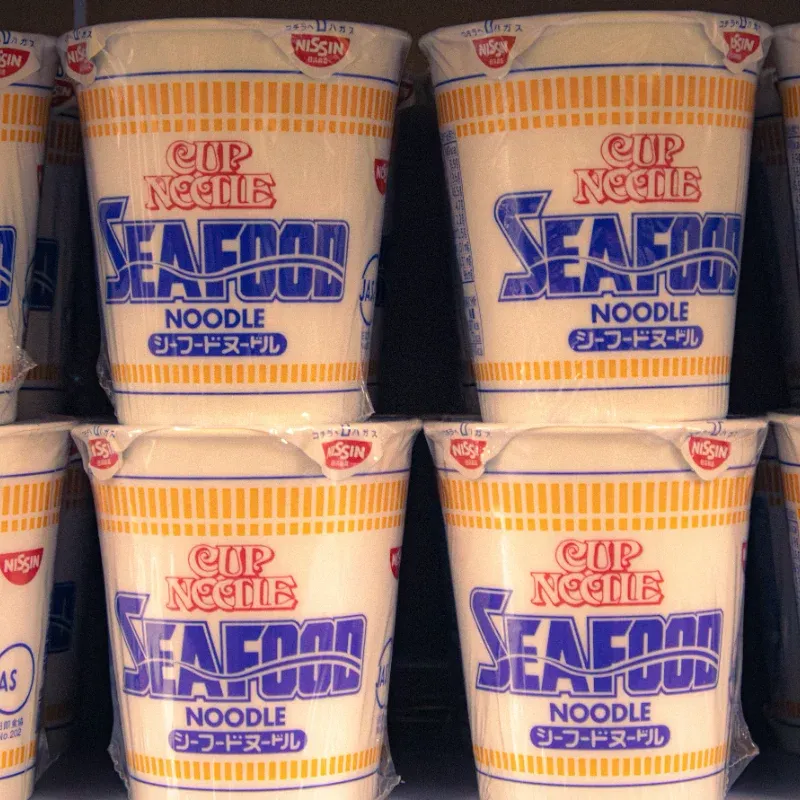
Nissin Foods Holdings is the global pioneer and leader in the instant food industry, renowned for inventing the world's first instant noodles in 1958. Headquartered in Osaka, Japan, with 30 production bases across 45 countries, the company generated approximately ¥500 billion ($3.5 billion) in revenue in 2024. Nissin maintains its industry leadership through continuous product innovation, strong technological patents, and iconic brands including the revolutionary Cup Noodles.
Strengths: Nissin's core strengths are its pioneering status as the inventor of instant noodles with unmatched industry heritage, continuous innovation capabilities with 100+ annual new product launches, and globally recognized brand portfolio led by Cup Noodles across 45 countries.
Weaknesses: The company faces challenges including reliance on the specialized instant food market limiting diversification, pressure from health-conscious consumer trends, and vulnerability to raw material cost fluctuations in a competitive landscape.
Nissin
Nissin
Brand Name
Osaka City, Osaka Prefecture, Japan
Address
1948
Founded
12K+
Number of Employees
45+ Countries
Business Scope
30+ Processing Facilities
Processing Facilities
Official Website
Instant Food Products Industry
Instant Noodles Industry
Instant Soups & Porridges Industry
Pasta Industry
Beverages & Mixes Industry
Instant Mixes & Powders Industry
Sports Nutrition Industry
Cookies & Pastries Industry
Puffed Snacks Industry
Frozen Foods Industry
Frozen Prepared Meals Industry
Ready-to-Cook Staples Industry
Regional Specialty Foods Industry
Ready-to-Eat Specialties Industry
Instant Food Products Industry
Instant Noodles Industry
Instant Soups & Porridges Industry
Pasta Industry
Beverages & Mixes Industry
Instant Mixes & Powders Industry
Sports Nutrition Industry
Cookies & Pastries Industry
Puffed Snacks Industry
Frozen Foods Industry
Frozen Prepared Meals Industry
Ready-to-Cook Staples Industry
Regional Specialty Foods Industry
Ready-to-Eat Specialties Industry

The Campbell's Company

The Campbell's Company is an iconic American packaged food company renowned for its canned soups and simple meal solutions. Founded in 1869 and headquartered in Camden, New Jersey, it operates 25 production facilities globally and achieved $9.5 billion in revenue in 2024. With operations across 120 countries, Campbell's maintains its market position through 150+ years of brand heritage, strong product quality control, and deep penetration in the North American market, where it remains a household staple.
Strengths: Campbell's core strengths are its 150+ years of brand heritage and iconic status in American households, market leadership in canned soups with strong brand recognition, and stringent quality control system maintaining consistent product standards.
Disadvantages: The company faces challenges including heavy reliance on the North American market (90% of revenue), pressure from health-conscious consumer trends shifting away from traditional packaged foods, and intensifying competition in the packaged food sector.
Campbell's
Campbell's
Brand Name
Camden, New Jersey, USA
Address
1869
Founded
14K+
Number of Employees
120+ Countries
Business Scope
25+ Processing Facilities
Processing Facilities
Official Website
Seasonings & Spices Industry
Specialty Sauces Industry
Instant Food Products Industry
Meal Kits & Sauce Bags Industry
Canned Goods Industry
Instant Soups & Porridges Industry
Beverages & Mixes Industry
Fruit and Vegetable Juices Industry
Specialty Beverages Industry
Cookies & Pastries Industry
Snack Foods Industry
Puffed Snacks Industry
Nuts & Seeds Industry
Bakery Pastry Snacks Industry
Healthy Snacks Industry
Frozen Foods Industry
Frozen Prepared Meals Industry
Ready-to-Cook Staples Industry
Certified Organic & Health Foods Industry
Organic Snacks Industry
Organic Beverages Industry
Regional Specialty Foods Industry
Ready-to-Eat Specialties Industry
Seasonings & Spices Industry
Specialty Sauces Industry
Instant Food Products Industry
Meal Kits & Sauce Bags Industry
Canned Goods Industry
Instant Soups & Porridges Industry
Beverages & Mixes Industry
Fruit and Vegetable Juices Industry
Specialty Beverages Industry
Cookies & Pastries Industry
Snack Foods Industry
Puffed Snacks Industry
Nuts & Seeds Industry
Bakery Pastry Snacks Industry
Healthy Snacks Industry
Frozen Foods Industry
Frozen Prepared Meals Industry
Ready-to-Cook Staples Industry
Certified Organic & Health Foods Industry
Organic Snacks Industry
Organic Beverages Industry
Regional Specialty Foods Industry
Ready-to-Eat Specialties Industry

Samyang Foods Co., Ltd.

Samyang Foods Co., Ltd. is a leading Korean food manufacturer renowned for its spicy instant noodles and diverse food products. Headquartered in Seoul and listed on the Korea Exchange, the company operates 8 production facilities globally and achieved approximately ₩1.5 trillion ($1.1 billion) in revenue in 2024. With operations across 80+ countries, Samyang maintains its distinctive market position through specialized spicy food technology, continuous product innovation, and strong presence in Asian markets.
Strengths: Samyang's core strengths are its specialized expertise in spicy food technology with iconic products like Buldak noodles, strong product innovation system launching 50+ new products annually, and established market position across Asia with 70% of revenue from the region.
Weaknesses: The company faces challenges including limited global brand recognition despite wide distribution, heavy reliance on the instant noodle category (60% of revenue), and vulnerability to raw material cost fluctuations in a competitive market.
Samyang Foods
Samyang Foods
Brand Name
Seoul, South Korea
Seoul, South Korea
Address
1961
Founded
1.7K+
Number of Employees
80+ Countries
Business Scope
8+ Processing Facilities
Processing Facilities
Official Website
Seasonings & Spices Industry
Specialty Sauces Industry
Seasoning Mixes Industry
Instant Food Products Industry
Instant Noodles Industry
Breakfast Solutions Industry
Snack Foods Industry
Puffed Snacks Industry
Healthy Snacks Industry
Frozen Foods Industry
Ready-to-Cook Staples Industry
Regional Specialty Foods Industry
Ready-to-Eat Specialties Industry
Local Snacks & Dim Sum Industry
Seasonings & Spices Industry
Specialty Sauces Industry
Seasoning Mixes Industry
Instant Food Products Industry
Instant Noodles Industry
Breakfast Solutions Industry
Snack Foods Industry
Puffed Snacks Industry
Healthy Snacks Industry
Frozen Foods Industry
Ready-to-Cook Staples Industry
Regional Specialty Foods Industry
Ready-to-Eat Specialties Industry
Local Snacks & Dim Sum Industry

Ready-to-eat Food Company
Ready-to-eat Food Company
New
Ready-to-eat Food Company
from
$0.00
Ex Tax: $0.00
  • Stock: In Stock
  • Model: 1.7.1
Create unlimited custom product blocks and display them in accordions or tabs or open blocks. Each block can be assigned to all products at once or specific products according to advanced criteria.

Nestlé S.A.

Tyson Foods Inc.

Tingyi (Cayman Islands) Holding Corp.

Unilever PLC Brand ( Knorr )

Ajinomoto Co., Inc.

Uni-President Enterprises Corporation

Conagra Brands, Inc.

Nissin Foods Holdings Co., Ltd.

The Campbell's Company

Samyang Foods Co., Ltd.


Write a review

Please login or register to review

Builder in Product TAB

NEW! Since Journal 3.2, the much improved T.A.B (Tabs Accordion Blocks) system supports the page builder inside the tab content. Unlimited Blocks, Tabs or Accordions with any HTML content or the builder interface (supporting custom rows/columns/modules) can be assigned to any individual product or to certain groups of products, like entire categories, brands, products with specific options, attributes, price range, etc.You can indicate any criteria via the advanced product assignment mechanism and only those products matching your criteria will display the modules.Also, any module can be selectively activated per device (desktop/tablet/phone), customer login status and other criteria. Imagine the possibilities.

FAQ

Verity Rank is committed to delivering authentic, transparent, and verifiable industry insights. This ranking is not based on subjective opinions but on a rigorous multi-dimensional evaluation model. We systematically collect and cross-verify public data and authoritative information from global sources, conducting quantitative analysis on key dimensions for each company, including financial performance, market influence, supply chain control, consumer sentiment, and innovative sustainability. Our data sources include, but are not limited to: public financial filings of listed companies, reports from international market research authorities, statistics from government and industry bodies, specialized research from leading universities and think tanks, as well as global public sentiment and search trend data integrated via AI technology. All data undergoes cleaning and weighted calculation to ensure the objectivity and neutrality of the final ranking, presenting you with a credible panorama of the industry.
The ready-to-eat (RTE) food industry encompasses all food products that are processed, cooked, and packaged to be consumed immediately with minimal or no additional preparation. The core value proposition is ultimate convenience, saving consumers time and effort in meal preparation.
1. Core Product Categories:
This industry is vast and goes far beyond instant noodles. Major categories include: Frozen Prepared Foods (like dumplings, pizzas, and burritos), Meal Kits & Sauce Bags (which simplify home cooking), Canned Goods (long-shelf-life staples like soups and meats), Instant Noodles & Pastas, and the rapidly growing Self-Heating Meals (like hot pots and rice bowls that cook with a water-activated heater).
2. The Technology Behind Convenience:
The industry relies on advanced food technologies to ensure safety, taste, and shelf life. Key methods include freezing (IQF for individual pieces), retort sterilization (for canned and pouch foods), dehydration, and modified atmosphere packaging. The recent innovation of self-heating packages uses exothermic chemical reactions to provide a hot meal anywhere.
3. Market Drivers:
The primary growth drivers are urbanization, faster-paced lifestyles, and the increasing number of single-person households. The COVID-19 pandemic further accelerated demand as consumers stocked up on shelf-stable options. Today, innovation is heavily focused on healthier profiles (reduced sodium, high protein, plant-based) and gourmet, global flavors to meet evolving consumer demands.
Today's ready-to-eat market is highly segmented, offering solutions for virtually every meal occasion and dietary preference. Understanding these categories helps navigate the vast array of choices.
1. Traditional Staples & Shelf-Stable Options:
This foundational category includes Instant Noodles, Canned Goods (meats, soups, vegetables), and Instant Soups/Porridges. They are characterized by long shelf life, ambient storage, and very low cost. They serve as emergency panty staples and affordable quick meals globally.
2. Frozen & Refrigerated Prepared Foods:
This is a major growth segment, offering superior taste and quality. It includes Frozen Dumplings, Buns, Pastries, Pizza, Prepared Meals, and Entrees. Products like frozen burritos or lasagna can go from freezer to table by microwave or oven, offering a near-homemade experience with much greater convenience.
3. Innovative Hybrid & Niche Products:
This dynamic segment responds to latest trends. Self-Heating Meals (hot pot, rice) offer portability and a hot meal without appliances. Meal Kits & Sauce Bags bridge the gap between cooking and convenience. Specialized Products like Breakfast Solutions (overnight oats, frozen sandwiches), International Cuisine (Indian curry kits, Japanese donburi), and Health-Focused options (high-protein meals, low-GI rice bowls) cater to specific needs and occasions.
The extended shelf life of ready-to-eat foods, especially those stored at room temperature, is achieved through a combination of processing techniques, packaging technologies, and sometimes preservatives. The goal is to eliminate or inhibit the growth of spoilage microorganisms and pathogens.
1. Key Processing Technologies:
· Thermal Processing (Retort): This is the most common method for canned goods and flexible pouches. Food is sealed in a package and then heated to very high temperatures under pressure (e.g., 121°C/250°F). This commercially sterilizes the contents, destroying all harmful microbes and enzymes, allowing shelf-stable storage for years.
· Dehydration: Removing water (e.g., in instant noodles, soup mixes) prevents microbial growth. Freeze-drying is a premium technique that preserves flavor, color, and nutrients better than air-drying.
· Freezing: Rapid freezing (like IQF) locks in freshness by stopping microbial activity and slowing chemical degradation. It preserves taste and texture remarkably well but requires a constant cold chain.
2. The Role of Packaging:
Packaging is a critical barrier. Aseptic packaging sterilizes both the food and the package separately before filling in a sterile environment. Modified Atmosphere Packaging (MAP) replaces the air inside a package with a gas mixture (like nitrogen or CO2) that slows down spoilage. Vacuum sealing also removes oxygen to delay rancidity and microbial growth.
3. Ingredients & pH Control:
In some products, natural or chemical preservatives (e.g., salts, nitrites, citric acid) are used to further inhibit bacteria and fungi. Additionally, controlling the acidity (pH) of a product, as in pickled or tomato-based foods, creates an environment where dangerous bacteria like C. botulinum cannot grow.
The consumer base for ready-to-eat foods is broad and diverse, but it is particularly strong among specific demographic groups and lifestyle segments driven by common core needs.
1. Key Demographic Groups:
· Urban Professionals & Busy Workers: Individuals with demanding careers and long commutes have limited time for cooking. RTE foods provide a quick solution for lunch at the office or dinner after a late night.
· Students: University students living in dorms with limited cooking facilities rely heavily on instant noodles, canned soups, and microwaveable meals for affordability and convenience.
· Singles & Small Households: Cooking for one can be inefficient. Single-serving RTE portions eliminate waste and the effort of preparing multiple ingredients.
· Modern Families: Even in families, parents may use frozen pizzas, prepared pasta sauces, or meal kits on busy weeknights to save time while still providing a structured meal.
2. Core Drivers for Choosing RTE:
· Time-Saving & Convenience: This is the undisputed number one factor. The reduction in meal prep, cooking, and cleanup time is invaluable.
· Accessibility & Ease of Use: Most RTE foods require minimal culinary skill, making them accessible to everyone.
· Affordability & Budget Control: Especially for staples like instant noodles and canned beans, RTE foods offer a very low-cost meal option with predictable pricing.
· Portability & Storage: Their long shelf life and durability make them perfect for emergency kits, camping trips, travel, and stocking pantries.
· Evolving Palates: With the rise of gourmet and international options (e.g., Thai green curry, Italian pasta), consumers are also choosing RTE foods for flavor exploration and variety without visiting a restaurant.
The RTE industry is rapidly evolving beyond mere convenience. Future growth will be driven by aligning with broader consumer trends around health, sustainability, and experience.
1. Health & Wellness Integration:
This is the dominant trend. Consumers demand cleaner labels, less processed ingredients, and functional benefits. Expect massive growth in: High-Protein & High-Fiber meals, Plant-Based & Vegan ready-meals, products with reduced sodium, sugar, and unhealthy fats, and fortified foods adding probiotics, vitamins, or adaptogens. The line between RTE and health food is blurring.
2. Sustainability & Ethical Sourcing:
Environmental concerns are influencing purchases. Key developments include: Eco-friendly Packaging (recyclable, biodegradable, or reduced plastic), Transparent Supply Chains highlighting ethical sourcing and carbon footprint reduction, and Upcycled Ingredients (using food by-products to reduce waste). Brands with strong ESG (Environmental, Social, Governance) credentials will gain favor.
3. Technology & Personalization:
Innovation will enhance both product and experience. Look for: Advanced Cooking Tech like improved self-heating mechanisms and packaging that acts as a cooking vessel. Smart Packaging with QR codes linking to origin stories or recipes. AI & Data-Driven Development will allow for hyper-personalized meal recommendations and products tailored to specific dietary needs (e.g., keto, gluten-free) delivered via subscription services.
4. Gourmet & Restaurant-Quality Experiences:
The "premiumization" trend continues. Consumers seek restaurant-level flavors and global cuisines (e.g., authentic Indian curries, Japanese ramen) in convenient formats. Collaborations between RTE brands and celebrity chefs or famous restaurants will become more common to lend credibility and culinary expertise.