We Use Cookies 🍪
We Use Cookies And Other Similar Technologies To Improve Your Browsing Experience And The Functionality Of Our Site. Learn More In Our Privacy Policy.

Ranking List of Companies in the Outdoor Gear Industry

Last Updated: April 05, 2026


Welcome to the "Outdoor Gear Industry Brand Ranking" by Verity Rank.
Choosing outdoor gear is choosing trust. Trust that your jacket will shield you from wind and rain on a summit. Trust that your boots will grip slick rocks on a mountain pass. Trust that the logo on your chest has earned its place through expeditions, blizzards, and the relentless pursuit of the wild.
But trust shouldn’t be bought with sentiment alone. What truly elevates the Arc‘teryx Alpha SV as the hard-shell benchmark? When The North Face collaborates with Gucci, does the premium flow into technical innovation or just a fashion label? Is Columbia’s Sun Protection clothing genuinely revolutionary or simply marketing? And how does Decathlon’s €29 hiking boot unlock a multi-billion euro empire? When Patagonia gives its company to the planet, are you paying for principle or premium?
This is not a brand brochure. We strip back the layers of "trust" for a clear view. By cross-verifying data from over 20 global sources—including public financial reports, verified user ratings on Amazon/JD.com, search trends from Google/Baidu, and supply chain ESG audits—we evaluate these giants across four key dimensions: Financial Health, Authentic Reputation, Technological Moat, and Global Reach.
We cut through the noise to answer the critical questions: Who truly defines "professional"? Whose "value" compromises safety in extreme conditions? And which social media sensations are worthy of your wilderness adventures, versus those better left as urban casual wear?
We don't choose your destination. We simply help you find the most reliable gear to get you there.
Disclaimer: This ranking is based on data synthesized from authoritative third-party sources, including national statistical agencies, academic research from university sports science departments, AI-driven global consumer sentiment analysis, and publicly listed company financial reports. The ranking results are derived from a multi-dimensional algorithmic model and are intended for reference and market decision support only. They do not constitute direct investment advice or an absolute brand endorsement.

Decathlon Groupe

The Decathlon Group, originating from France, is a unique global sports industry behemoth, recognized as the world's largest vertically integrated specialist sports goods retailer and manufacturer. It employs a fully integrated SPA model encompassing design, production, logistics, and retail, overseeing a "constellation" of over 20 in-house passion brands (e.g., Quechua, Kalenji) covering 80+ sports. Through extreme cost control enabled by its global proprietary production bases, extensive supply chain, and vast network of experiential megastores and e-commerce, the group successfully fulfills its "sport democratization" mission by offering one-stop, high-value solutions for all sports equipment. With annual revenue exceeding €16 billion and operations in 70+ countries, Decathlon is not only a commercial leader in scale but also a social enterprise exemplar that profoundly influences mass sports participation worldwide through business model innovation.

Strengths: Decathlon's core strengths are its unparalleled vertical integration and economies of scale across the entire supply chain, enabling supreme cost control from R&D to retail and establishing a leading global value-for-money barrier; concurrently, its complete sports ecosystem covering apparel, footwear, and professional equipment, coupled with its "warehouse-style" in-store experience, creates powerful one-stop shopping stickiness and the broadest family user base.
Weaknesses: Decathlon's main weaknesses are the inherent organizational complexity and agility challenges of its global "supertanker" operations, hindering rapid response to niche market trends; furthermore, its long-established core identity of "high value-for-money" creates resistance to brand premiumization for upmarket expansion, and its vast physical retail network faces ongoing optimization and rental cost pressures amid e-commerce competition.
Decathlon
Decathlon
Brand Name
Villeneuve d'Ascq, France
Address
1976
Founded
100K+
Number of Employees
70+ Countries
Business Scope
1700+ Stores
Global Stores
Unlisted ( Family Business )
Listing Status
Official Website
Men's Clothing Industry
Men's Outerwear Industry
Men's Sportswear Industry
Women's Clothing Industry
Women's Outerwear Industry
Women's Activewear Industry
Athletic Shoes Industry
Specialty Footwear Industry
Backpacks Industry
Specialty Bags Industry
Functional Wear Industry
Hosiery Industry
Sports & Outdoor Gear Industry
Sports Apparel Industry
Outerwear Industry
Footwear Industry
Performance Accessories Industry
Camping Gear Industry
Sports Equipment Industry
Kids & Baby Clothing Industry
Children's Everyday Wear Industry
Fashion Accessories Industry
Utility Accessories Industry
Hard Shell Jackets Industry
Down Jackets Industry
Soft Shell Jackets Industry
Ski Suits Industry
Men's Clothing Industry
Men's Outerwear Industry
Men's Sportswear Industry
Women's Clothing Industry
Women's Outerwear Industry
Women's Activewear Industry
Athletic Shoes Industry
Specialty Footwear Industry
Backpacks Industry
Specialty Bags Industry
Functional Wear Industry
Hosiery Industry
Sports & Outdoor Gear Industry
Sports Apparel Industry
Outerwear Industry
Footwear Industry
Performance Accessories Industry
Camping Gear Industry
Sports Equipment Industry
Kids & Baby Clothing Industry
Children's Everyday Wear Industry
Fashion Accessories Industry
Utility Accessories Industry
Hard Shell Jackets Industry
Down Jackets Industry
Soft Shell Jackets Industry
Ski Suits Industry

Arc'teryx Equipment Inc

Arc'teryx Equipment Inc., headquartered in Vancouver, Canada, and owned by Amer Sports, is a globally top-tier manufacturer and brand of high-performance outdoor equipment. It employs a unique vertically integrated model, operating its own advanced Canadian factory (ARC‘One) to ensure the supreme craftsmanship of core products, complemented by a global partner manufacturing network. Its business model centers on direct-to-consumer (DTC) retail, distributing a complete system of outdoor equipment—crowned by its hard-shell jackets and technical backpacks—through tightly controlled channels. Renowned for its obsessive pursuit of material science and craftsmanship, the brand has successfully cultivated a dual identity as the “performance pinnacle” and “technical luxury.” With estimated annual revenue exceeding $1 billion and sustained rapid growth, it stands as the absolute benchmark for professional authority and commercial value in the global outdoor sector.
Strengths: Arc'teryx’s core strengths are its undisputed product performance authority, built upon the supreme craftsmanship of “Made in Canada” and cutting-edge material technologies, which creates the highest competitive barrier; concurrently, its successful transformation of professional performance into a scarce “technical luxury” positioning, coupled with its highly profitable DTC-dominated business model, jointly generates phenomenal brand premium and consumer desire.
Weaknesses: Arc'teryx’s main weaknesses are the severe capacity constraints of its core “Made in Canada” production, struggling to meet explosive global demand and creating a growth bottleneck; furthermore, as the brand transcends into the mass market, it faces the risk of over-popularization potentially diluting its hardcore professional foundation, and its excessive reliance on the Chinese market for performance introduces geopolitical concentration risk.
Arc'teryx
Arc'teryx
Brand Name
North Vancouver, British Columbia, Canada
Address
1991
Founded
1K+
Number of Employees
30+ Countries
Business Scope
100+ Stores
Global Cooperative Factories
Official Website
Men's Clothing Industry
Men's Tops Industry
Men's Outerwear Industry
Men's Sportswear Industry
Women's Clothing Industry
Women's Tops Industry
Women's Outerwear Industry
Women's Activewear Industry
Specialty Footwear Industry
Luggage & Accessories Industry
Backpacks Industry
Specialty Bags Industry
Functional Wear Industry
Hosiery Industry
Sports & Outdoor Gear Industry
Sports Apparel Industry
Outerwear Industry
Footwear Industry
Performance Accessories Industry
Utility Accessories Industry
Hard Shell Jackets Industry
Down Jackets Industry
Soft Shell Jackets Industry
Ski Suits Industry
Men's Clothing Industry
Men's Tops Industry
Men's Outerwear Industry
Men's Sportswear Industry
Women's Clothing Industry
Women's Tops Industry
Women's Outerwear Industry
Women's Activewear Industry
Specialty Footwear Industry
Luggage & Accessories Industry
Backpacks Industry
Specialty Bags Industry
Functional Wear Industry
Hosiery Industry
Sports & Outdoor Gear Industry
Sports Apparel Industry
Outerwear Industry
Footwear Industry
Performance Accessories Industry
Utility Accessories Industry
Hard Shell Jackets Industry
Down Jackets Industry
Soft Shell Jackets Industry
Ski Suits Industry

The North Face, Inc.

The North Face, Inc., a wholly-owned subsidiary of VF Corporation, is a globally leading outdoor sports brand headquartered in Denver, USA. Operating under a capital-light, brand-focused model, it specializes in cutting-edge material technology R&D, professional product design, and global marketing. Its business is rooted in the sports and outdoor gear sector, with performance outerwear (e.g., waterproof jackets, down coats) as its technical flagship, supported by a complete ecosystem encompassing apparel, footwear, backpacks, and equipment. The North Face has masterfully fused elite outdoor performance with urban streetwear aesthetics. With annual revenue of approximately $4.3 billion, it stands as a dual benchmark for professional authority and cultural influence in the global outdoor industry.
Strengths: The North Face's core strengths are its unassailable professional authority, built upon top-tier outdoor technologies and elite athlete endorsements, which creates exceptionally high brand barriers; concurrently, its unique ability to transform professional gear into a global cultural phenomenon, coupled with its role as VF Corporation's primary growth engine demonstrating robust financial health and brand resilience, forms the foundation of its ongoing success.
Weaknesses: The North Face's main weaknesses are the risk of diluting its core professional identity due to over-popularization, requiring a delicate balance between appealing to the mass market and maintaining credibility with hardcore outdoor communities; furthermore, its capital-light model creates deep reliance on Asian supply chains, posing cost and resilience challenges, and the overall performance pressures of its parent company, VF Corporation, may constrain its strategic autonomy to some extent.
The North Face
The North Face
Brand Name
Denver, Colorado, USA
Address
1966
Founded
30K+
Number of Employees
100+ Countries
Business Scope
1300+ Stores
Global Cooperative Factories
Official Website
Men's Clothing Industry
Men's Tops Industry
Men's Outerwear Industry
Men's Sportswear Industry
Women's Clothing Industry
Women's Tops Industry
Women's Outerwear Industry
Women's Activewear Industry
Athletic Shoes Industry
Specialty Footwear Industry
Luggage & Accessories Industry
Backpacks Industry
Specialty Bags Industry
Functional Wear Industry
Hosiery Industry
Sports & Outdoor Gear Industry
Sports Apparel Industry
Outerwear Industry
Footwear Industry
Performance Accessories Industry
Kids & Baby Clothing Industry
Children's Everyday Wear Industry
Fashion Accessories Industry
Head Accessories Industry
Utility Accessories Industry
Hard Shell Jackets Industry
Down Jackets Industry
Soft Shell Jackets Industry
Ski Suits Industry
Men's Clothing Industry
Men's Tops Industry
Men's Outerwear Industry
Men's Sportswear Industry
Women's Clothing Industry
Women's Tops Industry
Women's Outerwear Industry
Women's Activewear Industry
Athletic Shoes Industry
Specialty Footwear Industry
Luggage & Accessories Industry
Backpacks Industry
Specialty Bags Industry
Functional Wear Industry
Hosiery Industry
Sports & Outdoor Gear Industry
Sports Apparel Industry
Outerwear Industry
Footwear Industry
Performance Accessories Industry
Kids & Baby Clothing Industry
Children's Everyday Wear Industry
Fashion Accessories Industry
Head Accessories Industry
Utility Accessories Industry
Hard Shell Jackets Industry
Down Jackets Industry
Soft Shell Jackets Industry
Ski Suits Industry

Salomon SAS

Salomon SAS, originating from France and now part of the Amer Sports Group, is a globally top-tier manufacturer and technical brand of mountain sports equipment. Founded on revolutionary ski binding technology, it has evolved into a performance benchmark spanning two core verticals: skiing and trail running. Its business model deeply integrates a European-based core for R&D, mold manufacturing, and athlete co-creation, coupled with global partner production and a carefully curated network of specialist distributors. With proprietary technologies like the Contagrip® outsole and profound expertise in mountain sports biomechanics, Salomon has established a dominant reputation in elite trail running events (e.g., UTMB) and the ski equipment sector. The brand has successfully translated hardcore performance into a distinctive "mountain-style" aesthetic, driving its revenue beyond €1 billion with sustained rapid growth, making it a benchmark example of a "technology-driven" specialist sports brand achieving commercial success and cross-over appeal.
Strengths: Salomon's core strengths are its absolute technical authority in the two niche fields of trail running and skiing, built upon dominance in top-tier competitions and deep patent portfolios, which forms its highest professional barrier and basis for brand premium; concurrently, its successful translation of professional performance DNA into a "mountain-style" cultural symbol with strong community appeal and functional aesthetics enables precise cross-over from elite athletes to high-end lifestyle consumers.
Weaknesses: Salomon's main weaknesses are its high concentration on the niche mountain sports market, which has a natural ceiling for total addressable market size, and faces intense competition from emerging brands like HOKA in trail running; furthermore, its hybrid "European tech hub + Asian scale manufacturing" supply chain faces challenges in balancing capacity and quality when meeting explosive global demand for hit products, and the brand's ongoing trendification carries the risk of diluting its hardcore professional foundation.
Salomon
Salomon
Brand Name
Épagny-Metz-Tessy, France
Address
1947
Founded
2.7K+
Number of Employees
50+ Countries
Business Scope
500+ Stores
Global Stores
Official Website
Men's Clothing Industry
Men's Outerwear Industry
Men's Sportswear Industry
Women's Clothing Industry
Women's Outerwear Industry
Women's Activewear Industry
Athletic Shoes Industry
Specialty Footwear Industry
Backpacks Industry
Specialty Bags Industry
Functional Wear Industry
Hosiery Industry
Sports & Outdoor Gear Industry
Sports Apparel Industry
Outerwear Industry
Footwear Industry
Performance Accessories Industry
Camping Gear Industry
Sports Equipment Industry
Kids & Baby Clothing Industry
Functional Wear Industry
Hard Shell Jackets Industry
Down Jackets Industry
Soft Shell Jackets Industry
Ski Suits Industry
Men's Clothing Industry
Men's Outerwear Industry
Men's Sportswear Industry
Women's Clothing Industry
Women's Outerwear Industry
Women's Activewear Industry
Athletic Shoes Industry
Specialty Footwear Industry
Backpacks Industry
Specialty Bags Industry
Functional Wear Industry
Hosiery Industry
Sports & Outdoor Gear Industry
Sports Apparel Industry
Outerwear Industry
Footwear Industry
Performance Accessories Industry
Camping Gear Industry
Sports Equipment Industry
Kids & Baby Clothing Industry
Functional Wear Industry
Hard Shell Jackets Industry
Down Jackets Industry
Soft Shell Jackets Industry
Ski Suits Industry

Columbia Sportswear Company

Columbia Sportswear Company is a family-controlled, globally leading outdoor sports group headquartered in Portland, Oregon, USA. It operates a portfolio of four brands — Columbia (flagship), SOREL, Mountain Hardwear, and prAna — employing a capital-light, outsourced manufacturing model focused on the R&D and democratization of outdoor functional technologies. Its business is absolutely centered on the sports and outdoor gear sector, renowned for its iconic performance outerwear (featuring proprietary Omni-Heat and Omni-Tech technologies) and comprehensive family-oriented product lines, especially kids’ apparel, aiming to provide high-value outdoor solutions for the global mass market. With 2024 annual revenue of $3.58 billion, the company exemplifies "steady value" in the outdoor industry through exceptional financial prudence, efficient multi-brand management, and a deeply embedded global distribution network.
Strengths: Columbia's core strengths are its unparalleled financial health and operational stability, characterized by strong profitability, robust cash flow, and a debt-free balance sheet, which provide formidable risk resilience; concurrently, its powerful capability to democratize core outdoor technologies at accessible price points, combined with its clear and effective multi-brand portfolio and omnichannel management, collectively build a wide competitive moat.
Weaknesses: Columbia's main weaknesses are the relatively traditional image of its flagship brand, placing it at a disadvantage in attracting younger consumers seeking cutting-edge trends and fashion identity; furthermore, its business remains significantly reliant on North American wholesale channels, making it vulnerable to retailer inventory strategies, and the inherent conservatism of its family-controlled governance may lead to cautious responses to market shifts demanding radical innovation.
Columbia
Columbia
Brand Name
Portland, Oregon, USA
Address
1938
Founded
9.5K+
Number of Employees
90+ Countries
Business Scope
400+ Stores
Global Cooperative Factories
Official Website
Men's Clothing Industry
Men's Tops Industry
Men's Outerwear Industry
Men's Sportswear Industry
Women's Clothing Industry
Women's Tops Industry
Women's Outerwear Industry
Women's Activewear Industry
Athletic Shoes Industry
Specialty Footwear Industry
Backpacks Industry
Specialty Bags Industry
Functional Wear Industry
Hosiery Industry
Sports & Outdoor Gear Industry
Sports Apparel Industry
Outerwear Industry
Footwear Industry
Performance Accessories Industry
Kids & Baby Clothing Industry
Children's Everyday Wear Industry
Hard Shell Jackets Industry
Down Jackets Industry
Soft Shell Jackets Industry
Ski Suits Industry
Men's Clothing Industry
Men's Tops Industry
Men's Outerwear Industry
Men's Sportswear Industry
Women's Clothing Industry
Women's Tops Industry
Women's Outerwear Industry
Women's Activewear Industry
Athletic Shoes Industry
Specialty Footwear Industry
Backpacks Industry
Specialty Bags Industry
Functional Wear Industry
Hosiery Industry
Sports & Outdoor Gear Industry
Sports Apparel Industry
Outerwear Industry
Footwear Industry
Performance Accessories Industry
Kids & Baby Clothing Industry
Children's Everyday Wear Industry
Hard Shell Jackets Industry
Down Jackets Industry
Soft Shell Jackets Industry
Ski Suits Industry

Lululemon Athletica Inc.

Lululemon Athletica Inc. is a globally leading athletic leisure brand headquartered in Vancouver, Canada, listed on NASDAQ. It specializes in designing and retailing premium yoga and training apparel through a vertically integrated model controlling design, R&D, and marketing. Operating in 20+ countries with 700+ directly-operated stores, it utilizes ~60 supplier factories and 5 distribution centers. 2024 revenue reached $9.6 billion with ~30,000 employees, with women's apparel contributing 70%. Leveraging proprietary fabric technologies, unique community marketing, and clear premium positioning, it maintains significant leadership in the global athletic leisure market.
Strengths: Lululemon's core strengths are its leading fabric innovation with proprietary technologies like Everlux and Nulu creating product differentiation; unique community marketing through yoga communities and ambassador networks building strong loyalty; clear premium positioning enabling robust pricing power with 57.3% gross margin.
Weaknesses: Lululemon faces product concentration risk with overreliance on yoga apparel; intensifying competition as traditional sportswear brands accelerate entry into athletic leisure; international expansion challenges persist with North America still contributing 70% revenue, requiring continued localization investment.
Lululemon
Lululemon
Brand Name
Vancouver, British Columbia, Canada
Address
1998
Founded
39K+
Number of Employees
20+ Countries
Business Scope
700+ Stores
Global Direct-operated Stores
Official Website
Men's Clothing Industry
Men's Sportswear Industry
Women's Clothing Industry
Women's Tops Industry
Women's Pants Industry
Women's Activewear Industry
Footwear Industry
Women's Shoes Industry
Athletic Shoes Industry
Luggage & Accessories Industry
Backpacks Industry
Specialty Bags Industry
Intimates & Hosiery Industry
Women's Underwear Industry
Basic Hosiery Industry
Functional Socks Industry
Sports & Outdoor Gear Industry
Sports Apparel Industry
Outerwear Industry
Performance Accessories Industry
Fashion Accessories Industry
Head Accessories Industry
Loungewear & Sleepwear Industry
Loungewear Industry
Sustainable Fashion Industry
Recycled Fabrics Industry
Men's Clothing Industry
Men's Sportswear Industry
Women's Clothing Industry
Women's Tops Industry
Women's Pants Industry
Women's Activewear Industry
Footwear Industry
Women's Shoes Industry
Athletic Shoes Industry
Luggage & Accessories Industry
Backpacks Industry
Specialty Bags Industry
Intimates & Hosiery Industry
Women's Underwear Industry
Basic Hosiery Industry
Functional Socks Industry
Sports & Outdoor Gear Industry
Sports Apparel Industry
Outerwear Industry
Performance Accessories Industry
Fashion Accessories Industry
Head Accessories Industry
Loungewear & Sleepwear Industry
Loungewear Industry
Sustainable Fashion Industry
Recycled Fabrics Industry

Anta Sports Products Limited

Anta Sports Products Limited is China's leading and globally top-three comprehensive sports goods group, founded in Fujian in 1991 and listed on the Hong Kong Stock Exchange (2020.HK) in 2007. With a "single-focus, multi-brand, omni-channel" strategy, its portfolio includes Anta, FILA, Descente, Kolon, Arc'teryx (Amer Sports), and the newly acquired Jack Wolfskin (2025) and a stake in PUMA (2026). In 2025, group revenue reached approximately RMB 75–78 billion, with over 13,000 stores globally, ~65,000 employees, and annual footwear/apparel capacity of 140 million pairs and 100 million pieces respectively. In the sports & outdoor gear segment, through premium brands like Arc'teryx, Descente, and Salomon, it covers mountaineering, skiing, trail running, and all outdoor scenarios, continuously strengthening its equipment matrix from mass-market to top-tier professional.
Strengths: Anta's core strengths lie in its exceptional multi-brand operation capabilities and global M&A integration expertise, leveraging the Anta, FILA, Descente, and Arc'teryx brand matrix to precisely target mass, fashion, and premium outdoor segments—strengthened by the 2025 PUMA stake acquisition and Jack Wolfskin purchase; its DTC transformation has achieved ~90% direct sales, demonstrating industry-leading channel control; deep partnerships with top IPs like NBA's Kyrie Irving and its role as consecutive Olympic Games uniform supplier build a formidable professional image moat; MSCI ESG rating upgraded to AA, highlighting outstanding supply chain sustainability.
Weaknesses: Anta's main weaknesses include inventory pressure, with average turnover days rising to 136 in 2025, presenting ongoing de-stocking challenges; multi-brand integration complexity, with FILA's growth slowing and newly acquired brands like Jack Wolfskin requiring time to digest; overseas expansion remains nascent, with brand awareness in Western markets far behind Nike and Adidas; R&D investment ratio still trails international giants, requiring continuous catch-up in core technologies for premium professional segments.
Anta
Anta
Brand Name
Quanzhou, Fujian Province, China
Address
1991
Founded
65K+
Number of Employees
30+ Countries
Business Scope
1000+ Factory
Group Supply Chain Network
Official Website
Men's Clothing Industry
Men's Sportswear Industry
Women's Clothing Industry
Women's Activewear Industry
Footwear Industry
Athletic Shoes Industry
Luggage & Accessories Industry
Backpacks Industry
Specialty Bags Industry
Intimates & Hosiery Industry
Basic Hosiery Industry
Functional Socks Industry
Sports & Outdoor Gear Industry
Sports Apparel Industry
Outerwear Industry
Footwear Industry
Performance Accessories Industry
Sports Equipment Industry
Kids & Baby Clothing Industry
Children's Everyday Wear Industry
Functional Wear Industry
Fashion Accessories Industry
Head Accessories Industry
Technical Fabrics Industry
Custom & Group Apparel Industry
Group Uniforms Industry
Sustainable Fashion Industry
Recycled Fabrics Industry
Men's Clothing Industry
Men's Sportswear Industry
Women's Clothing Industry
Women's Activewear Industry
Footwear Industry
Athletic Shoes Industry
Luggage & Accessories Industry
Backpacks Industry
Specialty Bags Industry
Intimates & Hosiery Industry
Basic Hosiery Industry
Functional Socks Industry
Sports & Outdoor Gear Industry
Sports Apparel Industry
Outerwear Industry
Footwear Industry
Performance Accessories Industry
Sports Equipment Industry
Kids & Baby Clothing Industry
Children's Everyday Wear Industry
Functional Wear Industry
Fashion Accessories Industry
Head Accessories Industry
Technical Fabrics Industry
Custom & Group Apparel Industry
Group Uniforms Industry
Sustainable Fashion Industry
Recycled Fabrics Industry

Patagonia, Inc.

Patagonia, Inc. is a US-origin, globally top-tier outdoor equipment brand and social enterprise fundamentally driven by radical environmental activism. Its core mission is “using business to save our home planet,” culminating in a historic 2022 ownership shift that transferred all equity to an environmental trust and collective, declaring “Earth is now our only shareholder.” Its business centers on high-performance, durable outdoor apparel (notably fleece and functional outerwear) and gear, sold via its own channels and carefully selected retailers, with all profits funding environmental causes. Through its unique model of “top-tier product performance + lifetime repair service + transparent environmental practice,” Patagonia has built unparalleled brand devotion, achieving over $1.5 billion in annual revenue and transforming into a global cultural symbol and ethical benchmark that transcends commerce.
Strengths: Patagonia's core strengths are its unmatched brand moral authority and consumer faith, built upon tangible environmental action and its “Earth as sole shareholder” ownership structure, which translate into exceptional customer loyalty, brand premium, and competitive immunity; concurrently, its deep integration of extreme product durability, lifetime repair services (Worn Wear), and radical environmental commitment creates a business model and value-based moat that competitors cannot replicate.
Weaknesses: Patagonia's central weakness is the fundamental contradiction inherent in its business model: as a company needing profit to fund environmental work, there exists a perpetual philosophical and commercial tension between its “buy less, repair more” anti-overconsumption ethos and the pursuit of sustained business growth; furthermore, its utmost ethical standards mean any minor supply chain or operational flaw can be magnified, posing significant reputational risk, and achieving 100% environmental and equitable goals across its complex global supply chain remains a monumental, ongoing challenge.
Patagonia
Patagonia
Brand Name
Ventura, California, USA
Address
1973
Founded
3K+
Number of Employees
35+ Countries
Business Scope
100+ Stores
Global Sales Network
Unlisted ( Private Company )
Listing Status
Official Website
Men's Clothing Industry
Men's Outerwear Industry
Men's Sportswear Industry
Women's Clothing Industry
Women's Outerwear Industry
Women's Activewear Industry
Athletic Shoes Industry
Specialty Footwear Industry
Backpacks Industry
Specialty Bags Industry
Functional Wear Industry
Hosiery Industry
Sports & Outdoor Gear Industry
Sports Apparel Industry
Outerwear Industry
Footwear Industry
Performance Accessories Industry
Camping Gear Industry
Kids & Baby Clothing Industry
Functional Wear Industry
Hard Shell Jackets Industry
Down Jackets Industry
Soft Shell Jackets Industry
Sustainable Fashion Industry
Organic Materials Industry
Recycled Fabrics Industry
Biodegradable Industry
Natural Dyes Industry
Closed-Loop Industry
Eco-Innovation Industry
Men's Clothing Industry
Men's Outerwear Industry
Men's Sportswear Industry
Women's Clothing Industry
Women's Outerwear Industry
Women's Activewear Industry
Athletic Shoes Industry
Specialty Footwear Industry
Backpacks Industry
Specialty Bags Industry
Functional Wear Industry
Hosiery Industry
Sports & Outdoor Gear Industry
Sports Apparel Industry
Outerwear Industry
Footwear Industry
Performance Accessories Industry
Camping Gear Industry
Kids & Baby Clothing Industry
Functional Wear Industry
Hard Shell Jackets Industry
Down Jackets Industry
Soft Shell Jackets Industry
Sustainable Fashion Industry
Organic Materials Industry
Recycled Fabrics Industry
Biodegradable Industry
Natural Dyes Industry
Closed-Loop Industry
Eco-Innovation Industry

Zhanjiang Maya Travel Products Co., Ltd(Kailas)

KAILAS, under Zhanjiang Maya Travel Products Co., Ltd., is a China-origin, R&D-driven professional outdoor equipment brand with “climbing DNA” at its core. From its inception focused on mountaineering, it has built a complete product portfolio spanning professional climbing hardware (ropes, harnesses, carabiners), high-performance outdoor apparel (shell jackets, down jackets), footwear (mountaineering boots, trail running shoes), and gear. Employing a vertically integrated “core self-production + globally optimized supply chain” model, it operates a modern in-house production base in Zhanjiang, Guangdong, to ensure control over core technologies and quality. Leveraging its dominant position in China’s climbing sector, national team endorsements, and superior value-for-money proposition, KAILAS has become a market-leading local outdoor brand in China and is actively expanding globally with its professional products as the vanguard.
Strengths: KAILAS’s core strengths are its profound in-house R&D capabilities and technical barriers rooted in mountaineering (e.g., self-developed FILTERTEC fabric, climbing safety equipment), which have established indisputable professional authority and high user trust in the domestic market; concurrently, its successful translation of technologies proven in extreme environments into mass-market outdoor products achieves an exceptional combination of “professional performance, reliable quality, and accessible pricing,” granting it strong market penetration.
Weaknesses: KAILAS’s main weaknesses are its relatively short brand history and cultural heritage in the international arena, facing significant challenges in building premium brand recognition and pricing power comparable to Arc’teryx or Patagonia in mature markets like Europe and North America; furthermore, in the domestic market, it contends with pressure from price reductions by international giants as well as price wars from emerging local brands, resulting in an increasingly fierce competitive landscape.
Kailas
Kailas
Brand Name
Guangzhou, Guangdong, China
Address
2003
Founded
2K+
Number of Employees
30+ Countries
Business Scope
100+ Stores
Global Sales Network
Unlisted ( Private Company )
Listing Status
Official Website
Men's Clothing Industry
Men's Outerwear Industry
Men's Sportswear Industry
Women's Clothing Industry
Women's Outerwear Industry
Women's Activewear Industry
Athletic Shoes Industry
Specialty Footwear Industry
Backpacks Industry
Specialty Bags Industry
Functional Wear Industry
Hosiery Industry
Sports & Outdoor Gear Industry
Sports Apparel Industry
Outerwear Industry
Footwear Industry
Performance Accessories Industry
Camping Gear Industry
Kids & Baby Clothing Industry
Functional Wear Industry
Fashion Accessories Industry
Utility Accessories Industry
Hard Shell Jackets Industry
Down Jackets Industry
Soft Shell Jackets Industry
Climbing Hardware Industry
Men's Clothing Industry
Men's Outerwear Industry
Men's Sportswear Industry
Women's Clothing Industry
Women's Outerwear Industry
Women's Activewear Industry
Athletic Shoes Industry
Specialty Footwear Industry
Backpacks Industry
Specialty Bags Industry
Functional Wear Industry
Hosiery Industry
Sports & Outdoor Gear Industry
Sports Apparel Industry
Outerwear Industry
Footwear Industry
Performance Accessories Industry
Camping Gear Industry
Kids & Baby Clothing Industry
Functional Wear Industry
Fashion Accessories Industry
Utility Accessories Industry
Hard Shell Jackets Industry
Down Jackets Industry
Soft Shell Jackets Industry
Climbing Hardware Industry

Jack Wolfskin Ausrüstung für Draussen GmbH & Co. KGaA

Jack Wolfskin (Jack Wolfskin Ausrüstung für Draußen GmbH & Co. KGaA) is a Germany-origin global full-range outdoor equipment brand, currently owned by American private equity. Positioned as a provider of reliable, comfortable, and high-value complete solutions for families, hikers, and daily outdoor life, its core product portfolio rests on four pillars: iconic TEXAPORE waterproof jackets, renowned tents, hiking footwear, and technical backpacks. Operating a capital-light brand ownership model with 100% outsourced production, it distributes through a deep European wholesale network and its own retail channels. Leveraging its “national brand” status and highly recognizable identity in the DACH region (Germany, Austria, Switzerland), Jack Wolfskin generates approximately €650 million in annual revenue, standing as a stable leader in the European outdoor market, now focusing on DTC transformation and sustainable innovation to refresh its brand and drive growth.
Strengths: Jack Wolfskin’s core strengths are its absolute market leadership and brand loyalty in the DACH region, built upon deep emotional connection and exceptional household penetration, forming an exceptionally solid foundation; concurrently, its products’ outstanding balance between mainstream outdoor performance, durability, wearing comfort, and price perfectly meets the core demands of mass-market families and hiking enthusiasts.
Weaknesses: Jack Wolfskin’s main weaknesses are its excessive revenue reliance on the sole German market, which significantly constrains growth potential and concentrates geographical risk, creating a notable development bottleneck; furthermore, its brand influence is limited outside Europe, and its classic, reliable perception faces challenges in attracting younger and high-end consumers seeking fashion and extreme performance, amidst intensely competitive international markets.
Jack Wolfskin
Jack Wolfskin
Brand Name
Idestan, Hesse, Germany
Address
1981
Founded
1.2K+
Number of Employees
40+ Countries
Business Scope
20+ Factory
Global Collaborative Manufacturers
Unlisted ( Private Company )
Listing Status
Official Website
Men's Clothing Industry
Men's Outerwear Industry
Men's Sportswear Industry
Women's Clothing Industry
Women's Outerwear Industry
Women's Activewear Industry
Athletic Shoes Industry
Specialty Footwear Industry
Backpacks Industry
Specialty Bags Industry
Functional Wear Industry
Hosiery Industry
Sports & Outdoor Gear Industry
Sports Apparel Industry
Outerwear Industry
Footwear Industry
Performance Accessories Industry
Camping Gear Industry
Kids & Baby Clothing Industry
Functional Wear Industry
Fashion Accessories Industry
Utility Accessories Industry
Hard Shell Jackets Industry
Down Jackets Industry
Soft Shell Jackets Industry
Men's Clothing Industry
Men's Outerwear Industry
Men's Sportswear Industry
Women's Clothing Industry
Women's Outerwear Industry
Women's Activewear Industry
Athletic Shoes Industry
Specialty Footwear Industry
Backpacks Industry
Specialty Bags Industry
Functional Wear Industry
Hosiery Industry
Sports & Outdoor Gear Industry
Sports Apparel Industry
Outerwear Industry
Footwear Industry
Performance Accessories Industry
Camping Gear Industry
Kids & Baby Clothing Industry
Functional Wear Industry
Fashion Accessories Industry
Utility Accessories Industry
Hard Shell Jackets Industry
Down Jackets Industry
Soft Shell Jackets Industry

Outdoor Gear Companies

Outdoor Gear Companies
New
Outdoor Gear Companies
from
$0.00
Ex Tax: $0.00
  • Stock: In Stock
  • Model: 2.6.2
Create unlimited custom product blocks and display them in accordions or tabs or open blocks. Each block can be assigned to all products at once or specific products according to advanced criteria.

Decathlon Groupe

Anta Sports Products Limited

Shenzhou International Group

Huali Industrial Group Company Limited

Zhejiang Mobi Garden Outdoor Products Co., Ltd.

Amer Sports, Inc.

Snow Peak, Inc.

Beijing Toread Outdoor Products Co., Ltd.

Zhanjiang Maya Travel Products Co., Ltd(Kailas)

Pou Chen Corporation

Sports & Outdoor Gear Companies
Sports & Outdoor Gear Companies Ranking | Verity Rank
An authoritative, data-driven ranking of top global sports & outdoor companies. Analyze leaders like The North Face & Patagonia by financials, tech, and sustainability. 
sports outdoor gear companies, outdoor equipment brands ranking, sports industry analysis, company rankings, Verity Rank, market leaders, performance apparel, hiking gear brands, sustainable outdoor brands, industry report

Write a review

Please login or register to review

Builder in Product TAB

NEW! Since Journal 3.2, the much improved T.A.B (Tabs Accordion Blocks) system supports the page builder inside the tab content. Unlimited Blocks, Tabs or Accordions with any HTML content or the builder interface (supporting custom rows/columns/modules) can be assigned to any individual product or to certain groups of products, like entire categories, brands, products with specific options, attributes, price range, etc.You can indicate any criteria via the advanced product assignment mechanism and only those products matching your criteria will display the modules.Also, any module can be selectively activated per device (desktop/tablet/phone), customer login status and other criteria. Imagine the possibilities.

FAQ

Verity Rank is committed to delivering authentic, transparent, and verifiable industry insights. This ranking is not based on subjective opinions but on a rigorous multi-dimensional evaluation model. We systematically collect and cross-verify public data and authoritative information from global sources, conducting quantitative analysis on key dimensions for each company, including financial performance, market influence, supply chain control, consumer sentiment, and innovative sustainability. Our data sources include, but are not limited to: public financial filings of listed companies, reports from international market research authorities, statistics from government and industry bodies, specialized research from leading universities and think tanks, as well as global public sentiment and search trend data integrated via AI technology. All data undergoes cleaning and weighted calculation to ensure the objectivity and neutrality of the final ranking, presenting you with a credible panorama of the industry.
Outdoor gear refers to equipment, apparel, and footwear specifically designed and manufactured for outdoor recreational activities. Unlike everyday clothing, its primary value lies in functionality—protecting the body, coping with challenging environments, and enhancing performance. Purchasing outdoor gear is essentially investing in safety and reliability for your adventures.
The industry broadly categorizes outdoor gear into six main segments:
1. Sports Apparel
This is the foundational layer, worn next to the skin or as insulation. Key products include moisture-wicking tees for rapid sweat evaporation, compression tops to reduce muscle vibration, UPF sun shirts for UV protection, and versatile hiking softshell pants that balance weather resistance with freedom of movement.
2. Performance Outerwear
Representing the technological pinnacle of the industry, this category is designed to shield you from harsh elements. It includes hard shell jackets (waterproof, breathable, windproof), down jackets for efficient warmth, fleece jackets as a lightweight insulating layer, and specialized ski suits for winter sports.
3. Footwear
Dedicated to protecting your feet and providing essential support and traction. This ranges from hiking boots with robust ankle support for rugged terrain, to lightweight, quick-draining trail running shoes, and specialized climbing shoes with precise fits for maximum friction.
4. Performance Accessories
These items enhance convenience and safety during activities. Examples include trekking poles to reduce knee strain, sports sunglasses for UV and glare protection, hydration packs for easy drinking on the move, and helmets for critical head protection.
5. Camping Gear
Essential equipment for overnight stays in nature. This category covers camping tents for shelter, sleeping bags rated for different temperatures, sleeping pads to insulate from the cold ground, and portable stoves for cooking meals outdoors.
6. Sports Equipment
Highly specialized gear for specific sports disciplines, such as snowboards for winter sports, climbing ropes and carabiners for mountaineering, stand-up paddleboards for water activities, and other dedicated apparatus.
Understanding these categories is the crucial first step in selecting the right gear for your specific outdoor pursuits.
The global outdoor market is shaped by a diverse group of brands, each building its unique position in different segments, ranging from technological supremacy to mass-market appeal.
1. Technology Icons
Represented by Canada's Arc'teryx, often hailed as a pinnacle brand in the outdoor industry. Its hard shell jackets, like the Alpha SV, set the industry benchmark with premium materials and precision craftsmanship, engineered for extreme environments. France's Salomon similarly dominates in trail running footwear and ski equipment with its proprietary technologies.
2. Fashion Pioneers
The US-based The North Face successfully bridges performance and streetwear culture. Its Nuptse down jacket is a street-style icon, and collaborations with luxury brands like Gucci continuously expand its influence beyond the trail.
3. Mass-Market Champions
France's Decathlon is the entry point for millions, thanks to its exceptional value and unparalleled category coverage. Through over 20 exclusive house brands like Quechua and Kalenji, it serves everyone from beginners to hobbyists.
4. Mission-Driven Advocates
US brand Patagonia has embedded environmentalism into its DNA, pioneering the use of recycled materials and famously transferring ownership of the company to a trust dedicated to protecting the planet. Its fleece jackets and shells symbolize a commitment to environmental responsibility.
5. Reliable All-Rounders
Columbia, another US giant, remains a staple in the general outdoor market. With solid, reliable technology like its proprietary Omni-Heat thermal reflective lining and accessible pricing, it appeals to a broad consumer base.
6. The Rising Chinese Power
Chinese brands are playing an increasingly significant role on the global stage.
• Anta Group: Through its acquisition of Finland's Amer Sports (owner of Arc'teryx, Salomon, etc.), Anta has become a major force in the global outdoor industry, achieving a leap from brand operation to technological integration.
• Specialized National Champions: Kailas focuses intensely on high-altitude climbing and trail running. Its climbing gear and FUGA series trail runners enjoy excellent reputations within professional communities, making it a rare domestic brand competing head-on with international giants.
• New-Age Challengers: Brands like Pelliot are rapidly gaining traction by targeting the "light outdoor" market segment, blending modern design with respectable performance to attract younger consumers.
The core function of a hard shell jacket is to protect you from the elements. Therefore, waterproofing and breathability are the two most critical performance metrics. Understanding these ratings is key to making an informed purchase.
1. Waterproof Rating (Measured in mmH₂O)
This indicates how much water pressure the fabric can withstand before leaking. The higher the number, the more waterproof the jacket.
• 5,000mm - 10,000mm: Suitable for light to moderate rain, ideal for daily urban commuting and casual use.
• 10,000mm - 20,000mm: Can handle moderate rainfall and most general outdoor activities. This is the standard for many mid-range jackets.
• 20,000mm and above: Designed to withstand heavy downpours or high-pressure conditions. This is essential for professional-grade high-altitude mountaineering and backcountry skiing. For reference, the Arc'teryx Alpha SV boasts a waterproof rating of 28,000mm.
2. Breathability Rating (Measured in g/m²/24h)
This measures how many grams of water vapor can pass through a square meter of fabric over 24 hours. A higher number means sweat vapor escapes faster, keeping you drier and more comfortable during exertion.
• 5,000g - 10,000g: Adequate for low-intensity activities like walking or casual hiking.
• 10,000g - 15,000g: Suitable for most moderate to high-intensity outdoor activities, such as brisk hiking.
• 15,000g and above: Ideal for high-aerobic activities like trail running or heavy-load mountaineering, ensuring rapid sweat evacuation to prevent chilling.
3. Balancing the Two for Your Needs
Waterproofing and breathability often involve trade-offs. A highly waterproof fabric can sometimes be less breathable. Therefore, your choice should be guided by your primary use case.
• For urban commuting, a jacket with a 5,000mm-10,000mm rating offers a good balance of protection and all-day comfort.
• For weekend hiking, the 10,000mm-20,000mm range is the recommended zone.
• For high-altitude climbing or skiing, you need the top-level protection of a 20,000mm+ rating to stay safe and dry in extreme conditions.
The Chinese outdoor industry has evolved from a simple manufacturing base into a complex ecosystem with significant global influence, both behind the scenes and in the consumer market.
1. The Key Players in Manufacturing
On the production side, Chinese companies are the indispensable backbone of the global outdoor supply chain.
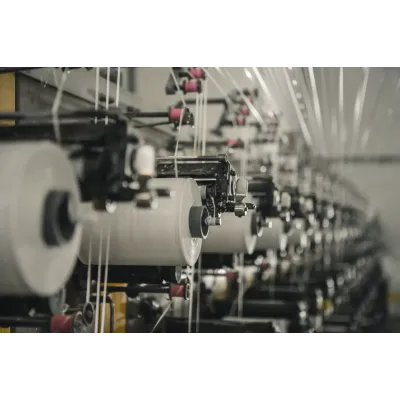
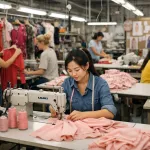
• Top-Tier OEM/ODM: Giants like Shenzhou International are the major manufacturing partners behind brands like Nike and Uniqlo. They control the entire process from yarn spinning to finished garments. Their technological strength, built on a 48-hour rapid response system and advanced fabric development capabilities, creates a significant competitive advantage.
• Vertically Integrated Powerhouses: Huali Group is a global leader in athletic footwear manufacturing. By deeply integrating with top-tier clients like Nike and strategically locating large-scale production bases in Vietnam and Indonesia, they have achieved substantial economies of scale.
• Specialized Manufacturers: Mobi Garden is a world leader in tent manufacturing. While producing for international brands like Decathlon, they have also successfully built their own brand. Their "Cold Mountain" tent series has effectively defined a key standard for the Chinese camping market.
It is accurate to say that manufacturing capabilities in China are a foundational pillar of product quality for many global outdoor brands.
2. The Rapid Rise of Chinese Brands on the World Stage
In recent years, Chinese brands have been moving decisively into the consumer spotlight, rapidly gaining influence in global markets.
• Strategic Investment: Led by the Anta Group, Chinese capital has deeply penetrated the core of the global outdoor industry. Anta's successful acquisition and operation of Amer Sports—home to leading brands like Arc'teryx and Salomon—represents a significant move in the global integration of technology, branding, and distribution.
• Technological Focus: Brands like Kailas focus on demanding segments like climbing and trail running. With independently developed technologies and professional designs, they have built a strong reputation within specialized communities, challenging previous perceptions of Chinese brands.
• New Market Players: Emerging brands like Pelliot have effectively identified consumer trends in "light outdoor" and "mountain-inspired style." Through agile market response and targeted marketing, they have rapidly captured market share in China and are beginning to explore international expansion.
In summary, the Chinese outdoor industry has formed a structure where manufacturing provides core production capacity while branding develops across multiple fronts. Its role in the global industry chain is actively transitioning.
The growing emphasis on environmentalism and sustainability in the outdoor industry is driven by a combination of philosophical alignment, consumer demand, practical innovations, and regulatory pressure. It is transforming from a secondary consideration into a core business requirement.
1. Core Philosophy: A Connection to Nature
The very essence of outdoor recreation is a connection with nature. This creates an inherent sense of responsibility for brands to protect the environments they depend on. This philosophy is shifting from a marketing consideration to a fundamental expectation. Consumers increasingly align their spending with their values and are willing to support brands that demonstrate a commitment to protecting the planet. Patagonia's decision to transfer ownership of the company to entities focused on fighting climate change is a notable example of this, strengthening its brand loyalty.
2. Tangible Practices: Evolving Materials and Supply Chains
Sustainability is integrated into various stages of a product's lifecycle, from design to potential reuse.
• Material Innovation: Brands are increasingly adopting recycled materials, such as recycled polyester from plastic bottles and Patagonia's pioneering NetPlus®, made from recycled fishing nets. Traceable Down and responsibly sourced wool are also becoming more common.
• Reducing Manufacturing Impact: Factories are implementing techniques like water-efficient dyeing and switching to renewable energy sources. Certifications like bluesign® are now key benchmarks for assessing a supply chain's environmental practices.
• Extending Product Life: A significant trend is towards encouraging repair, recycling, and reuse to address waste. Patagonia's Worn Wear® program is a well-known example, taking back used gear for repair or recycling, aiming to keep products in use longer.
3. Drivers: Market Demand and Regulatory Pressure
Beyond brand initiatives, external forces are accelerating this trend.
• Consumer Demand: A notable percentage of global consumers now indicate that sustainability factors influence their purchasing decisions.
• Regulatory Push: Major markets like the European Union are implementing stricter environmental regulations, requiring brands to take greater responsibility for their products' lifecycle. This encourages the entire industry chain to move towards more sustainable practices.
In short, environmental considerations are increasingly becoming a core component of competitiveness and long-term strategy for the outdoor industry.