We Use Cookies 🍪
We Use Cookies And Other Similar Technologies To Improve Your Browsing Experience And The Functionality Of Our Site. Learn More In Our Privacy Policy.

Ranking List of Brands in the Socks Industry

Last Updated: April 01, 2026


Welcome to the "Socks Industry Brand Ranking List" published by Verity Rank.
Socks have evolved from a basic necessity into a critical element of performance, comfort, and personal style. They are the "second skin" for athletes, a subtle statement of elegance in business, and a vibrant canvas for youthful expression. From Nike's Dri-FIT technology redefining athletic grip, to Uniqlo's HEATTECH selling over 1 billion items annually; from Langsha's vertically integrated dominance in China, to Okamoto's KOKOPITA solving the age-old "no-show sock slip" – this industry is a dynamic clash of function and fashion.
However, cutting through the marketing noise to find the truth is challenging. Who genuinely delivers on "anti-bacterial" claims? Whose "compression" technology is scientifically backed?
This list rejects all brand PR. We provide an unbiased evaluation by cross-verifying data from multiple authoritative sources, including public financial reports, national statistics, academic research, and AI-driven global consumer sentiment analysis. We evaluate the world's top sock brands against four core dimensions: Financial Health, Authentic User Feedback, Technological Patents, and Global Influence.
Discover how the Gildan-Hanesbrands merger is reshaping supply chains, why Lululemon's community-driven model is rewriting pricing power, and who the invisible giants are behind the patterned socks you grab at the checkout.
We don't make your choices; we just make the market transparent.
Disclaimer: This ranking is based on data synthesized from third-party authoritative sources, including national statistical agencies, academic industry reports, AI-driven global consumer sentiment monitoring, and corporate financial disclosures. The results are derived from a multi-dimensional algorithmic model and are intended for reference and market decision support only. They do not constitute direct investment advice or brand endorsement.

Nike, Inc.

Nike, Inc. is the global leader and cultural definer in athletic footwear and apparel, headquartered in Oregon, USA. While renowned for its footwear and sportswear, it also holds a significant position in intimates & hosiery, with core businesses covering men's underwear, functional underwear, basic socks, and functional socks—particularly performance socks like basketball and running styles featuring Dri‑FIT technology, setting industry benchmarks for moisture-wicking and support. In FY2025, global revenue reached approximately $46.31 billion, operating in over 170 countries with ~78,000 employees, over 545 contract factories, and a supply chain workforce exceeding 1.16 million. Listed on the NYSE (NKE), Nike continues to lead sportswear innovation through core cushioning technologies like Air and Zoom, and the "Just Do It" brand ethos. In 2025, it is navigating a strategic transition back to "performance" focus while accelerating its Move to Zero sustainability initiatives.
Strengths: Nike's core strengths lie in its unparalleled global brand equity and cultural authority in sports, with a Brand Strength Index of 94.7 ranking first among global apparel brands for consecutive years; core technologies like Air, Zoom, and React form a deep technical moat, while signature lines like Air Jordan create unique cultural assets; its asset‑light supply chain demonstrates industry‑leading control over technical standards and quality across 545 partner factories; DTC transformation and Nike By You personalization strengthen customer loyalty.
Weaknesses: Nike's main weaknesses include rare revenue declines in 2025, with DTC digital channels underperforming expectations; market share erosion in running by emerging brands like Hoka and On, and intense competition in Greater China from local players like Anta and Li‑Ning, increasing discount rates and pressuring margins; overemphasis on lifestyle products has diluted its performance image, requiring time to correct; heavy supply chain reliance on Asia exposes it to geopolitical and labor cost volatility.
Nike
Nike
Brand Name
Beaverton, Washington County, Oregon, USA
Address
1964
Founded
78K+
Number of Employees
170+ Countries
Business Scope
285+ Contracted Factory
Cooperative Factory in the Clothing Supply Chain
Official Website
Men's Clothing Industry
Men's Sportswear Industry
Women's Clothing Industry
Women's Activewear Industry
Swimwear Industry
Footwear Industry
Athletic Shoes Industry
Luggage & Accessories Industry
Backpacks Industry
Specialty Bags Industry
Intimates & Hosiery Industry
Basic Hosiery Industry
Functional Socks Industry
Sports & Outdoor Gear Industry
Sports Apparel Industry
Footwear Industry
Performance Accessories Industry
Sports Equipment Industry
Kids & Baby Clothing Industry
Children's Everyday Wear Industry
Functional Wear Industry
Fashion Accessories Industry
Head Accessories Industry
Custom & Group Apparel Industry
Group Uniforms Industry
Personalized Gear Industry
Sustainable Fashion Industry
Recycled Fabrics Industry
Eco-Innovation Industry
Men's Clothing Industry
Men's Sportswear Industry
Women's Clothing Industry
Women's Activewear Industry
Swimwear Industry
Footwear Industry
Athletic Shoes Industry
Luggage & Accessories Industry
Backpacks Industry
Specialty Bags Industry
Intimates & Hosiery Industry
Basic Hosiery Industry
Functional Socks Industry
Sports & Outdoor Gear Industry
Sports Apparel Industry
Footwear Industry
Performance Accessories Industry
Sports Equipment Industry
Kids & Baby Clothing Industry
Children's Everyday Wear Industry
Functional Wear Industry
Fashion Accessories Industry
Head Accessories Industry
Custom & Group Apparel Industry
Group Uniforms Industry
Personalized Gear Industry
Sustainable Fashion Industry
Recycled Fabrics Industry
Eco-Innovation Industry

adidas AG

adidas AG is a world-leading sportswear brand headquartered in Herzogenaurach, Germany. Its core business comprehensively covers athletic footwear, apparel, and gear, deeply engaging in Textile & Apparel categories including men's performance wear, women's activewear, swimwear, and kids' clothing. In 2025, revenue reached €24.811 billion, with ~62,000 employees globally and products sold in over 160 countries. Listed on the Frankfurt Stock Exchange (ADS), adidas continues to lead in performance and culture through core technologies like Boost and Primeknit, iconic Originals series, and sustainability initiatives such as Primeblue/Primegreen.
Strengths: adidas' core strengths lie in its deep technological heritage and dual-drive strategy: Boost and Lightstrike cushioning technologies build a professional moat, while Originals retro series and YEEZY collaborations lead sneaker culture; long-term partnerships with top football clubs like Real Madrid and Bayern Munich form brand equity moats; in China, 95% of products are locally produced and 60% locally designed, demonstrating agile responsiveness; sustainability leadership with Primeblue/Primegreen materials widely adopted.
Weaknesses: adidas' main weaknesses include heavy reliance on Asian supply chains (92% of production), exposing it to geopolitical and labor cost volatility; potential U.S. tariffs could increase annual costs by ~$200 million; hyperinflation in emerging markets like Argentina caused over €1 billion in currency translation losses; post-Yeezy inventory digestion and reshaping of the lifestyle portfolio require time; intense competition in running from emerging brands like Hoka and On.
adidas
adidas
Brand Name
Herzogenaurach, Bavaria, Germany
Address
1949
Founded
62K+
Number of Employees
160+ Countries
Business Scope
800+ Contracted Factory
Global Cooperative Factories
Official Website
Men's Clothing Industry
Men's Sportswear Industry
Women's Clothing Industry
Women's Activewear Industry
Swimwear Industry
Footwear Industry
Athletic Shoes Industry
Luggage & Accessories Industry
Backpacks Industry
Specialty Bags Industry
Intimates & Hosiery Industry
Basic Hosiery Industry
Functional Socks Industry
Sports & Outdoor Gear Industry
Sports Apparel Industry
Footwear Industry
Performance Accessories Industry
Sports Equipment Industry
Kids & Baby Clothing Industry
Children's Everyday Wear Industry
Functional Wear Industry
Fashion Accessories Industry
Head Accessories Industry
Custom & Group Apparel Industry
Group Uniforms Industry
Sustainable Fashion Industry
Recycled Fabrics Industry
Men's Clothing Industry
Men's Sportswear Industry
Women's Clothing Industry
Women's Activewear Industry
Swimwear Industry
Footwear Industry
Athletic Shoes Industry
Luggage & Accessories Industry
Backpacks Industry
Specialty Bags Industry
Intimates & Hosiery Industry
Basic Hosiery Industry
Functional Socks Industry
Sports & Outdoor Gear Industry
Sports Apparel Industry
Footwear Industry
Performance Accessories Industry
Sports Equipment Industry
Kids & Baby Clothing Industry
Children's Everyday Wear Industry
Functional Wear Industry
Fashion Accessories Industry
Head Accessories Industry
Custom & Group Apparel Industry
Group Uniforms Industry
Sustainable Fashion Industry
Recycled Fabrics Industry

Hanesbrands Inc.(HBI)

Hanesbrands is a global leader in vertically integrated innerwear & hosiery manufacturing, headquartered in Winston-Salem, NC, USA. Its iconic brands—Hanes, Maidenform, Bali, Playtex—comprehensively cover bras, panties, men's underwear, shapewear, everyday & functional socks, and loungewear. 2025 revenue reached approximately $3.53 billion. Operating production facilities across 30+ countries and employing ~65,000 people worldwide. Formerly listed on NYSE (HBI), the company was acquired by Gildan Activewear in late 2025 and now operates as a core Gildan division. Through unrivaled vertical integration and patented comfort technologies (X-Temp, FreshIQ), Hanesbrands has set the global benchmark for cost efficiency and quality in basic apparel.
Strengths:Hanesbrands' core strength is its rare apparel vertical integration (>70% in-house production), delivering superior cost control, speed-to-market, and quality consistency. Its brand portfolio holds #1 U.S. market share in men's underwear, bras, and shapewear. Patented comfort technologies (X-Temp, FreshIQ) provide strong product differentiation, creating dual moats of scale and innovation.

Weaknesses:Hanesbrands' main weaknesses: its mass-market brand image lacks premium appeal and relevance among younger demographics, with relatively weak fashion design credentials. Business is heavily concentrated in basic innerwear/hosiery, leaving it behind in athleisure expansion, localized emerging market operations, and DTC innovation compared to Nike and lululemon. Post-acquisition integration with Gildan also poses organizational and cultural challenges.
Hanesbrands
Hanesbrands
Brand Name
Winston-Salem, North Carolina, USA
Address
1901
Founded
65K+
Number of Employees
45+ Countries
Business Scope
1.5 Billion+ Pieces/Year
Core Lingerie Product Production Capacity
Official Website
Men's Clothing Industry
Men's Tops Industry
Men's Outerwear Industry
Men's Bottoms Industry
Men's Sportswear Industry
Women's Clothing Industry
Women's Tops Industry
Women's Outerwear Industry
Women's Pants Industry
Women's Activewear Industry
Intimates & Hosiery Industry
Women's Underwear Industry
bra
Seamless Bra
Wire-free Bra
Shapewear Bra
Women's Panties
Men's Underwear Industry
Men's Briefs
Men's Boxer Shorts
Functional Wear Industry
Sports Bra
Shapewear
Loungewear Industry
Basic Hosiery Industry
Ankle Socks
Knee-high Socks
Sports Socks
Stockings
Functional Socks Industry
Technical Fabrics Industry
Loungewear & Sleepwear Industry
Sleep Sets Industry
Loungewear Industry
Recycled Fabrics Industry Men's Clothing Industry
Men's Tops Industry
Men's Outerwear Industry
Men's Bottoms Industry
Men's Sportswear Industry
Women's Clothing Industry
Women's Tops Industry
Women's Outerwear Industry
Women's Pants Industry
Women's Activewear Industry
Intimates & Hosiery Industry
Women's Underwear Industry
bra
Seamless Bra
Wire-free Bra
Shapewear Bra
Women's Panties
Men's Underwear Industry
Men's Briefs
Men's Boxer Shorts
Functional Wear Industry
Sports Bra
Shapewear
Loungewear Industry
Basic Hosiery Industry
Ankle Socks
Knee-high Socks
Sports Socks
Stockings
Functional Socks Industry
Technical Fabrics Industry
Loungewear & Sleepwear Industry
Sleep Sets Industry
Loungewear Industry
Recycled Fabrics Industry

Fast Retailing Co., Ltd. - Unique Clothing Warehouse

Fast Retailing Co., Ltd. is a globally leading apparel retail group headquartered in Tokyo, Japan, listed on the Tokyo Stock Exchange. It employs a unique SPA model integrating merchandise planning to retail, managing brands like UNIQLO and GU focused on high-value basic apparel. Operating in 25+ countries with 3,600+ stores, it utilizes ~200 partner factories and 10 distribution centers. 2024 revenue reached ¥2.3 trillion (~$15 billion) with ~30,000 employees, with UNIQLO international contributing 50% of revenue. Leveraging its efficient SPA model, continuous fabric innovation, and disciplined global expansion, it maintains significant leadership in the global apparel retail market.
Strengths: Fast Retailing's core strengths are its unique SPA model enabling end-to-end control from design to retail, providing rapid response (13-day product turnaround) and excellent cost efficiency; sustained product innovation with exclusive fabric patents like HEATTECH and AIRism creating distinct differentiation; and stable global operations deeply penetrating markets through 3,600+ directly-operated stores.
Weaknesses: Fast Retailing faces intense market competition from fast-fashion rivals and e-commerce platforms squeezing its market share; rising cost pressures from raw materials, labor, and logistics expenses impacting profitability; sustainability transitions impose ongoing demands for investments in eco-materials and supply chain responsibility.
Uniqlo
Uniqlo
Brand Name
Tokyo, Japan
Tokyo, Japan
Address
1984
Founded
30K+
Number of Employees
25+ Countries
Business Scope
3600+ Stores
Global Stores
Official Website
Men's Clothing Industry
Men's Tops Industry
Men's Outerwear Industry
Men's Bottoms Industry
Men's Sportswear Industry
Women's Clothing Industry
Women's Tops Industry
Dresses & Skirts Industry
Women's Outerwear Industry
Women's Pants Industry
Women's Activewear Industry
Luggage & Accessories Industry
Backpacks Industry
Intimates & Hosiery Industry
Women's Underwear Industry
Men's Underwear Industry
Basic Hosiery Industry
Kids & Baby Clothing Industry
Infant Clothing Industry
Children's Everyday Wear Industry
Fashion Accessories Industry
Head Accessories Industry
Neck Accessories Industry
Loungewear & Sleepwear Industry
Sleep Sets Industry
Loungewear Industry
Sustainable Fashion Industry
Recycled Fabrics Industry
Men's Clothing Industry
Men's Tops Industry
Men's Outerwear Industry
Men's Bottoms Industry
Men's Sportswear Industry
Women's Clothing Industry
Women's Tops Industry
Dresses & Skirts Industry
Women's Outerwear Industry
Women's Pants Industry
Women's Activewear Industry
Luggage & Accessories Industry
Backpacks Industry
Intimates & Hosiery Industry
Women's Underwear Industry
Men's Underwear Industry
Basic Hosiery Industry
Kids & Baby Clothing Industry
Infant Clothing Industry
Children's Everyday Wear Industry
Fashion Accessories Industry
Head Accessories Industry
Neck Accessories Industry
Loungewear & Sleepwear Industry
Sleep Sets Industry
Loungewear Industry
Sustainable Fashion Industry
Recycled Fabrics Industry

Under Armour, Inc.

Under Armour, Inc. is a globally leading performance sportswear brand headquartered in Baltimore, USA, and listed on the New York Stock Exchange (UAA/UA). Operating an asset-light brand model, it fully outsources production to global partner factories, focusing on the design, development, and marketing of functional athletic apparel, footwear, and equipment. Founded on the mission to “Make Athletes Better,” it built its foundation on intelligent fabric technologies like HeatGear in training gear, with the Curry series as the cornerstone of its footwear business. Fiscal 2024 revenue was $5.83 billion, and it is currently executing the “Protect This House 3” strategic restructuring initiative aimed at refocusing on performance, improving operational efficiency, and returning to profitable growth, positioning it as a key professional challenger in the global sportswear market.
Strengths: Under Armour's core strengths are its deep heritage in functional apparel technology and trust within professional athletic communities, maintaining strong performance equity in training and basketball; concurrently, its iconic partnership with Stephen Curry provides a stable global influence anchor, and the current management's focused restructuring initiative demonstrates clear strategic redirection resolve.
Weaknesses: Under Armour's main weaknesses are its blurred differentiation and value proposition in the mass market amidst intense competition from giants like Nike and Adidas as well as lululemon; furthermore, the company's over-reliance on the stagnant North American market (nearly 70% of revenue) presents a structural risk, and the strategic execution of its brand reset and its financial translation carry uncertainty.
Under Armour
Under Armour
Brand Name
Baltimore, Maryland, USA
Address
1996
Founded
14K+
Number of Employees
100+ Countries
Business Scope
380+ Stores
Global Cooperative Factories
Official Website
Men's Clothing Industry
Men's Tops Industry
Men's Bottoms Industry
Men's Sportswear Industry
Women's Clothing Industry
Women's Tops Industry
Women's Pants Industry
Women's Activewear Industry
Footwear Industry
Men's Shoes Industry
Women's Shoes Industry
Athletic Shoes Industry
Children's Shoes Industry
Luggage & Accessories Industry
Backpacks Industry
Intimates & Hosiery Industry
Women's Underwear Industry
Men's Underwear Industry
Basic Hosiery Industry
Functional Socks Industry
Sports & Outdoor Gear Industry
Sports Apparel Industry
Footwear Industry
Performance Accessories Industry
Kids & Baby Clothing Industry
Infant Clothing Industry
Children's Everyday Wear Industry
Fashion Accessories Industry
Head Accessories Industry
Men's Clothing Industry
Men's Tops Industry
Men's Bottoms Industry
Men's Sportswear Industry
Women's Clothing Industry
Women's Tops Industry
Women's Pants Industry
Women's Activewear Industry
Footwear Industry
Men's Shoes Industry
Women's Shoes Industry
Athletic Shoes Industry
Children's Shoes Industry
Luggage & Accessories Industry
Backpacks Industry
Intimates & Hosiery Industry
Women's Underwear Industry
Men's Underwear Industry
Basic Hosiery Industry
Functional Socks Industry
Sports & Outdoor Gear Industry
Sports Apparel Industry
Footwear Industry
Performance Accessories Industry
Kids & Baby Clothing Industry
Infant Clothing Industry
Children's Everyday Wear Industry
Fashion Accessories Industry
Head Accessories Industry

Langsha Knitting Co., Ltd.

Langsha Holding Group Co., Ltd. (SSE: 600137.SH) is a national-level brand and manufacturer in China's hosiery industry, widely known as the “Sock King of China.” With hosiery as its absolute core business, the company leverages its large-scale manufacturing prowess to successfully extend the brand into related categories such as underwear, loungewear, and home textiles. Its business model integrates in-house production with brand operations, distributing products through an extensive traditional nationwide network and online platforms. In 2024, its listed entity achieved operating revenue of RMB 321 million. Langsha has established a distinctive position in China's mass-market intimate apparel sector based on its household name recognition, dominant market share in its core category, and profound manufacturing heritage.
Strengths:Langsha's core strengths are the near-monopolistic national brand recognition and consumer mindshare it has built in the hosiery segment; concurrently, its world-class, scaled manufacturing capability forms a solid barrier for quality and cost efficiency, enabling deep and broad channel penetration, particularly in lower-tier markets.
Weaknesses:Langsha's main weaknesses stem from its aging brand image and lack of product innovation, which limit its appeal to younger consumer demographics; simultaneously, its main business faces growth stagnation, and its brand licensing model, if not rigorously managed, introduces quality control risks and potential long-term damage to brand reputation.
Langsha
Langsha
Brand Name
Yiwu, Zhejiang, China
Address
1995
Founded
2K+
Number of Employees
Nationwide, China
Business Scope
3+ Factories
Production Base
Official Website
Intimates & Hosiery Industry
Women's Underwear Industry
Men's Underwear Industry
Loungewear Industry
Basic Hosiery Industry
Functional Socks Industry
Cotton Sock Industry
Hosiery Industry
Sports Sock Industry
Home Textiles Industry
Bath Linens Industry
Home Decor Industry
Loungewear & Sleepwear Industry
Sleep Sets Industry
Robes Industry
Loungewear Industry
Slippers Industry
Intimates & Hosiery Industry
Women's Underwear Industry
Men's Underwear Industry
Loungewear Industry
Basic Hosiery Industry
Functional Socks Industry
Cotton Sock Industry
Hosiery Industry
Sports Sock Industry
Home Textiles Industry
Bath Linens Industry
Home Decor Industry
Loungewear & Sleepwear Industry
Sleep Sets Industry
Robes Industry
Loungewear Industry
Slippers Industry

Zhejiang Jasan Holding Group Co., Ltd.

Zhejiang Jasan Holding Group Co., Ltd. is a globally leading vertically integrated knitwear manufacturer, specializing in OEM/ODM services for international renowned sport and casual brands, focusing on sports socks and seamless activewear. Listed on the Shanghai Stock Exchange Main Board, the company employs a full industrial chain model from spinning to sewing, with modern self-owned production bases in China and Vietnam, where Vietnamese capacity exceeds 50%, forming an efficient global production layout. Its core business has successfully expanded from traditional strength in cotton hosiery to high-value-added seamless sports underwear and yoga pants. In 2024, revenue reached 2.318 billion RMB, with seamless apparel contributing 58.1%, becoming the primary growth driver. Jasan Group is a typical “hidden champion”, whose value lies in its powerful scale manufacturing capability, deeply embedded partnerships with top-tier clients, and operational resilience through industry cycles.
Strengths: Jasan Group’s core strengths are its ultimate vertical integration across the supply chain and forward-looking global production layout (China + Vietnam), which build formidable barriers in cost, quality, and delivery; concurrently, its long-term strategic partnerships with global top brands like Decathlon and PUMA provide a highly stable order base, and the company has successfully transformed from a “Cotton Sock King” to a higher-margin “Seamless Apparel Giant”, significantly enhancing profitability and risk resilience.
Weaknesses: Jasan Group’s main weaknesses stem from its pure B2B manufacturing nature, making its performance heavily reliant on the order and inventory strategies of a few downstream key brand clients, lacking consumer-facing brand buffering and pricing autonomy; simultaneously, the industry constantly faces pressures from cyclical fluctuations in global consumer demand, volatile raw material prices, and rising labor costs in production bases like Vietnam, necessitating continuous automation upgrades to maintain cost competitiveness.
Jasan Group
Jasan Group
Brand Name
Hangzhou, Zhejiang, China
Address
1994
Founded
10K+
Number of Employees
30+ Countries
Business Scope
10+ Factories
Production Base
Official Website
Men's Clothing Industry
Men's Tops Industry
Men's Sportswear Industry
Women's Clothing Industry
Women's Tops Industry
Women's Activewear Industry
Functional Wear Industry
Hosiery Industry
Functional Socks Industry
Sports & Outdoor Gear Industry
Sports Apparel Industry
Cotton Sock Industry
Sports Sock Industry
Sports Bra Industry
Seamless Leggings Industry
Seamless Cycling Pants Industry
Sports Compression Clothing Industry
Men's Clothing Industry
Men's Tops Industry
Men's Sportswear Industry
Women's Clothing Industry
Women's Tops Industry
Women's Activewear Industry
Functional Wear Industry
Hosiery Industry
Functional Socks Industry
Sports & Outdoor Gear Industry
Sports Apparel Industry
Cotton Sock Industry
Sports Sock Industry
Sports Bra Industry
Seamless Leggings Industry
Seamless Cycling Pants Industry
Sports Compression Clothing Industry

Puma SE

Puma SE is a globally leading sportlifestyle brand headquartered in Herzogenaurach, Germany, listed on the Frankfurt Stock Exchange (FWB: PUM) as a DAX index component. Operating an asset-light brand model, it outsources production to partner factories in Asia and focuses on the design, development, and global marketing of footwear, apparel, and accessories. Puma successfully blends professional athletic performance with streetwear culture, renowned for its leadership in football and powerful fashion collaborations. With revenue reaching €8.60 billion in 2024 and maintaining steady growth for consecutive years, it is a benchmark in the global sportswear market, celebrated for its vibrancy, cultural influence, and operational excellence.
Strengths: Puma's core strengths are its unique brand positioning, which successfully merges a professional sports heritage with formidable cultural influence in fashion, delivering high emotional value-add; concurrently, the company demonstrates exceptional operational efficiency and financial health, and has achieved a balanced global business footprint across the Americas, EMEA, and Asia Pacific regions, enhancing its resilience.
Weaknesses: Puma's main weaknesses are the significant gap in revenue scale compared to the industry's top two players (Nike, Adidas), placing it in a catch-up position regarding global market share and marketing resources; furthermore, it faces intense direct competition from the giants in every core category and regional market, and as a mass-market brand, its performance is relatively sensitive to global economic cycles and consumer sentiment fluctuations.
Puma
Puma
Brand Name
Herzogenaurach, Bavaria, Germany
Address
1948
Founded
20K+
Number of Employees
120+ Countries
Business Scope
21K+ Stores
Global Sales Network
Official Website
Men's Clothing Industry
Men's Tops Industry
Men's Bottoms Industry
Men's Sportswear Industry
Women's Clothing Industry
Women's Tops Industry
Women's Pants Industry
Women's Activewear Industry
Footwear Industry
Men's Shoes Industry
Women's Shoes Industry
Athletic Shoes Industry
Indoor Footwear Industry
Children's Shoes Industry
Specialty Footwear Industry
Luggage & Accessories Industry
Backpacks Industry
Intimates & Hosiery Industry
Women's Underwear Industry
Men's Underwear Industry
Basic Hosiery Industry
Functional Socks Industry
Sports & Outdoor Gear Industry
Sports Apparel Industry
Footwear Industry
Performance Accessories Industry
Kids & Baby Clothing Industry
Infant Clothing Industry
Children's Everyday Wear Industry
Functional Wear Industry
Fashion Accessories Industry
Head Accessories Industry
Wrist & Hand Industry
Men's Clothing Industry
Men's Tops Industry
Men's Bottoms Industry
Men's Sportswear Industry
Women's Clothing Industry
Women's Tops Industry
Women's Pants Industry
Women's Activewear Industry
Footwear Industry
Men's Shoes Industry
Women's Shoes Industry
Athletic Shoes Industry
Indoor Footwear Industry
Children's Shoes Industry
Specialty Footwear Industry
Luggage & Accessories Industry
Backpacks Industry
Intimates & Hosiery Industry
Women's Underwear Industry
Men's Underwear Industry
Basic Hosiery Industry
Functional Socks Industry
Sports & Outdoor Gear Industry
Sports Apparel Industry
Footwear Industry
Performance Accessories Industry
Kids & Baby Clothing Industry
Infant Clothing Industry
Children's Everyday Wear Industry
Functional Wear Industry
Fashion Accessories Industry
Head Accessories Industry
Wrist & Hand Industry

Anta Sports Products Limited

Anta Sports Products Limited is China's leading and globally top-three comprehensive sports goods group, headquartered in Fujian, founded in 1991, and listed on the Hong Kong Stock Exchange (2020.HK) in 2007. With a "single-focus, multi-brand, omni-channel" strategy, its portfolio includes Anta, FILA, Descente, Kolon, Arc'teryx (Amer Sports), and the newly acquired Jack Wolfskin (2025) and a stake in PUMA (2026). In 2025, group revenue reached approximately RMB 75–78 billion, with over 13,000 stores globally, ~65,000 employees, and annual footwear/apparel capacity of 140 million pairs and 100 million pieces respectively. As an official IOC uniform supplier, Anta is accelerating its transformation from a Chinese champion into a world-class sports group through multi-brand synergy and global M&A.
Strengths: Anta's core strengths lie in its exceptional multi-brand operation capabilities and global M&A integration expertise, leveraging the Anta, FILA, Descente, and Arc'teryx brand matrix to precisely target mass, fashion, and premium outdoor segments—strengthened by the 2025 PUMA stake acquisition and Jack Wolfskin purchase; its DTC transformation has achieved ~90% direct sales, demonstrating industry-leading channel control; deep partnerships with top IPs like NBA's Kyrie Irving and its role as consecutive Olympic Games uniform supplier build a formidable professional image moat; MSCI ESG rating upgraded to AA, highlighting outstanding supply chain sustainability.
Weaknesses: Anta's main weaknesses include inventory pressure, with average turnover days rising to 136 in 2025, presenting ongoing de-stocking challenges; multi-brand integration complexity, with FILA's growth slowing and newly acquired brands like Jack Wolfskin requiring time to digest; overseas expansion remains nascent, with brand awareness in Western markets far behind Nike and Adidas; R&D investment ratio still trails international giants, requiring continuous catch-up in core technologies for premium professional segments.
Anta
Anta
Brand Name
Quanzhou, Fujian Province, China
Address
1991
Founded
65K+
Number of Employees
30+ Countries
Business Scope
1000+ Factory
Group Supply Chain Network
Official Website
Men's Clothing Industry
Men's Sportswear Industry
Women's Clothing Industry
Women's Activewear Industry
Footwear Industry
Athletic Shoes Industry
Luggage & Accessories Industry
Backpacks Industry
Specialty Bags Industry
Intimates & Hosiery Industry
Basic Hosiery Industry
Functional Socks Industry
Sports & Outdoor Gear Industry
Sports Apparel Industry
Outerwear Industry
Footwear Industry
Performance Accessories Industry
Sports Equipment Industry
Kids & Baby Clothing Industry
Children's Everyday Wear Industry
Functional Wear Industry
Fashion Accessories Industry
Head Accessories Industry
Technical Fabrics Industry
Custom & Group Apparel Industry
Group Uniforms Industry
Sustainable Fashion Industry
Recycled Fabrics Industry
Men's Clothing Industry
Men's Sportswear Industry
Women's Clothing Industry
Women's Activewear Industry
Footwear Industry
Athletic Shoes Industry
Luggage & Accessories Industry
Backpacks Industry
Specialty Bags Industry
Intimates & Hosiery Industry
Basic Hosiery Industry
Functional Socks Industry
Sports & Outdoor Gear Industry
Sports Apparel Industry
Outerwear Industry
Footwear Industry
Performance Accessories Industry
Sports Equipment Industry
Kids & Baby Clothing Industry
Children's Everyday Wear Industry
Functional Wear Industry
Fashion Accessories Industry
Head Accessories Industry
Technical Fabrics Industry
Custom & Group Apparel Industry
Group Uniforms Industry
Sustainable Fashion Industry
Recycled Fabrics Industry

Lululemon Athletica Inc.

Lululemon Athletica Inc. is a globally leading athletic leisure brand headquartered in Vancouver, Canada, listed on NASDAQ. It specializes in designing and retailing premium yoga and training apparel through a vertically integrated model controlling design, R&D, and marketing. Operating in 20+ countries with 700+ directly-operated stores, it utilizes ~60 supplier factories and 5 distribution centers. 2024 revenue reached $9.6 billion with ~30,000 employees, with women's apparel contributing 70%. Leveraging proprietary fabric technologies, unique community marketing, and clear premium positioning, it maintains significant leadership in the global athletic leisure market.
Strengths: Lululemon's core strengths are its leading fabric innovation with proprietary technologies like Everlux and Nulu creating product differentiation; unique community marketing through yoga communities and ambassador networks building strong loyalty; clear premium positioning enabling robust pricing power with 57.3% gross margin.
Weaknesses: Lululemon faces product concentration risk with overreliance on yoga apparel; intensifying competition as traditional sportswear brands accelerate entry into athletic leisure; international expansion challenges persist with North America still contributing 70% revenue, requiring continued localization investment.
Lululemon
Lululemon
Brand Name
Vancouver, British Columbia, Canada
Address
1998
Founded
39K+
Number of Employees
20+ Countries
Business Scope
700+ Stores
Global Direct-operated Stores
Official Website
Men's Clothing Industry
Men's Sportswear Industry
Women's Clothing Industry
Women's Tops Industry
Women's Pants Industry
Women's Activewear Industry
Footwear Industry
Women's Shoes Industry
Athletic Shoes Industry
Luggage & Accessories Industry
Backpacks Industry
Specialty Bags Industry
Intimates & Hosiery Industry
Women's Underwear Industry
Basic Hosiery Industry
Functional Socks Industry
Sports & Outdoor Gear Industry
Sports Apparel Industry
Outerwear Industry
Performance Accessories Industry
Fashion Accessories Industry
Head Accessories Industry
Loungewear & Sleepwear Industry
Loungewear Industry
Sustainable Fashion Industry
Recycled Fabrics Industry
Men's Clothing Industry
Men's Sportswear Industry
Women's Clothing Industry
Women's Tops Industry
Women's Pants Industry
Women's Activewear Industry
Footwear Industry
Women's Shoes Industry
Athletic Shoes Industry
Luggage & Accessories Industry
Backpacks Industry
Specialty Bags Industry
Intimates & Hosiery Industry
Women's Underwear Industry
Basic Hosiery Industry
Functional Socks Industry
Sports & Outdoor Gear Industry
Sports Apparel Industry
Outerwear Industry
Performance Accessories Industry
Fashion Accessories Industry
Head Accessories Industry
Loungewear & Sleepwear Industry
Loungewear Industry
Sustainable Fashion Industry
Recycled Fabrics Industry

Socks Brands

Socks Brands
New
Socks Brands
from
$0.00
Ex Tax: $0.00
  • Stock: In Stock
  • Model: 2.5.2
Create unlimited custom product blocks and display them in accordions or tabs or open blocks. Each block can be assigned to all products at once or specific products according to advanced criteria.

Nike, Inc.

adidas AG

Hanesbrands Inc.(HBI)

Fast Retailing Co., Ltd.- Unique Clothing Warehouse

Under Armour, Inc.

Langsha Knitting Co., Ltd.

Zhejiang Jasan Holding Group Co., Ltd.

Puma SE

Anta Sports Products Limited

Lululemon Athletica Inc.

Intimates & Hosiery Companies
Global Intimates & Hosiery Company Rankings | Verity Rank
Discover Verity Rank’s data-driven rankings of top intimates & hosiery brands. Compare Victoria‘s Secret, Jockey, Hanes, Calvin Klein and more by financials, reputation, and innovation.
intimates rankings, hosiery brands, lingerie companies, Victoria's Secret, Jockey, Hanesbrands, Calvin Klein underwear, Wacoal, Triumph, Verity Rank

Write a review

Please login or register to review

Builder in Product TAB

NEW! Since Journal 3.2, the much improved T.A.B (Tabs Accordion Blocks) system supports the page builder inside the tab content. Unlimited Blocks, Tabs or Accordions with any HTML content or the builder interface (supporting custom rows/columns/modules) can be assigned to any individual product or to certain groups of products, like entire categories, brands, products with specific options, attributes, price range, etc.You can indicate any criteria via the advanced product assignment mechanism and only those products matching your criteria will display the modules.Also, any module can be selectively activated per device (desktop/tablet/phone), customer login status and other criteria. Imagine the possibilities.

FAQ

Verity Rank is committed to delivering authentic, transparent, and verifiable industry insights. This ranking is not based on subjective opinions but on a rigorous multi-dimensional evaluation model. We systematically collect and cross-verify public data and authoritative information from global sources, conducting quantitative analysis on key dimensions for each company, including financial performance, market influence, supply chain control, consumer sentiment, and innovative sustainability. Our data sources include, but are not limited to: public financial filings of listed companies, reports from international market research authorities, statistics from government and industry bodies, specialized research from leading universities and think tanks, as well as global public sentiment and search trend data integrated via AI technology. All data undergoes cleaning and weighted calculation to ensure the objectivity and neutrality of the final ranking, presenting you with a credible panorama of the industry.
When faced with a wall of socks labeled "no-show," "crew," "compression," or "athletic," it's easy to feel overwhelmed. The sock industry categorizes its products in two primary ways: by length and by function. Understanding this system helps you choose the right sock for the right occasion.
1. Classification by Length: From Invisible to Knee-High
This is the most intuitive way to distinguish socks, directly determining the wearing scenario and matching style.
• No-Show/Liner Socks: Designed with an extremely low cuff to remain completely invisible inside loafers or low-top shoes. Okamoto's famous KOKOPITA series, which uses patented C-shaped silicone grips to prevent slipping, has become a global best-seller in this category.
• Ankle Socks: The cuff sits just above the ankle bone. This is the most common everyday style, perfect for pairing with sneakers and casual shoes.
• Crew Socks: Rising to the mid-calf, these are the workhorses of the sports field. Basketball socks and soccer socks are typically this length, providing necessary wrapping and protection.
• Knee-High/Thigh-High Socks: Often used for fashion coordination with skirts or for specific functional scenarios like medical compression therapy.
2. Classification by Function: From Daily Wear to Professional Protection
This is the most critical segmentation logic in the modern sock industry and where the highest technical barriers lie.
• Basic Hosiery: Includes dress socks (made from finer materials for formal wear) and patterned socks (emphasizing fashion attributes), as well as basic cotton socks and pantyhose.
• Performance Athletic Socks: Such as Nike's Elite basketball socks or Under Armour's training gear. They feature zonal cushioning, arch support, and moisture-wicking channels to enhance athletic performance and reduce injury risk.
• Medical & Healthcare Socks: This is the most technically demanding category. It includes compression socks (to promote blood circulation and prevent varicose veins), diabetic socks (seamless design to reduce foot friction damage), and non-slip gripper socks (with silicone dots on the sole for safety, protecting the elderly and children).
• Climate-Adaptive Socks: Uniqlo's HEATTECH keep warm socks use moisture-absorbing heat-generating fibers to lock in warmth. Anti-bacterial socks use silver ions or physical antimicrobial fibers to inhibit bacterial growth and solve odor problems.
In summary: Choosing socks is no longer just about picking a color. Look at the length to match the occasion, and understand the function to meet your specific needs—only then can you find the truly right pair for you.
For fitness enthusiasts and health-conscious consumers, athletic socks, performance compression socks, and medical compression stockings can look confusingly similar. However, their functions, technology, and intended purposes are fundamentally different. Buying the wrong type means you won't achieve the desired effect.
1. Athletic Socks: Enhancing Sports Performance
Athletic socks are designed for comfort and protection during sport. Their core goal is to keep feet dry and safe.
• Moisture-Wicking Materials: They use specialized synthetic fibers, like Nike's Dri-FIT, to pull sweat away from the skin.
Targeted Cushioning: Thicker padding in the heel, toe, and forefoot absorbs impact and reduces fatigue during long periods of activity.
• Stability & Fit: Elasticated knitting in the arch provides support, reducing strain on the plantar fascia. Zoned designs prevent the sock from slipping or twisting during dynamic movement.
• Typical Products: Nike basketball socks, Puma soccer socks.
2. Performance Compression Socks: Accelerating Muscle Recovery
Borrowed from medical technology, compression socks focus on aiding blood flow and reducing muscle fatigue.
• Graduated Pressure: Their defining characteristic is that pressure is highest at the ankle and decreases as it moves up the leg.
• Improved Blood Circulation: This pressure gradient assists venous blood flow back to the heart, reducing blood pooling in the lower legs and minimizing muscle oscillation during exercise.
• Faster Recovery: Worn post-exercise, they help clear metabolic waste like lactic acid, reducing next-day muscle soreness.
• Typical Products: Specialized compression socks for runners and triathletes.
3. Medical Compression Stockings: Clinical-Grade Treatment Tools
Medical compression stockings (often called varicose vein socks) are regulated therapeutic devices, not sportswear.
• Clinical-Grade Pressure: They adhere to strict pressure standards (such as the European RAL standard) and deliver significantly higher, medically graded pressure.
• Strict Classification: They are classified into levels—Level 1 for prevention, Level 2 for treating varicose veins, Level 3 for severe lymphedema—and must be used under medical supervision.
• Therapeutic Purpose: Their purpose is to treat or alleviate leg swelling, varicose veins, and post-thrombotic syndrome caused by prolonged standing or sitting.
• Typical Products: Medical-grade compression series from companies like Italy's Golden Lady.
In summary: Athletic socks make your feet more comfortable during a game. Compression socks help your legs recover faster after a workout. Medical stockings are a clinical tool to treat vascular diseases.
Many mid-to-high-end socks claim to be "anti-bacterial" or "odor-control," often justifying a higher price tag. Is this genuine textile technology or just a marketing ploy? The answer is that it has a scientific basis, but its effectiveness depends entirely on the technology used and how many washes it can withstand.
1. Chemical Antimicrobial Treatment (e.g., Silver Ions): The Most Common Method
• How it Works: Silver ions (or other metal ions) are either coated onto the fiber's surface or integrated into the spinning solution. The ions disrupt the cell membranes of bacteria, inhibiting their reproduction and thus preventing the microbes from breaking down sweat and creating unpleasant odors.
• Characteristics: Strong and broad-spectrum antibacterial effect. However, if applied as a surface coating, the effect weakens with repeated washing. The integrated method (adding ions to the spinning dope) is much more durable.
• Application: Some products from companies like Mengna utilize silver ion technology.
2. Physical Antimicrobial Treatment (e.g., Physical Inactivation): A More Eco-Friendly Upgrade
• How it Works: Uses specialized fiber structures with microscopic spikes or grooves that physically pierce the cell walls of bacteria, rendering them unable to survive. This method uses no chemical additives.
• Characteristics: Extremely safe, causes no skin allergies or environmental pollution, and is highly wash-durable, making it a permanent antimicrobial solution. However, it is relatively more expensive.
• Application: Often found in high-end outdoor brands or Japanese brand socks.
3. Chemical Deodorization: Masking or Absorbing Odors
• How it Works: Uses special components within the fiber (like activated carbon or cyclodextrin) to adsorb odor molecules, or uses fragrances for masking. Okamoto's SUPER SOX business sock line, for example, is famous for its long-lasting deodorizing power, using patented fibers designed to adsorb and decompose odors.
• Characteristics: Works quickly, but "adsorption" is not the same as "killing." If the material becomes saturated, its effectiveness decreases.
4. How Should Consumers Identify Real Technology?
• Look for Standards: Genuine anti-bacterial socks often indicate compliance with recognized standards (like China's FZ/T 73023 for antibacterial knitwear). Products graded A, AA, or AAA have been tested for efficacy and wash durability.
• Read the Technical Description: Vague claims like "fights odors" might just mean masking or fragrance. Specific terms like "silver ion" or "physical antibacterial" usually indicate real technology.
• Be Realistic: Even the best anti-bacterial socks cannot replace daily changing and washing. Their purpose is to inhibit bacterial growth and extend wearing comfort, not to create a "never-wash" product.
Conclusion: "Anti-bacterial" is not a gimmick, but similar claims on cheap, low-quality products almost certainly are.
It's a common scene: a multi-pack of socks for a few dollars at a discount store, and a single pair of athletic or designer socks for thirty dollars or more at a specialty shop. Where does that massive price difference actually go? Beyond brand marketing, the cost disparity is rooted in four key areas of production.
1. Raw Material Costs: From Cotton to Functional Fibers
• Basic Cotton Yarn: The most fundamental material is low-cost. But even cotton has grades. Short-staple cotton pills easily, while long-staple fibers like Xinjiang or Egyptian cotton are longer, stronger, and produce smoother, more breathable yarns at a higher cost.
• Functional Fibers: Technical materials like Nike's Dri-FIT, Uniqlo's AIRism, or Coolmax involve patented technology and specialized spinning processes. The cost of these fibers, designed for moisture-wicking, temperature regulation, or antimicrobial properties, can be many times that of basic cotton.
2. Knitting Technology and Machinery: From Flat to 3D
• Flat-Knit Socks: The simplest construction, mass-produced quickly on basic looms at extremely low cost.
• Terry-Loop/Athletic Socks: Require more sophisticated computerized machines to create cushioned loops in the heel and toe. The investment in this equipment and the complexity of the process are far higher.
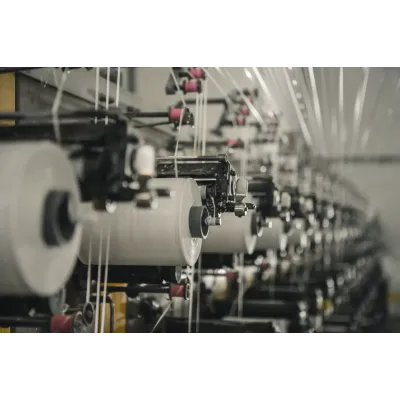
• Seamless/3D Knitting: High-end socks use advanced seamless technology to achieve varying density, stretch, and structure (like arch support bands) in different zones without any sewing, resulting in a perfect fit. This requires cutting-edge machinery and significant programming time.
3. Design and R&D Investment
• Generic Templates: Many cheap socks simply use off-the-shelf patterns with minor color changes, incurring almost no R&D cost.
• Proprietary Development: Premium products, like Nike's basketball socks, involve extensive research based on athletes' foot pressure data and movement habits. This process of data collection, prototyping, and athlete testing represents a substantial R&D investment.
4. Quality Control and Certification
• Budget Socks: Production lines may prioritize speed, tolerating loose threads or color inconsistencies, and might use cheaper, potentially harmful dyes.
• Branded Socks: Reputable brands, especially those selling in Europe or North America, must adhere to strict standards like the Oeko-Tex Standard 100 certification, guaranteeing their products are free from harmful substances. Their rigorous quality control processes, aimed at minimizing defects, inevitably increase production costs.
Conclusion: A cheap sock covers your foot. A more expensive sock pays for better raw materials, advanced machinery, scientific design, and assured safety and quality. The hard costs are fundamentally different.
This is an excellent question that reveals one of the open secrets of the global apparel industry: most of the big-name socks you buy are not made by the brands themselves. Behind the logos and marketing campaigns stand a group of incredibly powerful yet little-known manufacturers. They are called ODM or OEM suppliers, and they are the true powerhouses of production.
1. What is the "Asset-Light" Model?
Global giants like Nike, Adidas, and Puma operate on what's known as an "asset-light" business model. Their core competencies lie in design, brand marketing, and channel management. The capital-intensive and complex task of manufacturing is entirely outsourced to a network of top-tier suppliers. Nike, for instance, works with over 500 contract factories globally and produces 100% of its products this way. Puma's network includes more than 200 factories.
2. Who Are the "Invisible Giants" Making These Socks?
In Zhejiang province, China, you'll find two global leaders in the sock industry.
• Jasan Group: This publicly traded company is the world's leading manufacturer of cotton socks, with annual revenues exceeding 2.3 billion RMB. Jasan is a core strategic supplier for brands like Puma, Decathlon, and Under Armour. Those high-performance athletic socks you buy were very likely produced in Jasan's vertically integrated facilities in China, Vietnam, or Cambodia. Jasan handles everything from yarn sourcing to knitting and dyeing, often co-developing products with brands.
• Zhejiang Mengna Knitting: A giant in the sock manufacturing world, Mengna is a core supplier for fast-fashion leaders like H&M, PUMA, and retail giants like Walmart and Target. Having completed a "Factory 3.0" digital upgrade, Mengna's highly integrated supply chain is designed for the quick-response, large-scale production demands of the modern apparel market.
3. How Do Brands Control Quality If They Don't Manufacture?
If brands don't make the products, how do they control quality? The answer lies in "technology ownership."
• Technology Ownership: The brand holds the patents and core technology—like Nike's Flyknit or Adidas's Boost material formulations.
• Licensed Production: They then license these proprietary materials and process standards to their contract factories, which must produce exactly to specification.
• On-Site Control: Furthermore, brands station their own quality control teams at these factories to conduct random inspections, ensuring consistent quality worldwide.
In short: The brand dreams it up and sells it; the factory makes it. Companies like Jasan and Mengna are the "kings of the sock industry behind the international brands." They are highly respected in the B2B world but choose to remain invisible to the end consumer, letting the brand they serve take the spotlight.