We Use Cookies 🍪
We Use Cookies And Other Similar Technologies To Improve Your Browsing Experience And The Functionality Of Our Site. Learn More In Our Privacy Policy.

Manufacturer Rankings in the Men's Clothing Industry

Last Updated: January 04, 2026


Welcome to the global Manufacturer Rankings in the Men‘s Clothing Industry, presented by Verity Rank. This list shifts the spotlight to the industry’s backbone, assessing leading manufacturers on their scale, production models (in-house vs. outsourcing), vertical integration, technological innovation, and cross-brand capabilities. Our analysis is grounded in publicly available data, including corporate financial reports, international industry research, and authoritative manufacturing indices, to identify the pivotal forces shaping global men‘s apparel quality and supply. Rankings are derived from third-party sources and are for informational purposes only.

Kering S.A.

Kering S.A. is a global leading luxury group headquartered in Paris, France, and listed on Euronext Paris. Operating as a “house of brands,” Kering's core business is brand portfolio management—it does not manufacture products but strategically acquires, owns, and empowers a collection of premier luxury houses including Gucci, Saint Laurent, Balenciaga, Bottega Veneta, and Boucheron. The group focuses on fashion, leather goods, jewelry, and watches, generating €19.95 billion in revenue in 2024 (down 4% on a comparable basis), solidifying its position as the world's second-largest luxury conglomerate. Its central strategy is to provide centralized operational and financial support while preserving each brand’s creative autonomy, with a growing emphasis on developing its jewelry division as a key future growth pillar and driving sustainability transformation across the group.
Strengths: Kering's core strengths lie in its portfolio of iconic, trend-defining luxury brands with a clear strategic hierarchy, coupled with a proven, exceptional track record in brand revitalization and value creation; furthermore, its sophisticated group platform provides comprehensive strategic empowerment—from retail networks to digital innovation—for its brands, supported by a powerful network of creative talents that continuously drives industry influence.
Weaknesses: Kering's main weaknesses are its excessive dependence on the performance of its flagship brand, Gucci, whose current transformative phase introduces significant earnings volatility and uncertainty for the entire group; simultaneously, the group is highly vulnerable to consumer sentiment shifts in key markets (notably Greater China) and faces intensely fierce direct competition from giants like LVMH across all major product categories.
Kering
Kering
Brand Name
Paris, France
Paris, France
Address
1962
Founded
47K+
Number of Employees
120+ Countries
Business Scope
1700+ Stores
Global Stores
Official Website
Men's Clothing Industry
Men's Tops Industry
Men's Outerwear Industry
Men's Bottoms Industry
Men's Formalwear Industry
Women's Clothing Industry
Women's Tops Industry
Dresses & Skirts Industry
Women's Outerwear Industry
Women's Pants Industry
Formalwear Industry
Footwear Industry
Men's Shoes Industry
Women's Shoes Industry
Athletic Shoes Industry
Luggage & Accessories Industry
Backpacks Industry
Handbags Industry
Luggage Industry
Wallets & Card Holders Industry
Intimates & Hosiery Industry
Women's Underwear Industry
Men's Underwear Industry
Fashion Accessories Industry
Head Accessories Industry
Neck Accessories Industry
Waist Belts Industry
Men's Clothing Industry
Men's Tops Industry
Men's Outerwear Industry
Men's Bottoms Industry
Men's Formalwear Industry
Women's Clothing Industry
Women's Tops Industry
Dresses & Skirts Industry
Women's Outerwear Industry
Women's Pants Industry
Formalwear Industry
Footwear Industry
Men's Shoes Industry
Women's Shoes Industry
Athletic Shoes Industry
Luggage & Accessories Industry
Backpacks Industry
Handbags Industry
Luggage Industry
Wallets & Card Holders Industry
Intimates & Hosiery Industry
Women's Underwear Industry
Men's Underwear Industry
Fashion Accessories Industry
Head Accessories Industry
Neck Accessories Industry
Waist Belts Industry

LVMH Moët Hennessy Louis Vuitton SE

LVMH Moët Hennessy Louis Vuitton SE is the world's leading luxury goods conglomerate, headquartered in Paris, France. Listed on the Paris Stock Exchange, its portfolio spans fashion/leather goods, watches/jewelry, perfumes/cosmetics, and wines/spirits. It operates over 5,500 stores across 80+ countries, managing a unique collection of 75+ prestigious brands including Louis Vuitton and Dior. In 2024, LVMH reported revenue of €86.2 billion with approximately 215,000 employees, maintaining its absolute industry leadership through an unparalleled brand portfolio, exceptional craftsmanship, and a powerful global retail network.
Strengths: LVMH's core strengths are its unparalleled portfolio of 75+ iconic luxury brands, creating immense market appeal and pricing power; exceptional craftsmanship honed over centuries, forming an inimitable technical barrier; and a powerful global retail network of 5,500+ directly-operated stores ensuring top-tier client experience and strong channel control.
Weaknesses: LVMH's performance is highly sensitive to global economic cycles, with fluctuations significantly impacting luxury demand; its vast global supply chain faces complexities from geopolitics, raw material sourcing, and artisan scarcity; and increasingly stringent sustainability requirements impose ongoing cost pressures for its transformation.
Louis Vuitton
Louis Vuitton
Brand Name
Paris, France
Paris, France
Address
1987
Founded
215K+
Number of Employees
80+ Countries
Business Scope
200+ Workshop
Production Base
Official Website
Men's Clothing Industry
Men's Tops Industry
Men's Outerwear Industry
Men's Bottoms Industry
Men's Formalwear Industry
Men's Sportswear Industry
Women's Clothing Industry
Women's Tops Industry
Dresses & Skirts Industry
Women's Outerwear Industry
Women's Pants Industry
Formalwear Industry
Footwear Industry
Men's Shoes Industry
Women's Shoes Industry
Athletic Shoes Industry
Luggage & Accessories Industry
Backpacks Industry
Handbags Industry
Luggage Industry
Wallets & Card Holders Industry
Specialty Bags Industry
Fashion Accessories Industry
Head Accessories Industry
Neck Accessories Industry
Waist Belts Industry
Formal Neckwear Industry
Wrist & Hand Industry
Designer Collabs Accessories Industry
Sustainable Fashion Industry
Organic Materials Industry
Men's Clothing Industry
Men's Tops Industry
Men's Outerwear Industry
Men's Bottoms Industry
Men's Formalwear Industry
Men's Sportswear Industry
Women's Clothing Industry
Women's Tops Industry
Dresses & Skirts Industry
Women's Outerwear Industry
Women's Pants Industry
Formalwear Industry
Footwear Industry
Men's Shoes Industry
Women's Shoes Industry
Athletic Shoes Industry
Luggage & Accessories Industry
Backpacks Industry
Handbags Industry
Luggage Industry
Wallets & Card Holders Industry
Specialty Bags Industry
Fashion Accessories Industry
Head Accessories Industry
Neck Accessories Industry
Waist Belts Industry
Formal Neckwear Industry
Wrist & Hand Industry
Designer Collabs Accessories Industry
Sustainable Fashion Industry
Organic Materials Industry

PVH Corp.

PVH Corp. is a global leading fashion and lifestyle brand management company headquartered in New York City and listed on the New York Stock Exchange (NYSE: PVH). The group owns a powerful brand portfolio centered on TOMMY HILFIGER and CALVIN KLEIN. It partners with hundreds of rigorously vetted manufacturers worldwide (primarily in Asia) to produce a comprehensive range of men's and women's apparel, intimates, accessories, and footwear, further extending into high-margin categories like fragrances and eyewear via licensing, generating $9.215 billion in revenue in FY2024. Its strategic core is the "PVH+ Plan," which aims to drive sustainable, profitable growth by strengthening its core brands, accelerating its direct-to-consumer business, and leveraging digital transformation.
Strengths: PVH's core strengths lie in its ownership of two globally iconic brands with exceptionally high consumer recognition and commercial value, forming a complementary brand matrix; furthermore, its mature capabilities in managing a global supplier network and ensuring quality underpin a flexible and efficient supply chain, while its well-balanced global business presence effectively mitigates regional market risks.

Weaknesses: PVH's main weaknesses are the intense competition and soft consumer demand in its core North American home market, which pressures its performance; its reliance on the wholesale channel makes its results vulnerable to the health of retail partners, and both heritage brands require continuous innovation to attract younger consumers and avoid brand image stagnation.
PVH
PVH
Brand Name
New York City, New York, USA
Address
1881
Founded
120K+
Number of Employees
100+ Countries
Business Scope
1300+ Stores
Global Cooperative Factories
Official Website
Men's Clothing Industry
Men's Tops Industry
Men's Outerwear Industry
Men's Bottoms Industry
Men's Formalwear Industry
Women's Clothing Industry
Women's Tops Industry
Dresses & Skirts Industry
Women's Outerwear Industry
Women's Pants Industry
Footwear Industry
Men's Shoes Industry
Women's Shoes Industry
Athletic Shoes Industry
Luggage & Accessories Industry
Handbags Industry
Wallets & Card Holders Industry
Intimates & Hosiery Industry
Women's Underwear Industry
Men's Underwear Industry
Kids & Baby Clothing Industry
Children's Everyday Wear Industry
Fashion Accessories Industry
Head Accessories Industry
Neck Accessories Industry
Waist Belts Industry
Loungewear & Sleepwear Industry
Men's Clothing Industry
Men's Tops Industry
Men's Outerwear Industry
Men's Bottoms Industry
Men's Formalwear Industry
Women's Clothing Industry
Women's Tops Industry
Dresses & Skirts Industry
Women's Outerwear Industry
Women's Pants Industry
Footwear Industry
Men's Shoes Industry
Women's Shoes Industry
Athletic Shoes Industry
Luggage & Accessories Industry
Handbags Industry
Wallets & Card Holders Industry
Intimates & Hosiery Industry
Women's Underwear Industry
Men's Underwear Industry
Kids & Baby Clothing Industry
Children's Everyday Wear Industry
Fashion Accessories Industry
Head Accessories Industry
Neck Accessories Industry
Waist Belts Industry
Loungewear & Sleepwear Industry

Industria de Diseño Textil, S.A. (Inditex S.A.)

Inditex S.A. is the world’s largest fashion retail group, headquartered in Arteixo, Spain, and listed on the Madrid Stock Exchange (BME: ITX). As the pioneer of the fast-fashion business model, the group centers around its flagship brand ZARA and has built an ultra-rapid, vertically integrated system—from design and collaborative external production to proprietary advanced logistics (e.g., the “City of Fashion” hub) and a fully owned retail network—enabling a weeks-long journey from concept to store. Its multi-brand portfolio (including Massimo Dutti, Bershka, etc.) comprehensively covers men’s, women’s, and children’s apparel, homeware, and beauty, generating a record €35.9 billion in revenue in FY2024 and defining the global mass fashion industry with its unparalleled supply chain speed, operational efficiency, and full-price selling capability.
Strengths: Inditex's core strengths are its unparalleled supply chain speed and flexibility, which form its deepest competitive moat; its powerful vertical integration and fully owned retail model enable complete control over consumer experience, profit, and data flow; coupled with exceptional financial performance and a healthy multi-brand synergy, these underpin its global leadership.
Weaknesses: Inditex's main weaknesses stem from growing environmental and ethical consumer criticism of its fast-fashion model, presenting significant pressure for sustainable transformation; as the world's largest retailer, growth space in its core markets is gradually narrowing; simultaneously, it faces intense, multi-front competition from emerging online ultra-fast-fashion players and the digital transformation of traditional brands.

Inditex
Inditex
Brand Name
Arteixo, Galicia, Spain
Address
1985
Founded
160K+
Number of Employees
200+ Countries
Business Scope
5800+ Stores
Global Stores
Official Website
Men's Clothing Industry
Men's Tops Industry
Men's Outerwear Industry
Men's Bottoms Industry
Men's Sportswear Industry
Women's Clothing Industry
Women's Tops Industry
Dresses & Skirts Industry
Women's Outerwear Industry
Women's Pants Industry
Formalwear Industry
Women's Activewear Industry
Swimwear Industry
Footwear Industry
Men's Shoes Industry
Women's Shoes Industry
Athletic Shoes Industry
Luggage & Accessories Industry
Backpacks Industry
Handbags Industry
Wallets & Card Holders Industry
Intimates & Hosiery Industry
Women's Underwear Industry
Men's Underwear Industry
Basic Hosiery Industry
Kids & Baby Clothing Industry
Infant Clothing Industry
Children's Everyday Wear Industry
Fashion Accessories Industry
Head Accessories Industry
Neck Accessories Industry
Waist Belts Industry
Wrist & Hand Industry
Loungewear & Sleepwear Industry
Sleep Sets Industry
Loungewear Industry
Sustainable Fashion Industry
Recycled Fabrics Industry
Men's Clothing Industry
Men's Tops Industry
Men's Outerwear Industry
Men's Bottoms Industry
Men's Sportswear Industry
Women's Clothing Industry
Women's Tops Industry
Dresses & Skirts Industry
Women's Outerwear Industry
Women's Pants Industry
Formalwear Industry
Women's Activewear Industry
Swimwear Industry
Footwear Industry
Men's Shoes Industry
Women's Shoes Industry
Athletic Shoes Industry
Luggage & Accessories Industry
Backpacks Industry
Handbags Industry
Wallets & Card Holders Industry
Intimates & Hosiery Industry
Women's Underwear Industry
Men's Underwear Industry
Basic Hosiery Industry
Kids & Baby Clothing Industry
Infant Clothing Industry
Children's Everyday Wear Industry
Fashion Accessories Industry
Head Accessories Industry
Neck Accessories Industry
Waist Belts Industry
Wrist & Hand Industry
Loungewear & Sleepwear Industry
Sleep Sets Industry
Loungewear Industry
Sustainable Fashion Industry
Recycled Fabrics Industry

Ermenegildo Zegna N.V.
Ermenegildo Zegna N.V. is a globally leading vertically integrated luxury menswear group headquartered in Milan, Italy, renowned for its end-to-end control of the value chain from premium fabric development and production to high-end apparel manufacturing. The group operates three core brands: its flagship Zegna (top-tier luxury menswear), the designer brand Thom Browne, and the top-tier luxury fashion brand Tom Ford. With FY2024 revenue of €2.0 billion, Zegna has established a definitive leadership position in the global luxury menswear market through its unique vertically integrated model, unparalleled reputation for fabric and craftsmanship, and a clear, complementary multi-brand portfolio.
Strengths: Zegna's core strengths are its unparalleled vertical integration—deep control over the entire chain from sourcing precious raw materials and weaving premium fabrics to manufacturing high-end apparel, which forms its deepest quality moat and cost advantage—and the synergistic growth and risk diversification provided by its clear, complementary brand portfolio (Zegna, Thom Browne, Tom Ford).
Weaknesses: The company's main weaknesses are the high operational complexity and capital intensity associated with managing its extensive global owned supply chain and manufacturing assets; the ongoing challenge of attracting younger luxury consumers while preserving its classic, luxurious image for brand modernization; execution risks in successfully integrating the top-tier Tom Ford brand and realizing synergies; and sensitivity of its business to high-end consumer spending and the broader macroeconomic environment.
Zegna
Zegna
Brand Name
Piedmont Region, Italy
Address
1910
Founded
6K+
Number of Employees
80+ Countries
Business Scope
500+ Stores
Global Stores
Official Website
Men's Clothing Industry
Men's Tops Industry
Men's Outerwear Industry
Men's Bottoms Industry
Men's Formalwear Industry
Women's Clothing Industry
Women's Tops Industry
Dresses & Skirts Industry
Women's Outerwear Industry
Women's Pants Industry
Formalwear Industry
Footwear Industry
Men's Shoes Industry
Women's Shoes Industry
Luggage & Accessories Industry
Backpacks Industry
Handbags Industry
Luggage Industry
Wallets & Card Holders Industry
Fashion Accessories Industry
Neck Accessories Industry
Waist Belts Industry
Formal Neckwear Industry
Wrist & Hand Industry
Men's Clothing Industry
Men's Tops Industry
Men's Outerwear Industry
Men's Bottoms Industry
Men's Formalwear Industry
Women's Clothing Industry
Women's Tops Industry
Dresses & Skirts Industry
Women's Outerwear Industry
Women's Pants Industry
Formalwear Industry
Footwear Industry
Men's Shoes Industry
Women's Shoes Industry
Luggage & Accessories Industry
Backpacks Industry
Handbags Industry
Luggage Industry
Wallets & Card Holders Industry
Fashion Accessories Industry
Neck Accessories Industry
Waist Belts Industry
Formal Neckwear Industry
Wrist & Hand Industry

Burberry Group plc

Burberry Group plc is a globally iconic luxury brand headquartered in London, UK, renowned for its classic trench coats, signature check pattern, and definition of British style. Its business spans high-end ready-to-wear, leather goods and handbags, footwear, and accessories, sold directly to consumers through a network of approximately 425 company-owned stores worldwide. With FY2024 revenue of £3.0 billion, the company is undergoing a profound brand transformation under Creative Director Daniel Lee, aiming to fuse its deep British heritage with contemporary design to reshape its modern luxury appeal and drive future growth.
Strengths: Burberry's core strengths are its unmatched brand recognition and deep heritage—the iconic trench coat and check are globally recognized cultural symbols—and the clear, cohesive transformation strategy demonstrated through product renewal, retail upgrades, and targeted marketing.
Weaknesses: The company's main weaknesses are the yet-to-be-fully-proven commercial success of its brand renewal strategy, particularly amid a challenging global luxury consumption environment; over-reliance on the Asia-Pacific market (especially China), making it vulnerable to regional economic and consumer sentiment swings; and significant pressure in the highly competitive leather goods and ready-to-wear markets.
Burberry
Burberry
Brand Name
London, United Kingdom
Address
1856
Founded
87K+
Number of Employees
50+ Countries
Business Scope
425+ Stores
Production Base
Official Website
Men's Clothing Industry
Men's Tops Industry
Men's Outerwear Industry
Men's Bottoms Industry
Men's Formalwear Industry
Women's Clothing Industry
Women's Tops Industry
Dresses & Skirts Industry
Women's Outerwear Industry
Women's Pants Industry
Formalwear Industry
Footwear Industry
Men's Shoes Industry
Women's Shoes Industry
Luggage & Accessories Industry
Handbags Industry
Luggage Industry
Wallets & Card Holders Industry
Fashion Accessories Industry
Head Accessories Industry
Neck Accessories Industry
Waist Belts Industry
Wrist & Hand Industry
Men's Clothing Industry
Men's Tops Industry
Men's Outerwear Industry
Men's Bottoms Industry
Men's Formalwear Industry
Women's Clothing Industry
Women's Tops Industry
Dresses & Skirts Industry
Women's Outerwear Industry
Women's Pants Industry
Formalwear Industry
Footwear Industry
Men's Shoes Industry
Women's Shoes Industry
Luggage & Accessories Industry
Handbags Industry
Luggage Industry
Wallets & Card Holders Industry
Fashion Accessories Industry
Head Accessories Industry
Neck Accessories Industry
Waist Belts Industry
Wrist & Hand Industry

Youngor Group Co., Ltd.​

Youngor Group Co., Ltd. is a diversified industrial group headquartered in Ningbo, China, and listed on the Shanghai Stock Exchange (SSE: 600177). The group operates under a unique "trinity" business model, with branded apparel as its core, complemented by real estate development and financial investments. In the apparel sector, Youngor has achieved vertical integration spanning from the cultivation of special fibers like hemp, through high-end fabric R&D, to intelligent garment manufacturing and retail. Its flagship brand is the absolute leader in the Chinese men's dress shirt and suit market. With total revenue reaching RMB 14.36 billion in 2024, the group demonstrates the robust strength of a domestic industrial giant through deep vertical integration and synergistic diversification, while simultaneously facing the critical challenge of brand rejuvenation and intergenerational appeal.
Strengths: Youngor's core strengths are its unparalleled vertically integrated apparel supply chain, which creates deep moats in quality, cost, and supply chain resilience; concurrently, its "trinity" business model of "apparel + real estate + investment" provides stable cash flow and risk-hedging capabilities, granting profound financial foundation and strategic patience for its core business development.
Weaknesses: Youngor's main weaknesses lie in the relatively traditional and aging image of its flagship brand, presenting a significant challenge in attracting younger consumers and achieving intergenerational renewal; its heavy reliance on the domestic market makes it vulnerable to local economic cycles and consumption trends, while the management complexity of its diversified operations and the cyclical volatility of its real estate segment pose additional operational risks.
Youngor
Youngor
Brand Name
Ningbo, Zhejiang, China
Address
1979
Founded
20K+
Number of Employees
Nationwide, China
Business Scope
5+ Production Base
Production Facilities
Official Website
Men's Clothing Industry
Men's Tops Industry
Men's Outerwear Industry
Men's Bottoms Industry
Men's Formalwear Industry
Women's Clothing Industry
Women's Tops Industry
Dresses & Skirts Industry
Women's Outerwear Industry
Intimates & Hosiery Industry
Men's Underwear Industry
Functional Socks Industry
Fashion Accessories Industry
Neck Accessories Industry
Formal Neckwear Industry
Men's Clothing Industry
Men's Tops Industry
Men's Outerwear Industry
Men's Bottoms Industry
Men's Formalwear Industry
Women's Clothing Industry
Women's Tops Industry
Dresses & Skirts Industry
Women's Outerwear Industry
Intimates & Hosiery Industry
Men's Underwear Industry
Functional Socks Industry
Fashion Accessories Industry
Neck Accessories Industry
Formal Neckwear Industry

Ralph Lauren Corporation

Ralph Lauren Corporation is a globally iconic luxury lifestyle brand headquartered in New York City and listed on the New York Stock Exchange (NYSE: RL). As the definitive arbiter of “American Classic” aesthetics, the company focuses on design, marketing, and outsourced production through a worldwide network of certified manufacturers, managing a multi-tiered portfolio from the top-tier luxury Purple Label to the iconic core Polo Ralph Lauren. The brand has built a complete “RL World” encompassing men's and women's apparel, accessories, fragrances, and homeware, generating $6.43 billion in net revenue in FY2024. It has established profound emotional resonance and commercial success globally through its unparalleled brand equity, exceptional profitability (with an adjusted operating margin of 12.9%), and a powerful direct-to-consumer channel accounting for 65% of revenue.
Strengths: Ralph Lauren's core strengths are its unparalleled and highly consistent global brand equity, whose iconic aesthetic system fosters powerful emotional value and customer loyalty; concurrently, the company demonstrates exceptional brand premium power and profitability, achieving efficient brand value monetization through a successful direct-to-consumer channel and a complete lifestyle product ecosystem.
Weaknesses: Ralph Lauren's main weaknesses are the disconnect between its classic, mature brand image and the preferences of novelty-seeking Gen-Z consumers, presenting a significant brand rejuvenation challenge; its growing reliance on key growth markets like Asia (notably China) for performance introduces vulnerability to geo-economic fluctuations, and it faces intense competition from both large luxury conglomerates and emerging brands across product categories.
Ralph Lauren
Ralph Lauren
Brand Name
New York City, New York, USA
Address
1967
Founded
23K+
Number of Employees
100+ Countries
Business Scope
560+ Stores
Global Cooperative Factories
Official Website
Men's Clothing Industry
Men's Tops Industry
Men's Outerwear Industry
Men's Bottoms Industry
Men's Formalwear Industry
Women's Clothing Industry
Women's Tops Industry
Dresses & Skirts Industry
Women's Outerwear Industry
Women's Pants Industry
Footwear Industry
Men's Shoes Industry
Women's Shoes Industry
Athletic Shoes Industry
Luggage & Accessories Industry
Handbags Industry
Luggage Industry
Wallets & Card Holders Industry
Intimates & Hosiery Industry
Women's Underwear Industry
Men's Underwear Industry
Basic Hosiery Industry
Functional Socks Industry
Kids & Baby Clothing Industry
Infant Clothing Industry
Children's Everyday Wear Industry
Fashion Accessories Industry
Head Accessories Industry
Neck Accessories Industry
Waist Belts Industry
Formal Neckwear Industry
Home Textiles Industry
Bedding Sets Industry
Bedding Inserts Industry
Bath Linens Industry
9.8 Home Decor Industry
Loungewear & Sleepwear Industry
Sleep Sets Industry
Robes Industry
Loungewear Industry
Men's Clothing Industry
Men's Tops Industry
Men's Outerwear Industry
Men's Bottoms Industry
Men's Formalwear Industry
Women's Clothing Industry
Women's Tops Industry
Dresses & Skirts Industry
Women's Outerwear Industry
Women's Pants Industry
Footwear Industry
Men's Shoes Industry
Women's Shoes Industry
Athletic Shoes Industry
Luggage & Accessories Industry
Handbags Industry
Luggage Industry
Wallets & Card Holders Industry
Intimates & Hosiery Industry
Women's Underwear Industry
Men's Underwear Industry
Basic Hosiery Industry
Functional Socks Industry
Kids & Baby Clothing Industry
Infant Clothing Industry
Children's Everyday Wear Industry
Fashion Accessories Industry
Head Accessories Industry
Neck Accessories Industry
Waist Belts Industry
Formal Neckwear Industry
Home Textiles Industry
Bedding Sets Industry
Bedding Inserts Industry
Bath Linens Industry
9.8 Home Decor Industry
Loungewear & Sleepwear Industry
Sleep Sets Industry
Robes Industry
Loungewear Industry

Hugo Boss AG

Hugo Boss AG is a global leading premium fashion group headquartered in Metzingen, Germany, and listed on the Frankfurt Stock Exchange (FWB: BOSS). The company operates through a clear dual-brand matrix—BOSS positioned for luxury business and lifestyle, and HUGO focused on avant-garde trends and youth culture—covering a full range of men's and women's apparel, footwear, and accessories from classic tailoring to contemporary fashion. Utilizing an outsourced production model in partnership with certified manufacturers primarily in Europe and Asia, the group is aggressively executing its "CLAIM 5" strategy targeting €5 billion in revenue by 2025. In 2024, group revenue surged 18% to €4.20 billion, demonstrating its successful brand reinvention and exceptional omni-channel execution, solidifying its status as one of the fastest-growing companies in the global premium fashion market.
Strengths: Hugo Boss's core strengths are its clear and highly synergistic dual-brand strategy, which effectively covers a broad market from classic business elites to trendy younger consumers; concurrently, the group exhibits robust financial growth and outstanding operational efficiency, with its direct-to-consumer omni-channel business becoming the primary growth engine and profit center.
Weaknesses: Hugo Boss's main weaknesses lie in its high-growth performance being heavily dependent on consumer sentiment and economic stability in key markets (notably China and the U.S.), exposing it to significant geo-economic volatility; maintaining current growth rates post the "CLAIM 5" target poses a challenge, and it faces intense competition across all its market segments.
Hugo Boss
Hugo Boss
Brand Name
Metzingen, Germany
Metzingen, Germany
Address
1924
Founded
19K+
Number of Employees
130+ Countries
Business Scope
200+ Contracted Factory
Global Cooperative Factories
Official Website
Men's Clothing Industry
Men's Tops Industry
Men's Outerwear Industry
Men's Bottoms Industry
Men's Formalwear Industry
Women's Clothing Industry
Women's Tops Industry
Dresses & Skirts Industry
Women's Outerwear Industry
Women's Pants Industry
Footwear Industry
Men's Shoes Industry
Women's Shoes Industry
Athletic Shoes Industry
Luggage & Accessories Industry
Backpacks Industry
Handbags Industry
Wallets & Card Holders Industry
Intimates & Hosiery Industry
Men's Underwear Industry
Functional Socks Industry
Fashion Accessories Industry
Neck Accessories Industry
Waist Belts Industry
Formal Neckwear Industry
Loungewear & Sleepwear Industry
Loungewear Industry
Men's Clothing Industry
Men's Tops Industry
Men's Outerwear Industry
Men's Bottoms Industry
Men's Formalwear Industry
Women's Clothing Industry
Women's Tops Industry
Dresses & Skirts Industry
Women's Outerwear Industry
Women's Pants Industry
Footwear Industry
Men's Shoes Industry
Women's Shoes Industry
Athletic Shoes Industry
Luggage & Accessories Industry
Backpacks Industry
Handbags Industry
Wallets & Card Holders Industry
Intimates & Hosiery Industry
Men's Underwear Industry
Functional Socks Industry
Fashion Accessories Industry
Neck Accessories Industry
Waist Belts Industry
Formal Neckwear Industry
Loungewear & Sleepwear Industry
Loungewear Industry

Anta Sports Products Limited

Anta Sports Products Limited is a leading Chinese sports products group headquartered in Quanzhou, Fujian, listed on the Hong Kong Stock Exchange. Employing a multi-brand strategy, it operates brands including ANTA, FILA, and DESCENTE, covering professional sports, fashion sports, and outdoor segments. Operating in 30+ countries with 12,000+ Chinese stores, it maintains 10+ production bases and 5 R&D centers. 2024 revenue reached RMB 62 billion with ~55,000 employees, with the ANTA brand contributing 40%. Leveraging its comprehensive multi-brand portfolio, continuous technological innovation, and extensive omnichannel network, it maintains absolute leadership in China's sports market.
Strengths: Anta's core strengths are its comprehensive multi-brand portfolio achieving full price-segment coverage through ANTA, FILA, etc.; sustained technological innovation with core patents like Nitrogen Technology and 4% R&D investment ratio; extensive omnichannel network operating 12,000+ Chinese stores while advancing DTC transformation.
Weaknesses: Anta faces insufficient internationalization with 90% revenue from China requiring overseas breakthrough; high multi-brand management complexity challenges brand synergy and integration; cost control pressures persist from rising raw material costs and DTC transformation investments affecting profitability.
Anta
Anta
Brand Name
Quanzhou, Fujian Province, China
Address
1991
Founded
55K+
Number of Employees
30+ Countries
Business Scope
10+ Factory
Processing Facilities
Official Website
Men's Clothing Industry
Men's Sportswear Industry
Women's Clothing Industry
Women's Activewear Industry
Footwear Industry
Athletic Shoes Industry
Luggage & Accessories Industry
Backpacks Industry
Specialty Bags Industry
Intimates & Hosiery Industry
Basic Hosiery Industry
Functional Socks Industry
Sports & Outdoor Gear Industry
Sports Apparel Industry
Outerwear Industry
Footwear Industry
Performance Accessories Industry
Sports Equipment Industry
Kids & Baby Clothing Industry
Children's Everyday Wear Industry
Functional Wear Industry
Fashion Accessories Industry
Head Accessories Industry
Technical Fabrics Industry
Custom & Group Apparel Industry
Group Uniforms Industry
Sustainable Fashion Industry
Recycled Fabrics Industry
Men's Clothing Industry
Men's Sportswear Industry
Women's Clothing Industry
Women's Activewear Industry
Footwear Industry
Athletic Shoes Industry
Luggage & Accessories Industry
Backpacks Industry
Specialty Bags Industry
Intimates & Hosiery Industry
Basic Hosiery Industry
Functional Socks Industry
Sports & Outdoor Gear Industry
Sports Apparel Industry
Outerwear Industry
Footwear Industry
Performance Accessories Industry
Sports Equipment Industry
Kids & Baby Clothing Industry
Children's Everyday Wear Industry
Functional Wear Industry
Fashion Accessories Industry
Head Accessories Industry
Technical Fabrics Industry
Custom & Group Apparel Industry
Group Uniforms Industry
Sustainable Fashion Industry
Recycled Fabrics Industry

Men's Clothing Manufactures

There are no products to list in this category.

FAQ

At Verity Rank, we believe true authority comes from multi-dimensional data cross-verification. Our rankings are not based on a single factor but are generated by analyzing a diverse set of authoritative third-party data through sophisticated algorithmic models. This includes, but is not limited to: analysis of financial reports from public companies, government industry statistics, reports from leading market research firms, and validated academic research. We also consider market presence, consumer feedback, and expert opinions to conduct a comprehensive assessment—from corporate scale and market performance to public credibility—delivering a holistic and realistic picture of brand strength.
The Men's Clothing Industry encompasses the global business of designing, manufacturing, and selling apparel specifically for men. It’s a vast and segmented sector that goes beyond basic shirts and pants. The industry is systematically divided into several core categories: Men‘s Tops (including dress shirts, polos, and T-shirts), Outerwear (like jackets, coats, and hoodies), Bottoms (such as jeans, trousers, and shorts), Suits & Formalwear, and Sportswear & Performance Wear. Each category further branches into numerous sub-segments (e.g., oxford shirts, bomber jackets, chinos) catering to different styles, occasions, and functionalities, from daily casual wear and business attire to technical outdoor gear.
The industry's evolution is driven by a combination of consumer trends, technological innovation, and economic forces. Key drivers include: 1. Shifting Consumer Mindsets: Men are increasingly viewing clothing as a form of self-expression, fueling demand for personalization, niche styles, and brand values. 2. Performance & Innovation: Advancements in fabrics (e.g., moisture-wicking, temperature regulation, sustainable materials) blur the lines between casual, formal, and sportswear. 3. Digital Influence: Social media and e-commerce have revolutionized discovery, purchasing, and trend cycles. 4. The Rise of Hybrid Lifestyles: Demand for versatile clothing suitable for work-from-home, casual office, and leisure drives categories like “smart casual” and performance outerwear. Conversely, factors like economic uncertainty and supply chain disruptions pose significant challenges.
The market is structured around several distinct player types: 1. Luxury Conglomerates: Groups like LVMH and Kering own portfolio brands (e.g., Louis Vuitton, Gucci) focusing on high-margin, brand-driven products across all categories. 2. Vertical Luxury Brands: Companies like Ermenegildo Zegna and Brunello Cucinelli control their entire supply chain, specializing in premium materials (e.g., cashmere) and craftsmanship. 3. Premium/Lifestyle Brands: Brands like Ralph Lauren and Burberry balance heritage, design, and accessibility across a wide product range. 4. Fast Fashion Giants: Companies like Inditex (Zara) dominate through rapid trend replication and massive scale. 5. Sportswear Specialists: Nike, Adidas, and Anta focus on performance technology and athleisure. 6. Manufacturers/Wholesalers: Entities like PVH Corp. and Youngor operate brand portfolios and/or provide large-scale production services.
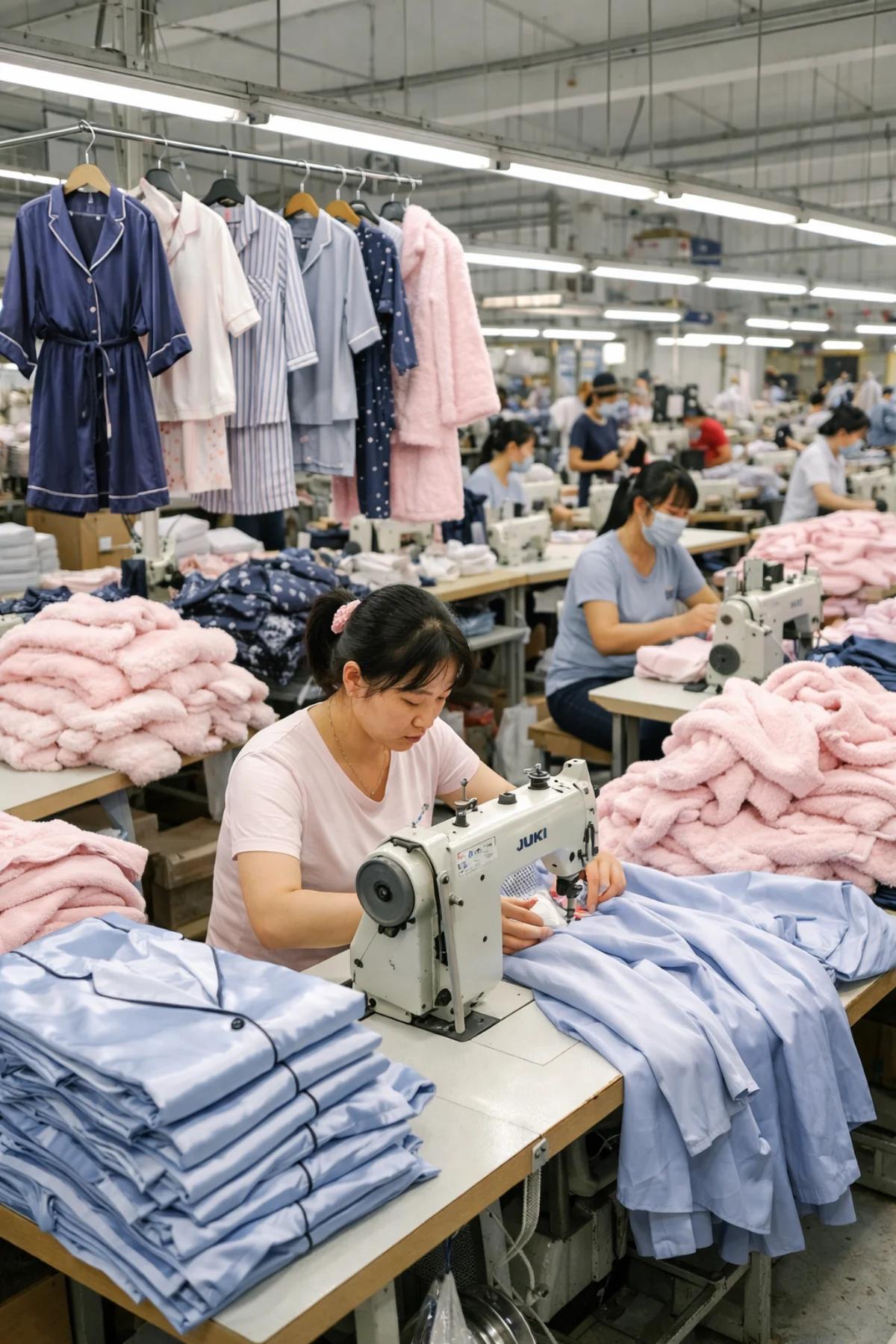
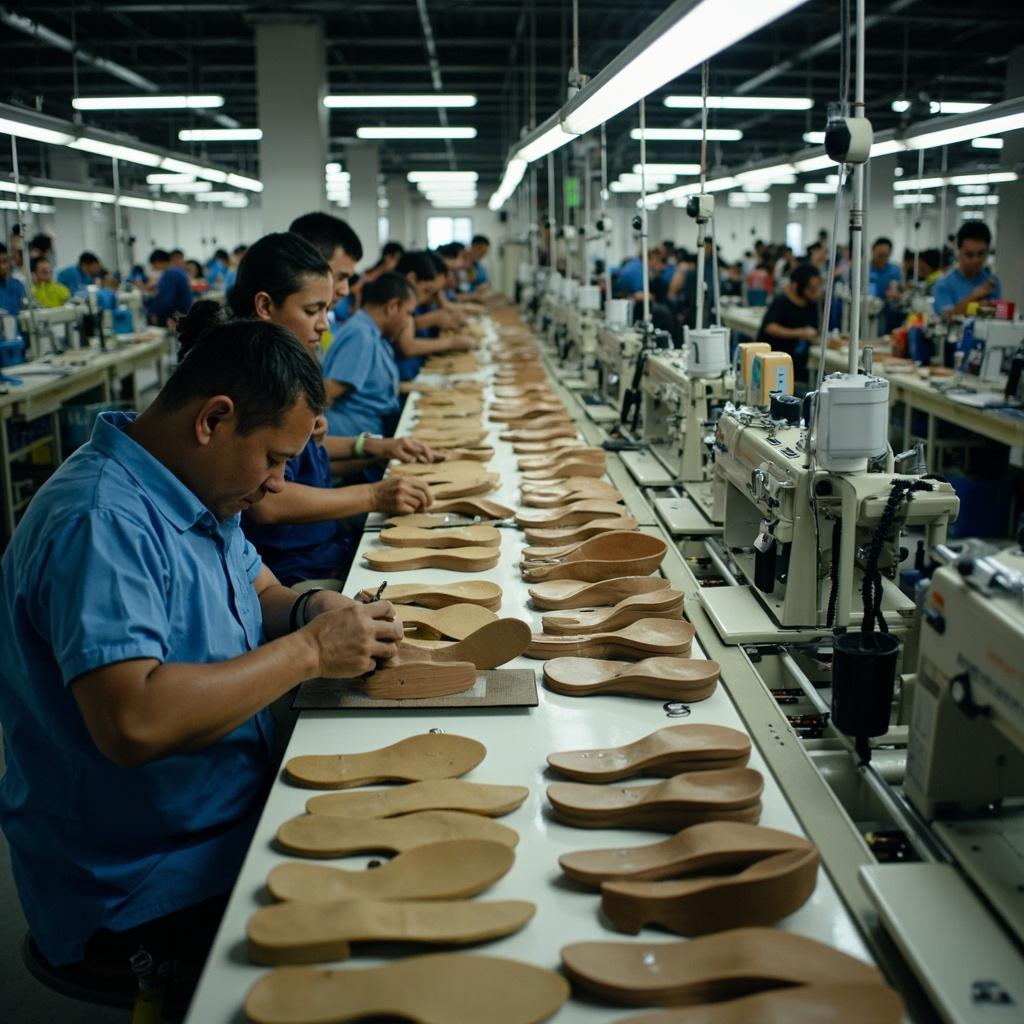
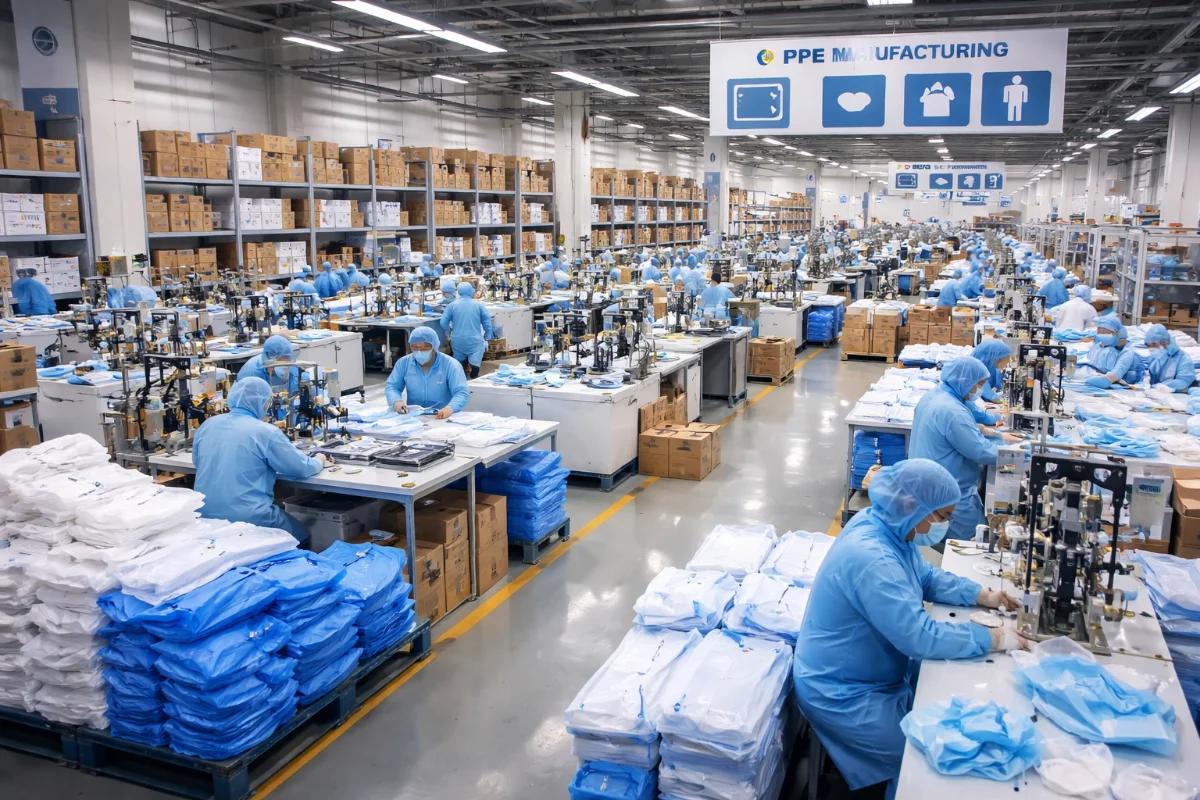
This distinction refers to who physically makes the clothes. In-House Production means a brand owns and operates its own factories (e.g., Hermès, Zegna), allowing for extreme quality control, protection of proprietary techniques, and supply chain secrecy, but requires massive capital investment. Contract Manufacturing (or Outsourcing) means a brand hires third-party factories to produce goods to its specifications (common for PVH, fast fashion). This offers flexibility, cost efficiency, and scalability. The choice profoundly impacts a brand’s identity: in-house production is often tied to luxury, craftsmanship, and exclusivity (justifying higher prices), while outsourcing enables speed and affordability. Many brands, like Gucci and Burberry, use a hybrid model, keeping core products in-house and outsourcing basics.
The future is being shaped by several converging trends: 1. Sustainability as Standard: Beyond a buzzword, it‘s becoming a core operational requirement, driving demand for recycled materials, circular business models (rental, repair), and full supply chain transparency. 2. Technology Integration: Wearable tech, smart fabrics with climate adaptation, and AI-driven personalization (fit, style) will become more prevalent. 3. Blurring of Categories: The lines between formal, casual, and technical sportswear will continue to dissolve, leading to more versatile, hybrid garments. 4. Direct-to-Consumer & Experience: Brands will strengthen DTC channels and focus on creating immersive experiences, both online and in flagship stores. 5. Regionalization & Resilience: To mitigate supply chain risks, there will be a move towards nearshoring and building more diversified, resilient production networks.