We Use Cookies 🍪
We Use Cookies And Other Similar Technologies To Improve Your Browsing Experience And The Functionality Of Our Site. Learn More In Our Privacy Policy.

Ranking List of Manufacturers in the Children's Clothing (For Ages 2-12) Industry

Last Updated: April 10, 2026


Welcome to the Verity Rank Global “Ranking List of Manufacturers in the Children's Clothing (Ages 2-12) Industry.

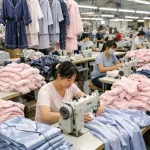
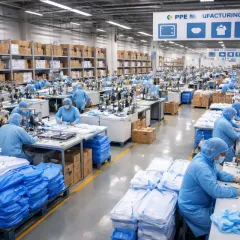
While brands capture the spotlight, the real architects of the global kids' wear market are the manufacturing powerhouses behind the scenes. These are the “invisible champions” who control the technological patents, supply chain agility, and production capacity that define the industry.
This ranking shines a light on giants like China's Shenzhou International, the undisputed king behind Nike and Uniqlo, whose vertically integrated model sets the global benchmark. We explore how Crystal Group's 72-hour fast fashion system empowers brands like H&M, and how Arvind Limited is revolutionizing denim with sustainable technologies in India. From Gildan's cost-dominant vertical monopoly to Lu Thai's mastery of functional fabrics, these manufacturers are shifting from pure production to innovation-driven smart manufacturing.
Amidst global supply chain shifts, critical questions emerge: Who holds the patents for waterless dyeing? Which overseas expansions truly mitigate geopolitical risks? What are the real labor and ESG stories behind the capacity of giants in Bangladesh and Vietnam?
We bring these critical questions into focus. By cross-referencing customs export data, brand supplier lists, global ESG ratings, and patent databases from authoritative sources, we evaluate these leaders on Production Scale, Technological Moat, Client Portfolio, and Compliance. We reveal the true capabilities and risks behind the names that make the clothes your children wear.
Disclaimer: This ranking is based on the integration of data from authoritative third-party sources, including national statistical agencies, industry reports from academic institutions, AI-driven global consumer sentiment analysis, and publicly listed company financial reports. The ranking results are derived from a multi-dimensional algorithm model and are intended for reference and market decision assistance only. They do not constitute direct investment advice or brand endorsement.

Shenzhou International Group

Shenzhou International Group Holdings Limited is the "invisible champion" of global knitwear manufacturing, headquartered in Ningbo, Zhejiang, China. As a Hong Kong Stock Exchange-listed company (SEHK:02313), its core business focuses on Textile & Apparel categories including men's performance T-shirts, women's yoga wear, underwear, and loungewear, providing vertically integrated OEM/ODM services from fabric R&D, dyeing and finishing to garment sewing for global sportswear brands like Nike, Uniqlo, Adidas, and Puma. In 2025, Shenzhou achieved estimated revenue of RMB 32.5-34 billion, employing over 110,000 people across 13 large-scale integrated factories in Ningbo, Anhui, Vietnam, and Cambodia, producing approximately 550 million garments and 250,000 tons of fabric annually. Its top four clients contribute about 82% of revenue. Leveraging ultimate vertical integration efficiency and quick response capabilities, Shenzhou defines the manufacturing benchmark behind global brands.
Strengths: Shenzhou's core strength in Textile & Apparel lies in its extreme vertical integration model, controlling the entire value chain from fabric R&D, dyeing and finishing to garment sewing, building a triple moat of efficiency, quality, and cost in knitwear categories like performance T-shirts and yoga wear. Annual production scale of 550 million garments and 250,000 tons of fabric, combined with overseas capacity in Vietnam and Cambodia, makes it an irreplaceable core supplier for global brands like Nike and Uniqlo, with its share in client supply chains growing through shortened lead times and quick response capabilities.
Weaknesses: Shenzhou's main weaknesses stem from its business model's heavy reliance on its top four clients (Nike, Adidas, Uniqlo, Puma), with customer concentration reaching 82%, making performance highly susceptible to core brand order fluctuations. As a B2B manufacturer lacking end-consumer brand recognition, its gross margin is compressed by rising labor costs and initial depreciation of overseas new factories, slightly declining to 27.1% in H1 2025. It also faces uncertainty risks from cross-border raw material tariffs amid changing global trade environments.
Shenzhou
Shenzhou
Brand Name
Ningbo, Zhejiang Province, China
Address
2005
Founded
110K+
Number of Employees
3+ Countries
Core Production and Operation Countries
13+ Factory
Large-scale Integrated Production Base
Official Website
Men's Clothing Industry
Men's Tops Industry
Polo Shirt
Men's Knitted Top
Men's Casual Wear
Men's Sports T-shirt
Men's Sportswear Industry
Women's Clothing Industry
Women's Tops Industry
Women's Vest
Women's Knitted Top
Ladies' Sports T-shirt
Women's Activewear Industry
Yoga Wear
Intimates & Hosiery Industry
Women's Underwear Industry
Men's Underwear Industry
Sports Bra
Homewear
Loungewear & Sleepwear Industry Sustainable Fashion Industry
Loungewear Industry
Recycled Fabrics Industry
Men's Clothing Industry
Men's Tops Industry
Polo Shirt
Men's Knitted Top
Men's Casual Wear
Men's Sports T-shirt
Men's Sportswear Industry
Women's Clothing Industry
Women's Tops Industry
Women's Vest
Women's Knitted Top
Ladies' Sports T-shirt
Women's Activewear Industry
Yoga Wear
Intimates & Hosiery Industry
Women's Underwear Industry
Men's Underwear Industry
Sports Bra
Homewear
Loungewear & Sleepwear Industry Sustainable Fashion Industry
Loungewear Industry
Recycled Fabrics Industry

Gildan Activewear Inc.

Gildan Activewear Inc. is a world-leading vertically integrated manufacturer of activewear and basic apparel, headquartered in Montreal, Quebec, Canada. Its core business focuses on blank T‑shirts, fleece, bottoms, underwear, and hosiery serving the B2B printwear market, wholesale distributors, and major retailers. Estimated 2025 revenue reached approximately $3.4–$3.5 billion (excluding HanesBrands), with ~49,000 employees and nearly 30 self‑owned factories. Listed on the TSX and NYSE (NYSE : GIL), Gildan completed the acquisition of HanesBrands in late 2025, creating a combined entity with ~$6.9 billion annual revenue, further solidifying its dominance in basics through end‑to‑end vertical integration and a strong commitment to sustainability.
Strengths: Gildan’s core strengths lie in its rare, fully integrated manufacturing model—self‑owned factories contribute over 90% of sales, delivering unparalleled cost control and consistent quality; as the world’s largest supplier of blank apparel, it holds near‑monopoly scale and channel dominance in the B2B printwear market; the 2025 HanesBrands acquisition integrates iconic labels (Hanes, American Apparel), making underwear/hosiery a robust second pillar and creating a full‑category moat from basics to innerwear.
Weaknesses: Gildan’s main weaknesses stem from its long‑standing B2B/wholesale orientation, resulting in weak brand recognition and fashion appeal in direct‑to‑consumer channels; business is heavily concentrated in North America, with insufficient localized depth in emerging markets despite a broad distribution network; the 2024–2025 proxy fight incurred significant costs, and exposure to U.S. tariff policy shifts adds geopolitical supply‑chain risk; licensing volatility (e.g., termination of the Under Armour sock license) temporarily disrupts revenue streams.
Gildan
Gildan
Brand Name
Montreal, Quebec, Canada
Address
1984
Founded
49K+
Number of Employees
60+ Countries
Business Scope
30+ Factories
Production Base
Official Website
Men's Clothing Industry
Men's Tops Industry
Men's Outerwear Industry
Men's Bottoms Industry
Men's Sportswear Industry
Women's Clothing Industry
Women's Tops Industry
Women's Outerwear Industry
Women's Pants Industry
Women's Activewear Industry
Intimates & Hosiery Industry
Women's Underwear Industry
Men's Underwear Industry
Basic Hosiery Industry
Children's Everyday Wear Industry
Fashion Accessories Industry
Head Accessories Industry
Neck Accessories Industry
Wrist & Hand Industry
Loungewear & Sleepwear Industry
Sleep Sets Industry
Loungewear Industry
Custom & Group Apparel Industry
Group Uniforms Industry
Personalized Gear Industry
Men's Clothing Industry
Men's Tops Industry
Men's Outerwear Industry
Men's Bottoms Industry
Men's Sportswear Industry
Women's Clothing Industry
Women's Tops Industry
Women's Outerwear Industry
Women's Pants Industry
Women's Activewear Industry
Intimates & Hosiery Industry
Women's Underwear Industry
Men's Underwear Industry
Basic Hosiery Industry
Children's Everyday Wear Industry
Fashion Accessories Industry
Head Accessories Industry
Neck Accessories Industry
Wrist & Hand Industry
Loungewear & Sleepwear Industry
Sleep Sets Industry
Loungewear Industry
Custom & Group Apparel Industry
Group Uniforms Industry
Personalized Gear Industry

Crystal International Group Limited

Crystal International Group Limited is a globally leading apparel manufacturer headquartered in Hong Kong, listed on the Hong Kong Stock Exchange. Employing a vertically integrated model, it provides design and manufacturing services for international brands like UNIQLO, specializing in casualwear, sportswear and intimates. With 20 production bases across Vietnam, China, Cambodia and other locations, it employs ~70,000 people, reported $2.5 billion revenue in 2024, and has an annual capacity of ~400 million garments. Leveraging its vertical integration, global footprint and leading sustainability practices, it maintains an important competitive position in global apparel manufacturing.
Strengths: Crystal International's core strengths are its strong vertical integration enabling end-to-end services from fabric development to garment manufacturing; significant global footprint with 70% capacity in Vietnam and other strategic locations effectively diversifying risks; leading sustainability practices with notable achievements in eco-certifications and carbon reduction recognized by brand clients.
Weaknesses: Crystal International faces persistent cost control pressures from rising labor and material costs impacting profitability; international trade environment uncertainties with geopolitical factors affecting global supply chain stability; intensifying industry competition squeezing profit margins while relatively low OEM model margins constrain development.
Crystal Group
Crystal Group
Brand Name
Hong Kong, China
Hong Kong, China
Address
1970
Founded
70K+
Number of Employees
7+ Countries
Business Scope
20+ Factory
Processing Facilities
Official Website
Men's Clothing Industry
Men's Tops Industry
Men's Knitwear
Men's T-shirt
Men's Casual Wear
Polo Shirt
Men's Sportswear Industry
Women's Clothing Industry
Women's Tops Industry
Ladies' Knitted Sweater
Women's T-shirt
Ladies' Casual Wear
Dresses & Skirts Industry
Dress
Women's Pants Industry
Women's Activewear Industry
Intimates & Hosiery Industry
Women's Underwear Industry
Men's Underwear Industry
Loungewear & Sleepwear Industry
Loungewear Industry
Sustainable Fashion Industry
Recycled Fabrics Industry
Men's Clothing Industry
Men's Tops Industry
Men's Knitwear
Men's T-shirt
Men's Casual Wear
Polo Shirt
Men's Sportswear Industry
Women's Clothing Industry
Women's Tops Industry
Ladies' Knitted Sweater
Women's T-shirt
Ladies' Casual Wear
Dresses & Skirts Industry
Dress
Women's Pants Industry
Women's Activewear Industry
Intimates & Hosiery Industry
Women's Underwear Industry
Men's Underwear Industry
Loungewear & Sleepwear Industry
Loungewear Industry
Sustainable Fashion Industry
Recycled Fabrics Industry

Hansae Co., Ltd.

Hansae Co., Ltd., headquartered in Seoul, South Korea, is a global leader in apparel ODM/OEM, spanning menswear, womenswear, activewear, and Kids & Baby Clothing, with babywear and childrenswear as core segments. As a key supplier to global brands including Gap, Target, and Nike, it produces over 400 million garments annually, earning the reputation that "one in three Americans wears Hansae-made clothes." With FY2025 revenue of approximately ₩1.83 trillion ($1.35 billion) and over 35,000 employees across 29 production bases in 10 countries, the company leads manufacturing innovation through 3D virtual design and its HAMS digital system. Its retail brand Moimoln, specializing in Nordic-style childrenswear for ages 0-6, is rapidly expanding in Korea and China, creating a unique "manufacturing + brand" dual-engine growth model.
Strengths: Hansae's core strengths lie in its global supply chain network across 10 countries, mitigating trade risks while achieving economies of scale with over 400 million annual garments; its deep ODM expertise in activewear and childrenswear, honed through partnerships with Nike and Gap, ensures technical superiority; the Moimoln brand bridges B2B and B2C markets, creating a differentiated competitive advantage in Asia's childrenswear sector.
Weaknesses: Hansae's main weaknesses include heavy reliance on U.S. and European markets (over 90% of exports), exposing it to demand volatility in these regions; diversification risks from acquiring auto parts maker Erae AMS, potentially diverting focus from core apparel business; its own brands remain regionally confined to Asia with limited global premium positioning, making it vulnerable to the cyclical nature of its dominant ODM operations.
Hansae
Hansae
Brand Name
Seoul, South Korea
Seoul, South Korea
Address
1982
Founded
35K+
Number of Employees
10+ Countries
Business Scope
29+ Processing Facilities
Processing Facilities
Official Website
Men's Clothing Industry
Men's Tops Industry
Men's Outerwear Industry
Men's Bottoms Industry
Men's Sportswear Industry
Women's Clothing Industry
Women's Tops Industry
Dresses & Skirts Industry
Women's Outerwear Industry
Women's Pants Industry
Women's Activewear Industry
Intimates & Hosiery Industry
Women's Underwear Industry
Men's Underwear Industry
Loungewear Industry
Kids & Baby Clothing Industry
Infant Clothing (0-24 Months) Industry
Children's Clothing (for Ages 2-12) Industry
Fashion Accessories Industry
Technical Fabrics Industry
Loungewear & Sleepwear Industry
Sleep Sets Industry
Sustainable Fashion Industry
Organic Materials Industry
Recycled Fabrics Industry
Men's Clothing Industry
Men's Tops Industry
Men's Outerwear Industry
Men's Bottoms Industry
Men's Sportswear Industry
Women's Clothing Industry
Women's Tops Industry
Dresses & Skirts Industry
Women's Outerwear Industry
Women's Pants Industry
Women's Activewear Industry
Intimates & Hosiery Industry
Women's Underwear Industry
Men's Underwear Industry
Loungewear Industry
Kids & Baby Clothing Industry
Infant Clothing (0-24 Months) Industry
Children's Clothing (for Ages 2-12) Industry
Fashion Accessories Industry
Technical Fabrics Industry
Loungewear & Sleepwear Industry
Sleep Sets Industry
Sustainable Fashion Industry
Organic Materials Industry
Recycled Fabrics Industry

Zhejiang Semir Garment Co., Ltd - Balabala

“Balabala,” a brand under Zhejiang Semir Garment Co., Ltd., is China's largest and most comprehensive professional children's wear brand, positioned as a lifestyle brand covering "all categories, all age groups (0-14), and all consumption scenarios." Operating a business model integrating in-house design, hybrid sourcing/production, and omnichannel retail, its product portfolio fully spans apparel, footwear, accessories, and kids' gear. Leveraging an unparalleled distribution network of over 4,000 offline stores in China and leading e-commerce presence, Balabala's estimated annual retail sales reach RMB 15-18 billion, consistently ranking first in market share and defining mass-market children's wear consumption in China.
Strengths: Balabala's core strengths are its unrivalled depth and breadth of channel coverage in the Chinese market, which builds a formidable competitive barrier; concurrently, its complete full-category product matrix and efficient supply chain agility enable it to meet children's all-scenario dressing needs and have established profound brand trust as "professional, safe, and high-value-for-money" among mass-market families.
Weaknesses: Balabala's main weaknesses are the challenges it faces in brand premiumization and enhancing product value due to its long-standing mass-market positioning; simultaneously, competition with international and online brands has intensified post the peak of online traffic dividend, and its international operational capabilities still need to be verified to break through the growth ceiling.
Balabala
Balabala
Brand Name
Wenzhou, Zhejiang, China
Address
1996
Founded
4K+
Number of Employees
20+ Countries
Business Scope
4000+ Stores
Brand Retail Outlets
Official Website
Children's Shoes Industry
Backpacks Industry
Specialty Bags Industry
Basic Hosiery Industry
Kids & Baby Clothing Industry
Infant Clothing Industry
Children's Everyday Wear Industry
Functional Wear Industry
School Uniforms Industry
Children's Accessories Industry
Occasion-Specific Industry
Loungewear & Sleepwear Industry
Sleep Sets Industry
Loungewear Industry
Children's T-shirt Industry
Children's Sweatshirt Industry
Children's Knitwear Industry
Children's jeans Industry
Children's Sportswear Industry
Parent-child/Sibling Clothing Industry
Party Costume Industry
Holiday-themed Clothing Industry
Children's Shoes Industry
Backpacks Industry
Specialty Bags Industry
Basic Hosiery Industry
Kids & Baby Clothing Industry
Infant Clothing Industry
Children's Everyday Wear Industry
Functional Wear Industry
School Uniforms Industry
Children's Accessories Industry
Occasion-Specific Industry
Loungewear & Sleepwear Industry
Sleep Sets Industry
Loungewear Industry
Children's T-shirt Industry
Children's Sweatshirt Industry
Children's Knitwear Industry
Children's jeans Industry
Children's Sportswear Industry
Parent-child/Sibling Clothing Industry
Party Costume Industry
Holiday-themed Clothing Industry

Fruit of the Loom, Inc.

Fruit of the Loom, Inc., a wholly-owned subsidiary of Berkshire Hathaway, is a globally vertical-integrated basics apparel manufacturing titan headquartered in Kentucky, USA. It positions itself as indispensable “apparel infrastructure” for global retail, operating through a core business model of supplying giant retailers like Walmart and Target via a deeply controlled, in-house factory network spanning from yarn to finished garment, while also marketing its iconic Fruit of the Loom brand. Its product portfolio is anchored by men’s/women’s underwear, basic tees, and socks, with kids’ wear and loungewear as key extensions, all renowned for high value and dependable quality. With near-“monopoly” market share in North America, estimated annual revenue exceeding $3 billion, it is not only the “invisible champion” and “supply chain king” in basics but also a stable cash cow for Berkshire, continually investing in sustainable materials and smart manufacturing to fortify its moat.
Strengths: Fruit of the Loom’s core strength lies in its unparalleled vertical integration manufacturing system and the resultant extreme cost-control capability, which forms its widest business moat; concurrently, its deeply entrenched, symbiotic B2B relationships with global retail giants ensure a massively stable and resilient revenue base, further bolstered by the long-term strategic patience and financial solidity derived from its Berkshire Hathaway ownership.
Weaknesses: Fruit of the Loom’s main weakness is its brand image being deeply associated with “extreme value,” limiting its premium pricing power and making it difficult to break into mid-to-high-end markets; furthermore, its vast system remains heavily reliant on commodity prices like cotton and low-cost manufacturing geographies, making its cost structure vulnerable to external fluctuations, while its innovation and market response speed may lag behind more agile competitors when facing rapidly changing consumer trends and personalized demands.
Fruit of the Loom
Fruit of the Loom
Brand Name
Bowling Green, Kentucky, USA
Address
1851
Founded
32K+
Number of Employees
100+ Countries
Business Scope
25+ Factories
Production Base
Official Website
Men's Clothing Industry
Men's Tops Industry
Men's Outerwear Industry
Men's Bottoms Industry
Women's Clothing Industry
Women's Tops Industry
Dresses & Skirts Industry
Women's Outerwear Industry
Women's Pants Industry
Intimates & Hosiery Industry
Women's Underwear Industry
Men's Underwear Industry
Basic Hosiery Industry
Kids & Baby Clothing Industry
Infant Clothing Industry
Children's Everyday Wear Industry
Loungewear & Sleepwear Industry
Sleep Sets Industry
Loungewear Industry
Custom & Group Apparel Industry
Group Uniforms Industry
Personalized Gear Industry
Men's Clothing Industry
Men's Tops Industry
Men's Outerwear Industry
Men's Bottoms Industry
Women's Clothing Industry
Women's Tops Industry
Dresses & Skirts Industry
Women's Outerwear Industry
Women's Pants Industry
Intimates & Hosiery Industry
Women's Underwear Industry
Men's Underwear Industry
Basic Hosiery Industry
Kids & Baby Clothing Industry
Infant Clothing Industry
Children's Everyday Wear Industry
Loungewear & Sleepwear Industry
Sleep Sets Industry
Loungewear Industry
Custom & Group Apparel Industry
Group Uniforms Industry
Personalized Gear Industry

Anta Sports Products Limited

Anta Kids is an independent professional children's sportswear brand under Anta Sports Products Limited, headquartered in Jinjiang, Fujian. As the absolute leader in China's children's sportswear market, the brand leverages Anta Group's top-tier sports technologies (e.g., Nitrogen Technology) and Olympic resources to bring professional athletic equipment at accessible prices to children aged 3-14. Its business centers on professional children's athletic footwear and functional apparel, extending to school uniforms, accessories, and other full-scenario products. With a vast network of over 2,500 standalone stores and estimated annual sales between RMB 6 to 7.5 billion, Anta Kids is not only the preferred choice for Chinese families but also a crucial growth engine for the Anta Group's multi-brand strategy.
Strengths: Anta Kids' core strengths lie in its seamless inheritance of the Anta Group's top-tier sports R&D, Olympic national team brand endorsement, and scalable supply chain resources, enabling the efficient popularization and cost advantage of "professional technology" in the children's market; concurrently, its retail network of over 2,500 stores, which deeply penetrates all tiers of Chinese cities (especially lower-tier markets), forms a channel moat and market touchpoint difficult for competitors to replicate.
Weaknesses: Anta Kids' main weaknesses stem from its national brand image of "professional accessibility," which faces limitations in premium, fashion-forward, or niche cultural segments within high-end and first-tier city markets; furthermore, while its product innovation benefits from group technology "trickle-down," it continues to face sustained pressure in achieving independent, source-level design leadership and competing directly with international brands (e.g., Nike Kids).
Anta Kids
Anta Kids
Brand Name
Quanzhou, Fujian Province, China
Address
1991
Founded
55K+
Number of Employees
30+ Countries
Business Scope
1000+ Suppliers
Group Supply Chain Network
Official Website
Athletic Shoes Industry
Children's Shoes Industry
Backpacks Industry
Specialty Bags Industry
Basic Hosiery Industry
Kids & Baby Clothing Industry
Infant Clothing Industry
Children's Everyday Wear Industry
Functional Wear Industry
School Uniforms Industry
Children's Accessories Industry
Occasion-Specific Industry
Loungewear & Sleepwear Industry
Children's T-shirt Industry
Children's Sweatshirt Industry
Children's Knitwear Industry
Children's jeans Industry
Children's Sportswear Industry
Parent-child/Sibling Clothing Industry
Party Costume Industry
Holiday-themed Clothing Industry
Athletic Shoes Industry
Children's Shoes Industry
Backpacks Industry
Specialty Bags Industry
Basic Hosiery Industry
Kids & Baby Clothing Industry
Infant Clothing Industry
Children's Everyday Wear Industry
Functional Wear Industry
School Uniforms Industry
Children's Accessories Industry
Occasion-Specific Industry
Loungewear & Sleepwear Industry
Children's T-shirt Industry
Children's Sweatshirt Industry
Children's Knitwear Industry
Children's jeans Industry
Children's Sportswear Industry
Parent-child/Sibling Clothing Industry
Party Costume Industry
Holiday-themed Clothing Industry

Ha-meem Group

Ha-meem Group is a globally leading vertically integrated apparel manufacturer headquartered in Gazipur, Bangladesh. As a privately held family business, its model is deeply focused on providing OEM/ODM services for international fast-fashion and mass-market brands (e.g., Zara, H&M). The group achieves full-chain production from fiber to garment through its internally controlled supply chain—spanning spinning, weaving, dyeing, finishing, and garment manufacturing—building formidable scale and efficiency advantages, particularly in denim and knitwear. As one of Bangladesh's largest private employers and exporters, Ha-meem Group is a critical pillar in the global apparel supply chain, deeply embedded in worldwide consumption yet largely unknown to end consumers.
Strengths: Ha-meem Group's core strengths are its unparalleled vertically integrated manufacturing capability, which delivers significant advantages in cost control, quality consistency, and rapid response; concurrently, the exceptional operational reliability and deep client trust built over decades of serving global top-tier brands form a solid competitive moat.
Weaknesses: Ha-meem Group's main weaknesses are the high concentration of its business and assets in a single production base in Bangladesh, making it vulnerable to local political-economic fluctuations, infrastructure challenges, and rising labor costs; simultaneously, the global "supply chain de-risking" strategies of brand clients are diverting orders to multiple countries, posing a direct challenge to maintaining and growing its order book.
Ha-meem
Ha-meem
Brand Name
Ghazipur, Bangladesh
Address
1984
Founded
75K+
Number of Employees
30+ Countries
Business Scope
26+ Production Base
Processing Facilities
Unlisted ( Family Business )
Listing Status
Official Website
Men's Clothing Industry
Men's Tops Industry
Men's T-Shirts Industry
Men's Polo Industry
Men's Bottoms Industry
Men's Jeans Industry
Men's Casual Pants Industry
Women's Clothing Industry
Women's Tops Industry
Women's T-Shirts & Tanks Industry
Women's Shirts & Blouses Industry
Women's Knitwear Industry
Dresses & Skirts Industry
Dresses Industry
Skirts Industry
Women's Outerwear Industry
Women's Jackets Industry
Women's Pants Industry
Women's Jeans Industry
Women's Casual Pants Industry
Spinning & Fabric Manufacturing
Men's Clothing Industry
Men's Tops Industry
Men's T-Shirts Industry
Men's Polo Industry
Men's Bottoms Industry
Men's Jeans Industry
Men's Casual Pants Industry
Women's Clothing Industry
Women's Tops Industry
Women's T-Shirts & Tanks Industry
Women's Shirts & Blouses Industry
Women's Knitwear Industry
Dresses & Skirts Industry
Dresses Industry
Skirts Industry
Women's Outerwear Industry
Women's Jackets Industry
Women's Pants Industry
Women's Jeans Industry
Women's Casual Pants Industry
Spinning & Fabric Manufacturing

Arvind Limited

Arvind Limited is India's largest textile manufacturing group headquartered in Ahmedabad, Gujarat, listed on the Indian Stock Exchange. Employing a vertically integrated model, it operates a full industrial chain from spinning, weaving, dyeing to garment manufacturing, specializing in denim, apparel and advanced materials. With 15 production bases in India, ~25,000 employees, and operations across 80+ countries, it reported revenue of ₹50 billion (~$600 million) in 2024. Leveraging its comprehensive vertical integration, significant scale advantages and advanced sustainability practices, it maintains absolute leadership in India's textile market.
Strengths: Arvind's core strengths are its complete vertical integration enabling full supply chain control from spinning to garments, delivering significant scale benefits and cost advantages; as India's largest textile manufacturer, its annual capacities of 200 million meters fabric and 50 million garments provide strong competitiveness; advanced sustainability practices with notable achievements in water management and carbon reduction.
Weaknesses: Arvind's international brand influence remains relatively limited requiring global market recognition improvement; faces persistent cost control pressures from rising raw material and energy costs impacting profitability; increasing environmental demands necessitate continuous investments to meet stricter sustainability standards.
Arvind
Arvind
Brand Name
Ahmedabad, Gujarat, India
Address
1931
Founded
25K+
Number of Employees
80+ Countries
Business Scope
15+ Factory
Processing Facilities
Official Website
Men's Clothing Industry
Men's Tops Industry
Men's Formalwear Industry
Women's Clothing Industry
Women's Tops Industry
Dresses & Skirts Industry
Footwear Industry
Athletic Shoes Industry
Loungewear & Sleepwear Industry
Bedding Sets Industry
Protective Products Industry
Technical Fabrics Industry
Custom & Group Apparel Industry
Group Uniforms Industry
Sustainable Fashion Industry
Recycled Fabrics Industry
Men's Clothing Industry
Men's Tops Industry
Men's Formalwear Industry
Women's Clothing Industry
Women's Tops Industry
Dresses & Skirts Industry
Footwear Industry
Athletic Shoes Industry
Loungewear & Sleepwear Industry
Bedding Sets Industry
Protective Products Industry
Technical Fabrics Industry
Custom & Group Apparel Industry
Group Uniforms Industry
Sustainable Fashion Industry
Recycled Fabrics Industry

Lu Thai Textile Co., Limited

Lu Thai Textile Co., Limited is a globally leading premium yarn-dyed fabric manufacturer headquartered in Zibo, Shandong, listed on the Shenzhen Stock Exchange. It employs a vertically integrated model covering the entire chain from spinning, weaving, dyeing to garment manufacturing, specializing in high-end yarn-dyed fabrics and shirts. Operating in global major markets with 8 production bases and ~15,000 employees, it reported RMB 8.5 billion revenue in 2024 with annual fabric capacity of 200 million meters. Leveraging its complete industrial chain integration, advanced R&D capabilities, and premium client resources, it maintains absolute leadership in the global yarn-dyed fabric market.
Strengths: Lu Thai's core strengths are its comprehensive vertical integration enabling full control from spinning to garments, ensuring excellent quality stability and rapid response; leading R&D capabilities with 500+ valid patents and sustained investment; premium client resources maintaining long-term partnerships with international brands like UNIQLO and Burberry.
Weaknesses: Lu Thai faces raw material price volatility, particularly cotton costs directly impacting profitability; persistent cost pressures from rising energy, labor, and environmental investments; international trade uncertainties from exchange rate fluctuations and geopolitical factors affecting global business stability.
Lutal
Lutal
Brand Name
Zibo City, Shandong Province, China
Address
1987
Founded
15K+
Number of Employees
Nationwide, China
Business Scope
8+ Factory
Production Facilities
Official Website
Men's Clothing Industry
Men's Tops Industry
Men's Formalwear Industry
Women's Clothing Industry
Women's Tops Industry
Home Textiles & Fabrics​​ Industry
Bedding Sets Industry
Protective Products Industry
Technical Fabrics Industry
Custom & Group Apparel Industry
Corporate Workwear Industry
Group Uniforms Industry
Sustainable Fashion Industry
Recycled Fabrics Industry
Natural Dyes Industry
Men's Clothing Industry
Men's Tops Industry
Men's Formalwear Industry
Women's Clothing Industry
Women's Tops Industry
Home Textiles & Fabrics​​ Industry
Bedding Sets Industry
Protective Products Industry
Technical Fabrics Industry
Custom & Group Apparel Industry
Corporate Workwear Industry
Group Uniforms Industry
Sustainable Fashion Industry
Recycled Fabrics Industry
Natural Dyes Industry

Children's Clothing (For Ages 2-12) Manufacturers

Children's Clothing (For Ages 2-12) Manufacturers
$0.00
Ex Tax: $0.00
  • Stock: In Stock
  • Model: 2.7.2
Create unlimited custom product blocks and display them in accordions or tabs or open blocks. Each block can be assigned to all products at once or specific products according to advanced criteria.

Shenzhou International Group

Gildan Activewear Inc.

Crystal International Group Limited

Hansae Co., Ltd.

Zhejiang Semir Garment Co., Ltd - Balabala

Fruit of the Loom, Inc.

Anta Sports Products Limited

Ha-meem Group

Arvind Limited

Lu Thai Textile Co., Limited

Kids & Baby Clothing Manufacturers
Top 10 Kids & Baby Clothing Manufacturers: 2026 Data-Driven Ranking | Verity Rank
Explore Verity Rank’s neutral, data-backed ranking of the top global kids & baby clothing manufacturers. Compare leaders like Goodbaby, Fruit of the Loom & Balabala on capacity, clients & quality. Make informed B2B decisions.
kids clothing manufacturers, baby clothing manufacturers, childrenswear manufacturers, top kids clothing companies, baby apparel factory ranking, global manufacturers list, B2B supplier guide, sustainable kids clothing, private label manufacturers, Verity Rank

Write a review

Please login or register to review

Builder in Product TAB

NEW! Since Journal 3.2, the much improved T.A.B (Tabs Accordion Blocks) system supports the page builder inside the tab content. Unlimited Blocks, Tabs or Accordions with any HTML content or the builder interface (supporting custom rows/columns/modules) can be assigned to any individual product or to certain groups of products, like entire categories, brands, products with specific options, attributes, price range, etc.You can indicate any criteria via the advanced product assignment mechanism and only those products matching your criteria will display the modules.Also, any module can be selectively activated per device (desktop/tablet/phone), customer login status and other criteria. Imagine the possibilities.

FAQ

Verity Rank is committed to delivering authentic, transparent, and verifiable industry insights. This ranking is not based on subjective opinions but on a rigorous multi-dimensional evaluation model. We systematically collect and cross-verify public data and authoritative information from global sources, conducting quantitative analysis on key dimensions for each company, including financial performance, market influence, supply chain control, consumer sentiment, and innovative sustainability. Our data sources include, but are not limited to: public financial filings of listed companies, reports from international market research authorities, statistics from government and industry bodies, specialized research from leading universities and think tanks, as well as global public sentiment and search trend data integrated via AI technology. All data undergoes cleaning and weighted calculation to ensure the objectivity and neutrality of the final ranking, presenting you with a credible panorama of the industry.
The children's clothing industry for ages 2-12 is a distinct sector that bridges the gap between infant wear and adult fashion. Unlike babywear (0-24 months), which prioritizes caregiver convenience with features like snap closures, this category must address the rapidly changing needs of growing, active children who are developing their own sense of style.
This industry is defined by three unique characteristics:
1. The "Big Kid" Shift (Ages 7+): The market is increasingly driven by 7-12 year olds, who transition from passive wearers to active decision-makers. Brands must now design for this group's emerging aesthetic, moving away from cartoon characters toward styles that reflect "tween" culture—think minimalist designs, tech-inspired elements, and athleisure trends.
2. Dual Audience Challenge: Products must satisfy two completely different customers: parents who prioritize safety (Type A fabric standard), durability, and value, and children who want clothes that make them feel confident and stylish. Successful brands master the art of appealing to both.
3. Specialized Sub-Categories: The industry has evolved far beyond basic T-shirts and jeans. Today, it encompasses functional wear (UPF 50+ sun suits, insect-repellent pants, quick-dry sets), occasion-specific outfits (Hanfu, Christmas jumpers, birthday dresses), school uniforms, and a full range of accessories, creating a complex ecosystem of specialized products.
In essence, this isn't simply "shrinking adult clothes." It's a specialized field requiring expertise in child development, safety regulations, durable materials, and the psychology of two very different consumers.
When shopping for children aged 2-12, understanding safety and quality standards is crucial. Unlike adult fashion, where aesthetics often dominate, children's wear is heavily regulated to protect developing bodies from physical and chemical hazards. Here are the most important things to look for:
1. Fabric Safety Classification (The "A/B/C" Standard):
In many markets, especially China, textiles for children are classified by safety levels. Class A is the strictest standard, originally designed for infants (under 36 months), with the tightest limits on formaldehyde, pH levels, and dye fastness. For ages 2-12, Class B (direct contact) is the minimum requirement for items like T-shirts and underwear. Outerwear like jackets may fall under Class C (non-direct contact) . Always check the care label—if it's next to skin, look for at least Class B.
2. Physical Hazards: Small Parts and Drawstrings:
This is a critical safety area often overlooked. For children under 8, avoid clothes with small buttons, rhinestones, or sequins that can be pulled off and become choking hazards. More importantly, be aware of drawstrings on hoodies and jackets—they can get caught on playground equipment or bus doors, posing a strangulation risk. Many national safety standards now prohibit or restrict drawstrings in children's upper wear.
3. Durability and Construction:
Quality matters because kids move. Look for:
• Reinforced seams: Especially at stress points like knees and elbows.
• Colorfastness: Can it withstand repeated washing without fading or bleeding onto other clothes?
• Fabric pilling resistance: Lower-quality fabrics (often with high synthetic content) can look worn out after just a few washes.
4. Functional Wear Certifications:
If buying items like UPF sun suits, look for a label specifying UPF 50+ (meaning it blocks 98% of UV radiation). For waterproof raincoats, check for a waterproof rating or taped seams. For sleep bags, the TOG rating indicates warmth level.
In short, safe and high-quality children's clothing combines chemical safety, physical design safety, and robust construction to withstand the adventures of childhood.
While both fall under the broad umbrella of children's clothing, everyday wear and functional wear serve entirely different purposes. They involve distinct design philosophies, materials, and technologies. Understanding this difference helps parents make smarter purchases and ensures children are properly dressed for every activity.
1. Everyday Clothing: The Foundation of the Wardrobe
Everyday clothing represents the core of a child's closet. Think of items like T-shirts, hoodies, jeans, casual dresses, and joggers. These are the go-to pieces for school, playdates, and family outings.
The primary focus of everyday wear is on:
• Comfort and Style: Designers prioritize soft fabrics, trendy patterns (like graphic prints or character themes), and silhouettes that allow for easy movement. The goal is to create clothes that children feel good wearing.
• Versatility: These pieces are designed to be mixed and matched. A good quality hoodie should work for both a casual day at home and a trip to the park. Parents value items that can serve multiple purposes.
• Basic Durability: Everyday clothes need to withstand regular wear and frequent washing. However, the durability standards here are for normal, daily use rather than extreme conditions.
In essence, everyday clothing answers the question: "What will my child be comfortable and stylish in for a typical day?"
2. Functional Children's Wear: Engineered for Specific Purposes
Functional wear is a completely different category. It is designed to solve a specific problem or enhance a child's performance and safety in a particular environment. This is engineered clothing, not just styled clothing. Every aspect, from fabric choice to construction, serves a practical purpose.
Key examples from the children's wear market include:
• Sun Protection Clothing: These are not just thin, lightweight jackets. They are made with fabrics engineered to achieve a UPF 50+ rating, meaning they physically block 98% of harmful UV radiation. This is a certified performance feature, verified through testing, not just a marketing claim.
• Insect-Repellent Pants: These pants are treated with safe, durable technologies, such as nano-microencapsulation, which embeds mosquito-repelling agents into the fabric fibers. This provides a lasting barrier against insects, offering an alternative to applying sprays directly on skin.
• Waterproof Jackets: These use advanced laminated membranes (similar to Gore-Tex technology) that are both waterproof and breathable. The membrane's microscopic pores allow sweat vapor (as a gas) to escape while preventing external water (as a liquid) from penetrating. Features like taped seams ensure complete weather protection.
• Temperature-Regulating Sleep Bags: These often incorporate phase-change materials (PCMs) or use a TOG (Thermal Overall Grade) rating system. PCMs actively absorb or release heat to maintain a stable microclimate, while TOG ratings help parents choose the correct warmth level for their home's temperature.
3. The Core Differences Summarized
To put it simply, think of the difference in terms of purpose and technology:
• Primary Goal: Everyday wear aims for comfort and style in daily life. Functional wear aims to solve a specific problem like sun exposure, insect bites, or getting wet in the rain.
• Key Technology: The "technology" in everyday wear is about fabric softness and colorfastness. The technology in functional wear involves certified performance standards (like UPF 50+), waterproof membranes, and specialized chemical treatments.
• Design Focus: Everyday wear design focuses on aesthetics, trends, and versatility. Functional wear design is driven by engineering, material science, and the specific demands of an environment or activity.
• What You're Paying For: With everyday wear, your money goes toward the brand, the design, and the quality of basic materials. With functional wear, a significant portion of the cost reflects the research and development, certified technologies, and specialized fabrics that deliver the promised performance.
A well-rounded child's wardrobe needs both categories. Everyday clothes ensure they feel good and look great for most situations. Functional gear ensures they are protected and comfortable during outdoor adventures, sports, or specific seasonal conditions.
Sizing is arguably the biggest headache for parents buying children's clothes. Unlike adults, kids are constantly growing, and every brand seems to have its own interpretation of what a "size 6" means. This confusion is a top complaint in user reviews. Here's a practical guide to navigating the sizing maze for 2-12 year olds.
1. Age is the Least Reliable Guide:
While clothes are labeled by age (e.g., "5-6 years"), this should only be your starting point. Children's body types vary enormously. A tall, slim 6-year-old might need a size 7-8 for length but a size 5-6 for width. Always prioritize body measurements over age labels.
2. The Golden Rule: Measure Your Child:
Keep a record of your child's current measurements:
• Height: The most important measurement for overall length.
• Chest: Under the armpits, around the fullest part.
• Waist: At the natural waistline.
• Hip: Around the fullest part (crucial for pants and skirts).
• Inseam: From the crotch to the floor (for pants).
3. Always Consult the Brand's Size Chart:
Before you click "buy," find the brand's specific size chart. Reputable brands will provide a chart that correlates their labeled sizes (e.g., "S," "M," "L" or "5," "6," "7") with actual body measurements in centimeters or inches. Match your child's measurements to the chart, not the age label. This is especially critical when buying from international brands, as Asian and Western sizing can differ dramatically (e.g., a US size 6 might be closer to a Chinese size 8-10).
4. Understand the "Growth Margin" Strategy:
For which items do you want a perfect fit now, and for which do you want room to grow?
• Buy for the current season: For items like fitted T-shirts or special occasion dresses meant to be worn now, buy the size that matches your child's current measurements.
• Buy a size up for future use: For coats, jackets, school uniforms (which need to last the school year), or pajamas (where a little extra room is fine), consider buying one size larger. Check the fabric—items with some stretch (containing elastane) are more forgiving.
5. Pay Attention to User Feedback:
When shopping on platforms like Tmall or Amazon, scan reviews for mentions like "runs small," "true to size," or "fits big." This real-world feedback from other parents is invaluable for understanding a specific brand's sizing quirks.
By combining your child's measurements, brand-specific size charts, and user reviews, you can dramatically reduce the frustration of returns and exchanges, ensuring a better fit and happier kids.
This is a fundamental question in the apparel industry. While the end product—a child's T-shirt—might look the same, brands and manufacturers operate on completely different sides of the business. Understanding this distinction is key to appreciating how the global clothing industry works.
1. Children's Clothing Brands (The "Face" of Fashion):
A brand is the entity that consumers know and interact with. Think Nike Kids, Balabala, Carter's, or Zara Kids. Their core business activities include:
• Design and Marketing: They conceptualize the styles, create the collections, and build the brand image through advertising, celebrity endorsements, and social media. They are the storytellers.
• Consumer Connection: They own the relationship with the customer through their retail stores, websites, and marketing campaigns. They decide on the "vibe" of the clothes.
• Retail and Pricing: They set the final price you pay and manage the sales channels.
Crucially, most brands do not own factories. They are experts in design and marketing, not necessarily in stitching garments. Companies like Nike, Adidas, and H&M operate on a "branded" or "light-asset" model—they design and sell, but they outsource the actual production.
2. Children's Clothing Manufacturers (The "Engine" of Production):
A manufacturer is the company that actually makes the clothes. These are the factories and production giants behind the scenes. Think Shenzhou International, Crystal Group, or Hansae. Their world includes:
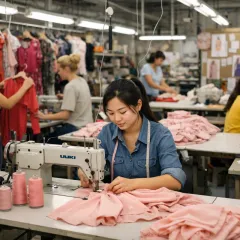
• Production and Supply Chain: They own the factories, manage the workers, source the fabrics, and handle the complex logistics of cutting, sewing, and finishing garments. They are the builders.
• Technical Expertise: They are masters of materials and processes. A manufacturer like Lu Thai might hold patents for specific functional fabrics, while Shenzhou is famous for its vertically integrated efficiency.
• B2B Relationships: Their customers aren't parents—they are the brands. They work as OEM (Original Equipment Manufacturer) or ODM (Original Design Manufacturer) partners, producing clothes according to the brand's designs or even offering their own designs for brands to choose from.
3. The Relationship:
Think of it like this: a brand is the architect who designs a beautiful house and sells it to you. The manufacturer is the construction company that actually builds it, ensuring it's structurally sound. A brand like Uniqlo works closely with manufacturers like Shenzhou and Crystal Group to bring its designs to life at scale and with consistent quality.
Some companies, like Balabala (as a brand) and Anta, blur the lines by operating a hybrid model, owning some of their own production capacity while also outsourcing. Others, like Fruit of the Loom, are primarily manufacturers that also sell their own branded products.
In summary: Brands own the customer; manufacturers own the production. The ranking lists on this site reflect this crucial distinction, evaluating brands on their market prowess and manufacturers on their industrial capability.