We Use Cookies 🍪
We Use Cookies And Other Similar Technologies To Improve Your Browsing Experience And The Functionality Of Our Site. Learn More In Our Privacy Policy.

Ranking List of Brands in the Homewear Industry

Last Updated: April 13, 2026


Welcome to the Verity Rank list of the world's top Homewear brands.
Home is no longer just where the heart is; it's where the style is. Today's homewear has transcended its traditional role, evolving into a statement of personal comfort, a blend of loungewear and streetwear, and a testament to fabric innovation. From Victoria's Secret's iconic runway legacy to Uniqlo's mastery of functional basics like AIRism and HEATTECH; from Lululemon's athleisure dominance to Skim's revolutionary approach to inclusivity and shapewear, the boundaries of this category are being constantly redefined.
But behind the soft fabrics and clever marketing, crucial questions remain: Who is truly leading in material science and sustainable production? Whose brand heat is driven by genuine loyalty versus fleeting hype? Is a premium price justified by patented technology, or merely a logo?
This ranking cuts through the marketing fluff. We provide a data-driven analysis of the industry's key players. Our methodology integrates diverse data points, including financial reports from publicly traded companies, real-world consumer ratings, global search and social media trends, and supply chain transparency assessments. We evaluate these giants on financial health, brand influence, innovation capacity, and global market penetration to reveal who is genuinely shaping the future of how we live and relax at home.
Disclaimer: The data in this ranking is compiled from a synthesis of authoritative third-party sources. This includes publicly available data from national statistical agencies, industry research reports from academic institutions, AI-driven analysis of global consumer sentiment, and annual reports of listed companies. The ranking results are based on a multi-dimensional algorithm model and are intended for market reference and decision-making assistance only. They do not constitute direct investment advice or an absolute brand endorsement.

Victoria's Secret & Co.

Victoria's Secret & Co., headquartered in Columbus, Ohio, USA, is a globally iconic specialty retailer of women's intimate apparel, sleepwear, and beauty products. Positioned to sell its self-designed fashion products through powerful brand marketing and an omnichannel retail network, its core business comprises women's lingerie and extended sleepwear and swimwear collections. As a company listed on the New York Stock Exchange, Victoria's Secret employs a capital-light global supply chain model, operating approximately 1,300 stores and online platforms in over 80 countries and regions, with annual sales exceeding $6 billion. The company is currently focused on driving a brand transformation towards greater inclusivity and diversity to consolidate its leadership in the global fashion consumer goods sector.
Strengths: Victoria's Secret's core strengths are its unparalleled global brand equity and cultural influence, which create a deep emotional connection and consumer perception moat; concurrently, its mature and extensive omnichannel retail network (brick-and-mortar and e-commerce) ensures broad market reach and efficient sales penetration.

Weaknesses: Victoria's Secret's main weaknesses are the challenging transformation of its brand image from a traditional "sexy" definition towards "inclusivity and empowerment," facing difficulties in reshaping consumer perception and loyalty; furthermore, the company's heavy reliance on the global supply chain under its capital-light model and intense competition from emerging DTC brands and comfort-focused lingerie giants present significant challenges.
Victoria's Secre
Victoria's Secre
Brand Name
Columbus, Ohio, USA
Columbus, Ohio, USA
Address
1977
Founded
31K+
Number of Employees
80+ Countries
Business Scope
1300+ Stores
Global Cooperative Factories
Official Website
Women's Clothing Industry
Women's Activewear Industry
Swimwear Industry
Intimates & Hosiery Industry
Women's Underwear Industry
Bras Industry
Panties Industry
Men's Underwear Industry
Functional Wear Industry
Loungewear Industry
Basic Hosiery Industry
Loungewear & Sleepwear Industry
Sleep Sets Industry
Robes Industry
Loungewear Industry
Slippers Industry
Women's Clothing Industry
Women's Activewear Industry
Swimwear Industry
Intimates & Hosiery Industry
Women's Underwear Industry
Bras Industry
Panties Industry
Men's Underwear Industry
Functional Wear Industry
Loungewear Industry
Basic Hosiery Industry
Loungewear & Sleepwear Industry
Sleep Sets Industry
Robes Industry
Loungewear Industry
Slippers Industry

Fast Retailing Co., Ltd. - Unique Clothing Warehouse

Fast Retailing Co., Ltd. is a globally leading apparel retail group headquartered in Tokyo, Japan, listed on the Tokyo Stock Exchange. It employs a unique SPA model integrating merchandise planning to retail, managing brands like UNIQLO and GU focused on high-value basic apparel. Operating in 25+ countries with 3,600+ stores, it utilizes ~200 partner factories and 10 distribution centers. 2024 revenue reached ¥2.3 trillion (~$15 billion) with ~30,000 employees, with UNIQLO international contributing 50% of revenue. Leveraging its efficient SPA model, continuous fabric innovation, and disciplined global expansion, it maintains significant leadership in the global apparel retail market.

Strengths: Fast Retailing's core strengths are its unique SPA model enabling end-to-end control from design to retail, providing rapid response (13-day product turnaround) and excellent cost efficiency; sustained product innovation with exclusive fabric patents like HEATTECH and AIRism creating distinct differentiation; and stable global operations deeply penetrating markets through 3,600+ directly-operated stores.
Weaknesses: Fast Retailing faces intense market competition from fast-fashion rivals and e-commerce platforms squeezing its market share; rising cost pressures from raw materials, labor, and logistics expenses impacting profitability; sustainability transitions impose ongoing demands for investments in eco-materials and supply chain responsibility.
Uniqlo
Uniqlo
Brand Name
Tokyo, Japan
Tokyo, Japan
Address
1984
Founded
30K+
Number of Employees
25+ Countries
Business Scope
3600+ Stores
Global Stores
Official Website
Men's Clothing Industry
Men's Tops Industry
Men's Outerwear Industry
Men's Bottoms Industry
Men's Sportswear Industry
Women's Clothing Industry
Women's Tops Industry
Dresses & Skirts Industry
Women's Outerwear Industry
Women's Pants Industry
Women's Activewear Industry
Luggage & Accessories Industry
Backpacks Industry
Intimates & Hosiery Industry
Women's Underwear Industry
Men's Underwear Industry
Basic Hosiery Industry
Kids & Baby Clothing Industry
Infant Clothing Industry
Children's Everyday Wear Industry
Fashion Accessories Industry
Head Accessories Industry
Neck Accessories Industry
Loungewear & Sleepwear Industry
Sleep Sets Industry
Loungewear Industry
Sustainable Fashion Industry
Recycled Fabrics Industry
Men's Clothing Industry
Men's Tops Industry
Men's Outerwear Industry
Men's Bottoms Industry
Men's Sportswear Industry
Women's Clothing Industry
Women's Tops Industry
Dresses & Skirts Industry
Women's Outerwear Industry
Women's Pants Industry
Women's Activewear Industry
Luggage & Accessories Industry
Backpacks Industry
Intimates & Hosiery Industry
Women's Underwear Industry
Men's Underwear Industry
Basic Hosiery Industry
Kids & Baby Clothing Industry
Infant Clothing Industry
Children's Everyday Wear Industry
Fashion Accessories Industry
Head Accessories Industry
Neck Accessories Industry
Loungewear & Sleepwear Industry
Sleep Sets Industry
Loungewear Industry
Sustainable Fashion Industry
Recycled Fabrics Industry

Lululemon Athletica Inc.

Lululemon Athletica Inc. is a globally leading athletic leisure brand headquartered in Vancouver, Canada, listed on NASDAQ. It specializes in designing and retailing premium yoga and training apparel through a vertically integrated model controlling design, R&D, and marketing. Operating in 20+ countries with 700+ directly-operated stores, it utilizes ~60 supplier factories and 5 distribution centers. 2024 revenue reached $9.6 billion with ~30,000 employees, with women's apparel contributing 70%. Leveraging proprietary fabric technologies, unique community marketing, and clear premium positioning, it maintains significant leadership in the global athletic leisure market.
Strengths: Lululemon's core strengths are its leading fabric innovation with proprietary technologies like Everlux and Nulu creating product differentiation; unique community marketing through yoga communities and ambassador networks building strong loyalty; clear premium positioning enabling robust pricing power with 57.3% gross margin.
Weaknesses: Lululemon faces product concentration risk with overreliance on yoga apparel; intensifying competition as traditional sportswear brands accelerate entry into athletic leisure; international expansion challenges persist with North America still contributing 70% revenue, requiring continued localization investment.
Lululemon
Lululemon
Brand Name
Vancouver, British Columbia, Canada
Address
1998
Founded
39K+
Number of Employees
20+ Countries
Business Scope
700+ Stores
Global Direct-operated Stores
Official Website
Men's Clothing Industry
Men's Sportswear Industry
Women's Clothing Industry
Women's Tops Industry
Women's Pants Industry
Women's Activewear Industry
Footwear Industry
Women's Shoes Industry
Athletic Shoes Industry
Luggage & Accessories Industry
Backpacks Industry
Specialty Bags Industry
Intimates & Hosiery Industry
Women's Underwear Industry
Basic Hosiery Industry
Functional Socks Industry
Sports & Outdoor Gear Industry
Sports Apparel Industry
Outerwear Industry
Performance Accessories Industry
Fashion Accessories Industry
Head Accessories Industry
Loungewear & Sleepwear Industry
Loungewear Industry
Sustainable Fashion Industry
Recycled Fabrics Industry
Men's Clothing Industry
Men's Sportswear Industry
Women's Clothing Industry
Women's Tops Industry
Women's Pants Industry
Women's Activewear Industry
Footwear Industry
Women's Shoes Industry
Athletic Shoes Industry
Luggage & Accessories Industry
Backpacks Industry
Specialty Bags Industry
Intimates & Hosiery Industry
Women's Underwear Industry
Basic Hosiery Industry
Functional Socks Industry
Sports & Outdoor Gear Industry
Sports Apparel Industry
Outerwear Industry
Performance Accessories Industry
Fashion Accessories Industry
Head Accessories Industry
Loungewear & Sleepwear Industry
Loungewear Industry
Sustainable Fashion Industry
Recycled Fabrics Industry

Skims Body, Inc.

Skims Body, Inc., headquartered in California, USA, is a phenomenon-defining fashion brand co-founded by Kim Kardashian, specializing in Loungewear & Sleepwear, intimates, and shapewear, leading the global "shapewear as outerwear" trend. Operating on an asset-light model, Skims controls design and marketing while outsourcing production to top-tier manufacturers in Turkey, China, Vietnam, and Italy. Its loungewear and sleepwear categories form the core business, with collections like Soft Lounge and Fits Everybody renowned for extreme stretch and silky textures, spanning sleep sets, robes, and homewear across sizes XXS to 5XL with nine skin-tone shades, redefining inclusive fashion. In 2025, Skims surpassed $1.05 billion in revenue, reached a $5 billion valuation, and secured $225 million in Series D funding led by Goldman Sachs, shipping to 160+ countries with approximately 20 physical stores, transitioning from apparel brand to a full-fledged lifestyle powerhouse.
Strengths: Skims' core strengths lie in Kim Kardashian's 300M+ social media empire driving unparalleled brand heat, consistently ranking top globally in intimates Google searches; its proprietary seamless knitting technology delivers fabrics stretching twice their original size, while XXS-5XL sizing and nine skin tones create an unmatched inclusivity moat; blockbuster Nike collaborations, men's line expansion, and Olympic partnerships fuel hyper-growth, with 2025 revenue exceeding $1 billion and a $5 billion valuation, making it one of fashion's fastest-growing brands.
Weaknesses: Skims' main weaknesses include its asset-light model's reliance on third-party manufacturers, exposing it to quality control risks and sustainability criticisms over rapid drops labeled as "fast-fashion pollution"; plagiarism allegations in early 2026 threaten brand reputation; as a private company heavily dependent on funding rounds, IPO uncertainties and intense competition in new categories like beauty add volatility to its growth trajectory.
Skims
Skims
Brand Name
California, United States
Address
2019
Founded
1.2K+
Number of Employees
160+ Countries
Business Scope
20+ Stores
Flagship Store and Permanent Retail Location
Unlisted ( Private Enterprise )
Listing Status
Official Website
Men's Clothing Industry
Men's Tops Industry
Men's Outerwear Industry
Men's Bottoms Industry
Men's Sportswear Industry
Women's Clothing Industry
Women's Tops Industry
Dresses & Skirts Industry
Women's Outerwear Industry
Women's Pants Industry
Women's Activewear Industry
Swimwear Industry
Maternity Wear Industry
Footwear Industry
Athletic Shoes Industry
Indoor Footwear Industry
Luggage & Accessories Industry
Backpacks Industry
Handbags Industry
Wallets & Card Holders Industry
Specialty Bags Industry
Intimates & Hosiery Industry
Women's Underwear Industry
Men's Underwear Industry
Functional Wear Industry
Loungewear Industry
Basic Hosiery Industry
Kids & Baby Clothing Industry
Infant Clothing Industry
Children's Everyday Wear Industry
Loungewear & Sleepwear Industry
Sleep Sets Industry
Robes Industry
Loungewear Industry
Slippers Industry
Sustainable Fashion Industry
Recycled Fabrics Industry
Biodegradable Industry
Men's Clothing Industry
Men's Tops Industry
Men's Outerwear Industry
Men's Bottoms Industry
Men's Sportswear Industry
Women's Clothing Industry
Women's Tops Industry
Dresses & Skirts Industry
Women's Outerwear Industry
Women's Pants Industry
Women's Activewear Industry
Swimwear Industry
Maternity Wear Industry
Footwear Industry
Athletic Shoes Industry
Indoor Footwear Industry
Luggage & Accessories Industry
Backpacks Industry
Handbags Industry
Wallets & Card Holders Industry
Specialty Bags Industry
Intimates & Hosiery Industry
Women's Underwear Industry
Men's Underwear Industry
Functional Wear Industry
Loungewear Industry
Basic Hosiery Industry
Kids & Baby Clothing Industry
Infant Clothing Industry
Children's Everyday Wear Industry
Loungewear & Sleepwear Industry
Sleep Sets Industry
Robes Industry
Loungewear Industry
Slippers Industry
Sustainable Fashion Industry
Recycled Fabrics Industry
Biodegradable Industry

American Eagle Outfitters, Inc. - Aerie

Aerie, a core brand of American Eagle Outfitters, Inc., was launched in 2006 and is headquartered in Pittsburgh, Pennsylvania, trading on the NYSE under parent ticker AEO. Built on the "Aerie REAL" philosophy—championing unretouched imagery and body positivity—it has cultivated deep loyalty among Gen Z. Its core business focuses on Loungewear & Sleepwear, intimates, and active lifestyle categories. The loungewear and sleepwear segment features cotton and modal sleep sets, flannel and terry robes, and ultra-soft lounge dresses and casual sports suit, renowned for "Real Soft" fabric and V-waist design. In 2025, Aerie generated approximately $1.93 billion in revenue, with Q4 same-store sales surging 23%, establishing itself as the primary growth engine for parent AEO. Through its OFFLINE by Aerie sub-brand, it successfully entered activewear, shipping to 80 countries globally while expanding its physical store footprint.
Strengths: Aerie's core strengths lie in its "Aerie REAL" brand ethos driving Gen Z loyalty, challenging Victoria's Secret through unretouched campaigns and body positivity; its loungewear and sleepwear categories achieve product distinction through "Real Soft" fabric and V-waist design, while OFFLINE positions itself as a strong affordable alternative to Lululemon; with Q4 2025 same-store sales soaring 23% and new customer growth at 14%, the brand demonstrates exceptional market penetration and growth momentum.
Weaknesses: Aerie's main weaknesses include parent-level margin compression from rising tariffs and cotton price volatility, with gross margin declining approximately 2.3 percentage points in FY2025; inventory write-downs from forecast errors reveal room for supply chain agility improvement; as a women-only brand concentrated in intimates and loungewear, category narrowness limits broader market reach, while facing intense competition from emerging players like Skims in shapewear segments.
Aerie
Aerie
Brand Name
Pittsburgh, Pennsylvania, USA
Address
2006
Founded
44K+
Number of Employees
80+ Countries
Business Scope
100+ Contracted Factory
Global Cooperative Factories
Official Website
Women's Clothing Industry
Women's Tops Industry
Dresses & Skirts Industry
Women's Outerwear Industry
Women's Pants Industry
Women's Activewear Industry
Swimwear Industry
Footwear Industry
Women's Shoes Industry
Indoor Footwear Industry
Luggage & Accessories Industry
Backpacks Industry
Specialty Bags Industry
Intimates & Hosiery Industry
Women's Underwear Industry
Bras
Panties
Functional Wear Industry
Loungewear Industry
Basic Hosiery Industry
Sports & Outdoor Gear Industry
Sports Apparel Industry
Performance Accessories Industry
Loungewear & Sleepwear Industry
Sleep Sets Industry
Robes Industry
Loungewear Industry
Slippers Industry
Sustainable Fashion Industry
Recycled Fabrics Industry
Eco-Innovation Industry
Women's Clothing Industry
Women's Tops Industry
Dresses & Skirts Industry
Women's Outerwear Industry
Women's Pants Industry
Women's Activewear Industry
Swimwear Industry
Footwear Industry
Women's Shoes Industry
Indoor Footwear Industry
Luggage & Accessories Industry
Backpacks Industry
Specialty Bags Industry
Intimates & Hosiery Industry
Women's Underwear Industry
Bras
Panties
Functional Wear Industry
Loungewear Industry
Basic Hosiery Industry
Sports & Outdoor Gear Industry
Sports Apparel Industry
Performance Accessories Industry
Loungewear & Sleepwear Industry
Sleep Sets Industry
Robes Industry
Loungewear Industry
Slippers Industry
Sustainable Fashion Industry
Recycled Fabrics Industry
Eco-Innovation Industry

Oysho España, S.A.

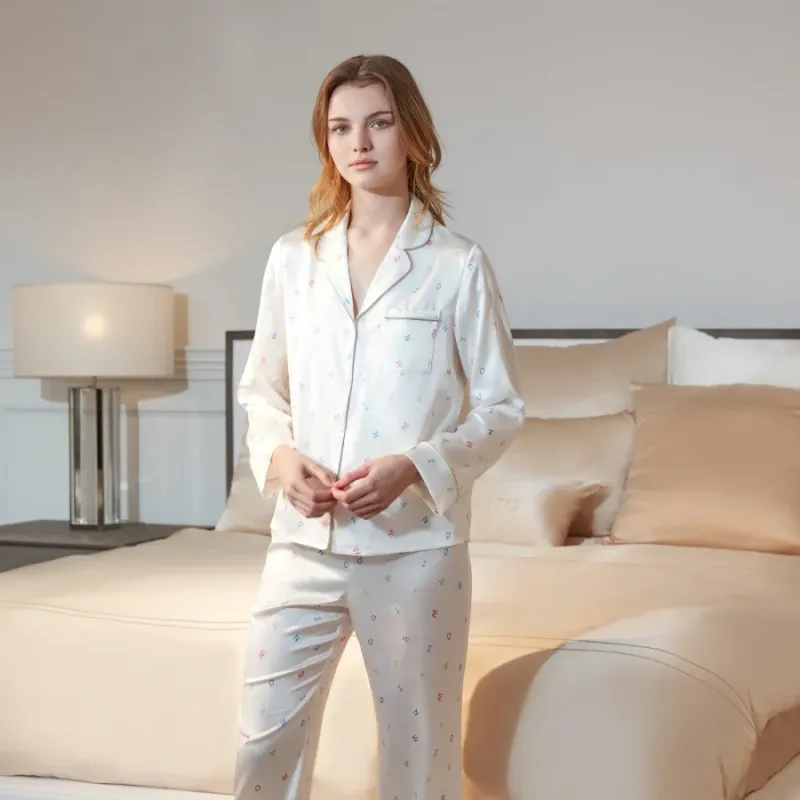
Oysho España, S.A. is a global fast-fashion brand under the Spanish Inditex Group, specializing in fashionable apparel solutions for women centered around home, sport, and vacation scenarios. Positioned at the intersection of trend-driven design and comfort, its core business encompasses fashionable women's lingerie, sleepwear & loungewear, activewear, and swimwear collections. Leveraging the Group's powerful global supply chain and retail network, Oysho operates over 450 stores in more than 40 markets worldwide. Although benefiting from the Group's support system, the brand is undergoing strategic contraction and facing localization challenges in key markets like China, with global annual sales of approximately €740 million.
Strengths: Oysho's core strengths lie in its complete reliance on the Inditex Group's world-leading fast-fashion supply chain and retail management system, granting it unparalleled speed-to-market and cost efficiency; concurrently, its clear focus on a fashionable product portfolio for the female "home-sport-vacation" scenarios creates a differentiated market position and appeal to its target audience.
Weaknesses: Oysho's main weaknesses are its lack of a distinctive brand identity, as its positioning oscillates unclearly between fashion, basics, and sporty styles; furthermore, as a group brand, its strategic autonomy, localized marketing, and product adaptation in crucial regional markets (e.g., China) are insufficient, leading to significant business contraction and weaker competitiveness compared to specialized local brands.
Oysho
Oysho
Brand Name
Terrazaltegui, Arava Province, Spain
Address
2001
Founded
2K+
Number of Employees
40+ Countries
Business Scope
450+ Stores
Global Stores
Official Website
Women's Clothing Industry
Women's Tops Industry
Dresses & Skirts Industry
Women's Activewear Industry
Swimwear Industry
Intimates & Hosiery Industry
Women's Underwear Industry
Bras Industry
Panties Industry
Functional Wear Industry
Loungewear Industry
Basic Hosiery Industry
Loungewear & Sleepwear Industry
Sleep Sets Industry
Robes Industry
Loungewear Industry
Slippers Industry
Women's Clothing Industry
Women's Tops Industry
Dresses & Skirts Industry
Women's Activewear Industry
Swimwear Industry
Intimates & Hosiery Industry
Women's Underwear Industry
Bras Industry
Panties Industry
Functional Wear Industry
Loungewear Industry
Basic Hosiery Industry
Loungewear & Sleepwear Industry
Sleep Sets Industry
Robes Industry
Loungewear Industry
Slippers Industry

Sanliren (Shenzhen) Technology Co., Ltd. - Bananain

Sanliren (Shenzhen) Technology Co., Ltd. is a leading DTC somatosensory technology company in China, with its core brand "Bananain" renowned for its pioneering "tagless" comfort and "somatosensory technology," standing as an unlisted unicorn valued at over $1.5 billion. Headquartered in Shenzhen, Guangdong, the company focuses on intimates and hosiery while successfully expanding into full-category next-to-skin apparel, including loungewear & sleepwear, functional sun protection, and kidswear, leveraging innovative fabric technologies like cooling and warming. With an estimated 2025 GMV of RMB 9.1 billion, it produces over 120 million items annually through a deeply integrated flexible supply chain and operates about 68 directly-owned brand experience stores across China's first-tier cities. Notably, loungewear & sleepwear, as a key 2025 growth segment, with its popular "Rong Rong" series blending ultimate comfort with functional technology, has consistently ranked as a top seller during Singles' Day, becoming a crucial driver of the brand's second growth curve.
Strengths: Bananain's core strength lies in its highly distinctive brand identity built on "tagless" comfort and "somatosensory technology." Through deep integration with top-tier supply chains like Shenzhou International and over 200 proprietary patents, it has established formidable and hard-to-replicate product barriers in the next-to-skin category, driving a high user repurchase rate of 35%.
Weaknesses: Bananain's primary weaknesses include slowing ARPU growth due to increasing market saturation and intensifying homogenized competition in functional fabrics. Furthermore, its brand influence remains heavily concentrated in online channels, with a physical network of only 68 directly-owned stores still insufficient to fully support its strategic transformation into a comprehensive "somatosensory technology company" capable of carrying higher-priced items like outdoor apparel.
Bananain
Bananain
Brand Name
Shenzhen, Guangdong, China
Address
2016
Founded
1.8K+
Number of Employees
20+ Countries
Business Scope
68+ Stores
Directly Operated Brand Experience Store
Unlisted ( Privately Held )
Listing Status
Official Website
Men's Clothing Industry
Men's Tops Industry
Men's Outerwear Industry
Men's Bottoms Industry
Men's Sportswear Industry
Women's Clothing Industry
Women's Tops Industry
Women's Outerwear Industry
Women's Pants Industry
Women's Activewear Industry
Footwear Industry
Indoor Footwear Industry
Intimates & Hosiery Industry
Women's Underwear Industry
Men's Underwear Industry
Functional Wear Industry
Loungewear Industry
Basic Hosiery Industry
Sports Apparel Industry
Kids & Baby Clothing Industry
Infant Clothing Industry
Children's Everyday Wear Industry
Functional Wear Industry
Face & Eye Protection Industry
Loungewear & Sleepwear Industry
Sleep Sets Industry
Robes Industry
Loungewear Industry
Slippers Industry
Men's Clothing Industry
Men's Tops Industry
Men's Outerwear Industry
Men's Bottoms Industry
Men's Sportswear Industry
Women's Clothing Industry
Women's Tops Industry
Women's Outerwear Industry
Women's Pants Industry
Women's Activewear Industry
Footwear Industry
Indoor Footwear Industry
Intimates & Hosiery Industry
Women's Underwear Industry
Men's Underwear Industry
Functional Wear Industry
Loungewear Industry
Basic Hosiery Industry
Sports Apparel Industry
Kids & Baby Clothing Industry
Infant Clothing Industry
Children's Everyday Wear Industry
Functional Wear Industry
Face & Eye Protection Industry
Loungewear & Sleepwear Industry
Sleep Sets Industry
Robes Industry
Loungewear Industry
Slippers Industry

Hanesbrands Inc.(HBI)

Hanesbrands is a global leader in vertically integrated innerwear & hosiery manufacturing, headquartered in Winston-Salem, NC, USA. Its iconic brands—Hanes, Maidenform, Bali, Playtex—comprehensively cover bras, panties, men's underwear, shapewear, everyday & functional socks, and loungewear. 2025 revenue reached approximately $3.53 billion. Operating production facilities across 30+ countries and employing ~65,000 people worldwide. Formerly listed on NYSE (HBI), the company was acquired by Gildan Activewear in late 2025 and now operates as a core Gildan division. Through unrivaled vertical integration and patented comfort technologies (X-Temp, FreshIQ), Hanesbrands has set the global benchmark for cost efficiency and quality in basic apparel.
Strengths:Hanesbrands' core strength is its rare apparel vertical integration (>70% in-house production), delivering superior cost control, speed-to-market, and quality consistency. Its brand portfolio holds #1 U.S. market share in men's underwear, bras, and shapewear. Patented comfort technologies (X-Temp, FreshIQ) provide strong product differentiation, creating dual moats of scale and innovation.
Weaknesses:Hanesbrands' main weaknesses: its mass-market brand image lacks premium appeal and relevance among younger demographics, with relatively weak fashion design credentials. Business is heavily concentrated in basic innerwear/hosiery, leaving it behind in athleisure expansion, localized emerging market operations, and DTC innovation compared to Nike and lululemon. Post-acquisition integration with Gildan also poses organizational and cultural challenges.
Hanesbrands
Hanesbrands
Brand Name
Winston-Salem, North Carolina, USA
Address
1901
Founded
65K+
Number of Employees
45+ Countries
Business Scope
1.5 Billion+ Pieces/Year
Core Lingerie Product Production Capacity
Official Website
Men's Clothing Industry
Men's Tops Industry
Men's Outerwear Industry
Men's Bottoms Industry
Men's Sportswear Industry
Women's Clothing Industry
Women's Tops Industry
Women's Outerwear Industry
Women's Pants Industry
Women's Activewear Industry
Intimates & Hosiery Industry
Women's Underwear Industry
bra
Seamless Bra
Wire-free Bra
Shapewear Bra
Women's Panties
Men's Underwear Industry
Men's Briefs
Men's Boxer Shorts
Functional Wear Industry
Sports Bra
Shapewear
Loungewear Industry
Basic Hosiery Industry
Ankle Socks
Knee-high Socks
Sports Socks
Stockings
Functional Socks Industry
Technical Fabrics Industry
Loungewear & Sleepwear Industry
Sleep Sets Industry
Loungewear Industry
Recycled Fabrics Industry Men's Clothing Industry
Men's Tops Industry
Men's Outerwear Industry
Men's Bottoms Industry
Men's Sportswear Industry
Women's Clothing Industry
Women's Tops Industry
Women's Outerwear Industry
Women's Pants Industry
Women's Activewear Industry
Intimates & Hosiery Industry
Women's Underwear Industry
bra
Seamless Bra
Wire-free Bra
Shapewear Bra
Women's Panties
Men's Underwear Industry
Men's Briefs
Men's Boxer Shorts
Functional Wear Industry
Sports Bra
Shapewear
Loungewear Industry
Basic Hosiery Industry
Ankle Socks
Knee-high Socks
Sports Socks
Stockings
Functional Socks Industry
Technical Fabrics Industry
Loungewear & Sleepwear Industry
Sleep Sets Industry
Loungewear Industry
Recycled Fabrics Industry

Aimer Co., Ltd.

Aimer Co., Ltd. (SSE: 603511.SH) is a leading Chinese branded intimate apparel and apparel group headquartered in Beijing. As a vertically integrated company and hailed as "the first share of China's underwear industry," it comprehensively covers all-scenario close-to-body categories including women's underwear, men's underwear, loungewear, activewear, and swimwear through its core brand "Aimer" and a multi-brand portfolio (e.g., imi's, Aimer Men, Aimer Kids, Aimer Sports, EMPERORIENT). Its business model integrates proprietary design, large-scale intelligent manufacturing (e.g., Huaian Smart Industrial Park), and an omni-channel retail network (over 1,700 stores). With annual revenue reaching RMB 3.455 billion in FY2023, Aimer has established its leadership in the underwear industry through deep understanding of the Chinese market, complete supply chain control, and formidable offline channel barriers.
Strengths: Aimer's core strengths lie in its complete vertical industry chain integration and powerful multi-brand operation capability, achieving deep control over product quality and supply chain from R&D and design to in-house manufacturing; concurrently, its extensive network of over 1,700 offline retail points constitutes its most solid market moat, enabling high brand recognition and customer reach.
Weaknesses: Aimer's main weaknesses stem from slowing growth in traditional department store channels, necessitating accelerated transition towards shopping malls and online platforms; simultaneously, it faces dual pressures from both international premium brands and emerging digital-native competitors in an intensely competitive market, while its brand internationalization process remains slow with limited global influence.
Aimer
Aimer
Brand Name
Chaoyang District, Beijing, China
Address
1980
Founded
5K+
Number of Employees
Nationwide, China
Business Scope
10+ Factories
Production Base
Official Website
Women's Clothing Industry
Women's Tops Industry
Women's Pants Industry
Women's Activewear Industry
Swimwear Industry
Intimates & Hosiery Industry
Women's Underwear Industry
Bras Industry
Panties Industry
Men's Underwear Industry
Functional Wear Industry
Loungewear Industry
Basic Hosiery Industry
Kids & Baby Clothing Industry
Infant Clothing Industry
Children's Everyday Wear Industry
Loungewear & Sleepwear Industry
Sleep Sets Industry
Robes Industry
Loungewear Industry
Slippers Industry
Women's Clothing Industry
Women's Tops Industry
Women's Pants Industry
Women's Activewear Industry
Swimwear Industry
Intimates & Hosiery Industry
Women's Underwear Industry
Bras Industry
Panties Industry
Men's Underwear Industry
Functional Wear Industry
Loungewear Industry
Basic Hosiery Industry
Kids & Baby Clothing Industry
Infant Clothing Industry
Children's Everyday Wear Industry
Loungewear & Sleepwear Industry
Sleep Sets Industry
Robes Industry
Loungewear Industry
Slippers Industry

Ryohin Keikaku Co., Ltd. - Muji(Mujirushi Ryohin)

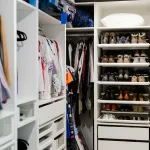
Ryohin Keikaku Co., Ltd., listed on the Tokyo Stock Exchange (TSE: 7453) and operating the globally renowned lifestyle brand “MUJI,” is headquartered in Tokyo, Japan. Employing a unique SPA (Specialty Store Retailer of Private Label Apparel) model, its core business is offering a full range of products and solutions for daily living under the philosophy of “no-brand, functionality, and simplicity.” In the domain of Home Storage Organization, MUJI has established a dominant system through its revolutionary “Module” design philosophy. Its iconic PP storage boxes, SUS steel combination racks, and various containers share unified dimensions, enabling seamless compatibility and free customization across closets, kitchens, and studies, setting a global standard for minimalist storage aesthetics. For fiscal year 2025, the company achieved revenue of ¥784.6 billion, operating over 1,412 stores across 30 countries and regions. By rigorously managing hundreds of partner factories worldwide with its “Ryohin Standards,” MUJI is evolving from a retailer into a provider of deep life solutions like the “MUJI INFILL” whole-house renovation service.
Strengths:MUJI's core strength lies in its pioneering and continuously leading “modular” home storage ecosystem. The strict dimensional uniformity across classic items like PP boxes and SUS racks creates strong customer loyalty and cross-category repurchase barriers. Its “no-brand” aesthetic and value-driven focus on materials and function have fostered powerful brand loyalty and cultural influence worldwide, transcending mere product sales. Its extreme supply chain management and globally consistent quality standards ensure an exceptional balance of simplicity, utility, and durability in its products.
Weaknesses:MUJI's primary weaknesses are its premium pricing in the global market, which limits cost competitiveness and exposes it to economic downturns and competition from emerging value brands. Its extremely restrained design language and slow product iteration may be perceived as lacking innovation and responsiveness in the face of trends favoring personalization, smart technology, and fast-changing styles. As a general merchandise retailer, its product depth and technical expertise in specific professional areas (e.g., high-end smart appliances, professional tools) are relatively limited.
Muji
Muji
Brand Name
Toshima Ward, Tokyo, Japan
Address
1980
Founded
18K+
Number of Employees
30+ Countries
Business Scope
1000+ Stores
Global Stores
Official Website
Living Room Furniture Industry
Seating Furniture Industry
TV & Media Furniture Industry
Tables Furniture Industry
Storage & Display Furniture Industry
Bedroom Furniture Industry
Beds & Bed Frames Industry
Wardrobes Industry
Drawers Industry
Nightstands Industry
Dining Room Furniture Industry
Dining Tables Industry
Dining Chairs Industry
Storage & Bars Industry
Home Textiles & Soft Furnishings Industry
Bedding Essentials Industry
Window Treatments Industry
Rugs & Mats Industry
Pillows & Cushions Industry
Decorative Throws Industry
Home Lighting Industry
Main Lighting Industry
Ambient Lights Industry
Smart Lighting Industry
Kitchen & Dining Industry
Cabinetry Industry
Countertops Industry
Dining Ware Industry
Countertop Appliances Industry
Home Cleaning Appliances Industry
Air Purification Industry
Bathroom Fixtures Industry
Vanity Sets Industry
Outdoor & Garden Industry
Patio Furniture Industry
Garden Decor Industry
Home Decor Industry
Wall Decor Industry
Tabletop Accents Industry
Kids Furniture Industry
Kids Beds Industry
Kids Desks Industry
Toy Storage Industry
Home Storage Industry
Closet Management Industry
Kitchen Storage Industry
Small space storage Industry
Wall Storage Industry
Container Systems Industry
Space Savers Industry
Living Room Furniture Industry
Seating Furniture Industry
TV & Media Furniture Industry
Tables Furniture Industry
Storage & Display Furniture Industry
Bedroom Furniture Industry
Beds & Bed Frames Industry
Wardrobes Industry
Drawers Industry
Nightstands Industry
Dining Room Furniture Industry
Dining Tables Industry
Dining Chairs Industry
Storage & Bars Industry
Home Textiles & Soft Furnishings Industry
Bedding Essentials Industry
Window Treatments Industry
Rugs & Mats Industry
Pillows & Cushions Industry
Decorative Throws Industry
Home Lighting Industry
Main Lighting Industry
Ambient Lights Industry
Smart Lighting Industry
Kitchen & Dining Industry
Cabinetry Industry
Countertops Industry
Dining Ware Industry
Countertop Appliances Industry
Home Cleaning Appliances Industry
Air Purification Industry
Bathroom Fixtures Industry
Vanity Sets Industry
Outdoor & Garden Industry
Patio Furniture Industry
Garden Decor Industry
Home Decor Industry
Wall Decor Industry
Tabletop Accents Industry
Kids Furniture Industry
Kids Beds Industry
Kids Desks Industry
Toy Storage Industry
Home Storage Industry
Closet Management Industry
Kitchen Storage Industry
Small space storage Industry
Wall Storage Industry
Container Systems Industry
Space Savers Industry

Homewear Brands

Homewear Brands
Homewear Brands
$0.00
Ex Tax: $0.00
  • Stock: In Stock
  • Model: 2.12.1
Create unlimited custom product blocks and display them in accordions or tabs or open blocks. Each block can be assigned to all products at once or specific products according to advanced criteria.

Victoria's Secret & Co.

Fast Retailing Co., Ltd.- Unique Clothing Warehouse

Lululemon Athletica Inc.

Skims Body, Inc.

American Eagle Outfitters, Inc. - Aerie

Oysho España, S.A.

Sanliren (Shenzhen) Technology Co., Ltd. - Bananain

Hanesbrands Inc.(HBI)

Aimer Co., Ltd.

Ryohin Keikaku Co., Ltd. - Muji(Mujirushi Ryohin)

Loungewear & Sleepwear Brands
Best Loungewear & Sleepwear Brands: The Ultimate Guide
Searching for the top loungewear or sleepwear brands? Verity Rank’s comprehensive guide ranks leading brands from Victoria‘s Secret to MUJI with transparent data on performance, quality, and global reach. Find your perfect match.
best loungewear brands, best sleepwear brands, best pajama brands, loungewear guide, sleepwear guide, top brands, luxury loungewear, comfortable sleepwear, brand comparison, Verity Rank

Write a review

Please login or register to review

Builder in Product TAB

NEW! Since Journal 3.2, the much improved T.A.B (Tabs Accordion Blocks) system supports the page builder inside the tab content. Unlimited Blocks, Tabs or Accordions with any HTML content or the builder interface (supporting custom rows/columns/modules) can be assigned to any individual product or to certain groups of products, like entire categories, brands, products with specific options, attributes, price range, etc.You can indicate any criteria via the advanced product assignment mechanism and only those products matching your criteria will display the modules.Also, any module can be selectively activated per device (desktop/tablet/phone), customer login status and other criteria. Imagine the possibilities.

FAQ

Verity Rank is committed to delivering authentic, transparent, and verifiable industry insights. This ranking is not based on subjective opinions but on a rigorous multi-dimensional evaluation model. We systematically collect and cross-verify public data and authoritative information from global sources, conducting quantitative analysis on key dimensions for each company, including financial performance, market influence, supply chain control, consumer sentiment, and innovative sustainability. Our data sources include, but are not limited to: public financial filings of listed companies, reports from international market research authorities, statistics from government and industry bodies, specialized research from leading universities and think tanks, as well as global public sentiment and search trend data integrated via AI technology. All data undergoes cleaning and weighted calculation to ensure the objectivity and neutrality of the final ranking, presenting you with a credible panorama of the industry.
Homewear is a broad category of clothing designed for wearing at home, but its definition has evolved significantly in recent years. It's no longer just what you sleep in; it's what you live in.
To understand homewear, it's helpful to distinguish it from related terms:
1. Sleepwear (Pajamas, Nightgowns): This is a sub-category of homewear specifically designed for sleeping. Key characteristics prioritize unrestricted movement and breathability for comfort during sleep. Examples include classic cotton pajama sets, silk chemises, and nightgowns. Brands like Victoria's Secret and Aerie are known for their diverse sleepwear ranges, from pure cotton to luxurious silk.
2. Loungewear: This is perhaps the most significant component of modern homewear. It's clothing for relaxing at home—watching TV, reading, working from home. Think soft joggers, comfortable hoodies, relaxed-fit t-shirts, and knit sets. Comfort is the absolute priority. Loungewear has exploded in popularity with the rise of remote work. Uniqlo's soft fleece sets and Lululemon's buttery-soft fabrics are prime examples of loungewear done right.
3. The "Homewear" Umbrella: Today, homewear encompasses both sleepwear and loungewear, but it also includes a newer trend: "Athflow" or hybrid pieces designed to be stylish and comfortable enough to wear from the bedroom to the street for quick errands. This is where brands like Oysho and Skims excel, creating pieces that blur the lines between activewear, loungewear, and even casual outerwear. For instance, Skims' Cozy Knit collection or Oysho's athleisure-inspired sleep sets are designed for both lounging and being seen.
In short, think of it this way: All sleepwear is homewear, but not all homewear is sleepwear. Homewear is the entire ecosystem of what you wear within your personal space, driven by the desire for comfort, style, and versatility in your private life. The modern consumer expects their homewear to be soft, functional, and increasingly, reflective of their personal style.
The price of homewear can range from under $20 to several hundred dollars. While brand marketing plays a role, the cost is driven by three primary factors: materials, technology/construction, and supply chain ethics. Here’s what you're really paying for in a high-end piece:
1. The Fabric: The Foundation of Feel. This is the single biggest cost differentiator. Premium homewear uses superior materials:
• High-Quality Natural Fibers: Not all cotton is equal. You might be paying for long-staple cotton (like Supima or Egyptian cotton), which creates softer, stronger, and more durable fabric. Alternatively, you're paying for the breathability and natural temperature regulation of linen (like Muji's French linen blends) or the luxurious, smooth feel of genuine mulberry silk (a signature of Victoria's Secret's high-end lines).
• Advanced Synthetics & Blends: In brands like Uniqlo and Lululemon, the price reflects years of R&D into functional fabrics. This includes moisture-wicking AIRism, heat-retaining HEATTECH, or Lululemon's patented Nulu™ and Everlux™ fabrics, which offer specific "naked" feels and performance benefits that generic fabrics cannot replicate.
2. Technology & Construction: The Invisible Craftsmanship.
• Patented Technologies: Aimer's premium price point is justified by its investment in "black tech" features like phase-change materials for temperature regulation, far-infrared energy robes, or anti-static technology developed with the Chinese space program.
• Construction Details: The difference lies in details like seamless construction (pioneered by Regina Miracle for brands), which eliminates chafing; flatlock seams that lie perfectly flat against the skin; or the precise fit of a well-designed pattern that moves with you, not against you.
3. Sustainability & Ethical Production: The Cost of Responsibility.
• An increasing portion of the cost goes towards ensuring the product is made responsibly. This includes using certified organic cotton (like GOTS-certified Muji options), recycled materials (like Uniqlo's recycled polyester fleece), or ensuring factories meet high environmental and labor standards (like the LEED-certified or Higg Index-compliant facilities of MAS Holdings or Gildan). These certifications and ethical practices add to the production cost but are increasingly valued by conscious consumers.
In essence, you are paying for a combination of tactile pleasure (the feel), performance (the function), durability (how long it lasts), and increasingly, the peace of mind that comes with a responsibly made product.
"Tech fabric" refers to textiles that are engineered at the fiber or yarn level to provide specific performance benefits beyond the basic functions of covering and warming the body. They are the result of significant research and development, often protected by patents, and are a key differentiator in the modern homewear market.
Here’s how these advanced materials are revolutionizing what you wear at home:
1. Temperature Regulation: Keeping You Just Right.
This is a game-changer for sleepwear and loungewear.
• Heat Retention: Uniqlo's HEATTECH is a prime example. This fabric, developed with Toray Industries, uses special fibers that absorb moisture vapor released by the body and convert it into heat energy, creating a layer of warmth without bulk.
• Cooling & Breathability: Conversely, Uniqlo's AIRism is designed for hot sleepers. It uses micro-fibers to wick moisture away from the skin rapidly, providing a smooth, cool, and dry feel. More advanced technologies, like Aimer's phase-change materials, can actively absorb, store, and release heat to maintain a consistent micro-climate, keeping you within a comfortable temperature range (±5°C) throughout the night.
2. Enhanced Comfort & Fit: The "Second Skin" Effect.
Tech fabrics are crucial for achieving that barely-there feeling.
• Seamless Technology: Pioneered by manufacturers like Regina Miracle, this involves knitting a garment in one piece, eliminating side seams that can cause irritation. This is perfect for sensitive skin and for creating perfectly fitted, flexible homewear.
• Four-Way Stretch & Recovery: Lululemon's patented Nulu™ and Everlux™ fabrics are engineered with the precise amount of stretch and, crucially, recovery. This means the fabric moves with you during yoga or lounging but snaps back into its original shape, preventing sagging and bagginess.
3. Specialized Functionality: Solving Specific Problems.
Tech fabrics can also address niche needs.
• Anti-Static & Skin-Friendly: Aimer has developed fabrics in collaboration with the Chinese Academy of Sciences that feature a "skin biomimetic membrane" with a pH of 5.5, balancing skin health. They've also created anti-static fabrics in partnership with the space program, keeping static voltage far below national standards.
• Odor Control & Quick-Drying: Many performance fabrics used in homewear, like those in Oysho's athleisure lines or Skims' shapewear, incorporate anti-microbial treatments to prevent odor and are designed to dry much faster than cotton, adding a layer of practicality.
In short, tech fabrics are transforming homewear from a passive garment into an active contributor to your comfort, health, and overall well-being at home.
Sustainable fashion is a movement and process aimed at creating a textile and apparel industry that is more environmentally friendly and socially just. It's about reducing the negative impact of clothing production and consumption. This isn't just a niche trend; it's becoming a core expectation for major brands and manufacturers.
In the homewear industry, sustainability manifests in several tangible ways:
1. Sustainable Materials: From Farm to Fabric.
• Organic & Regenerative Fibers: Brands like Muji use GOTS-certified organic cotton, grown without harmful pesticides and chemicals, which is better for the soil, farmers, and your skin.
• Recycled Materials: Uniqlo transforms plastic bottles into its warm, fluffy fleece robes. This gives waste a new life and reduces reliance on virgin petroleum-based materials.
• Innovative Eco-Fibers: Manufacturers are investing in lower-impact materials like TENCEL™ Lyocell, made from sustainably sourced wood pulp in a closed-loop process that recycles almost all water and solvents.
2. Responsible Manufacturing & Supply Chains.
• Cleaner Production: Top-tier manufacturers like MAS Holdings and Crystal Group are leaders here. They invest in water-efficient dyeing and finishing technologies (like Crystal's digital printing, which saves 85% of water) and renewable energy for their factories. MAS, for example, has made significant strides towards its goal of 39% renewable energy coverage.
• Ethical Labor: True sustainability includes the "social" aspect. Manufacturers must ensure safe working conditions, fair wages, and reasonable hours. Certifications and high scores in audits from brands like Lululemon or Nike are indicators of a responsible manufacturer. Hanesbrands' historic strength in vertical integration also allows for greater control over labor practices.
3. Transparency & Certifications: Proof of Progress.
• Consumers and buyers can look for trusted certifications. For example, Oeko-Tex Standard 100 (like the one covering all of Regina Miracle's production) certifies that every component of a textile product has been tested for harmful substances. The bluesign® system (adopted by Eclat) audits the entire supply chain, from chemical inputs to worker safety, ensuring the most environmentally responsible production.
In essence, when you choose homewear from a brand or manufacturer committed to these practices, you are contributing to a system that values the planet and its people as much as the final product's softness and style.
Ever wonder who's behind the label of your favorite loungewear? The name on the tag is often just the "brand," not the actual maker. The garment industry is powered by a complex network of specialized manufacturers. Understanding the different models helps clarify who really holds the expertise.
Here are the three primary types of manufacturers in the homewear industry:
1. OEM (Original Equipment Manufacturing) - "Pure Manufacturing."
In this classic model, the brand provides the complete design and specification. The manufacturer's role is to execute, sourcing the exact materials and using its machinery and labor to produce the garment exactly as instructed. Think of it as "manufacturing as a service." Many large-scale, pure-play manufacturers like Shenzhou International or Crystal Group operate extensively in this space, producing huge volumes for brands like Uniqlo, Nike, and H&M based on the brands' precise designs.
2. ODM (Original Design Manufacturing) - "Design + Manufacturing."
This is a step up the value chain. Here, the manufacturer not only produces the garment but also contributes to its design and development. They might have an in-house team that creates new styles, develops proprietary fabrics, or suggests modifications based on their manufacturing expertise. Brands can then choose from the ODM's catalog or collaborate on exclusive designs. Eclat Textile is a classic ODM, known for its deep expertise in functional knit fabrics. Brands come to them not just to produce, but to leverage their material innovation. Regina Miracle also operates heavily in ODM, using its patented seamless technology to co-create products with partners like Lululemon and Victoria's Secret.
3. Vertical Integration - "Total Control."
This is the most comprehensive model. A vertically integrated manufacturer controls multiple, if not all, stages of the supply chain within its own operations. This could mean owning the farms or spinning mills that produce the yarn, the factories that knit and dye the fabric, and the facilities that cut and sew the final garment.
• Hanesbrands (now part of Gildan) was a prime example of this, with an industry-leading rate of over 70% self-owned manufacturing, controlling the process from cotton yarn to finished product.
• Gildan itself is a master of vertical integration, operating its own large-scale spinning, fabric, and sewing facilities, primarily in Central America and Bangladesh. This control allows for massive economies of scale, strict quality control, and agility.
• On a smaller, more premium scale, Aimer in China also practices vertical integration, with its own R&D centers and smart factories in Beijing and Suzhou, allowing it to maintain the highest quality and protect its proprietary textile technologies.
In short, the next time you appreciate the perfect softness or fit of a garment, remember it's likely the result of a deep partnership between a well-known brand and a highly specialized, often invisible, manufacturing expert.