We Use Cookies 🍪
We Use Cookies And Other Similar Technologies To Improve Your Browsing Experience And The Functionality Of Our Site. Learn More In Our Privacy Policy.

Ranking List of Manufacturers in the Homewear Industry

Last Updated: April 14, 2026


Welcome to the Verity Rank list of the world's top Homewear manufacturers.
Behind every great brand lies an even greater manufacturer. The comfort of your favorite pair of pajamas, the drape of a luxury robe, and the durability of a loungewear set are all determined far before the product hits the store shelf. This list pulls back the curtain on the industrial giants powering the global homewear industry.
These are the unseen architects of comfort. From Shenzhou International, the "hidden giant" behind Uniqlo and Lululemon, to MAS Holdings, the South Asian innovator driving sustainability for Victoria's Secret and M&S. They range from vertically integrated powerhouses like Hanesbrands, controlling production from yarn to finished garment, to specialized innovators like Regina Miracle, whose seamless technology is reshaping activewear.
For industry buyers, procurement specialists, and brand founders, choosing the right partner is the most critical decision. How do you assess true manufacturing capability beyond the sales pitch? Who has the most robust supply chain? Who is investing in automation and sustainable practices? Who offers the best balance of scale, quality, and innovation?
This ranking provides the clarity you need. We evaluate the world's top manufacturers based on verifiable data, including production scale and capacity, financial stability, technological patent portfolios, supply chain vertical integration, client reputation, and ESG (Environmental, Social, and Governance) compliance. This is your definitive guide to the engine rooms of the homewear world.

Disclaimer: This ranking is compiled from a synthesis of authoritative third-party sources, including industry association white papers, academic research on global supply chains, public financial disclosures, and AI-driven analysis of B2B market reputation. It is intended for informational and market reference purposes only and does not constitute an endorsement of any specific company or a guarantee of business performance.

Shenzhou International Group

Shenzhou International Group Holdings Limited is the "invisible champion" of global knitwear manufacturing, headquartered in Ningbo, Zhejiang, China. As a Hong Kong Stock Exchange-listed company (SEHK:02313), its core business focuses on Textile & Apparel categories including men's performance T-shirts, women's yoga wear, underwear, and loungewear, providing vertically integrated OEM/ODM services from fabric R&D, dyeing and finishing to garment sewing for global sportswear brands like Nike, Uniqlo, Adidas, and Puma. In 2025, Shenzhou achieved estimated revenue of RMB 32.5-34 billion, employing over 110,000 people across 13 large-scale integrated factories in Ningbo, Anhui, Vietnam, and Cambodia, producing approximately 550 million garments and 250,000 tons of fabric annually. Its top four clients contribute about 82% of revenue. Leveraging ultimate vertical integration efficiency and quick response capabilities, Shenzhou defines the manufacturing benchmark behind global brands.
Strengths: Shenzhou's core strength in Textile & Apparel lies in its extreme vertical integration model, controlling the entire value chain from fabric R&D, dyeing and finishing to garment sewing, building a triple moat of efficiency, quality, and cost in knitwear categories like performance T-shirts and yoga wear. Annual production scale of 550 million garments and 250,000 tons of fabric, combined with overseas capacity in Vietnam and Cambodia, makes it an irreplaceable core supplier for global brands like Nike and Uniqlo, with its share in client supply chains growing through shortened lead times and quick response capabilities.
Weaknesses: Shenzhou's main weaknesses stem from its business model's heavy reliance on its top four clients (Nike, Adidas, Uniqlo, Puma), with customer concentration reaching 82%, making performance highly susceptible to core brand order fluctuations. As a B2B manufacturer lacking end-consumer brand recognition, its gross margin is compressed by rising labor costs and initial depreciation of overseas new factories, slightly declining to 27.1% in H1 2025. It also faces uncertainty risks from cross-border raw material tariffs amid changing global trade environments.
Shenzhou
Shenzhou
Brand Name
Ningbo, Zhejiang Province, China
Address
2005
Founded
110K+
Number of Employees
3+ Countries
Core Production and Operation Countries
13+ Factory
Large-scale Integrated Production Base
Official Website
Men's Clothing Industry
Men's Tops Industry
Polo Shirt
Men's Knitted Top
Men's Casual Wear
Men's Sports T-shirt
Men's Sportswear Industry
Women's Clothing Industry
Women's Tops Industry
Women's Vest
Women's Knitted Top
Ladies' Sports T-shirt
Women's Activewear Industry
Yoga Wear
Intimates & Hosiery Industry
Women's Underwear Industry
Men's Underwear Industry
Sports Bra
Homewear
Loungewear & Sleepwear Industry Sustainable Fashion Industry
Loungewear Industry
Recycled Fabrics Industry
Men's Clothing Industry
Men's Tops Industry
Polo Shirt
Men's Knitted Top
Men's Casual Wear
Men's Sports T-shirt
Men's Sportswear Industry
Women's Clothing Industry
Women's Tops Industry
Women's Vest
Women's Knitted Top
Ladies' Sports T-shirt
Women's Activewear Industry
Yoga Wear
Intimates & Hosiery Industry
Women's Underwear Industry
Men's Underwear Industry
Sports Bra
Homewear
Loungewear & Sleepwear Industry Sustainable Fashion Industry
Loungewear Industry
Recycled Fabrics Industry

Crystal International Group Limited

Crystal International Group Limited is a globally leading apparel manufacturer headquartered in Hong Kong, listed on the Hong Kong Stock Exchange. Employing a vertically integrated model, it provides design and manufacturing services for international brands like UNIQLO, specializing in casualwear, sportswear and intimates. With 20 production bases across Vietnam, China, Cambodia and other locations, it employs ~70,000 people, reported $2.5 billion revenue in 2024, and has an annual capacity of ~400 million garments. Leveraging its vertical integration, global footprint and leading sustainability practices, it maintains an important competitive position in global apparel manufacturing.
Strengths: Crystal International's core strengths are its strong vertical integration enabling end-to-end services from fabric development to garment manufacturing; significant global footprint with 70% capacity in Vietnam and other strategic locations effectively diversifying risks; leading sustainability practices with notable achievements in eco-certifications and carbon reduction recognized by brand clients.
Weaknesses: Crystal International faces persistent cost control pressures from rising labor and material costs impacting profitability; international trade environment uncertainties with geopolitical factors affecting global supply chain stability; intensifying industry competition squeezing profit margins while relatively low OEM model margins constrain development.
Crystal Group
Crystal Group
Brand Name
Hong Kong, China
Hong Kong, China
Address
1970
Founded
70K+
Number of Employees
7+ Countries
Business Scope
20+ Factory
Processing Facilities
Official Website
Men's Clothing Industry
Men's Tops Industry
Men's Knitwear
Men's T-shirt
Men's Casual Wear
Polo Shirt
Men's Sportswear Industry
Women's Clothing Industry
Women's Tops Industry
Ladies' Knitted Sweater
Women's T-shirt
Ladies' Casual Wear
Dresses & Skirts Industry
Dress
Women's Pants Industry
Women's Activewear Industry
Intimates & Hosiery Industry
Women's Underwear Industry
Men's Underwear Industry
Loungewear & Sleepwear Industry
Loungewear Industry
Sustainable Fashion Industry
Recycled Fabrics Industry
Men's Clothing Industry
Men's Tops Industry
Men's Knitwear
Men's T-shirt
Men's Casual Wear
Polo Shirt
Men's Sportswear Industry
Women's Clothing Industry
Women's Tops Industry
Ladies' Knitted Sweater
Women's T-shirt
Ladies' Casual Wear
Dresses & Skirts Industry
Dress
Women's Pants Industry
Women's Activewear Industry
Intimates & Hosiery Industry
Women's Underwear Industry
Men's Underwear Industry
Loungewear & Sleepwear Industry
Loungewear Industry
Sustainable Fashion Industry
Recycled Fabrics Industry

Regina Miracle International (Holdings) Limited

Regina Miracle International (Holdings) Limited is a globally leading Innovative Design Manufacturer (IDM) headquartered in Hong Kong and listed on the Hong Kong Stock Exchange (SEHK: 2199). Pioneering and specializing in the IDM model, it deeply engages with brand clients throughout the entire process from cutting-edge R&D to scaled manufacturing, serving as a crucial innovation and production partner for top-tier lingerie brands (e.g., Victoria’s Secret) and sportswear brands (e.g., Nike, adidas) in their core categories. Leveraging hundreds of patents in areas like seamless molding and 3D bonding, Regina Miracle has successfully executed a strategic expansion from its lingerie foundation into high-growth sportswear, achieving revenue of HKD 7.66 billion in FY2024 and establishing itself as a global benchmark for “hard-tech”-driven growth in apparel manufacturing.
Strengths: Regina Miracle's core strengths are its unparalleled portfolio of technological patents and process barriers, which form its deepest competitive moat; concurrently, its unique IDM business model fosters deep integration into clients' innovation cycles, delivering high value-add and exceptional client stickiness, while its successful strategic pivots and efficient global production footprint jointly underpin sustained growth and profitability.
Weaknesses: Regina Miracle's main weaknesses are its continued high revenue concentration among a few major global brand clients; despite ongoing optimization, fluctuations in their orders still significantly impact the company's performance. Additionally, demand uncertainty in key consumer markets, the pressure of sustained high-intensity R&D investment, and geopolitical risks inherent in its cross-border production setup are ongoing challenges for its long-term operations.
Regina Miracle
Regina Miracle
Brand Name
Hong Kong, China
Hong Kong, China
Address
1998
Founded
40K+
Number of Employees
20+ Countries
Business Scope
10+ Factory
Production Base
Official Website
Women's Clothing Industry
Women's Activewear Industry
Swimwear Industry
Luggage & Accessories Industry
Handbags Industry
Wallets & Card Holders Industry
Specialty Bags Industry
Intimates & Hosiery Industry
Women's Underwear Industry
Bras
Ladies' Panties
Functional Underwear
Men's Underwear Industry
Men's Briefs
Sports & Outdoor Gear Industry
Sports Apparel Industry
Women's Clothing Industry
Women's Activewear Industry
Swimwear Industry
Luggage & Accessories Industry
Handbags Industry
Wallets & Card Holders Industry
Specialty Bags Industry
Intimates & Hosiery Industry
Women's Underwear Industry
Bras
Ladies' Panties
Functional Underwear
Men's Underwear Industry
Men's Briefs
Sports & Outdoor Gear Industry
Sports Apparel Industry

Sri Lankan MAS Holdings

MAS Holdings is South Asia's largest apparel and textile technology manufacturer and a "hidden champion" in the global intimates and activewear sectors. Founded in 1987 and privately held by the Amalean family, the company is headquartered in Colombo and operates primarily in an OEM/ODM model. It focuses deeply on intimates & hosiery, sports & outdoor gear, and loungewear & sleepwear, providing end-to-end solutions from fabric innovation to finished products for top global brands like Victoria's Secret, Nike, and Lululemon. With an estimated 2025 global revenue of $2.15 billion, MAS operates over 50 factories across 16 countries and employs approximately 102,000 people. Notably, loungewear & sleepwear, as a core category, leverages its seamless knitting technology and high-end fabric craftsmanship to mass-produce comfortable, functional products for brands like Marks & Spencer, securing a vital position in the global supply chain.
Strengths: MAS's core strength lies in its complete vertical supply chain, from fabric R&D to finished goods, building formidable technical barriers in intimates and activewear with over 200 patents and proprietary fabric brands like MAS Matrix. Its deep investment in cutting-edge processes such as FemTech and seamless knitting enables an annual capacity of 350 million intimates and 120 million activewear pieces, making it an irreplaceable strategic partner for leading global brands.
Weaknesses: MAS's primary weaknesses are its lack of consumer-facing brand recognition as a B2B manufacturer and high dependency on a few key clients like Victoria's Secret and Nike for business growth. Additionally, automation-led job concerns in Sri Lanka, combined with domestic electricity price fluctuations and tax policy adjustments, exert continuous pressure on its operating margins, which saw an estimated 3% negative impact.
MAS
MAS
Brand Name
Colombo, Western Province, Sri Lanka
Address
1987
Founded
102K+
Number of Employees
53+ Factories
Number of Processing Facilities/Production Bases
350 Million+ Pieces/Year
Production Capacity of Underwear/Pants/Home Wear
Official Website
Men's Clothing Industry
Men's Tops Industry
Men's Bottoms Industry
Men's Sportswear Industry
Women's Clothing Industry
Women's Tops Industry
Women's Pants Industry
Women's Activewear Industry
Swimwear Industry
Maternity Wear Industry
Footwear Industry
Athletic Shoes Industry
Intimates & Hosiery Industry
Women's Underwear Industry
Men's Underwear Industry
Functional Wear Industry
Loungewear Industry
Basic Hosiery Industry
Sports & Outdoor Gear Industry
Sports Apparel Industry
Performance Accessories Industry
Kids & Baby Clothing Industry
Infant Clothing Industry
Children's Everyday Wear Industry
Technical Fabrics Industry
Loungewear & Sleepwear Industry
Sleep Sets Industry
Robes Industry
Loungewear Industry
Sustainable Fashion Industry
Recycled Fabrics Industry
Closed-Loop Industry
Eco-Innovation Industry
Men's Clothing Industry
Men's Tops Industry
Men's Bottoms Industry
Men's Sportswear Industry
Women's Clothing Industry
Women's Tops Industry
Women's Pants Industry
Women's Activewear Industry
Swimwear Industry
Maternity Wear Industry
Footwear Industry
Athletic Shoes Industry
Intimates & Hosiery Industry
Women's Underwear Industry
Men's Underwear Industry
Functional Wear Industry
Loungewear Industry
Basic Hosiery Industry
Sports & Outdoor Gear Industry
Sports Apparel Industry
Performance Accessories Industry
Kids & Baby Clothing Industry
Infant Clothing Industry
Children's Everyday Wear Industry
Technical Fabrics Industry
Loungewear & Sleepwear Industry
Sleep Sets Industry
Robes Industry
Loungewear Industry
Sustainable Fashion Industry
Recycled Fabrics Industry
Closed-Loop Industry
Eco-Innovation Industry

Gildan Activewear Inc.

Gildan Activewear Inc. is a world-leading vertically integrated manufacturer of activewear and basic apparel, headquartered in Montreal, Quebec, Canada. Its core business focuses on blank T‑shirts, fleece, bottoms, underwear, and hosiery serving the B2B printwear market, wholesale distributors, and major retailers. Estimated 2025 revenue reached approximately $3.4–$3.5 billion (excluding HanesBrands), with ~49,000 employees and nearly 30 self‑owned factories. Listed on the TSX and NYSE (NYSE : GIL), Gildan completed the acquisition of HanesBrands in late 2025, creating a combined entity with ~$6.9 billion annual revenue, further solidifying its dominance in basics through end‑to‑end vertical integration and a strong commitment to sustainability.
Strengths: Gildan’s core strengths lie in its rare, fully integrated manufacturing model—self‑owned factories contribute over 90% of sales, delivering unparalleled cost control and consistent quality; as the world’s largest supplier of blank apparel, it holds near‑monopoly scale and channel dominance in the B2B printwear market; the 2025 HanesBrands acquisition integrates iconic labels (Hanes, American Apparel), making underwear/hosiery a robust second pillar and creating a full‑category moat from basics to innerwear.
Weaknesses: Gildan’s main weaknesses stem from its long‑standing B2B/wholesale orientation, resulting in weak brand recognition and fashion appeal in direct‑to‑consumer channels; business is heavily concentrated in North America, with insufficient localized depth in emerging markets despite a broad distribution network; the 2024–2025 proxy fight incurred significant costs, and exposure to U.S. tariff policy shifts adds geopolitical supply‑chain risk; licensing volatility (e.g., termination of the Under Armour sock license) temporarily disrupts revenue streams.
Gildan
Gildan
Brand Name
Montreal, Quebec, Canada
Address
1984
Founded
49K+
Number of Employees
60+ Countries
Business Scope
30+ Factories
Production Base
Official Website
Men's Clothing Industry
Men's Tops Industry
Men's Outerwear Industry
Men's Bottoms Industry
Men's Sportswear Industry
Women's Clothing Industry
Women's Tops Industry
Women's Outerwear Industry
Women's Pants Industry
Women's Activewear Industry
Intimates & Hosiery Industry
Women's Underwear Industry
Men's Underwear Industry
Basic Hosiery Industry
Children's Everyday Wear Industry
Fashion Accessories Industry
Head Accessories Industry
Neck Accessories Industry
Wrist & Hand Industry
Loungewear & Sleepwear Industry
Sleep Sets Industry
Loungewear Industry
Custom & Group Apparel Industry
Group Uniforms Industry
Personalized Gear Industry
Men's Clothing Industry
Men's Tops Industry
Men's Outerwear Industry
Men's Bottoms Industry
Men's Sportswear Industry
Women's Clothing Industry
Women's Tops Industry
Women's Outerwear Industry
Women's Pants Industry
Women's Activewear Industry
Intimates & Hosiery Industry
Women's Underwear Industry
Men's Underwear Industry
Basic Hosiery Industry
Children's Everyday Wear Industry
Fashion Accessories Industry
Head Accessories Industry
Neck Accessories Industry
Wrist & Hand Industry
Loungewear & Sleepwear Industry
Sleep Sets Industry
Loungewear Industry
Custom & Group Apparel Industry
Group Uniforms Industry
Personalized Gear Industry

Brandix Apparel Limited

Brandix Apparel Limited is a leading apparel manufacturing giant in South Asia, forming the "twin pillars" of Sri Lanka's textile industry alongside MAS Holdings. Founded in 1972 and rebranded in 2002, the company remains privately held by the Amalean family and is headquartered in Colombo. Operating primarily in an OEM/ODM model, Brandix focuses deeply on intimates & hosiery, loungewear & sleepwear, and casualwear, providing end-to-end solutions from fabric R&D to finished products for top global brands such as Victoria's Secret, Gap, Uniqlo, and Marks & Spencer. With an estimated 2025 global revenue of $1.08 billion, it operates 28 factories across Sri Lanka, India, Bangladesh, and Haiti, employing approximately 67,000 people. Notably, loungewear & sleepwear, as a core category, boasts an annual capacity of 40 million sets, making it one of the world's largest pajamas manufacturers, leveraging its efficient vertical supply chain and sustainable manufacturing advantages to secure a vital position in the mass market.
Strengths: Brandix's core strength lies in its complete vertical integration, encompassing spinning, weaving, dyeing, and garmenting within a closed-loop ecosystem, particularly at Brandix India Apparel City (BIAC), which enables "in-park circulation" and significantly boosts delivery efficiency. Furthermore, as a global benchmark in sustainable manufacturing, it operates the world's first LEED Platinum-certified zero-carbon factory, building a formidable reputation barrier in ESG and earning "best supplier" status from clients like Marks & Spencer.
Weaknesses: Brandix's primary weaknesses are its lack of consumer-facing brand recognition as a B2B manufacturer and high dependency on a few key clients for business growth. Additionally, persistent inflation in Sri Lanka has led to wage increase pressures (approx. 12%), compounded by geopolitical uncertainties at overseas bases like Haiti, continuously squeezing its operating margins and resulting in a slight margin contraction in the short term.
Brandix
Brandix
Brand Name
Colombo, Western Province, Sri Lanka
Address
1972
Founded
67K+
Number of Employees
28+ Factories
Number of Processing Facilities/Production Bases
250 Million+ Pieces/Year
Production Capacity of Underwear/Pants/Home Wear
Official Website
Men's Clothing Industry
Men's Tops Industry
Men's Outerwear Industry
Men's Bottoms Industry
Men's Sportswear Industry
Women's Clothing Industry
Women's Tops Industry
Dresses & Skirts Industry
Women's Pants Industry
Women's Activewear Industry
Swimwear Industry
Maternity Wear Industry
Intimates & Hosiery Industry
Women's Underwear Industry
Men's Underwear Industry
Functional Wear Industry
Loungewear Industry
Sports & Outdoor Gear Industry
Sports Apparel Industry
Kids & Baby Clothing Industry
Infant Clothing Industry
Children's Everyday Wear Industry
Technical Fabrics Industry
Loungewear & Sleepwear Industry
Sleep Sets Industry
Robes Industry
Loungewear Industry
Sustainable Fashion Industry
Recycled Fabrics Industry
Eco-Innovation Industry
Men's Clothing Industry
Men's Tops Industry
Men's Outerwear Industry
Men's Bottoms Industry
Men's Sportswear Industry
Women's Clothing Industry
Women's Tops Industry
Dresses & Skirts Industry
Women's Pants Industry
Women's Activewear Industry
Swimwear Industry
Maternity Wear Industry
Intimates & Hosiery Industry
Women's Underwear Industry
Men's Underwear Industry
Functional Wear Industry
Loungewear Industry
Sports & Outdoor Gear Industry
Sports Apparel Industry
Kids & Baby Clothing Industry
Infant Clothing Industry
Children's Everyday Wear Industry
Technical Fabrics Industry
Loungewear & Sleepwear Industry
Sleep Sets Industry
Robes Industry
Loungewear Industry
Sustainable Fashion Industry
Recycled Fabrics Industry
Eco-Innovation Industry

Eclat Textile Co. Ltd.

Eclat Textile Co., Ltd. is a globally leading vertically integrated manufacturer of functional knitted fabrics and apparel, headquartered in Taoyuan, Taiwan, China, and listed on the Taiwan Stock Exchange (TWSE: 1476). Operating under a "R&D in Taiwan, Manufacturing in Southeast Asia" model, it provides one-stop ODM/OEM services from functional yarn R&D and high-end knitted fabric production to garment design and manufacturing, serving as a core innovation and manufacturing partner for top global sportswear and yoga brands like Nike and Lululemon. Revenue reached NT$33.96 billion (approx. $1.08B) in 2024, and despite short-term pressure from industry cycles, its profound technical moat and exceptional profitability solidify its status as a technology-driven “hidden champion” in the global textile supply chain.
Strengths: Eclat's core strengths are its deep vertical integration from yarn to finished garment and top-tier R&D and innovation capabilities, building a formidable technical moat and product premium power; concurrently, its strategic symbiotic relationships with benchmark clients like Nike and Lululemon ensure deep order binding and co-development opportunities, granting the company profitability and industry standing beyond that of a traditional contract manufacturer.
Weaknesses: Eclat's main weaknesses are its heavy revenue concentration on a few top-tier clients and the North American market, making its performance directly vulnerable to their strategic shifts and end-consumer cyclical fluctuations; furthermore, as an upstream manufacturer, it cannot fully avoid the inventory and demand cycles of the consumer goods industry, and its production reliance on Vietnam also introduces certain geopolitical and operational concentration risks.
Eclat
Eclat
Brand Name
Taichung, Taiwan
Taichung, Taiwan
Address
1977
Founded
16K+
Number of Employees
5+ Countries
Business Scope
10+ Factory
Processing Facilities
TWSE : ​​1476​
Listing Status
Official Website
Men's Clothing Industry
Men's Sportswear Industry
Women's Clothing Industry
Women's Activewear Industry
Footwear Industry
Men's Shoes Industry
Women's Shoes Industry
Athletic Shoes Industry
Intimates & Hosiery Industry
Women's Underwear Industry
Men's Underwear Industry
Basic Hosiery Industry
Functional Socks Industry
Sports & Outdoor Gear Industry
Sports Apparel Industry
Footwear Industry
Men's Clothing Industry
Men's Sportswear Industry
Women's Clothing Industry
Women's Activewear Industry
Footwear Industry
Men's Shoes Industry
Women's Shoes Industry
Athletic Shoes Industry
Intimates & Hosiery Industry
Women's Underwear Industry
Men's Underwear Industry
Basic Hosiery Industry
Functional Socks Industry
Sports & Outdoor Gear Industry
Sports Apparel Industry
Footwear Industry

Wacoal Holdings Corp.

Wacoal Holdings Corp. is Asia's benchmark in ergonomic lingerie and precision manufacturing, headquartered in Kyoto, Japan. Founded in 1949, the company leverages its exclusive “Human Science Research Center” — with decades of body measurement data from tens of thousands of women — to redefine fit and comfort in bras, shapewear, and compression wear. Its core business comprehensively covers women's lingerie, men's underwear, functional shapewear, CW-X high‑performance compression gear, maternity care, and post‑surgical intimate solutions across the entire life cycle. FY2025 global revenue remained robust, with products sold in over 30 countries, ~19,000 employees, nearly 30 self‑owned factories, and a listing on the Tokyo Stock Exchange (3591). Driven by Asia's deepest human body database and a vertically integrated supply chain, Wacoal is evolving from a legacy lingerie powerhouse into a scientific body‑management and sustainable fashion leader.
Strengths: Wacoal’s core strengths lie in its decades‑long investment in the “Human Science” anthropometric database and the precision pattern‑making systems derived from it, creating globally unique technical moats in bra size accuracy, shapewear pressure distribution, and CW-X sports support; its life‑stage product matrix (first bra, maternity, post‑mastectomy) builds irreplaceable user loyalty; vertical manufacturing and co‑development with fiber giants like Toray ensure uncompromised quality, while Salute’s handcrafted lace is celebrated as the pinnacle of lingerie artistry.
Weaknesses: Wacoal’s main weaknesses stem from its brand image long associated with “mature and steady,” responding slowly to Gen Z fast‑fashion aesthetics, with young lines like Peach John yet to fully reshape brand perception; its global expansion remains cautious, capturing only modest share in the premium Western market compared to local players; although CW-X enjoys cult status, its revenue contribution is still limited, and diversifications like Success Walk functional shoes remain niche.
Wacoal
Wacoal
Brand Name
Kyoto, Japan
Kyoto, Japan
Address
1949
Founded
185K+
Number of Employees
30+ Countries
Business Scope
25+ Factories
Global Scale of Self-owned Factories
Official Website
Men's Clothing Industry
Men's Tops Industry
Men's Bottoms Industry
Men's Sportswear Industry
Women's Clothing Industry
Women's Tops Industry
Women's Pants Industry
Women's Activewear Industry
Maternity Wear Industry
Women's Shoes Industry
Intimates & Hosiery Industry
Women's Underwear Industry
bra
Seamless Bra
Wire-free Bra
Shapewear Bra
Women's Panties
Men's Underwear Industry
Men's Briefs
Men's Boxer Shorts
Functional Wear Industry
Sports Bra
Shapewear
Loungewear Industry
Basic Hosiery Industry
Ankle Socks
Knee-high Socks
Sports Socks
Stockings
Functional Socks Industry
Protective Apparel Industry
Technical Fabrics Industry
Loungewear & Sleepwear Industry
Sleep Sets Industry
Robes Industry
Loungewear Industry
Sustainable Fashion Industry
Organic Materials Industry
Recycled Fabrics Industry
Biodegradable Industry
Eco-Innovation Industry
Men's Clothing Industry
Men's Tops Industry
Men's Bottoms Industry
Men's Sportswear Industry
Women's Clothing Industry
Women's Tops Industry
Women's Pants Industry
Women's Activewear Industry
Maternity Wear Industry
Women's Shoes Industry
Intimates & Hosiery Industry
Women's Underwear Industry
bra
Seamless Bra
Wire-free Bra
Shapewear Bra
Women's Panties
Men's Underwear Industry
Men's Briefs
Men's Boxer Shorts
Functional Wear Industry
Sports Bra
Shapewear
Loungewear Industry
Basic Hosiery Industry
Ankle Socks
Knee-high Socks
Sports Socks
Stockings
Functional Socks Industry
Protective Apparel Industry
Technical Fabrics Industry
Loungewear & Sleepwear Industry
Sleep Sets Industry
Robes Industry
Loungewear Industry
Sustainable Fashion Industry
Organic Materials Industry
Recycled Fabrics Industry
Biodegradable Industry
Eco-Innovation Industry

Triumph International

Triumph International is a world-leading premium lingerie manufacturer and “body contouring engineer,” headquartered in Bad Zurzach, Aargau, Switzerland. Founded in 1886 by the Spiesshofer and Braun families and still privately held, the company focuses intensely on women’s innerwear and shapewear, covering bras, panties, shapewear, swimwear, sportswear, and the sloggi zero-feel collection. Renowned for its vertically integrated supply chain, in-house textile labs, and precision bra cup craftsmanship. 2025 estimated revenue reached €1.6–1.8 billion, with products sold in 120 countries, ~16,500 employees, and over 20 self-owned core manufacturing facilities. Leveraging its Anti-Gravity gel-strip technology, patented shaping fabrics, and sloggi Zero Feel seamless series, Triumph is deeply transforming from a traditional premium lingerie house into a global leader in comfort technology and sustainable fashion.
Strengths: Triumph’s core strengths lie in its 135+ years of accumulated bra cup engineering expertise and ergonomic R&D capabilities, building insurmountable patent barriers and size‑accuracy reputation in premium bras and shapewear; its global vertical manufacturing ecosystem and family‑owned governance ensure long‑term commitment to product innovation, fabric development, and brand equity; meanwhile, its multi‑brand portfolio—Triumph (professional shaping), sloggi (extreme comfort), Triaction (sports)—precisely targets distinct segments, while its swimwear business ranks among the world’s top OEM/ODM suppliers.
Weaknesses: Triumph’s main weaknesses stem from its private ownership, which limits aggressive capital deployment and slows digital marketing/DTC transformation compared to agile DTC lingerie startups; its brand image remains strongly associated with “mature elegance,” creating a generational gap in perceived fashionability among Gen Z consumers; its business portfolio is heavily concentrated in women’s lingerie, with minimal presence in menswear, kidswear, or home lifestyle extensions, lagging behind integrated innerwear giants like Hanesbrands and Jockey in cross‑category ecosystem synergy.
Triumph
Triumph
Brand Name
Bad Zurzach, Aargau, Switzerland
Address
1886
Founded
16.5K+
Number of Employees
120+ Countries
Business Scope
2000+ Stores
Global Sales Network
Official Website
Men's Clothing Industry
Men's Tops Industry
Men's Sportswear Industry
Women's Clothing Industry
Women's Tops Industry
Women's Activewear Industry
Intimates & Hosiery Industry
Women's Underwear Industry
bra
Seamless Bra
Wire-free Bra
Shapewear Bra
Women's Panties
Men's Underwear Industry
Men's Briefs
Men's Boxer Shorts
Functional Wear Industry
Sports Bra
Shapewear
Loungewear Industry
Basic Hosiery Industry
Ankle Socks
Knee-high Socks
Sports Socks
Stockings
Functional Socks Industry
Technical Fabrics Industry
Loungewear & Sleepwear Industry
Sleep Sets Industry
Robes Industry
Loungewear Industry
Organic Materials Industry Recycled Fabrics Industry Men's Clothing Industry
Men's Tops Industry
Men's Sportswear Industry
Women's Clothing Industry
Women's Tops Industry
Women's Activewear Industry
Intimates & Hosiery Industry
Women's Underwear Industry
bra
Seamless Bra
Wire-free Bra
Shapewear Bra
Women's Panties
Men's Underwear Industry
Men's Briefs
Men's Boxer Shorts
Functional Wear Industry
Sports Bra
Shapewear
Loungewear Industry
Basic Hosiery Industry
Ankle Socks
Knee-high Socks
Sports Socks
Stockings
Functional Socks Industry
Technical Fabrics Industry
Loungewear & Sleepwear Industry
Sleep Sets Industry
Robes Industry
Loungewear Industry
Organic Materials Industry Recycled Fabrics Industry

Hansae Co., Ltd.

Hansae Co., Ltd., headquartered in Seoul, South Korea, is a global leader in apparel ODM/OEM, spanning menswear, womenswear, activewear, and Kids & Baby Clothing, with babywear and childrenswear as core segments. As a key supplier to global brands including Gap, Target, and Nike, it produces over 400 million garments annually, earning the reputation that "one in three Americans wears Hansae-made clothes." With FY2025 revenue of approximately ₩1.83 trillion ($1.35 billion) and over 35,000 employees across 29 production bases in 10 countries, the company leads manufacturing innovation through 3D virtual design and its HAMS digital system. Its retail brand Moimoln, specializing in Nordic-style childrenswear for ages 0-6, is rapidly expanding in Korea and China, creating a unique "manufacturing + brand" dual-engine growth model.
Strengths: Hansae's core strengths lie in its global supply chain network across 10 countries, mitigating trade risks while achieving economies of scale with over 400 million annual garments; its deep ODM expertise in activewear and childrenswear, honed through partnerships with Nike and Gap, ensures technical superiority; the Moimoln brand bridges B2B and B2C markets, creating a differentiated competitive advantage in Asia's childrenswear sector.
Weaknesses: Hansae's main weaknesses include heavy reliance on U.S. and European markets (over 90% of exports), exposing it to demand volatility in these regions; diversification risks from acquiring auto parts maker Erae AMS, potentially diverting focus from core apparel business; its own brands remain regionally confined to Asia with limited global premium positioning, making it vulnerable to the cyclical nature of its dominant ODM operations.
Hansae
Hansae
Brand Name
Seoul, South Korea
Seoul, South Korea
Address
1982
Founded
35K+
Number of Employees
10+ Countries
Business Scope
29+ Processing Facilities
Processing Facilities
Official Website
Men's Clothing Industry
Men's Tops Industry
Men's Outerwear Industry
Men's Bottoms Industry
Men's Sportswear Industry
Women's Clothing Industry
Women's Tops Industry
Dresses & Skirts Industry
Women's Outerwear Industry
Women's Pants Industry
Women's Activewear Industry
Intimates & Hosiery Industry
Women's Underwear Industry
Men's Underwear Industry
Loungewear Industry
Kids & Baby Clothing Industry
Infant Clothing (0-24 Months) Industry
Children's Clothing (for Ages 2-12) Industry
Fashion Accessories Industry
Technical Fabrics Industry
Loungewear & Sleepwear Industry
Sleep Sets Industry
Sustainable Fashion Industry
Organic Materials Industry
Recycled Fabrics Industry
Men's Clothing Industry
Men's Tops Industry
Men's Outerwear Industry
Men's Bottoms Industry
Men's Sportswear Industry
Women's Clothing Industry
Women's Tops Industry
Dresses & Skirts Industry
Women's Outerwear Industry
Women's Pants Industry
Women's Activewear Industry
Intimates & Hosiery Industry
Women's Underwear Industry
Men's Underwear Industry
Loungewear Industry
Kids & Baby Clothing Industry
Infant Clothing (0-24 Months) Industry
Children's Clothing (for Ages 2-12) Industry
Fashion Accessories Industry
Technical Fabrics Industry
Loungewear & Sleepwear Industry
Sleep Sets Industry
Sustainable Fashion Industry
Organic Materials Industry
Recycled Fabrics Industry

Homewear Manufacturers
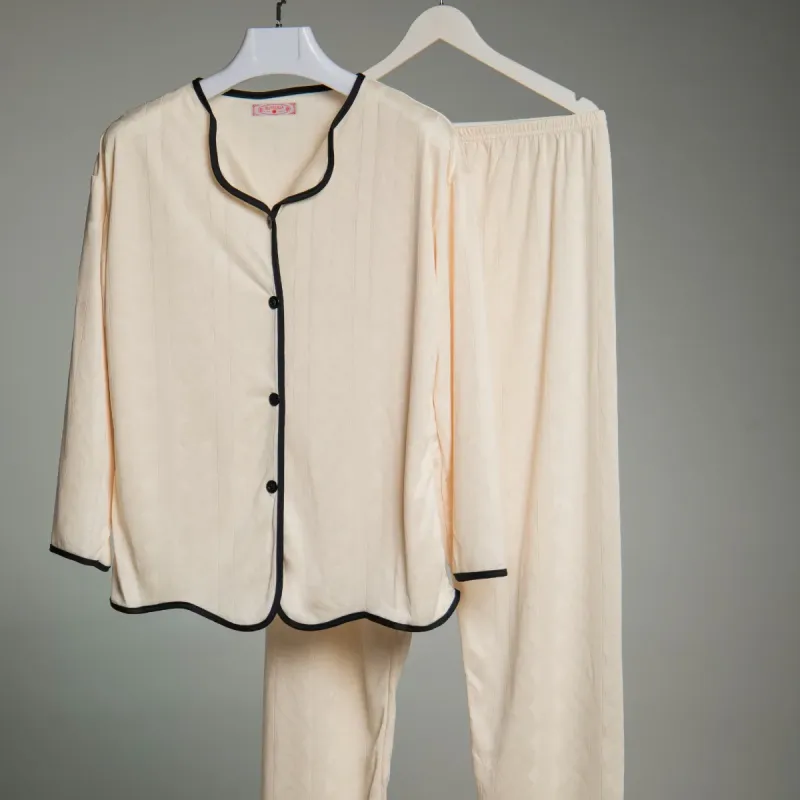
Homewear Manufacturers
$0.00
Ex Tax: $0.00
  • Stock: In Stock
  • Model: 2.12.1
Create unlimited custom product blocks and display them in accordions or tabs or open blocks. Each block can be assigned to all products at once or specific products according to advanced criteria.

Shenzhou International Group

Crystal International Group Limited

Regina Miracle International (Holdings) Limited

MAS Holdings (Pvt) Ltd

Gildan Activewear Inc.

Brandix Apparel Limited

Eclat Textile Co. Ltd.

Wacoal Holdings Corp.

Triumph International

Hansae Co., Ltd.

Loungewear & Sleepwear Wholesalers
Global Top Loungewear & Sleepwear Suppliers List | Verity Rank
Verified list of the world’s top loungewear and sleepwear suppliers & manufacturers. Compare key players by production capacity, technology, and global logistics for informed sourcing decisions.
loungewear wholesalers, sleepwear suppliers, bulk pajama manufacturers, wholesale vendors list, global sourcing, OEM manufacturers, factory directory, B2B suppliers, apparel sourcing guide, reliable manufacturers

Write a review

Please login or register to review

Builder in Product TAB

NEW! Since Journal 3.2, the much improved T.A.B (Tabs Accordion Blocks) system supports the page builder inside the tab content. Unlimited Blocks, Tabs or Accordions with any HTML content or the builder interface (supporting custom rows/columns/modules) can be assigned to any individual product or to certain groups of products, like entire categories, brands, products with specific options, attributes, price range, etc.You can indicate any criteria via the advanced product assignment mechanism and only those products matching your criteria will display the modules.Also, any module can be selectively activated per device (desktop/tablet/phone), customer login status and other criteria. Imagine the possibilities.

FAQ

Verity Rank is committed to delivering authentic, transparent, and verifiable industry insights. This ranking is not based on subjective opinions but on a rigorous multi-dimensional evaluation model. We systematically collect and cross-verify public data and authoritative information from global sources, conducting quantitative analysis on key dimensions for each company, including financial performance, market influence, supply chain control, consumer sentiment, and innovative sustainability. Our data sources include, but are not limited to: public financial filings of listed companies, reports from international market research authorities, statistics from government and industry bodies, specialized research from leading universities and think tanks, as well as global public sentiment and search trend data integrated via AI technology. All data undergoes cleaning and weighted calculation to ensure the objectivity and neutrality of the final ranking, presenting you with a credible panorama of the industry.
Homewear is a broad category of clothing designed for wearing at home, but its definition has evolved significantly in recent years. It's no longer just what you sleep in; it's what you live in.
To understand homewear, it's helpful to distinguish it from related terms:
1. Sleepwear (Pajamas, Nightgowns): This is a sub-category of homewear specifically designed for sleeping. Key characteristics prioritize unrestricted movement and breathability for comfort during sleep. Examples include classic cotton pajama sets, silk chemises, and nightgowns. Brands like Victoria's Secret and Aerie are known for their diverse sleepwear ranges, from pure cotton to luxurious silk.
2. Loungewear: This is perhaps the most significant component of modern homewear. It's clothing for relaxing at home—watching TV, reading, working from home. Think soft joggers, comfortable hoodies, relaxed-fit t-shirts, and knit sets. Comfort is the absolute priority. Loungewear has exploded in popularity with the rise of remote work. Uniqlo's soft fleece sets and Lululemon's buttery-soft fabrics are prime examples of loungewear done right.
3. The "Homewear" Umbrella: Today, homewear encompasses both sleepwear and loungewear, but it also includes a newer trend: "Athflow" or hybrid pieces designed to be stylish and comfortable enough to wear from the bedroom to the street for quick errands. This is where brands like Oysho and Skims excel, creating pieces that blur the lines between activewear, loungewear, and even casual outerwear. For instance, Skims' Cozy Knit collection or Oysho's athleisure-inspired sleep sets are designed for both lounging and being seen.
In short, think of it this way: All sleepwear is homewear, but not all homewear is sleepwear. Homewear is the entire ecosystem of what you wear within your personal space, driven by the desire for comfort, style, and versatility in your private life. The modern consumer expects their homewear to be soft, functional, and increasingly, reflective of their personal style.
The price of homewear can range from under $20 to several hundred dollars. While brand marketing plays a role, the cost is driven by three primary factors: materials, technology/construction, and supply chain ethics. Here’s what you're really paying for in a high-end piece:
1. The Fabric: The Foundation of Feel. This is the single biggest cost differentiator. Premium homewear uses superior materials:
• High-Quality Natural Fibers: Not all cotton is equal. You might be paying for long-staple cotton (like Supima or Egyptian cotton), which creates softer, stronger, and more durable fabric. Alternatively, you're paying for the breathability and natural temperature regulation of linen (like Muji's French linen blends) or the luxurious, smooth feel of genuine mulberry silk (a signature of Victoria's Secret's high-end lines).
• Advanced Synthetics & Blends: In brands like Uniqlo and Lululemon, the price reflects years of R&D into functional fabrics. This includes moisture-wicking AIRism, heat-retaining HEATTECH, or Lululemon's patented Nulu™ and Everlux™ fabrics, which offer specific "naked" feels and performance benefits that generic fabrics cannot replicate.
2. Technology & Construction: The Invisible Craftsmanship.
• Patented Technologies: Aimer's premium price point is justified by its investment in "black tech" features like phase-change materials for temperature regulation, far-infrared energy robes, or anti-static technology developed with the Chinese space program.
• Construction Details: The difference lies in details like seamless construction (pioneered by Regina Miracle for brands), which eliminates chafing; flatlock seams that lie perfectly flat against the skin; or the precise fit of a well-designed pattern that moves with you, not against you.
3. Sustainability & Ethical Production: The Cost of Responsibility.
• An increasing portion of the cost goes towards ensuring the product is made responsibly. This includes using certified organic cotton (like GOTS-certified Muji options), recycled materials (like Uniqlo's recycled polyester fleece), or ensuring factories meet high environmental and labor standards (like the LEED-certified or Higg Index-compliant facilities of MAS Holdings or Gildan). These certifications and ethical practices add to the production cost but are increasingly valued by conscious consumers.
In essence, you are paying for a combination of tactile pleasure (the feel), performance (the function), durability (how long it lasts), and increasingly, the peace of mind that comes with a responsibly made product.
"Tech fabric" refers to textiles that are engineered at the fiber or yarn level to provide specific performance benefits beyond the basic functions of covering and warming the body. They are the result of significant research and development, often protected by patents, and are a key differentiator in the modern homewear market.
Here’s how these advanced materials are revolutionizing what you wear at home:
1. Temperature Regulation: Keeping You Just Right.
This is a game-changer for sleepwear and loungewear.
• Heat Retention: Uniqlo's HEATTECH is a prime example. This fabric, developed with Toray Industries, uses special fibers that absorb moisture vapor released by the body and convert it into heat energy, creating a layer of warmth without bulk.
• Cooling & Breathability: Conversely, Uniqlo's AIRism is designed for hot sleepers. It uses micro-fibers to wick moisture away from the skin rapidly, providing a smooth, cool, and dry feel. More advanced technologies, like Aimer's phase-change materials, can actively absorb, store, and release heat to maintain a consistent micro-climate, keeping you within a comfortable temperature range (±5°C) throughout the night.
2. Enhanced Comfort & Fit: The "Second Skin" Effect.
Tech fabrics are crucial for achieving that barely-there feeling.
• Seamless Technology: Pioneered by manufacturers like Regina Miracle, this involves knitting a garment in one piece, eliminating side seams that can cause irritation. This is perfect for sensitive skin and for creating perfectly fitted, flexible homewear.
• Four-Way Stretch & Recovery: Lululemon's patented Nulu™ and Everlux™ fabrics are engineered with the precise amount of stretch and, crucially, recovery. This means the fabric moves with you during yoga or lounging but snaps back into its original shape, preventing sagging and bagginess.
3. Specialized Functionality: Solving Specific Problems.
Tech fabrics can also address niche needs.
• Anti-Static & Skin-Friendly: Aimer has developed fabrics in collaboration with the Chinese Academy of Sciences that feature a "skin biomimetic membrane" with a pH of 5.5, balancing skin health. They've also created anti-static fabrics in partnership with the space program, keeping static voltage far below national standards.
• Odor Control & Quick-Drying: Many performance fabrics used in homewear, like those in Oysho's athleisure lines or Skims' shapewear, incorporate anti-microbial treatments to prevent odor and are designed to dry much faster than cotton, adding a layer of practicality.
In short, tech fabrics are transforming homewear from a passive garment into an active contributor to your comfort, health, and overall well-being at home.
Sustainable fashion is a movement and process aimed at creating a textile and apparel industry that is more environmentally friendly and socially just. It's about reducing the negative impact of clothing production and consumption. This isn't just a niche trend; it's becoming a core expectation for major brands and manufacturers.
In the homewear industry, sustainability manifests in several tangible ways:
1. Sustainable Materials: From Farm to Fabric.
• Organic & Regenerative Fibers: Brands like Muji use GOTS-certified organic cotton, grown without harmful pesticides and chemicals, which is better for the soil, farmers, and your skin.
• Recycled Materials: Uniqlo transforms plastic bottles into its warm, fluffy fleece robes. This gives waste a new life and reduces reliance on virgin petroleum-based materials.
• Innovative Eco-Fibers: Manufacturers are investing in lower-impact materials like TENCEL™ Lyocell, made from sustainably sourced wood pulp in a closed-loop process that recycles almost all water and solvents.
2. Responsible Manufacturing & Supply Chains.
• Cleaner Production: Top-tier manufacturers like MAS Holdings and Crystal Group are leaders here. They invest in water-efficient dyeing and finishing technologies (like Crystal's digital printing, which saves 85% of water) and renewable energy for their factories. MAS, for example, has made significant strides towards its goal of 39% renewable energy coverage.
• Ethical Labor: True sustainability includes the "social" aspect. Manufacturers must ensure safe working conditions, fair wages, and reasonable hours. Certifications and high scores in audits from brands like Lululemon or Nike are indicators of a responsible manufacturer. Hanesbrands' historic strength in vertical integration also allows for greater control over labor practices.
3. Transparency & Certifications: Proof of Progress.
• Consumers and buyers can look for trusted certifications. For example, Oeko-Tex Standard 100 (like the one covering all of Regina Miracle's production) certifies that every component of a textile product has been tested for harmful substances. The bluesign® system (adopted by Eclat) audits the entire supply chain, from chemical inputs to worker safety, ensuring the most environmentally responsible production.
In essence, when you choose homewear from a brand or manufacturer committed to these practices, you are contributing to a system that values the planet and its people as much as the final product's softness and style.
Ever wonder who's behind the label of your favorite loungewear? The name on the tag is often just the "brand," not the actual maker. The garment industry is powered by a complex network of specialized manufacturers. Understanding the different models helps clarify who really holds the expertise.
Here are the three primary types of manufacturers in the homewear industry:
1. OEM (Original Equipment Manufacturing) - "Pure Manufacturing."
In this classic model, the brand provides the complete design and specification. The manufacturer's role is to execute, sourcing the exact materials and using its machinery and labor to produce the garment exactly as instructed. Think of it as "manufacturing as a service." Many large-scale, pure-play manufacturers like Shenzhou International or Crystal Group operate extensively in this space, producing huge volumes for brands like Uniqlo, Nike, and H&M based on the brands' precise designs.
2. ODM (Original Design Manufacturing) - "Design + Manufacturing."
This is a step up the value chain. Here, the manufacturer not only produces the garment but also contributes to its design and development. They might have an in-house team that creates new styles, develops proprietary fabrics, or suggests modifications based on their manufacturing expertise. Brands can then choose from the ODM's catalog or collaborate on exclusive designs. Eclat Textile is a classic ODM, known for its deep expertise in functional knit fabrics. Brands come to them not just to produce, but to leverage their material innovation. Regina Miracle also operates heavily in ODM, using its patented seamless technology to co-create products with partners like Lululemon and Victoria's Secret.
3. Vertical Integration - "Total Control."
This is the most comprehensive model. A vertically integrated manufacturer controls multiple, if not all, stages of the supply chain within its own operations. This could mean owning the farms or spinning mills that produce the yarn, the factories that knit and dye the fabric, and the facilities that cut and sew the final garment.
• Hanesbrands (now part of Gildan) was a prime example of this, with an industry-leading rate of over 70% self-owned manufacturing, controlling the process from cotton yarn to finished product.
• Gildan itself is a master of vertical integration, operating its own large-scale spinning, fabric, and sewing facilities, primarily in Central America and Bangladesh. This control allows for massive economies of scale, strict quality control, and agility.
• On a smaller, more premium scale, Aimer in China also practices vertical integration, with its own R&D centers and smart factories in Beijing and Suzhou, allowing it to maintain the highest quality and protect its proprietary textile technologies.
In short, the next time you appreciate the perfect softness or fit of a garment, remember it's likely the result of a deep partnership between a well-known brand and a highly specialized, often invisible, manufacturing expert.